The difference between a boot that holds up and one that fails often comes down to a few millimeters of insulation and a sealed membrane you cannot see. This guide focuses exclusively on women’s boots that combine sealed waterproofing with genuine thermal insulation, built for snow, slush, mud, and bitter wind.
I’m Emma — the founder and writer behind Baby Bangs. I’ve spent years digging through material specs, warranty claims, and long-term wear reports to separate the boots that keep their promises from those that simply look the part on a shelf.
After analyzing dozens of models across multiple winters, I’ve narrowed the field to nine standout options that define the best insulated waterproof boots for women category by combining measurable warmth ratings with proven moisture blocking and real-world traction data.
How To Choose The Best Insulated Waterproof Boots For Women
Three factors separate a boot that delivers dry warmth over multiple seasons from one that lets you down mid-January. You need to match insulation density to your local temperature floor, verify the waterproofing method matches your terrain (standing slush versus deep snow), and confirm the outsole compound can handle the specific surface you walk on most often. Ignoring any of these three creates a weak link that undermines the entire purchase.
Match Insulation Weight To Your Climate
Insulation is measured in grams, and that number directly dictates the lowest temperature a boot can handle. Boots with 200g of insulation typically work down to around 20°F. At 400g, you gain protection into the single digits. For extreme cold below zero, look for boots that use layered insulation systems combining neoprene, foam, and fleece rather than a single thin layer. Always check the comfort range rating from the manufacturer rather than guessing based on looks.
Waterproofing Method Matters More Than Brand
Not all waterproofing is equal. Sealed synthetic membranes like those from Columbia or KEEN work well for moderate snow and rain. Neoprene boots from MUCK or Dryshod offer superior flexibility and total immersion protection because the material itself is waterproof, not just a coating. Rubber over-boots provide the highest durability against punctures and abrasion but sacrifice breathability. If you will step into standing water or deep slush regularly, neoprene or rubber construction is the safer bet over a sprayed-on coating.
Traction Depends On Lug Design And Rubber Compound
A deep tread pattern with wide spacing clears mud and snow rather than packing solid. Boots designed for ice should have a softer rubber compound that stays pliable in cold temperatures, along with multi-directional lugs that grip on uneven surfaces. Avoid boots with shallow, purely cosmetic tread if you will encounter freezing rain, packed snow, or wet rock. Look for outsole descriptions that mention high-traction rubber or specific lug geometries for lateral and medial support.
Quick Comparison
On smaller screens, swipe sideways to see the full table.
| Model | Category | Best For | Key Spec | Amazon |
|---|---|---|---|---|
| Dryshod Arctic Storm Hi | Extreme Cold | Sub-zero barn chores & full immersion | 7-layer insulation, rated to -50°F | Amazon |
| THE NORTH FACE Chilkat V 400 | Premium Insulation | Single-digit temps & deep snow | 400g Heatseeker insulation | Amazon |
| SOREL Out N About IV Chillz | Mid-Range Premium | Winter errands & light hiking | Removable 9mm washable liner | Amazon |
| KEEN Greta Waterproof | All-Around Hiker | Wet, rocky terrains & snowshoeing | Roomy toe box, rugged rubber outsole | Amazon |
| MUCK Wetland Boot | Neoprene Workhorse | Mud, livestock & deep puddles | 5mm neoprene bootie, calf-high rubber | Amazon |
| Columbia Women’s Minx IV | Mid-Insulation | Everyday snow & cold commutes | 200g insulation, soft fleece lining | Amazon |
| SOREL Tivoli V Tall | Tall Coverage | Deep snow, taller calf protection | Tall shaft, thick laces that resist freezing | Amazon |
| Merrell Thermo CHILL MID WP | Hybrid Hiker | Ice, snow, and mixed terrain hikes | Flannel lining, 5mm lug depth | Amazon |
| Columbia Minx Shorty IV | Budget Friendly | Light snow, casual short walks | Lightweight build, ankle-fit closure | Amazon |
In‑Depth Reviews
1. Dryshod Arctic Storm Hi Extreme Cold Conditions Women’s Winter Boot
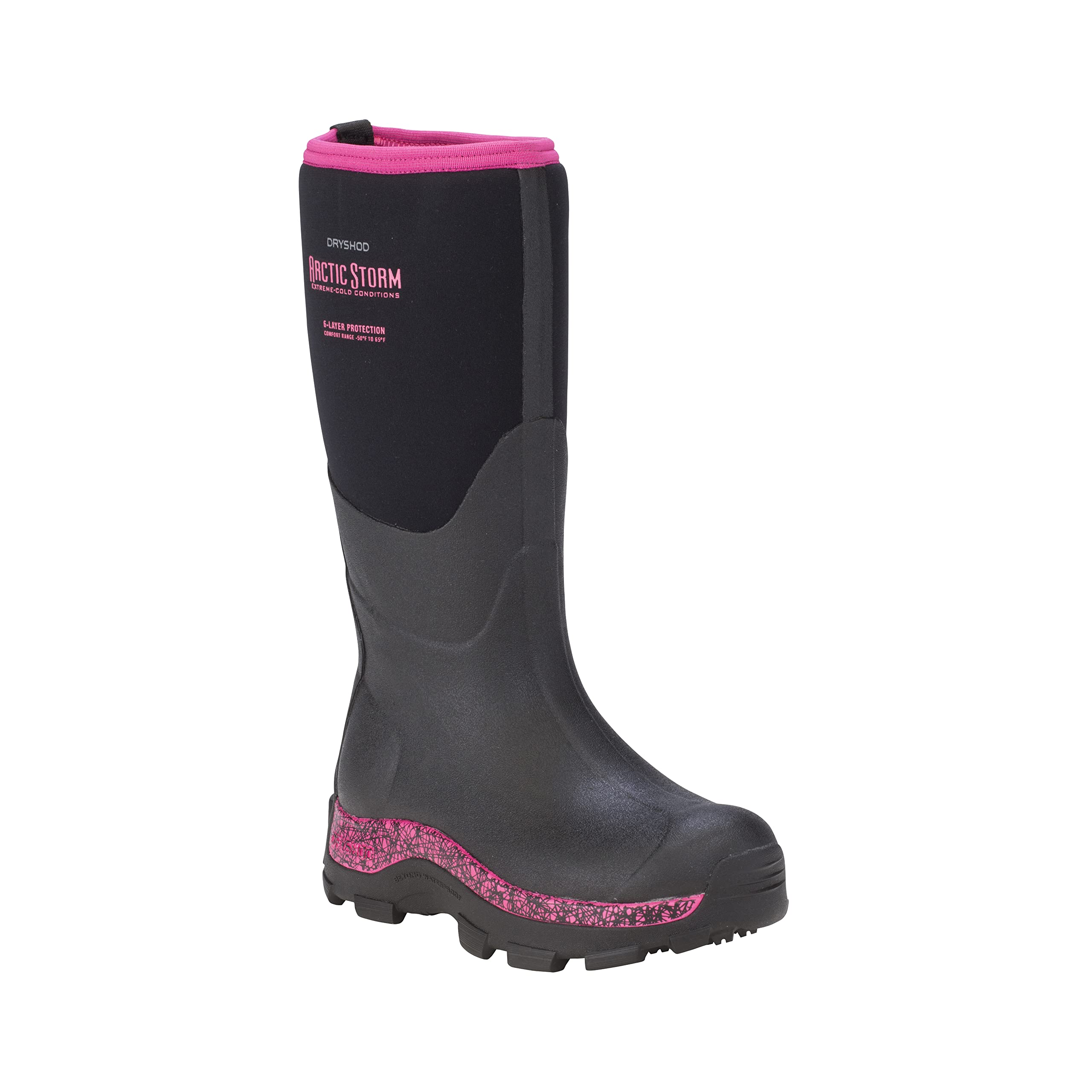
The Dryshod Arctic Storm Hi uses a seven-layer insulation system combining a 5.5mm neoprene bootie, 2.5mm DENSOPRENE XD foam, airmesh, and fleece lining to create a thermal barrier rated from -50°F up to 65°F. That comfort range makes it the only boot on this list designed for sustained exposure to deep sub-zero conditions, not just a few minutes of shoveling. The genuine hand-laid natural rubber overlays and DS1 two-piece outsole with aggressive multi-directional lugs provide grip on ice, packed snow, and muddy barn floors without the PVC or TPR shortcuts common in cheaper rain boots.
Real-world reports from Maine and Wisconsin winters confirm the boot keeps feet warm with normal socks in single-digit temperatures, with several users noting it outlasted previous Muck boots that failed at the seam. The roll-down calf pipe allows adjustment for tall or wide calves, and the 4-way stretch breathable airmesh lining makes the pull-on design genuinely easy to use even with cold hands. The reinforced heel kick tab aids removal, though a few users flagged the pull tab as a potential long-term weak point under heavy use.
At just over a pound per boot, the Arctic Storm is lighter than its extreme protection rating suggests. The Hydrokote water-repellent coating causes snow and water to bead and roll off the exterior rather than soaking into the textile, preventing the boot from icing up during long outdoor sessions. This is the most expensive boot in the roundup, but for anyone who works, farms, or lives in regions where temperatures drop below zero, it delivers a warmth-to-weight ratio that no other model here matches.
Why it’s great
- Seven-layer construction provides genuine protection down to -50°F without requiring multiple sock layers
- Hand-laid natural rubber overlays resist cracking and punctures better than synthetic alternatives
- Hydrokote coating prevents the exterior fabric from icing up in wet snow conditions
Good to know
- Heavier than a standard snow boot — expect some heft when walking for extended periods
- Pull tab durability concerns reported under daily heavy use from barn and farm work
2. THE NORTH FACE Women’s Chilkat V 400 Waterproof Snow Boot

The North Face Chilkat V 400 packs 400 grams of Heatseeker insulation into a package that weighs only 1.63 pounds, making it one of the lightest premium-insulated boots available. The insulation density targets temperatures well below freezing — single-digit warmth with enough margin for extended outdoor sessions. The waterproof membrane is integrated into the construction rather than applied as a surface treatment, so it maintains its seal across seasons of wear. The outsole uses a winter-specific rubber compound that stays pliable in cold weather, preventing the hard-plastic feel that causes slipping on ice.
User feedback consistently highlights that the boot runs narrow and requires sizing up by at least half a full size, especially for those planning to wear thick wool socks. Multiple reviewers with wide feet reported the boot accommodated their foot shape after a short break-in period, but ordering the larger size is non-negotiable. The boot performed well in snow and slush during sledding trips and daily commutes, with only deep puddle submersion testing the waterproof limit. One user noted that while the boot is marketed as fully waterproof, avoiding intentional submersion above the ankle is wise.
The design is straightforward — no removable liners or convertible cuffs — which keeps weight low and durability high. The boot looks as pictured with a soft grey bottom and clean aesthetic that works for casual winter wear, not just technical hiking. If you need a boot that delivers heavy insulation without the bulk of traditional winter boots, the Chilkat V 400 balances warmth with day-long walkability better than most competitors in its price tier.
Why it’s great
- 400g Heatseeker insulation provides single-digit warmth without the bulk of neoprene or rubber
- Very lightweight at 1.63 pounds, reducing leg fatigue on long walks
- Winter-specific rubber outsole compound stays flexible and grippy in freezing temps
Good to know
- Runs narrow — plan to order a half to full size up for thick socks or wide feet
- Not designed for deep puddle submersion; avoid intentional water immersion above the ankle
3. SOREL Women’s Out N About IV Chillz Waterproof Boot
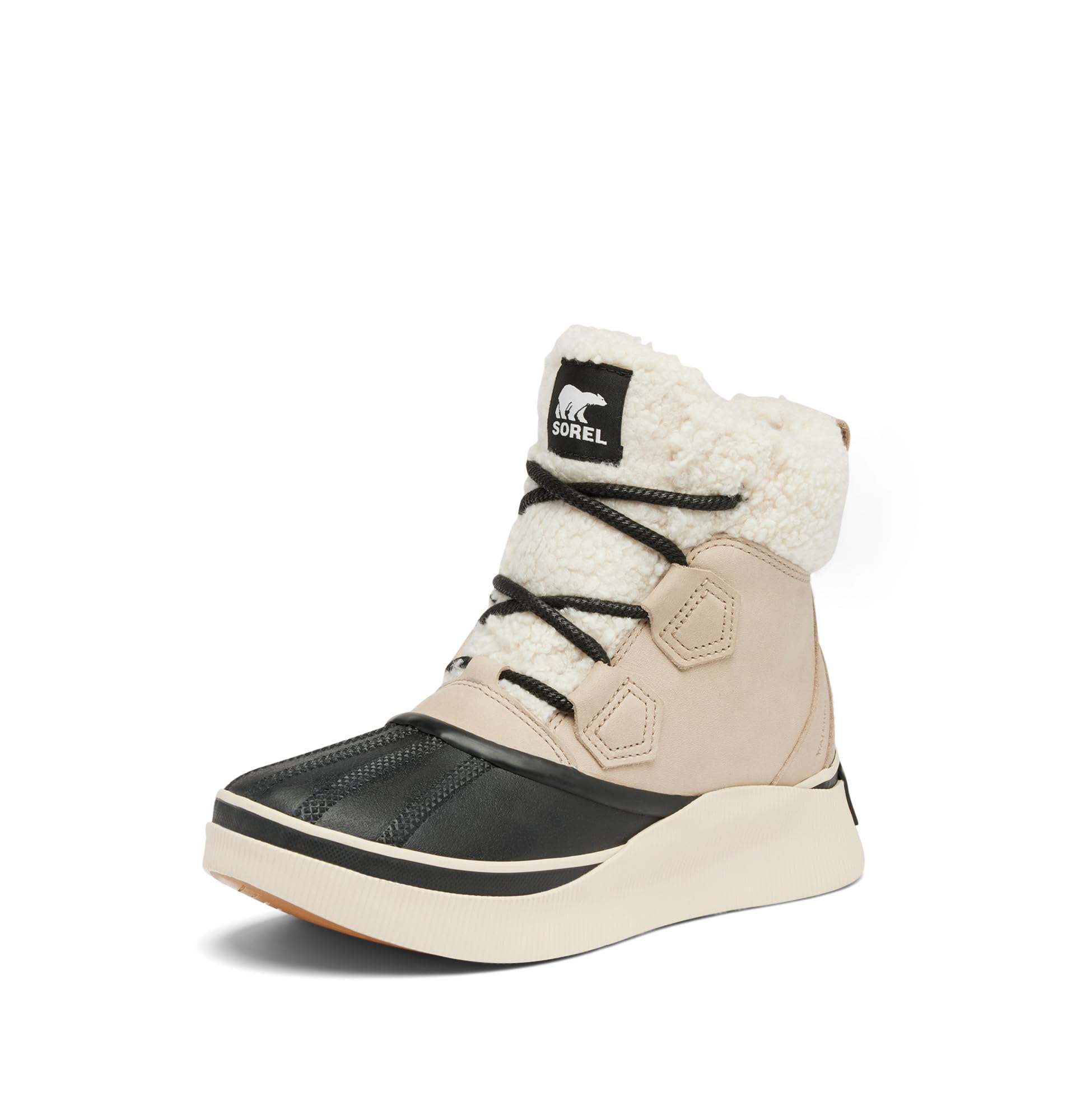
The SOREL Out N About IV Chillz uses a 9mm washable removable liner that sets it apart from fixed-insulation boots. You can pull the liner out to dry between wears, replace it when it wears down, or swap it for a custom orthotic if needed. The boot combines a leather upper with a rubber toe cap and an ankle-high shaft that seals out snow without restricting ankle mobility. The tread pattern uses wide-spaced lugs that self-clear mud and slush rather than packing solid, maintaining grip across varied surfaces.
Reviewers consistently note the boot runs small, requiring a half to full size up to accommodate thick winter socks. The design includes adjustable laces that allow a snug fit around the ankle while leaving the toe box roomy enough for toe movement. Users who wore these for extended walks and light hikes reported warm, dry feet in temperatures ranging from the upper teens to mid-20s, though the boot is not rated for the extreme cold that the Dryshod or North Face options handle. The rubber toe cap protects against scuffs and bumps, which matters for city walking where unexpected curbs and wet pavement are constant.
At 3.38 pounds for the pair, these have a reassuring solidness without feeling like lead. The style works equally well with jeans and winter coats as it does with hiking pants, making them a strong choice for someone who needs a single boot for commute, errands, and short outdoor walks. If you run cold and prioritize the ability to dry or replace the liner, this is the most practical mid-range option in the lineup.
Why it’s great
- Removable 9mm washable liner extends boot life and allows thorough drying between wears
- Rubber toe cap adds durability against curbs, rocks, and repeated scuffs
- Wide-spaced lug pattern self-cleans in mud and slush rather than packing solid
Good to know
- Runs small across all reviews — order at least half a size larger than your normal shoe size
- Not insulated for extreme sub-zero conditions; best for moderate cold above the mid-teens
4. KEEN Greta Waterproof Boot

The KEEN Greta Waterproof boot is built for wet, technical terrain where grip and foot protection matter more than maximum insulation thickness. It features KEEN’s signature roomy toe box that allows natural toe splay during descents and uneven steps, reducing the blister risk that plagues narrow boots on longer hikes. The waterproof membrane is paired with a rugged rubber outsole that uses multi-directional lugs optimized for loose rock, mud, and snow. Users who wore these across Iceland’s winter terrain reported zero concerns about ice or slippery rocks, with dirt and sand wiping off easily at the end of the day.
The boot combines a classic brown leather upper with a mauve fabric section that keeps the weight down to 1.26 pounds — remarkably light for a winter hiking boot. This low weight makes the Greta an excellent option for snowshoeing or winter day hikes where you want insulation without the drag of a full rubber boot. However, multiple users noted the boot does not perform well in sustained cold temperatures below 30-35°F, despite its warm-weather marketing. The insulation is sufficient for mild winter days and active movement but will leave you cold if you stand still for extended periods in freezing weather.
KEEN’s build quality is consistent with their 15-year reputation in the winter boot space. The leather may scuff more readily than synthetic competitors, but the trade-off is a boot that breathes better during active use. If your winter routine involves hiking, snowshoeing, or walking on mixed wet terrain at temperatures above freezing, the Greta is the most comfortable and capable option for extended movement. For stationary cold exposure, you will need a heavier insulated boot.
Why it’s great
- Roomy toe box allows natural toe movement, reducing blisters on longer wet-terrain hikes
- Exceptionally lightweight at 1.26 pounds, making it ideal for snowshoeing and active winter use
- Rugged multi-directional outsole lugs grip loose rock, mud, and snow without packing
Good to know
- Insulation is insufficient for temperatures below freezing — best for mild winter days above 30°F
- Leather upper scuffs more easily than synthetic competition; requires occasional conditioning
5. MUCK Women’s Wetland Boot

The MUCK Wetland boot is built around a 5mm neoprene bootie that provides both waterproof protection and thermal insulation through the material itself, not a membrane coating. The calf-high extended rubber overlay adds durability against briars, fence lines, and sharp debris that would puncture a standard fabric boot. The pull-on design with a sturdy buckle eliminates laces entirely, making this the fastest boot to get on and off in the lineup — a critical feature when you are moving between barn, truck, and field in wet conditions.
Users consistently report the boot runs large, requiring a half size down for a snug fit even with thick socks. The wide calf accommodates pants tucked in, and the block heel provides stability on uneven ground. Real-world testing included metal detecting, fishing, camping, and daily dog walks through mud and slush. The thick sole provides a reassuringly solid feel when walking over sticks and rocks, with enough insulation to keep feet warm in winter conditions without the clammy feeling that comes from rubber-only boots. Several reviewers noted these are comfortable enough for all-day wear without the stiffness that plagues new neoprene boots.
At 4.5 pounds, the Wetland is heavier than most boots on this list, but that weight translates directly into protection and warmth in conditions that would soak through lighter footwear. The MUCK name carries a strong reputation in the agricultural and outdoor work community, and the Wetland justifies its mid-range pricing with a durable build that multiple users reported lasting multiple seasons of hard use. If your daily terrain includes standing water, deep mud, or livestock areas, this boot delivers waterproof performance that an insulated fabric boot simply cannot match at the same price point.
Why it’s great
- 5mm neoprene bootie is inherently waterproof and insulated, no membrane to delaminate
- Pull-on lace-free design with buckle allows rapid on/off in wet, muddy conditions
- Thick rubber overlay and sole protect against punctures and debris in rough terrain
Good to know
- Runs large — order down a half size for a secure fit with medium socks
- Heavier than fabric boots at 4.5 pounds, noticeable during long walks on hard pavement
6. Columbia Women’s Minx IV
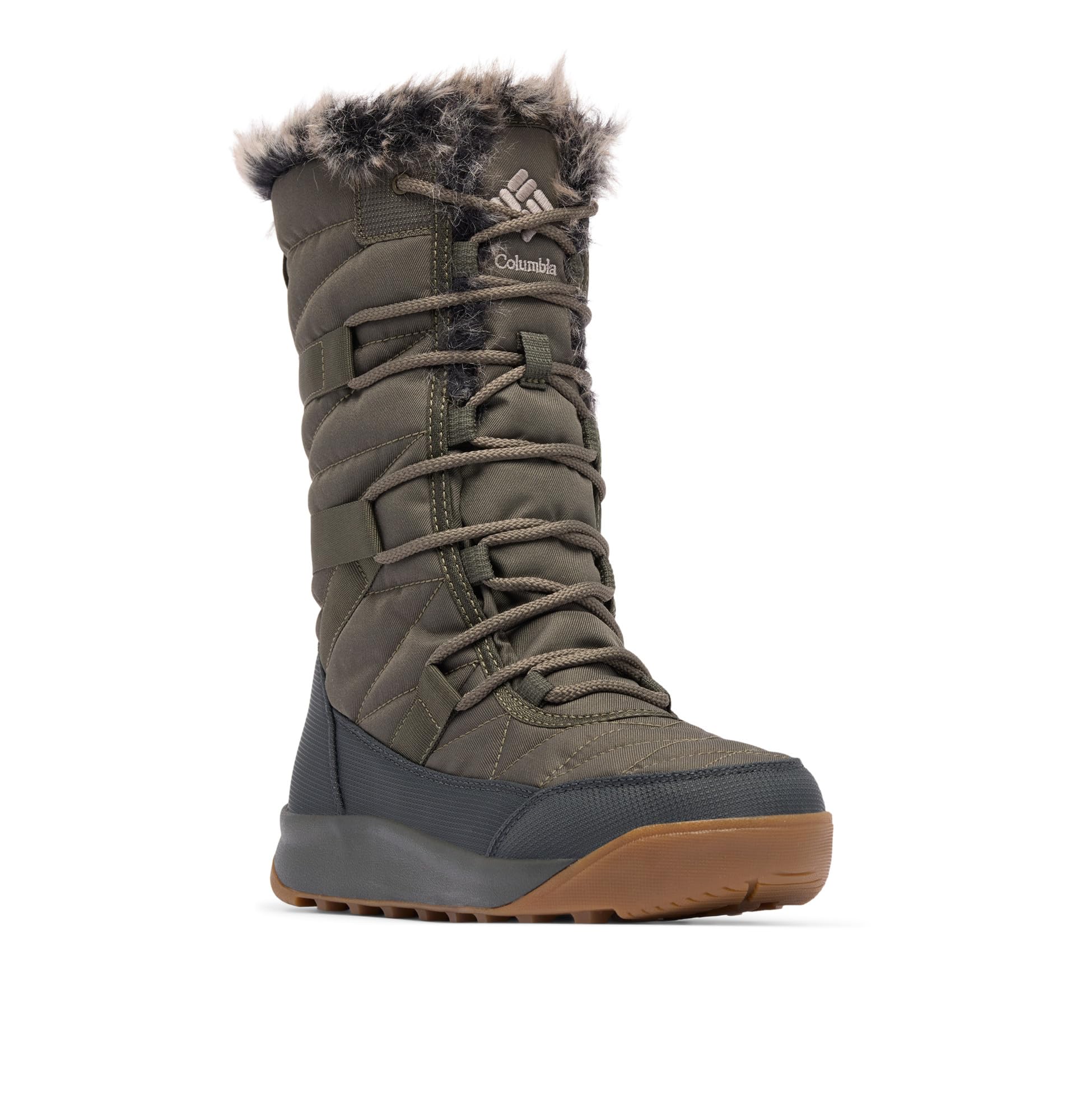
The Columbia Women’s Minx IV uses 200 grams of insulation paired with a soft fleece interior that feels warm against bare skin immediately upon slipping the boot on. The mid-calf height provides coverage above the ankle without restricting calf movement, and the waterproof membrane keeps feet dry in snow and slush during daily commutes and short outdoor sessions. The outsole uses Columbia’s signature Omni-Grip technology with a tread pattern designed for traction on snow and wet pavement, though several users noted the boot can feel slippery on pure ice.
The boot runs narrow, especially across the forefoot, and multiple reviewers with bunions or wider feet reported needing to order the wide version or size up a full size. The lace system uses shorter laces than ideal, which makes achieving a snug fit around the ankle slightly harder than it should be. Once broken in, the boot provides good arch and ankle support without the stiffness common in cheaper winter boots. The interior is soft enough that thin socks suffice for temperatures down to about 20°F, but the boot is too warm for indoor or daily above-freezing wear.
Users in northern winters confirmed these boots held up well for shoveling, walking the dog, and running errands. The fleece lining dries quickly if the interior gets damp, and the lightweight construction means you can walk miles without fatigue. The Minx IV hits a sweet spot for someone who wants genuine waterproofing and warmth without paying for extreme-cold insulation they will never use. For sub-zero conditions or deep snow hiking, move up to a higher insulation weight, but for standard winter life, this boot delivers consistent performance at a mid-range investment.
Why it’s great
- 200g insulation with soft fleece lining provides immediate warmth without requiring thick socks
- Lightweight, mid-calf design is comfortable for extended walking and daily errands
- Omni-Grip outsole delivers reliable traction on snow and wet pavement
Good to know
- Runs narrow across the forefoot — order wide or go up a full size for comfort
- Laces are shorter than ideal, making it tricky to achieve a fully secure ankle fit
7. SOREL Women’s Tivoli V Tall Waterproof Boot
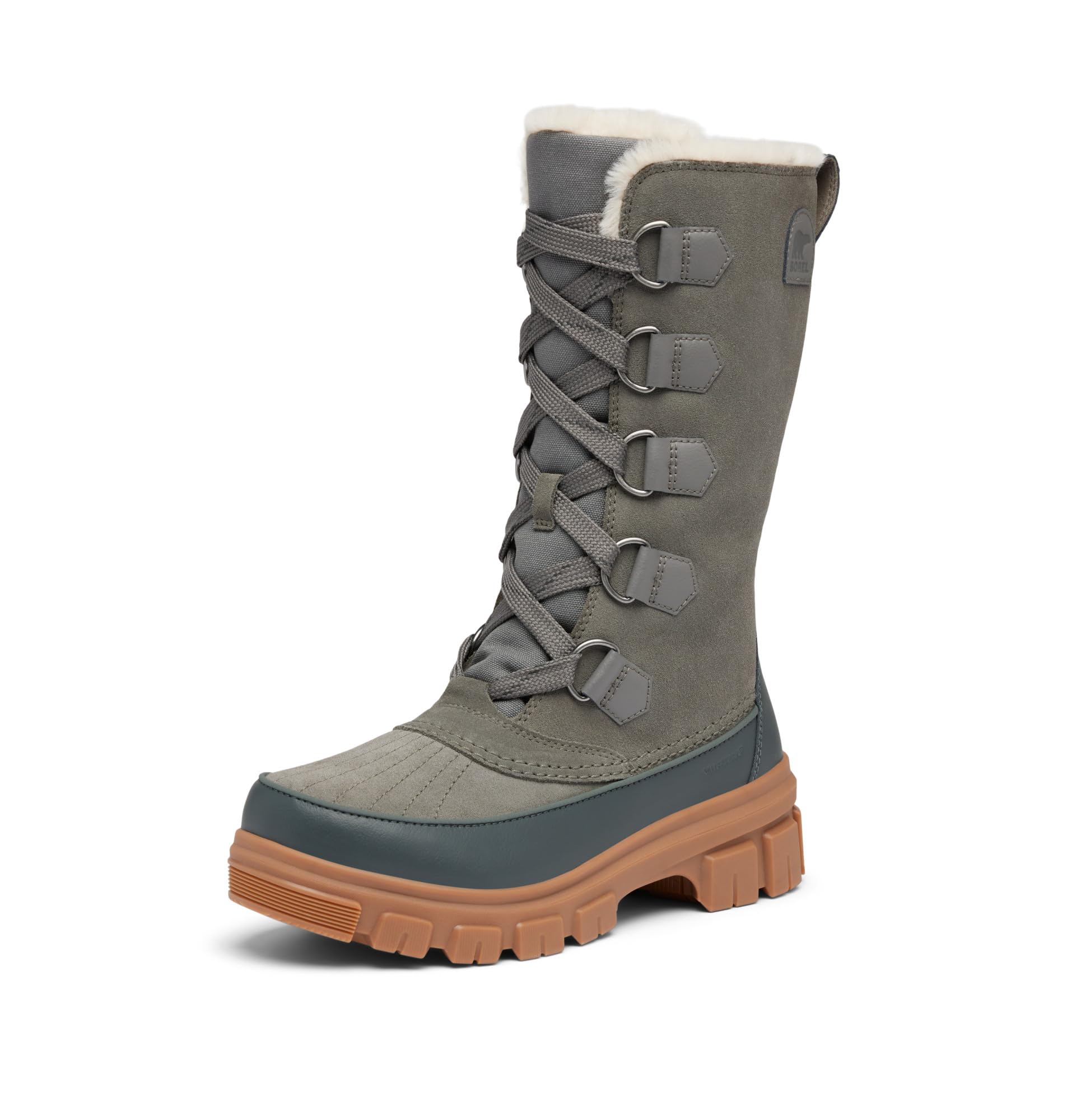
The SOREL Tivoli V Tall provides taller calf coverage than most boots in this roundup, extending protection up the leg for deep snow and slush conditions. The construction uses a waterproof leather and synthetic upper with sealed seams, paired with a thick rubber sole that provides solid traction on snow and ice. The laces are notably thicker than average and resist freezing in cold temperatures, a small detail that makes a meaningful difference when you are lacing up in single-digit weather. Users reported the boot felt true to size, fitting comfortably with both thin wool socks and thicker hiking socks.
The warmth range extends down to about 0°F with normal socks, and multiple reviewers in New Hampshire snow conditions confirmed the boot kept feet warm and dry during extended outdoor time in low teens to single digits. The boot does have a minor ankle rubbing spot when laced extremely tightly, but this was resolved by either loosening the top laces or wearing a moleskin patch. The boot accepts custom orthotics without crowding, and the insole provides better arch support than the flat footbeds found in many budget winter boots. One reviewer reported using heated insoles below 0°F to compensate for poor circulation, indicating the boot’s passive insulation is sufficient for most but may not satisfy those with extreme cold sensitivity.
SORELs have a reputation for longevity, and the Tivoli V Tall follows that pattern — several users reported over a decade of use from previous iterations. The style is somewhat fashionable for a winter boot, blending in with both casual outdoor wear and city winter outfits. If you need tall coverage to keep snow from falling into the boot top during deep snow walks, and you want a boot that looks as good as it performs, the Tivoli V Tall offers a premium build with a proven track record.
Why it’s great
- Tall shaft height prevents snow entry in deep conditions, extending protection up the calf
- Thick laces resist freezing, making lacing easier in extreme cold
- Accepts orthotics and provides better arch support than most flat-insulated winter boots
Good to know
- Minor ankle rubbing reported when laced tightly; loosening top laces resolves the issue
- Passive insulation down to 0°F may not be sufficient for users with very poor circulation in extreme cold
8. Merrell Women’s Thermo CHILL MID WP
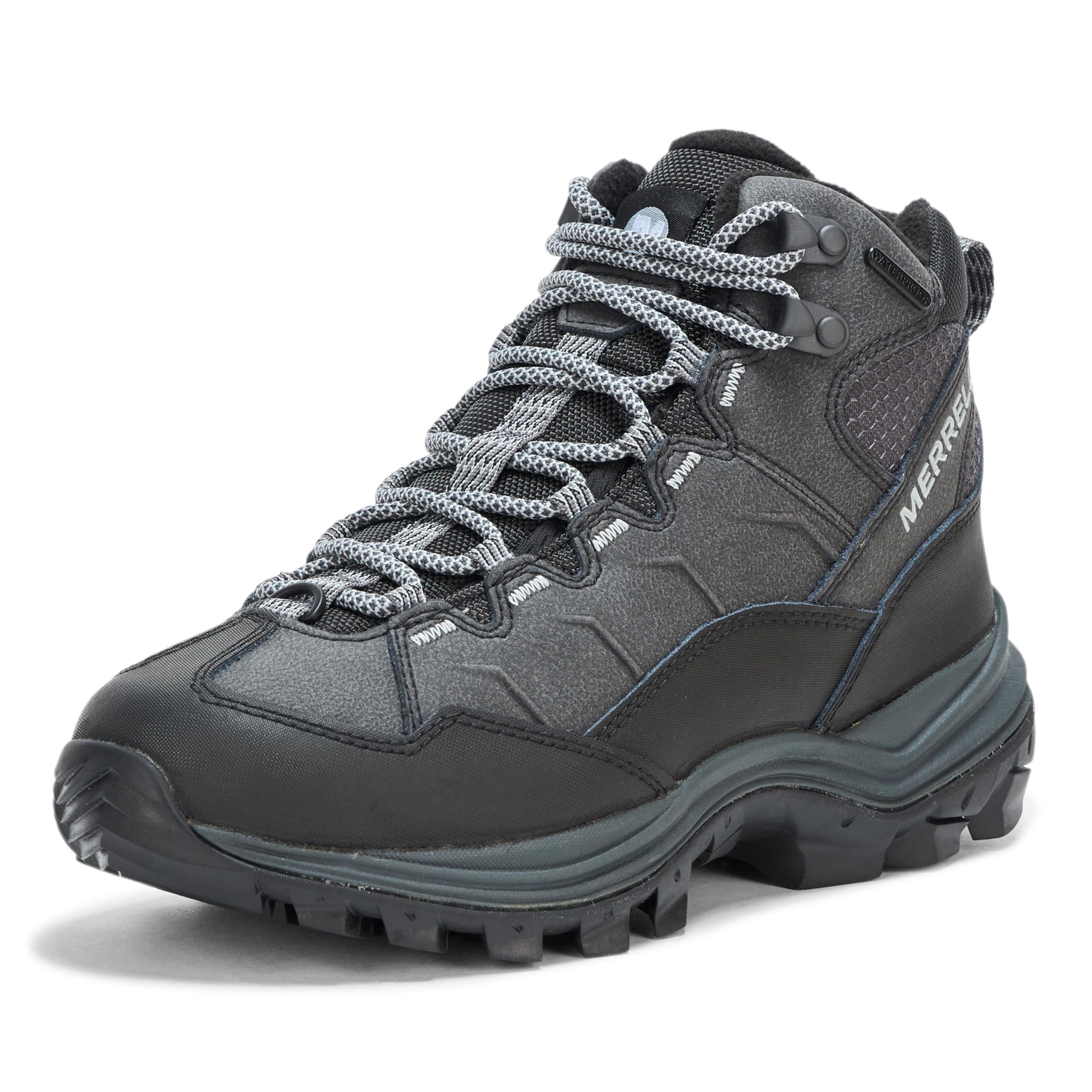
The Merrell Thermo CHILL MID WP combines a flannel lining with a 5mm lug outsole to create a winter boot that excels on mixed terrain where ice, snow, mud, and rock all appear in a single hike. The snug fit through the heel and ankle provides excellent support on uneven ground, while the toe box leaves enough room for toe movement without sliding forward on descents. The waterproof membrane is fully sealed and users confirmed 100% waterproof performance through snow, slush, and shallow stream crossings. Several hikers noted this boot provided enough traction on steep ice and snow that they did not need separate microspikes for moderate conditions.
The flannel lining is a defining feature — it feels noticeably warmer and more comfortable against the skin than standard synthetic fleece. Users with hip replacements reported feeling secure and stable in these boots on ice without needing cleats, a strong endorsement of both the outsole grip and the ankle support design. The boot runs about a half size small, and multiple reviewers emphasized sizing up a half to full size to accommodate thick wool socks without compressing the toes. The lace system uses long laces that allow a full custom fit across the instep and ankle.
At the budget-friendly end of the mid-range tier, the Thermo CHILL MID WP delivers surprising performance for the cost. One minor complaint centered on a top lace hook that fell off on one pair, though this appears to be an isolated quality control issue rather than a systemic flaw. The boot requires no break-in period and is comfortable right out of the box, making it an excellent choice for someone who wants a winter hiking boot that performs immediately. If your winter involves active hiking on varied terrain rather than stationary cold exposure, this is the best value in the lineup.
Why it’s great
- Flannel lining provides superior warmth and comfort compared to standard synthetic fleece interiors
- 5mm deep lugs with multi-directional pattern deliver reliable grip on ice, snow, mud, and rock
- No break-in period required — comfortable for immediate use on long hikes
Good to know
- Runs small — order a half to full size up for thick sock compatibility
- Isolated reports of top lace hook detaching, though not a widespread defect
9. Columbia Women’s Minx Shorty IV
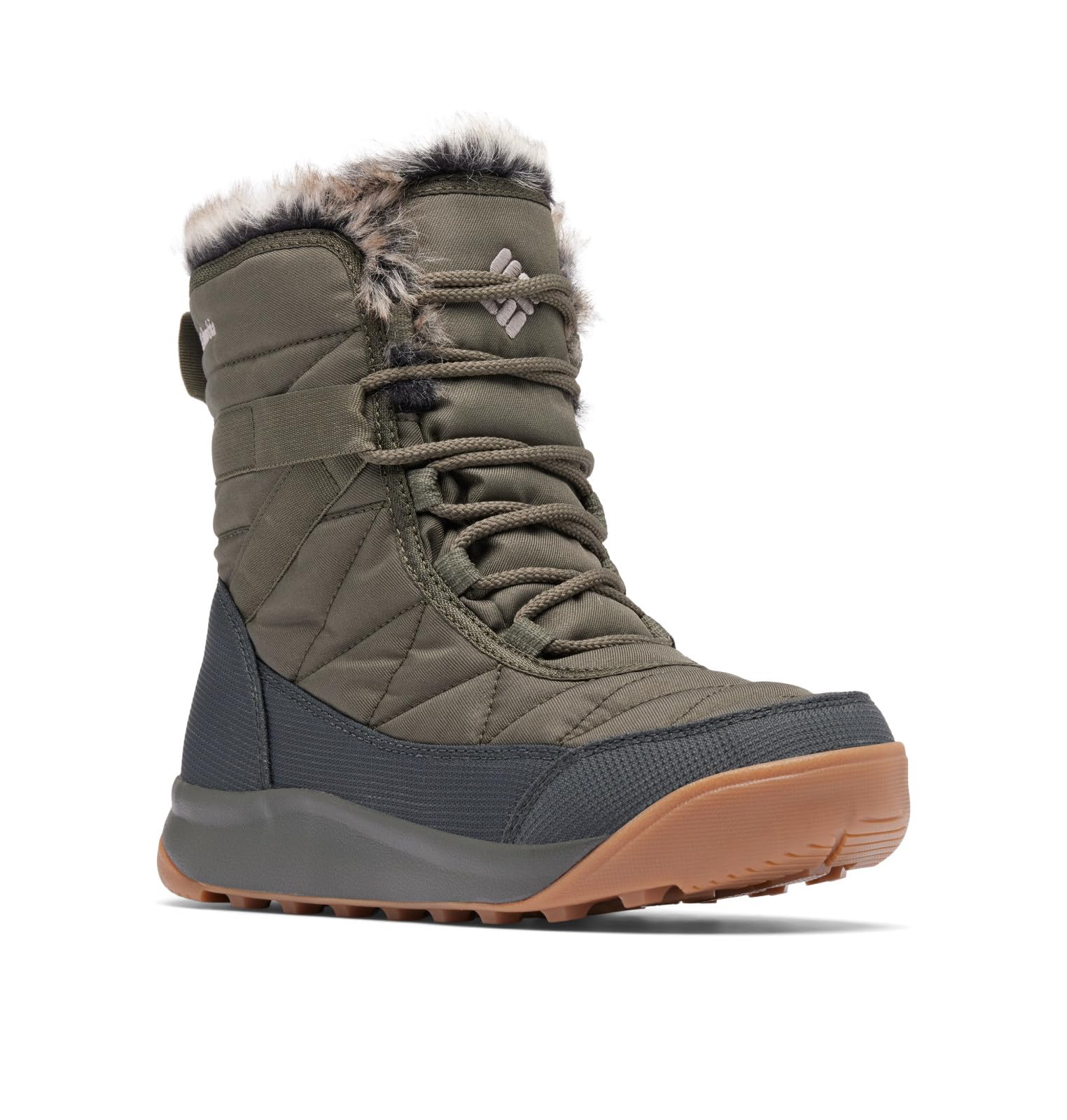
The Columbia Women’s Minx Shorty IV redefines what a budget-friendly insulated boot can deliver by focusing on the features that matter most: lightweight construction, easy slip-on access, and reliable waterproofing in a short ankle-height package. The boot uses a soft fleece interior and 200g insulation that keeps feet warm down to about 20°F, with a design that fits close to the ankle and calf to prevent snow entry without needing a tall shaft. Multiple users with wide feet and those who typically struggle with boot fit reported the Shorty IV accommodated their foot shape without pinching, thanks to a D-width compatible toe box and forgiving upper material.
The traction system uses Columbia’s Omni-Grip outsole with a tread pattern that performed well on snow and slush during real-world testing at a near-freezing football game and during three-mile walks on icy pavement. One reviewer noted the boot has mild questionable spots on pure ice, which is consistent with most non-studded winter boots at any price. The boot ships with a flat insole that provides minimal arch support, so users with high arches or plantar fasciitis should plan to swap in a supportive orthotic. The lightweight build — reviewers consistently described them as not feeling heavy — makes these ideal for extended wear during travel, commuting, or days that involve walking between indoor and outdoor environments.
At the budget-friendly end of the spectrum, the Minx Shorty IV captures the core requirements of an insulated waterproof boot without gimmicks or unnecessary weight. The ankle-fit closure keeps snow out effectively, and the boot dried quickly after exposure to snow and slush. For anyone who needs a winter boot for daily life — not extreme expeditions — this is the most sensible, well-executed option that balances warmth, waterproofing, and affordability without compromising on the essentials.
Why it’s great
- Lightweight, non-bulky design is comfortable for all-day wear and easy to pack for travel
- Ankle-fit closure effectively blocks snow entry while keeping the boot profile low
- D-width compatible toe box accommodates wider feet without pinching or pressure points
Good to know
- Flat insole provides minimal arch support — budget for an aftermarket orthotic if needed
- Traction is excellent on snow and slush but can be mildly slippery on pure, hard ice
FAQ
How do I know which insulation weight I need for my climate?
Can I wear insulated waterproof boots for hiking or are they only for snow shoveling?
How should insulated waterproof boots fit compared to regular shoes?
Why do some waterproof boots feel clammy and others breathe better?
Final Thoughts: The Verdict
For most users, the best insulated waterproof boots for women winner is the Columbia Women’s Minx IV because it delivers the ideal balance of 200g insulation, a soft fleece lining, reliable Omni-Grip traction, and a mid-calf height that works for daily winter life without the bulk or cost of extreme-cold boots. If you face sub-zero temperatures and need total immersion protection for farm work or extreme conditions, grab the Dryshod Arctic Storm Hi. And for winter hiking on mixed terrain where traction and comfort over miles matter most, nothing beats the Merrell Women’s Thermo CHILL MID WP.