The standard plastic bottle leaches chemical compounds that no amount of mountain spring filtration can undo. Switching to a container that does not introduce endocrine disruptors into your daily hydration cycle isn’t a preference — it is a non-negotiable step in reducing long-term toxic load. The market is flooded with labels that shout “BPA-free,” but the real difference comes down to resin type, third-party certifications, and packaging material integrity.
I’m Emma — the founder and writer behind Baby Bangs. I spent the last four years analyzing water container chemistries, auditing third-party lab results, and comparing the structural integrity of packaging across dozens of brands so you don’t have to guess which bottle is actually clean.
The result is a filtered, evidence-backed guide to the best bpa-free bottled water options available right now, ranked by packaging material, water source quality, and real-world taste consistency.
How To Choose The Best BPA-Free Bottled Water
Choosing bottled water that is genuinely free of bisphenol-A requires you to look past the front label. Most major brands have already removed BPA from their plastic containers, but many replace it with BPS or BPF, both of which show similar endocrine-disrupting activity in cellular studies. You need to examine the resin identification code inside the recycling triangle and the specific lining material used in aluminum or glass containers.
Resin Identification Code and Lining Chemistry
Plastic bottles with code 1 (PET) are generally BPA-free, but they are single-use bottles that can leach antimony when exposed to heat or prolonged storage. Code 2 (HDPE) and code 5 (PP) are safer options for reusable or multi-serve containers because they are more chemically stable. Aluminum cans often use an epoxy lining — you need to confirm that lining is BPA-free (look for acrylic or water-based polymer linings). Glass is the only material with zero chemical migration risk from the container itself.
Source Quality and Third-Party Testing
Spring water that is bottled at the source and tested by an independent lab (NSF or Eurofins) is the gold standard. Purified water has been processed through reverse osmosis or distillation, which removes chlorine and total dissolved solids, but you lose the natural mineral profile. If you want the cleanest drop, look for a brand that publishes its annual water quality report and screens for phthalates, VOCs, and heavy metals alongside bisphenol-A.
Quick Comparison
On smaller screens, swipe sideways to see the full table.
| Model | Category | Best For | Key Spec | Amazon |
|---|---|---|---|---|
| NEA Canned Water | Premium Canned Spring | Plastic-free daily hydration | BPA-free aluminum lining | Amazon |
| Maison Perrier Blackberry | Premium Sparkling | Flavored, no-sugar sparkling water | 0 calories, no sweeteners | Amazon |
| Weis Natural Spring 40 Pack | Mid-Range Spring | Bulk spring water for families | 676.28 fl oz per order | Amazon |
| Weis Purified 32 Pack | Budget Purified | Affordable daily hydration | 541 fl oz, purified | Amazon |
| Poland Spring 8 oz 24 Pack | Entry-Level Mini | Small portions for kids/on-the-go | 192 fl oz total | Amazon |
In‑Depth Reviews
1. NEA Canned Water
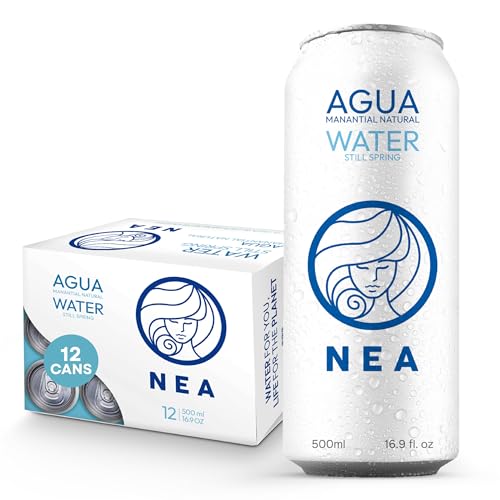
NEA stands alone in this list because the container itself eliminates the plastic variable entirely. The advanced BPA-free aluminum lining uses a water-based polymer coating that prevents any metallic aftertaste — a common failure in cheaper canned waters. The water originates from Austrian Alps mountain springs that are naturally filtered through limestone and dolomite rock, giving it a soft, crisp mineral profile with a pH around 7.8. One reviewer noted the temperature retention is superior to plastic because the aluminum can stays cold considerably longer during outdoor use.
Every can is carbon neutral and B-Corp certified, with a coral reef restoration pledge that plants coral across Pacific and Mediterranean reefs. That contribution does not affect the water chemistry, but it reflects a supply chain that prioritizes environmental accountability — a rare trait in the 550-billion-bottle global water industry. The 202.8 fluid ounces per 12-pack is adequate for a week of daily hydration.
One minor consideration is that the can opening is standard 12-ounce can diameter, which is not resealable. If you want to sip throughout the day, you will need to finish the can or transfer it to a cup. That trade-off is minimal given the plastic-free packaging integrity.
Why it’s great
- Professional-grade BPA-free lining with zero metallic taste
- Crisp, mineral-rich spring water from Austrian Alps at pH 7.8
- B-Corp certified with coral reef restoration per can
Good to know
- Standard can opening is not resealable
- Premium-tier packaging costs more per liter than bulk plastic
2. Maison Perrier Forever Blackberry
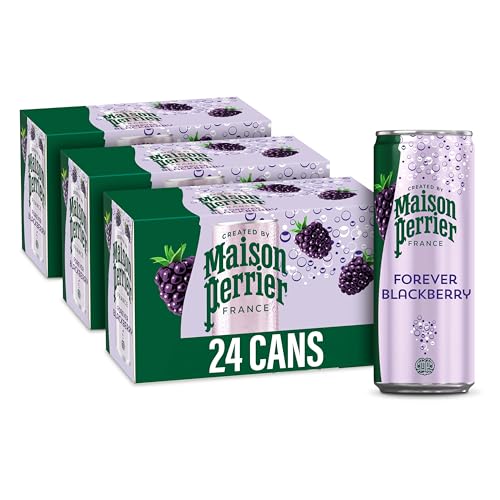
This product brings the BPA-free conversation into the sparkling water category, where many cans still rely on epoxy linings that contain bisphenol compounds. Maison Perrier uses a proprietary lining that is clearly labeled as BPA-free, and the water itself is sourced from the famous Perrier spring in Vergèze, France — a naturally carbonated mineral water that has been bottled since the 19th century. The blackberry flavor comes from natural fruit essences with zero calories, zero sweeteners, and zero sucralose, making it a clean alternative to flavored sodas or artificially sweetened sparkling waters.
The 3-pack configuration gives you 24 cans of 11.15 fluid ounces each. The carbonation is notably finer and more persistent than generic seltzer, which reviewers consistently describe as “refreshing” and “luxurious” without the heavy sugar load. One reviewer explicitly called it a great alternative to soda because the flavor intensity is high without any of the bad stuff.
The one drawback is the 267.7 fluid ounces of total volume is not the most efficient hydration density if you are focused strictly on still water. This product works best as a replacement for soda or as a treat — not as your primary daily hydration source. The price per ounce is higher than still water in plastic bottles.
Why it’s great
- BPA-free can lining with natural carbonation from French spring source
- Zero calories, zero sweeteners, strong natural blackberry flavor
- Fine persistent bubbles that do not go flat quickly
Good to know
- Higher cost per ounce compared to still water in plastic bottles
- Not a resealable container — finish the can in one session
3. Weis Quality Water Natural Spring 40 Pack
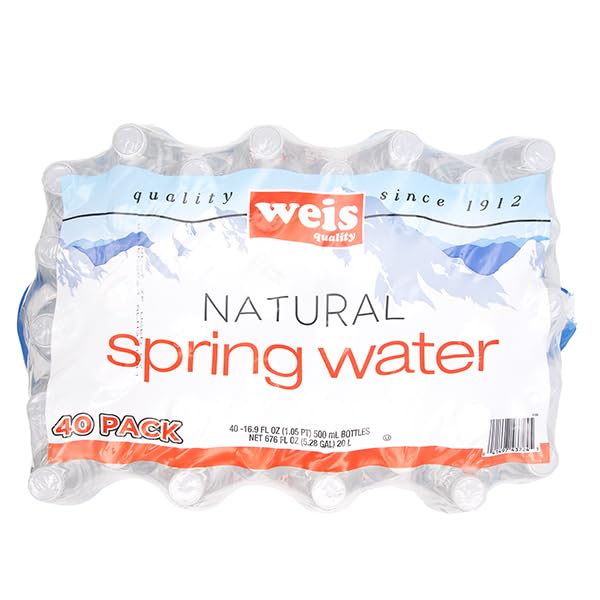
Weis Quality Natural Spring Water is a strong entry in the mid-range tier because it delivers spring water at a volume (676.28 fluid ounces total) that works well for households that go through a case every week. The bottle resin is code 1 PET, which is BPA-free, but PET can leach antimony under warm storage conditions, so avoid leaving these bottles in a hot car or direct sunlight. Reviewers consistently praise the taste, with multiple people commenting that there is no plastic aftertaste — a sign that the bottling process and storage logistics are handled well.
The 40-bottle count gives you flexibility for lunch boxes, gym bags, and pantry stocking. Several reviewers noted that the bottle walls are thin, so opening the cap requires a steady hand to avoid collapsing the sides. That is a structural compromise that comes from lightweight PET manufacturing, but it does not affect the water chemistry.
The filtration source is natural spring, not purified, which means it retains naturally occurring calcium, magnesium, and potassium at trace levels. That mineral content gives it a smoother mouthfeel compared to reverse-osmosis purified water that tastes flat.
Why it’s great
- High volume (40 bottles) at a cost-effective per-bottle rate
- Natural spring water with trace minerals for a smooth taste
- Multiple reviews confirm zero plastic aftertaste
Good to know
- PET resin bottles are sensitive to heat-related antimony leaching
- Thin bottle walls can collapse under normal grip pressure
4. Weis Quality Water Purified 32 Pack
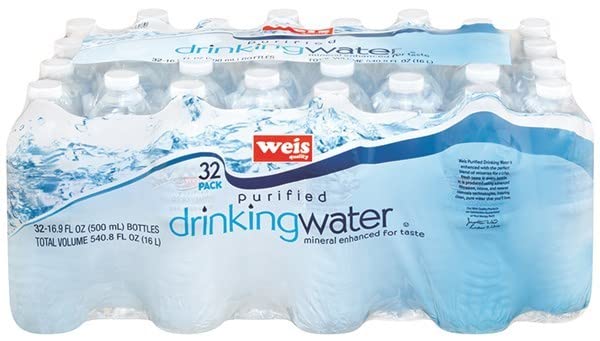
The purified version from Weis goes through reverse osmosis and ozonation, which strips the water down to H2O with minimal total dissolved solids. That process provides a blank-slate taste that many people describe simply as “wet water” — neutral, inoffensive, and consistent every time. If you prefer the crispness of spring mineral water, this purified option will taste flat by comparison, but if you are sensitive to the mineral aftertaste of some spring waters, this is your cleaner alternative.
The bottle is again code 1 PET, BPA-free, with the same thin-wall construction as the spring version. The 32-bottle count is smaller than the spring pack but still sufficient for a household of two for a week. Several reviewers noted that ordering this is a practical alternative to dragging cases from the grocery store, and the shipment arrived intact.
The main limitation is that purified water lacks the electrolyte profile of spring water. If you are using this for post-workout hydration or during periods of heavy sweating, you will want to supplement electrolytes separately. For casual daily hydration, the taste neutrality is an advantage.
Why it’s great
- Reverse osmosis purified for pure, neutral taste with zero mineral notes
- Cost-effective bulk option that saves store trips
- BPA-free PET bottles with reliable Amazon packaging
Good to know
- No natural mineral or electrolyte content for active recovery
- Thin bottle walls require careful handling when opening
5. Poland Spring Water 8 oz 24 Pack
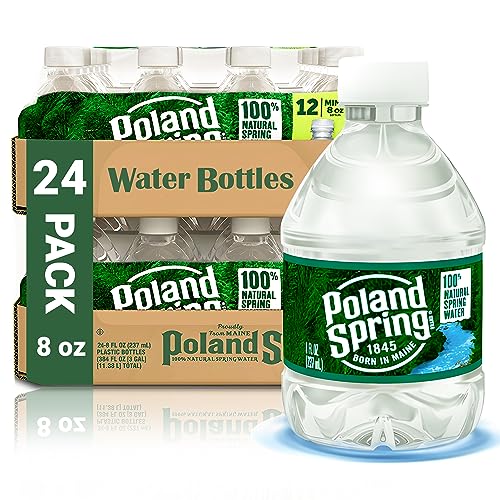
Poland Spring is one of the most recognized spring water brands in the northeastern United States, sourcing from protected natural springs in Maine. This 8-ounce mini bottle format addresses a very specific use case: small portions for children, elderly family members who struggle with full-size bottle caps, or quick hydration during short car rides. The lids are easy to twist even for arthritic hands, which reviewers with aging parents specifically highlighted as a key advantage.
The resin is code 1 PET (BPA-free) with the same caveat about heat sensitivity. The 24-bottle count at 8 ounces each gives you 192 fluid ounces total — not the most volume-efficient way to buy water, but the convenience of the small format is the selling point. Poland Spring does publish annual water quality reports that confirm the absence of bisphenol-A and other priority contaminants.
The water itself has a clean, crisp taste typical of Maine spring sources, with a low mineral content that appeals to palates that are sensitive to heavier mineral waters. The container format is the star here, not the water chemistry — for volumetric efficiency, the Weis 40-pack gives you more than three times the liquid.
Why it’s great
- Ideal small size (8 oz) for kids, seniors, and quick hydration
- Easy-open lids that reviewers with arthritis find manageable
- Established Maine spring source with annual water quality transparency
Good to know
- Lowest total volume per order compared to all other options
- PET bottles susceptible to antimony leaching if exposed to heat
FAQ
How can I confirm the bottled water I buy is truly BPA-free and not just labeled that way?
Is BPA-free plastic actually safer than glass or aluminum for long-term water storage?
Why does some BPA-free bottled water still have a plastic taste or aftertaste?
Final Thoughts: The Verdict
For most users, the best bpa-free bottled water winner is the NEA Canned Water because it eliminates the plastic container entirely, uses a verified BPA-free polymer lining that does not impart metallic taste, and sources from a pristine Austrian spring. If you want a flavored sparkling option with zero sugar and zero sweeteners, grab the Maison Perrier Forever Blackberry. And for bulk spring water that fits a family budget without sacrificing source quality, nothing beats the Weis Natural Spring 40 Pack.