Recovering from spinal surgery demands a chair that does more than just hold your weight. Without proper support, the pressure on your healing vertebrae, discs, and surrounding muscles can delay recovery and cause unnecessary pain. The wrong seat forces you into awkward postures when sitting down or standing up, two movements that become high-risk maneuvers after a procedure on your spine.
I’m Emma — the founder and writer behind Baby Bangs. I’ve spent months analyzing the structural integrity, ergonomic claims, and real-world feedback on lift recliners, zero-gravity wheelchairs, and high-end ergonomic office chairs to find the safest options for post-spinal surgery recovery.
Whether you’re looking for a lift chair that eliminates bending or an ergonomic mesh chair with adjustable lumbar, this guide breaks down the specific features that make a chair after spinal surgery effective for your healing journey.
How To Choose The Best Chair After Spinal Surgery
Choosing a recovery chair comes down to protecting your spine during every sitting transition. You need three specific capabilities: assisted movement for standing and sitting, controlled recline that doesn’t torque the vertebrae, and enough lumbar support to maintain the spine’s natural curve without relying on your core muscles.
Power Lift vs. Manual Transfer
A power lift mechanism tilts the entire chair forward, reducing the need for spinal flexion when standing. After spinal surgery, bending at the waist is typically restricted for weeks. A lift recliner raises you to standing position with your torso kept straight. Manual chairs require you to push yourself up using your legs and arms, which can trigger pain along the surgical site.
Recline Angle and Spine Load
Zero-gravity positions — where the chair reclines 120 to 135 degrees — distribute body weight evenly and reduce pressure on the spinal discs. Studies show intradiscal pressure is lowest in these reclined, feet-elevated positions. For recovery chairs, look for infinite recline adjustment rather than preset positions, so you can find the exact angle that keeps your spine neutral without strain.
Lumbar Support Adjustability
Fixed lumbar pads either hit or miss your specific curve. After surgery, the most supportive chairs offer height-adjustable and depth-adjustable lumbar support. Mesh back chairs often allow airflow and contouring, while padded recliners may require additional lumbar cushions. The goal is a chair that cradles your lower back without forcing a forward curve that compresses the discs.
Quick Comparison
On smaller screens, swipe sideways to see the full table.
| Model | Category | Best For | Key Spec | Amazon |
|---|---|---|---|---|
| Ergohuman Eurotech ME7ERG | Ergonomic Mesh | Long desk sessions post-op | Adjustable lumbar depth & height | Amazon |
| Steelcase Leap | Ergonomic Office | Customizable spine contour | LiveBack 3D spine mimicry | Amazon |
| MAHOMICO Power Lift Recliner | Lift Recliner | Assisted standing for limited mobility | 135° power recline angle | Amazon |
| CANMOV Large Power Lift Recliner | Wide Lift Recliner | Larger body types needing lift support | 21” wide seat, 8-point massage | Amazon |
| Vive Mobility Reclining Wheelchair | Zero-Gravity Wheelchair | Full recline pressure relief | 180° full recline + elevating leg rests | Amazon |
| Steelcase Series 1 | Ergonomic Office | Easy assembly and adjustability | Weight-activated recline control | Amazon |
| Flash Furniture Hercules Big & Tall | Large Office Chair | Heavy-duty stability for recovery | 500 lb capacity, waterfall front edge | Amazon |
| WorkPro Quantum 9000 | Ergonomic Mesh | Mesh cooling and adjustable lumbar | Ratchet back height adjustment | Amazon |
| Lumex Everyday Hip Chair | Elevated Transfer Chair | High seat for easier stand-to-sit transfers | 27″ seat height for joint relief | Amazon |
In‑Depth Reviews
1. Ergohuman Eurotech ME7ERG GEN2

The Ergohuman GEN2 stands out for spinal recovery because of its independent lumbar depth and height adjustments. Unlike chairs with a fixed lumbar bump that may press against a sensitive surgical site, this mesh chair lets you dial in exactly where the support meets your lower curve. The synchro tilt mechanism keeps the seat and back moving together, so your spine stays aligned as you recline rather than hinging at the hip and compressing the lumbar area.
Users recovering from ruptured discs report being able to sit for full workdays without the sharp pain that cheaper chairs caused. The breathable mesh prevents heat buildup during long sitting sessions, and the seat depth adjustment ensures your thighs are fully supported without cutting off circulation behind the knees — a detail that matters when you’re seated for extended stretches during recovery.
Customer feedback over a decade of use points to exceptional durability of the mesh and frame. The limited lifetime warranty adds confidence for a major purchase. The chair is heavy at over 25 pounds, but the tradeoff is a metal frame that doesn’t flex or degrade over years of daily use.
Why it’s great
- Independent lumbar height and depth adjustment protects surgical site
- Synchro tilt maintains spinal alignment during recline
- Breathable mesh prevents pressure points during long sits
- Limited lifetime warranty and decade-long durability reported
Good to know
- Plastic casters may need upgrading for hardwood floors
- Armrest foam can begin showing wear after several years
2. Steelcase Leap

The Steelcase Leap is engineered with LiveBack technology, which mimics the natural shape of your spine by allowing the backrest to flex and contour as you move. After spinal surgery, this dynamic support prevents the chair from forcing your spine into a static position that may not match your unique curvature. The lower back firmness dial gives you tactile control over how much lumbar push you feel, a critical feature when a too-aggressive lumbar pad can aggravate a healing incision or fusion site.
The Natural Glide System lets the seat slide forward as you recline, keeping your posture aligned and your eyes level with your work surface. This prevents the common problem of rounding your shoulders and slumping forward to reach a desk, which loads the thoracic spine unnecessarily. The 4D adjustable arms let you bring the armrests close to your torso for support when pushing yourself up — a task that becomes difficult when armrests are too wide.
Some users with disc issues note the chair initially felt firm but improved over months as the foam and adjustments were dialed in. The seat depth is adjustable, and the waterfall front edge reduces pressure behind the knees, which is useful for maintaining circulation during long recovery sits.
Why it’s great
- LiveBack adjusts to your unique spinal curve in motion
- Lower back firmness dial prevents over-support at surgical site
- Natural Glide keeps posture stable during recline
- 4D arms provide narrow support for easier standing transfers
Good to know
- Some users find the seat padding thinner than expected
- Narrow seat may feel tight for wider frames
3. MAHOMICO Power Lift Recliner
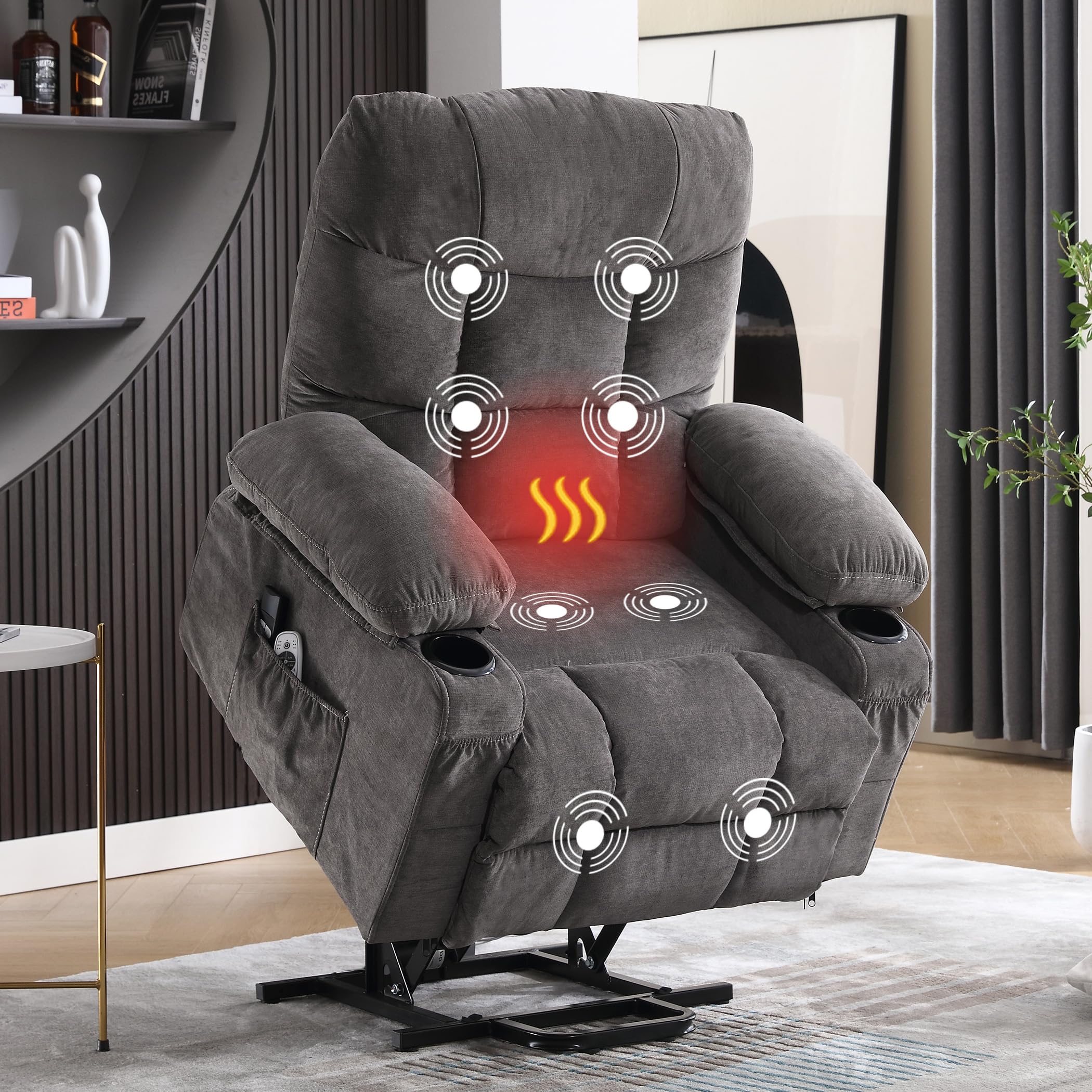
The MAHOMICO power lift recliner is a strong pick for spinal recovery because it eliminates the need to bend at the waist when standing. The power lift mechanism tilts the entire chair forward, allowing you to rise with your spine in a neutral position — exactly what surgeons recommend after lumbar procedures. The recline reaches 135 degrees, putting you into a zero-gravity-like posture that offloads the discs and reduces pressure along the vertebrae.
The integrated vibration massage targets 8 points along the back, and the lumbar heating pad warms the muscle tissue around the surgical site, which can help with stiffness during early recovery. The 23.62-inch wide seat gives ample room to shift positions without feeling constrained. The fabric is soft and skin-friendly, which matters when you may be sitting for long, uninterrupted periods.
Customer feedback notes the assembly requires some effort for the armrests, and the motor operates slowly but quietly. The massage function can feel more like strong vibration than deep tissue work, but the lift mechanism itself performs reliably. A one-year warranty backs the electrical components and frame.
Why it’s great
- Power lift eliminates spinal flexion during standing transfers
- 135-degree recline reduces intradiscal pressure significantly
- Lumbar heating soothes muscle stiffness near surgical site
- Wide seat allows comfortable position shifting
Good to know
- Massage function is vibration-based, not deep tissue
- Assembly of armrests can be tricky and time-consuming
4. CANMOV Large Power Lift Recliner

The CANMOV lift recliner is built with a 30-inch extended backrest and a 21-inch wide seat, designed specifically for larger body types. For spinal surgery recovery, the extended back means the chair supports your entire thoracic spine and neck, preventing any gap where your upper back would otherwise round forward. The power lift mechanism raises you without requiring lumbar flexion, and the recline is smooth and quiet.
The included massage and heat functions are controlled by a separate remote, with 5 massage modes focused on the lumbar area. The heat wraps around the lower back region, providing therapeutic warmth that can help relax tight paraspinal muscles after sitting. The hidden cup holders and side pocket keep essentials within reach, reducing the need for twisting movements that can strain the healing spine.
Assembly requires no tools and takes only a few steps. Some users note the cup holders pop out when the chair moves forward, and the massage motor can be loud. The frame uses FSC-certified wood with a metal base, providing solid stability for daily use without creaking.
Why it’s great
- Extended 30-inch backrest supports full spine length
- Wide seat accommodates larger body types without pressure
- Lumbar heat and massage help relax spinal muscles
- Tool-free assembly in under 15 minutes
Good to know
- Cup holders stay open when tilting, can interfere with transfers
- Massage motor is audible at higher intensity levels
5. Vive Mobility Reclining Wheelchair
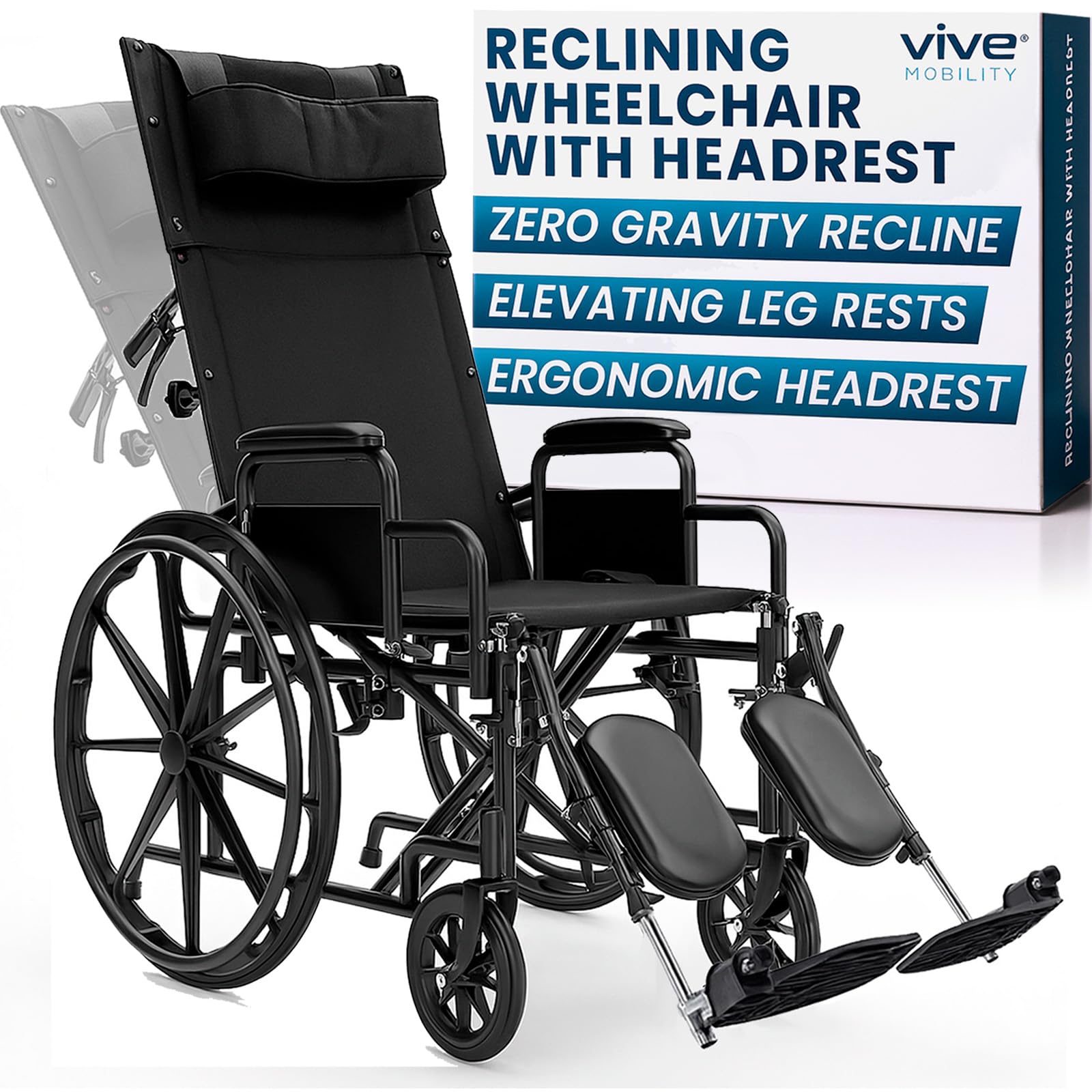
The Vive Mobility reclining wheelchair offers the most extreme recline option on this list — a true 180-degree flat position. For spinal surgery recovery, being able to recline completely supine means zero weight on the spine, which is ideal for times when even sitting upright causes pain. The elevating leg rests promote circulation and reduce lower back pressure by tilting the pelvis into a neutral position.
The integrated headrest and detachable cervical cushion support neck alignment during recline, preventing the head from dropping back and straining the cervical spine. The padded armrests give you leverage for transfer without digging into your arms. The 24-inch rear wheels and locking brakes make this a mobile option for moving between rooms during recovery, though the chair weighs around 60 pounds and is not designed for self-propulsion over long distances.
Users caring for family members with back pain or Parkinson’s report that the recline position allows comfortable forward gaze and reduces fatigue. The chair folds flat for transport without tools, making it practical for medical appointments or short car trips.
Why it’s great
- 180-degree full recline removes all spinal weight for total relief
- Elevating leg rests reduce lower back and pelvic pressure
- Cervical cushion maintains neck alignment during rest
- Tool-free folding fits in standard car trunks
Good to know
- Does not include a seat belt, which may be needed for safety
- Heavy at 60 pounds, not designed for self-propulsion
6. Steelcase Series 1
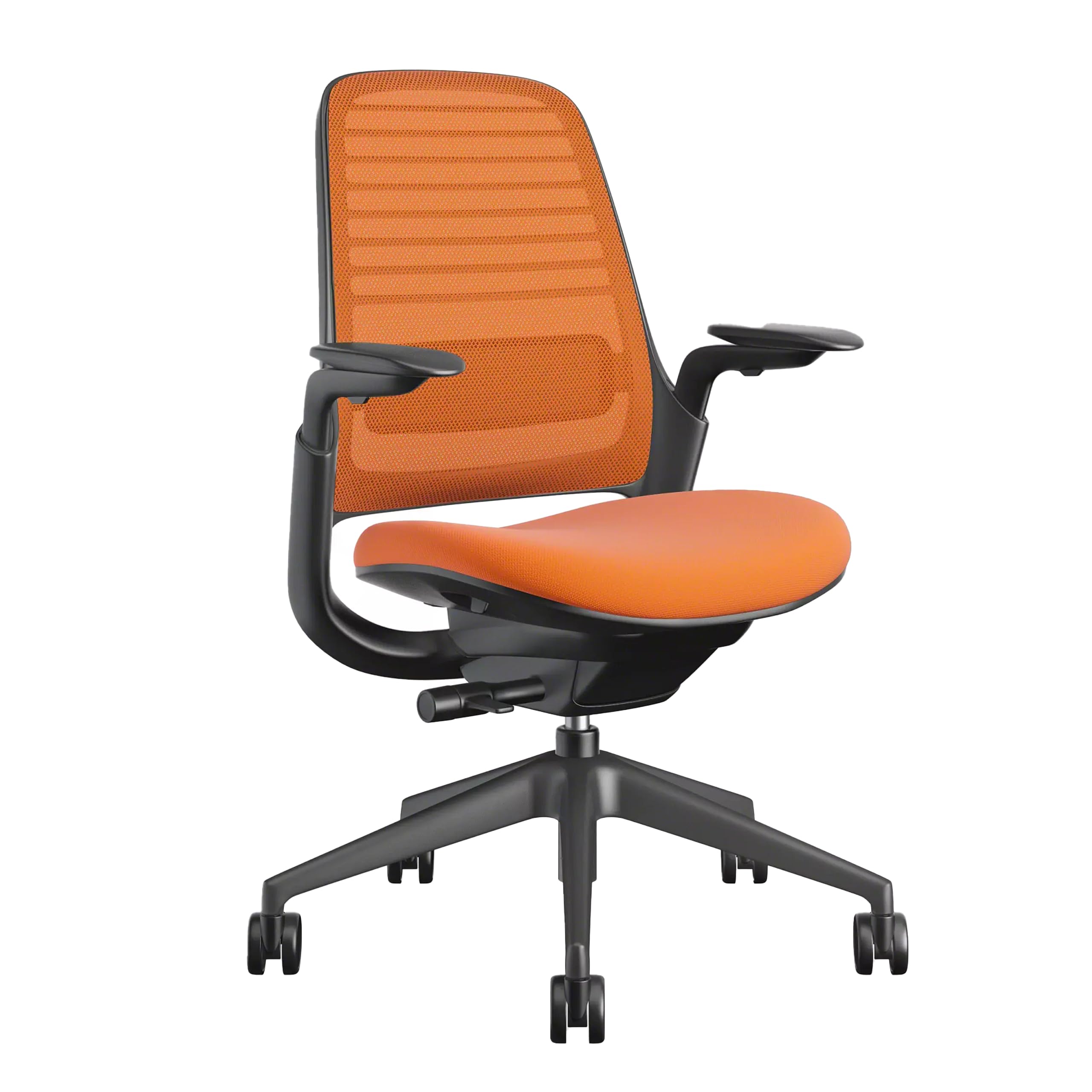
The Steelcase Series 1 takes just two minutes to assemble without tools, which is a practical advantage when you’re recovering from surgery and can’t stand for long periods or bend down to fumble with screws. The weight-activated recline automatically adjusts resistance based on your body weight, so you don’t have to hunt for a tension knob that may be hard to reach from a seated position.
The chair offers adjustable arm height, seat depth, and lumbar support. While the lumbar support is less aggressive than the ErgoHuman’s, the Series 1 provides a balanced, neutral sitting position that doesn’t push into the spine. The mesh back keeps you cool, and the supportive foam seat cushion has enough density to prevent bottoming out during hours of use. For desk-based recovery work, this chair provides the essential ergonomics without overwhelming complexity.
Customer reviews consistently praise the comfort during extended sitting sessions and the solid construction. The optional 4D armrests allow narrow positioning that helps with transfer support. Some users received the wrong casters for their floor type, so double-check the order details before assembly.
Why it’s great
- 2-minute tool-free assembly is ideal for limited mobility post-op
- Weight-activated recline removes manual tension adjustments
- Adjustable seat depth supports full thigh without knee pressure
- Narrow arm positioning aids in standing transfers
Good to know
- Lumbar support is less pronounced than dedicated spinal chairs
- Orders may ship with carpet casters if not specified for hard floors
7. Flash Furniture Hercules Big & Tall

The Flash Furniture Hercules is rated for 500 pounds, making it one of the few office chairs that can handle larger body types without compromising structural integrity during spinal recovery. The extra-wide seat measures 22 inches across and 19.5 inches deep, providing room to shift weight and find comfortable positions without spilling over the edges. The waterfall front edge reduces pressure behind the knees, which supports circulation during long sits.
The built-in headrest and contoured back with lumbar support provide upper spine and neck support, though the lumbar is fixed rather than adjustable. The high back design extends up to support the entire thoracic spine, preventing the mid-back slouching that can occur in lower-back chairs. The CAL 117 fire-retardant foam maintains its firmness over months of daily use, according to long-term owners.
Some customers report that the bonded leather begins to crack and peel on high-wear areas after a year or two. The armrests are fixed and cannot be adjusted inward for narrow transfer support. The chrome metal base is sturdy, but the sharp edges on the base plate have been noted as a safety concern for bare feet.
Why it’s great
- 500-pound capacity provides stable support for larger recoveries
- Waterfall front edge improves leg circulation during extended sits
- High back design supports full thoracic spine
- Thick foam cushioning holds density over months of daily use
Good to know
- Fixed armrests cannot be adjusted inward for transfer support
- Bonded leather may crack on high-contact areas over time
8. WorkPro Quantum 9000

The WorkPro Quantum 9000 delivers a surprising amount of adjustability for the price point. The ratchet back height system lets you move the backrest up or down in discrete increments, which is useful for positioning lumbar support at exactly the right spot relative to your surgical area. The seat depth adjustment ensures your thighs are fully supported without the front edge pressing into the back of your knees.
The 3D adjustable armrests can be moved in height, width, and rotation, allowing you to bring the armrests close to your body for easier standing transfers. The mesh fabric promotes airflow and prevents the heat buildup that foam chairs can cause, which is a real benefit during long sessions. The waterfall front seat edge reduces pressure behind the knees, and the tilt lock mechanism lets you recline to a comfortable angle and stay there.
Customers report the chair maintains its shape and mesh tension after years of daily use, with some users sitting for 8-10 hours without discomfort. The armrest cushions can show wear after 4-5 years, and the pivot mechanism on the armrests may be too loose for some users’ preference. Assembly is straightforward with 8 bolts and takes about 10-15 minutes.
Why it’s great
- Ratchet back height adjusts lumbar position precisely for surgical sites
- 3D armrests narrow for supportive standing transfers
- Mesh construction keeps you cool during extended recovery sits
- Tilt lock holds recline angle for zero-pressure breaks
Good to know
- Armrest pivot is not lockable and may feel loose
- Armrest cushions may wear after 4-5 years of daily use
9. Lumex Everyday Hip Chair
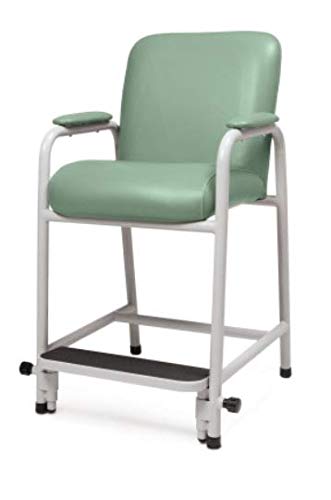
The Lumex Everyday Hip Chair is specifically designed for post-surgery transfer support, with a seat height of 27 inches that reduces the distance between sitting and standing. After spinal surgery, every inch of vertical lift matters — a higher seat means less spinal flexion and less quadriceps force required to stand. Full-length padded armrests give you leverage points for push-off without relying on your core or lower back muscles.
The height-adjustable footrest includes an anti-slip textured strip, so your feet stay planted during transfers rather than sliding forward. The high-density foam padding in the backrest and seat provides comfort for extended sitting sessions without sagging. The reinforced metal frame keeps the chair stable even during the lateral movements involved in getting in and out.
The chair is intentionally compact with a shorter seat depth and lower back height, which is designed to maintain the 90-90-90 sitting posture (hips, knees, and ankles at 90 degrees). This position reduces lumbar flexion, which is critical after surgery. However, taller or larger users may find the seat too shallow and the back too low for full spinal support. Assembly is straightforward with a screwdriver.
Why it’s great
- 27-inch seat height minimizes spinal flexion during transfers
- Padded full-length armrests provide leverage for push-off
- Anti-slip footrest keeps feet stable during sitting and standing
- Compact design encourages proper 90-degree hip posture
Good to know
- Shallow seat depth may not suit taller body frames
- Low back does not support the entire thoracic spine
FAQ
What recline angle is safest after spinal surgery?
Should I choose a lift recliner or an ergonomic office chair for desk work after surgery?
How important are adjustable armrests for spinal recovery chairs?
Can a wheelchair serve as a recovery chair after spinal surgery?
What seat width is recommended for post-surgery comfort?
Final Thoughts: The Verdict
For most users, the chair after spinal surgery winner is the Ergohuman Eurotech ME7ERG GEN2 because it offers the most precise lumbar adjustability for protecting the surgical site while providing breathable mesh comfort for extended sitting. If you need a power lift mechanism to assist with standing, grab the MAHOMICO Power Lift Recliner. And for complete spinal offloading during acute recovery periods, nothing beats the Vive Mobility Reclining Wheelchair with its 180-degree full recline capability.