Moving past beginner gear means your racket needs to keep up with faster rallies, heavier balls, and a swing that’s finally your own. The wrong frame at this stage deadens your progress — too light and you lose stability against pace, too stiff and your elbow pays the price.
I’m Emma — the founder and writer behind Baby Bangs. I’ve spent years dissecting frame layups, beam geometries, and string pattern data across hundreds of models to separate marketing claims from real on-court performance for intermediate players.
This guide breaks down seven carefully selected frames built to handle your developing game without forcing you into a pro spec you aren’t ready for. Read on to find the best intermediate tennis racket that matches your style and budget.
How To Choose The Best Intermediate Tennis Racket
Intermediate is the most personal phase in tennis. You’ve built a consistent swing, you recognize spin, and you can feel when a frame gives you something extra. The right racket amplifies what you do naturally rather than correcting bad habits. Here is what matters most at this level.
Head Size — The Forgiveness Window
You aren’t hitting the sweet spot every time yet, but you’re close. A 100-square-inch head (like the Babolat Boost Aero or Yonex EZONE ACE) gives you that extra margin on off-center hits while still letting you swing freely. Dropping to 98 square inches (Wilson Shift 99, Yonex EZONE 98) rewards cleaner contact with better precision but punishes mis-hits harder. For most intermediates, 98 to 102 inches is the usable band — anything larger feels sluggish to maneuver, anything smaller demands pro-level consistency.
Weight and Balance — Your Swing Speed Match
Sub-270-gram rackets like the Babolat Boost Aero (260g) are easy to whip around but get pushed around by heavy topspin drives from the other side. Frames in the 300-305g range, such as the Yonex EZONE 98, provide the mass to block back pace and add depth to your groundstrokes without tiring your arm. Balance matters just as much: head-light frames (315-325mm) improve maneuverability at net, while head-heavy frames (340-345mm) add free power from the baseline. Match the balance to your natural playing position — baseliners can lean head-heavy, all-court players should favor head-light.
String Pattern — Spin Versus Control
Every racket in this guide uses a 16×19 string pattern for good reason: it gives you the launch angle and spin access that intermediate strokes need to keep the ball inside the lines with confidence. An open 16×19 bed lets you shape shots with topspin and slice more easily than a dense 18×20 pattern, which suits flatter hitters who prioritize directional control over net clearance. If you’re still developing spin consistency, 16×19 is the safer, more versatile choice — and every frame on this list delivers it.
Quick Comparison
On smaller screens, swipe sideways to see the full table.
| Model | Category | Best For | Key Spec | Amazon |
|---|---|---|---|---|
| Yonex EZONE 98 Blast | Performance | Precision & power fusion | 305g / 98 sq. in. | Amazon |
| Wilson Ultra Team V5 | Premium | All-court confidence | 320g / 100 sq. in. | Amazon |
| Wilson Shift 99 V1 | Spin | Modern spin generation | 250g / 99 sq. in. | Amazon |
| Wilson Pro Staff 97L V14 | Control | Precision hitters | 290g / 97 sq. in. | Amazon |
| Yonex EZONE ACE Blast | Value | Daily training & play | 260g / 102 sq. in. | Amazon |
| Babolat Boost Aero | Entry | Power with lightness | 260g / 102 sq. in. | Amazon |
| IANONI Padel | Specialty | Padel transition | 360g / Round shape | Amazon |
In‑Depth Reviews
1. Yonex EZONE 98 Blast
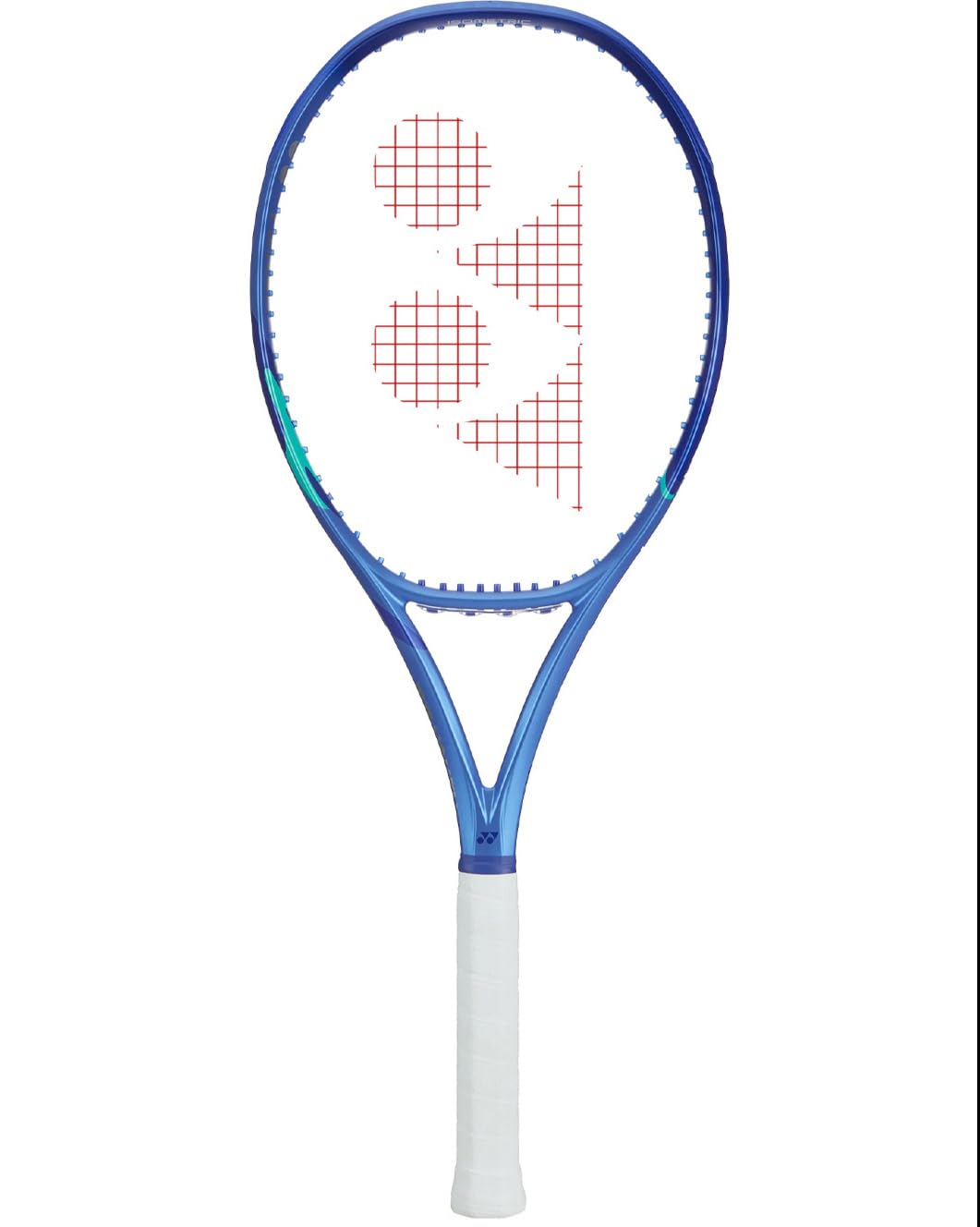
The Yonex EZONE 98 Blast sits in the middle of the premium tier for an excellent reason: it merges the controlled 98-square-inch head with a healthy 305g static weight that intermediates can swing without fatigue. The Isometric frame shape expands the sweet spot vertically, making off-center hits far more playable than a traditional round frame at this head size. High-modulus graphite with 2G-Namd Speed material boosts energy return, so you get depth on your groundstrokes without muscling the ball.
At 315mm balance, the frame is moderately head-light, giving you quick handling at net while still providing enough mass to absorb pace from heavy hitters. The integrated Vibration Dampening Mesh filters out the harsh frequencies that cause elbow discomfort, a real advantage for intermediates logging multiple sessions per week. Players on high school teams and weekend leagues have reported immediate confidence gains, particularly on serve returns where stability matters most.
This racket ships unstrung, which is actually a plus — you can dial in your preferred string type and tension from the start. The 16×19 pattern supports spin generation well, and the 45-60 lb tension range gives you room to adjust for control or power. For the intermediate player who wants a frame that grows with them for several seasons, this is the top pick.
Why it’s great
- Isometric head delivers a noticeably larger effective sweet spot than standard 98s
- 305g weight provides stability against pace without feeling sluggish
- VDM technology reduces arm vibration for comfortable long sessions
Good to know
- Comes unstrung — budget for stringing separately
- Grip size 2 (4 1/4″) may feel small for larger hands without an overgrip
2. Wilson Ultra Team V5
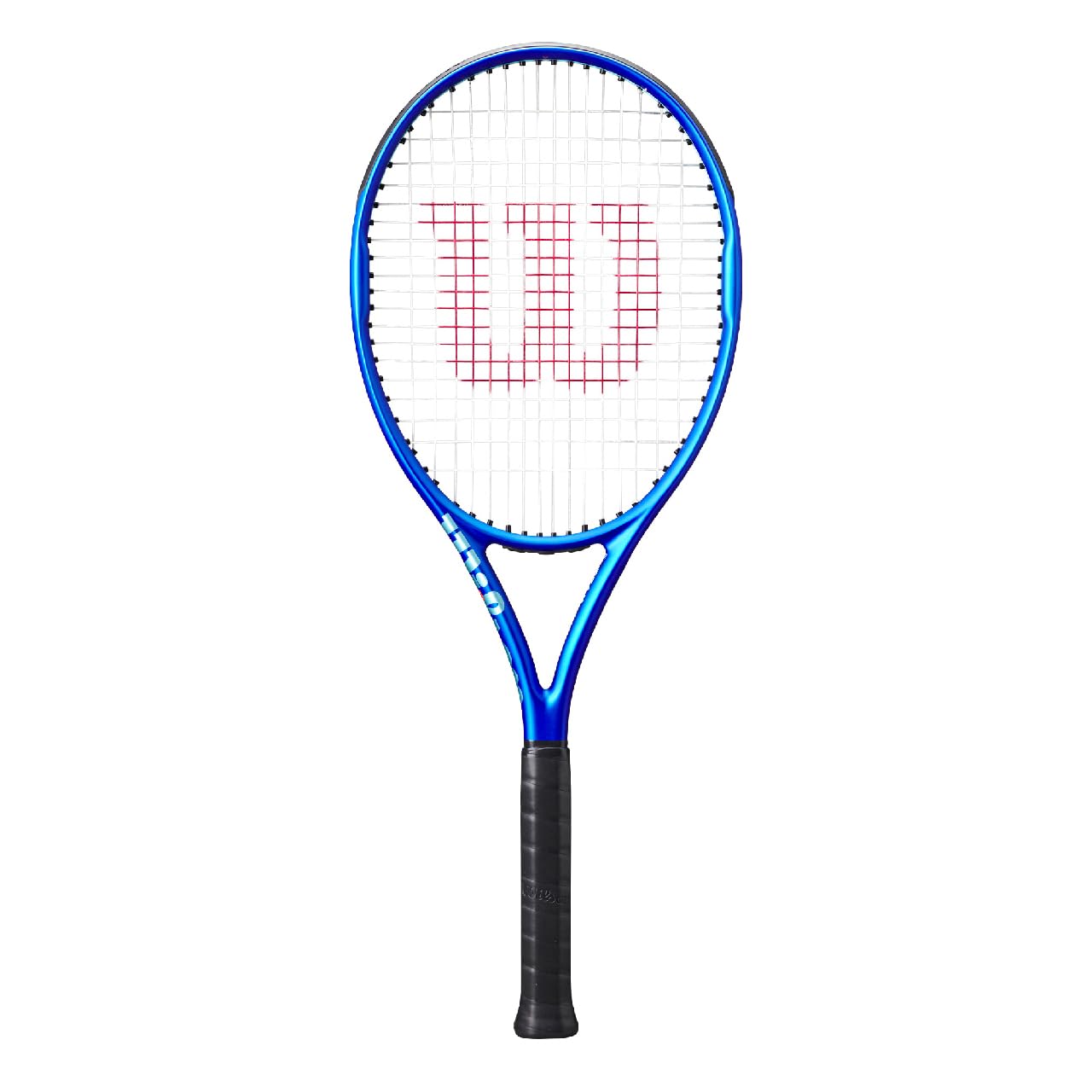
The Wilson Ultra Team V5 brings pro-level frame technology like SI3D bending optimization and the Dual Taper Beam into the premium tier at a more accessible weight. The 100-square-inch head is generous for intermediates, and the carbon fiber construction keeps the frame responsive without the stiffness that can irritate a developing arm. Users report great power retention even on off-center hits, which is exactly what you need when your timing is still refining.
At roughly 320g strung, the Ultra Team V5 sits heavier than the entry-level frames in this list, giving you the mass to block back deep returns and drive through the ball on your serve. The aerodynamic beam shape cuts through the air quickly despite the weight, so you aren’t sacrificing racquet head speed. The plant-based Agiplast components in the bumper and end cap reduce environmental footprint without compromising durability.
This racket is marked for advanced skill level on the spec sheet, but the forgiving head size and stable feel make it an excellent bridge for intermediates who are starting to play more competitive points. If you want a premium frame that you can keep using as you push toward 4.0 level, the Ultra Team V5 delivers the technology without demanding a pro swing.
Why it’s great
- SI3D technology optimizes frame bending for a balance of power, spin, and control
- Dual Taper Beam generates power from the hoop and mobility from the throat
- Plant-based bumper and grommet reduce environmental impact
Good to know
- Weight sits above 300g — may feel heavy for players transitioning from ultralight frames
- Grip size 2 (4 1/4″) is a standard fit but check before ordering
3. Wilson Shift 99 V1

The Wilson Shift 99 V1 is built for the intermediate player who wants modern spin mechanics without sacrificing comfort. The innovative frame geometry allows the racket to bend in specific ways that generate a higher launch angle and more topspin — exactly what you need to keep passing shots dipping inside the baseline. At 250g unstrung, it’s a lighter frame, but Wilson’s carbon fiber layup keeps the hoop stable during impact.
Players who have demoed the Shift 99 consistently describe the feel as “plush” — the frame absorbs shock well despite its light weight, which reduces arm fatigue during long match play. The 16×19 string pattern is standard, but the geometry of the hoop encourages a whipping motion that exaggerates spin production. Reviewers have noted that pairing it with a lively string like Toroline K-POP at 50 pounds unlocks even more bite on the ball.
One of the best things about this frame is that it ships strung with Sensation 16 Natural, giving you immediate playability while you figure out your preferred setup. The Artic-prism design looks clean and modern, but the real story is how the frame bends — it keeps more balls in the court by generating topspin automatically. For intermediates transitioning from flat to spin-heavy games, this is the most effective tool on the list.
Why it’s great
- Innovative frame bending generates high launch angle and heavy spin
- Comfortable, arm-friendly feel despite lightweight construction
- Comes strung with Sensation 16 for immediate use
Good to know
- Light 250g frame can get pushed around by heavy servers without added weight
- Requires a moderate-to-fast swing speed to unlock spin benefits
4. Wilson Pro Staff 97L V14

The Wilson Pro Staff 97L V14 is for the intermediate player who prioritizes pinpoint accuracy over raw power. The 97-square-inch head is the smallest on this list, demanding cleaner contact, but the Braid 45 construction — double-braided fibers at 45-degree angles — delivers incredible stability that makes small head sizes feel solid rather than harsh. This frame rewards a controlled, precise swing with exceptional directional control.
Weighing around 290g, the Pro Staff 97L is lighter than the standard Pro Staff, making it accessible for intermediates who want the classic Pro Staff feel without needing to swing a 340g frame. The String Mapping technology creates a denser string bed in the center for elevated feel, while the outer areas offer more forgiveness. Users consistently note that the frame feels responsive and confident, especially on slice backhands and volleys where touch matters.
The recommended use of this racket leans toward intermediate and advanced skill levels, and that’s accurate — you need a consistent strike zone to get the most out of the 97-inch head. The frame comes strung with Sensation 16 Natural, but some buyers report that the included strings are basic and recommend upgrading to a higher-quality synthetic gut or multifilament early. For the developing all-court player who values feel over forgiveness, this is the right choice.
Why it’s great
- Braid 45 construction offers incredible stability for a lighter frame
- String Mapping creates a dense center bed for precise shot placement
- Lighter than standard Pro Staff, making it swingable for intermediates
Good to know
- 97 sq. in. head demands cleaner contact than larger frames
- Stock strings may wear quickly — plan for a restring early
5. Yonex EZONE ACE Blast

The Yonex EZONE ACE Blast proves that you don’t need to spend a premium to get a quality intermediate frame. At 260g with a 345mm head-heavy balance, this racket delivers noticeable power on groundstrokes with minimal effort — ideal for the intermediate player still working on generating pace independently. The 102-square-inch head provides a generous sweet spot that forgives mis-hits while you continue to refine your contact point.
Intermediate players who have tested this racket report that the 16×19 string pattern provides good spin access, and the head-heavy balance helps add depth to defensive shots. The graphite construction ensures the frame stays durable through regular practice sessions, and the lightweight design keeps arm fatigue low even during multi-hour court time. Reviewers highlight that the racket feels responsive without being jarring on off-center hits.
This frame ships pre-strung and ready to play, so you can take it straight to the court without an extra trip to the stringer. The grip size 2 (4 1/4 inches) fits average adult hands well, and an overgrip can easily adjust the circumference. For the intermediate on a budget or anyone wanting a reliable second frame for practice, the EZONE ACE Blast offers solid performance at a very reasonable cost.
Why it’s great
- Head-heavy balance provides easy power generation from the baseline
- 102 sq. in. sweet spot forgives off-center contact
- Ready to play out of the box with pre-installed strings
Good to know
- 260g weight is light — may lack stability against heavy hitters
- Head-heavy balance reduces maneuverability at net
6. Babolat Boost Aero

The Babolat Boost Aero is designed for players who want immediate power and maneuverability without the heavy price tag of the Pure Aero line. At 260g and 340mm balance, this frame is lightweight tilting toward head-heavy, helping you generate racket head speed and depth on your shots with less effort. The graphite construction keeps the frame lively and responsive through long rallies.
The 102-square-inch head and open 16×19 string pattern make this racket very spin-friendly, similar to its more expensive Babolat siblings. Beginners and intermediates alike have praised the Boost Aero for being comfortable and powerful right out of the box, with several users reporting months of happy play without arm issues. The racket comes pre-strung with Babolat Syn Gut at mid-range tension, so you can hit the court immediately.
This is the most budget-friendly traditional tennis racket in the lineup, and it fills the role well for the intermediate who values power and lightness over precision. The trade-off is that the lightweight frame can get pushed around by heavy hitters, and the head-heavy balance makes volleying feel less crisp than a more balanced frame. For baseline grinders who want free depth, the Boost Aero delivers exactly that.
Why it’s great
- Lightweight and head-heavy design provides easy power from the baseline
- 102 sq. in. head offers excellent forgiveness on off-center hits
- Comes pre-strung and ready for immediate play
Good to know
- 260g weight lacks stability against heavy pace from opponents
- Head-heavy balance reduces feel and control at net
7. IANONI Padel Racket

The IANONI Padel Racket represents a different sport entirely — padel — but appears in this list because many tennis players at the intermediate level are picking up padel as a complement to their game. The round shape provides a balanced sweet spot that works well for both defense and attack, and the carbon fiber face delivers good traction for spin control on the smaller padel court. The EVA Memory Flex Foam core offers a comfortable, controlled feel that intermediates recognize from quality tennis frames.
Weighing 360g, this racket is heavier than any tennis frame here, but the shorter total length (about 13 inches) and padel-specific balance make it feel manageable during extended rallies. The round shape makes it easier to control placement than a teardrop or diamond-shaped padel racket.
For the tennis intermediate who wants a single padel racket for recreational play or cross-training, the IANONI is an excellent entry point at a very accessible price. The build quality is solid, the carbon fiber face holds up well against wall impact, and the EVA core provides the familiar feel that tennis players appreciate during the transition. Just be aware that this is a padel racket — it is not a substitute for a tennis racket on the hard court.
Why it’s great
- Carbon fiber face provides excellent traction and spin control for padel
- EVA Memory Foam core delivers a comfortable, controlled feel
- Durable construction that holds up well against repeated wall impact
Good to know
- This is a padel racket — it cannot replace a tennis racket
- 360g weight is significantly heavier than most tennis intermediate frames
FAQ
What head size should an intermediate player choose?
Is a heavier racket better for intermediate players?
Should I buy a racket that is strung or unstrung?
How does the string pattern affect my game?
Final Thoughts: The Verdict
For most users, the best intermediate tennis racket winner is the Yonex EZONE 98 Blast because it delivers a controlled 98-square-inch head with 305g of stable mass, top-tier vibration dampening, and Isometric technology that expands the sweet spot. If you want a premium all-court frame that can grow into 4.0 play, grab the Wilson Ultra Team V5. And for a budget-friendly option that offers immediate power and forgiveness, nothing beats the Yonex EZONE ACE Blast.