Rough, bumpy texture and stubborn discoloration don’t respond well to drugstore moisturizers. Medical-grade formulas use specific concentrations of AHAs, retinoids, and barrier-repair lipids that penetrate deeper than cosmetic alternatives, targeting the stratum corneum where surface unevenness lives.
I’m Emma — the founder and writer behind Baby Bangs. I analyze dermatologist-developed formulations, pore over INCI databases, and cross-reference clinical study data to identify which medical skincare products actually deliver measurable improvements in skin smoothness and tone.
After evaluating pH levels, active concentrations, and delivery systems across five leading options, this guide breaks down exactly how to select the right medical skincare for smooth skin for your specific concerns and sensitivity threshold.
How To Choose The Best Medical Skincare For Smooth Skin
Medical skincare differs from consumer-grade products primarily in active ingredient concentration, pH optimization, and delivery vehicle sophistication. For smooth skin outcomes, the interplay between exfoliation method and barrier integrity determines whether you see rapid improvement or prolonged irritation.
Chemical Exfoliation vs. Physical Exfoliation
Liquid AHAs like mandelic and lactic acid dissolve intercellular bonds between dead skin cells without abrasive friction, ideal for sensitive or reactive complexions. Physical scrubs using ruby crystals or silica particles provide instant tactile smoothness by buffing away surface debris, but require gentler pressure to avoid micro-tears. Your skin’s current sensitivity level dictates which approach is sustainable for weekly use.
Active Ingredient Depth and pH
Mandelic acid (pH 3.5-4.0) has a larger molecular weight than glycolic acid, meaning it penetrates more slowly and causes less inflammation while still resurfacing texture. Lactic acid adds humectant properties, plumping fine lines during exfoliation. Retinol requires conversion to retinoic acid within the skin, so pairing it with ceramides helps buffer the adjustment period while maintaining a smooth finish.
Barrier Support Integration
Any medical skincare routine aimed at smoothness must include ingredients that reinforce the stratum corneum — ceramides, essential lipids, sodium hyaluronate, and antioxidant complexes. Exfoliating without concurrent barrier repair leads to transepidermal water loss, which paradoxically makes skin feel rougher over time. Look for formulations that pair exfoliants with replenishing botanicals or fermented extracts.
Quick Comparison
On smaller screens, swipe sideways to see the full table.
| Model | Category | Best For | Key Spec | Amazon |
|---|---|---|---|---|
| Paula’s Choice Mandelic + Lactic Acid | Liquid AHA Exfoliant | Gentle daily resurfacing | 6% Mandelic + 2% Lactic Acid | Amazon |
| GOLDFADEN MD Doctors Scrub | Microdermabrasion Scrub | Instant texture smoothing | Ruby Crystals + Hyaluronic Acid | Amazon |
| SkinMedica Rejuvenative Moisturizer | Medical-Grade Moisturizer | Barrier support for mature skin | Sodium Hyaluronate Complex | Amazon |
| Dr. Denese HydroShield Serum | Retinol + Ceramide Serum | Deep hydration + fine line reduction | Retinol + Ceramide + Peptides | Amazon |
| NEOSTRATA Glycolic Renewal Lotion | Glycolic Body Lotion | Full-body texture correction | Glycolic Acid Oil-Free Formula | Amazon |
In‑Depth Reviews
1. Paula’s Choice 6% Mandelic Acid + 2% Lactic Acid Exfoliant
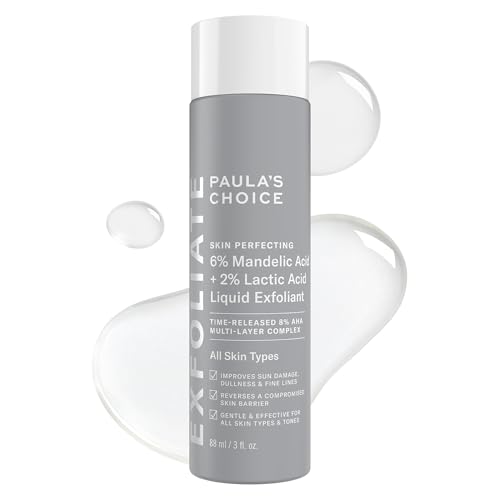
This liquid exfoliant hits a sweet spot rarely found in medical skincare: 6% mandelic acid paired with 2% time-released lactic acid creates a dual-AHA system that resurfaces texture without the burning sensation typical of higher-concentration glycolic formulas. The mandelic acid’s larger molecular weight means it works gradually across the skin’s surface, breaking down the bonds between dead cells while the lactic acid adds plumping moisture. Users with sensitive skin report that this combination visibly reduces pore size and hyperpigmentation within three weeks of consistent evening use.
The fermented antioxidant blend — cherry blossom, chocolate vine, and yumberry — actively supports skin microbiome diversity, which is a less common feature in medical exfoliants. Yarrow extract provides additional barrier reinforcement, preventing the dryness that often accompanies daily AHA application. The pH is calibrated between 3.5 and 4.0, keeping the acids active enough to exfoliate without dropping into irritation territory. For those transitioning from retinoids or other actives, this formula’s built-in soothing agents make it suitable for twice-daily use on tolerant skin.
One caveat: the watery texture requires careful application via a cotton pad, and product loss between fibers can be noticeable if you’re not deliberate with saturation. The 3-ounce bottle delivers roughly 50 days of daily use, placing it in the mid-range longevity bracket for liquid exfoliants. That said, the results on surface-level texture and overall radiance rival prescription-strength options without the associated inflammation rebound.
Why it’s great
- Dual AHA system gentle enough for twice-daily sensitive skin use
- Fermented antioxidants support microbiome while exfoliating
- Time-released lactic acid provides humectant benefits during resurfacing
Good to know
- Watery consistency can soak into cotton pads requiring more product
- 3 oz bottle may need restocking every 6-7 weeks with daily use
2. GOLDFADEN MD Doctors Scrub Microdermabrasion for Face
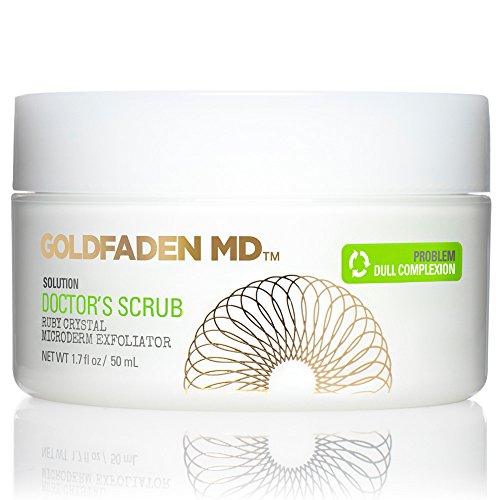
This physical exfoliator uses micronized ruby crystals — actual gemstone particles — to polish away dead surface cells without the jagged edges found in crushed walnut shells or polyethylene beads. The crystal geometry is uniform enough to deliver consistent abrasion, which translates to immediate post-wash smoothness that chemical exfoliants require days to achieve. Jojoba oil in the base prevents over-drying, while seaweed extract and hyaluronic acid provide concurrent hydration to offset the mechanical exfoliation.
The formula is free of parabens, mineral oil, silicone, and synthetic fragrance, which matters when you’re physically manipulating the skin barrier. Dermatologist-developed by Dr. Gary Goldfaden, this scrub includes organic red tea extract as an antioxidant buffer, reducing the oxidative stress that aggressive physical scrubs can trigger. Users with oily or combination skin report noticeable reduction in pore appearance after four to six weeks of twice-weekly use, and the fine grit means you can adjust pressure based on your skin’s current sensitivity without losing efficacy.
The main consideration is that physical exfoliation inherently carries more risk of micro-trauma if applied with too much pressure, especially on active breakouts or compromised barriers. The 1.7-ounce jar appears small, but a pea-sized amount covers the entire face, so it lasts roughly three months with weekly use. This is not an everyday product for most skin types — two to three times per week is the sweet spot for maintaining smoothness without over-scrubbing.
Why it’s great
- Ruby crystals provide controlled physical exfoliation with no jagged edges
- Jojoba oil and hyaluronic acid buffer against moisture loss during scrubbing
- Small amount needed per use extends jar life significantly
Good to know
- Physical scrubbing can irritate active acne or broken skin
- Not suitable for daily use; limit to 2-3 times per week
3. SkinMedica Rejuvenative Moisturizer
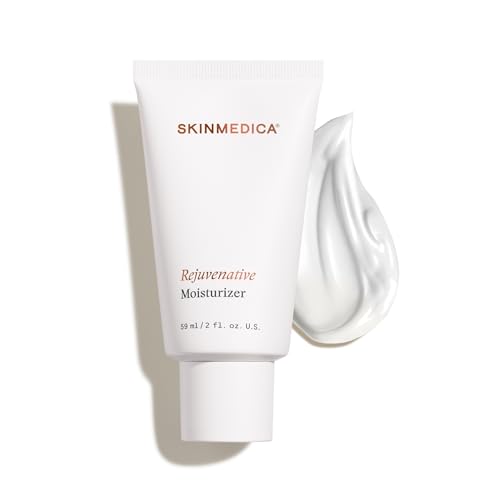
Medical-grade moisturizers serve a different function than drugstore creams — they’re designed to maintain barrier integrity while active treatments resurface the skin. SkinMedica’s Rejuvenative Moisturizer uses sodium hyaluronate, a salt form of hyaluronic acid that penetrates deeper than the sodium-free version, to deliver sustained hydration without the heavy feel of petrolatum-based occlusives. This is critical when you’re layering it over AHAs or retinoids, because a compromised barrier needs humectant support, not just surface sealing.
The lightweight emulsion spreads smoothly across the entire face, neck, and chest, making it practical for daily use in both morning and evening routines. Estheticians commonly recommend this as a post-procedure moisturizer because the formula avoids common irritants while still providing enough lipid content to reduce transepidermal water loss. For mature skin, the combination of sodium hyaluronate and supporting botanicals helps plump fine lines without the greasy residue that can clog pores or interfere with makeup application.
The 2-ounce tube is smaller than typical moisturizer packaging, reflecting its medical-grade positioning. Users with very dry skin may need to apply a heavier occlusive over it during winter months or in low-humidity environments, as its lightweight texture prioritizes absorbency over deep occlusion. It performs best as the final step in a regimen that includes a separate, more potent treatment layer — think of it as the support vehicle rather than the primary active.
Why it’s great
- Sodium hyaluronate penetrates deeper than standard hyaluronic acid
- Lightweight finish layers seamlessly under makeup or sunscreen
- Esthetician-recommended for post-procedure barrier support
Good to know
- Small 2 oz tube may not last long with twice-daily full-face application
- Very dry skin may need an additional occlusive layer in winter
4. Dr. Denese SkinScience HydroShield Ultra Moisturizing Face Serum
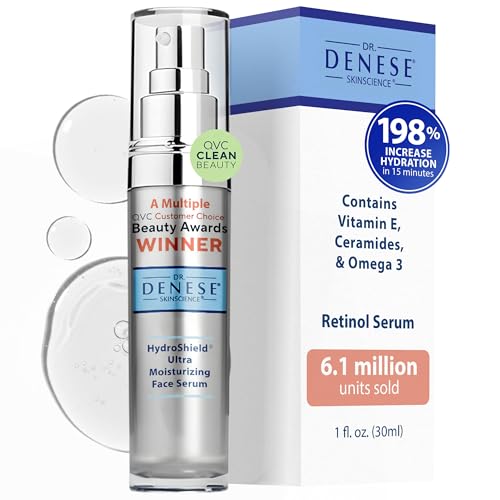
Dr. Denese’s HydroShield Serum combines retinol, ceramides, and peptides in a single lightweight format that targets both texture refinement and moisture retention simultaneously. The retinol component accelerates cell turnover to smooth fine lines and refine pores, while the ceramide blend reinforces lipid bilayers that exfoliation often disrupts. This dual-action approach means you can address rough texture and dehydration wrinkles without layering six separate products — a genuine time-saver for complex routines.
The HydroShield Technology refers to a specific delivery system that encapsulates the retinol in a slow-release matrix, reducing the peak irritation that typically occurs during the first two weeks of retinoid use. Peptides in the formula — specifically copper peptides and matrixyl-type sequences — support collagen signaling, which contributes to the skin’s structural smoothness over longer timeframes. Botanical extracts and essential lipids round out the formula, creating a serum that preps the skin for makeup without pilling or leaving a tacky residue.
The 1-ounce bottle sits at the premium end of the spectrum, and while the serum absorbs quickly, users with extremely dry skin might find it needs a richer cream over the top during the adjustment phase. The fragrance-free, cruelty-free formulation is dermatologist-tested and suitable for most skin types, though those new to retinol should start with every-other-night application. For established retinol users, this serum delivers visible luminosity and a noticeably smoother surface within three to four weeks.
Why it’s great
- Slow-release retinol minimizes purge irritation common with other retinoids
- Ceramide blend supports barrier repair concurrent with exfoliation
- Peptide complex adds long-term collagen support for structural smoothness
Good to know
- Very dry skin may need a heavier moisturizer on top during first weeks
- Premium 1 oz bottle requires deliberate pacing for cost-effective use
5. NEOSTRATA GLYCOLIC RENEWAL Smoothing Lotion
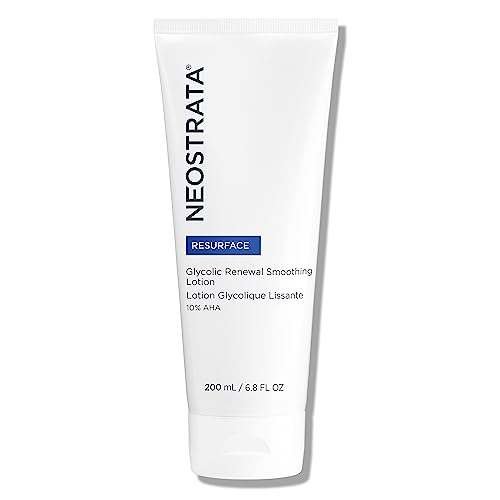
Most medical skincare products focus exclusively on the face, leaving body texture — rough elbows, bumpy arms, dry legs — without equivalent treatment options. NEOSTRATA’s Glycolic Renewal Smoothing Lotion changes that by delivering glycolic acid in an oil-free, fragrance-free lotion format designed for use on face, body, and hands. Glycolic acid has the smallest molecular weight of all AHAs, meaning it penetrates quickly and is particularly effective on thicker body skin where texture irregularities like keratosis pilaris or sun-damaged roughness reside.
The 6.8-ounce bottle provides substantial coverage for full-body application, and the lightweight lotion consistency spreads easily over large surface areas without feeling greasy. Because glycolic acid can increase photosensitivity acutely, the oil-free formulation reduces the risk of breakouts on the chest or back while you’re treating those areas for texture. It’s also suitable for use on hands, which often show signs of aging and roughness that facial products don’t address. Users report visible improvement in overall skin smoothness and a reduction in bumpiness after two to three weeks of daily use.
The main consideration is that glycolic acid at effective concentrations can cause stinging, particularly on freshly shaved legs or areas with existing micro-abrasions. Starting with every-other-day application and gradually increasing to daily use helps your body skin acclimate. Additionally, the 1.7-pound bottle is manufactured in the United States and comes in minimal packaging, which is consistent with its clinical positioning but may feel understated compared to cosmetically packaged alternatives.
Why it’s great
- Large 6.8 oz bottle covers full body for comprehensive texture correction
- Glycolic acid penetrates thick body skin effectively for keratosis pilaris
- Oil-free, fragrance-free formula avoids breakouts on chest and back
Good to know
- Glycolic acid can sting on shaved skin or open micro-abrasions
- Clinical packaging feels no-frills compared to cosmeceutical brands
FAQ
Can I use a mandelic acid exfoliant and a retinol serum in the same routine?
How does a medical-grade moisturizer differ from a department store cream?
Why do some medical skincare products sting while others don’t?
Final Thoughts: The Verdict
For most users, the medical skincare for smooth skin winner is the Paula’s Choice Mandelic + Lactic Acid Exfoliant because its dual-AHA system resurfaces texture with minimal irritation, backed by microbiome-supporting antioxidants. If you want immediate tactile smoothness from mechanical exfoliation, grab the GOLDFADEN MD Doctors Scrub. And for full-body texture correction including rough arms and legs, nothing beats the NEOSTRATA Glycolic Renewal Lotion.