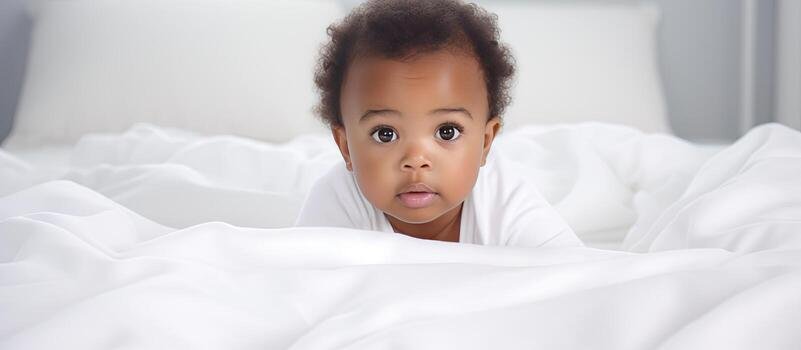
Yes, two white parents can have a darker-skinned child when genetics and ancestry combine in certain ways.
Skin tone comes from many genes working together. Each parent passes one copy from each gene pair. When two people who identify as white carry versions linked with deeper pigmentation, a baby can inherit a mix that leads to darker skin. The word “black” carries social meaning too, so this topic blends biology with identity. This guide lays out the science in plain steps and shows the real-world cases where this outcome makes sense.
Quick Answer And Why It Happens
There is no single “skin color gene.” Dozens of genes shape melanin production, packaging, and transfer in skin cells. Some variants are common in Europe; others are found worldwide. Recessive versions can stay hidden across generations, then appear when a child receives the same version from both sides. Past ancestry from many regions can also resurface in traits. That’s the short path to how two white parents could welcome a dark-skinned newborn.
| Factor | How It Works | Notes |
|---|---|---|
| Polygenic Inheritance | Many genes add up; a child can inherit more “dark-tone” variants than either parent shows on the surface. | Skin tone behaves like a gradient, not a switch. |
| Recessive Alleles | Variants that affect pigment can be carried quietly; two carriers can have a child who expresses the trait. | Mendelian pattern when the same allele comes from both sides. |
| Distant Ancestry | Family lines can include African, South Asian, Indigenous American, or other roots that carry darker-tone variants. | Records and stories don’t always capture full ancestry. |
| Genetic Recombination | Shuffling during egg and sperm formation puts variants together in new combos. | Explains why siblings can look different. |
| Rare Mutations | New changes can alter pigment pathways in a single generation. | Uncommon, but possible anywhere. |
| Medical Differences | Some conditions raise or reduce melanin at birth. | Newborn tone often shifts across the first months. |
| Non-genetic Factors | Lighting, camera exposure, and sun can change how tone appears. | Photos can mislead during the first weeks. |
Can Two White People Have A Black Baby? Cases That Fit The Science
This section walks through everyday patterns that match human genetics. Each case pairs a mechanism with what families tend to see.
Hidden Variants From Both Sides
Two parents can look fair yet carry several darker-tone variants. If a child receives many of those at once, the combined effect can exceed either parent’s tint. Think of traits like height, freckles, or hair color. Skin tone follows the same many-genes model.
Grandparents And Distant Roots
Family trees hold surprises. One or more grandparents may carry ancestry from places where darker alleles are common. Even if a branch looks “white” today, older records, migration, or adoption can add hidden variety. When the right mix meets in one child, the result can be a deeper tone.
Specific Genes With Big Effects
Some genes pull extra weight. Variants near SLC24A5 and SLC45A2 often lighten tone in Europe. Variants in OCA2/HERC2 shape eye color and can influence pigmentation. Studies in diverse African groups have mapped loci such as MFSD12 and TYRP1 that track with a wide range of tones. If parents carry different mixes, kids can land on many points across the spectrum.
New Mutations
New DNA changes can appear in a child even if neither parent carries them. A mutation in a pigment pathway can raise or reduce melanin output. These events are rare, but biology allows them.
Medical Conditions That Alter Pigment
Some conditions change melanin level or distribution. Infant skin often deepens with sun in the first year. A pediatric visit can sort medical questions from normal range. Many newborns darken a little after birth as melanin builds.
Taking The Topic Carefully
Skin color is one trait. Race also works as a social label tied to place and history. A child’s identity sits with the family and with the person as they grow. This article speaks to biology, not labels. If you want the science behind a child’s tone, a genetics counselor can explain test options with care and clarity.
Close Variation: Can Two White Parents Have A Child With Dark Skin? Rules, Genes, And Real Odds
Many readers search for the phrase “can two white people have a black baby?” during emotional moments. The science says yes under several paths. The rest of this guide breaks those paths down, with sources you can check and steps you can take if you want more clarity.
How Skin Color Works At The Gene Level
Melanin Basics
Melanin comes in two main types, eumelanin and pheomelanin. The mix and how it’s packed inside cells set the shade. Genes guide enzymes that make melanin, transporters that move ions, and proteins that load pigment into tiny packets delivered to skin cells.
Why It’s Polygenic
Each gene adds a small nudge. Add enough nudges and tones move from light to medium to deep. No single switch flips the result. That’s why siblings can show different tones even with the same parents. See the NHGRI glossary entry on a polygenic trait for a plain-language primer.
Examples Of Known Genes
Research points to many loci. Variants in SLC24A5 and SLC45A2 track with lighter skin in Europe. Large studies in Africa uncovered variants in MFSD12, TYRP1, and others that shape a wide span of tones. A Penn-led team summarized how several of these loci influence tone across populations; see their lay summary on genes that influence skin tone.
Why Two Fair-Skinned Parents Can Have A Dark-Skinned Child
Recessive Combinations
A recessive effect means a child needs two copies to show the trait. If both parents carry the same darker-tone allele, one in four children, on average, could express it. That’s a probability per pregnancy, not a promise, and small families can swing either way.
Many Small Additions
Even without classic recessives, small effects can stack. Picture ten dimmer sliders. If a child inherits more “up” settings across those sliders, the net look can be deeper than either parent.
The Role Of Ancestry
Many people in Europe and the Americas carry mixed roots. Historic movement spread variants widely. A DNA test may show traces from several continents. That mix can align in one child in a way that brings a darker shade to the surface.
When It’s Not Just Genetics
Birth tone can appear lighter or darker due to room light, camera exposure, or mild jaundice. Across the first months, melanin builds and the baseline deepens. Pediatric care can spot pigment disorders, which are rare.
What Odds Are We Talking About?
No single chart can fit every couple. Odds depend on the exact variants both parents carry and how those add together. Population studies give useful hooks, but they don’t replace family-level data. A counselor can point to tests that clarify carrier status and ancestry, then explain limits so expectations stay realistic.
| Gene | Typical Role | Notes |
|---|---|---|
| SLC24A5 | Ion transport shaping melanosome function | Common light-associated variant in Europe. |
| SLC45A2 | Transport across melanosome membrane | Linked to lighter skin and hair. |
| OCA2/HERC2 | Controls melanosome pH and iris pigment | Impacts eye color; touches skin tone. |
| MC1R | Balances eumelanin vs. pheomelanin | Red hair variants change sun response. |
| TYR/TYRP1 | Core enzymes for melanin synthesis | Larger shifts when activity drops. |
| MFSD12 | Modulates pigment pathways in melanocytes | Mapped in broad African cohorts. |
| ASIP | Regulates the MC1R pathway | Shapes hair and skin traits across groups. |
Testing, Counseling, And Sensible Next Steps
Some parents want more clarity. A genetics counselor can review family history and explain which tests match your question. Carrier screening looks for recessive variants you both share. Ancestry panels describe broad roots but don’t pin down full odds. Diagnostic tests for a child look for variants with known effects. Each path has limits, and a counselor can walk through trade-offs.
Practical Tips Before You Test
- Collect family stories and places of origin from both sides.
- Gather old photos across generations to see tone range.
- Read plain-language primers so terms make sense during visits.
- Ask your clinician about accredited labs if testing is on the table.
Common Myths, Answered
“This Can’t Happen Without Infidelity”
Genetics can explain a wide range of looks inside one family. Polygenic traits leave room for surprises. Life events vary by family, but science alone can account for a deeper tone in a child of two white parents.
“Skin Color Always Matches Parents”
Traits don’t move in lockstep. Siblings often show different mixes: one may tan fast, one may freckle, one may have darker or lighter baseline skin. The same applies to new babies from the same couple.
“There’s A Single Gene For ‘Black’ Or ‘White’”
There isn’t. Many loci contribute small effects, with a few larger-effect genes mixed in. The blend, plus ancestry, sets the outcome.
What Doctors Usually See In Clinic
Newborn tone often shifts across the first weeks as melanin builds. Pediatric teams track growth, feeding, and skin. They may note changes from jaundice or dryness that alter how color looks in photos. If a pigment disorder is suspected, they can order targeted tests. Most families leave with reassurance and a plan to keep the skin healthy with gentle care and sun sense.
Photos, Lighting, And Perception
Smartphone cameras lean warm or cool. Indoor bulbs and white balance change skin appearance on screen. When tone looks different across pictures, compare shots taken near a window at midday. Natural light shows color more clearly and avoids heavy casts. This helps families see normal shifts without worry.
Language, Respect, And Real Life
Families use many words for identity. Some prefer “Black,” others use “mixed,” and some stick with simple descriptions. Parents can honor a child’s look and background while giving room for that child to choose their own words later. This science guide aims to help families ask better questions and seek care when needed.
Recap You Can Use Right Now
Two white parents can have a black baby due to polygenic inheritance, recessive alleles, and ancestry that carries darker-tone variants. A handful of genes have outsized effects, but no single switch controls the result. Photos and early tone can mislead; babies often deepen across the first months. If you want clearer answers for your family, a genetics counselor can outline testing options and limits. And yes—“can two white people have a black baby?” is a valid genetics question with a science-based yes.