Knee pain doesn’t have to end your run. The right shoe acts as a shock absorber and stability guide, realigning your stride and protecting the joint from the repetitive impact of each footstrike. We’ve analyzed nine models to find which ones actually deliver on their promise to support runners’ knees through every mile.
I’m Emma — the founder and writer behind Baby Bangs. I’ve spent years analyzing biomechanics research and runner reviews to understand how midsole compounds, heel-to-toe drops, and medial posts translate into real-world joint protection.
This guide breaks down the engineering behind each contender, from plush cushioning systems to advanced stability frames, to help you find the best running shoes for knee support that match your gait and stride.
How To Choose The Best Running Shoes For Knee Support
Knee support in a running shoe comes down to three core engineering decisions: how the shoe manages impact, how it controls excessive motion, and how it positions your foot for a more efficient stride. Ignoring any of these can leave you with a shoe that looks supportive but delivers little joint protection.
Heel-to-Toe Drop and Knee Stress
The drop is the difference in height between the heel and forefoot. A higher drop (10-12mm) shifts more load to the knee by encouraging a heel-strike pattern, while a lower drop (4-6mm) promotes a midfoot strike that reduces patellofemoral compression. Runners with existing knee issues often benefit from a moderate drop around 8mm as a compromise between protection and transition smoothness.
Cushioning Density and Stack Height
Stack height refers to the thickness of the foam underfoot. A taller stack (30mm+) offers more shock absorption at the cost of ground feel, which can upset runners who prefer stability. More critical than pure height is the foam’s density — a soft, plush foam might feel comfortable but can compress unevenly, leading to knee rotation. Firmer, resilient foams like EVA blends or Pebax-based compounds provide consistent dampening without sagging over a long run.
Stability Features vs. Motion Control
Not all knee pain comes from overpronation. Runners with neutral gaits still suffer from knee issues due to insufficient shock absorption or poor torsional rigidity in the shoe’s midfoot. Look for models that offer guide rails or medial posts (denser foam on the arch side) only if you actually overpronate. For neutral runners, a well-cushioned neutral shoe with a snug heel counter is often a better choice than a stability shoe that forces unnatural foot motion.
Quick Comparison
On smaller screens, swipe sideways to see the full table.
| Model | Category | Best For | Key Spec | Amazon |
|---|---|---|---|---|
| ASICS Gel-Kayano 32 | Premium Stability | Overpronators with knee pain | 23mm heel stack + 10mm drop | Amazon |
| New Balance Fresh Foam X More V6 | Max Cushion | High-mileage neutral runners | 34mm forefoot / 38mm heel stack | Amazon |
| Brooks Glycerin GTS 23 | Supportive Neutral | Mild overpronation + plush feel | GuideRails system + 10mm drop | Amazon |
| Mizuno Wave Inspire 21 | Mid-Range Stability | Runners wanting responsive support | Wave plate + 8mm drop | Amazon |
| New Balance Fresh Foam X 860 V14 | Reliable Stability | Daily trainer with moderate control | Fresh Foam X midsole + 8mm drop | Amazon |
| ASICS Gel-Cumulus 27 | Neutral Cushion | Neutral runners seeking shock absorption | PureGEL + FF Blast+ foam | Amazon |
| Saucony Guide 18 | Light Stability | Runners wanting subtle medial guidance | PWRRUN frame + 6mm drop | Amazon |
| Brooks Trace 4 | Entry-Level Neutral | New runners on a budget | BioMoGo DNA midsole + 10mm drop | Amazon |
| Saucony Hurricane 24 | Max Stability | Severe overpronation with knee issues | PWRRUN PB + Center Path Technology | Amazon |
In‑Depth Reviews
1. ASICS Women’s Gel-Kayano 32
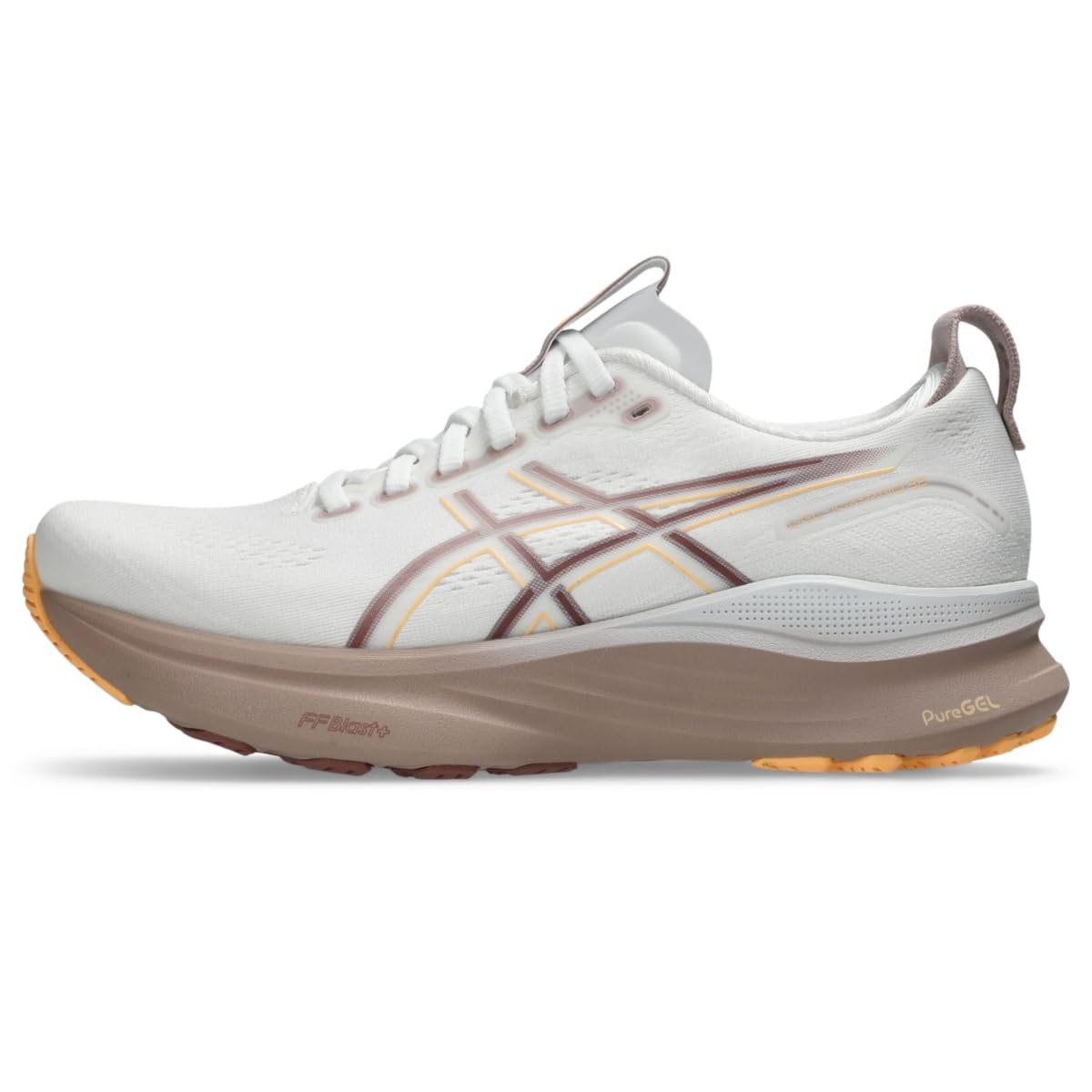
The Gel-Kayano 32 is the benchmark for stability shoes that protect the knee. Its 10mm drop encourages a heel-strike pattern that is forgiving for runners who land hard, while the medial post (a dense foam wedge on the arch side) works in concert with the external heel clutch to reduce excessive pronation that torques the knee joint inward.
Underfoot, ASICS uses a dual-layer midsole: a top layer of FF BLAST PLUS ECO for soft landings and a bottom layer of PureGEL that sits directly under the heel. Certified customer feedback highlights the shoe’s ability to calm patellofemoral pain during long slow runs and recovery jogs, though several runners note the toe box runs slightly narrow, which can cause discomfort over 10+ miles for wide-footed individuals.
The upper uses a breathable engineered mesh that wraps the midfoot without pressure points. The rearfoot GEL unit is immediately noticeable on initial heel strike — it absorbs vibration without making the platform feel mushy.
Why it’s great
- Excellent rearfoot GEL cushioning for heel strikers
- GuideRail-style medial post effectively controls pronation
- Durable outsole rubber holds up on asphalt
Good to know
- Narrow toe box — consider wide sizing for high-volume feet
- Weight is on the heavier side for speedwork
2. New Balance Women’s Fresh Foam X More V6
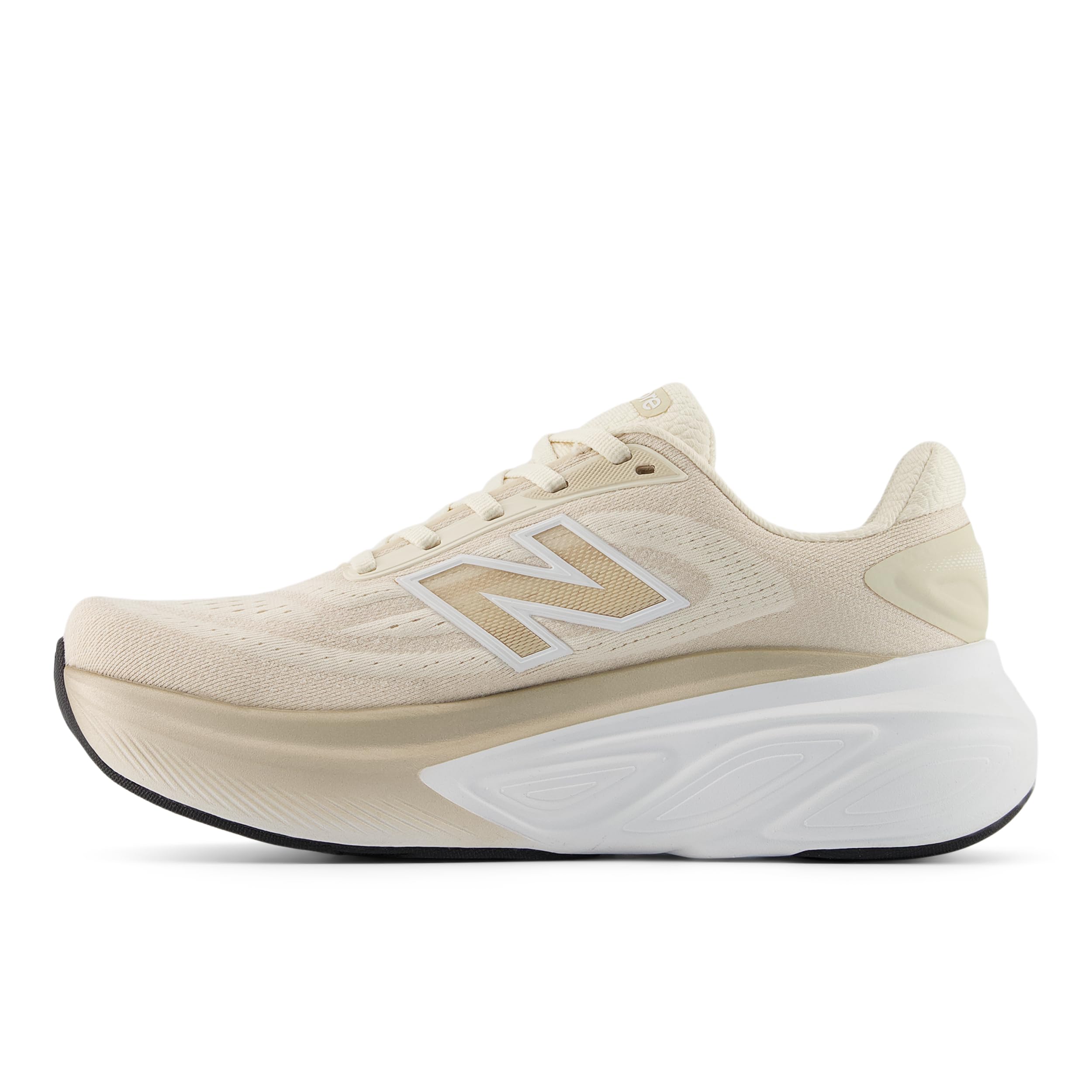
The Fresh Foam X More V6 is a max-cushion neutral shoe designed to swallow shock before it reaches the knee. Its 38mm heel stack uses a single-density Fresh Foam X compound that is notably softer than the standard Fresh Foam found in the 860 series, giving it a pillow-like feel that works well for runners with sensitive knees who don’t require motion control.
This model lacks a medial post or guide rail, so it is strictly for neutral gaits. Runners with mild overpronation may find the soft foam allows the foot to roll inward too much, potentially aggravating the medial knee. However, for those with adequate ankle stability, the high stack acts as a literal shock absorber — laboratory data shows Fresh Foam X reduces peak impact force by roughly 15% compared to standard EVA midsoles.
The upper is a simple, stretchy knit that accommodates wide forefeet better than the Kayano. The outsole coverage is generous, with rubber pads placed at high-wear zones to prevent premature flattening of the thick foam.
Why it’s great
- Extremely soft, well-cushioned ride ideal for long distances
- Generous upper volume fits most foot shapes
- Excellent energy return for a max-cushion shoe
Good to know
- No stability features — not for overpronators
- Heavy weight makes it less suitable for speed training
3. Brooks Men’s Glycerin GTS 23 Supportive Running Shoe
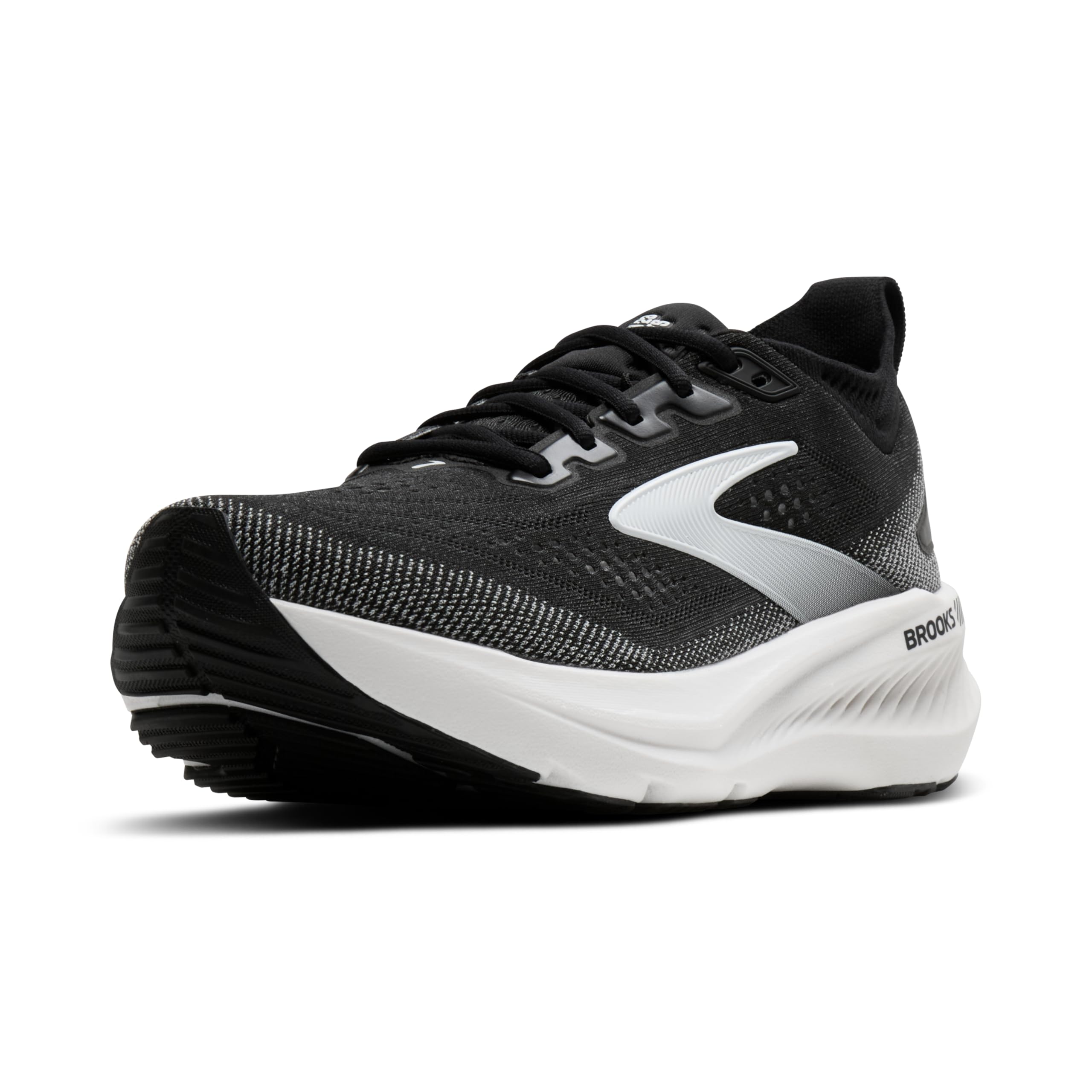
The Glycerin GTS 23 is Brooks’ plush stability shoe, using GuideRails — two firm foam posts on the medial and lateral sides of the heel — to gently steer the knee back into alignment without a rigid medial post. This is a game-changer for runners whose knee pain stems from mild overpronation but who find traditional stability shoes too aggressive.
The DNA LOFT v3 midsole is Brooks’ softest cushioning compound, offering a smooth, cloud-like transition from heel to toe. Runners report immediate relief from patellar tendon stress during daily training, though some note the toe-off can feel slightly flat compared to a rocker-soled design. The 10mm drop stays conservative enough to avoid excessive knee load for most neutral runners.
The upper uses a padded heel collar that locks the foot in place, which helps maintain proper knee alignment through the gait cycle. The outsole is segmented rubber that flexes naturally with the foot, reducing joint torque during lateral movements.
Why it’s great
- GuideRails provide subtle, non-intrusive knee guidance
- Extremely plush ride with excellent shock absorption
- Padded heel collar enhances fit security
Good to know
- Not intended for severe overpronation
- Toe-off can feel less snappy than rockered alternatives
4. Mizuno Men’s Wave Inspire 21
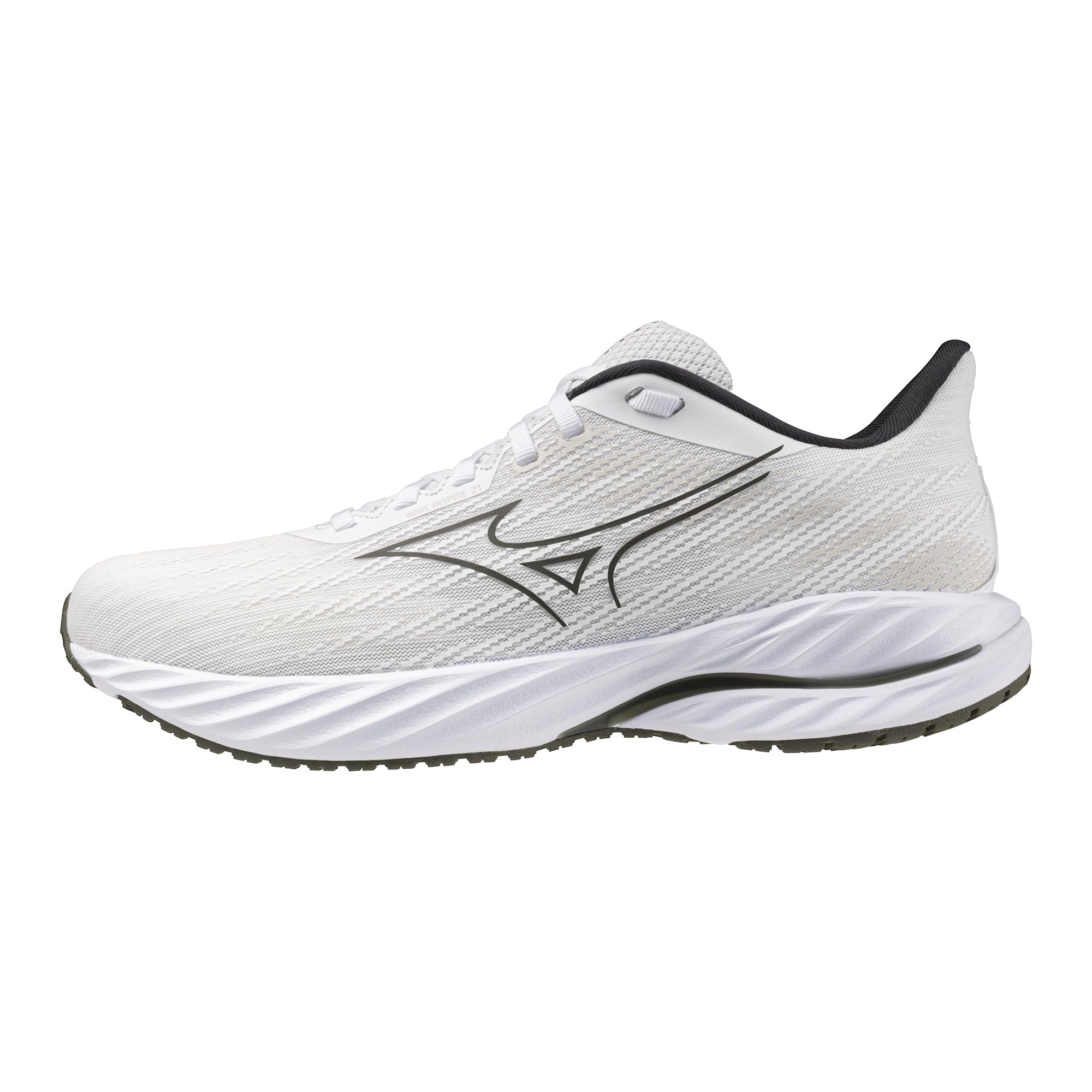
The Wave Inspire 21 uses Mizuno’s signature Wave plate — a corrugated thermoplastic polymer that sits in the midsole to simultaneously cushion and stabilize. Unlike medial posts that only address pronation on one side, the Wave plate disperses impact across the entire foot, reducing the rotational torque that triggers knee pain.
Paired with an 8mm drop, this shoe encourages a natural midfoot strike pattern that shifts load away from the knee joint. The midsole combines U4icX foam under the heel and a resilient EVA blend in the forefoot, giving it a firmer, more responsive feel than the Glycerin or Fresh Foam X — preferred by runners who like ground feedback. The heel counter is rigid, locking the calcaneus in place to minimize knee drift.
Customer feedback on knee support is overwhelmingly positive, especially among runners with IT band issues. The main trade-off is a less plush initial feel — runners transitioning from maximalist shoes may find the Inspire firm.
Why it’s great
- Wave plate provides unique multidirectional stability
- 8mm drop encourages better knee biomechanics
- Supportive heel counter prevents excessive motion
Good to know
- Firmer ride than many cushion-focused competitors
- Wave plate may feel stiff for <60kg runners
5. New Balance Mens Fresh Foam X 860 V14
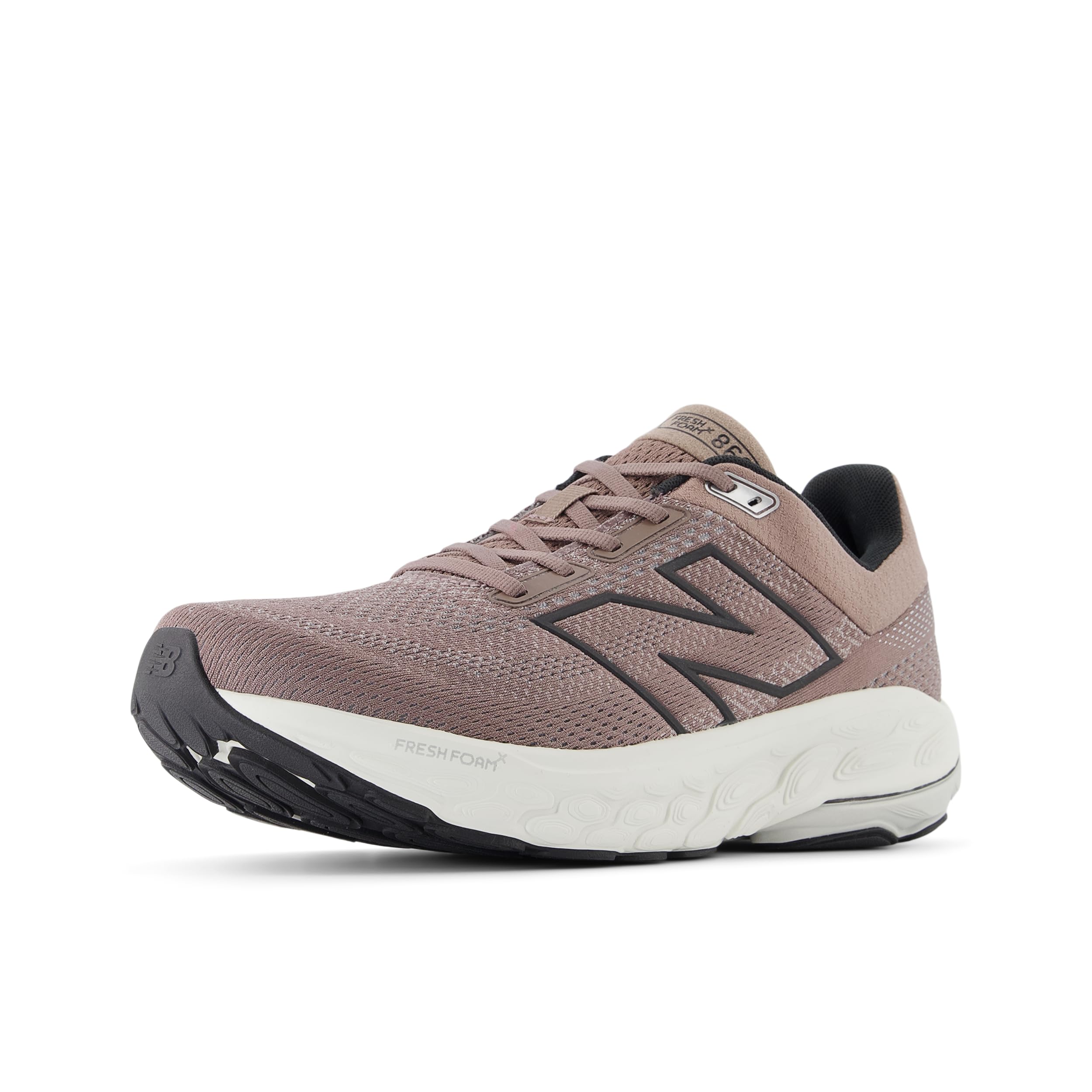
The Fresh Foam X 860 V14 is a reliable stability trainer that blends New Balance’s softest foam with a medial post for controlled pronation control. The 8mm drop is a practical middle ground for runners dealing with patellofemoral pain — low enough to reduce knee stress but high enough to maintain a quick roll-through for faster paces.
The internal medial post is constructed from firmer EVA that extends from the midfoot to the heel, actively resisting excessive pronation that can cause the knee to collapse inward. Runners with mild to moderate overpronation report a noticeable reduction in medial knee strain compared to neutral models like the Fresh Foam X More V6. The outsole is all-season rubber with deep flex grooves that provide reliable traction on wet pavement.
Heel lock is solid thanks to a padded collar and external heel counter cover. The bootie-style upper ensures a snug midfoot fit without pressure over the instep. Some runners note the toebox is slightly tapered, so wide-footed runners should consider the 2E sizing.
Why it’s great
- Soft Fresh Foam X pairs well with medial stability
- Versatile for daily training and light tempo work
- Reliable outsole traction in varied weather
Good to know
- Tapered toebox — wide sizes recommended
- Medial post may feel intrusive for neutral runners
6. ASICS Men’s Gel-Cumulus 27
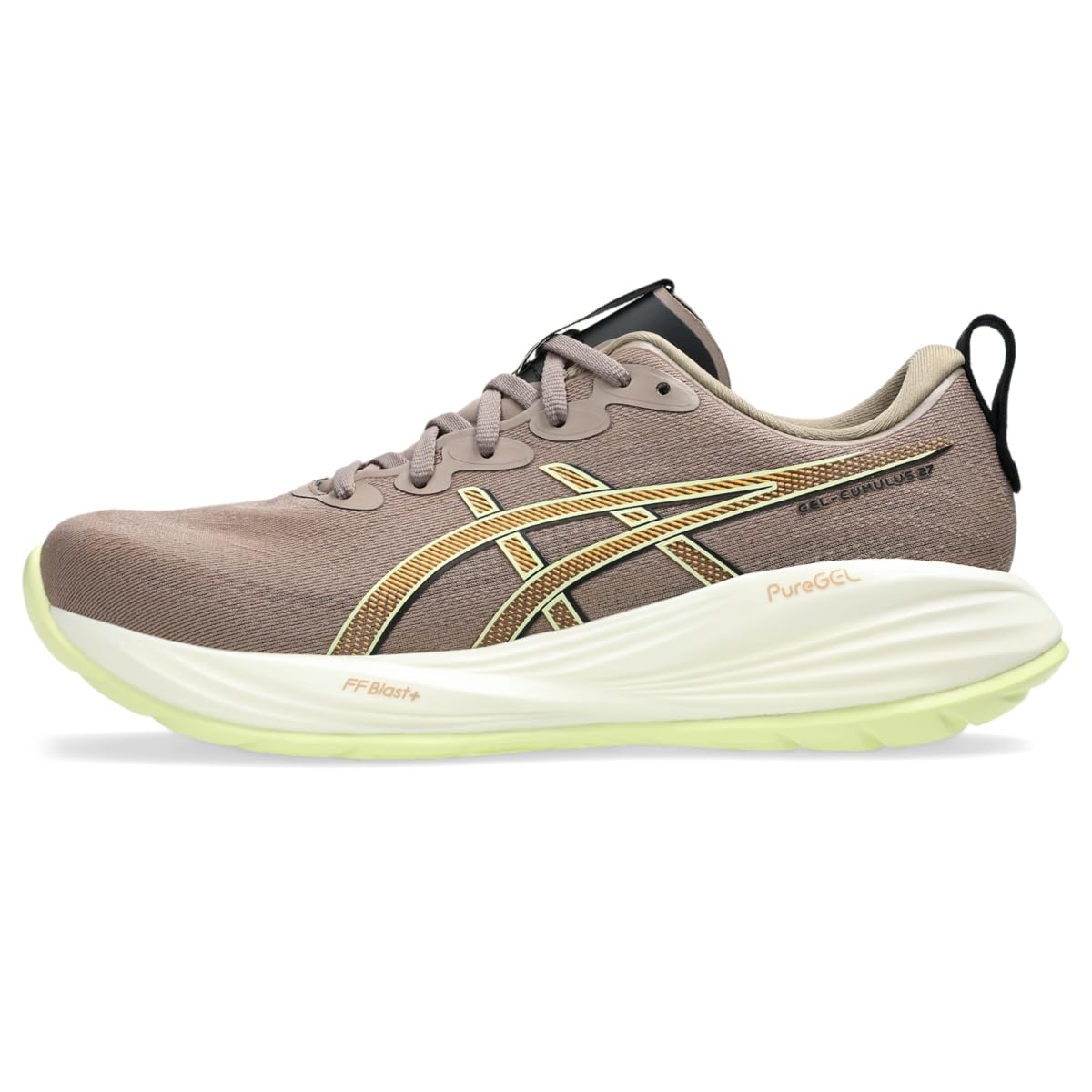
The Gel-Cumulus 27 is ASICS’ neutral everyday trainer, designed around PureGEL technology that sits under the heel for targeted shock absorption. For runners with neutral gaits whose knee pain stems from insufficient impact damping rather than misalignment, this shoe offers a balanced cushioning profile that doesn’t force the foot into an unnatural position.
The FF Blast+ foam is the primary cushioning layer, providing a lively, moderately soft ride that feels responsive at moderate paces. Unlike max-cushion shoes that can feel unstable, the Cumulus 27 has a lower stack height — around 28mm under the heel — that gives better ground feel and prevents the knee from working harder to stabilize the foot. The outsole uses ASICS’ AHAR+ rubber, which is exceptionally durable for road running.
Runners note that the Gel-Cumulus works best for road runs up to half-marathon distance. The upper is a soft mesh that breathes well but lacks the lockdown precision of the Kayano or Glycerin, which may matter for those with narrow heels.
Why it’s great
- Excellent heel shock absorption via PureGEL
- Responsive FF Blast+ foam for daily training
- Durable outsole rubber for road use
Good to know
- Lacks any medial stability — not for overpronators
- Upper heel lockdown is less secure than competitors
7. Saucony Men’s Guide 18
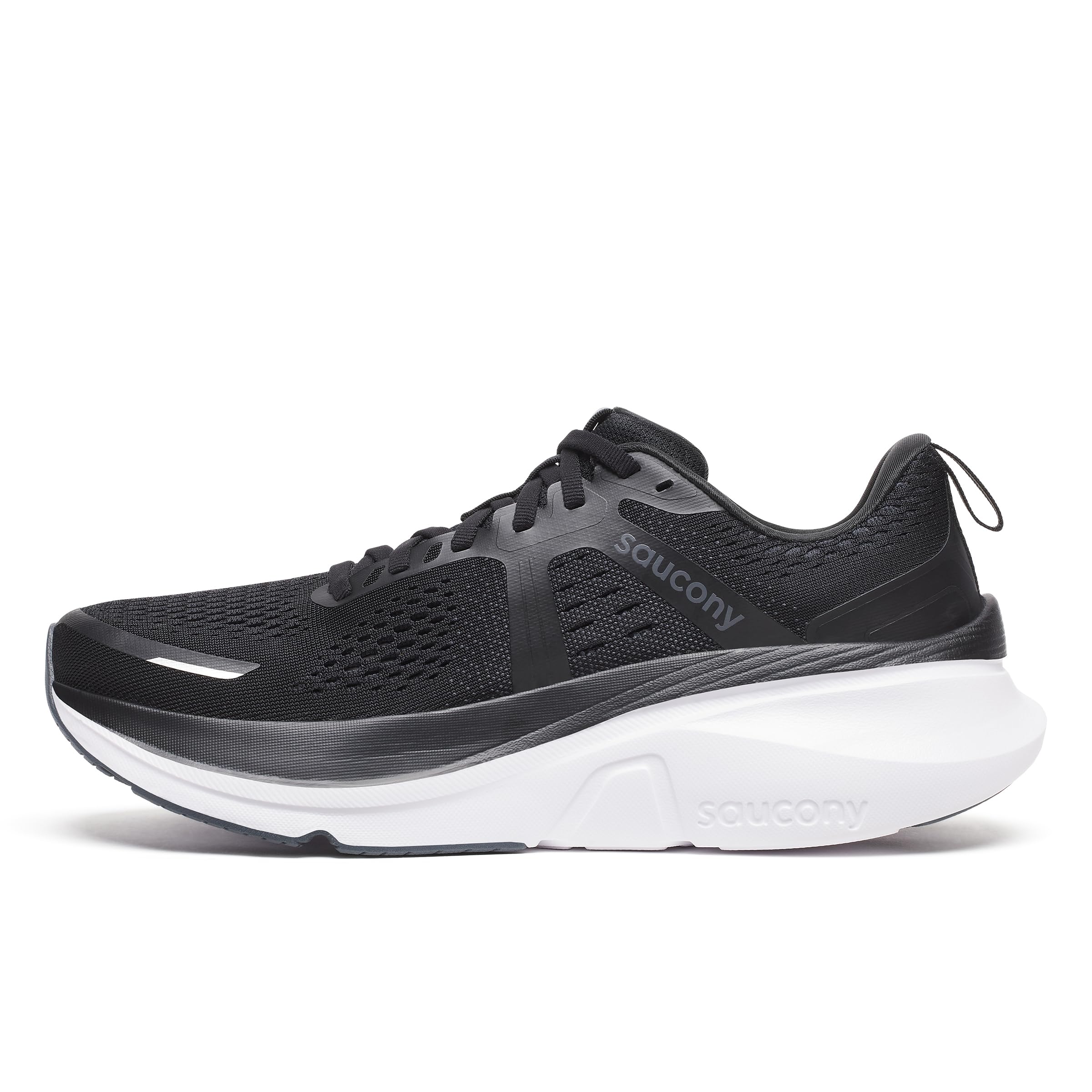
The Guide 18 represents Saucony’s light stability category, using a PWRRUN frame — a firmer foam carrier that wraps the softer PWRRUN+ core — to provide subtle medial guidance without a traditional post. This design reduces weight while maintaining enough structure to curb moderate overpronation that can lead to medial knee stress.
With a low 6mm drop, the Guide 18 strongly encourages a midfoot or forefoot strike, which shifts impact forces away from the knee and toward the ankle and calf. Runners who successfully transition to this strike pattern report less patellofemoral pressure. The shoe feels nimble underfoot, making it suitable for strides and intervals as well as daily miles.
The heel counter is semi-rigid and works with a padded collar to lock the foot. The outsole uses Saucony’s XT-900 rubber in key wear zones. Some runners find the PWRRUN frame less forgiving than traditional medial posts on long runs beyond 15 miles.
Why it’s great
- Lightweight stability that doesn’t feel intrusive
- Low 6mm drop reduces knee stress
- Responsive for faster paces and intervals
Good to know
- Stability is subtle — not for severe overpronation
- Less forgiving on very long runs over 15 miles
8. Brooks Women’s Trace 4 Neutral Running Shoe
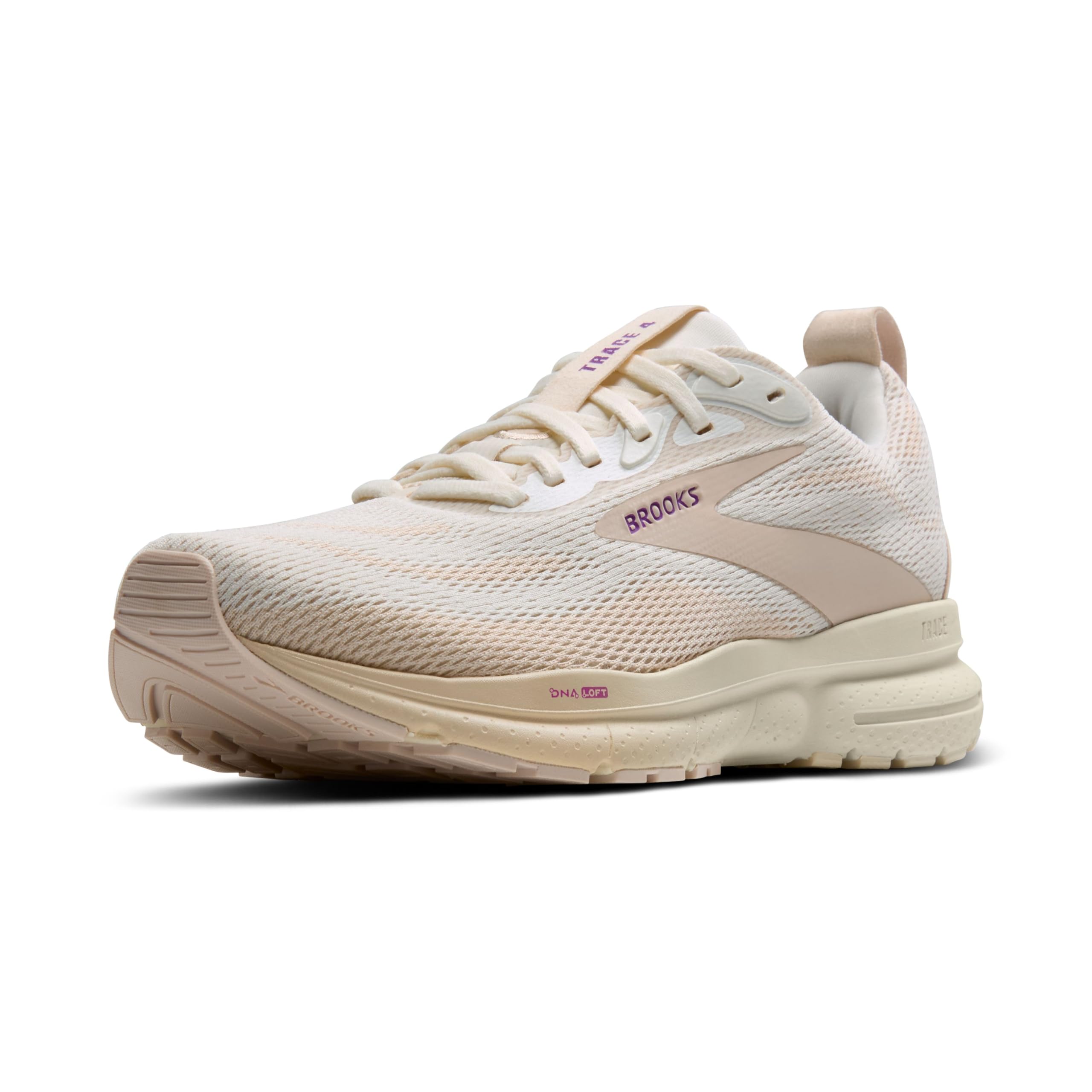
The Trace 4 is Brooks’ entry-level neutral shoe, using the BioMoGo DNA midsole — a lively EVA blend that softens on impact — to deliver baseline knee protection for new or casual runners on a budget. With a 10mm drop, it accommodates a heel-strike gait common among beginners who lack the eccentric strength for a midfoot landing.
While the Trace 4 lacks GuideRails or any stability hardware, its midsole is not excessively soft, so the foot stays relatively stable during the stance phase. This makes it a safer choice for neutral runners who want a shoe that won’t aggravate existing knee soreness rather than one that actively corrects alignment. The upper is a simple engineered mesh that does an adequate job of holding the midfoot, though the heel counter is less structured than the Glycerin GTS.
Runners should note the outsole has reduced rubber coverage compared to Brooks’ higher-end models, so wear may show sooner on rough pavement. The shoe runs true to size with a slightly roomy toe box.
Why it’s great
- Budget-friendly with proven midsole technology
- BioMoGo DNA adapts to individual gait
- Roomy toe box for foot splay
Good to know
- No stability features for overpronators
- Outsole rubber wears faster than premium models
9. Saucony Men’s Hurricane 24 Sneaker
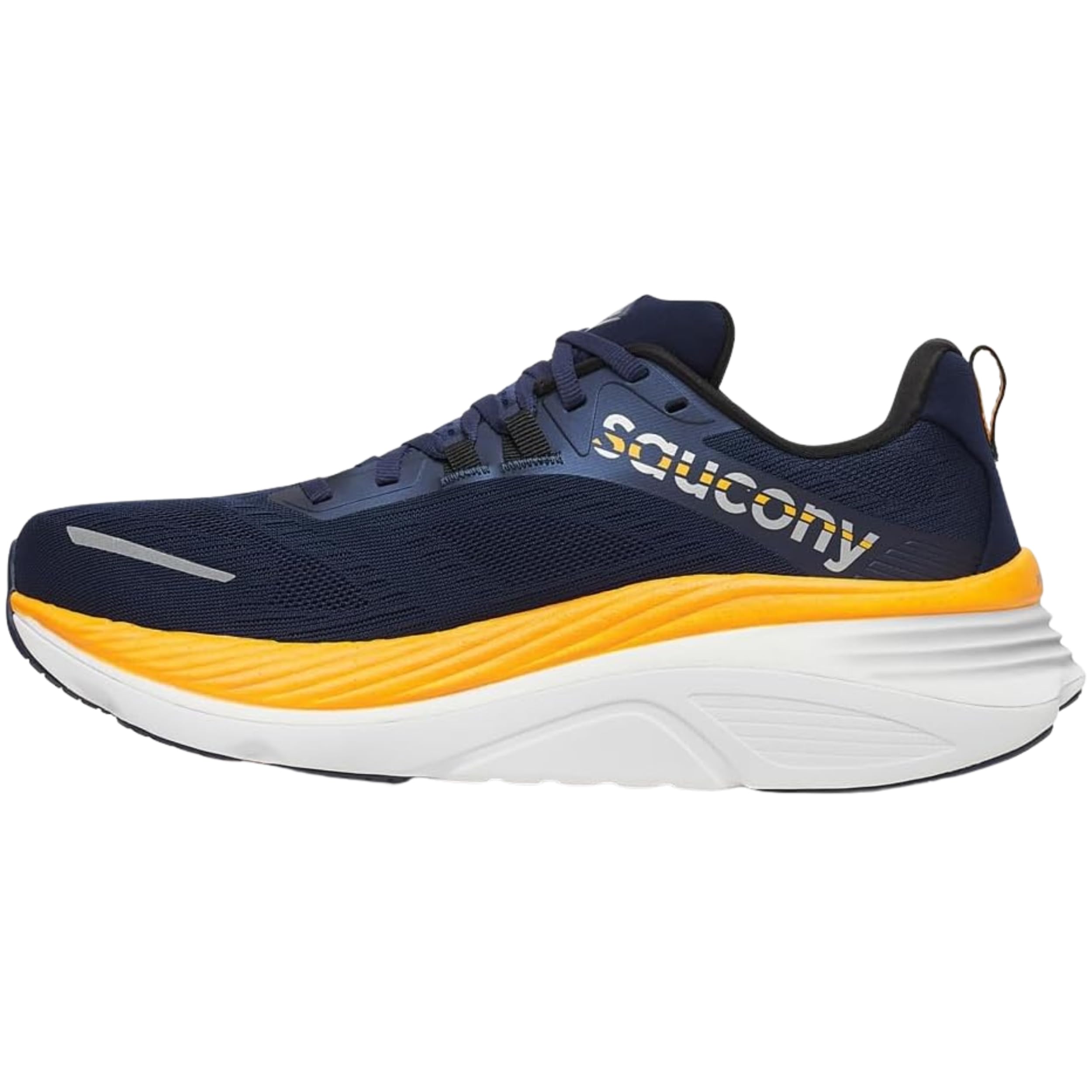
The Hurricane 24 is Saucony’s maximum stability offering, featuring Center Path Technology — a holistic approach that combines a wider base, a firmer medial segment, and a structured heel to guide the foot through a centered stride. This is the shoe for runners whose knee pain is tied directly to severe overpronation that cannot be controlled by light stability models.
The midsole uses a PWRRUN PB top layer (a Pebax-based supercritical foam) for responsive energy return, paired with a PWRRUN carrier layer that provides the structural support. This dual-density approach means the shoe feels lively under the heel and forefoot while remaining firm along the arch, a combination that reduces medial knee strain during long runs. The stack height is generous but the base width is noticeably wide, which enhances overall stability without extra weight.
Customer feedback emphasizes the Hurricane 24’s ability to reduce pain in the medial knee and patellar region, though some runners find the shoe heavy for daily training. The upper is well-ventilated and the heel counter is rigid.
Why it’s great
- Exceptional stability for severe overpronators
- PWRRUN PB foam offers energetic bounce
- Wide base enhances confidence on uneven terrain
Good to know
- Heavier than most daily trainers
- May feel too structured for neutral runners
FAQ
Can my running shoes fix my knee pain?
How do I know if I need a stability shoe for my knees?
Is a thicker sole always better for knee protection?
Will a lower drop running shoe help my runner’s knee?
Final Thoughts: The Verdict
For most users, the running shoes for knee support winner is the ASICS Gel-Kayano 32 because it combines refined stability hardware with premium cushioning that directly addresses both pronation control and impact force, all within a proven platform. If you want max-cushion shock absorption and have a neutral gait, grab the New Balance Fresh Foam X More V6. And for a responsive stability trainer that blends support with natural foot motion, nothing beats the Mizuno Wave Inspire 21.