Navigating the world of clinical-strength skincare is about separating genuine therapeutic formulas from overpriced moisturizers. The difference between a medical-grade product and a counter brand comes down to active ingredient concentration, delivery systems, and third-party efficacy testing — not just a pretty bottle on a shelf.
I’m Emma — the founder and writer behind Baby Bangs. I’ve spent over a decade analyzing ingredient matrices and clinical trial data within the dermatological skincare space, focusing on how formulations like L-ascorbic acid, retinol complexes, and ceramide blends translate into measurable skin health outcomes.
This guide walks you through the key specs and formulation science behind the best medical grade skin care products available, helping you match your specific skin needs to the right clinical-grade solution.
How To Choose The Best Medical Grade Skin Care
Selecting a medical-grade product means prioritizing ingredient stability, active concentration, and delivery technology over fragrance or texture. Unlike drugstore lines, these formulations are designed to penetrate deeper skin layers and produce measurable changes in texture, tone, and barrier function.
Active Ingredient Concentration
The percentage of key actives — such as L-ascorbic acid (vitamin C), retinol, or niacinamide — determines both efficacy and potential irritation. Medical-grade products often use higher concentrations of pure, stabilized actives. For example, 15% L-ascorbic acid is the gold standard for brightening and collagen support, but must be formulated at a specific pH to remain stable and effective.
Delivery and Stability Technology
Ingredient stability is the hidden battle in clinical skincare. Technologies like Isoplentix Technology (Obagi) and HydroShield (Dr. Denese) encapsulate actives to protect them from oxidation and deliver them to the correct skin layer. Without a robust delivery system, even the highest concentration of active ingredients will degrade before reaching target cells.
Dermatologist and Clinical Testing
True medical-grade brands publish clinical usage tests and are often physician-endorsed. Look for language around “dermatologist tested” and “clinically proven” with specific participant data — for instance, Obagi reports that 91% of participants felt smoother skin after the first use of their Hydro-Drops serum. This is the standard you pay for.
Quick Comparison
On smaller screens, swipe sideways to see the full table.
| Model | Category | Best For | Key Spec | Amazon |
|---|---|---|---|---|
| Obagi Professional-C Vitamin C Serum | Premium Serum | Brightening & Collagen Support | 15% L-Ascorbic Acid | Amazon |
| iS CLINICAL Active Serum | Premium Serum | Acne-Prone & Uneven Tone | Botanical Complex + Copper Peptides | Amazon |
| SkinMedica Retinol Serum 0.5 Complex | Mid-Range Serum | Anti-Aging & Fine Lines | 0.5% Retinol Complex | Amazon |
| Dr. Denese HydroShield Retinol Serum | Premium Serum | Dry/Mature Skin Hydration | Retinol + Ceramides + Peptides | Amazon |
| Obagi Daily Hydro-Drops Serum | Premium Serum | Barrier Repair & Hydration | Isoplentix Technology (Niacinamide + Oils) | Amazon |
| SkinMedica Rejuvenative Moisturizer | Mid-Range Moisturizer | Daily Hydration & Barrier Support | Sodium Hyaluronate Formula | Amazon |
| iS CLINICAL Eclipse SPF 50+ Sunscreen | Mid-Range SPF | Sensitive Skin Sun Protection | Zinc Oxide SPF 50+ | Amazon |
In‑Depth Reviews
1. Obagi Professional-C Vitamin C Serum
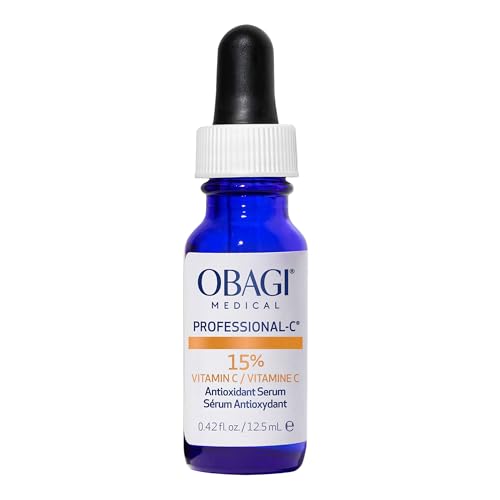
This serum uses 15% pure L-ascorbic acid, the gold-standard form of vitamin C, formulated at a pH that optimizes permeability without causing irritation common in lower-grade serums. Multiple users report visible brightening and reduced fine lines after several months of consistent morning use.
The formula is dermatologist tested and physician endorsed, with a 35-year brand history of clinical testing on all skin types and tones. The bottle design uses air-restrictive packaging to slow oxidation — a critical detail for vitamin C stability. Users with adult acne noted it worsened breakouts, suggesting it works best for those seeking anti-aging and brightening, not acne control.
One user noted the serum starts clear and gradually turns color as it oxidizes, which is natural for L-ascorbic acid — but still means the clock starts ticking on potency once opened. It layers well under sunscreen and makeup without pilling.
Why it’s great
- 15% pure L-ascorbic acid is the industry gold standard for collagen stimulation and brightening
- Dermatologist tested with decades of clinical data across diverse skin tones
- Lasts approximately six months with daily use, offering strong cost-per-use value
Good to know
- Oxidation occurs over time; should be replaced before discoloration is pronounced
- Can aggravate active acne in some users, better for anti-aging goals
2. iS CLINICAL Active Serum
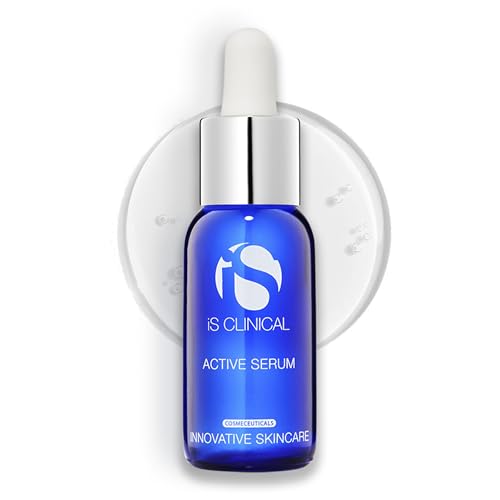
This is iS CLINICAL’s most popular product, and for good reason — it uses a proprietary botanical complex along with copper peptides to simultaneously address fine lines, uneven tone, and acne-prone skin. Users with oily and combination skin report it calms breakouts quickly while smoothing texture.
The formula is manufactured in-house at the brand’s Burbank, California facility, ensuring strict quality control from formulation to bottling. It produces a mild tingling sensation upon application — a sign of active penetration — and absorbs quickly without stickiness. Multiple long-term users report that strangers commented on how youthful their skin looked after consistent use.
It is among the pricier options in this guide, but the concentration of active botanicals and copper peptides means a few drops go a long way. It works well under makeup and plays nicely with other medical-grade products in a routine.
Why it’s great
- Combines anti-aging, brightening, and acne-fighting actives into a single step
- In-house US manufacturing ensures consistency and ethical production standards
- Fast-absorbing texture works for all skin types, including sensitive and oily
Good to know
- Tingling sensation may be uncomfortable for extremely reactive skin
- Higher price point, though a 1 oz bottle lasts several months with daily use
3. SkinMedica Retinol Serum 0.5 Complex
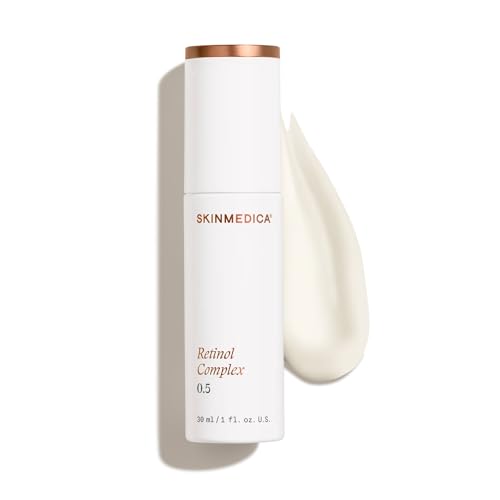
This retinol serum uses a 0.5% encapsulated retinol complex designed to renew skin texture and reduce fine lines without the heavy irritation common with higher-strength retinoids. SkinMedica is a well-known medical-grade brand in the dermatologist community, and this concentration is often recommended as a starting point for new retinol users.
The formula is designed to be used at night as part of a broader clinical regimen, followed by a moisturizer to support the skin barrier. It targets fine lines, uneven tone, and overall texture. The encapsulation technology helps deliver the retinol deeper into the skin while minimizing surface irritation.
At this concentration, results are visible within several weeks of consistent use — smoother texture and softer appearance of fine lines. It layers well under a barrier-supporting moisturizer like the SkinMedica Rejuvenative Moisturizer, making it easy to build a full clinical routine.
Why it’s great
- 0.5% concentration is strong enough for visible results but gentle enough for retinol beginners
- Encapsulated delivery system reduces irritation risk compared to free retinol
- Trusted dermatologist brand with strong clinical backing
Good to know
- Must be used consistently at night; requires SPF protection during the day
- Some users may still experience a purging phase during the first few weeks
4. Dr. Denese HydroShield Retinol Serum
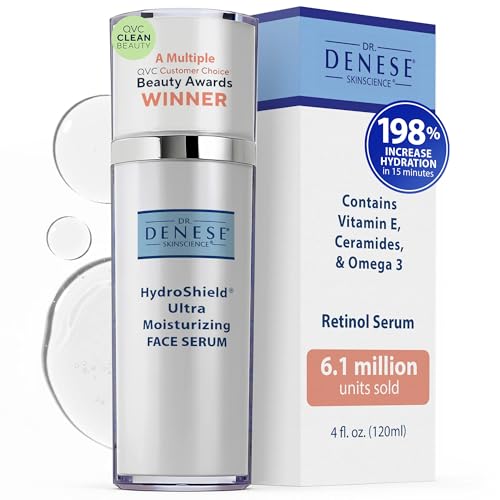
This 4 oz serum uses a HydroShield formula that combines retinol with ceramides and peptides — a smart approach for dry or mature skin that needs anti-aging actives but cannot tolerate drying retinoid formulations. The ceramides help strengthen the moisture barrier while retinol works on collagen production.
Users with rosacea and ultra-sensitive skin have reported no adverse reactions, which is rare for a retinol-based product. It absorbs quickly without a greasy residue and layers well under sunscreen or makeup. The formula is fragrance-free, reducing the risk of irritation for reactive skin types.
The bottle size (4 oz) is significantly larger than most medical-grade serums, which typically come in 1 oz bottles. This makes the cost-per-ounce more attractive for a premium active serum. Users report a bottle lasts a long time, especially when applied sparingly.
Why it’s great
- Ceramides and retinol together target both barrier repair and anti-aging simultaneously
- Large 4 oz bottle delivers strong value for a medical-grade retinol serum
- Fragrance-free formula tolerated by rosacea and sensitive skin
Good to know
- Texture may feel slightly heavy before full absorption; best applied to damp skin
- Some users prefer a higher retinol percentage for more aggressive anti-aging results
5. Obagi Daily Hydro-Drops Hydrating Facial Serum
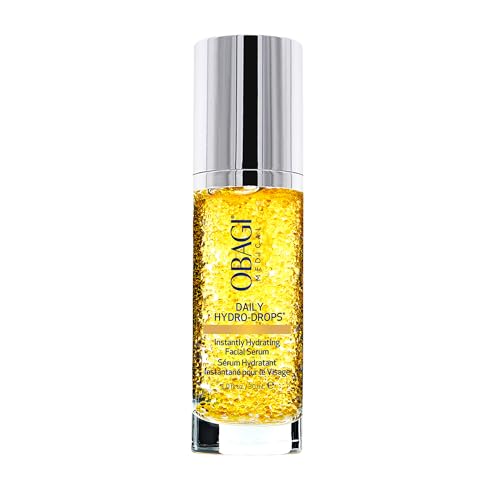
This hydrating serum uses Obagi’s proprietary Isoplentix Technology, which harnesses niacinamide along with Abyssinian and hibiscus oils in their purest forms. This is not just a moisturizer — it is a barrier-repairing serum that softens the appearance of fine lines while protecting against transepidermal water loss.
In clinical testing, 91% of participants reported smoother skin after a single use — a strong claim backed by controlled usage data. It works particularly well as a counterbalance to more aggressive products like retinol or chemical peels, helping restore the skin barrier without adding heavy occlusives.
Users with sensitive skin and those recovering from in-office treatments (chemical peels, micro-needling) have praised it for speeding up barrier recovery. The lightweight texture absorbs quickly and does not interfere with makeup application.
Why it’s great
- Clinically proven: 91% of participants reported smoother skin after first use
- Isoplentix Technology delivers pure niacinamide and barrier-repairing oils effectively
- Ideal for post-procedure recovery and balancing aggressive treatment products
Good to know
- Contains a mild fragrance that may irritate fragrance-sensitive individuals
- Primarily hydrating — not a replacement for vitamin C or retinol treatment serums
6. SkinMedica Rejuvenative Moisturizer
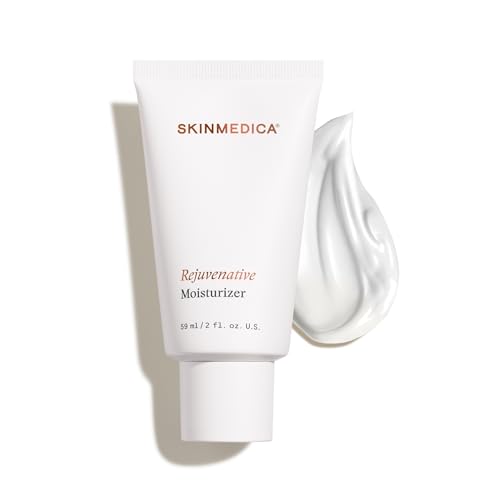
This moisturizer uses sodium hyaluronate — a salt form of hyaluronic acid that penetrates deeper and holds more water than the standard acid form. It is designed for daily hydration in mature or dry skin while supporting the moisture barrier without feeling heavy or greasy.
It is esthetician-recommended and built on SkinMedica’s decades of clinical research bridging biological processes with formulation science. The texture is lightweight enough for use under makeup or sunscreen, and it can be layered with more aggressive treatment products (retinol, vitamin C) without causing pilling.
While it is not a treatment product — there are no high-concentration actives like retinol or vitamin C — it is an excellent supportive moisturizer for maintaining skin health during a clinical routine. Use it twice daily after cleansing and applying serums.
Why it’s great
- Sodium hyaluronate provides deeper hydration than standard hyaluronic acid
- Lightweight, non-greasy formula layers well under makeup and treatment products
- Esthetician-recommended with solid clinical backing from a trusted medical-grade brand
Good to know
- Not a treatment product — no high-concentration anti-aging or brightening actives
- Best paired with a retinol or vitamin C serum for full clinical benefits
7. iS CLINICAL Eclipse SPF 50+ Sunscreen
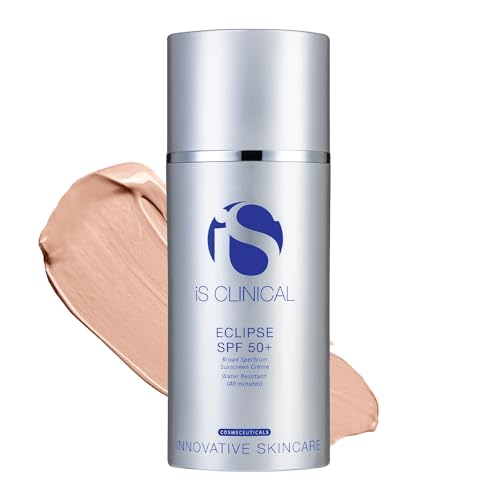
This tinted sunscreen uses pure zinc oxide for broad-spectrum SPF 50+ protection without the chemical filters that often cause stinging or irritation in sensitive eyes and reactive skin. The formula is ultra-sheer with a matte finish, meaning it does not leave the greasy, slimy texture typical of many sunscreens.
Users consistently praise its smooth, lotion-like texture that disappears into the skin without a white cast — even on paler skin tones. It performs well under makeup and does not pill or disturb foundation application. Multiple users with sensitive skin and eyes reported no burning or irritation, which is a common pain point with chemical sunscreens.
The tinted version helps even out skin tone slightly, making it a solid standalone option for no-makeup days. However, the price per ounce is higher than drugstore options, and the tinted shade may not suit all skin tones perfectly.
Why it’s great
- Zinc oxide SPF 50+ provides physical protection without chemical irritants
- Ultra-sheer, matte finish with no white cast on pale skin tones
- Does not sting sensitive eyes and works well under makeup
Good to know
- Tinted shade is limited and may not work for deeper skin tones
- Higher cost per ounce compared to non-medical-grade sunscreens
FAQ
What makes a skincare product truly medical grade?
Can I use vitamin C and retinol together in a medical-grade routine?
How long does a medical-grade serum bottle typically last?
Final Thoughts: The Verdict
For most users, the best medical grade skin care winner is the Obagi Professional-C Vitamin C Serum because it combines the industry gold standard of 15% L-ascorbic acid with dermatologist testing and a 35-year clinical reputation. If you want multi-tasking anti-aging plus acne control, grab the iS CLINICAL Active Serum. And for dry or sensitive skin needing barrier repair, nothing beats the Obagi Daily Hydro-Drops Serum.