The difference between a pair of tight yoga pants and true medical compression leggings comes down to one measurable force: gradient pressure measured in millimeters of mercury (mmHg).
I’m Emma — the founder and writer behind Baby Bangs. I’ve spent years analyzing compression garment specifications, poring over clinical textile data, and cross-referencing user-reported outcomes to separate legitimate medical support from glorified shapewear.
Whether you’re managing lymphedema, recovering post-surgery, or seeking reliable circulation support for daily standing, you need to know the difference between a fashion legging and a functional medical garment. This guide breaks down the best medical compression leggings by real specs—mmHg ratings, knit construction, and graduated pressure zones—so you buy what actually works.
How To Choose The Best Medical Compression Leggings
Medical compression leggings are a functional garment first and a clothing item second. Shopping by brand or color alone can leave you with a pair that looks supportive but delivers zero therapeutic benefit. Below are the three non-negotiable factors that determine whether a pair works for your specific condition.
1. mmHg Rating: Match Compression to Your Condition
The millimeter of mercury (mmHg) rating tells you exactly how much pressure the garment applies at the ankle. Over-the-counter options typically sit at 15-20 mmHg (light support for travel or mild swelling). Medical-grade begins at 20-30 mmHg. If a product hides its mmHg rating or uses vague terms like “firm support” without a number, it is not a true medical compression garment.
2. Graduated vs. Uniform Compression
True medical compression must be graduated—tightest at the ankle, decreasing as it moves up the leg. This design assists venous return by pushing blood and lymph fluid upward against gravity. Uniform squeeze (what most shapewear or fitness leggings deliver) can actually impede circulation at the waist or thigh. Check for explicit “graduated compression” language in the product description.
3. Knit Construction: Circular vs. Flat Knit
Circular knit (seamless tube construction) is lighter, more breathable, and easier to don—best for mild to moderate conditions like varicose veins or general edema. Flat knit (a seamed, heavier fabric) is stiffer, more durable, and delivers higher, more precise pressure—required for lymphedema, lipedema, and post-surgical recovery. Flat knit garments last longer but are harder to pull on.
Quick Comparison
On smaller screens, swipe sideways to see the full table.
| Model | Category | Best For | Key Spec | Amazon |
|---|---|---|---|---|
| JOBST Relief Waist High | Medical Grade | Physician-recommended circulation support | 20-30 mmHg, graduated, closed toe | Amazon |
| CzSalus K2 Flat Knit | Lymphedema Grade | Lipedema and lymphedema management | 25-30 mmHg, flat knit | Amazon |
| CzSalus Emana Biofir | Therapeutic Slimming | Cellulite reduction and microcirculation | Bioactive yarn, lightweight knit | Amazon |
| Leonisa High Waisted | Shapewear Compression | Postpartum shaping and tummy control | High waist, squatproof fabric | Amazon |
| Bioflect Capri Compression | Bioactive Therapy | Lipedema comfort and muscle stimulation | Massaging knit, bioactive fibers | Amazon |
| CompressionZ Performance | Active Wear | Gym, Pilates, and travel support | High-waisted shaping, moisture wicking | Amazon |
| Ingrid & Isabel Postpartum | Maternity Recovery | C-section recovery and light support | Soft buttery knit, high waist | Amazon |
In‑Depth Reviews
1. JOBST Relief Waist High Graduated Compression Stockings 20-30mmHg

JOBST is the name physicians reach for when writing compression prescriptions, and the Relief Waist High model earns that reputation with a true 20-30 mmHg graduated pressure profile. The 75% nylon, 25% spandex blend delivers a firm, consistent squeeze from ankle to waist—not a soft, stretchy hug but therapeutic resistance that actively moves fluid upward. The reinforced heel pocket adds durability for daily wear, something users report matters when you’re pulling these on every morning for months.
Multiple verified buyers who first tried cheap alternatives noted that their spider vein treatment results improved after switching to JOBST, a strong sign that the graduated pressure is functional, not decorative. The unisex design works for both men and women, and the high-waist cut keeps the garment in place without rolling. Some users find the closed-toe design warm during summer, but the trade-off is a seamless, non-binding toe area that doesn’t pinch.
For anyone managing varicose veins, chronic venous insufficiency, or standing on concrete floors all day, this is the benchmark. The compression is medical-grade in the truest sense—it does what a tight legging cannot.
Why it’s great
- Physician-grade 20-30 mmHg graduated compression
- High-waist design stays put during all-day wear
- Reinforced heel for long-term durability
Good to know
- Closed toe can feel warm in hot climates
- Requires exact ankle/ calf measurements for proper fit
2. CzSalus Flat Knit K2 Lipedema Lymphedema POTS Support High Compression Leggins (K2=25-30 mmHg)
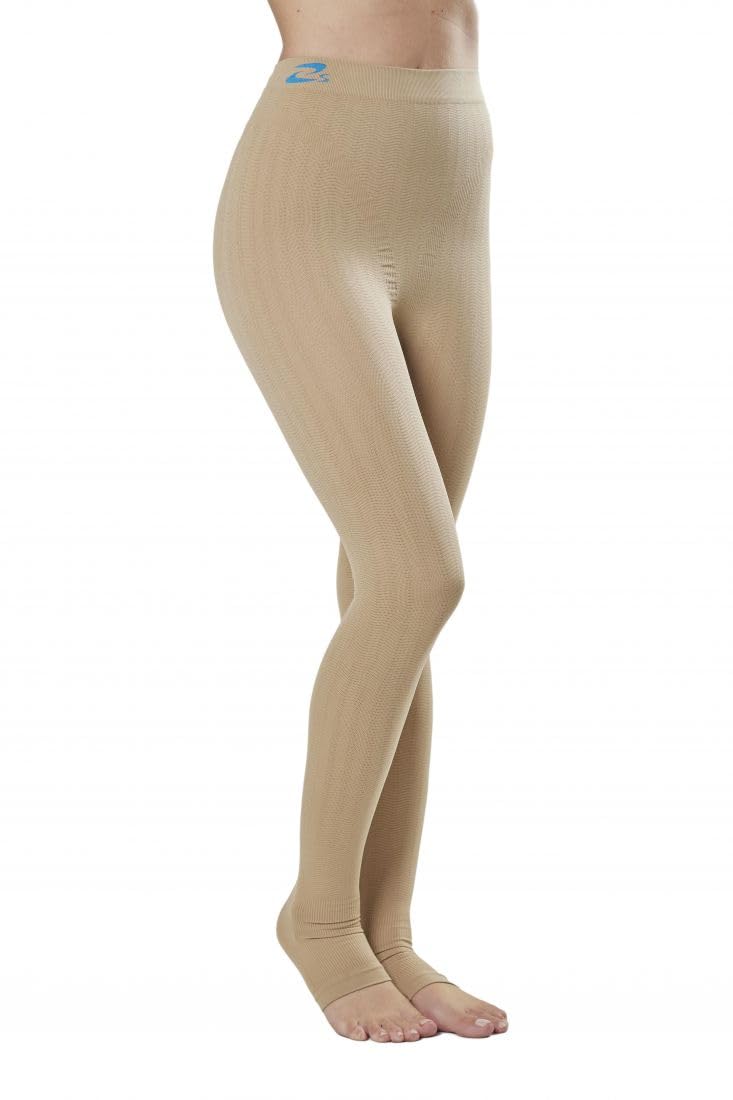
When a circular knit legging cannot deliver the sustained, high-pressure resistance that lipedema or lymphedema requires, the next step is a flat knit garment. The CzSalus K2 operates at 25-30 mmHg—the upper end of medical compression—and uses a stiff flat knit construction that will not stretch out over a day of wear. Flat knit fabrics maintain their shape and pressure profile even after repeated machine washing, which matters when you depend on consistent therapeutic force.
This model is purpose-built for conditions that demand maximum fluid displacement. Users managing POTS, lipedema, and secondary lymphedema report that the K2 delivers noticeable symptom relief—less swelling by midday, less leg heaviness, and better stamina during standing tasks. The high-waist cut and full-leg coverage prevent the garment from slipping or bunching, a common complaint with lesser compression tights.
The trade-off is straightforward: flat knit is harder to put on. Users with reduced hand strength or arthritis may need a donning aid. But for those who need the highest level of off-the-shelf compression, the K2 offers hospital-grade support without a custom fitting appointment.
Why it’s great
- 25-30 mmHg flat knit for maximum therapeutic pressure
- Retains shape and compression after repeated wear
- Effective for lipedema, lymphedema, and POTS
Good to know
- Flat knit is stiff and difficult to pull on
- May require donning gloves for easier application
3. CzSalus Emana Biofir Therapy Anticellulite Slimming Compression Lymphedema Leggings
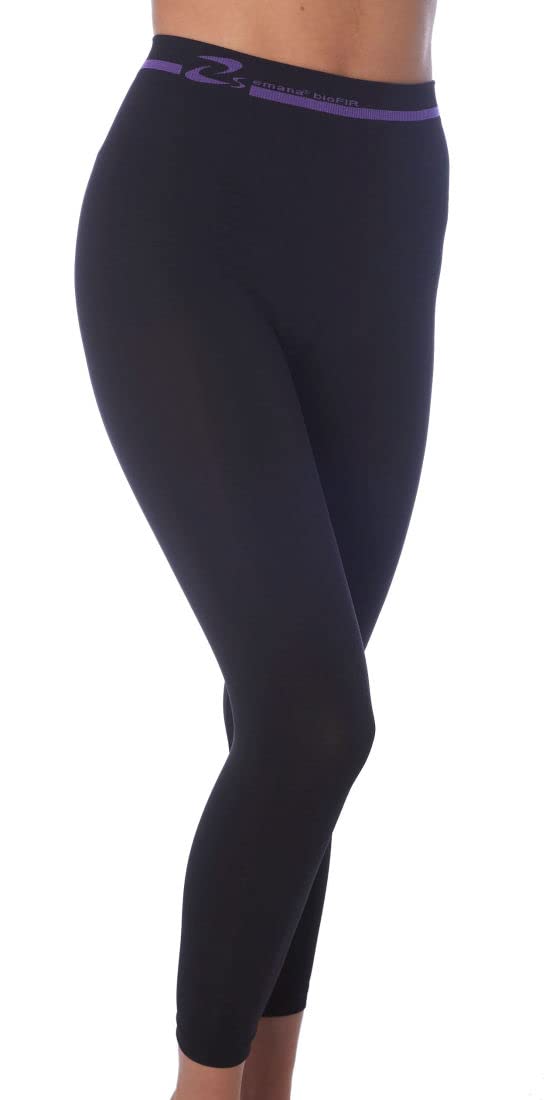
The Emana Biofir leggings occupy a unique space: they combine therapeutic compression with bioactive yarn technology that claims to improve skin microcirculation and collagen synthesis. The compression level here is lighter than the K2—more in the 15-20 mmHg range—but the real differentiator is the fabric itself. The bioactive fibers are infused into the knit, not applied as a topical finish, meaning the effect lasts the life of the garment.
User feedback consistently highlights two things: these leggings are easier to put on than high-mmHg medical hose, and they produce a noticeable reduction in puffiness and skin dimpling after consistent wear. For those managing early-stage lymphedema or looking for a garment that doubles as cellulite-management wear, this is a compelling option. The medium-stretch fabric feels like a firm activewear legging rather than a clinical stocking.
One caveat: the color in product images can differ from the actual charcoal shade. If exact color matching matters for your wardrobe, check recent user photos. Otherwise, these offer a rare combination of cosmetic and therapeutic benefits in a garment you could wear to the gym without looking like you’re in rehab.
Why it’s great
- Bioactive fibers support microcirculation and skin firmness
- Easier to don than high-mmHg flat knit garments
- Doubles as activewear and therapeutic compression
Good to know
- Actual color may differ from product listing photos
- Lighter compression than K2 or JOBST models
4. Leonisa High Waisted Compression Leggings for Women – Shapewear Gym Leggings

Leonisa’s High Waisted leggings deliver a firm, targeted squeeze that hits the sweet spot between shapewear and medical-grade compression. Multiple postpartum users report that these leggings flatten loose abdominal skin and provide meaningful support through the core without binding at the incision site. The medium-weight fabric passes the squat test without turning sheer—a practical detail for moms transitioning back to active routines.
The high waist is genuinely high, coming up above the navel, which helps tuck and stabilize the midsection. Users with several kids note that the compression redistributes belly pooch in a way that feels secure, not suffocating. The fabric has a smooth, opaque finish that looks polished under leggings-friendly clothes.
A consistent complaint involves the seam placement. The center crotch seam can create a visible cameltoe on some body shapes, which is frustrating given the otherwise excellent fit. If you’re sensitive about front seams, this may be a dealbreaker. For postpartum shaping and daily tummy control, however, few leggings match this level of structured support.
Why it’s great
- Excellent tummy control for postpartum recovery
- High-waist design stays in place without rolling
- Squatproof, opaque fabric holds up in the gym
Good to know
- Center seam can cause cameltoe on certain body shapes
- Compression is shapewear-grade, not medical mmHg
5. Bioflect Capri Compression Leggings with Bioactive Fibers and Raised Massaging Knit

Bioflect’s Capri leggings use a raised, wavy knit pattern that provides a massaging texture against the skin—a feature that users with lipedema find genuinely relieving. The bioactive fiber technology is similar in concept to the Emana line but delivered in a capri cut, making this a warm-weather or seated-work option. At 5’6″, the capri hits mid-calf, which works well for mild vein issues that don’t require full-leg coverage.
Multiple users who consulted lymphedema therapists before buying report that these leggings are significantly easier to put on than traditional compression hose while still offering noticeable firmness. The wavy fabric texture is not just cosmetic—it creates a micro-massage effect against the skin that reduces the sensation of leg heaviness. Some users note measurable puffiness reduction in the thighs after a few days of consistent wear.
Getting these on for the first time can be a workout if you select the wrong size from the chart. The fabric has less stretch than a typical cotton legging, so the sizing is unforgiving. Follow the manufacturer’s ankle and calf measurements exactly, not your dress size. Once on, the comfort improves dramatically.
Why it’s great
- Massaging knit texture provides sensory relief for lipedema
- Easier to don than standard medical compression hose
- Bioactive fibers support circulation and reduce puffiness
Good to know
- Capri length leaves lower leg uncovered
- Tight initial fit—measure carefully before ordering
6. CompressionZ Women’s Compression Leggings High Waisted Performance Shaping Gym, Pilates, Travel, Yoga, Workout Pants
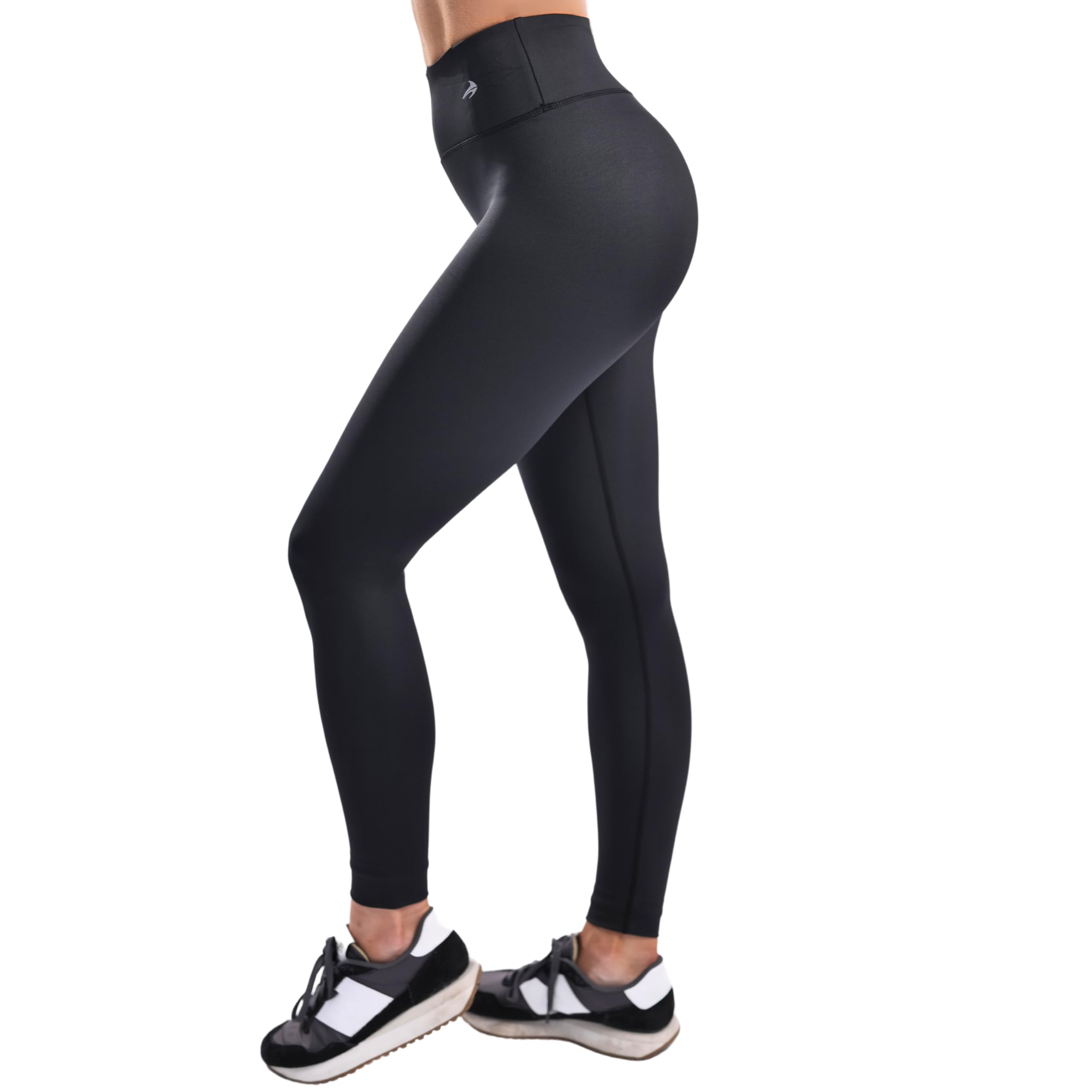
CompressionZ builds its reputation on performance activewear, and these high-waisted leggings deliver the kind of firm, moisture-wicking compression that supports muscle during Pilates, yoga, and travel. The fabric has a matte finish and moderate stretch that provides a shaping effect without the thick, restrictive feel of medical-grade stockings. For women who need leg support during movement but do not have a diagnosed vascular condition, this is a strong mid-range choice.
The waistband sits high and stays put through deep squats and forward folds, which eliminates the constant yanking-up problem common with cheaper yoga leggings. The fabric weight is medium—not so thin that it goes sheer in bright light, but not so thick that you overheat in a hot yoga studio. The compression is consistent throughout the leg, though it is ungraduated, so it lacks the ankle-focused gradient required for genuine medical therapy.
Where this pair falls short is transparency around pressure specs. CompressionZ markets these as “performance shaping” without an explicit mmHg rating. If you need documented medical compression for a health condition, this is not the right pair. But for active recovery, travel leg support, and everyday shaping, it delivers reliable fit at a accessible price point.
Why it’s great
- High-waist design stays secure during dynamic movement
- Moisture-wicking fabric suitable for gym and travel
- Matte finish resists sheerness under bright light
Good to know
- No graduated compression or mmHg rating listed
- Not suitable for medical conditions requiring measured pressure
7. Ingrid & Isabel Basics Postpartum Compression Leggings for Tummy Control & Support

Ingrid & Isabel designed these leggings specifically for the postpartum window, and user reviews from C-section mothers consistently confirm that the soft, buttery material does not irritate the incision line while still providing a reassuring gentle squeeze around the midsection. The high waist comes up over the belly without digging in, and the fabric has enough structure to hold everything in place without feeling like a medical binder.
The compression here is light—not graduated, not mmHg-rated—but that is precisely what fresh postpartum bodies need. One week after delivery, the last thing you want is a stiff flat knit garment requiring a half-hour wrestling session to put on. These leggings slide on easily, offer enough support to feel held, and the athletic material is opaque enough for errands and light activity. Multiple users report buying a second pair immediately after the first fitting.
The main watch-out is color consistency. Several verified buyers note that the black version fits noticeably tighter than the blue, suggesting potential batch variation in fabric stretch. If you order black, consider sizing up or ordering in a color with more settled reviews. For the specific use case of gentle postpartum recovery, especially after a C-section, these set the standard for material kindness.
Why it’s great
- Soft buttery knit is gentle over C-section incisions
- Easy to put on—no wrestling with stiff medical fabric
- High-waist support without binding or rolling
Good to know
- Light compression only—not graduated or mmHg rated
- Fit may vary noticeably between color options
FAQ
What mmHg level do I need for lymphedema management?
Can I wear medical compression leggings during exercise?
How do I measure myself for medical compression leggings?
What is the difference between circular knit and flat knit compression?
Final Thoughts: The Verdict
For most users, the best medical compression leggings winner is the JOBST Relief Waist High because it delivers verified 20-30 mmHg graduated compression in a comfortable, durable design trusted by physicians. If you need the highest off-the-shelf pressure for lipedema or lymphedema, grab the CzSalus K2 Flat Knit. And for gentle postpartum recovery with zero incision irritation, nothing beats the Ingrid & Isabel Postpartum Leggings.