The crowded shelf of so-called “meal replacement bars” is a minefield of candy bars dressed up as lunch. Most entries pack enough sugar to spike your blood sugar and crash your energy an hour later. A legitimate meal replacement bar must deliver a structural macro profile—at least 300 calories, double-digit protein, meaningful fiber, and fats that satiate—so it genuinely replaces a meal, not just delays a hunger meltdown.
I’m Emma — the founder and writer behind Baby Bangs. I break down packaged foods by ingredient sourcing, macronutrient ratios, and certified dietary labels so you can make a buy that supports your routine instead of sabotaging it.
Whether you are parking one in your work bag between Zoom calls or packing it for a summit hike, the right bar buys you time without selling out your nutrition. Below is my curated guide to the absolute best meal replacement bars on Amazon right now, ranked by real-world satiation and label integrity.
How To Choose The Best Meal Replacement Bar
A true meal replacement bar isn’t judged by its wrapper or its protein count alone. The critical line between a “snack” and a “meal” comes down to three structural elements: caloric density, protein-to-fiber synergy, and ingredient transparency. A bar that sits at 180 calories is a snack, regardless of its marketing. A meal bar pushes 350 calories or more and keeps you full for 3-4 hours, not 45 minutes.
Calorie Threshold and Satiety Matrix
Your body does not recognize “meal replacement” if the energy package is too light. A bar under 300 calories forces your metabolism to flag hunger within 90 minutes. The gold standard for a legitimate meal replacement sits between 350 and 400 calories, with at least 10-15g of protein and 5g or more of fiber. The PROBAR MEAL at 360 calories nails this slot perfectly. If you buy a bar that comes in under 250 calories, you are buying an expensive snack, not a meal substitute, and you will raid the pantry an hour later.
Protein Source vs Digestion Compatibility
Whey protein isolate (found in ONE and Quest bars) digests fast and spikes amino acids quickly, which is great post-workout. But it can cause bloating for sensitive stomachs. Plant proteins from nuts, seeds, and pea isolates (found in PROBAR and IQBAR) digest more slowly, providing a steadier energy release. If meal replacement bars are a daily necessity for you and your gut is sensitive, prioritize whole-food plant-based protein sources over heavily processed isolates.
Net Carbs, Sugar Alcohols, and Blood Sugar Impact
Low-sugar bars often replace sugar with sugar alcohols (erythritol, maltitol) or high-fiber additives (chicory root, inulin). Maltitol has a glycemic index almost as high as sugar, which defeats the blood sugar stability argument. Erythritol and allulose are more benign but can cause gastrointestinal distress in sensitive individuals. Check the ingredient list, not just the nutrition panel, before committing to a 12-pack. Bars that rely on whole dates or oats for sweetness (like PROBAR) typically cause fewer digestive issues.
Quick Comparison
On smaller screens, swipe sideways to see the full table.
| Model | Category | Best For | Key Spec | Amazon |
|---|---|---|---|---|
| PROBAR MEAL Bar (Superfood Slam) | Whole-Food Plant | Full meal replacement (highest satiety) | 360 cal, 11g protein, 19g fat, 6g fiber | Amazon |
| IQBAR Clean Plant Protein (Toasted Coconut Chip) | Keto Vegan | Low-carb cognitive fuel | 170 cal, 12g protein, 2g net carbs | Amazon |
| ONE Protein Bar (Hershey’s Double Chocolate) | High-Protein Whey | Candy-bar flavor profile with clean macros | 210 cal, 18g whey isolate, 3g sugar | Amazon |
| Quest Overload (Cookie Commotion) | Low-Carb Whey | Very low sugar (1g) with high protein | 200 cal, 20g protein, 1g sugar, 3g net carbs | Amazon |
| Special K Protein Meal Bar (Chocolate Peanut Butter) | Budget Snack-Meal | Everyday desk snack at an entry-level price | ~170 cal, 12g protein, 4.5g sat fat | Amazon |
In‑Depth Reviews
1. PROBAR MEAL Bar (Superfood Slam)
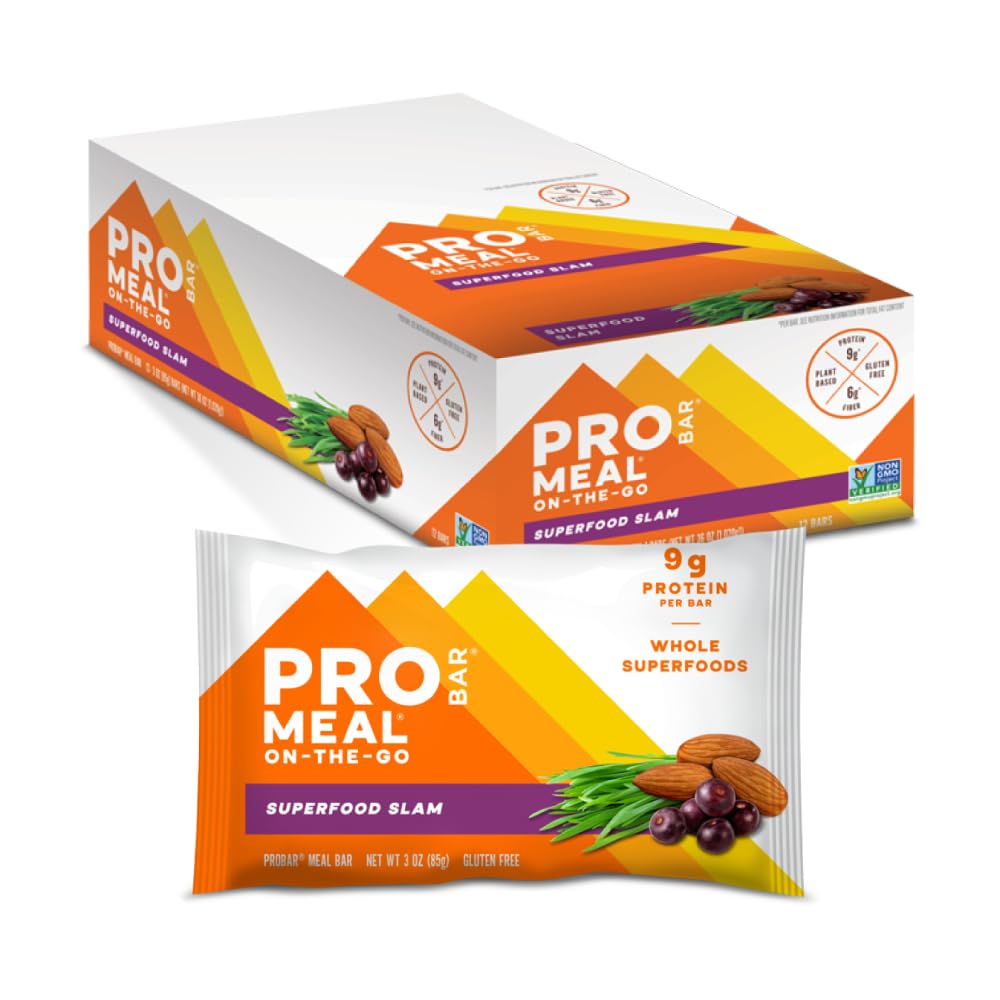
This is the bar you reach for when you genuinely need a lunch replacement, not a snack delay. The Superfood Slam clocks in at 360 calories with 11g of plant-based protein and a substantial 19g of healthy fats from nuts and flax seeds, plus 6g of fiber. That macro profile triggers genuine satiety—multiple customers report that it holds them for four hours during active hiking or cycling sessions, not just passive desk sitting.
Unlike most protein bars that taste like dessert, this one leans savory-sweet: oats, seeds, and nut butter create a dense, chewy texture with no chocolate coating or artificial sweeteners. It is gluten-free, soy-free, and Non-GMO Project Verified. The ingredients are whole—oats, brown rice syrup, almonds, flax, sunflower seeds—with no whey isolates or sugar alcohols that cause gastric distress for sensitive guts.
One trade-off is the lower protein count (11g) compared to whey-based competitors that push 20g. If you are an athlete optimizing for post-workout protein synthesis, you may want a higher-protein option on the side. But for a pure meal replacement use case where steady energy and prolonged fullness are the targets, the PROBAR MEAL is the most structurally sound option on this list.
Why it’s great
- Genuine 360-calorie meal density, not a glorified snack
- Whole-food, plant-based ingredients with no processed isolates
- Non-GMO, gluten-free, soy-free, and dairy-free
- Steady energy release without a sugar crash or GI distress
Good to know
- 11g protein is lower than whey-based competitors (18-20g)
- Dense, chewy texture may not appeal to candy-bar lovers
- Must be stored in a cool place to avoid melting in summer
2. IQBAR Clean Plant Protein (Toasted Coconut Chip)
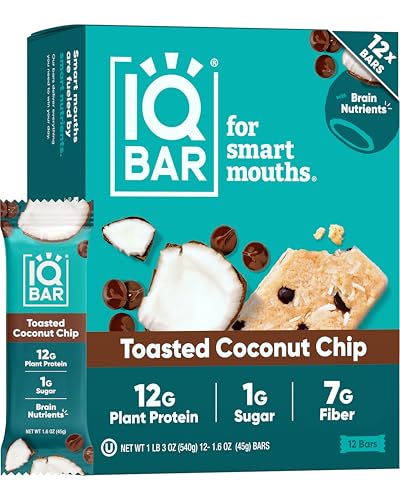
IQBAR takes an uncommon approach by integrating functional nootropics into the bar itself: Lion’s Mane mushroom, MCTs, magnesium, and vitamin E are part of every serving. The Toasted Coconut Chip flavor hits 170 calories with 12g of plant protein and only 2g of net carbs, making it a strong keto-friendly contender that also supports mental focus. Customers consistently note that it does not spike blood glucose, and several diabetics report it as a safe snack option.
The texture and flavor are more subtle than a candy bar—the coconut is mild, and the bar leans earthy rather than sweet. Clean Label Project certification confirms it is free from heavy metals and synthetic contaminants, a detail that matters if you eat these bars daily. It is also gluten-free, dairy-free, soy-free, and kosher.
At 170 calories, this bar is structurally more of a heavy snack or a very light meal replacement for those on a caloric deficit or ketogenic diet. If you need 350+ calories to replace a full meal, this bar alone will not suffice. However, as a high-satiety, low-carb option with brain-supporting ingredients, it occupies a valuable niche that no other bar on this list fills.
Why it’s great
- Clean Label Project certified for purity and safety
- Functional nootropics (Lion’s Mane, MCTs) for cognitive support
- Only 2g net carbs per bar—ideal for keto users
- Plant-based, gluten-free, dairy-free, and kosher
Good to know
- 170 calories is a snack, not a full meal replacement
- Subtle coconut flavor may underwhelm chocoholics
- Drier texture compared to chewier nut-based bars
3. ONE Protein Bar (Hershey’s Double Chocolate)
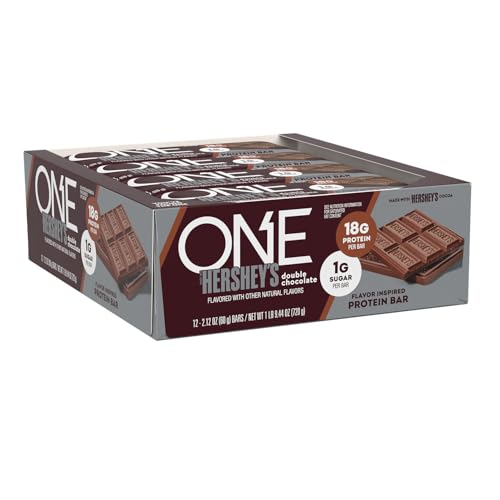
If you crave the taste of a Hershey chocolate bar but refuse to blow your macros, this is your ticket. The ONE bar uses whey protein isolate to deliver 18g of protein with only 3g of sugar and 210 total calories. The Hershey licensing is honest—the chocolate flavor is noticeably richer and more authentic than generic “double chocolate” protein bars. Cold-packed shipping during warmer months ensures the bars arrive without melting.
The texture is softer and more nougat-like than chewy oat bars, which makes it psychologically closer to a candy-bar experience. This matters for compliance: if you are using meal replacement bars to curb late-night dessert cravings, the ONE bar is engineered to scratch that itch without breaking a diet. It is gluten-free and the ingredient list is shorter than many competitors.
At 210 calories and 18g of protein, this serves better as a high-protein snack or a breakfast companion than a standalone lunch replacement. The calorie count is too low for true meal replacement (under 300), so budget-conscious buyers stacking boxes should plan to pair it with a piece of fruit or a handful of nuts for satiety.
Why it’s great
- Authentic Hershey chocolate flavor that satisfies dessert cravings
- 18g protein with only 3g sugar and 210 calories
- Soft, candy-bar texture—less like chewing a brick
- Cold-packed shipping to prevent melting damage
Good to know
- 210 calories is a snack meal, not a full meal replacement
- Whey isolate can cause bloating for sensitive stomachs
- Not suitable for plant-based or dairy-free diets
4. Quest Overload (Cookie Commotion)
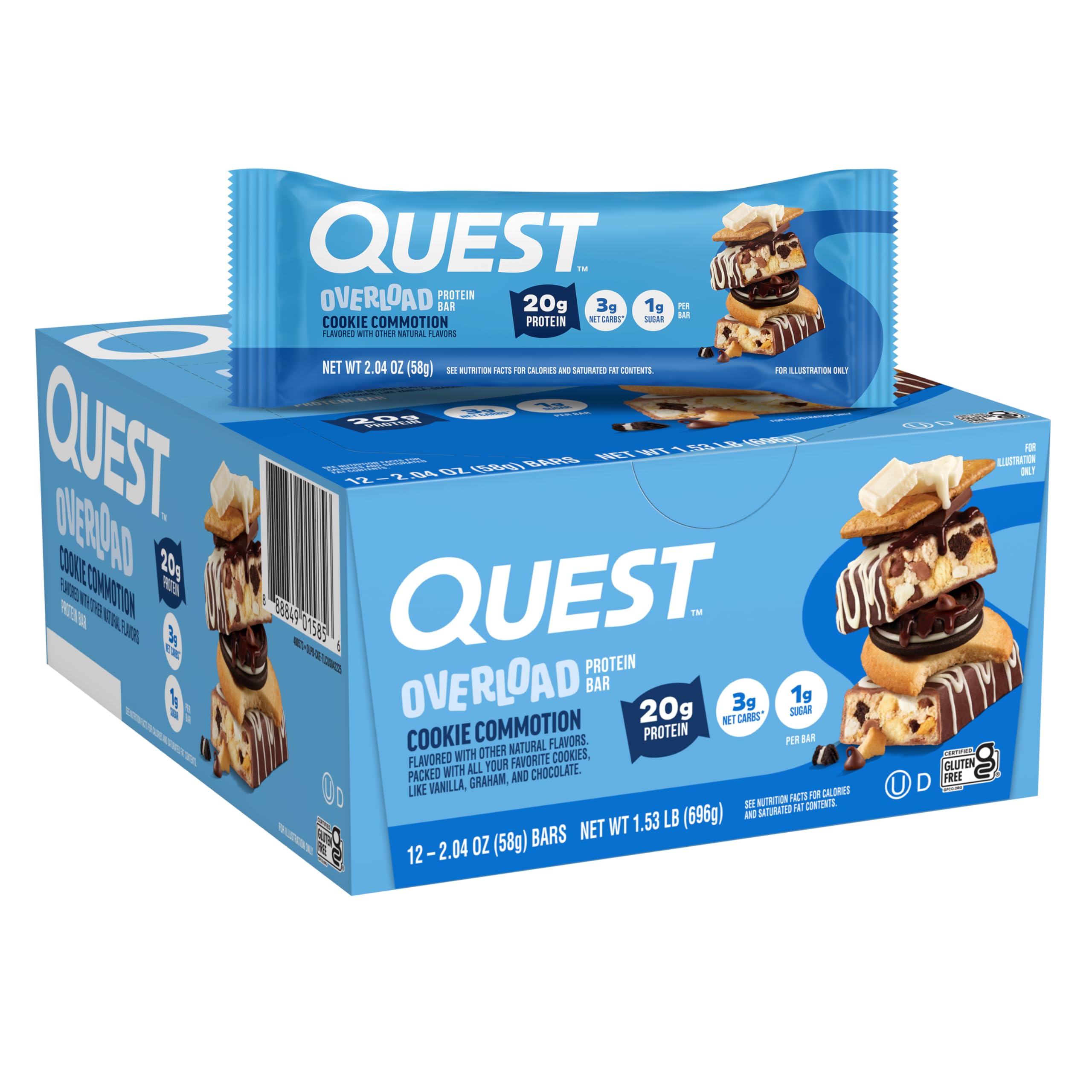
Quest has been a dominant player in the low-sugar protein bar space for years, and the Overload series pushes the envelope further. The Cookie Commotion bar packs 20g of protein and 1g of sugar with only 3g of net carbs per serving. The texture is layered with chocolate chips, graham cookie pieces, and white chocolate chunks, creating the most structurally complex eating experience of any bar here. It is designed to feel like a treat, not a compromise.
With 3g of net carbs and a macro split that leans heavily on fiber (14g total carbs minus 11g fiber), this bar is squarely aimed at low-carb and keto consumers who prioritize protein density. The 20g protein figure is the highest on this list, and the sugar content (1g) is the lowest. If your primary metric is protein-per-calorie efficiency, Quest takes the lead.
The caveat is digestive tolerance. Quest bars are notorious for causing gas and bloating in individuals sensitive to chicory root fiber or sugar alcohols. If you are new to high-fiber bars, start with half a bar. Additionally, at approximately 200 calories, this is again a snack-density bar rather than a full meal replacement. It excels as a high-protein, low-sugar snack replacement but will not substitute a 400-calorie lunch on its own.
Why it’s great
- 20g protein with only 1g sugar and 3g net carbs
- Best protein-to-calorie ratio of any bar reviewed
- Complex texture with real cookie pieces and chocolate chips
- Ideal for keto, low-carb, and high-protein protocols
Good to know
- Chicory root fiber can cause bloating and gas
- ~200 calories is a snack, not a meal replacement
- Not suitable for plant-based or dairy-free diets
5. Special K Protein Meal Bar (Chocolate Peanut Butter)
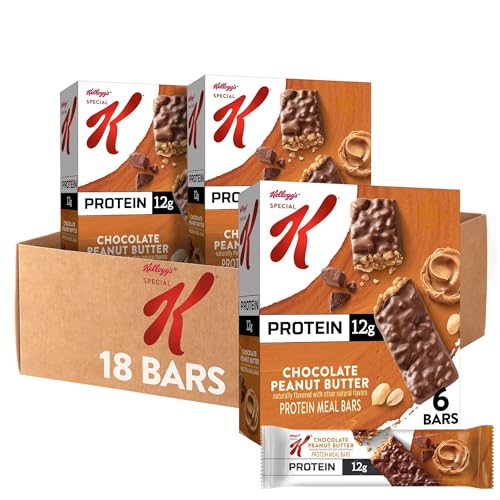
Special K’s Protein Meal Bar in Chocolate Peanut Butter is the most accessible, mass-market entry on this list. It delivers 12g of protein per bar with a chocolate coating and a creamy peanut butter interior that tastes notably similar to a candy bar. The three-box bundle (28.5 oz total) provides excellent value for anyone stocking a desk drawer or a gym bag without wanting to spend premium-bar money.
The macro profile is modest: approximately 170 calories and 12g of protein, with 4.5g of saturated fat from the chocolate coating. This is structurally a snack, not a full meal, but the real peanut butter content and higher saturated fat contribute to better satiety than most sub-200-calorie bars. The ingredient list includes soy, milk, almonds, and wheat, so it covers common allergens.
Where this bar falls short for serious meal replacement seekers is the overall calorie density. At around 170 calories, it cannot substitute a lunch or breakfast without pairing. The sugar content is higher than the Quest or ONE bars, which may be a concern for blood-sugar-conscious buyers. However, if you need a palatable, widely available protein bar that tastes like dessert and doesn’t require a nutritional degree to decode, this is the most buyer-friendly option in the group.
Why it’s great
- Mass-market flavor profile—tastes like a candy bar
- Three-box bulk pack offers strong value per serving
- Widely tolerable for sensitive stomachs (no chicory fiber)
- Rich chocolate coating supports satiety better than dry bars
Good to know
- 170 calories is a snack, not a legitimate meal replacement
- 12g protein is low compared to whey-based competitors
- Contains soy, milk, peanuts, almonds, and wheat
FAQ
Is 200 calories enough to count as a meal if I am on a diet?
Why do some bars cause gas and bloating?
Do I need to drink more water when eating meal replacement bars?
Final Thoughts: The Verdict
For most users, the best meal replacement bars winner is the PROBAR MEAL Bar (Superfood Slam) because it is the only bar on the list that delivers 360 calories from whole-food, plant-based ingredients with no sugar alcohols or whey isolates—a true structural meal, not an oversold snack. If you want high protein with minimal carbs for keto or blood sugar management, grab the IQBAR (Toasted Coconut Chip) for its clean label and functional brain nutrients. And for the best candy-bar-tasting macro-friendly snack that scratches a dessert itch without wrecking your diet, nothing beats the ONE Protein Bar (Hershey’s Double Chocolate).