The wall. It hits around mile 20 when your quads start screaming and your form breaks down. The difference between finishing strong and limping across the line often comes down to one thing — the shoe under your foot. Marathon training demands a partner that can handle high mileage, absorb relentless impact, and keep your gait efficient when fatigue sets in.
I’m Emma — the founder and writer behind Baby Bangs. I’ve spent years analyzing running shoe foams, stack heights, and drop ratios to match runners with the right platform for race day.
Whether you need plush cushioning for recovery miles or a snappy ride for tempo work, finding the right pair of marathon running shoes for women changes everything about your training cycle and race day experience.
How To Choose The Best Marathon Running Shoes For Women
Picking a marathon shoe isn’t like grabbing any daily trainer. You need a platform that balances cushioning, responsiveness, and weight over 26.2 miles without causing hot spots or blisters. Here’s what matters most.
Foam Technology and Energy Return
The midsole foam is your primary shock absorber. PEBA-based foams (like Saucony’s PWRRUN PB or New Balance’s FuelCell) deliver higher energy return than traditional EVA, meaning you get more bounce per stride. Nitrogen-infused foams, such as ASICS’s FF BLAST Plus Eco, offer a softer landing without sacrificing responsiveness. For marathon distances, a foam that maintains its properties over long miles without packing out is essential.
Stack Height and Heel-to-Toe Drop
Stack height refers to the amount of foam between your foot and the ground. Higher stacks (30mm+) provide more cushioning but can reduce ground feel. Lower stacks (under 25mm) offer better proprioception at the cost of impact protection. The drop — the difference between heel and forefoot height — affects your strike pattern. A 10mm drop suits heel strikers, while 4-6mm drops encourage a midfoot or forefoot strike. Most marathoners find 8-10mm drop shoes comfortable for maintaining form late in the race.
Upper Fit and Toe Box Volume
Your feet swell during a marathon. A shoe with a generous toe box (like Altra’s FootShape or ASICS’s standard fit) allows toes to splay naturally without rubbing against the sides. Engineered mesh uppers should be breathable and adapt to foot shape without creating pressure points. Look for flat-knit or woven uppers that minimize seams and reduce blister risk over 26.2 miles.
Quick Comparison
On smaller screens, swipe sideways to see the full table.
| Model | Category | Best For | Key Spec | Amazon |
|---|---|---|---|---|
| ASICS SUPERBLAST 2 | Premium | Versatile training to race day | FF BLAST Plus Eco foam, 45mm stack | Amazon |
| Brooks Glycerin 23 | Premium | Maximum cushioning, easy miles | DNA LOFT v3 foam, 36mm stack | Amazon |
| New Balance More V6 | Premium | Max cushion, high-mileage cruisers | Fresh Foam X, 38mm stack | Amazon |
| Mizuno Wave Inspire 21 | Premium | Stability with smooth transition | Mizuno Wave plate, 33mm stack | Amazon |
| ASICS Gel-Kayano 32 | Mid-Range | Structured stability, overpronation | PureGEL insert, 39mm stack | Amazon |
| ALTRA Torin 8 | Mid-Range | Wide toe box, zero-drop feel | Standard FootShape toe box, 28mm stack | Amazon |
| New Balance FuelCell Rebel V4 | Mid-Range | Lightweight, uptempo training | FuelCell foam, 30mm stack | Amazon |
| ASICS Gel-Cumulus 27 | Mid-Range | Daily miles, neutral support | PureGEL rearfoot, 35mm stack | Amazon |
| Saucony Endorphin Speed 4 | Mid-Range | Speed workouts, race pace efforts | PWRRUN PB foam, nylon plate | Amazon |
In‑Depth Reviews
1. ASICS SUPERBLAST 2
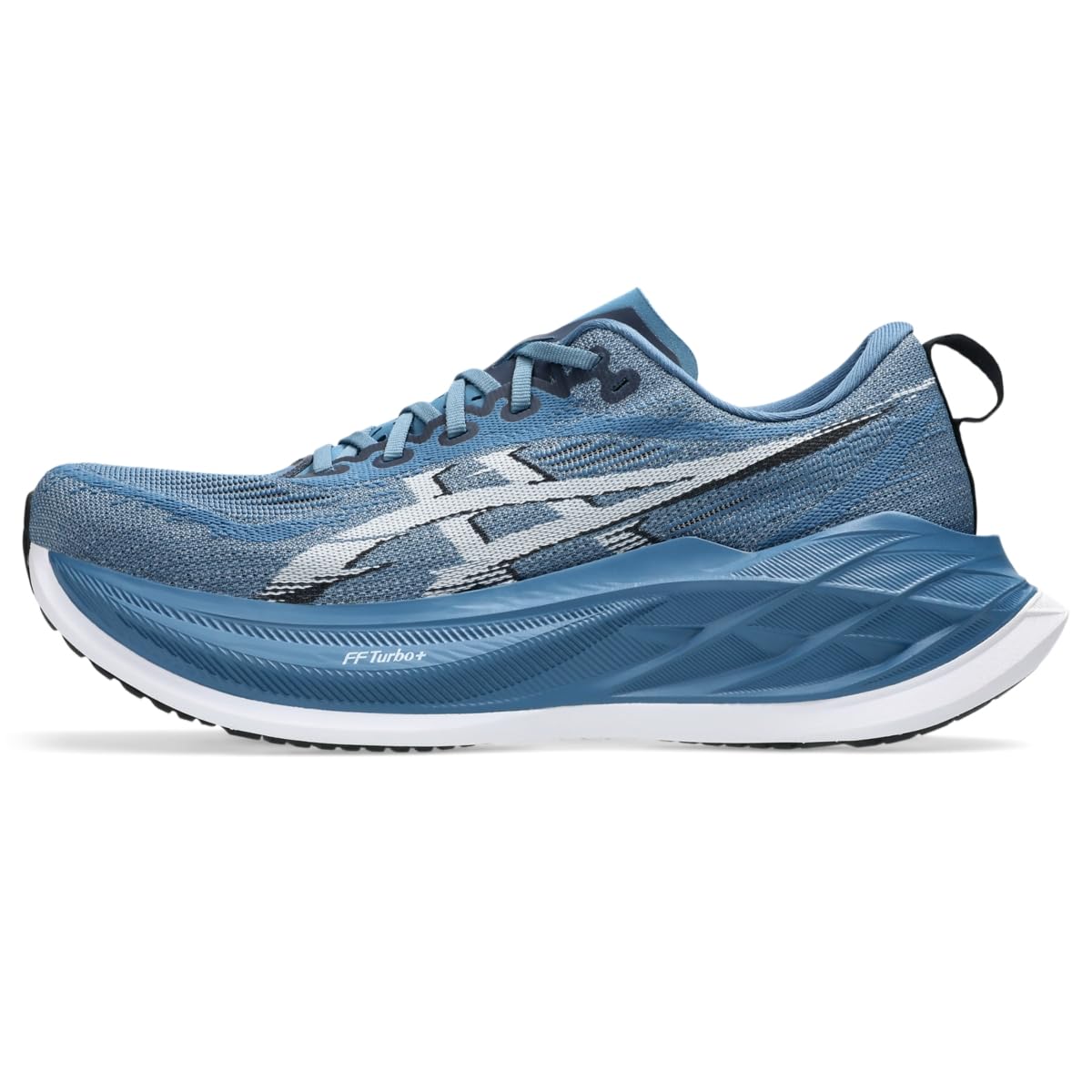
The ASICS SUPERBLAST 2 has earned a reputation as the Swiss Army knife of running shoes, and for good reason. Its FF BLAST Plus Eco foam delivers a uniquely balanced ride — plush enough for long recovery runs yet responsive enough for race-day efforts. Reviewers consistently note that it combines cushioning and pop in a way that seems contradictory until you try it.
At a 45mm stack height, this shoe sits in the max-cushion category without feeling mushy. The unisex fit accommodates a wide range of foot shapes, and the engineered mesh upper breathes well during summer long runs. Multiple reviewers mention that it required zero break-in period — it feels great straight out of the box for runs up to half-marathon distance.
Where this shoe truly shines is its versatility. One reviewer described it as the “best training/running shoe for the price,” taking it straight from the box into a half-marathon training run with no issues. The outsole grip handles wet pavement well, and the overall build quality feels premium for the category.
Why it’s great
- Exceptional energy return from FF BLAST Plus Eco foam
- Zero break-in period required
- Versatile enough for training and race day
Good to know
- Unisex sizing may require half-size down for narrow feet
- Premium tier pricing reflects high-performance foam
2. Brooks Glycerin 23
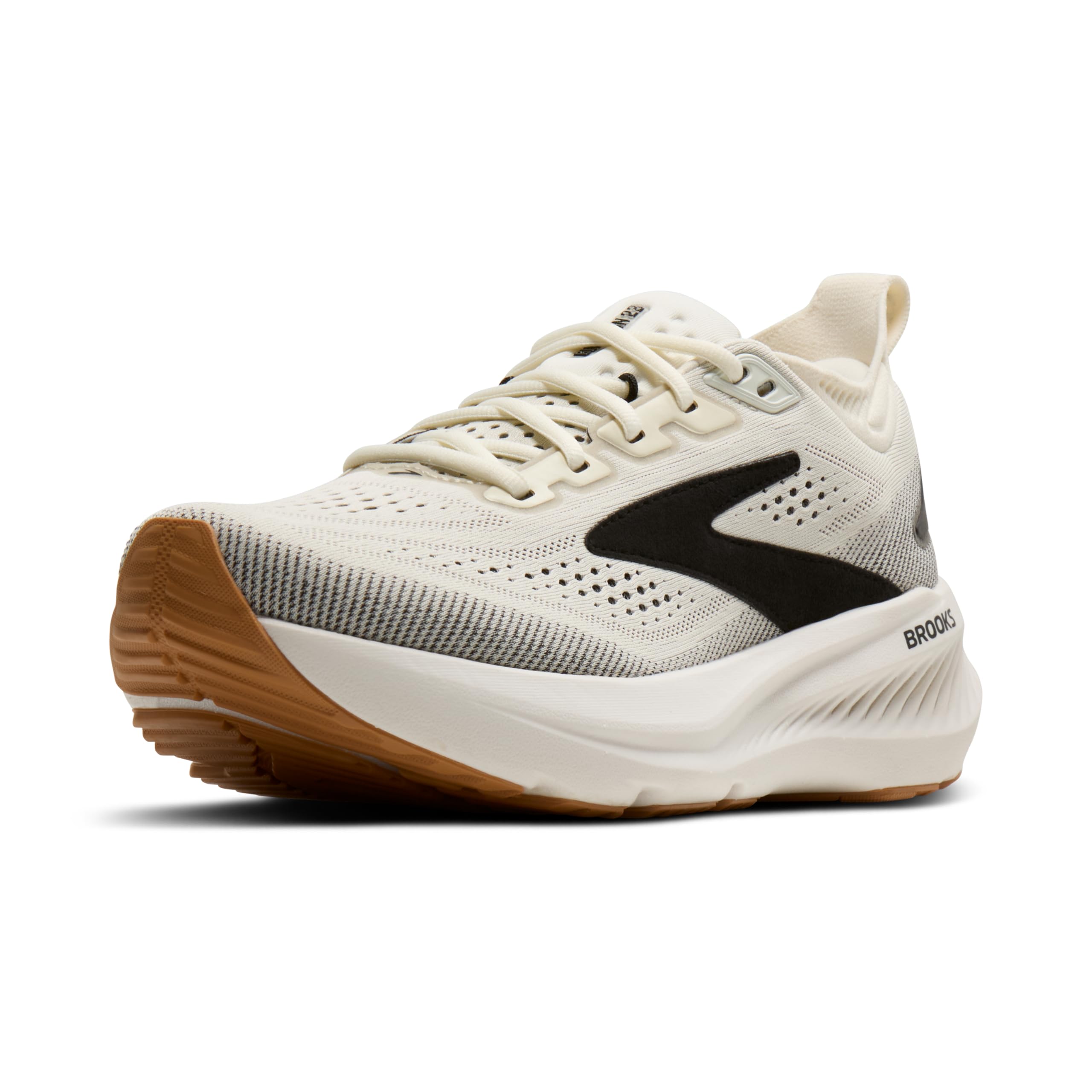
Brooks continues to refine the Glycerin line with the 23rd iteration, and it remains a top contender for runners who prioritize plush cushioning above all else. The DNA LOFT v3 foam provides a soft, pillowy landing without the dead feeling some max-cushion shoes have. This makes it ideal for recovery days and easy long runs where joint protection matters most.
The engineered mesh upper offers a comfortable, accommodating fit that works well for medium to wide feet. The 10mm drop suits heel strikers who need extra support under the rearfoot, and the segmented crash pad helps smooth out the transition even when fatigue sets in. The outsole coverage is generous, promising solid durability for high-mileage training blocks.
While the Glycerin 23 isn’t the lightest or most responsive option, it delivers exactly what it promises: a luxurious, protective ride that keeps your legs fresher for longer. It’s the kind of shoe you reach for when you want to log miles without beating up your joints.
Why it’s great
- Extremely soft, joint-friendly cushioning
- Segmented crash pad smooths heel-to-toe transition
- Durable outsole withstands high mileage
Good to know
- Heavy for uptempo workouts or racing
- Not ideal for runners wanting ground feel
3. New Balance Fresh Foam X More V6
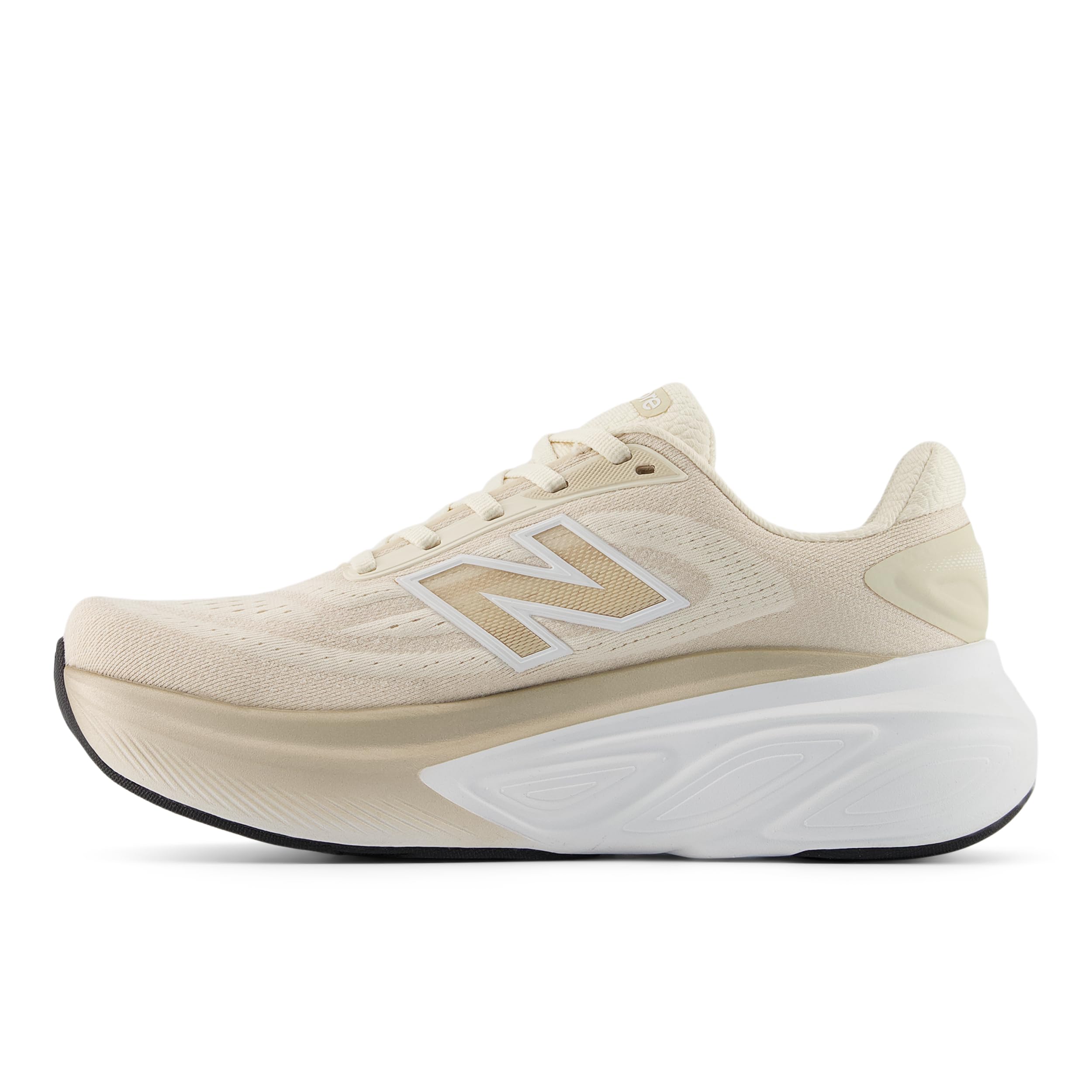
The Fresh Foam X More V6 sits at the extreme end of the cushioning spectrum with a 38mm stack of Fresh Foam X — New Balance’s most plush compound. This shoe is built for runners who want maximum impact protection without the instability that can come with higher stacks. The wide platform provides a stable base, making it forgiving even when form breaks down late in a marathon.
The upper features a mesh construction that adapts to foot shape without creating pressure points, and the heel collar is well-padded to prevent slipping. At just over 2 pounds per pair, it’s not light, but the weight is distributed well enough that you don’t feel it on easy days. The outsole rubber is placed strategically to add durability where you need it most.
This shoe excels during long, slow runs where comfort is the priority. It’s not meant for speed work or racing — it’s a recovery and long-run specialist that helps your legs bounce back faster. If your training plan includes 18-20 milers at easy pace, the More V6 will make those sessions more bearable.
Why it’s great
- Exceptionally plush Fresh Foam X midsole
- Wide, stable platform for tired legs
- Soft heel collar prevents rubbing
Good to know
- Heavier than most daily trainers
- Lacks responsiveness for faster paces
4. Mizuno Wave Inspire 21
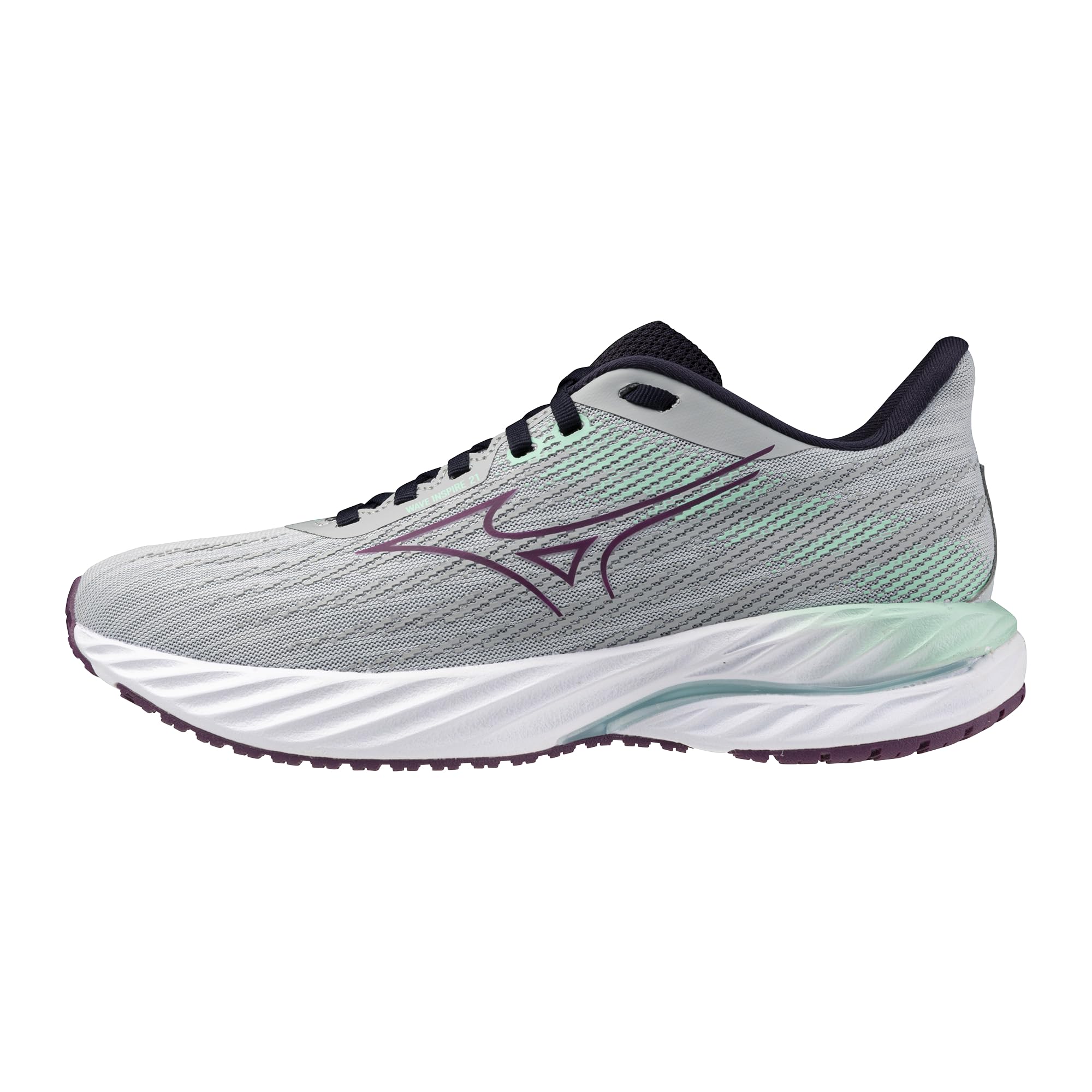
Mizuno’s Wave Inspire line has long been a favorite for runners who need mild stability without a heavy, intrusive feel. The 21st iteration uses a Wave plate — a corrugated thermoplastic plate embedded in the midsole — to provide a smooth, stable ride that reduces excessive pronation without feeling rigid. It’s a smart solution for marathoners who want support but hate the clunky feel of traditional stability shoes.
The midsole uses Mizuno’s Enerzy foam, which offers a balanced feel — soft enough for comfort but firm enough for efficient energy return. The 33mm stack is moderate, providing ample cushioning for long runs while maintaining decent ground feel. The upper uses a stretchy knit material that accommodates foot swelling during long efforts, and the heel counter is structured without being stiff.
Runners who overpronate will appreciate how the Wave plate guides the foot through a natural gait cycle without forcing it into an unnatural position. The outsole wears well, and the overall build quality reflects Mizuno’s reputation for durability. It’s a solid choice for marathoners who need stability and want a shoe that handles daily training miles with authority.
Why it’s great
- Wave plate provides smooth, non-intrusive stability
- Enerzy foam balances comfort and response
- Durable construction for high-mileage training
Good to know
- Heavier than neutral trainers in same category
- Wave plate may feel firm to some runners
5. ASICS Gel-Kayano 32
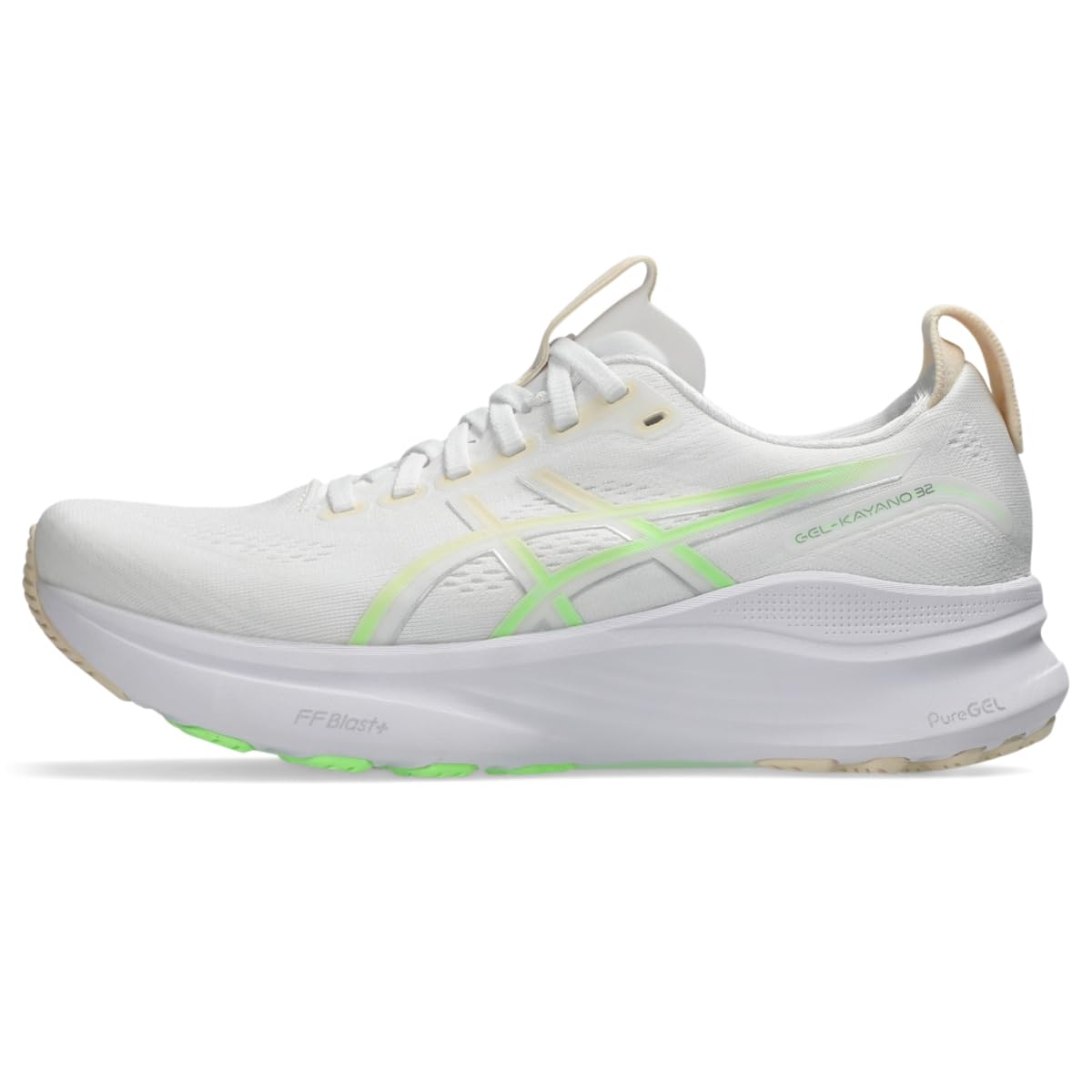
The ASICS Gel-Kayano 32 continues the legacy of this iconic stability shoe with meaningful updates. The PureGEL insert in the rearfoot provides exceptional shock absorption at heel strike, while the 39mm stack offers generous cushioning for marathon distances. This shoe is designed for runners who overpronate and need structured support to maintain proper alignment throughout the gait cycle.
The upper uses a soft, engineered mesh that conforms to the foot without creating hot spots. The 10mm drop suits heel strikers, and the medial post provides firm support without feeling overly aggressive. The outsole features durable rubber placement that holds up well to pavement pounding, making it a reliable choice for daily training.
While the Kayano 32 is one of the heavier options in this guide, the stability it provides compensates for the added weight. Runners who need support will find that the shoe reduces fatigue by keeping their stride efficient. It’s a workhorse that can handle high mileage without breaking down, ideal for marathoners who prioritize injury prevention.
Why it’s great
- PureGEL rearfoot insert absorbs impact effectively
- Medial post provides reliable overpronation control
- Durable outsole for high-mileage training
Good to know
- Heavier than neutral trainers
- May feel too structured for neutral runners
6. ALTRA Torin 8
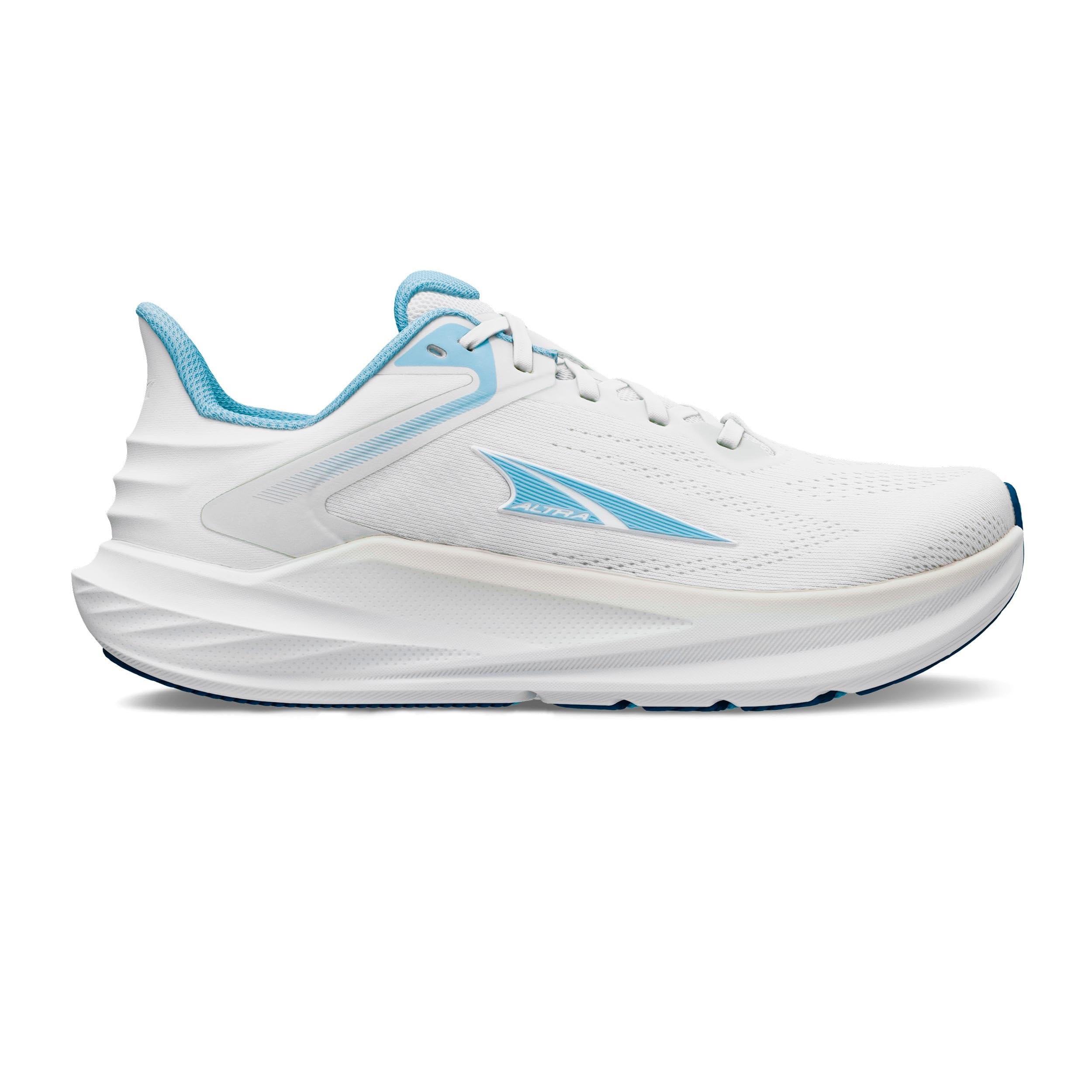
The ALTRA Torin 8 stands out in the marathon shoe category for its FootShape toe box — a wide, anatomical design that allows your toes to splay naturally. This is a game-changer for runners with wider feet or conditions like Morton’s neuroma. The zero-drop platform (28mm heel and forefoot) encourages a more natural running gait, which can reduce impact forces over long distances.
Reviewers with foot pain report significant relief after switching to the Torin 8. The midsole foam offers a balanced ride — responsive enough for daily training but forgiving for longer efforts. The engineered mesh upper is breathable and seamless, reducing the risk of blisters. The heel counter is well-padded and holds the foot securely without slipping.
The zero-drop design requires an adjustment period if you’re used to conventional running shoes. Beginners should ease into this platform gradually to avoid calf or Achilles strain. However, for runners who commit to the transition, the Torin 8 can improve running economy by promoting a midfoot strike and reducing braking forces at heel strike.
Why it’s great
- Wide toe box alleviates pressure on bunions and neuromas
- Zero-drop platform encourages natural gait
- Seamless upper reduces blister risk
Good to know
- Zero-drop requires gradual transition period
- Less cushioning than max-stack competitors
7. New Balance FuelCell Rebel V4
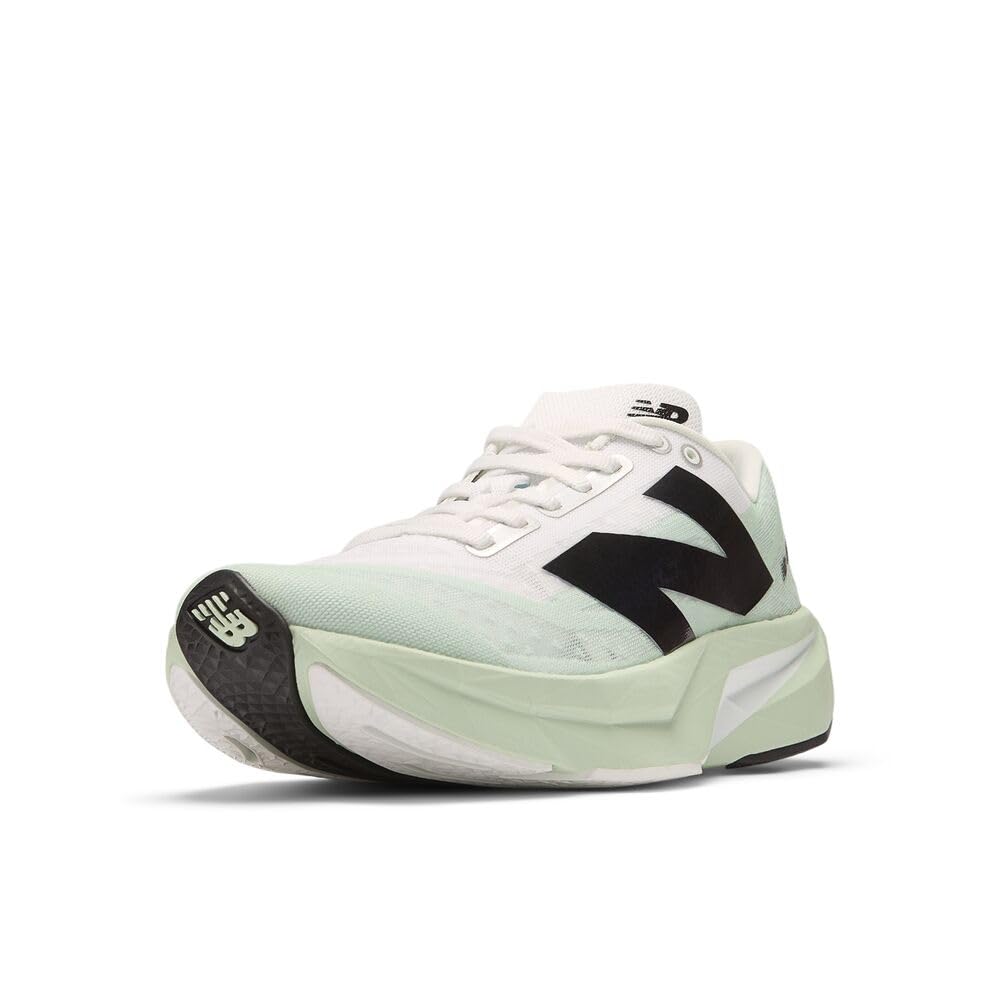
The New Balance FuelCell Rebel V4 is a lightweight, responsive trainer that excels during uptempo workouts and race-pace efforts. The FuelCell foam delivers a lively, energetic ride that feels almost bouncy underfoot. At 30mm stack height, it sits in the moderate cushioning range — enough protection for tempo runs and interval sessions, but with plenty of ground feel for quick foot turnover.
The upper features a breathable mesh with targeted support in the midfoot. The fit is slightly snug, which helps lock the foot in place during faster running. The outsole has rubber placement in high-wear zones, extending the shoe’s lifespan despite its performance-oriented design. The 6mm drop encourages a midfoot strike, which aligns well with faster pacing.
This shoe isn’t built for easy recovery days or extremely long runs — the lower stack height means less impact protection over marathon distances. But as a training companion for speed work, strides, and race-pace efforts, the Rebel V4 delivers a snappy, engaging ride that makes fast running feel effortless. It pairs well with a max-cushion shoe for a well-rounded rotation.
Why it’s great
- Snappy FuelCell foam for uptempo training
- Lightweight construction promotes quick cadence
- Breathable upper keeps feet cool during hard efforts
Good to know
- Lower stack height limits marathon-distance cushioning
- Snug fit may not suit wider feet
8. ASICS Gel-Cumulus 27
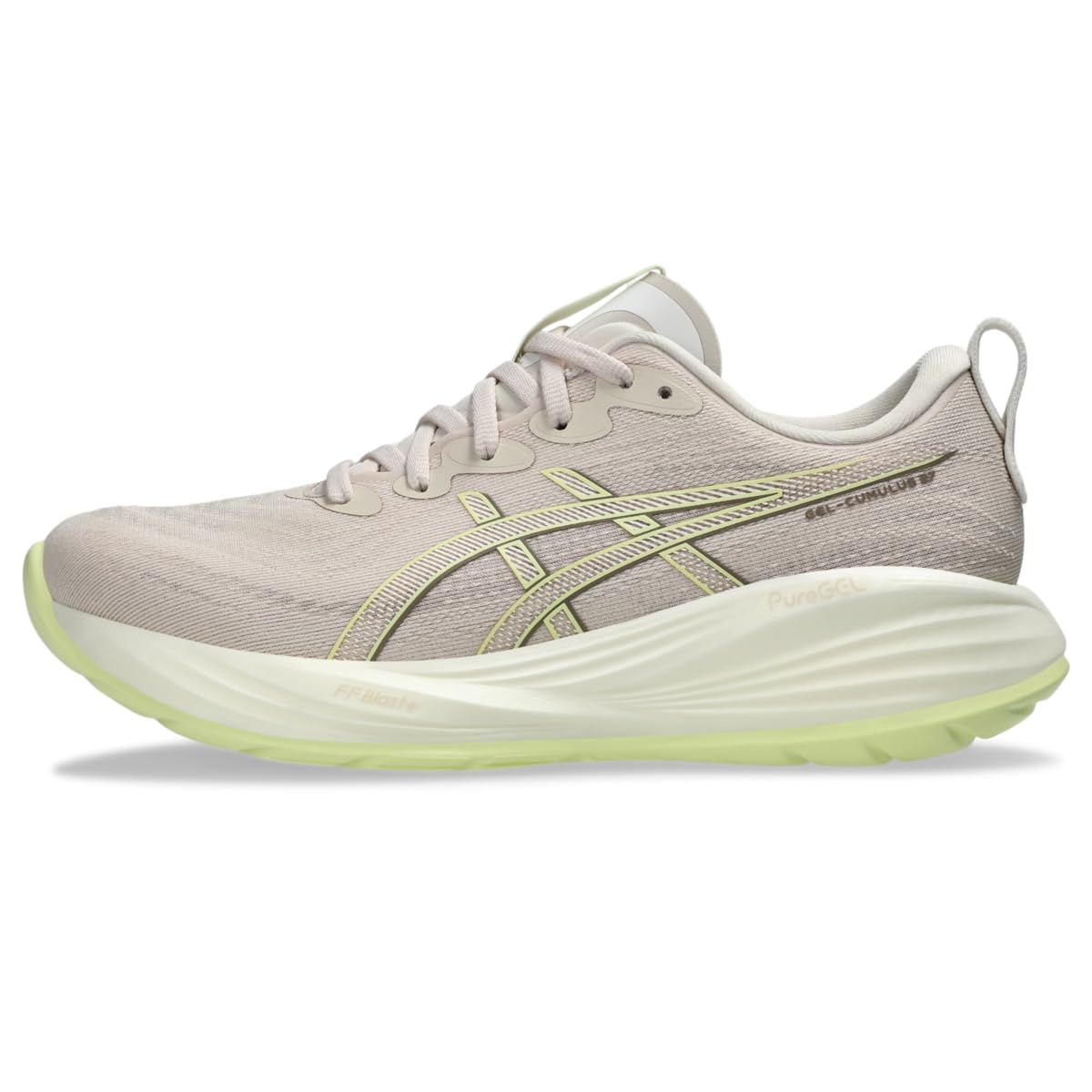
The ASICS Gel-Cumulus 27 is a reliable daily trainer that handles everything from short recovery jogs to long runs with ease. The PureGEL insert in the rearfoot provides excellent impact absorption, and the FlyteFoam midsole offers a balance of softness and responsiveness. The 35mm stack delivers ample cushioning for marathon training without feeling overly bulky.
Reviewers frequently mention the comfort and support this shoe provides for daily walking and running. The engineered mesh upper is breathable and flexible, accommodating foot swelling during long efforts. The 10mm drop suits heel strikers, and the overall fit is true to size. Some users note that the toe box could be slightly roomier for long distances.
Where the Cumulus 27 truly excels is consistency — it does everything well without excelling in any one area. It’s not the lightest or most responsive, but it’s a dependable workhorse that can handle high mileage without breaking down. For runners who want a single shoe that can manage their entire training cycle, this is a strong candidate.
Why it’s great
- Reliable all-round performance for daily training
- PureGEL insert provides effective rearfoot shock absorption
- Breathable upper accommodates foot swelling
Good to know
- Toe box may feel tight for some runners
- Not as responsive as performance-oriented options
9. Saucony Endorphin Speed 4
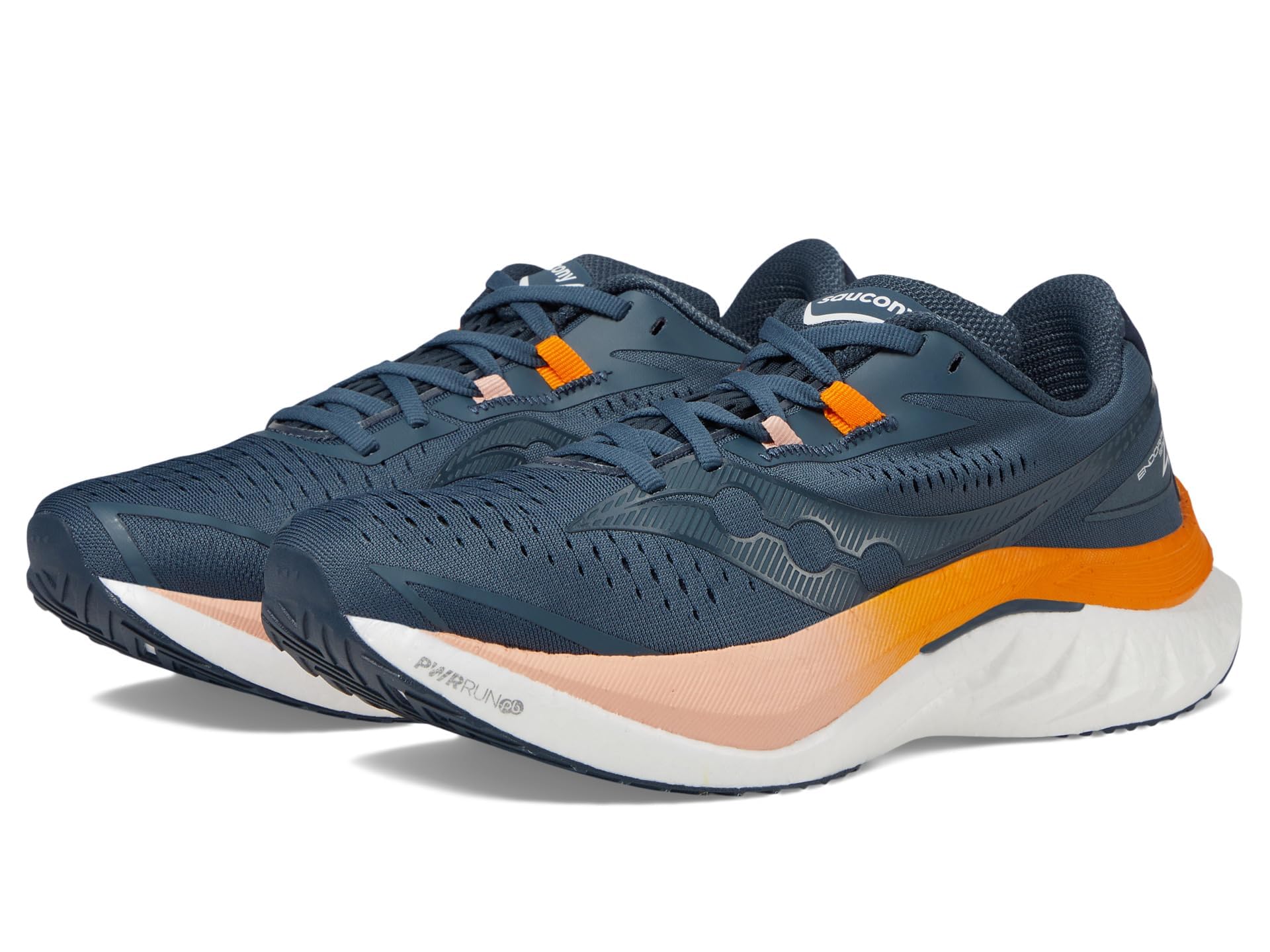
The Saucony Endorphin Speed 4 is a performance-oriented trainer that blurs the line between training and racing. Its PWRRUN PB midsole — a PEBA-based foam — delivers exceptional energy return, making each stride feel lively and efficient. The embedded nylon plate adds stiffness without the aggressive rigidity of a carbon plate, providing a smooth, propulsive ride that works well for both speed work and race day.
The upper features a lightweight, breathable mesh that locks the foot in place without creating pressure points. The speedroll geometry — a rockered sole design — encourages a smooth transition from heel to toe, reducing energy loss at slower paces while allowing efficient turnover at faster speeds. The 8mm drop is a versatile middle ground that suits most gait patterns.
This shoe shines brightest during tempo runs, intervals, and half-marathon to marathon racing. The nylon plate provides just enough stiffness to improve running economy without the harsh feel of carbon fiber. It’s a versatile option that can handle a variety of workouts, making it a valuable addition to any marathoner’s rotation.
Why it’s great
- PEBA foam delivers high energy return
- Nylon plate provides smooth, propulsive ride
- Versatile for speed work and racing
Good to know
- Less stable for runners who overpronate
- Nylon plate may feel too stiff for easy recovery runs
FAQ
What stack height is best for marathon training?
Should I use zero-drop shoes like the Altra Torin 8 for a marathon?
How do I know if I need stability shoes like the Gel-Kayano 32?
Can I use the Saucony Endorphin Speed 4 as my only marathon shoe?
How often should I replace my marathon training shoes?
Final Thoughts: The Verdict
For most users, the marathon running shoes for women winner is the ASICS SUPERBLAST 2 because it combines exceptional energy return with versatile performance that handles everything from recovery runs to race day. If you want maximum plush cushioning for easy long runs, grab the Brooks Glycerin 23. And for runners who need stability support to control overpronation, nothing beats the ASICS Gel-Kayano 32 for reliable, structured protection through high-mileage training blocks.