Finding a marathon shoe that can handle a heavier build without breaking down mid-race or collapsing under load is a distinct engineering challenge — most road shoes prioritize featherlight speed over durable support, leaving heavier runners with early fatigue or joint pain. The right pair must balance high-rebound cushioning with a stable platform that won’t compress completely during the final miles.
I’m Emma — the founder and writer behind Baby Bangs. I’ve spent years analyzing the material stack data, midsole density ratings, and durability tests from the major brands to identify the models that genuinely perform under increased load over 26.2 miles.
This guide breaks down the specific cushioning systems, outsole compounds, and structural reinforcements that matter most for heavier runners. Keep reading to find the best marathon running shoes for heavy runners that deliver real stability and lasting comfort.
How To Choose The Best Marathon Running Shoes For Heavy Runners
Not every running shoe is built for the repeated high-impact demands of marathon training at higher body weights. The wrong pair can lead to collapsed midsoles, blisters from unstable uppers, or knee pain from inadequate support. Here are the key factors that separate a true workhorse from a short-lived racer.
Foam Density and Compression Resistance
Lightweight foams like Pebax or supercritical EVA feel soft in the store but can bottom out quickly under sustained load. Look for dual-density midsoles or foams specifically marketed as “dense” or “high-energy return” — the Saucony PWRRUN PB and New Balance Fresh Foam X are engineered to maintain rebound mile after mile without turning into dead weight.
Heel Counter and Midfoot Support
External heel counters and structured medial posts offer the lateral stability that heavier runners need to prevent overpronation during the latter stages of a race. Shoes like the ASICS Gel-Kayano and Brooks Glycerin GTS feature firmer plastic guidance systems that keep the foot in alignment, reducing strain on the arches and knees.
Outsole Rubber Coverage
Blown rubber or carbon rubber placed strategically under the forefoot and heel extends the lifespan of a marathon trainer significantly. Many lightweight shoes use thin rubber strips that wear smooth in two hundred miles — heavier runners should prioritize full-length or segmented high-abrasion rubber that can handle double that distance before replacement.
Quick Comparison
On smaller screens, swipe sideways to see the full table.
| Model | Category | Best For | Key Spec | Amazon |
|---|---|---|---|---|
| ASICS Gel-Nimbus 28 | Premium | Maximum cushioning | PureGEL + FF BLAST PLUS ECO foam | Amazon |
| Brooks Hyperion Max | Premium | Speed & race day | DNA FLASH nitrogen-infused foam | Amazon |
| New Balance Fresh Foam X 880v15 | Premium | Balanced daily trainer | Fresh Foam X (dual-density) | Amazon |
| ASICS SUPERBLAST 2 | Premium | High-energy daily runs | FF BLAST TURBO + carbon plate | Amazon |
| Saucony Hurricane 24 | Mid-range | Stability & control | PWRRUN PB + medial guidance frame | Amazon |
| New Balance FuelCell Rebel v5 | Mid-range | Light & responsive tempo | FuelCell (nitrogen-infused) | Amazon |
| Saucony Endorphin Pro 4 | Mid-range | Race day & speed | PWRRUN HG + SpeedRoll + carbon | Amazon |
| Brooks Glycerin GTS 23 | Mid-range | Plush stability trainer | DNA LOFT v3 + GuideRails | Amazon |
| ASICS Gel-Kayano 32 | Mid-range | Overpronation support | 4D Guidance System + gel | Amazon |
In‑Depth Reviews
1. ASICS Men’s Gel-Nimbus 28
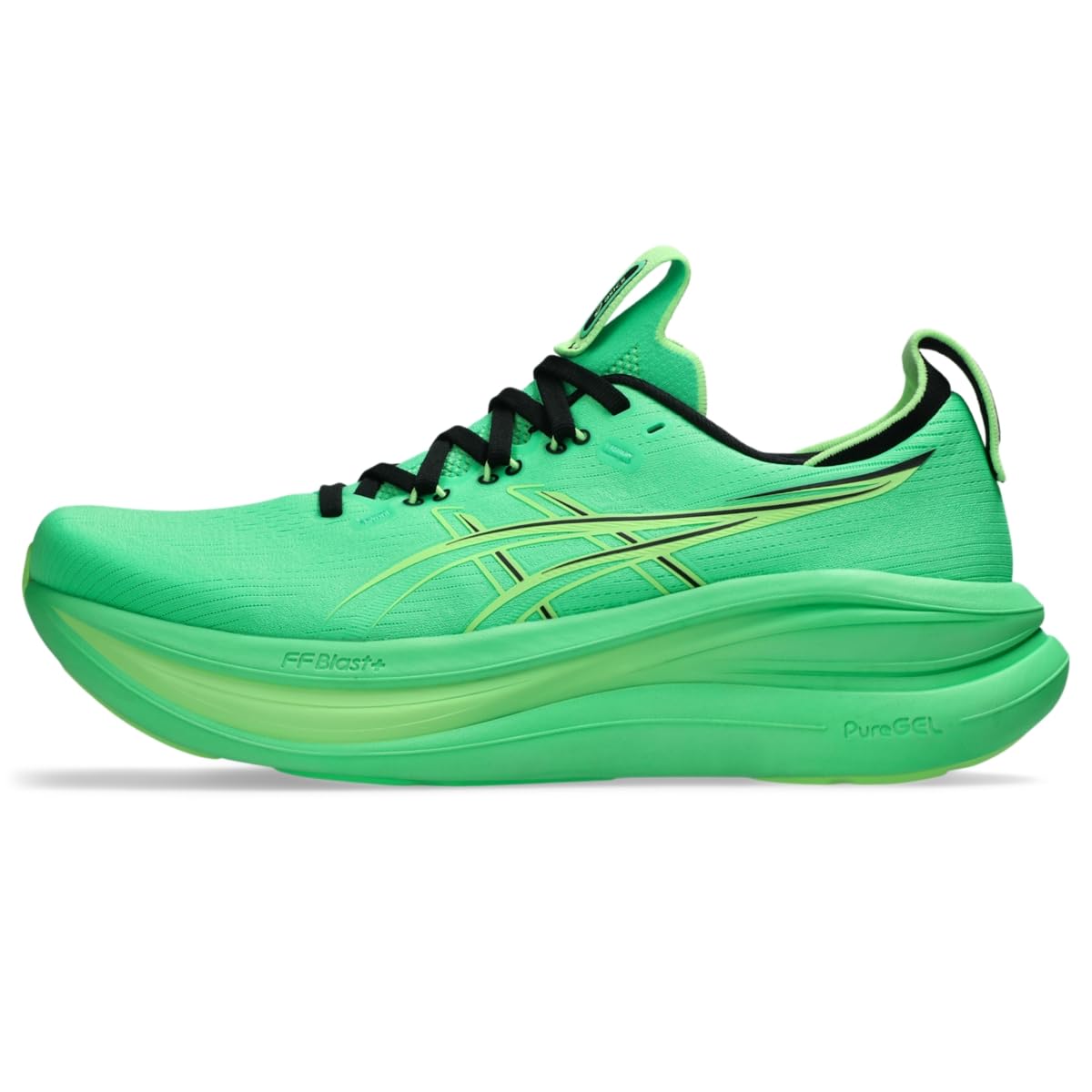
The Gel-Nimbus 28 represents the top end of ASICS cushioning science, combining rearfoot PureGEL pods with a full-length FF BLAST PLUS ECO foam layer that delivers a soft yet resilient ride. Heavier runners benefit from the plush landing without the foam collapsing — the dual-density midsole retains its shape over the 26.2-mile distance. Users report it feels supportive even after mile twenty, a test that reveals the limits of lesser foams.
The engineered mesh upper is cut roomier in the toe box than previous Nimbus versions, which is a welcome change for runners who need extra forefoot space. The outsole incorporates AHARPLUS rubber in high-wear zones, adding longevity without adding significant weight. For a premium daily trainer, this is the most complete package available right now.
One noted trade-off is the slightly higher weight compared to pure racers — at around 11 ounces, it’s not the fastest shoe in a sprint, but that extra heft translates directly into material durability and impact absorption. It’s the right choice for anyone wanting a single shoe that can handle all training runs and race day without compromise.
Why it’s great
- Dual-density midsole resists compression under heavier loads
- Roomier toe box accommodates wider feet
- Full AHARPLUS outsole extends shoe lifespan
Good to know
- Heavier than dedicated race-day super shoes
- Break-in period of about 20 miles reported
2. Brooks Men’s Hyperion Max Neutral Running Shoe

The Hyperion Max is Brooks’ most aggressive speed shoe, utilizing nitrogen-infused DNA FLASH foam that is both lightweight and remarkably responsive. The foam density is firm enough that heavier runners won’t sink too deep, but it still provides excellent energy return on toe-off — a rare balance that makes this a strong choice for marathoners chasing a personal best.
The upper uses a thin mono-mesh with a structured heel counter that locks the foot in place during rapid turnover. Runners with a neutral gait will find the guidance subtle but effective, while the lightweight rubber outsole keeps the shoe nimble. It runs about a half size snug, which is typical for performance-oriented Brooks models.
The downside is that the shallow outsole rubber may wear faster under heavier runners if used as a daily trainer — this is best reserved for race day or fast long runs. The midsole lacks the medial posting that overpronators need, so it’s strictly for neutral runners who want maximum return from their stride without extra structure.
Why it’s great
- Nitrogen-infused foam feels firm yet highly responsive
- Secure heel lock ideal for fast cadence
- Very low weight at roughly 7.5 ounces
Good to know
- Outsole rubber limited to high-wear patches
- Not designed for overpronation or stability needs
3. New Balance Mens Fresh Foam X 880v15
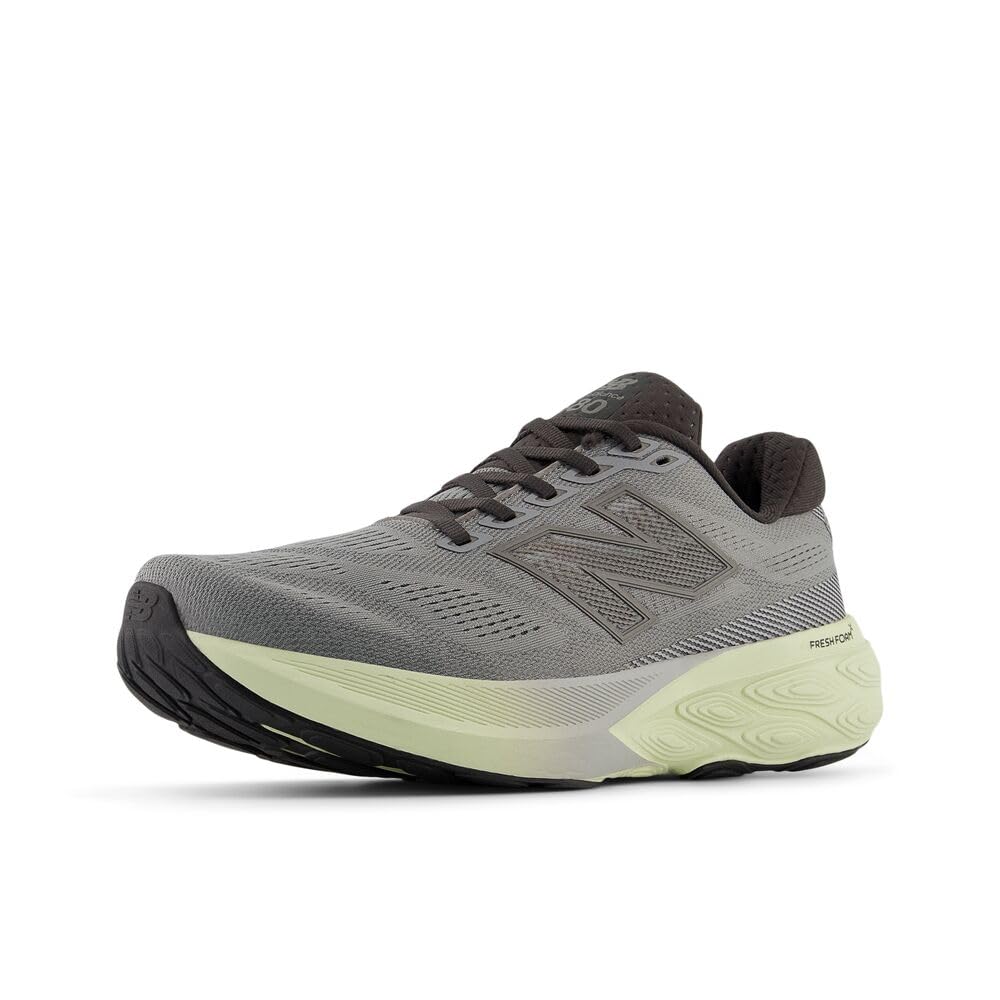
The Fresh Foam X 880v15 is New Balance’s most balanced daily trainer, using a dual-density Fresh Foam X midsole that offers a soft initial step with deeper compression resistance. Heavier runners will notice that the heel section is notably denser than the forefoot, providing the stability needed for the longer part of the gait cycle.
The engineered mesh upper is structured with a padded heel collar and a semi-gusseted tongue that prevents debris from entering during long runs. The outsole features NDurance rubber in a full-ground contact layout, delivering excellent traction and preventing premature flat spots on the forefoot — a common failure point in other daily trainers.
The shoe runs true to size and the 8mm drop suits heel strikers well. It lacks the dramatic pop of a super shoe, but that predictability is exactly what many heavier runners need for consistent training. It’s not the fastest shoe in the lineup, but it’s the most trustworthy for logging high-mileage weeks.
Why it’s great
- Full NDurance rubber outsole extends durability
- Dual-density midsole absorbs heel impact well
- Secure heel collar locks in without irritation
Good to know
- Moderate responsiveness, not a true speed shoe
- Weight is average for the category at 10.5 ounces
4. ASICS Unisex SUPERBLAST 2
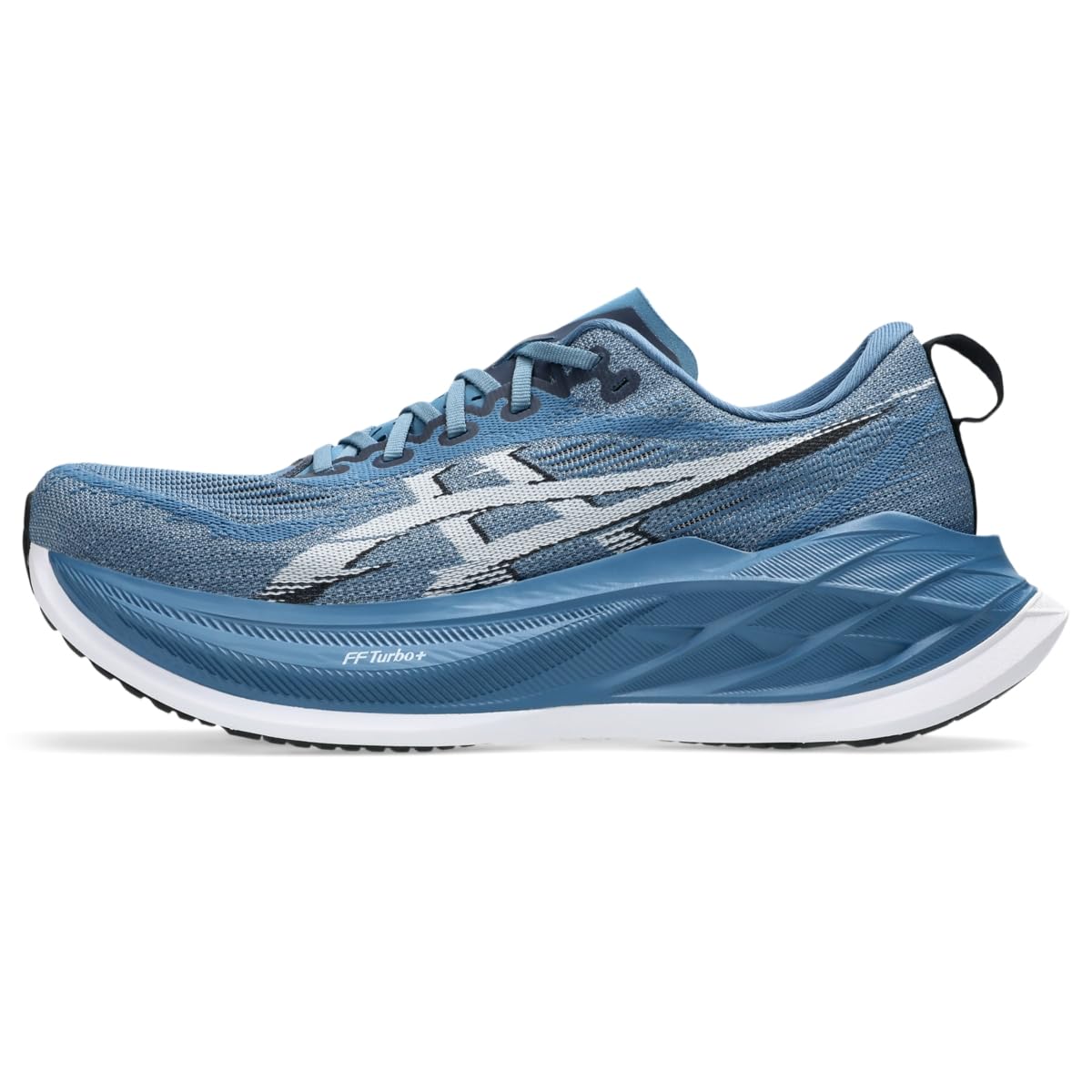
The SUPERBLAST 2 is ASICS’ high-stack, high-energy daily trainer, pairing a thick layer of FF BLAST TURBO foam with an embedded carbon plate. The foam is noticeably softer than the Kayano’s midsole but is supported by the plate, which prevents the stack from feeling unstable under heavier runners — the plate provides a rigid platform that reduces torsional flex.
The rockered geometry smooths the transition from heel to toe, which helps reduce ankle fatigue on long runs. The upper is a lightweight woven mesh that breathes well, though some testers note the heel collar is less padded than other premium trainers. It runs about true to size with a medium volume fit.
The main consideration is that the highly energetic foam may feel unstable for runners who pronate heavily — this is optimized for neutral to mild overpronators. The outsole rubber is segmented rather than full-length, but the wear pattern on the high-rebound foam tends to hold up well; expect around 350-400 miles of high-quality performance.
Why it’s great
- Carbon plate adds stability to soft high-stack foam
- Rockered design smooths transitions
- Excellent energy return for daily training
Good to know
- Limited medial support for moderate overpronators
- Heel collar could use more padding
5. Saucony Men’s Hurricane 24
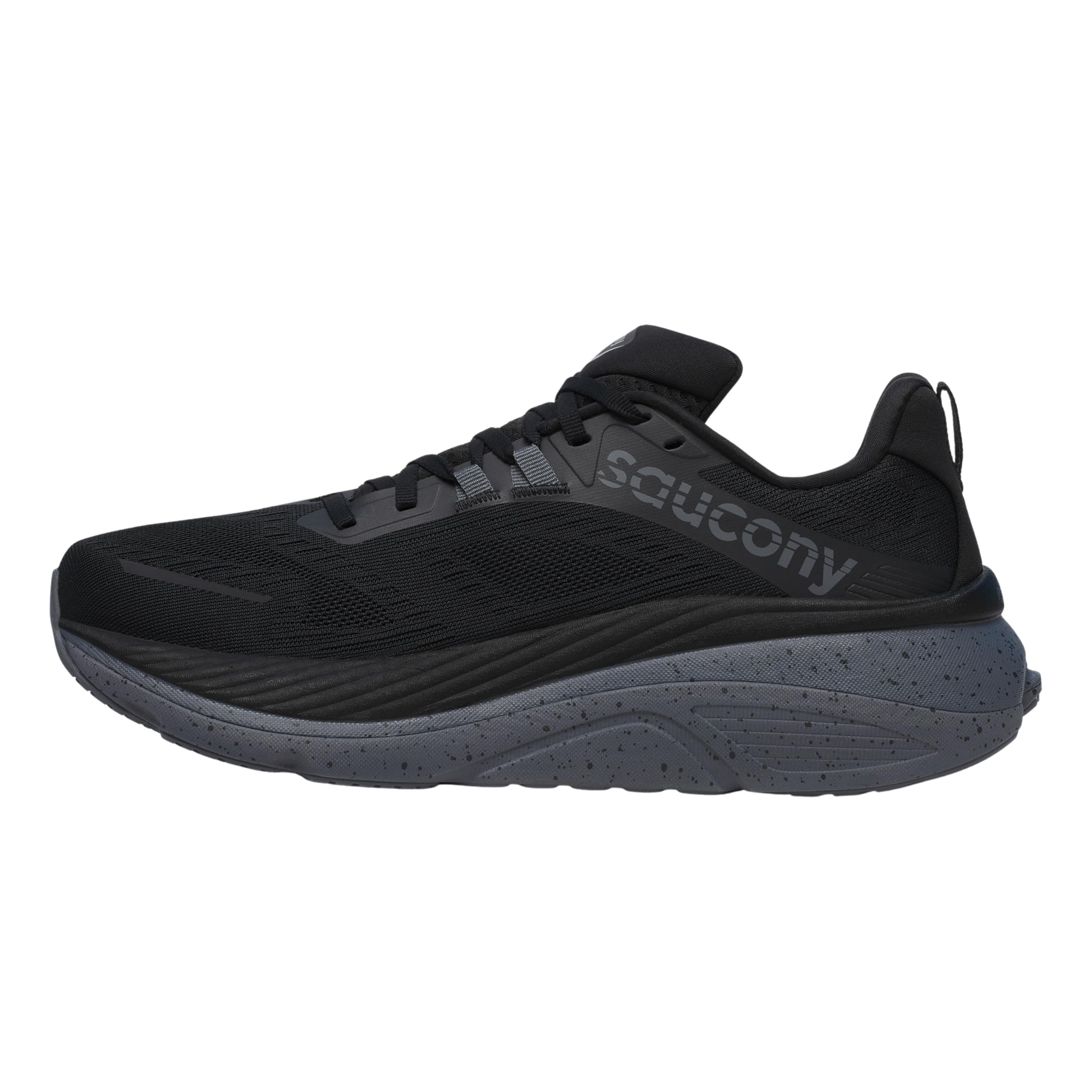
The Hurricane 24 is Saucony’s premium stability shoe, built with a PWRRUN PB foam core wrapped in a firmer guidance frame that provides medial support without a traditional hard post. The result is a smooth, stable ride that doesn’t feel intrusive — heavier runners who pronate mildly to moderately will find the platform gives them confidence during the later miles of a marathon.
The upper uses a durable engineered mesh with a structured heel counter and a lace cage that creates a snug midfoot lockdown. The outsole features XT-900 carbon rubber in the heel and high-mileage sections, ensuring the shoe remains functional beyond 400 miles. It runs a full size large, so sizing down is recommended for most runners.
The shoe’s weight is its main compromise at just over 11 ounces in a men’s size 9, but that heaviness is concentrated in the supportive elements that heavier runners genuinely need. The Hurricane 24 is less flashy than the Endorphin line but delivers the controlled, punishing-mileage durability that dedicated marathon trainers require.
Why it’s great
- Guidance frame provides support without a hard post
- XT-900 carbon rubber outsole is extremely durable
- Excellent for high-mileage shoe rotations
Good to know
- Runs significantly large; size down
- Heavier than neutral trainers
6. New Balance Men’s FuelCell Rebel v5
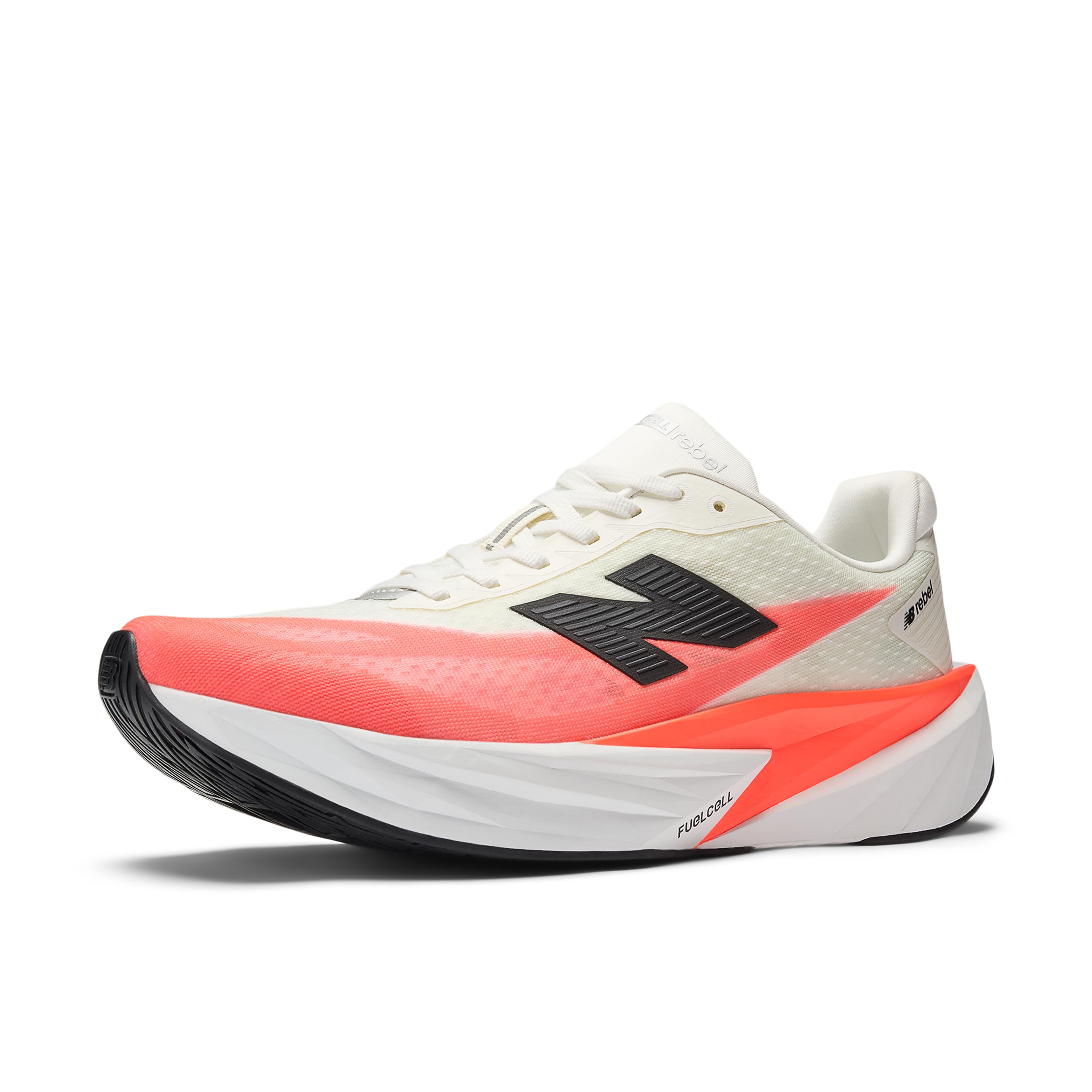
The FuelCell Rebel v5 is a lightweight, nitrogen-infused trainer that strikes a sharp line between a daily shoe and a fast tempo option. The midsole foam is soft yet springy, giving heavier runners a noticeable bounce during quicker sessions without feeling mushy at slower paces — a versatility that makes it a strong addition to a rotation.
The engineered mesh upper is thin and breathable with a semi-gusseted tongue that stays in place well. At only around 8.5 ounces, the Rebel v5 is incredibly light for its stack height, which is achieved through careful trimming of the outsole rubber — the trade-off is less durable coverage in the heel strike zone. Runners who heel strike heavily may see faster wear in that area.
Feedback from users highlights a snug initial fit in the midfoot that loosens up after a few runs. The shoe works best for neutral runners looking for a responsive partner for longs streaks of marathon pace work, but it lacks the medial structure needed for significant overpronation.
Why it’s great
- Very lightweight for the stack height offered
- Nitrogen-infused foam feels balanced and responsive
- Versatile for both daily runs and speed sessions
Good to know
- Heel outsole rubber coverage is limited
- Not suitable for moderate to severe overpronation
7. Saucony Men’s Endorphin Pro 4
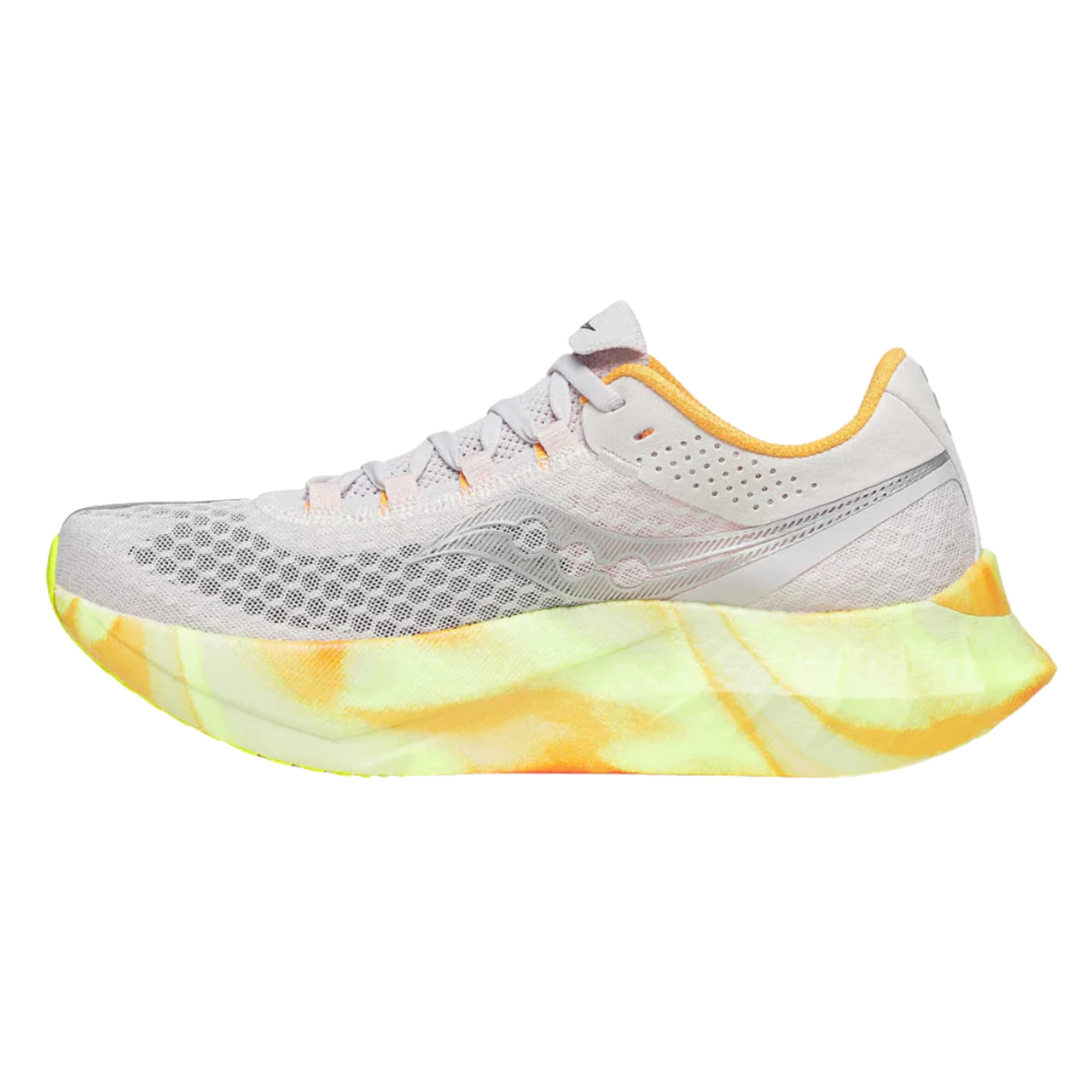
The Endorphin Pro 4 is Saucony’s flagship carbon-plated racer, using PWRRUN HG foam that is both dense and extremely bouncy. The SpeedRoll geometry creates a forward-leaning feel that encourages a quick turnover, and the carbon plate is stiffer than previous versions, providing a solid lever for heavier runners to push off against during the final kilometers of a marathon.
The upper is a lightweight mono-mesh with a gusseted tongue that prevents lateral movement. The fit is true to size but slim, so runners with wide feet may need to go up half a size. The outsole uses PWRTRAC rubber in a segmented layout, which offers good grip without adding bulk.
User feedback is positive on the weight, which remains under 8 ounces. The foam is tuned for speed rather than plush comfort, meaning that while it provides excellent energy return, it won’t feel as forgiving as the Gel-Nimbus on recovery runs. It’s a dedicated race-day tool for runners who want to maximize speed without sacrificing the structural support needed for a heavier stride.
Why it’s great
- Dense PWRRUN HG foam offers high energy return
- Stiff carbon plate provides a stable push-off platform
- Very lightweight for a plated racer
Good to know
- Fits narrow; consider sizing up for wider feet
- Not designed for daily training or recovery runs
8. Brooks Men’s Glycerin GTS 23 Supportive Running Shoe
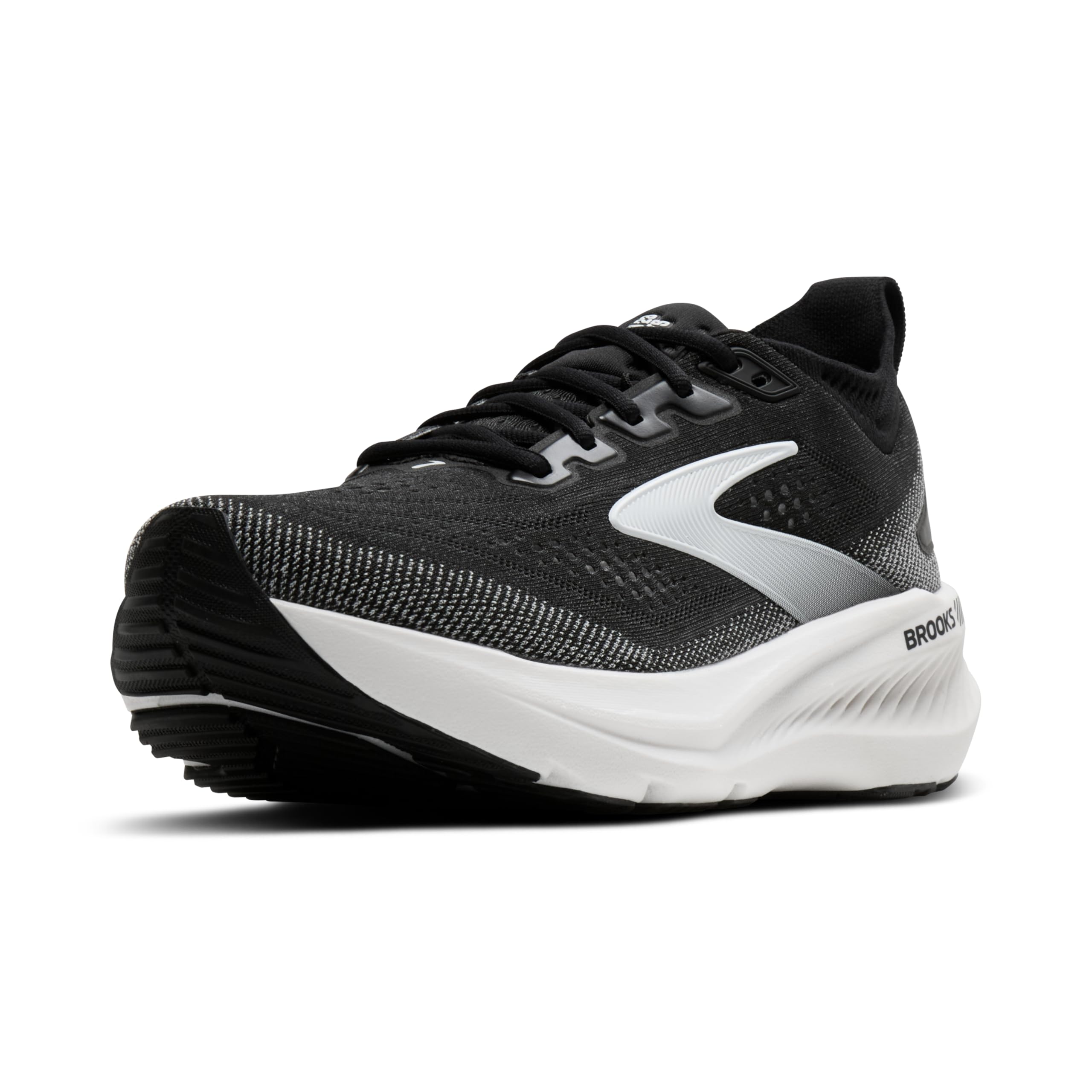
The Glycerin GTS 23 is Brooks’ plush stability offering, blending the pillowy DNA LOFT v3 foam with the GuideRails support system to keep the knees and hips in proper alignment. Heavier runners will appreciate the substantial foam volume that doesn’t bottom out easily, while the GuideRails gently correct excessive motion without the rigid feeling of traditional medial posts.
The upper features a 3D Fit Print engineered mesh that stretches slightly in the forefoot while remaining firm in the heel — this ensures the shoe stays securely on the foot during longer runs. The outsole uses blown rubber with a segmented crash pad that smooths the landing. The shoe runs true to size and has a standard D width that accommodates medium-volume feet well.
The main trade-off is the weight, which sits around 11 ounces. This is heavier than neutral trainers, but the stability and impact absorption it provides make it a reliable choice for heavier runners who need structure infused into a soft platform. It’s best suited for moderate overpronators who want a luxuriously comfortable marathon training shoe.
Why it’s great
- GuideRails provide subtle, effective stability
- DNA LOFT v3 foam is soft yet durable
- 3D Fit Print upper offers comfortable lockdown
Good to know
- Heavier than many neutral daily trainers
- Feels less responsive for faster-paced workouts
9. ASICS Women’s Gel-Kayano 32 Running Shoes
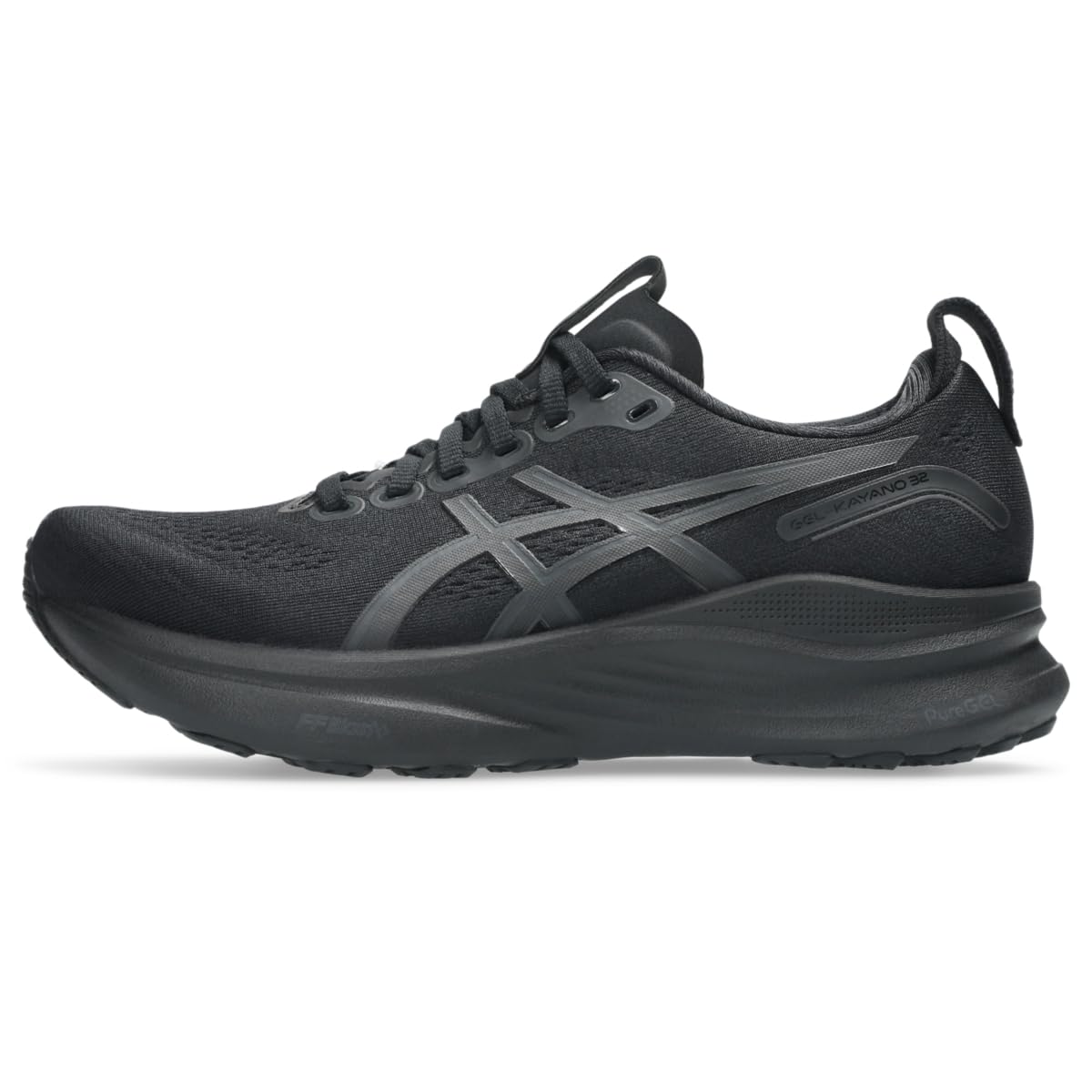
The Gel-Kayano 32 remains one of the most recognized stability shoes, featuring ASICS’ 4D Guidance System that adjusts in real time to a runner’s stride through the use of firmer foam densities on the medial side. Heavier runners who overpronate will feel the structure immediately — the shoe actively guides the foot into a more neutral position through the gait cycle.
The midsole uses a blend of FF BLAST and rearfoot gel, providing a soft initial step that firms up as the foot loads. The upper is a breathable jacquard mesh with a padded heel collar that reduces friction. The outsole features AHAR (ASICS High Abrasive Rubber) in the high-wear zones, though the coverage is slightly less extensive than the Gel-Nimbus.
The Kayano 32 has a moderate weight around 10.5 ounces, making it lighter than a true max-cushion shoe but heavier than performance trainers. The 4D system works well for moderate overpronation but may feel overly structured for neutral runners. It’s a solid entry point for heavier runners new to the concept of a guided stability shoe, offering a balance of support and cushioning at a reasonable investment.
Why it’s great
- 4D Guidance System adapts to gait in real time
- Rearfoot gel provides targeted impact absorption
- Breathable jacquard upper reduces hot spots
Good to know
- AHAR outsole coverage is lighter than premium models
- Guidance system may feel too firm for neutral runners
FAQ
How do I know if I need a stability shoe for marathons?
Is a carbon plate worth the investment for a heavier marathoner?
How often should I replace marathon shoes as a heavier runner?
Does a wider toe box matter for marathon comfort?
Final Thoughts: The Verdict
For most users, the marathon running shoes for heavy runners winner is the ASICS Gel-Nimbus 28 because it combines maximal PureGEL cushioning with a durable FF BLAST PLUS ECO midsole that holds its shape through the hardest training blocks. If you want a faster, race-day-focused shoe, grab the Brooks Hyperion Max. And for serious overpronators who need robust medial guidance without sacrificing comfort, nothing beats the Saucony Hurricane 24.