The 26.2-mile test doesn’t forgive a wrong seam, a heavy shirt, or a shoe whose midsole collapses halfway through. A marathon outfit for men isn’t just a set of clothes — it’s a system built to manage heat, friction, and energy return across hours of repetitive impact. The wrong shorts can chafe raw before the halfway mark, and a shoe that feels plush in the store can leave your calves screaming by mile 18.
I’m Emma — the founder and writer behind Baby Bangs. I’ve analyzed midsole foams, compression technologies, and moisture-wicking fabrics from over a dozen major running brands to separate what actually holds up on race day from what’s just marketing hype.
This guide breaks down the seven highest-rated options for the marathon outfit for men, covering the specific specs — drop height, stack height, compression type, and fabric weight — that determine whether a product finishes strong or fades early.
How To Choose The Best Marathon Outfit For Men
Building a race-day kit that gets you through 26.2 miles requires thinking beyond brand loyalty. The shoes handle the impact; the shorts and tights handle the friction; the top handles the sweat. Each piece has a measurable spec that dictates whether it works or works against you.
Shoe Midsole and Drop Height
The midsole foam is the single most important material in any marathon shoe. Full-length PEBA (polyether block amide) foams offer the best energy return but often cost more. Dual-density setups with a top layer of soft foam and a firmer base layer provide a smoother transition for heel-strikers. Drop height — the difference between heel and forefoot stack — typically ranges from 4mm to 10mm. Lower drops (4-5mm) encourage a midfoot strike and reduce calf fatigue; higher drops (8-10mm) favor heel-strikers and protect the Achilles.
Compression and Fabric Weight in Bottoms
Compression shorts and tights serve two distinct jobs: they reduce muscle vibration that causes early fatigue, and they wick moisture away from skin to prevent chafing. Look for a nylon/elastane blend with at least 20% elastane for adequate compression. Flatlock seams are non-negotiable — any raised seam at the inner thigh or waistband becomes a sandpaper line by mile 18. Fabric weight around 150-180 GSM strikes the right balance between breathability and opacity.
Temperature Regulation and Layering
A marathon outfit for men must handle the temperature swing from pre-dawn start to midday sun. A single lightweight, moisture-wicking singlet or short-sleeve shirt (80-120 GSM) with a flat-seam construction is usually sufficient for most conditions. If temperatures dip below 50°F at the start, a thin, wind-resistant vest that you can ditch at the first aid station is smarter than a heavy long sleeve that you’ll carry for miles.
Quick Comparison
On smaller screens, swipe sideways to see the full table.
| Model | Category | Best For | Key Spec | Amazon |
|---|---|---|---|---|
| New Balance FuelCell Supercomp Trainer V3 | Shoe | Long runs, high mileage | FuelCell foam + Energy Arc plate | Amazon |
| Saucony Endorphin Pro 4 | Shoe | Race day, speed work | SPEEDROLL rocker + PWRRUN PB | Amazon |
| New Balance FuelCell Rebel V5 | Shoe | Daily training, tempo runs | FuelCell foam, 6mm drop | Amazon |
| Mizuno Neo Zen | Shoe | Walking, recovery runs | Soft foam, sock-like fit | Amazon |
| Topo Athletic Specter 2 | Shoe | Stability, wide toe box | 5mm drop, rocker sole | Amazon |
| 2XU Light Speed Compression Shorts | Shorts | Muscle support, chafing protection | 72% Nylon / 28% Elastane | Amazon |
| Nike Challenger Dri-FIT Running Tights | Tights | Cool weather, warmth | Dri-FIT moisture wicking | Amazon |
In‑Depth Reviews
1. New Balance FuelCell Supercomp Trainer V3
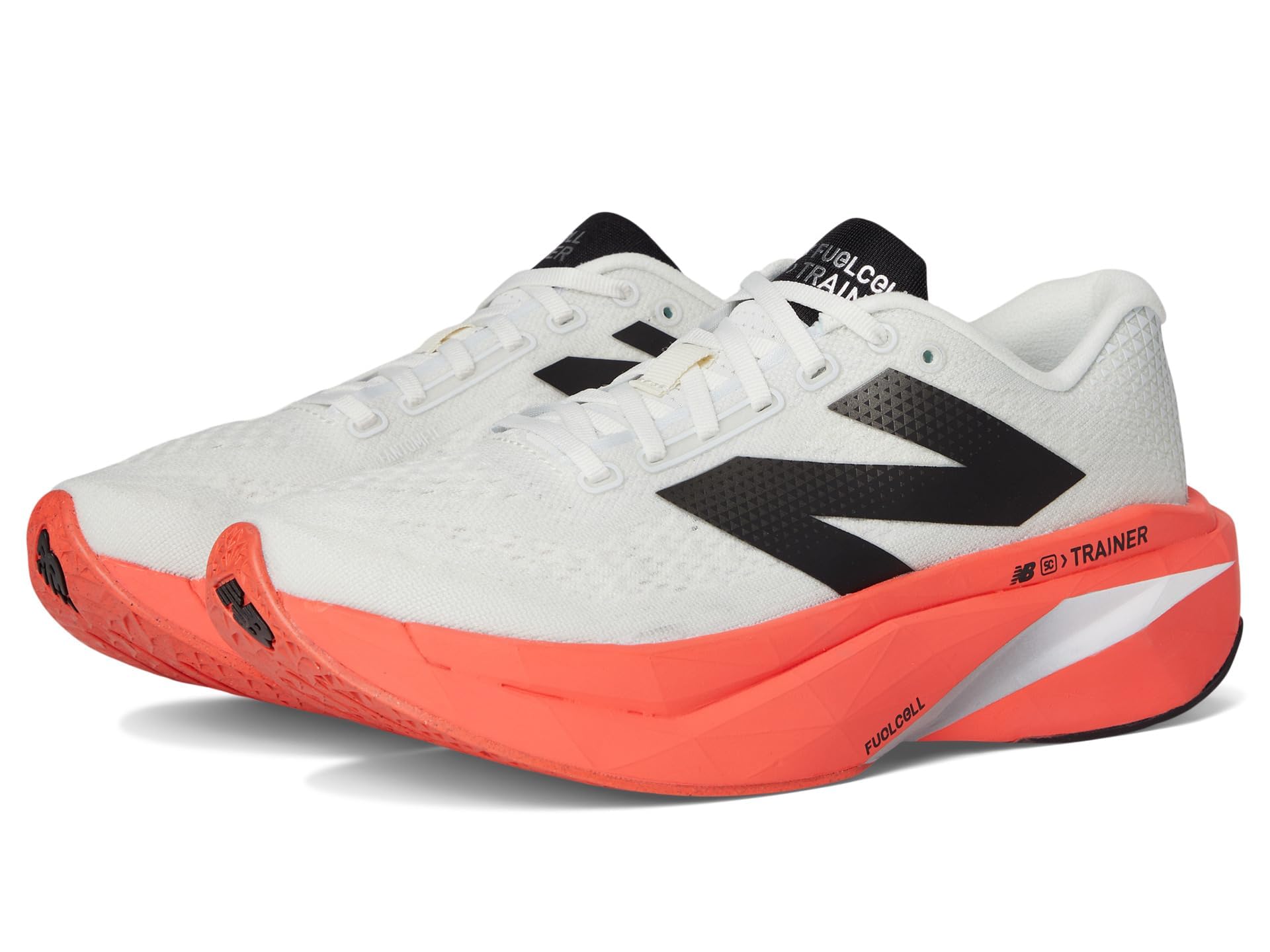
The FuelCell Supercomp Trainer V3 sits at the upper end of the premium training category for good reason. Reviewers consistently describe its FuelCell midsole combined with the Energy Arc plate as delivering “massive cushioning meeting surprising agility.” The stack is high enough to handle 20-mile long runs without bottoming out, yet the responsiveness stays present through the final miles — exactly what a marathon outfit for men needs from its primary shoe.
Fit-wise, the shoe runs slightly large according to multiple reviewers, with some noting that going down half a size solves the heel slip issue. The toe box is roomy enough for wide feet without feeling sloppy, and the upper breathes well even during summer training blocks. A few users mentioned minor heel movement, but two layers of socks or a runner’s knot eliminates the issue entirely.
For anyone logging high-mileage weeks where the long run is the centerpiece, this shoe absorbs the punishment better than most. It’s not the lightest option for a race-day PR attempt, but as a training companion that keeps legs fresh for the next session, it earns its position at the top of this list.
Why it’s great
- Ultra-cushioned FuelCell foam holds up past 18 miles without deadening.
- Energy Arc plate adds snappy propulsion without a harsh feel.
- Roomy toe box accommodates foot swell on long runs.
Good to know
- Runs about a half size long; expect to size down.
- Not the lightest trainer if you’re chasing a sub-3-hour marathon.
2. Saucony Endorphin Pro 4
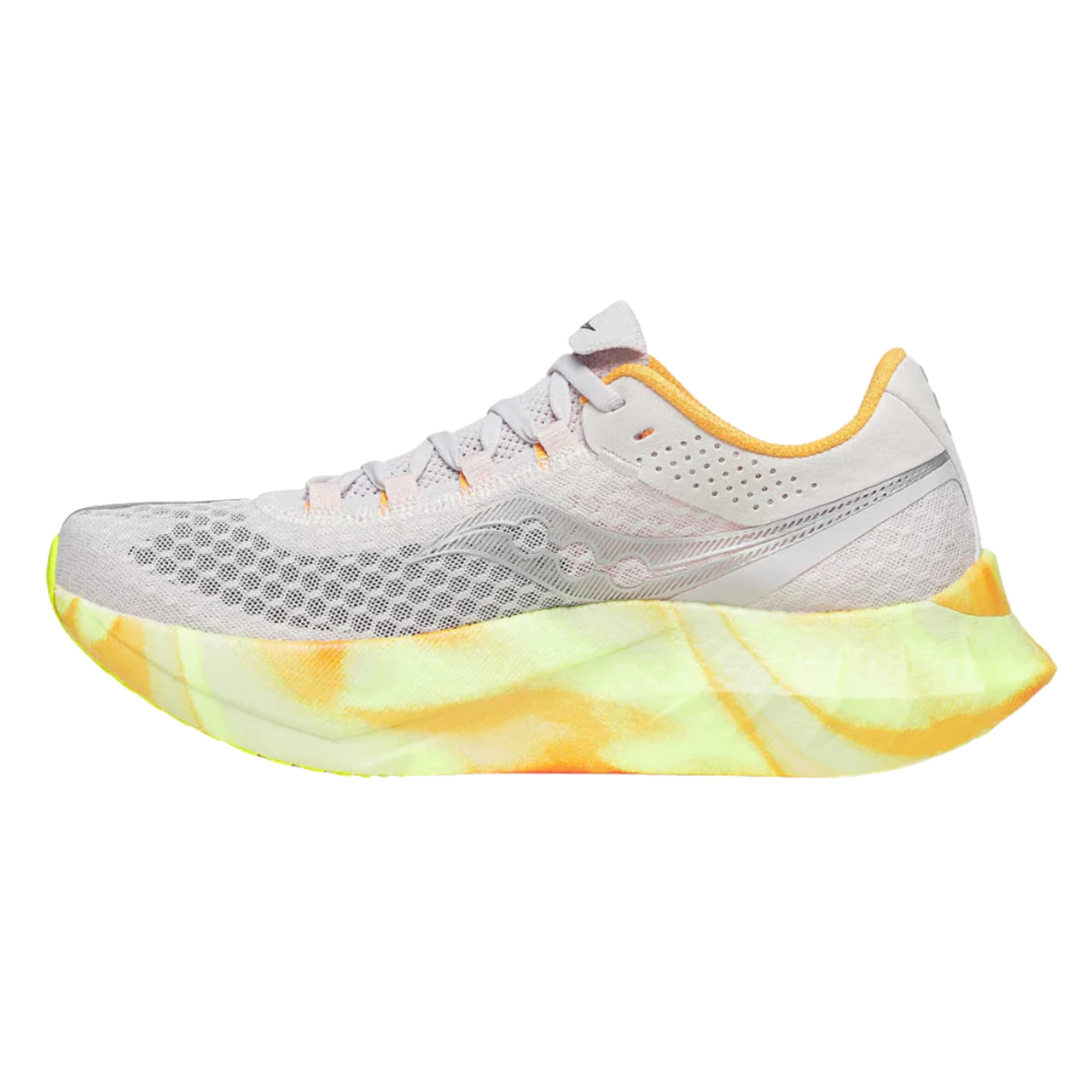
The Endorphin Pro 4 is built for one thing: running fast from the starting line to the finish. Its SPEEDROLL rocker geometry creates a forward-leaning momentum that rewards a quicker turnover, and the PWRRUN PB midsole delivers a bouncy, responsive feel that reviewers note is “a big improvement over the 3s.” The tongue redesign keeps it in place, and the laces lock down securely without pressure points.
This is a true race-day shoe, not a daily trainer. Reviewers specifically mention that it feels less bouncy and more direct than the Endorphin Elite, which makes it a better choice for marathon pacing rather than all-out sprinting. The upper is extremely lightweight, almost transparent, which aids breathability but offers minimal structure — a trade-off that serious racers accept willingly.
One reviewer ran their fastest mile in over two years within the first week of wearing these. The caveat is durability: the outsole rubber is thin to save weight, so this shoe is best reserved for race day and key workout sessions rather than grinding easy miles.
Why it’s great
- SPEEDROLL rocker naturally increases cadence and reduces ground contact time.
- PWRRUN PB foam offers excellent energy return for sustained pace efforts.
- Improved tongue and lacing system from previous version eliminates slippage.
Good to know
- Outsole durability is limited; save it for races and workouts.
- Minimal upper structure may feel unstable for runners who overpronate.
3. New Balance FuelCell Rebel V5
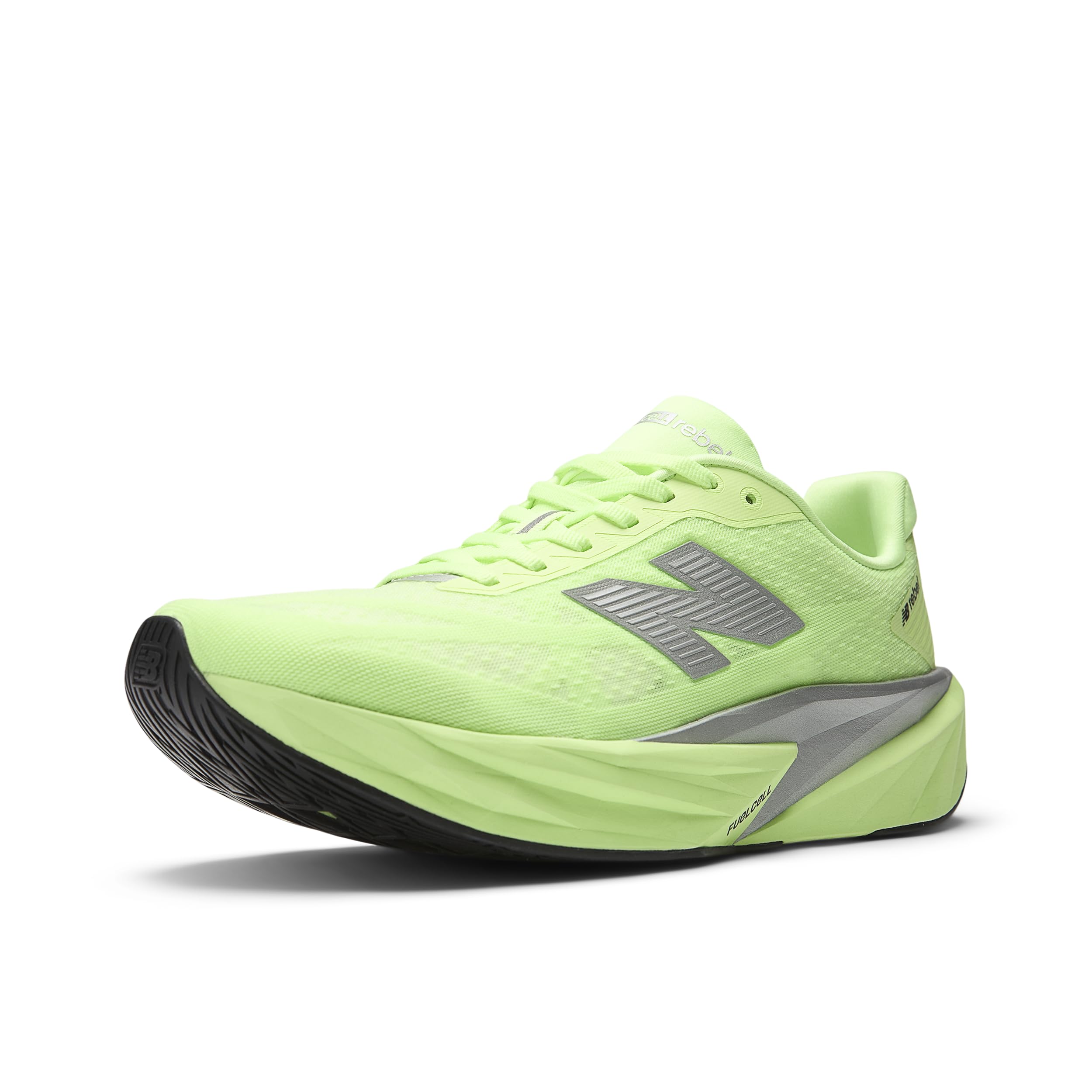
The Rebel V5 occupies the sweet spot between a lightweight trainer and a performance shoe. With a 6mm drop and a full-length FuelCell midsole, it offers a lively, propulsive feel that works for tempo runs, intervals, and even shorter road races. The 2.1-pound weight keeps it light enough to turn over quickly, while the stack provides enough cushion for up to a half marathon without harshness.
Reviewers from the wider FuelCell lineup praise the similar characteristics — a soft, responsive foam that doesn’t require a long break-in period. The Rebel V5 carries that DNA into a more agile, lower-profile package compared to the Supercomp Trainer. The upper fits true to size and wraps the foot securely without creating hotspots.
Where this shoe truly shines is as the daily trainer that can handle a variety of paces. It’s not the best choice for a full marathon if you’re a heavier runner or need maximum protection, but for runners who want one shoe that does tempo, recovery, and everything in between, the Rebel V5 is a strong contender.
Why it’s great
- Lively FuelCell foam provides a responsive, fun ride for daily miles.
- Lightweight construction at 2.1 lbs makes it easy to pick up the pace.
- Versatile enough for tempo runs, intervals, and shorter road races.
Good to know
- Limited cushion for full marathon distance heavier runners.
- Outsole durability on rough pavement is average for the weight class.
4. Mizuno Neo Zen
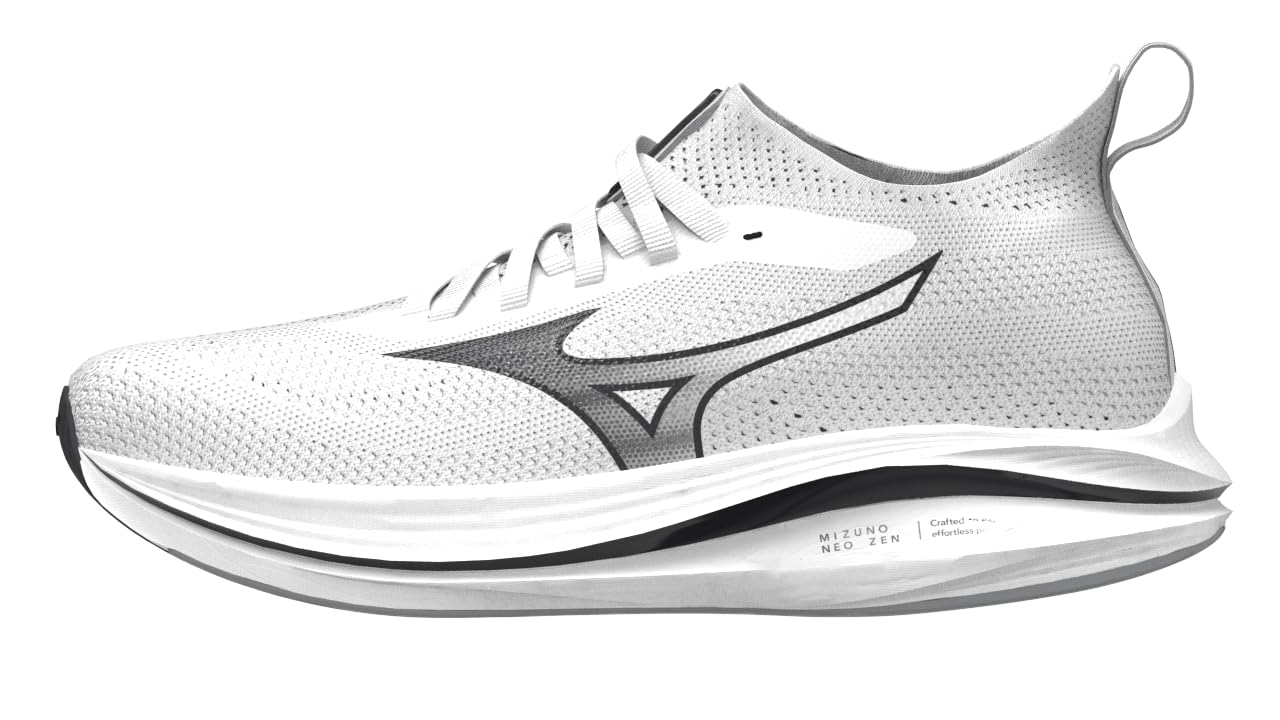
The Mizuno Neo Zen enters the conversation as a comfort-first option that prioritizes plush step-in feel over race-day speed. Reviewers describe the foam as “very soft and comfortable,” with multiple 5-star ratings calling it “like walking on a cloud.” The sock-like construction makes entry snug but rewarding, and the simple lacing system is clean though one reviewer noted the laces lack grip and can come untied.
However, there is a critical limitation for marathoners specifically. One detailed 4-star review points out that the foam “really just dies after the 12 mile mark, leaving your legs feeling heavy and a bit weak.” This places the Neo Zen firmly in the category of a recovery-day or short-to-mid-distance shoe rather than a full marathon workhorse. For runners who complete their long runs at an easy conversational pace, it might still work, but the best use case is for the walk-to-run transition days or as a post-race recovery shoe.
If you’re looking for a shoe to handle the bulk of your marathon training volume, the foam longevity limitation is real. But as a comfortable, well-priced companion for shorter runs or casual wear, the Neo Zen delivers on its core promise of plush comfort.
Why it’s great
- Extremely comfortable, plush foam right out of the box.
- Sock-like upper provides a secure, premium fit.
- Great for walking, recovery, and easy-paced short runs.
Good to know
- Foam loses responsiveness after approximately 12 miles.
- Laces lack grip and may come untied during activity.
5. Topo Athletic Specter 2
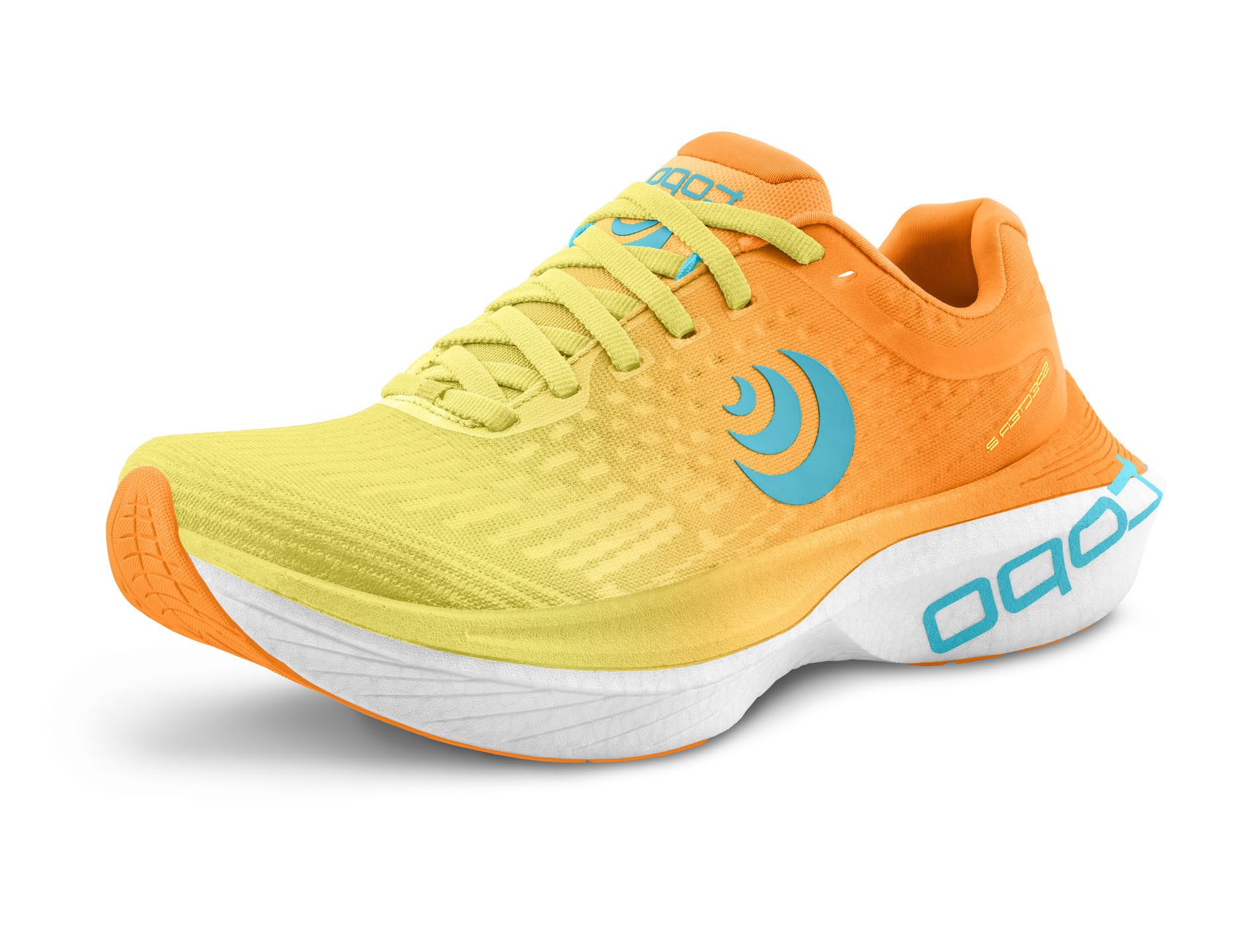
Topo Athletic has built a loyal following among runners who need a wide toe box but want better quality control than some alternative brands. The Specter 2 delivers exactly that: a 5mm drop with a pronounced rocker sole that encourages a midfoot strike. One reviewer, a 250-pound runner, called it “the first truly fitting shoe I’ve ever worn,” and another noted it “crushes Hoka” by eliminating lower leg pain that had persisted for years.
The durability and ride quality hold up well. A reviewer with 75 miles in the shoe reported that the foam “still has great return” with no signs of tearing or separation. The rocker design makes the shoe feel fast at tempo efforts, but it’s equally comfortable for long slow distance. One reviewer even used it for 30,000 steps at Universal Orlando without foot fatigue — a testament to its all-day comfort.
The main consideration is fit: if you have narrow feet, the wide toe box may feel too loose. But for runners who have struggled with toe rub, black toenails, or general foot discomfort in narrow shoes, the Specter 2 is a specialist that delivers a unique combination of stability and forefoot space.
Why it’s great
- Wide toe box eliminates toe rub and black toenail issues common in narrow shoes.
- Rocker sole promotes smooth, efficient midfoot strike.
- Durable construction with foam that holds up well past 75 miles.
Good to know
- Wide toe box may feel unstable for runners with narrow or average-width feet.
- Not the most responsive for sub-6:00/mile pace work.
6. 2XU Light Speed Compression Shorts

A marathon outfit for men needs bottoms that handle the chafing and muscle vibration that accumulate over 26.2 miles. The 2XU Light Speed Compression Shorts use a 72% Nylon / 28% Elastane blend to deliver MCS (Muscle Containment Stitching) support that targets key muscle groups. The flatlock seam construction minimizes skin irritation, and the black reflective colorway provides visibility during early-morning starts.
The fabric weight is lightweight enough for warm-weather racing without feeling flimsy, and the drawstring closure ensures the shorts stay in place even after multiple aid station gels and hydration stops. Unlike standard liners that lose compression after a few washes, the nylon/elastane blend offers consistent support across the lifespan of the garment.
For runners who prefer not to wear tights but still want muscle support, these shorts are the best option in this list. They work well as a standalone bottom for warm-weather marathons or as a base layer under looser shorts for colder conditions. The compression profile is firm but not restrictive, allowing full range of motion during the stride.
Why it’s great
- MCS support reduces muscle fatigue and vibration during long runs.
- Flatlock seams minimize chafing risk at inner thighs and waistband.
- Reflective detailing improves visibility in low-light race conditions.
Good to know
- Compression level may feel too tight for some runners; try a size up.
- Limited pocket space for carrying gels or phone during the race.
7. Nike Challenger Dri-FIT Running Tights
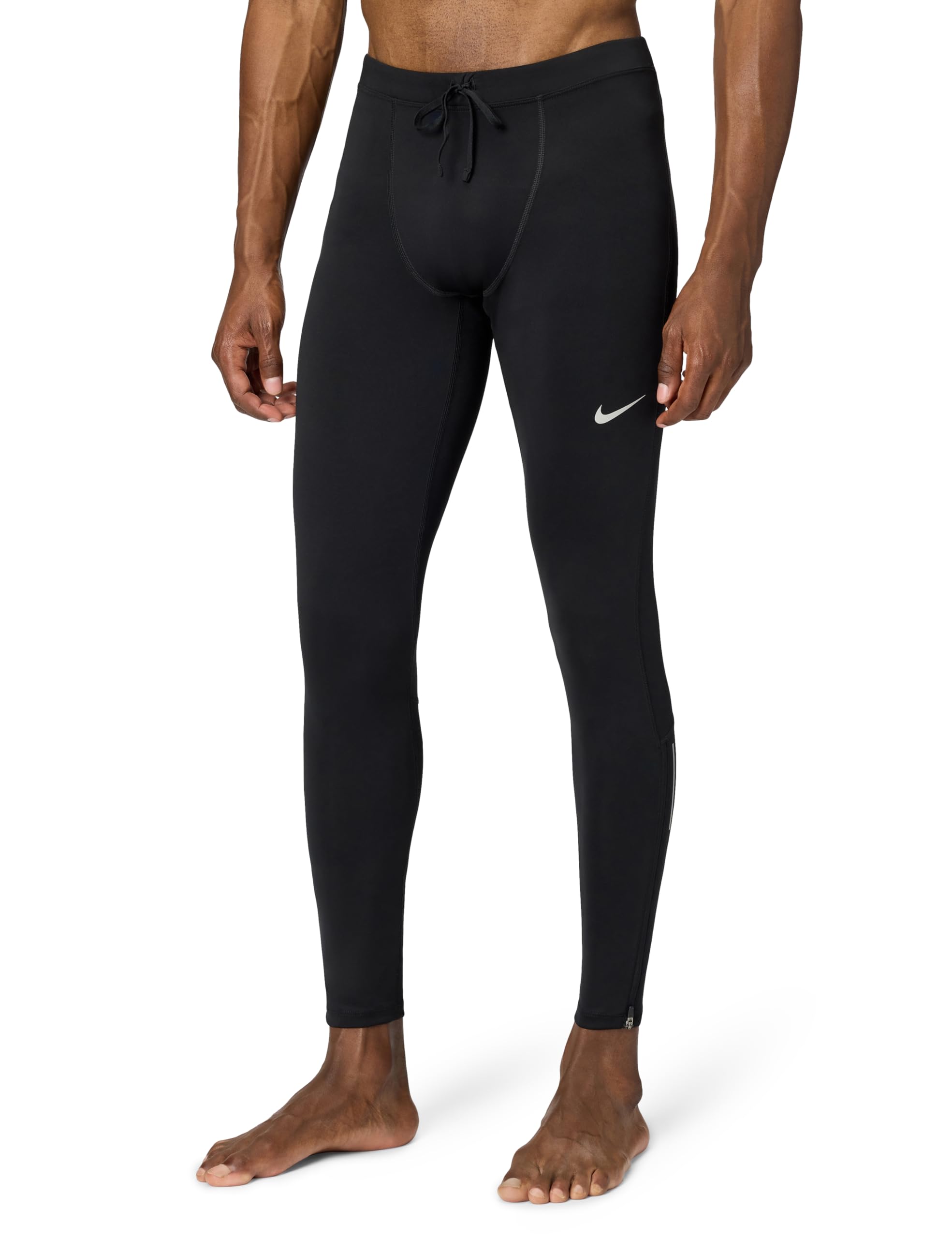
The Nike Challenger Dri-FIT Running Tights are a solid entry-level option for runners who need full-leg coverage during cool-weather marathon training or racing. Dri-FIT fabric wicks moisture away from the skin, which is critical when temperatures drop below 50°F and sweat accumulation can lead to chilling effects. The flat seams reduce chafing, and the waistband stays secure without rolling.
Compared to the 2XU compression shorts, these tights offer more coverage and warmth but less targeted muscle support. The fabric is lightweight enough to layer under shorts or wear alone, and the reflective elements provide visibility during early runs. For runners who plan to run a marathon in temperatures between 40°F and 55°F, these tights are a practical choice.
The main limitation is durability: the elastic waistband and crotch seam can show wear after 200+ miles of running. For the entry-level price point, however, they offer reliable performance that gets the job done without breaking the bank. They are best viewed as a seasonal layer rather than a permanent fixture in a year-round rotation.
Why it’s great
- Dri-FIT fabric wicks moisture effectively, preventing chill during cool runs.
- Flat seams reduce chafing along inner thighs and waistband.
- Full-length coverage ideal for cold-weather starts and training blocks.
Good to know
- Less targeted muscle compression than dedicated compression gear from 2XU.
- Durability is average; seams may show wear after extended mileage.
FAQ
Should I wear compression shorts or tights for a marathon?
What shoe drop is best for first-time marathoners?
How many pairs of shoes should I rotate during marathon training?
Can I wear regular cotton shorts for a marathon?
Final Thoughts: The Verdict
For most users, the marathon outfit for men winner is the New Balance FuelCell Supercomp Trainer V3 because it combines a plush, durable midsole with a responsive Energy Arc plate that makes high-mileage training feel sustainable. If you want race-day speed and a lighter package, grab the Saucony Endorphin Pro 4. And for runners who have struggled with toe rub or lower leg pain, nothing beats the stability and wide toe box of the Topo Athletic Specter 2.