That sharp pinch in your lower back during a heavy deadlift set isn’t just annoying — it’s a warning. Without proper intra-abdominal pressure, your lumbar spine takes the brunt of every squat, press, and pull. A well-fitted support belt changes this by giving your core something solid to push against, turning a risky movement into a controlled, powerful rep.
I’m Emma — the founder and writer behind Baby Bangs. I’ve spent countless hours comparing leather thickness specs, closure mechanisms, and sizing charts to find the gear that actually keeps your spine safe under a barbell.
The real test is how a belt handles the transition from standing tight to hitting depth in a squat. After reviewing dozens of models, I’ve identified the seven best options in the lower back brace for working out category that deliver real, measurable support where it counts most.
How To Choose The Best Lower Back Brace For Working Out
A lifting belt is not a one-size-fits-all accessory. The wrong thickness, material, or fit can either fail to support you or dig into your ribs and hips during a squat. Focus on these variables to match the belt to your specific training style.
Thickness Trade-Offs: 5mm vs 7mm vs 10mm
Thicker belts (7mm to 10mm) provide the stiffest platform for maximal lifts like a 1RM deadlift or squat. They limit spinal flexion almost entirely but can be uncomfortable for high-rep sets or Olympic lifts where mobility matters. Thinner belts (4mm to 5mm) offer more flexibility and are better for dynamic movements, snatches, or circuit training. If you only train in the 5-8 rep range, a 5mm belt with a contoured shape is often the smarter everyday choice.
Material and Breathability
Genuine leather belts mold to your body over time and offer the stiffest support, but they trap sweat and require break-in. Suede leather, like the DMoose model, balances breathability with durability, making it ideal for long sessions. Nylon belts are lighter and washable, though they lack the rigid feedback that advanced lifters need for heavy compound movements.
Width, Taper, and Fit
A straight 4-inch width is standard for powerlifting, but a tapered belt (4 inches in back, 2-3 inches in front) allows more hip flexion during deadlifts. For women or lifters with shorter torsos, a tapered belt reduces the risk of the front edge digging into the ribcage. Measure your waist at the belly button, not your pant size, and account for the belt’s thickness when selecting a size.
Quick Comparison
On smaller screens, swipe sideways to see the full table.
| Model | Category | Best For | Key Spec | Amazon |
|---|---|---|---|---|
| Dark Iron Fitness Genuine Leather | Leather | Maximal support | 4 in wide, double-prong buckle | Amazon |
| Iron Bull Strength 7mm | Leather | Competition training | IPF-approved, 7mm thickness | Amazon |
| Nike Structured Training Belt 3.0 | Blend | Versatile gym use | Rigid lower back inserts | Amazon |
| DMoose 5mm Suede Leather | Suede | Sweat resistance | USPA-approved, 5mm thickness | Amazon |
| Nike Unisex Strength Training Belt | Nylon | Light support | Adjustable hook-and-loop closure | Amazon |
| Iron Bull Strength Nylon | Nylon | Cross-training | 35 in waist, buckle & hook closure | Amazon |
| Jaffick Leather Pink | Leather | Anatomically tapered fit | 4 in wide back, 6mm leather | Amazon |
In-Depth Reviews
1. Dark Iron Fitness Genuine Leather Weightlifting Belt
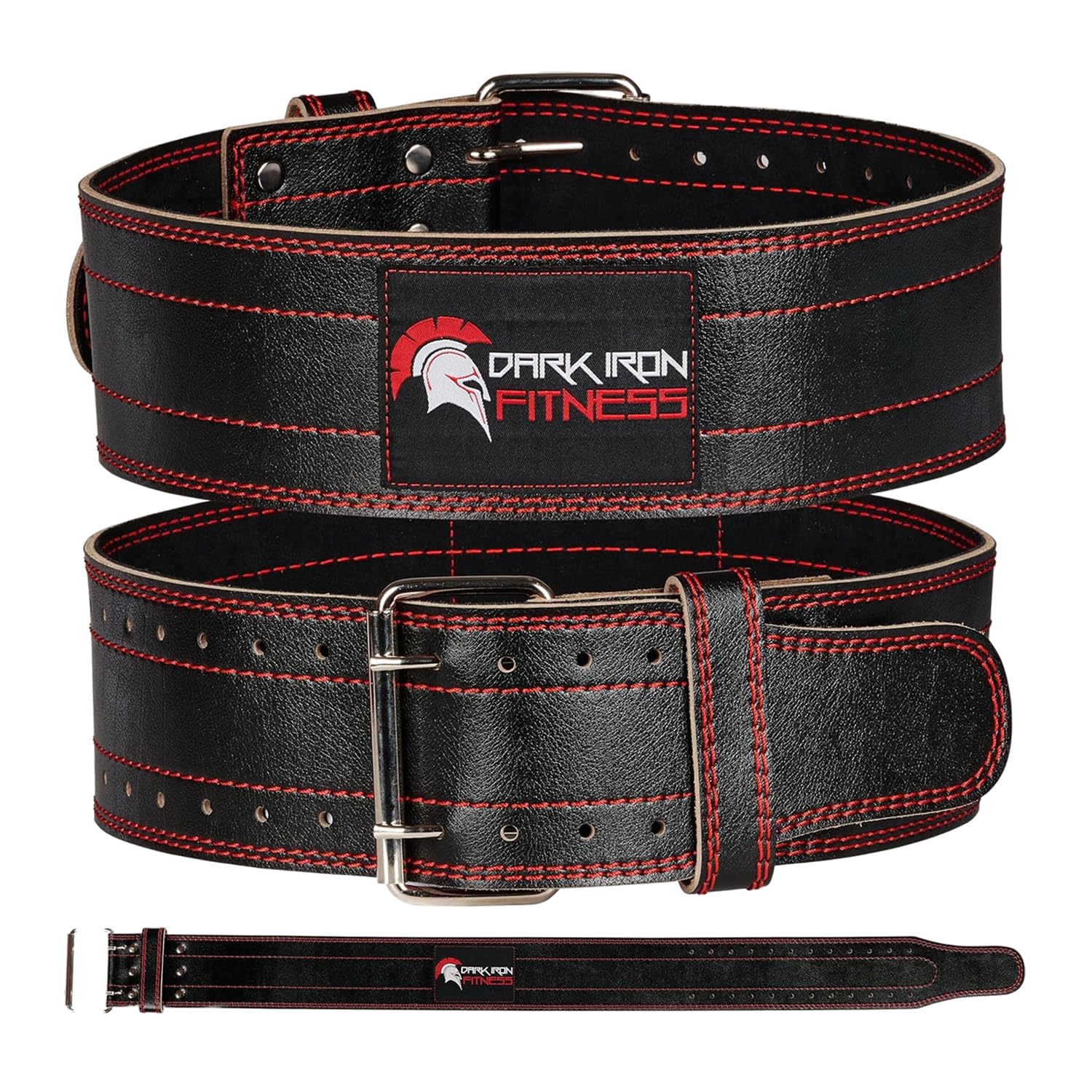
This 4-inch wide, 5mm genuine leather belt is the benchmark for serious strength training. The double-prong metal lever buckle locks securely through 12 adjustment holes, giving you a precise fit that won’t shift during a max-effort squat. The reinforced double-stitching along each edge means this belt will outlast cheap glued alternatives by years.
The leather contours to your body after a few sessions, providing rigid support without digging into your ribs. It’s versatile enough for deadlifts, overhead presses, and even heavy kettlebell work. The keeper loop secures the excess tail so you never have a loose strap flapping mid-rep.
Dark Iron also offers a white color option for those who want a cleaner look. If you’re a lifter who needs uncompromising lumbar stability for big compound lifts, this belt delivers that rock-solid platform every rep.
Why it’s great
- 12-point adjustment for micro-fit
- Double stitching ensures long life
- Comfortable contouring after break-in
Good to know
- Leather requires regular conditioning
- Not ideal for high-rep Olympic lifts
2. Iron Bull Strength 7mm Leather Weight Lifting Belt
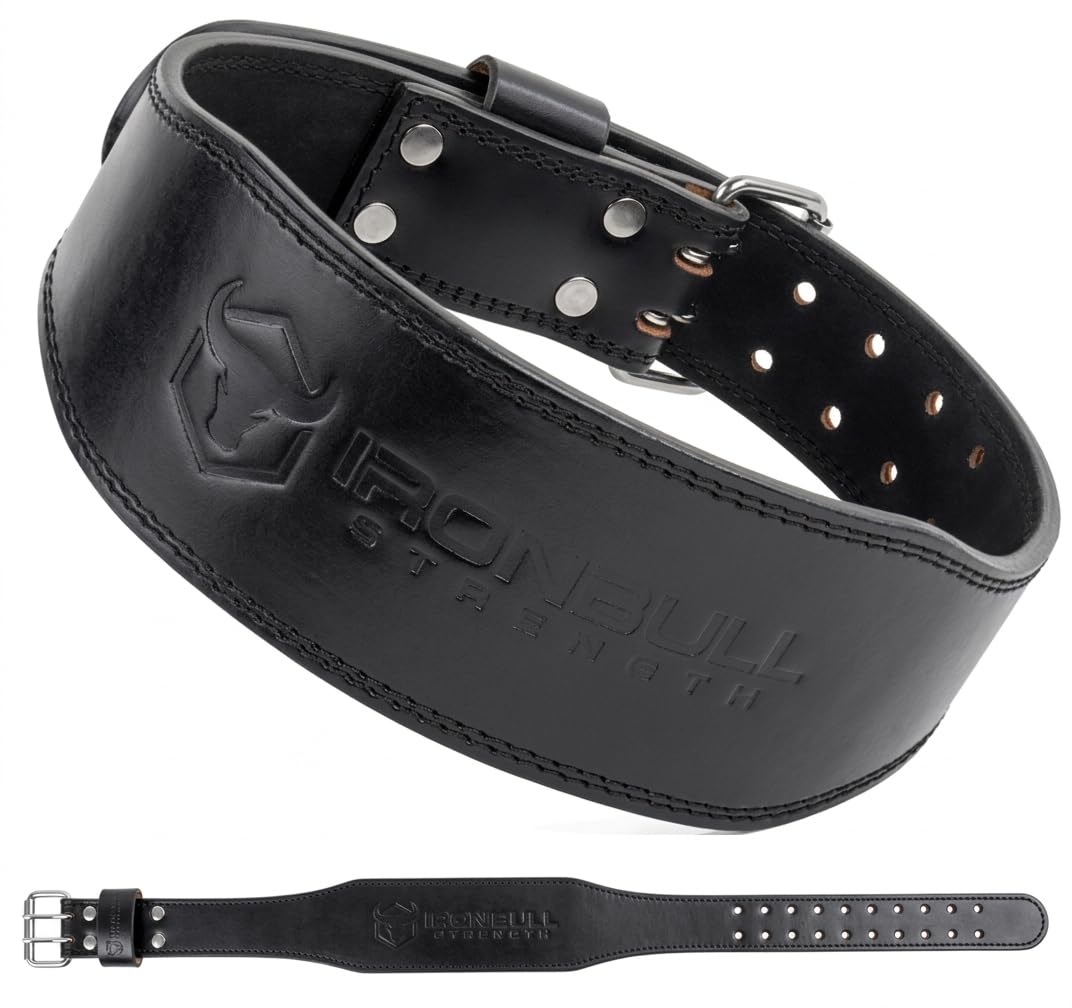
At 7mm thick and 4 inches wide, this belt from Iron Bull Strength is built for the competitive lifter who needs IPF, USAP, USPA, and IWF certification compliance. Genuine A-grade leather with a high-gloss finish delivers a stiff, wrinkle-free surface that creates maximum intra-abdominal pressure for 1RM attempts.
The double roller steel buckle with black coating provides a secure hold through ten precision-drilled holes. The tapered design — 4 inches at the back, narrowing to 2 inches at the front — allows for better hip flexion during deadlifts while still giving full lumbar coverage during squats.
The suede inner lining adds grip against your shirt, preventing the belt from riding up mid-set. It comes with a lifetime warranty against manufacturing defects, making it a true investment for your lifting career.
Why it’s great
- Meets multiple competition standards
- 7mm gives optimal stiffness for heavy singles
- Tapered design aids deadlift form
Good to know
- 7mm feels stiff during high-rep sets
- Break-in period required
3. Nike Structured Training Belt 3.0

Nike’s Structured Training Belt 3.0 stands apart with its integrated rigid inserts at the lower back, providing targeted support without the bulk of an 8mm leather belt. The material blend and pull-on closure make it a quick-on, quick-off option for circuit training, HIIT, or any session where you don’t want to fuss with a buckle.
The pull-on design eliminates the risk of pinching skin or catching on clothing. The belt sits snugly against the waist and stays in place during dynamic movements like box jumps or kettlebell swings, offering moderate compression that reminds you to brace properly.
This belt is not intended for 600-pound deadlifts—it’s a functional support tool for the athlete who wants lumbar stability across varied movements. The blend material breathes better than leather, reducing sweat buildup during long gym sessions.
Why it’s great
- Rigid inserts mimic leather support
- Pull-on design is extremely fast
- Breathable blend fabric
Good to know
- Not for maximal strength lifts
- Less adjustable than buckle belts
4. DMoose Fitness 5mm Suede Leather Weight Lifting Belt
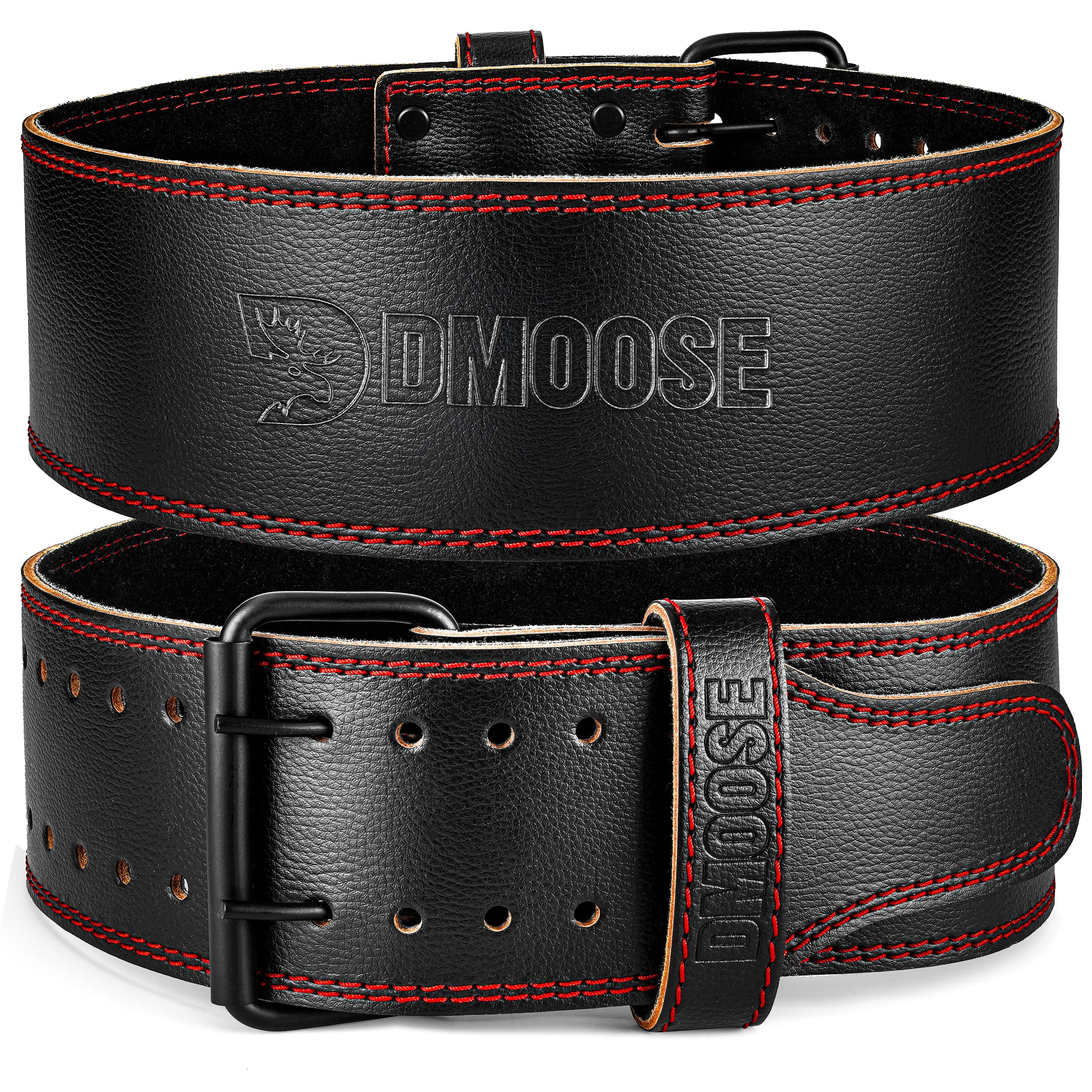
This DMoose belt strikes the hardest-to-beat balance of quality and price. The 5mm thickness with a 4-inch lumbar pad delivers enough rigidity for heavy squats while remaining flexible enough for higher-rep training. The suede leather construction resists sweat absorption and dries quickly, a major advantage over traditional leather for lifters who train in humid gyms.
It meets USPA and IPL standards, so you can wear it at meets without issue. The double-pronged coated buckle provides a secure grip across ten adjustment holes, and the compact carry bag makes it easy to toss into a gym duffel. Reviews consistently praise the build quality and value proposition.
The 5mm profile is ideal for lifters who want one belt that works for both heavy singles and volume work. The suede material molds to your waist shape over time, gradually improving the fit without the long break-in of full-grain leather.
Why it’s great
- Suede resists sweat damage
- USPA-approved for competitions
- Great balance of stiffness and flexibility
Good to know
- Suede can scuff over time
- Not as stiff as 7mm leather belts
5. Nike Unisex Adult Strength Training Belt
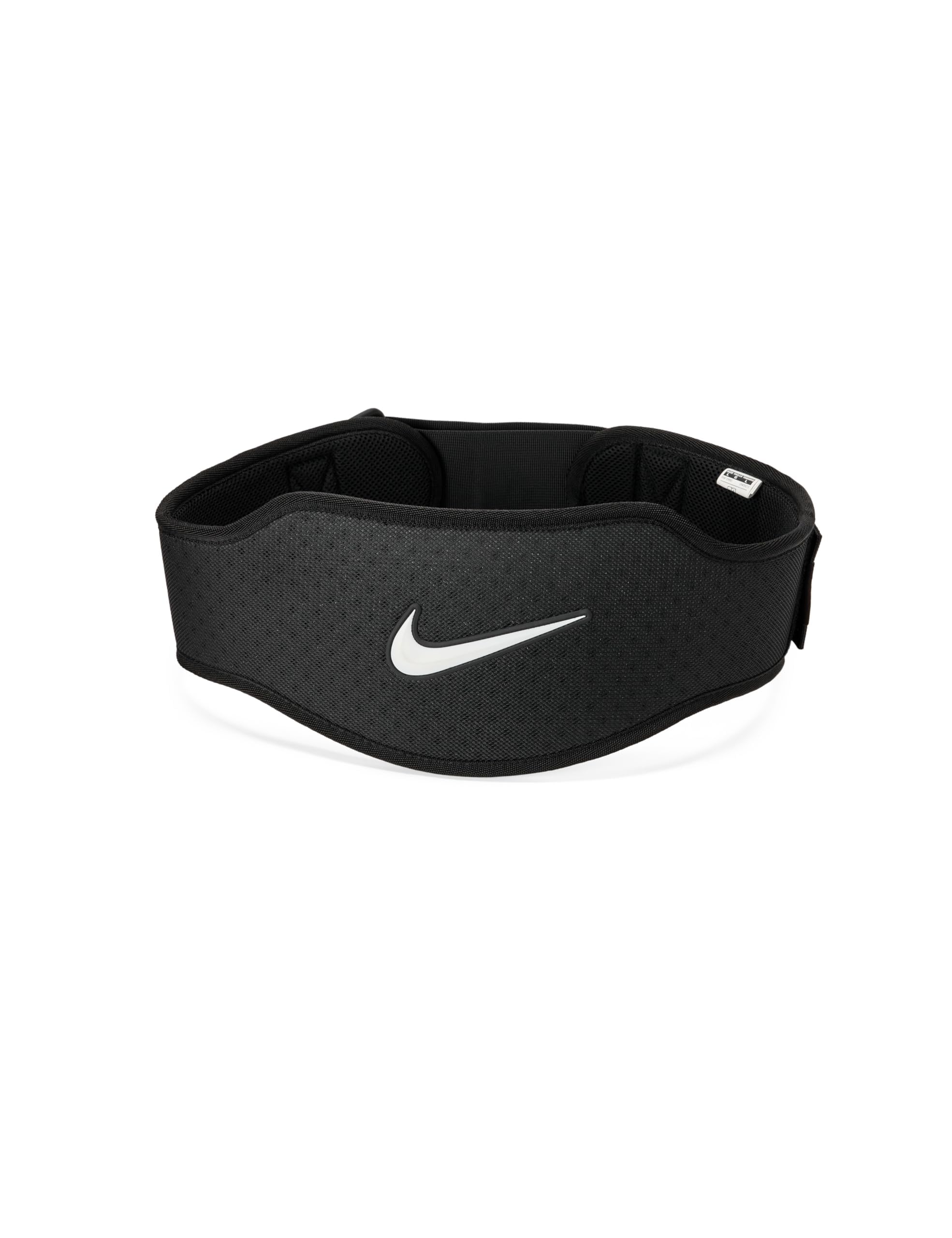
This nylon belt from Nike is built for the athlete who needs spinal awareness without the rigidity of a leather belt. The hook-and-loop closure makes it infinitely adjustable between sets, perfect for circuit training or sessions where you want to loosen support during rest intervals. The nylon construction is fully washable and dries fast.
It offers moderate compression that encourages proper bracing, but it will not provide the same resistance as a 5mm leather belt under a heavy deadlift. This is the right choice for CrossFit workouts, functional fitness, or anyone starting their lifting journey who wants a belt that encourages good form without overwhelming stiffness.
The slim profile packs easily and doesn’t add bulk under a hoodie or jacket. If you primarily train in the 8-15 rep range with mixed modalities, this belt provides enough feedback to cue your core without restricting your breathing.
Why it’s great
- Washable nylon material
- Infinite adjustment with hook-and-loop
- Great for beginners and circuit work
Good to know
- Limited support for max-effort lifts
- Velcro may wear over long-term use
6. Iron Bull Strength Weight Lifting Belt (Nylon)
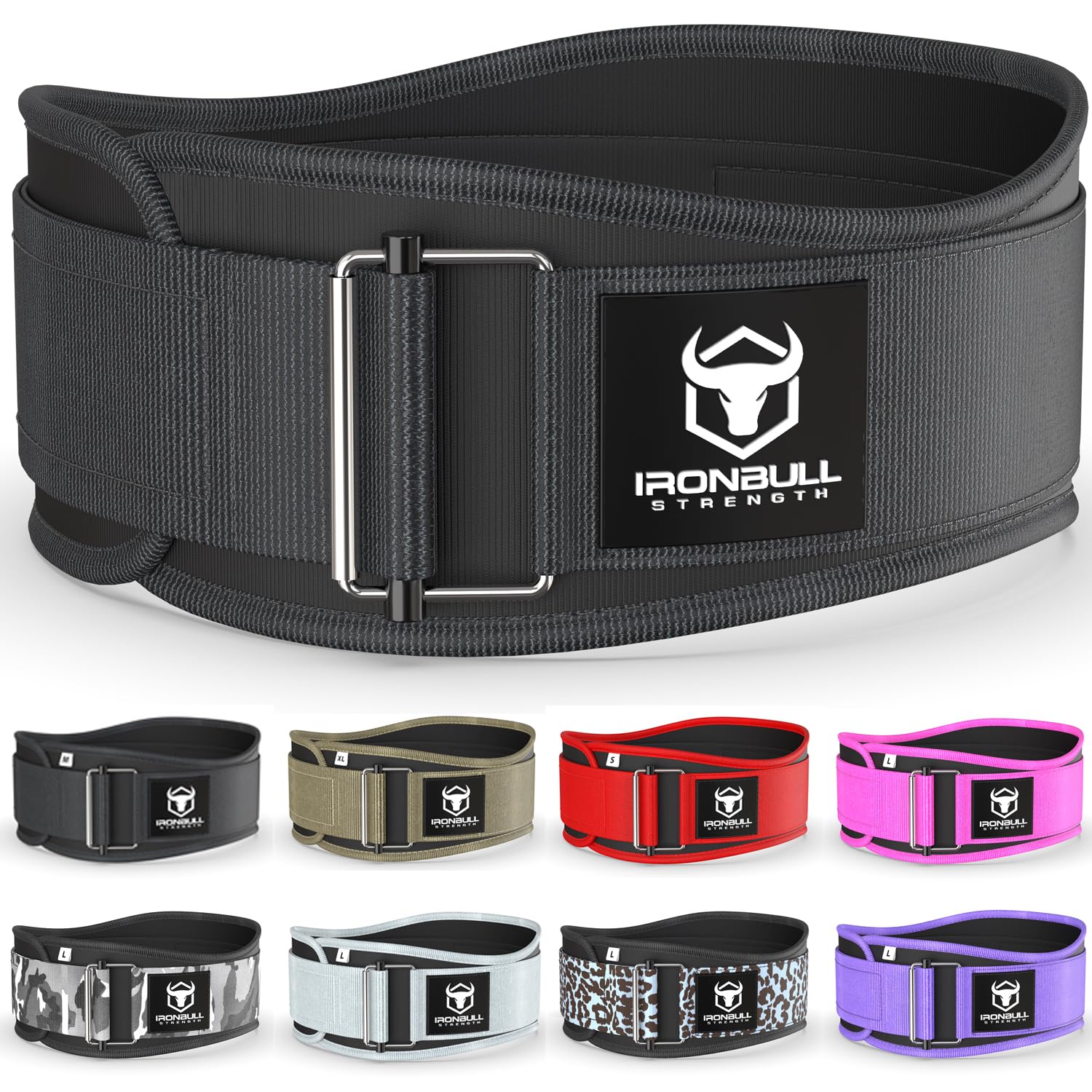
This Iron Bull Strength belt uses a unique combination of a buckle and hook-and-loop closure, giving you the quick adjustability of Velcro with the security of a buckle. At 4.5 inches wide, it offers ample coverage for squats and deadlifts, and the nylon construction is lightweight enough for dynamic cross-training movements.
The medium size fits a 35-inch waist, and the dual-closure system means you can cinch it tight for heavy sets and loosen it easily for foam rolling or mobility work between lifts. Nylon belts in this width-to-weight ratio work well for Olympic lifting where you need support without stiffness.
It’s also one of the more budget-friendly entries on this list, making it a solid starting point for newer lifters. The material holds up well under frequent use, though the buckle prongs are less robust than a traditional leather belt’s double-prong system.
Why it’s great
- Dual closure gives flexible fit
- Wider coverage at 4.5 inches
- Lightweight for dynamic training
Good to know
- Buckle less durable than full leather models
- Not competition-approved
7. Jaffick Weight Lifting Belt For Ladies (Pink Leather)

Designed specifically with a female anatomical fit in mind, this Jaffick belt features a 4-1/6-inch wide back that tapers to a narrower front, reducing pressure on the ribs and allowing a fuller range of motion for deadlifts. The 6mm genuine buffalo hide leather provides a good middle ground between flexibility and support, making it appropriate for both heavy squats and higher-rep training.
The double-prong steel buckle offers secure fastening across ten holes, and the suede padding on the inside adds comfort without adding bulk. The pink color and reinforced stitching give it a distinctive look that matches a lot of gym gear on the market.
The manufacturer explicitly warns against trusting your pant size, advising you to measure true waist size around the belly button. This belt is a strong option for women who find traditional straight-cut belts too bulky on the front, as the tapered shape solves that common complaint.
Why it’s great
- Anatomically tapered for women’s hips
- 6mm leather balances flex and stiffness
- Inside suede pad improves comfort
Good to know
- Color options limited to pink
- Leather requires break-in
FAQ
How should a lifting belt fit during squats versus deadlifts?
Is a 5mm or 7mm belt better for a beginner?
Can I wear a leather lifting belt for CrossFit or HIIT?
Final Thoughts: The Verdict
For most users, the lower back brace for working out winner is the Dark Iron Fitness Genuine Leather Belt because it blends competition-grade support with enough adjustability for everyday training. If you want a sweat-resistant option for high-volume work, grab the DMoose 5mm Suede Belt. And for competition-specific training where every gram of stiffness matters, nothing beats the Iron Bull Strength 7mm belt.