Most protein shakes pack so much sodium you might as well drink pickle juice. The real challenge is finding a drink that delivers muscle-rebuilding protein without spiking your blood pressure or leaving you bloated. Low-sodium options exist, but sorting the legit formulas from the marketing fluff requires checking the fine print on electrolytes, sugar substitutes, and protein sourcing.
I’m Emma — the founder and writer behind Baby Bangs. I’ve spent years analyzing nutritional drink labels, cross-referencing clinical specs with real-world taste tests, to separate genuine low-sodium protein drinks from those that just claim to be.
After filtering through dozens of options across ready-to-drink bottles and plant-based cartons, I narrowed the field to the seven formulas that actually deliver on their salt promise. This guide breaks down the best low-sodium protein drinks by protein type, digestive tolerance, and sugar content so you can pick the one that fits your daily targets.
How To Choose The Best Low-Sodium Protein Drinks
The low-sodium protein drink category is full of options that look good on the front label but hide unfavorable macros in the nutrition panel. To choose wisely, you need a clear picture of your dietary limits and which base ingredients naturally keep sodium low.
Check the Sodium Per Serving First
Most standard protein shakes land between 200 and 500 mg of sodium per bottle. A true low-sodium option should sit under 150 mg per serving, ideally closer to 50-100 mg. This matters especially if you are pairing the drink with other meals or using it as a meal replacement during a sodium-restricted diet.
Look at the Protein Source and Digestibility
Whey protein isolate is naturally lower in sodium than whey concentrate, and plant-based proteins like pea or almond milk often contain even less salt when no sodium additives are used. If you have lactose sensitivity, a dairy-free or lactose-free option prevents bloating regardless of the sodium count. The base ingredient also affects the thickness — milk-based shakes are creamier, while plant-based or clear protein waters are lighter.
Check for Added Sugars and Sweeteners
Low-sodium shakes sometimes compensate with extra sugar or artificial sweeteners to boost flavor. Look for options with no added sugar or sugar alcohols that can cause digestive upset. Stevia and monk fruit are clean choices, while sucralose or acesulfame potassium may leave an aftertaste. Aim for 1 g of sugar or less per serving if you want to keep insulin response stable.
Evaluate the Full Micronutrient Profile
A low-sodium protein drink that also delivers fiber, vitamins, and minerals is a better daily staple than one that just hits the protein number. Ingredients like prebiotic fiber, vitamin D, zinc, and electrolytes support immune function and digestive health. The best options fill nutritional gaps without relying on high salt content to carry the micronutrient load.
Quick Comparison
On smaller screens, swipe sideways to see the full table.
| Model | Category | Best For | Key Spec | Amazon |
|---|---|---|---|---|
| Ensure Max Protein Shake | Mid-Range | Muscle support with fiber | 30g protein, 4g fiber | Check Price |
| Premier Protein Non-Dairy Almondmilk | Mid-Range | Lactose-sensitive diets | 20g plant protein, 5g sugar | Check Price |
| Premier Protein Shake Chocolate | Mid-Range | Low sugar with rich flavor | 30g protein, no added sugar | Check Price |
| Kate Farms Organic High Protein | Premium | Organic allergen-free nutrition | 25g protein, 6g fiber, 0g sugar | Check Price |
| Slate Milk Classic Chocolate | Premium | Lactose-free real milk shake | 20g protein, 1g sugar | Check Price |
| Ready Clear Protein Water | Premium | Hydration & recovery | 20g whey isolate, zero sugar | Check Price |
| Soylent Complete Protein Shake | Premium | Vegan high-protein meal | 30g plant protein, 0g sugar | Check Price |
In‑Depth Reviews
1. Premier Protein Shake, Chocolate

Premier Protein Chocolate holds the benchmark spot because it balances 30 grams of protein with a sodium count that stays reasonable for daily use, all while using no added sugar. The whey protein blend creates a smooth, creamy texture that reviewers consistently compare to chocolate milk rather than a chalky supplement. Twenty-four vitamins and minerals back up the protein, making it a solid foundation for meal replacement or post-workout recovery.
The gluten-free formula uses ultrafiltration to concentrate milk proteins naturally, which helps keep the sodium content lower than many competitor shakes that rely on processed isolates with added salt. Reviewers note the chocolate flavor is consistently good without the metallic aftertaste that plagues many low-sugar protein drinks. The shake works as a quick breakfast, a midday snack, or a recovery tool after lifting.
One consideration is that the thickness may feel heavy compared to plant-based or clear protein options, and the dairy base means it is not suitable for strict vegans. For most low-sodium seekers, though, this shake delivers the best ratio of protein density, taste, and salt control in the mid-range tier.
Why it’s great
- 30g protein with only 1g sugar keeps macros tight
- Vitamin and mineral profile supports immune and bone health
- Consistent flavor without chalky aftertaste
Good to know
- Dairy-based — not suitable for lactose-intolerant or vegan diets
- Thicker texture may not appeal to those who prefer lighter drinks
2. Kate Farms Organic High Protein Chocolate
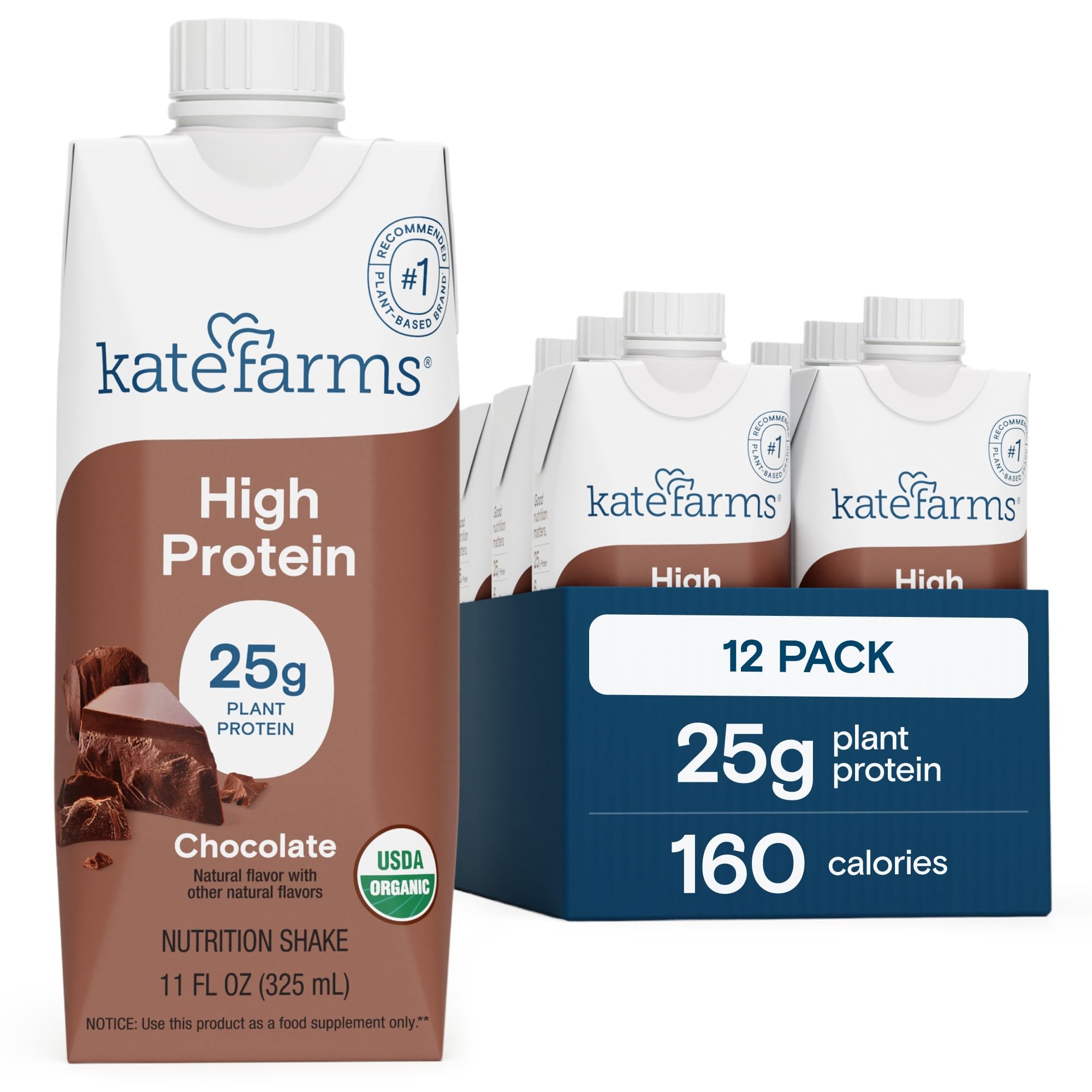
Kate Farms stands out because it is the only USDA Organic shake on this list, and it packs 25 grams of plant-based pea protein with zero sugar and 6 grams of fiber. The formula is free from dairy, soy, gluten, and the top nine common allergens, which makes it a safe choice for people with multiple food sensitivities. The organic certification also means no synthetic pesticides or GMOs touch the protein source.
The pea protein base delivers a smooth, slightly earthy flavor that blends well with cocoa, and the lack of artificial sweeteners means no chemical aftertaste. Kate Farms also includes a phytonutrient extract blend from broccoli, kale, berries, and turmeric, which adds antioxidant value beyond standard protein shakes. The 160-calorie count makes it easy to fit into a low-sodium meal plan without sacrificing nutrition density.
The main trade-off is price — this is a premium product per bottle — and the texture is less creamy than dairy-based shakes. It also has a slightly thinner consistency that some drinkers find less satisfying. For those who prioritize organic ingredients and need a truly allergen-free low-sodium protein drink, this is the top choice.
Why it’s great
- USDA Organic and Non-GMO Project Verified
- Free from top 9 allergens — dairy, soy, gluten, and more
- 6g prebiotic fiber supports digestion
Good to know
- Premium pricing per single serving
- Thinner, less creamy texture than milk-based shakes
3. Ensure Max Protein Shake, Milk Chocolate

Ensure Max Protein delivers 30 grams of protein with only 1 gram of sugar and adds 4 grams of prebiotic fiber, making it a strong contender for anyone managing blood sugar or digestive health. The formula is fortified with 25 vitamins and minerals, including zinc, vitamins A and D, and selenium, which support immune function. Abbott Nutrition’s reputation as the number one doctor-recommended brand in the nutritional drink space adds credibility for clinical use.
The milk chocolate flavor is familiar and mild, without the artificial aftertaste that sometimes comes with high-fiber shakes. The prebiotic fiber helps feed beneficial gut bacteria, which is a practical benefit for daily drinkers who want both protein and digestive support. The sodium content is well controlled relative to the protein load, making it a solid choice for low-sodium meal plans.
On the downside, the shake contains dairy, so it is not suitable for those with lactose intolerance or vegan preferences. The consistency is moderately thick, which some drinkers find filling but others find heavy. For a grocery-store accessible option that balances protein, fiber, and low sugar, this is a reliable daily drink.
Why it’s great
- 30g protein plus 4g prebiotic fiber in one bottle
- Fortified with 25 vitamins and minerals
- Trusted brand recommended by doctors
Good to know
- Contains dairy — not for lactose-sensitive individuals
- Thick texture may not suit every preference
4. Premier Protein Non-Dairy Plant Based Almondmilk
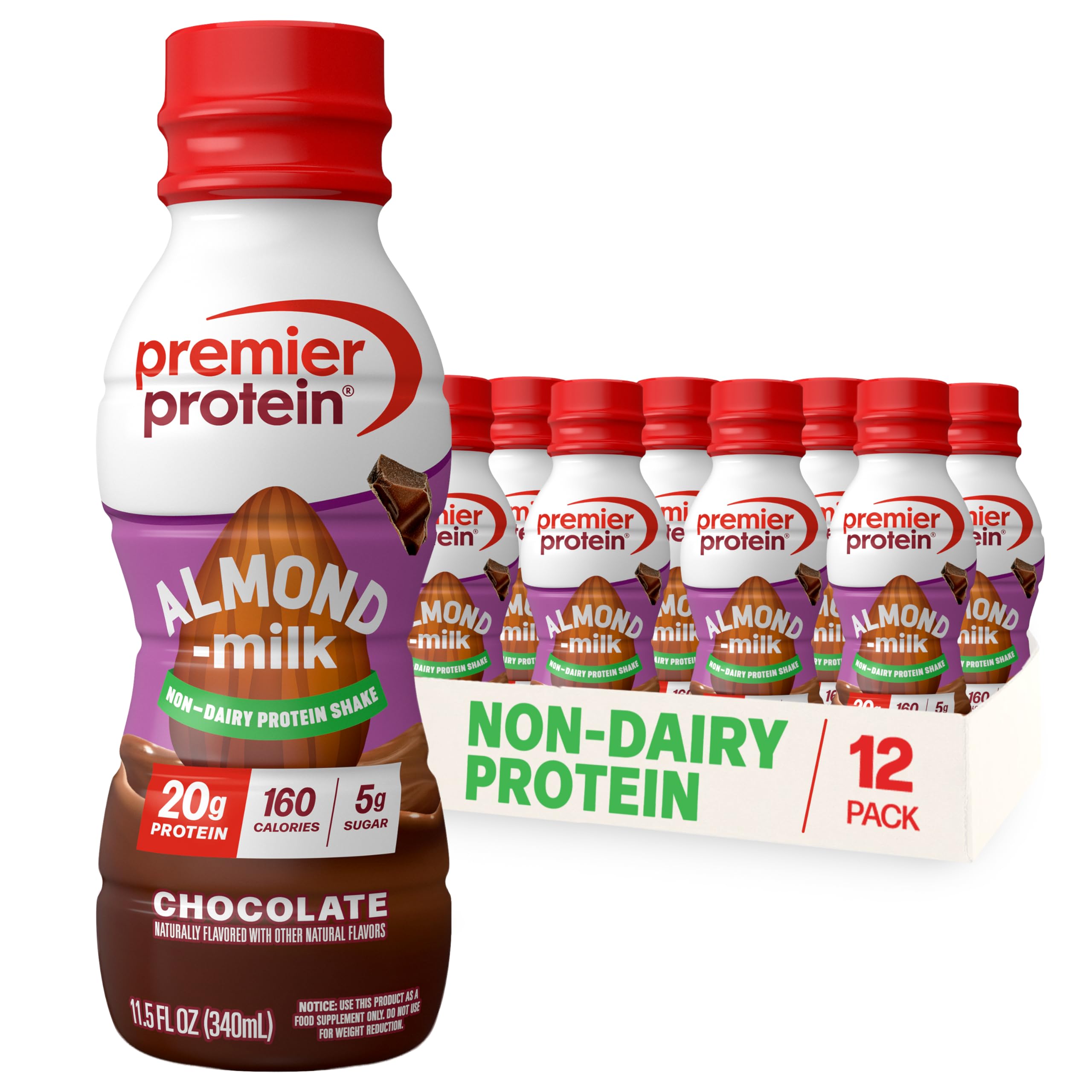
Premier Protein’s non-dairy version switches the base from milk to almondmilk, creating a shake that is lactose-free and still delivers 20 grams of plant-based protein with only 5 grams of sugar. The chocolate flavor is designed to avoid the grainy texture common in almondmilk protein shakes, and early reviews confirm it tastes close to the original dairy version. The formula avoids artificial flavors, colors, and sweeteners, which matters for clean-label shoppers.
The switch to almondmilk naturally lowers the sodium content compared to many whey-based competitors, making this a smart pick for anyone watching their salt intake while avoiding dairy. The 160-calorie count keeps it light enough for a snack without weighing you down. Reviewers also note that this version does not trigger lactose intolerance symptoms, which is a common complaint with standard protein shakes.
Some tasters note a slightly grainy mouthfeel compared to the regular Premier Protein, and the protein count is lower at 20 grams versus the classic 30 grams. The price per bottle is also slightly higher than the dairy equivalent. For those who need a plant-based, low-sodium protein drink that tastes good, this is a strong candidate.
Why it’s great
- Non-dairy almondmilk base is gentle on digestion
- No artificial sweeteners, colors, or flavors
- Tastes close to the original dairy version
Good to know
- Lower protein count — 20g versus 30g in dairy version
- Slightly grainy texture when not shaken well
5. Slate Milk Classic Chocolate
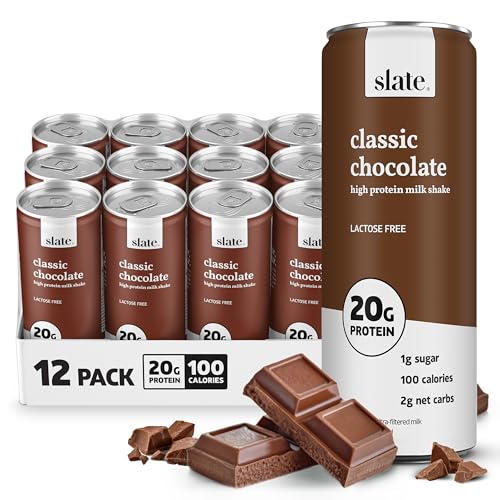
Slate Milk rethinks the classic chocolate milk by using ultrafiltration to remove lactose and concentrate milk proteins, resulting in 20 grams of protein with only 1 gram of sugar and 100 calories. The ultrafiltration process naturally keeps sodium lower than many processed protein isolates, and the stevia and monk fruit sweeteners avoid the aftertaste of artificial alternatives. The canned format also stays shelf-stable without refrigeration.
The flavor profile is the closest to real chocolate milk of any low-sugar protein drink on the market, which makes it an easy transition for people who normally drink traditional chocolate milk but want a low-sodium, low-sugar option. Added electrolytes and essential vitamins fill the nutritional gap without relying on salt or sugar. The 2 grams of net carbs also make it keto-friendly.
The protein count is lower than some competitors at 20 grams, so it may not be enough for those seeking a full meal replacement or heavy post-workout recovery. The canned packaging also requires a can opener, which is less convenient than twist-top bottles. For a clean-label, lactose-free milk shake that tastes like real chocolate milk, Slate is a standout.
Why it’s great
- Tastes like real chocolate milk with minimal sugar
- Lactose-free and shelf-stable without preservatives
- Low net carbs — good for keto diets
Good to know
- Only 20g protein per can
- Requires a can opener — not as portable as twist-top bottles
6. Ready Clear Protein Water, Black Cherry
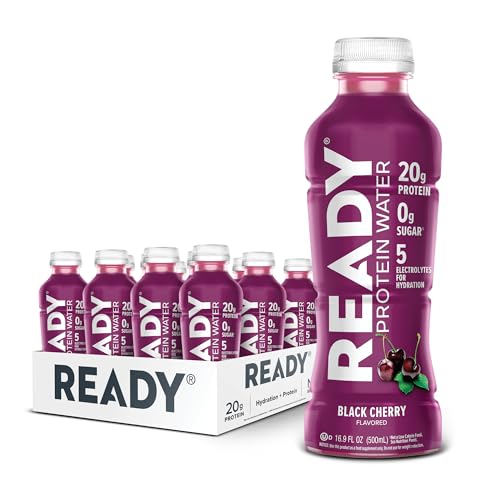
Ready Clear Protein Water takes a completely different approach by suspending 20 grams of whey protein isolate in a fruit-flavored water base instead of a thick milk shake. The result is a clear, light beverage that hydrates and provides protein without the heaviness or bloating. It contains zero sugar, only 90 calories, and includes five key electrolytes to support recovery after intense exercise.
The whey protein isolate is the most bioavailable form of protein, meaning your body absorbs it quickly for muscle repair, and the absence of milk solids naturally keeps the sodium content very low. The black cherry flavor is crisp and refreshing, making it easy to drink during or after a workout. The formula is also NSF certified for quality, which adds independent verification of the clean ingredient profile.
Because it is a clear protein water, the texture is thin and watery — anyone expecting a creamy shake will be disappointed. The protein count is moderate at 20 grams, and the fruit flavor may not appeal to those who want a neutral or chocolate taste. For athletes and active individuals who prioritize hydration alongside protein, this is a unique and effective low-sodium option.
Why it’s great
- Light, clear texture avoids bloating and heaviness
- Zero sugar and only 90 calories per bottle
- Five electrolytes support hydration and recovery
Good to know
- Not a creamy shake — thin liquid consistency
- Only 20g protein per serving
7. Soylent Complete Protein Shake, Vanilla

Soylent Complete Protein Shake delivers 30 grams of plant-based protein with zero grams of sugar, making it one of the highest-protein vegan options in the low-sodium space. The formula contains all nine essential amino acids with 5 grams of BCAAs, which supports muscle building and recovery without relying on dairy. The vanilla flavor is mild and versatile, suitable for drinking straight or blending into smoothies.
The nutrition profile also includes 28 vitamins and minerals plus 1000 mg of omega-3 and omega-6 fatty acids for heart health. The shakes are gluten-free, dairy-free, nut-free, and kosher, making them one of the most inclusive options for people with multiple dietary restrictions. The low GI rating means the slow-burning carbs won’t spike blood sugar, which pairs well with a low-sodium eating plan.
The main drawbacks are the premium price per bottle and the plant-based texture, which is slightly thinner and less creamy than whey-based shakes. Some drinkers also note a mild bean-like aftertaste from the pea protein. For vegan shoppers who need a high-protein, low-sodium drink that also delivers complete nutrition, this is the strongest choice in the premium tier.
Why it’s great
- 30g plant-based protein with all essential amino acids
- Zero sugar and 0g total sugars
- Free from dairy, gluten, nuts, and soy
Good to know
- Thinner texture compared to whey-based shakes
- Mild bean-like aftertaste from pea protein
FAQ
How much sodium is too much in a protein drink for a low-sodium diet?
Can low-sodium protein drinks still taste good?
Are plant-based low-sodium protein drinks better than whey-based options?
How do I know if a protein drink has hidden sodium?
Final Thoughts: The Verdict
For most users, the best low-sodium protein drinks winner is the Premier Protein Shake, Chocolate because it combines 30g of protein, no added sugar, and a well-controlled sodium profile in a smooth, great-tasting dairy shake. If you want an organic, allergen-free option, grab the Kate Farms Organic High Protein. And for a hydrating, shake-free alternative that delivers protein without bloating, nothing beats the Ready Clear Protein Water.