A shampoo’s pH level is the silent assassin of color-treated hair—every wash either locks in vibrancy or opens the cuticle and lets it bleed down the drain. For anyone who has watched expensive salon color fade to brass in under two weeks, the culprit is almost always a high-alkaline detergent stripping the hair shaft from the inside out.
I’m Emma — the founder and writer behind Baby Bangs. I’ve spent the last three years analyzing surfactant profiles, pH buffer systems, and certification standards across hundreds of commercial shampoos to separate marketing claims from actual scalp science.
Getting the pH wrong costs you fade, frizz, and a compromised scalp barrier. This guide breaks down five expertly vetted bottles so you can confidently choose a low-ph shampoo that protects your color and soothes your scalp with every lather.
How To Choose The Best Low-pH Shampoo
The first mistake buyers make is assuming “sulfate-free” automatically means low pH. Surfactant type is only half the equation—the formula’s buffering system determines whether the final pH settles near 4.5–5.5 or climbs above 6.5. A shampoo can be free of SLS yet still register alkaline enough to swell the cuticle and strip color.
Check the Certified pH Range
Look for brands that explicitly state a pH range on the bottle or product description. A true low-pH shampoo should fall between 4.5 and 5.5, mirroring the scalp’s natural acid mantle. Anything above 6.0 starts to open the cuticle, which accelerates color fading and increases frizz. Some premium formulas even list their tested pH value—a strong signal of quality control.
Surfactant Profile Matters More Than Hype
The primary cleansing agent dictates how the formula interacts with your scalp and hair. Harsh anionic surfactants like sodium lauryl sulfate (SLS) and sodium C14-16 olefin sulfonate are high in pH and strip natural oils. Instead, seek out gentle amphoteric or non-ionic surfactants such as cocamidopropyl betaine, decyl glucoside, or sodium cocoyl isethionate. These clean effectively without disrupting the scalp microbiome or lifting the cuticle.
Preservatives and Their Role in pH Stability
Weak acid preservatives like sodium benzoate and potassium sorbate naturally buffer the formula toward a lower pH. When you see these on the ingredient list, it’s a good sign the brand is actively maintaining the formula’s acidity throughout its shelf life. Conversely, preservatives like DMDM hydantoin or methylchloroisothiazolinone often appear in formulas that require a higher pH to remain stable.
Quick Comparison
On smaller screens, swipe sideways to see the full table.
| Model | Category | Best For | Key Spec | Amazon |
|---|---|---|---|---|
| Ingreendients Natural Shampoo | Premium Organic | Everyday pH balance | pH 4.5–5.5 range | Amazon |
| Phillip Adam Fragrance Free Shampoo | Premium Scent-Free | Sensitive scalp | Acidified apple cider base | Amazon |
| L’Oreal Paris Bond Repair+ Shampoo | Mid-Range Repair | Damaged color-treated hair | Amino acid complex | Amazon |
| BioSilk Color Therapy Shampoo | Mid-Range Color Care | Dry, dyed hair | Rooibos + bamboo extract | Amazon |
| Biotera Ultra Color Care Shampoo | Budget Color Safe | Vivid color longevity | Microbiome-friendly certified | Amazon |
In‑Depth Reviews
1. Ingreendients Natural Shampoo
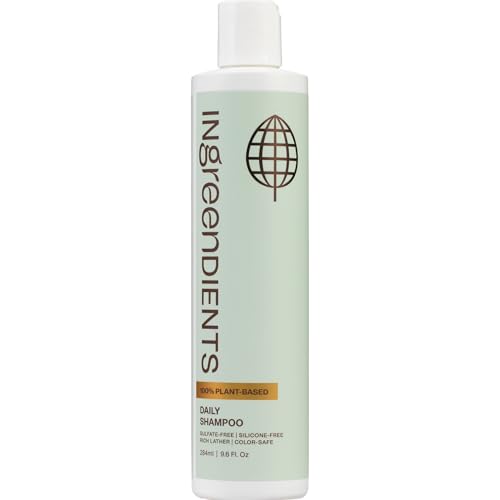
Ingreendients nails the foundation of low-pH cleansing with a formula buffered to 4.5–5.5 using apple cider vinegar and organic aloe vera. The tea tree oil provides natural antimicrobial support for the scalp without raising the pH, and the creamy lather comes from decyl glucoside rather than harsh sulfates. It’s one of the few formulas that explicitly states its pH range on the label—a level of transparency that instills confidence.
Every bottle is packaged in 100% recycled plastic, and the brand is carbon-neutral, which adds genuine sustainability value without compromising performance. The unscented core with a subtle botanical note means it works well for those who react to synthetic fragrances. On color-treated hair, this shampoo preserves vibrancy noticeably better than standard drugstore options because it never forces the cuticle open.
The 1.13-ounce package dimension looks small, but the concentrated formula means a dime-sized amount produces enough lather for shoulder-length hair. Users with sensitive scalps report reduced redness and flaking within two weeks of daily use. For anyone seeking a true low-pH staple, this is the most complete option on the list.
Why it’s great
- Explicit pH range printed on bottle (4.5–5.5)
- Organic, plant-derived surfactant system
- Carbon-neutral and 100% recycled packaging
Good to know
- Concentrated formula requires less product per wash
- Tea tree scent may be noticeable to sensitive noses
2. Phillip Adam Fragrance Free Shampoo
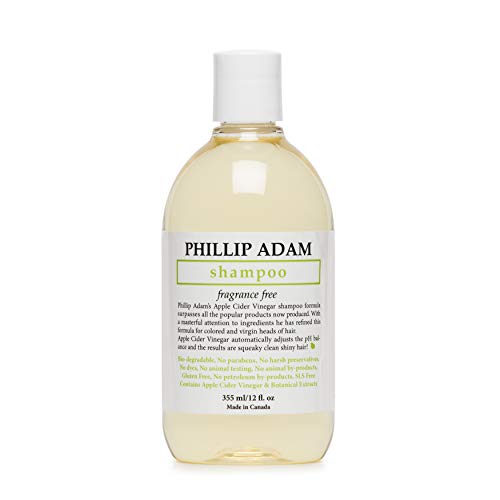
Phillip Adam strips away everything that can irritate—no sulfates, parabens, preservatives, silicones, phthalates, or dyes—while using apple cider vinegar as the primary pH adjuster. The result is a completely fragrance-free wash that lands in the low-pH zone without relying on synthetic buffers. Pea protein adds a lightweight strengthening element that many sulfate-free shampoos lack, helping to reinforce the hair shaft between color treatments.
The lather is modest compared to high-sudsing mainstream brands, which is a hallmark of gentle surfactants. This shampoo works exceptionally well for those with fragrance sensitivities or contact dermatitis because the ingredient list is as short as a premium cleanser gets. The biodegradable formula also means it’s safe for septic systems and won’t accumulate in waterways.
At 12 ounces per bottle, the value is solid for a premium unscented formula. The main trade-off is that it performs best as a daily cleanser—if you have heavy product buildup from gels or waxes, you may need to double-lather. Still, for a low-pH option that zeroes in on scalp sensitivity, this is the sharpest pick available.
Why it’s great
- Completely fragrance-free and dye-free
- Apple cider vinegar acidifies without synthetic stabilizers
- Biodegradable and suitable for sensitive scalp
Good to know
- Light lather may require a second pass for heavy buildup
- Not ideal for those who prefer a scented wash experience
3. L’Oreal Paris EverPure Bond Repair+ Shampoo
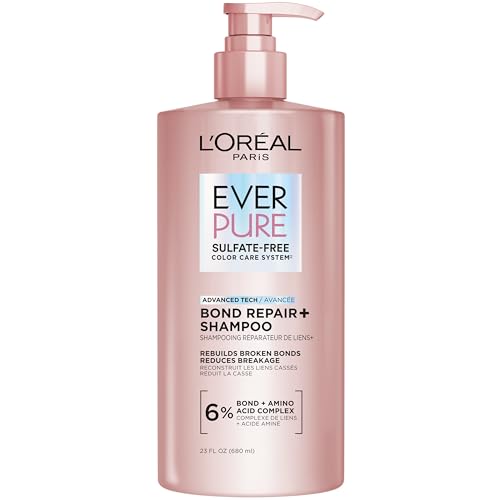
L’Oreal’s Bond Repair+ goes beyond basic low-pH cleansing by incorporating an amino acid complex designed to mend broken disulfide bonds inside the hair shaft. This is particularly valuable for anyone with bleached, over-processed, or repeatedly color-treated hair where the cuticle is already compromised. The sulfate-free platform ensures the formula stays gentle enough for weekly use without over-stripping.
The scent profile of rose and sandalwood is more sophisticated than typical drugstore fragrances, and the 23-ounce bottle provides exceptional volume for the mid-range tier. L’Oreal has also avoided DMDM hydantoin, added phthalates, and gluten ingredients, making this a safer choice for those monitoring their ingredient exposure. The bond-repair technology sets it apart from standard color-safe shampoos because it actively strengthens while cleaning.
One note: the formula is thicker than many sulfate-free options, so you need to emulsify it in your palms before applying to wet hair. Users with fine hair report that it doesn’t weigh strands down, while those with coarse curls notice increased manageability after two weeks. For a low-pH shampoo that doubles as a treatment, this is the most functional all-rounder.
Why it’s great
- Amino acid complex repairs internal hair bonds
- 23-ounce bottle offers strong value per wash
- Free of sulfates, parabens, and gluten ingredients
Good to know
- Thick consistency requires thorough emulsification
- Fragrance may be too strong for unscented purists
4. BioSilk Color Therapy Shampoo
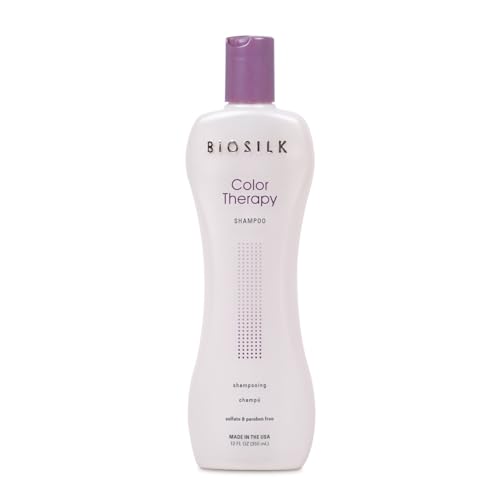
BioSilk’s Color Therapy formulation pairs gentle surfactants with rooibos, bamboo extract, and silk protein to protect color while delivering noticeable softness. This is the shampoo that customers consistently report keeps their hair from turning brassy—direct evidence that the low-pH profile is effective at preventing the alkaline swelling that lifts warm tones. The silk protein adds a slip that makes detangling easier, reducing mechanical breakage during washing.
Users with very different hair textures—from fine and straight to thick and curly—both report positive results, which suggests the formula’s pH is well-buffered across hair types. The 12-ounce bottle lasts for months even with daily use, and the gentle cleansing action means it’s safe for alternating with deeper clarifying treatments without over-drying. The absence of sulfates and parabens is standard for this tier, but the addition of rooibos as a natural UV and antioxidant source is a unique differentiator.
The main caveat is that the formula includes a light fragrance, so those with extreme scent sensitivities may want to test a small amount first. For the price, this is the most reliable mid-range option for anyone who wants a low-pH shampoo that visibly extends the life of salon color between visits.
Why it’s great
- Rooibos and bamboo extract provide natural UV protection
- Silk protein improves slip and reduces breakage
- Proven track record for preventing brassiness
Good to know
- Contains light fragrance—not suitable for scent-free needs
- 12-ounce bottle is smaller than some competitors
5. Biotera Ultra Color Care Shampoo
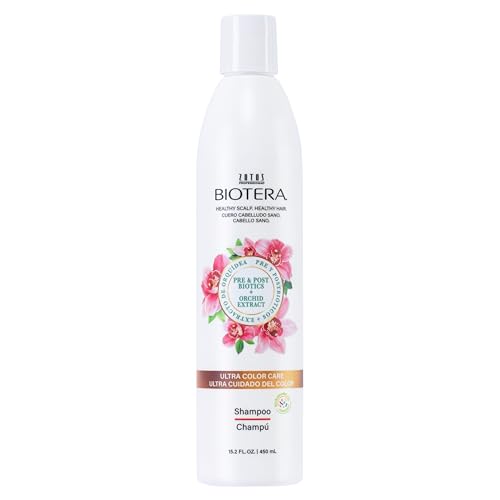
Biotera stands out as the most budget-conscious entry in this guide, yet it carries an unusual credential: Microbiome-Friendly certification. This means the formula has been tested to preserve the delicate bacterial ecosystem of the scalp, which directly correlates with a low-pH, low-irritation profile. The free-from list is comprehensive—no SLS, SLES, parabens, or animal testing—and the brand claims the formula prolongs color vibrancy by up to 89% over standard shampoos.
The 15.2-ounce bottle provides generous volume for the price point, and the Zotos Professional manufacturing backs it with salon-level quality control. On the scalp, it feels noticeably less stripping than typical drugstore color-safe options—likely because the microbiome-friendly certification requires maintaining a pH below 5.5. Users with sensitive scalps who react to other sulfate-free shampoos often tolerate this one well.
The downside is that the formula doesn’t include any bond-repair or protein-strengthening ingredients, so it’s purely a gentle cleanser rather than a treatment. For someone who just needs a reliable, affordable low-pH shampoo to protect color without fuss, this is a solid pick. The lack of explicit pH documentation on the label is the only transparency gap compared to the premium options.
Why it’s great
- Microbiome-Friendly certified for scalp health
- Affordable price point with 15.2-ounce volume
- Free of sulfates, parabens, and animal testing
Good to know
- No bond-strengthening or protein ingredients
- Explicit pH range not printed on the bottle
FAQ
What pH level should a low-pH shampoo have?
Can low-pH shampoo help with an oily scalp?
Is sulfate-free the same as low-pH?
How often should I use a low-pH shampoo on color-treated hair?
Final Thoughts: The Verdict
For most users, the best low-ph shampoo overall is the Ingreendients Natural Shampoo because it combines a verified pH range of 4.5–5.5 with organic plant-based surfactants, carbon-neutral packaging, and genuine scalp-soothing ingredients. If you need a completely fragrance-free formula for sensitivity, grab the Phillip Adam Fragrance Free Shampoo. And for damaged color-treated hair that needs bond repair alongside gentle cleansing, nothing beats the L’Oreal Paris Bond Repair+ Shampoo.