The running shoe industry spent decades convincing you that a 10-to-12mm heel-to-toe drop was normal. It’s not—it’s a crutch. Low-drop shoes (0–4mm) force your body to run the way it evolved to: midfoot or forefoot first, with a natural gait cycle that unloads your knees and hips. If you’re battling knee pain, tight hip flexors, or chronic shin splints, the problem isn’t your running form—it’s the wedge under your heel.
I’m Emma — the founder and writer behind Baby Bangs. I’ve spent the last three years dissecting running shoe geometry, analyzing ground-contact feel, foam compound density, and drop-specific build geometry across every major brand targeting natural running mechanics.
This guide features nine models that keep your heel where it belongs—level with your forefoot. Whether you’re logging daily pavement miles or tackling rocky singletrack, finding the right pair of low-drop running shoes means choosing a ramp angle measured in millimeters, not inches, and feeling the difference in every stride.
How To Choose The Best Low-Drop Running Shoes
Dropping ten millimeters sounds subtle, but it rewrites your entire running biomechanics. Buying low-drop shoes without understanding ramp angle, stack height, and toe-box volume is like buying a road bike without checking the gear ratios—you’ll end up fighting the very design meant to help you. Here’s what actually separates a smart purchase from a regrettable one.
Drop Number: The Only Number That Matters
Heel-to-toe drop is the height difference between the heel and forefoot cushioning. A 12mm shoe places your heel 12mm higher than your toes, promoting a heel-strike gait. Dropping to 4mm or less shifts impact forward, reducing knee torque by up to 25% in some gait studies. Beginners to low-drop should start at 4–5mm before moving to zero-drop models. The Terraventure 4 uses a 3mm drop that feels aggressive but stable on uneven terrain, while the Phantom 4 sits at 5mm—a forgiving entry point for road runners transitioning down.
Stack Height and Ground Feel
Low drop does not mean low cushion, but the two often arrive together. Stack height—measured in millimeters from footbed to ground—determines how much foam sits between you and the road. A high stack (above 25mm) with a 4mm drop dampens impact but dulls ground feedback. A low stack (15–20mm) delivers sensory connection but demands stronger lower-leg musculature. Shoes like the Escalante 4 hit a middle ground with 24mm stack and zero drop, offering enough foam for daily miles without losing the feel of the pavement.
Toe Box Shape and Splay Room
When your heel and forefoot sit at the same level, your toes bear more load during push-off. A tapered toe box compresses your metatarsals and forces your big toe inward, undermining the entire low-drop advantage. Look for foot-shaped lasts—Altra’s Original FootShape or Topo Athletic’s anatomical toe boxes—that let your toes splay naturally. The Xero HFS II is a zero-drop shoe with a generous splay zone, while the Brooks Anthem 8 keeps a more traditional, slightly snugger fit that works for narrower feet transitioning into low-drop geometry.
Outsole Rubber and Grip Pattern
Low-drop trail shoes place your foot closer to the ground, which means less rubber volume between you and sharp rocks. Check for Vibram or proprietary rubber compounds with 4mm-plus lugs if you’re buying for trail use. The Topo Terraventure 4 uses a Vibram outsole with aggressive traction. Road shoes can rely on blown rubber or thin carbon-rubber blends that shave weight without sacrificing durability on asphalt.
Quick Comparison
On smaller screens, swipe sideways to see the full table.
| Model | Category | Best For | Key Spec | Amazon |
|---|---|---|---|---|
| ALTRA Torin 8 (W) | Road | Plush zero-drop daily trainer | 0mm drop, 28mm stack | Amazon |
| Topo Athletic Phantom 4 | Road | Roomy toe box road running | 5mm drop, 28mm stack | Amazon |
| ALTRA Escalante 4 (M) | Road | Lightweight zero-drop tempo run | 0mm drop, 24mm stack | Amazon |
| FLUX FOOTWEAR Adapt | Road/Everyday | Minimalist zero-drop lifestyle runner | 0mm drop, thin sole | Amazon |
| ALTRA Experience Wild 2 (M) | Trail | Rugged zero-drop trail running | 0mm drop, MaxTrac outsole | Amazon |
| Xero Shoes HFS II (M) | Road | Barefoot-feel road training | 0mm drop, 17mm stack | Amazon |
| Xero Shoes Nexus Knit (M) | Everyday | Casual wear with low-drop feel | 0mm drop, knit upper | Amazon |
| Topo Athletic Terraventure 4 (M) | Trail | Technical trail with low drop | 3mm drop, Vibram outsole | Amazon |
| Brooks Anthem 8 (M) | Road | Entry-level low-drop transition shoe | 10mm drop, neutral support | Amazon |
In‑Depth Reviews
1. ALTRA Women’s Torin 8 Road Running Shoe
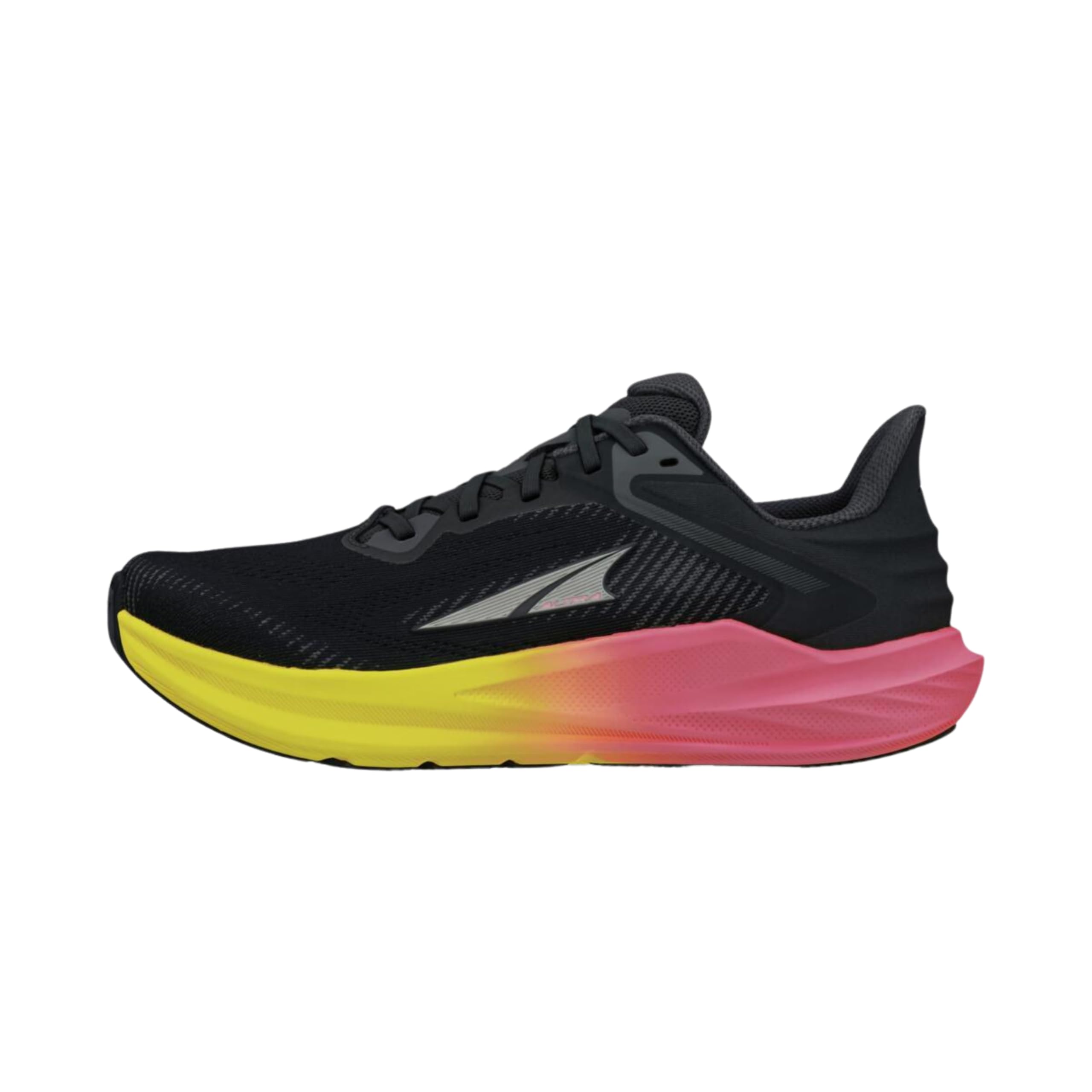
The Torin 8 sits at the premium edge of the low-drop category because ALTRA refuses to compromise on zero-drop integrity. With a true 0mm drop and a 28mm stack of their EGO Max foam, this shoe delivers the most plush zero-drop ride you’ll find—soft enough for recovery days, responsive enough for tempo efforts.
The women’s-specific last uses the Original FootShape toe box, which widens around the metatarsals without leaving your heel loose. That geometry is rare: most wide-toe shoes overdo volume. The 3-pound package weight feels lighter on foot, and the engineered mesh upper breathes well even during summer road runs.
If you’re coming from a 10mm drop shoe, the Torin 8’s firm heel counter and molded heel collar help your achilles transition by preventing slipping. The EGO Max foam is notably softer than the Escalante’s, which makes this a better daily trainer for runners who want zero-drop cushioning without a barefoot feel.
Why it’s great
- Plush zero-drop ride with 28mm of EGO Max foam
- Original FootShape toe box lets toes splay naturally
- Molded heel collar aids achilles transition
Good to know
- Women’s specific last may fit narrow for some wide-footed runners
- Heavier than the Escalante 4 by about 1oz
2. Topo Athletic Men’s Phantom 4
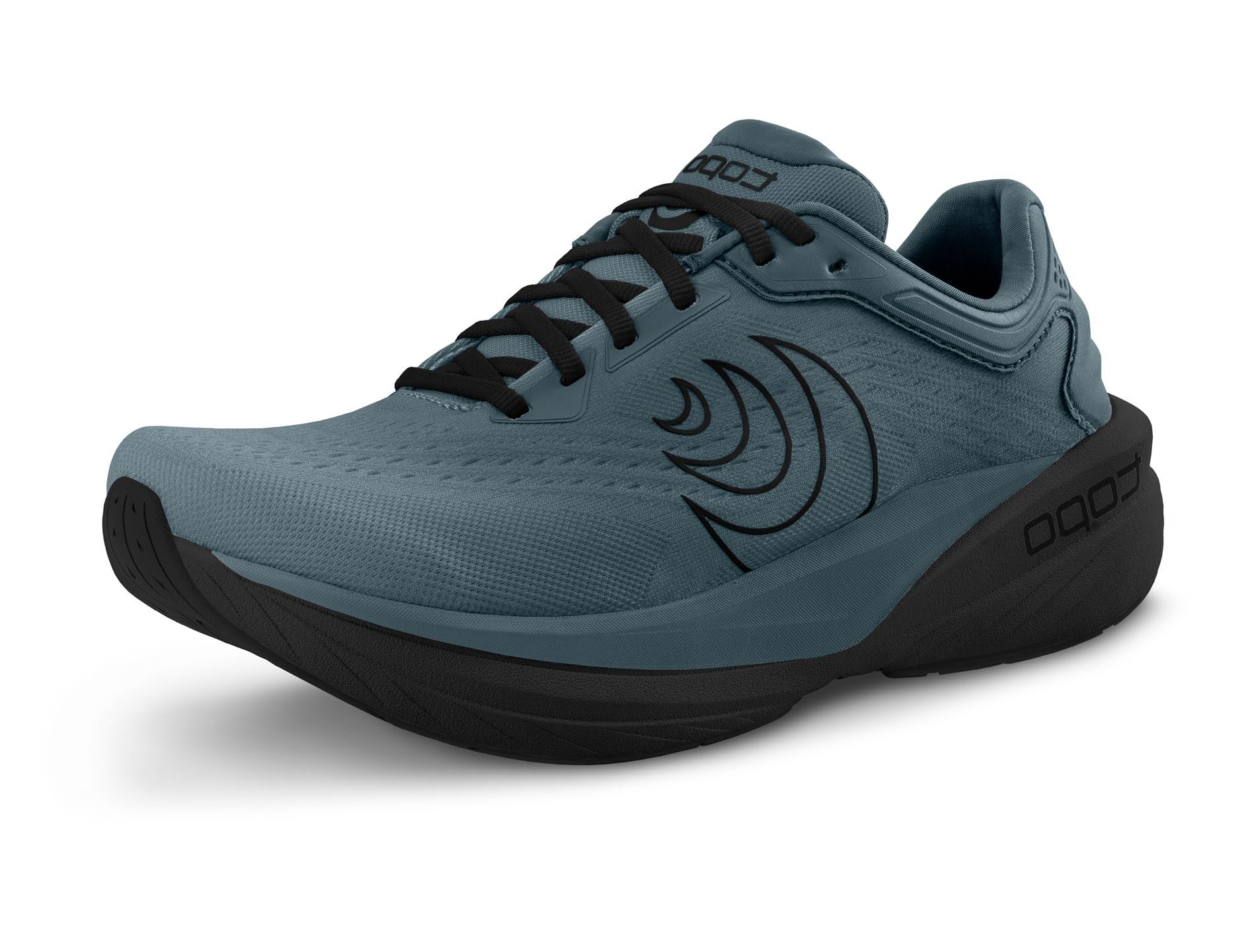
The Phantom 4 sits at 5mm drop, making it the best transitional low-drop shoe for runners who aren’t ready for zero. Topo Athletic uses a 28mm stack of their proprietary foam that feels firm underfoot but compliant at heel strike—exactly the density profile that prevents calf overload during the first month of low-drop adaptation.
The anatomical toe box is wider than ALTRA’s Original last, particularly in the midfoot. Runners with bunions or splay-friendly feet will appreciate the 40mm forefoot width that doesn’t taper until the pinky toe. The engineered mesh upper is thin enough to feel air moving through on hot pavement runs but reinforced around the lace eyelets for midfoot lockdown.
Road runners logging 20+ miles per week should note the Phantom 4’s outsole rubber is only placed in high-wear zones—the exposed midsole foam beneath the arch will show wear faster than full-cover outsole designs. It’s a weight-saving trade-off that lighter runners will appreciate and heavier runners may notice around the 200-mile mark.
Why it’s great
- 5mm drop is ideal for transitioning from traditional high-drop shoes
- Anatomical toe box offers exceptional midfoot width
- Lightweight mesh upper breathes well on long runs
Good to know
- Partial outsole coverage may accelerate midsole wear
- Firm feel might feel harsh to runners used to plush cushioning
3. ALTRA Men’s Escalante 4 Road Running Shoe
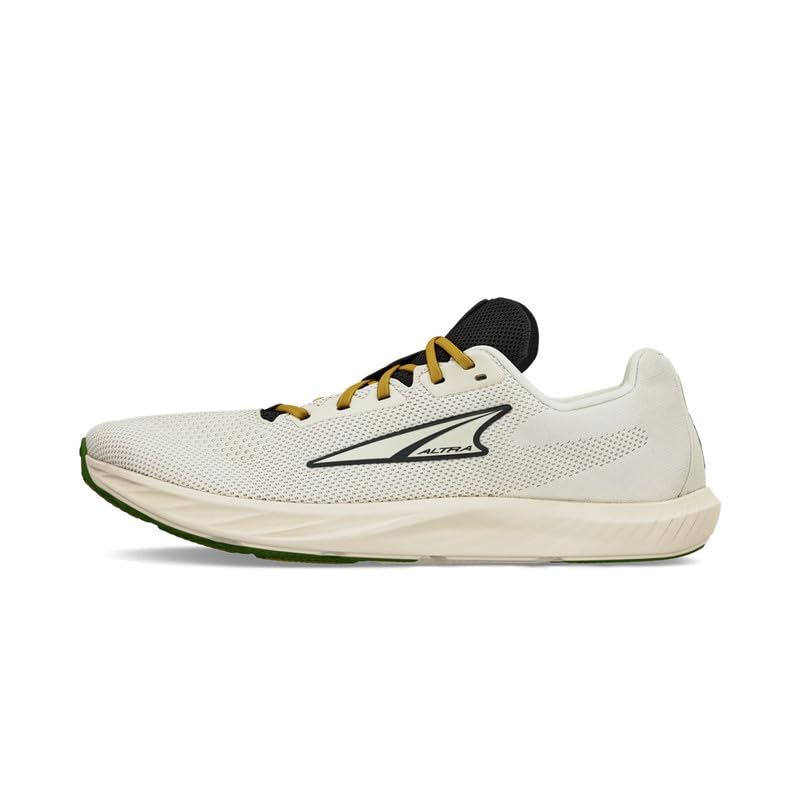
The Escalante 4 strips away the Torin’s plushness and replaces it with ground-connected feedback. At zero drop and 24mm of EGO foam, the stack is lower and denser than the Torin, creating a flexible platform that let you feel the road texture while absorbing high-frequency vibration. That makes this shoe a weapon for 5K–10K tempo sessions.
ALTRA moved the Original FootShape last onto a wider platform for the fourth generation. The result is a toe box that accommodates natural toe splay without feeling boxy. The knitted upper is less structured than the Torin’s, which some runners love for unrestricted flex and others find loose for fast cornering.
At roughly 9oz in a men’s size 9, the Escalante 4 is one of the lightest zero-drop road shoes with meaningful cushioning. The outsole uses a thin rubber strip in a longitudinal pattern that grips pavement well but shows wear faster than blown-rubber designs. Plan for replacement around 300 miles if you’re pushing tempo pace regularly.
Why it’s great
- 24mm stack hits ideal balance of cushion and ground feel
- Lightweight design shines for tempo and interval sessions
- Knitted upper adapts to foot shape without restricting movement
Good to know
- Thin outsole rubber wears faster than thicker alternatives
- Upper may feel unstructured for runners wanting firm lockdown
4. FLUX FOOTWEAR Adapt Runners
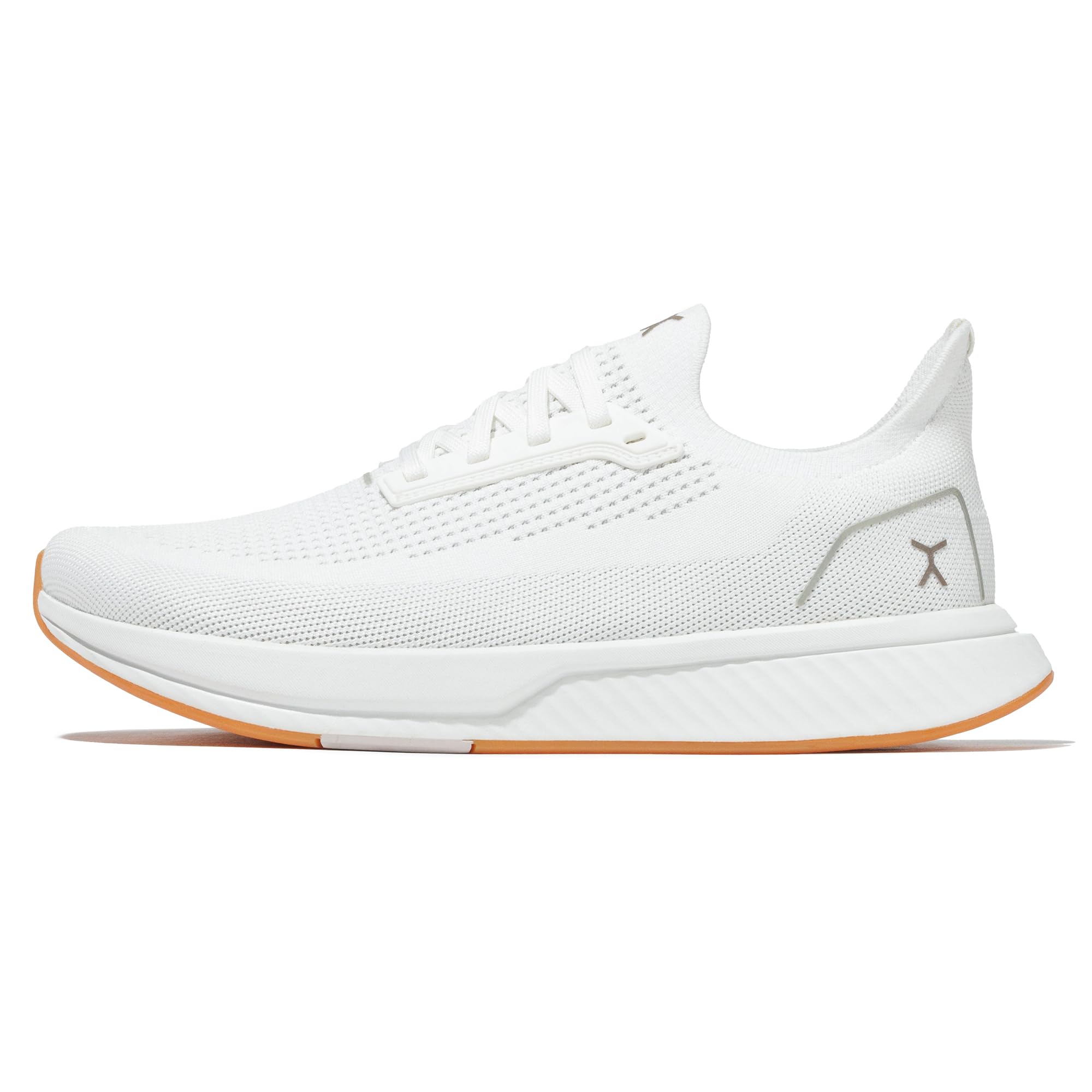
The Adapt Runners are not for runners who want plush foam. This is a barefoot-minimalist shoe built around 0mm drop and a sub-15mm stack with minimal rubber underfoot. The ground feel is immediate—you feel every pebble and pavement texture. FLUX designed this for the zero-drop purist who wants sensory connection even during easy miles.
The wide toe box uses a straight last shape that doesn’t taper at all through the metatarsals. Combined with a zero-drop platform and a flexible sole that bends at the metatarsal hinge, the Adapt encourages a forefoot strike naturally. The unisex sizing runs small relative to standard running shoes, so consider going half to a full size up from your usual running shoe size.
Durability is the trade-off. The outsole rubber thickness is thinner than the Xero HFS II, and the synthetic fabric upper lacks a proper heel counter. For road running up to 5 miles per session, the Adapt works beautifully. For half-marathon training, you’ll want more structure underfoot.
Why it’s great
- Exceptional ground feel with sub-15mm stack
- Unrestrictive toe box encourages natural foot splay
- Unisex design works for wide and narrow feet with sizing adjustment
Good to know
- Thin outsole and minimal heel counter reduce durability
- Lacks stack height for longer distances or heavier runners
5. ALTRA Men’s Experience Wild 2
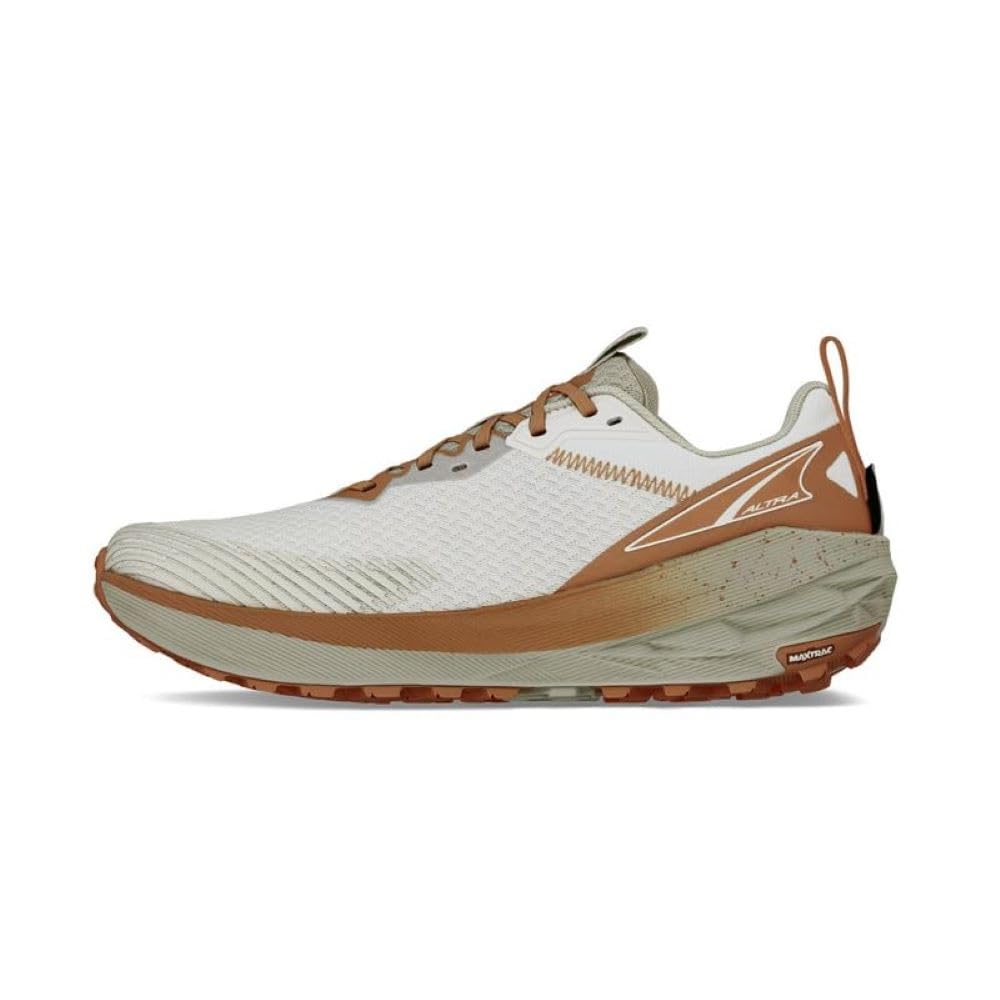
The Experience Wild 2 takes ALTRA’s zero-drop philosophy to the trail with a MaxTrac outsole that uses multi-directional lugs for loose dirt, granite slabs, and root-filled single track. The midsole foam is firmer than the Torin’s EGO Max, designed to provide stable footing on uneven terrain without absorbing too much energy from push-off.
ALTRA uses a 28mm stack here too, but the sidewall shaping tapers inward to create a more locked-in feel than the blocky silhouette of their older trail shoes. The reinforced toe cap protects the toes from rock strikes, and the mesh upper includes drainage ports that shed water faster after creek crossings.
Experience Wild 2 runs a half-size long, so narrow-footed runners should size down. The wide toe box remains generous, and the zero-drop platform rewards midfoot strikers with stable foot placement on technical descents. Heel strikers may feel jolted by the sudden contact point shift on steep downhills.
Why it’s great
- Zero-drop trail shoe with aggressive MaxTrac lug pattern
- Drainage-ready upper handles wet conditions
- Reinforced toe cap protects against rock strikes
Good to know
- Runs half-size long; narrow feet may need downsizing
- Zero-drop on steep descents feels unstable for heel strikers
6. Xero Shoes Men’s HFS II Barefoot Running Shoes
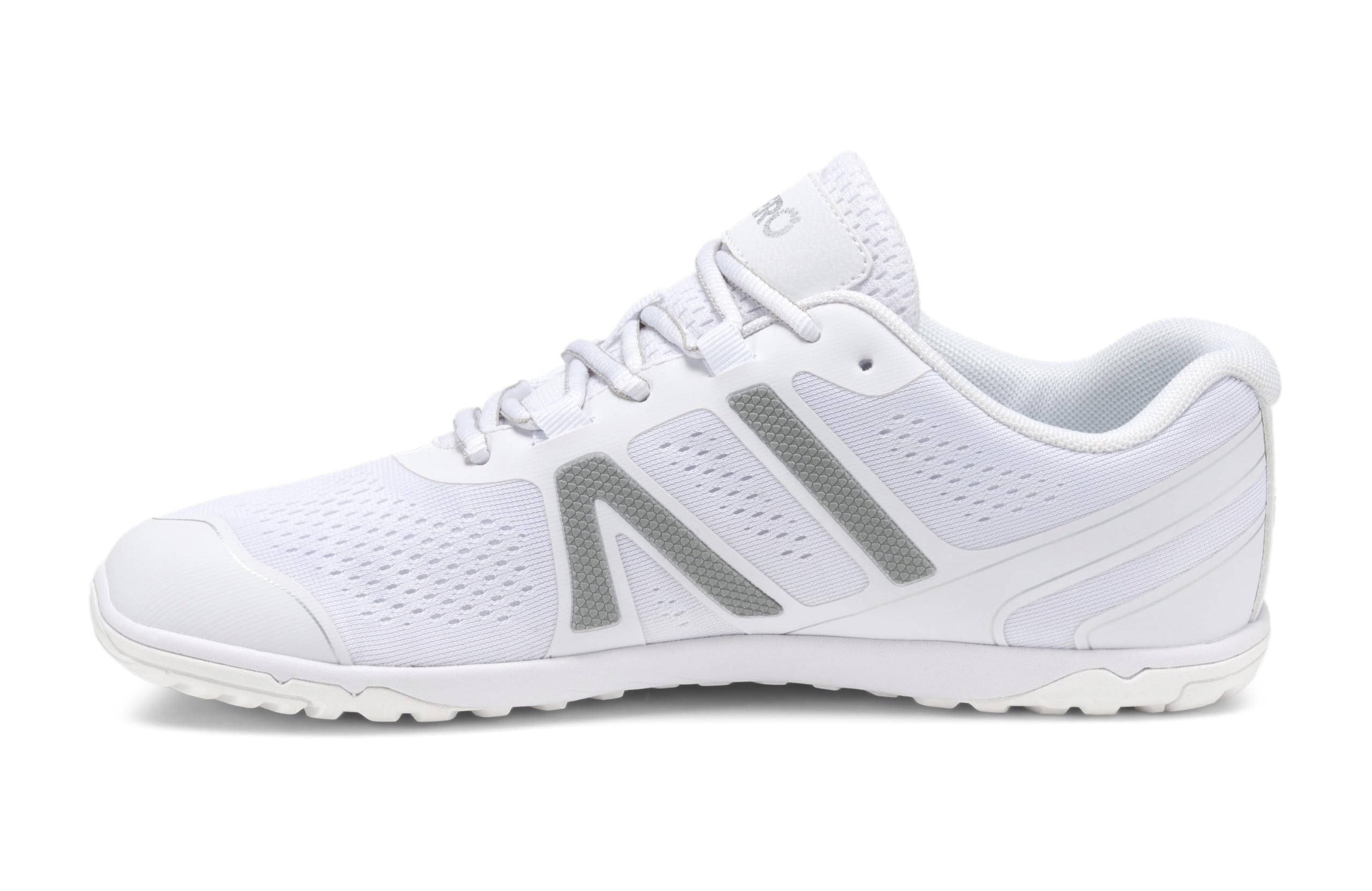
The HFS II is Xero’s most road-focused barefoot shoe, with a 17mm stack (including the 3.5mm insole) that delivers the lowest drop possible—literal zero—and barely any material between foot and asphalt. The thin high-abrasion rubber outsole flexes freely at the metatarsal hinge, which means it’s not a shoe you run in; it’s a shoe you run with, feeling every surface transition of your stride.
The rubber outsole compound has excellent grip on dry pavement and light gravel but demands careful foot placement on wet metal grates or polished stone. The upper uses a combination of engineered knit and TPU overlays that provide just enough structure to keep the foot planted without restricting natural flex.
Comfort comes from the 5mm removable insole and the wide toe box that mirrors a bare foot’s resting shape. Transition runners coming from 8mm-plus drop models should expect significant calf and achilles loading for the first two weeks. Build up your mileage gradually—the HFS II rewards patience with stronger intrinsic foot muscles.
Why it’s great
- True zero-drop barefoot experience with 17mm total stack
- Wide toe box mimics natural foot shape
- High-abrasion rubber outsole flexes with the foot
Good to know
- Slippery on wet stone or polished metal
- Transition from high-drop requires gradual mileage buildup
7. Xero Shoes Men’s Nexus Knit Barefoot Athleisure Shoe
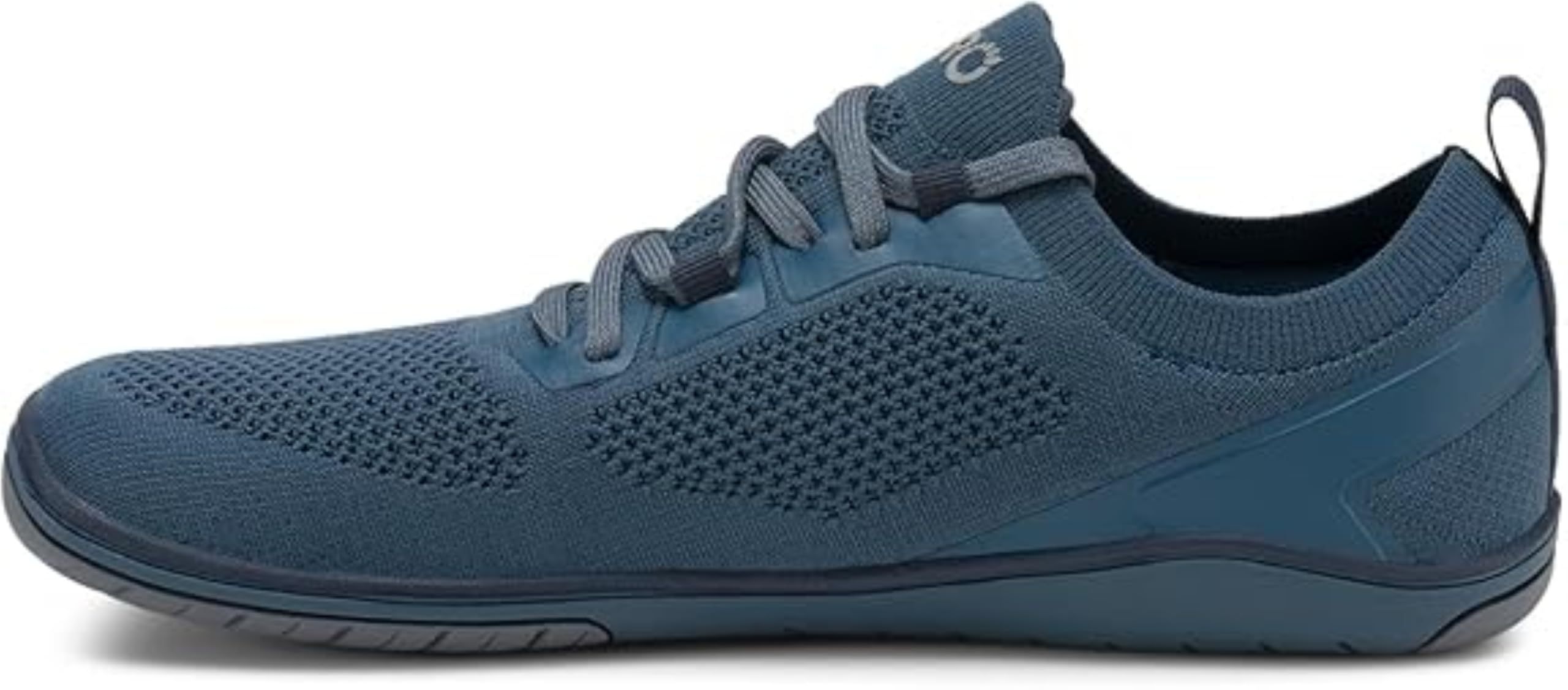
The Nexus Knit is Xero’s concession to lifestyle comfort without abandoning zero-drop principles. The outsole is a thin rubber sheet with a continuous pattern that grips sidewalks and gym floors without wearing unevenly.
The zero-drop platform here feels noticeably different from other Xero models because the midsole includes a thin EVA core that adds 3mm of softness underfoot. That makes the Nexus Knit more forgiving for all-day wear than the HFS II, which is firmer and more feedback-oriented. The toe box is similarly generous, allowing metatarsal splay even during seated periods.
This shoe is not built for high-mileage running. The knit upper lacks lateral support, and the outsole rubber is thinner than dedicated running models. Use it as a transition shoe for daily wear while your calves adapt to zero-drop geometry, or as a recovery shoe on rest days.
Why it’s great
- Sock-like knit upper for all-day wear
- Zero-drop platform with soft EVA core
- Generous toe box accommodates natural foot shape
Good to know
- Not durable enough for regular running mileage
- Knit upper lacks lateral support for fast movements
8. Topo Athletic Men’s Terraventure 4
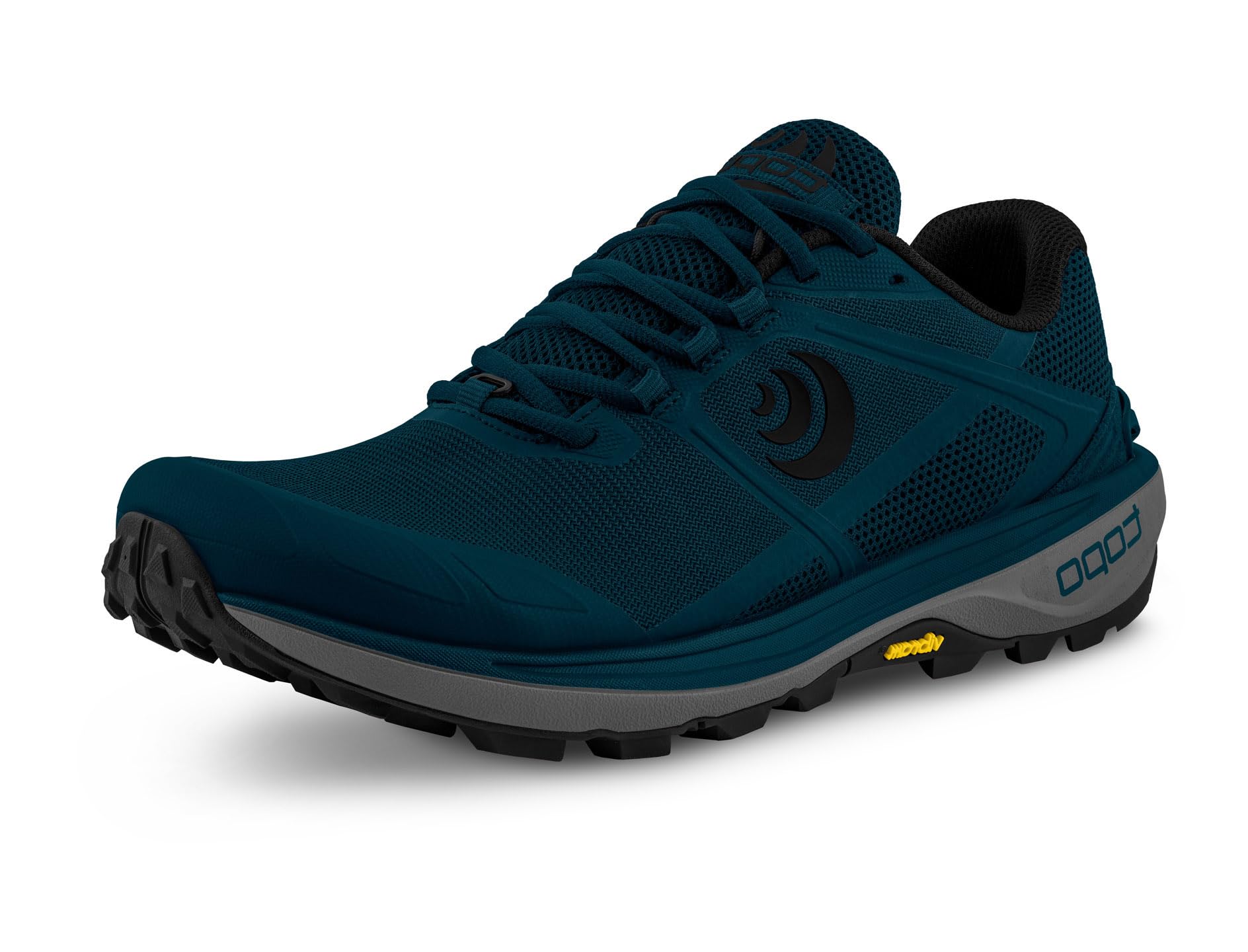
User reviews confirm that the Terraventure 4 excels on technical terrain: rocky descents, loose scree, and wet roots. The 3mm drop is aggressive for a trail shoe, and the Vibram outsole compound with 4mm lugs grips unpredictably angled surfaces better than any other shoe in this list. One reviewer at age 77 reported that these shoes gave him the confidence to descend large boulders that had previously caused a dangerous fall.
The toe box is consistently described as generous but not sloppy—what Topo calls an “anatomical” last that widens through the metatarsals without turning into a floppy boat. The stacked midsole foam (28mm heel, 25mm forefoot) provides enough protection for rocky trail miles while keeping ground feedback intact. Several reviewers noted that the shoe wears a bit long, which works well with thick wool socks for cold-weather hiking.
The Terraventure 4 uses a molded heel counter that locks the rearfoot down despite the low-drop geometry. Hikers who tested these across European walking tours with hours-long descents reported no heel slip and no black toenails—a sign that the combination of zero-drop-mimicking ramp and secure heel engineering works under real weight-bearing load.
Why it’s great
- Vibram outsole provides best-in-class grip on technical trail
- 3mm drop forces stable midfoot strike on downhills
- Wide toe box with secure heel counter eliminates black toenails
Good to know
- Runs half-size long; best with thick socks
- Only 3mm drop feels aggressive for trail beginners
9. Brooks Men’s Anthem 8 Neutral Running Shoe
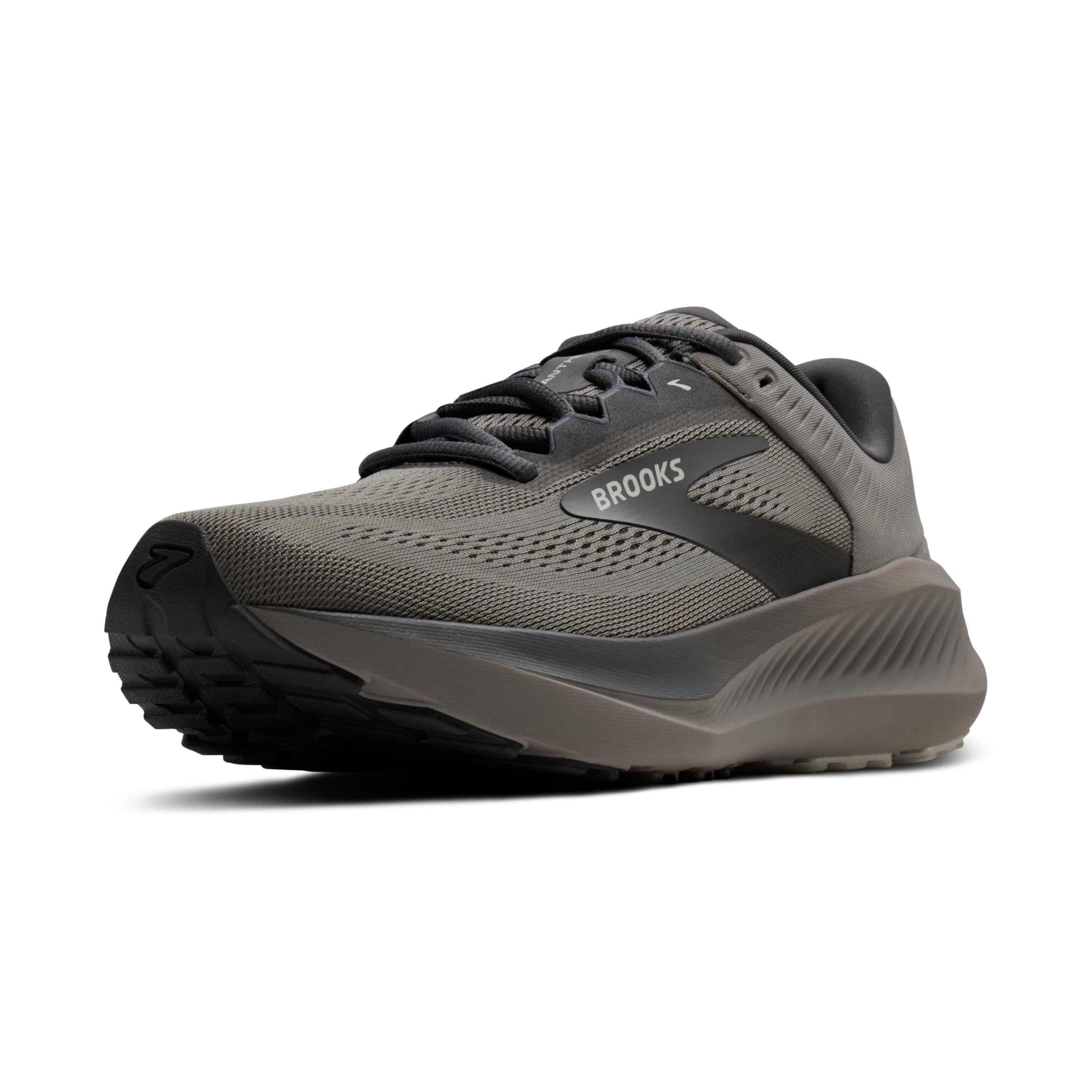
The Anthem 8 is technically a 10mm-drop shoe, but it earns its place in a low-drop guide because it serves a crucial transitional role. Runners moving from traditional 12mm-drop models to 4mm-or-less platforms often need a mid-stage option, and the Anthem 8’s 10mm drop combined with a neutral, non-bulky last provides a gentler ramp reduction than jumping straight to zero. It’s the least intimidating entry point for cautious transitioners.
Owners who switched from the bulky Ghost model noted that the Anthem 8 feels snugger, lighter, and less clunky. The shoe retains Brooks’s DNA Loft foam in the heel—a soft crash pad that makes the 10mm drop feel softer than it is. Multiple buyers reported that their doctor specifically “approved” this shoe for foot health, which speaks to the neutral, non-invasive platform that supports natural walking while keeping the heel elevated.
Keep in mind that 10mm is still a significant ramp. The Anthem 8 will not build calf strength or promote a forefoot strike the way a 4mm or 0mm shoe would. Use it as a bridge shoe for two to three months while stretching your achilles daily before moving to a dedicated low-drop model. The Brooks build quality and comfortable upper make it worth the temporary purchase price.
Why it’s great
- 10mm drop is the gentlest transition from traditional high-drop
- Snug, non-bulky fit compared to other Brooks models
- DNA Loft heel foam provides soft crash pad
Good to know
- 10mm drop won’t build calf strength for low-drop running
- Wide-footed runners may find the toe box too snug
FAQ
Will a low-drop shoe cure my knee pain?
How long does it take to adapt to a 4mm drop?
Can I trail run in a zero-drop road shoe?
Does a wide toe box matter for low-drop shoes?
Final Thoughts: The Verdict
For most users, the low-drop running shoes winner is the ALTRA Women’s Torin 8 because it delivers a plush, stable zero-drop ride without feeling minimalist. If you want a roomy toe box and a gentle transition from high-drop shoes, grab the Topo Athletic Phantom 4. And for technical trail runners who need grip, stability, and low-drop geometry on loose terrain, nothing beats the Topo Athletic Terraventure 4.