The promise of low-carb pasta is simple — keep the comfort of a noodle bowl without the blood sugar spike that leaves you sluggish an hour later. The reality is trickier: most alternatives either taste like cardboard, turn to mush, or sit in your fridge uneaten. The right pick delivers chew, absorbs sauce, and genuinely satisfies a pasta craving without derailing your macros.
I’m Emma — the founder and writer behind Baby Bangs. I’ve spent months cross-referencing nutritional panels, cooking times, and real-user feedback on the best low-carb pasta alternatives to separate the daily drivers from the one-hit-wonders that end up in the pantry graveyard.
Whether you’re ketogenic, diabetic, or simply cutting back on refined carbs, the right noodle swap hinges on three things: protein density, net carb count, and how well the texture holds up under a heavy sauce. This guide breaks down five standout options — from edamame-based high-protein strands to konjac noodles that deliver volume for nearly zero carbs — so you can pick the one that actually fits your dinner rotation. I’ve tested the claims, read the fine-print ingredients, and distilled the findings here.
How To Choose The Best Low-Carb Pasta Alternatives
Not all low-carb pasta is created equal. The wrong choice can leave you chewing through rubbery strands or consuming hidden fillers that spike your insulin anyway. Focus on these four criteria to find the noodle that actually works for your kitchen and your body.
Net Carbs vs. Total Carbs — Read the Fine Print
Many brands market total carbs, but the number that matters for blood sugar control is net carbs (total carbs minus fiber). A pasta with 20g total carbs and 15g fiber delivers only 5g net carbs — huge difference for a keto or diabetic eater. Always subtract the fiber grams from the total carbs before comparing products. Konjac noodles can drop to nearly zero net carbs because their glucomannan fiber passes through undigested.
Protein Density — The Satiety Anchor
Low-carb pasta can leave you hungry if the protein per serving is under 10 grams. Edamame-based pastas typically deliver 40g protein per 100g serving, which makes them a complete meal base. Egg-and-semolina blends offer around 30g per serving, while konjac noodles provide negligible protein. If you’re replacing a high-protein dinner, compensate with the protein in your sauce or choose a fortified option.
Texture and Preparation Time
Konjac noodles, unlike wheat-based alternatives, require thorough rinsing and a dry pan-fry to lose their inherent odor and achieve a pleasant, less bouncy bite. Protein-fortified wheat pastas cook in 4-5 minutes and mimic traditional al dente texture more closely. For anyone new to low-carb pasta, the preparation method often matters more than the ingredient list — konjac rewards patience, edamame rewards proper saucing.
Quick Comparison
On smaller screens, swipe sideways to see the full table.
| Model | Category | Best For | Key Spec | Amazon |
|---|---|---|---|---|
| The Only Bean Edamame Spaghetti | High-Protein | Keto & vegetarian protein goals | 40g protein, 9g net carbs per 3.5oz | Amazon |
| Al Dente Protein Pasta Egg Fettuccine | Egg Fortified | Diabetic-friendly real pasta taste | 30g protein, 44g net carbs per 3.5oz | Amazon |
| Pastabilities Lower Calorie Penne | Fiber-Rich | Calorie restriction & fiber intake | 27g fiber, 12g net carbs per serving | Amazon |
| Soeos Konjac 3-Variety Noodles | Zero-Carb | Volume eating & sauce absorption | ~1g net carbs per pack | Amazon |
| 52USA Konjac 3-Variety Noodles | Odor-Free | Bulk packs for meal prep | Odor-free claim, 6-pack variety | Amazon |
In‑Depth Reviews
1. The Only Bean High Protein Edamame Spaghetti
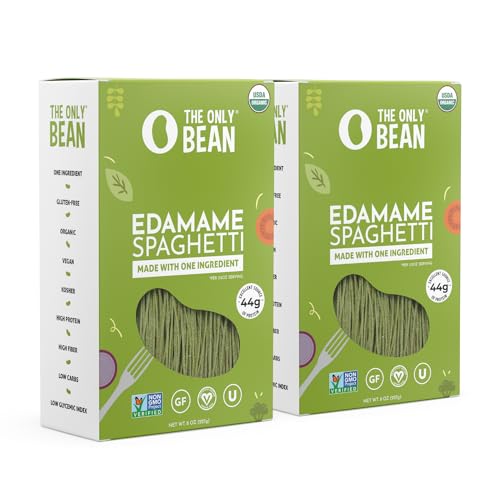
The Only Bean takes the top spot because it solves the two problems that plague low-carb pasta: protein deficiency and carb creep. A single 3.5-ounce serving delivers 40 grams of plant-based protein from organic edamame — more than most protein shakes — while net carbs sit at only 9 grams. That protein floor means this pasta actually keeps you full through a four-hour window, making it a meal base rather than just a side dish.
Texture-wise, edamame spaghetti has a slightly firmer, earthier bite than traditional semolina. It holds up well under chunky marinara or a simple garlic oil, though it benefits from a generous sauce coating to offset the natural bean flavor. The 3-5 minute cook time is faster than conventional pasta, and the single ingredient list (100% organic edamame) eliminates concerns about gums, fillers, or preservatives.
Organic certification is an extra layer of trust here. Many legume-based pastas skip certification, but The Only Bean carries the USDA Organic seal, which matters if you’re avoiding pesticide residues in a food you eat regularly. The pack of two provides enough volume for multiple meals without committing to a bulk bag that might go stale.
Why it’s great
- Exceptional 40g protein per serving anchors satiety and muscle repair
- USDA Organic certification ensures clean sourcing
- Cooks in under 5 minutes with no special technique
Good to know
- Bean-forward flavor may clash with delicate, cream-based sauces
- 8-ounce bags are smaller than standard pasta boxes
2. Al Dente Protein Pasta Egg Fettuccine
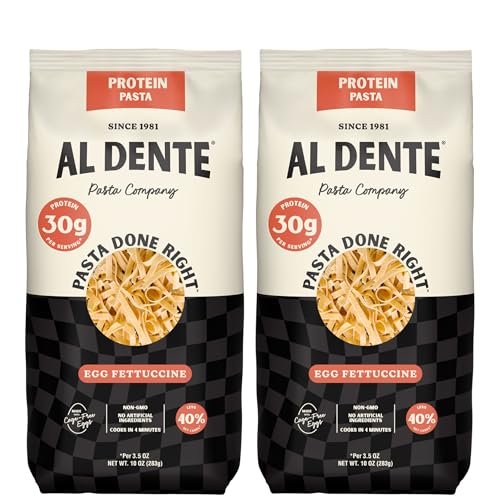
If your primary concern is eating low-carb without tasting the sacrifice, Al Dente’s Protein Pasta Egg Fettuccine is the closest you can get to a real Italian pasta experience. Made from cage-free eggs and high-protein durum wheat semolina, each 3.5-ounce serving packs 30 grams of protein and 44 grams of net carbs — the carb count is higher than konjac options, but the trade-off is a texture that customers repeatedly describe as “indistinguishable from standard noodles.”
The 4-minute cook time aligns with serious convenience, and reviewers note it holds up especially well in soup, where many alternatives disintegrate. The egg base provides structural integrity that resists overcooking, though some users recommend boiling an extra minute or two for a softer al dente. Because it’s made from wheat and eggs, it retains a gluten-like chew that other plant-based noodles lack.
Diabetic users report stable blood sugar responses, which aligns with the high protein-to-carb ratio and generous fiber content. This product was formerly branded Carba-Nada, so the packaging may vary, but the formula remains unchanged. It’s a strong pick for anyone who wants to reduce carbs without overhauling their pasta routine entirely.
Why it’s great
- Closest texture to traditional pasta among low-carb options
- High egg and durum wheat content for structural integrity in soups
- Quick 4-minute prep suits busy weeknight schedules
Good to know
- Net carb count (44g) is high for strict ketogenic diets
- Smaller bag size means frequent repurchasing for pasta lovers
3. Pastabilities Lower Calorie Penne

Pastabilities takes a different approach: rather than removing the wheat, they engineered a real wheat pasta density that cuts calories by 50% while boosting fiber to 27 grams per serving. At 100 calories and 12 grams of net carbs per serving, this penne sits in a middle zone — low enough for most calorie-conscious eaters, high enough in fiber to improve digestion and blunt glucose absorption. It is Non-GMO Project Verified, which adds credential rigor for label-checkers.
The biggest advantage here is psychological. Because it’s real wheat pasta (not a vegetable or bean substitute), the eating experience feels normal. The penne shape holds sauce well, and the texture lacks the chalky or grainy mouthfeel common with chickpea or lentil blends. For families where one member needs low-calorie options, this pasta passes the picky-eater test more reliably than konjac or edamame noodles.
Fiber at this density can cause digestive adjustment for those unaccustomed to high-fiber diets. Starting with a half-serving and increasing intake gradually helps minimize bloating. The moderate net carb profile works for active individuals on a general low-carb plan but may exceed the limits for strict keto followers.
Why it’s great
- Real wheat taste and texture with 50% fewer calories
- 27g fiber per serving supports digestion and satiety
- Non-GMO certification adds ingredient transparency
Good to know
- 12g net carbs may be too high for strict keto eaters
- High fiber content may cause initial digestive discomfort
4. Soeos Konjac Shirataki Noodle Variety
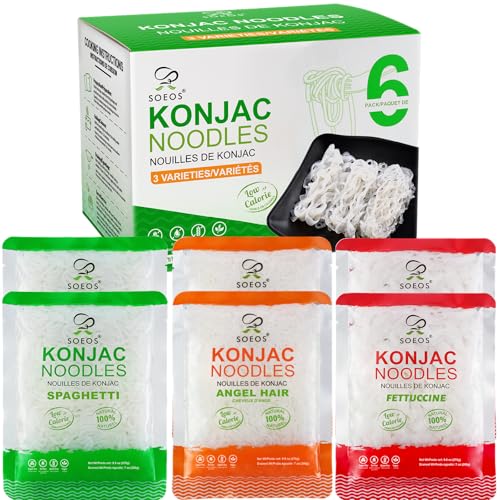
Soeos Konjac Noodles are the volume eater’s secret weapon. At roughly 1 gram of net carbs per entire pack, you can practically eat the full 57-ounce bulk box and still stay under 10 grams of carbs. The catch — and it’s a meaningful one — is that konjac noodles have zero flavor on their own and require proper handling to avoid a rubbery or fishy reputation. The Soeos variety pack includes spaghetti, fettuccine, and angel hair shapes, each of which absorbs surrounding sauce flavors effectively when rinsed and dry-pan-fried first.
Real-user feedback is overwhelmingly positive here, with multiple 5-star reviews praising the texture as “less chewy than other brands.” One customer emphasized the absence of fishy smell — the most common complaint against konjac noodles — which suggests Soeos has improved the rinsing and packaging process. The noodles work best in heavily sauced dishes like pad thai, marinara-heavy spaghetti, or peanut noodle bowls where the sauce carries the flavor.
Preparation is the key to satisfaction. Rinse thoroughly in cold water for 30 seconds, then dry-fry in a non-stick pan for 2-3 minutes before adding to your sauce. This step evaporates excess water and firms up the texture. Skip this step, and you’ll be eating wet rubber bands. For those willing to follow the process, this is the most forgiving low-carb option for calorie density and satiety.
Why it’s great
- Negligible net carbs per pack — ideal for strict keto
- Three shapes in one pack offer meal variety without decision fatigue
- Customers report no fishy smell or rubbery texture
Good to know
- Requires specific rinse-and-fry prep to avoid odd texture
- Contains essentially no protein — must pair with high-protein sauce
5. 52USA Konjac Shirataki Noodle 6-Pack

52USA positions its konjac noodles as a bulk meal-prep solution, packing 6 pouches (angel hair, fettuccine, and spaghetti) into a single 52.8-ounce bundle. The value proposition is straightforward: at a per-pouch cost that undercuts many premium competitors, this is the cheapest entry point for those ready to commit to konjac-based eating. The technical specs confirm zero net carbs, zero sugar, and a formula free of soy and fat, making it compliant with paleo, keto, and kosher dietary frameworks.
The brand explicitly markets the noodles as odor-free, which addresses the single biggest friction point that scares away new konjac users. In practice, thorough rinsing with cold water remains the best safeguard, but several buyers have noted the ammonia-like smell is less pronounced here than with budget competitors. The glucomannan fiber in konjac expands in the stomach, creating a fullness signal that helps with portion control — one of the few low-carb tools that leverages volume rather than restriction.
Because these noodles lack protein and meaningful micronutrients, they function best as a delivery vehicle for nutrient-dense sauces, vegetables, and proteins. Pair with a rich bolognese to compensate for the nutritional gap. The ready-to-eat nature (no cooking required, just rinsing and warming) makes them ideal for office lunches or quick dinners where convenience trumps culinary nuance.
Why it’s great
- Bulk 6-pack offers strong per-serving economy for regular users
- Odor-free formulation reduces the biggest konjac adoption barrier
- Zero net carbs and fat-free for macro-restrictive diets
Good to know
- Near-zero protein density requires deliberate nutritional pairing
- Texture may still feel bouncy to those new to konjac noodles
FAQ
Are konjac noodles safe for daily consumption?
Which low-carb pasta has the highest protein content?
Why do konjac noodles sometimes smell fishy?
Do low-carb pasta alternatives work for gluten-free diets?
Final Thoughts: The Verdict
For most users, the low-carb pasta alternatives winner is the The Only Bean Edamame Spaghetti because it delivers 40 grams of protein per serving at just 9 grams of net carbs, all in a USDA Organic single-ingredient package that cooks faster than conventional pasta. If you want the closest match to traditional wheat pasta flavor and texture, grab the Al Dente Protein Pasta Egg Fettuccine. And for extreme low-carb volume eating or strict keto compliance, nothing beats the Soeos Konjac Noodles — just commit to the rinse-and-fry routine.