Standard milk packs around 12 grams of sugar per cup—most of it lactose—which can quietly derail a low-carb or ketogenic day. Swapping to a proper low-carb alternative means checking labels for hidden starches, gums, and added sugars that defeat the purpose. The right carton delivers creamy texture and usable nutrition without the carb load.
I’m Emma — the founder and writer behind Baby Bangs. I’ve spent years cross-referencing nutrition panels and third-party certifications to separate real low-carb milks from cleverly marketed impostors.
After comb through dozens of labels and customer feedback, I’ve narrowed the field to five honest options. This guide covers the best low-carb milk choices that taste great and fit your macros without compromise.
How To Choose The Best Low-Carb Milk
Not all milk alternatives are created equal when you are watching carbohydrates. A product labeled “unsweetened” may still contain natural sugars from the base ingredient, and some brands add starches to improve mouthfeel. Here is what to check before you buy.
Net Carbs Per Serving
The number that matters most for low-carb dieters is net carbs—total carbohydrates minus fiber and sugar alcohols. Aim for 1 gram or fewer per 8-ounce serving. Any product above 3 grams per cup starts to crowd out carbs you might rather spend on vegetables or berries.
Ingredient Count & Hidden Additives
Short ingredient lists are your friend. Look for milks with three to five recognizable ingredients. Beware of gums (carrageenan, gellan, guar), added oils, and natural flavors that can mask starches. A clean label typically means fewer hidden carbohydrates.
Protein Content
Standard dairy milk offers about 8 grams of protein per cup. Most nut and coconut milks provide less than 1 gram. If protein matters for your meal plan, consider pea-protein-based milks—they deliver 8–10 grams per serving with a neutral taste, keeping carbs at zero.
Quick Comparison
On smaller screens, swipe sideways to see the full table.
| Model | Category | Best For | Key Spec | Amazon |
|---|---|---|---|---|
| Sproud Unsweetened | Pea Protein | High protein, zero carb | 0g net carbs, 8g protein | Amazon |
| Califia Organic Almond | Almond | Cleanest label | 3 ingredients, USDA Organic | Amazon |
| Real Coco Organic Coconut | Coconut | MCT-rich, no nuts | 0g sugar, vegan | Amazon |
| Silk Pure Almond Vanilla | Almond | Familiar taste, extra calcium | 50% more calcium than dairy | Amazon |
| Darigold 2% | Dairy | Classic milk drinkers | 15g protein, shelf stable | Amazon |
In‑Depth Reviews
1. Sproud Unsweetened Pea Milk
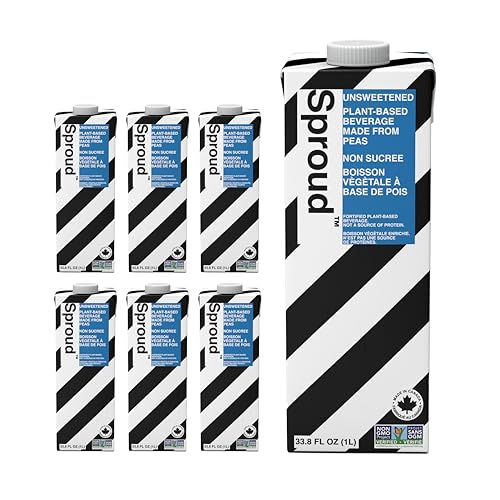
Sproud’s unsweetened pea milk is the rare plant milk that mimics the macros of skim dairy without the lactose. Each serving delivers 8 grams of complete pea protein and zero net carbs—no gums, no oils, just a clean ingredient list fortified with calcium, D2, B2, and B12. The texture lands close to semi-skimmed milk, making it a seamless swap for coffee, cereal, or smoothies.
With a shelf-stable 1-liter format sold in a six-pack, Sproud reduces waste and gives you a reliable backup in the pantry. The eco-friendly packaging uses less water than almond production and less land than oats, which matters if sustainability factors into your choices. Customer feedback consistently flags the neutral taste as a win over chalky pea-protein competitors.
For anyone tracking strict net carbs while refusing to sacrifice protein density, Sproud deserves the top spot. Just note it costs a slight premium over basic almond milks, but the nutritional density justifies the price for daily use.
Why it’s great
- Zero net carbs per 8 oz serving
- 8g pea protein—comparable to dairy
- Shelf stable, nut & soy free
Good to know
- Slightly more expensive than almond milk
- Some find the aftertaste different at first
2. Califia Farms Organic Unsweetened Almond Milk

Califia’s organic unsweetened almond milk strips away everything extraneous: purified water, organic almonds, and sea salt. That is the full ingredient list. No gums, no oils, no carrageenan, and no hidden starches that pad carb counts. Each 8-ounce serving hovers around 1 gram of net carbs, making it an effortless choice for low-carb drinkers who value label transparency above all.
The taste reads as genuinely homemade—smooth, slightly nutty, and not at all chalky. Because the brand skips emulsifiers, separation is natural; shaking the carton before each pour is non-negotiable. Reviewers appreciate the shelf-stable format in a six-pack of 32-ounce cartons, keeping a steady supply without refrigerator anxiety.
This milk works beautifully in coffee, chia pudding, and baking where you want almond flavor to complement rather than dominate. The only catch: at roughly 1 gram of protein per serving, it lacks the satiety of dairy or pea-based milks. Pair it with a protein-rich meal if hunger management is a priority.
Why it’s great
- Only three recognizable ingredients
- USDA Organic certified
- Great homemade almond taste
Good to know
- Low protein content per serving
- Separation is natural—must shake well
3. Real Coco Organic Unsweetened Coconut Milk Beverage

Real Coco’s unsweetened coconut milk beverage delivers the creaminess of full-fat coconut with zero added sugar and zero grams of net carbs per serving. This makes it a natural fit for keto and paleo followers who want MCT-rich fuel without nut allergens. The product is bottled at the source in Southeast Asia, using only organic coconut cream and filtered water—no gums or stabilizers mask the pure coconut taste.
At 0 grams of sugar per 1-liter carton, it is one of the safest bets for anyone needing strict carb control. Reviewers rave about the flavor in coffee and smoothies, describing it as “rich” and “true coconut” without the watery separation typical of cheaper brands. The six-pack of shelf-stable cartons keeps well in the pantry, though customers note that packaging can arrive dented during shipping.
Because this is a beverage rather than canned coconut cream, the fat content is lower than cooking coconut milk—about 4–5 grams per serving. It still provides the ketogenic MCT boost but behaves more like a dairy milk replacement for drinking and cereal than for thickening curries.
Why it’s great
- Zero sugar per serving
- Rich in MCTs
- Organic, non-GMO, nut & soy free
Good to know
- Cartons can arrive dented
- Lower fat than canned coconut cream
4. Silk Pure Almond Vanilla Unsweetened

Silk’s Pure Almond Vanilla Unsweetened is the most widely available low-carb almond milk on grocery shelves, and for good reason—it balances a gentle vanilla sweetness (from natural flavors, not sugar) with only 30 calories and under 1 gram of net carbs per cup. It delivers 50% more calcium than dairy milk, which is useful for those swapping away from cow’s milk entirely.
The six-pack of 32-ounce cartons offers flexibility for households where different family members have different dietary needs. The vanilla variant masks the typical almond wateriness that turns some people off plain unsweetened versions. Customer feedback highlights reliable quality and consistent taste across batches, which matters when you rely on a pantry staple.
Where this milk falls short is protein—roughly 1 gram per serving. It also contains gellan gum for texture, which some clean-label shoppers prefer to avoid. If your priority is a familiar, hassle-free low-carb milk that tastes good in cereal and coffee, Silk delivers without surprises.
Why it’s great
- Under 1g net carbs per cup
- 50% more calcium than dairy
- Widely available, consistent quality
Good to know
- Contains gellan gum
- Low protein content
5. Darigold 2% Reduced Fat Shelf Stable Milk

If you prefer dairy but need a lower-fat option, Darigold’s 2% shelf-stable milk offers 15 grams of protein per 14-ounce bottle with 35% less fat than whole milk. Each serving contains roughly 12 grams of natural lactose sugar—higher than nut or pea milks—so this is not a zero-carb choice. But for those who prioritize whole-food protein and dislike the taste of plant milks, Darigold delivers that cold glass experience without artificial growth hormones (rbST free).
The twelve-pack of shelf-stable bottles is ideal for stashing in the pantry for emergency morning coffee, school lunches, or travel. Each 14-ounce bottle is single-serve sized, which simplifies portion control. Rich in Vitamin D, calcium, and potassium, it covers the same nutritional ground as fresh dairy minus the refrigeration footprint before opening.
This product sits at a different point on the carb spectrum than the other entries here—use it if your daily carb allowance can accommodate 12 grams per 8 ounces. For low-carb dieters who miss real milk, this is the closest you will get without venturing into the higher-sugar territory of whole or chocolate milk.
Why it’s great
- 15g protein per serving
- Shelf stable, great for travel
- No rbST, classic dairy taste
Good to know
- Higher natural sugar than plant milks
- Not suitable for strict zero-carb
FAQ
Is any milk truly zero carbs?
Does almond milk have hidden sugar?
Why does my low-carb milk separate in coffee?
Can I use low-carb milk for baking?
Final Thoughts: The Verdict
For most users, the low-carb milk winner is the Sproud Unsweetened because it delivers zero net carbs and 8 grams of protein per serving—a rare combination that satisfies both satiety and macro discipline. If you want the cleanest label with three organic ingredients, grab the Califia Organic Almond. And for a nut-free, MCT-rich option that tastes like real coconut, nothing beats the Real Coco Organic.