The trap most low-carb dieters fall into is thinking a “low-carb bar” means a dry, chalky protein brick. The best options in this category are actually closer to candy — delivering legitimate dessert satisfaction without the blood sugar spike. Real ingredients, proper texture, and honest macronutrient profiles separate the worthwhile bars from the marketing fluff.
I’m Emma — the founder and writer behind Baby Bangs. I’ve spent years dissecting nutritional labels, scouring customer reviews for texture complaints, and cross-referencing ingredient lists to find low-carb bars that actually taste good enough to eat voluntarily.
This guide focuses on options that respect your carb ceiling while delivering legitimate flavor. Whether you need a desk drawer snack or a post-workout refuel, these are the most reliable best low-carb bars you can buy right now.
How To Choose The Best Low-Carb Bars
Not all low-carb bars are created equal. Many use sugar alcohols that taste fine on paper but wreak havoc on digestion. Others pack so much protein that the texture turns to chalk. The key is balancing your macronutrient goals with ingredient purity and — most importantly — mouthfeel.
Net Carbs vs. Total Carbs
Subtract fiber and sugar alcohols from total carbohydrates to get net carbs. A bar with 20g of total carbs but 12g of fiber and 5g of erythritol only has 3g of net carbs — that’s the number that matters for blood sugar and ketosis. Watch for maltitol which has a higher glycemic index than other sugar alcohols.
Protein-to-Fat Ratio
Low-carb bars designed for post-workout muscle repair lean heavily on protein (15g+). Bars meant for everyday snacking or meal replacement should have more fat (8-12g) to sustain energy. A bar with too much protein and too little fat can spike insulin through gluconeogenesis, defeating the low-carb purpose.
Ingredient Cleanliness
Look for bars that avoid palm oil, soy lecithin, and artificial sweeteners like acesulfame-K. The best low-carb bars use natural sweeteners (stevia, monk fruit, allulose) and whole-food fat sources (nuts, seeds, coconut). Third-party certifications (vegan, kosher, gluten-free) often signal higher manufacturing standards.
Quick Comparison
On smaller screens, swipe sideways to see the full table.
| Model | Category | Best For | Key Spec | Amazon |
|---|---|---|---|---|
| Wonderslim Fluffy Nutter | Mid-Range | Max Protein Satiety | 15g Protein, 7g Fiber, 160 cal | Amazon |
| YuBi Bars Variety Pack | Premium | Clean Plant-Based Snacking | 100 cal, 10g Protein, Vegan | Amazon |
| FULFIL Chocolate Peanut Caramel | Premium | Candy Bar Replacement | 15g Protein, 2g Net Carbs | Amazon |
| FitnesSHOCK Variety Pack | Mid-Range | Zero Added Sugar Indulgence | 13g Net Carbs, 0g Added Sugar | Amazon |
| Sugarless Sesame Halva Snacks | Budget | Unique Texture & Traditional | 0g Sugar, Vegan, Kosher | Amazon |
In‑Depth Reviews
1. Wonderslim High Fiber Protein Bars, Fluffy Nutter
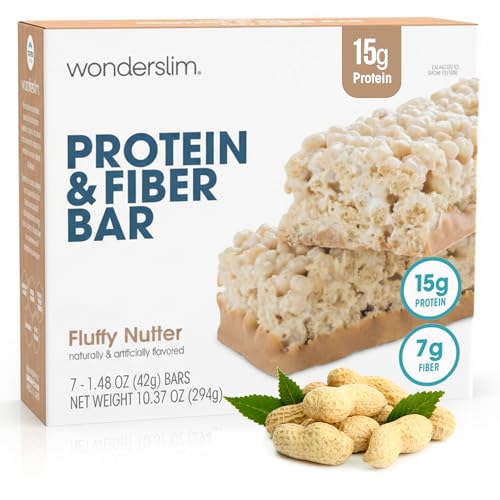
The Wonderslim Fluffy Nutter hits the sweet spot between protein density and digestibility. With 15g of protein and 7g of fiber per bar, it keeps blood sugar stable for hours — especially important during mid-morning crashes when willpower fades. The gluten-free formulation avoids the bloating that cheaper bars cause.
At 160 calories, this bar fits neatly into a strict low-carb or keto framework without forcing you to sacrifice volume. The “Fluffy Nutter” flavor profile is intentionally designed to mimic a classic peanut butter treat, delivering genuine satiety rather than the empty sweetness some competitors rely on.
The 7-pack format makes it easy to test the waters before committing to a full box. It’s a smart mid-range option that balances cost and quality, though sensitive palates may find the erythritol coolness slightly present on the finish.
Why it’s great
- Highest protein-to-calorie ratio in this tier
- Fiber content supports digestive regularity
- No artificial sweeteners aftertaste
Good to know
- Only 7 bars per pack — less value per ounce
- Slight cooling sensation from erythritol
2. YuBi Bars – Protein Bars Variety Pack
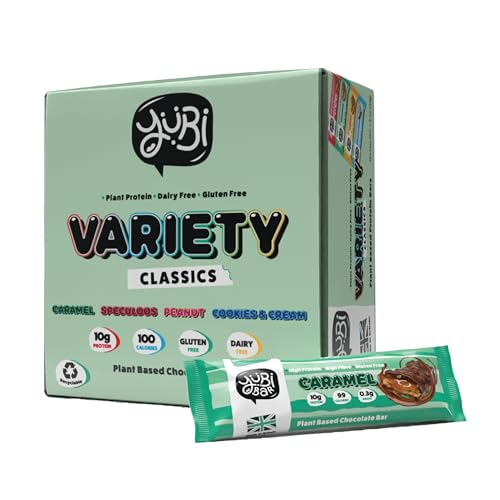
YuBi Bars are a standout for anyone avoiding dairy and gluten without sacrificing taste. Each bar delivers 10g of plant-based protein in just 99 calories, making it one of the lightest low-carb options available. The Rainforest Alliance chocolate coating provides a genuine cocoa richness that most low-carb bars completely miss.
The variety pack includes four distinct flavors, allowing you to rotate snacks without boredom. Customer reviews consistently praise the “silky” chocolate texture and the absence of that artificial sweetener aftertaste that plagues the category. At this premium price point, you pay for ingredient ethics — the bar is palm oil-free, non-GMO, and packaged in FSC-certified cardboard.
Some buyers may find the 10g protein insufficient for post-workout recovery compared to whey-based competitors. But for a clean, low-calorie daily snack that respects both your macros and the planet, YuBi sets a high bar.
Why it’s great
- Zero palm oil — rare in this category
- Vegan and gluten-free certified facility
- Tastes like real chocolate, not protein chalk
Good to know
- 10g protein may feel light for heavy lifters
- Higher cost per bar than whey-based rivals
3. FULFIL Protein Snack Bars, Chocolate Peanut Caramel
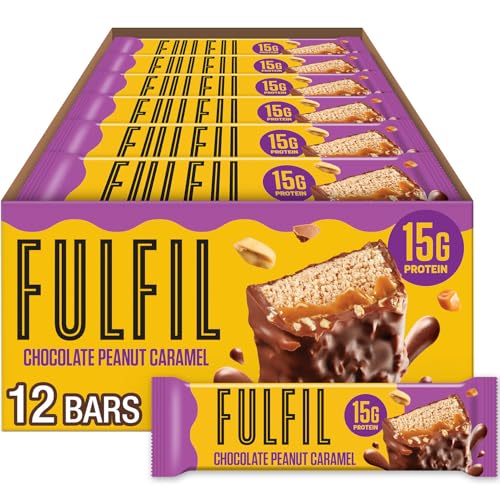
FULFIL bars are engineered to fool your brain into thinking you’re eating a candy bar. With only 2g of net carbs and 1g of sugar per 40g bar, the macronutrient profile is nearly ideal for strict low-carb dieters. The chocolate peanut caramel flavor is layered — genuine peanut pieces, caramel-flavored creme, and a thick chocolate coating.
The 15g of protein comes from a blend of whey and milk protein concentrate, giving it a smoother mouthfeel than pure whey isolate bars. Customers routinely describe it as “too good to be a protein bar,” which is exactly the psychological win that keeps people adherent to their low-carb lifestyle. Hershey’s manufacturing quality shows in the consistent texture batch to batch.
The main trade-off is the use of maltitol as a sweetener, which has a higher glycemic response than erythritol or allulose. For most people maintaining low-carb, it’s fine — but those highly sensitive to sugar alcohols may experience mild digestive effects.
Why it’s great
- Remarkably low net carbs for a candy-like bar
- Real peanut pieces improve texture
- Cold-pack shipping prevents summer melting
Good to know
- Maltitol sweetener may spike blood sugar slightly
- Contains dairy — not suitable for vegans
4. FitnesSHOCK Protein Bars Variety Pack
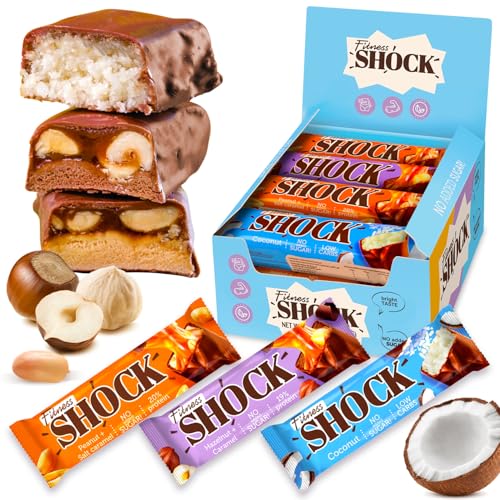
FitnesSHOCK offers three distinct flavors — Peanut Salted Caramel, Hazelnut Caramel, and Coconut — all wrapped in a no-added-sugar milk chocolate coating. With zero added sugar and only 1g of total sugar per bar, these are a solid mid-range option for those who want flavor rotation without macro confusion.
The sweetener blend uses maltitol and steviol glycosides, avoiding aspartame and acesulfame-K entirely. Each 50g bar provides 180-190 calories, making it a more substantial snack compared to ultra-light options like YuBi. The 12-pack includes 4 bars of each flavor, giving you genuine variety in a single box.
Customer feedback is minimal on this product, which means it hasn’t been battle-tested at scale. The 13g net carbs per bar is higher than category leaders — better suited for moderate low-carb plans than strict keto. Still, for a versatile, no-added-sugar chocolate bar that avoids the worst artificial sweeteners, it holds its own.
Why it’s great
- Three distinct flavors in one box
- No aspartame or acesulfame-K
- Substantial 50g bar size
Good to know
- Higher net carbs than keto-focused bars
- Contains maltitol — potential digestive issues
5. Sugarless Sesame Halva Snacks Vanilla
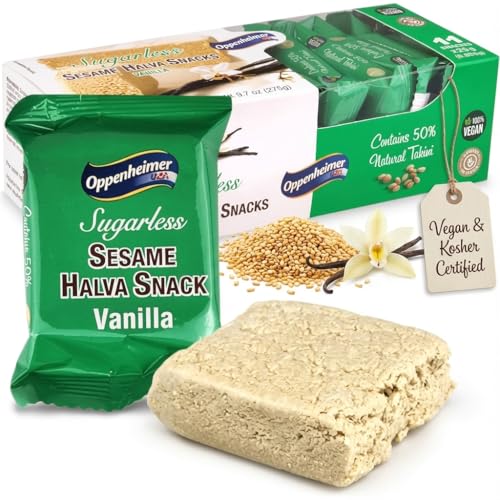
This isn’t a protein bar — it’s a sugarless sesame halva, a traditional Israeli confection made from tahini and vanilla. With zero added sugar and a melt-in-your-mouth crumbly texture, it offers an entirely different low-carb experience than the usual chocolate-coated protein bar. Each 9.7 oz pack contains 11 individually wrapped mini bars.
Customer reviews from Middle Eastern food lovers confirm the authenticity: real tahini, proper moisture, and that signature halva richness that other low-carb desserts completely fail to replicate. It’s vegan, kosher-certified, and uses natural ingredients with no animal products. For anyone bored of the standard protein bar format, this is a welcome departure.
The texture can sometimes lean gritty depending on batch, and a few customers reported small undissolved particles. It’s also lower in protein than the other options — better suited as a sweet treat than a meal replacement. But for a genuinely unique, culturally authentic sugar-free snack, it’s hard to beat at this price point.
Why it’s great
- Authentic Israeli halva — not a protein bar imitation
- Zero sugar, vegan, and kosher certified
- Unique crumbly texture for texture variety
Good to know
- Low protein content vs. competitors
- Occasional gritty texture per batch
FAQ
What makes a bar “low-carb” instead of just “protein”?
Are sugar alcohols like maltitol and erythritol safe for low-carb diets?
Can I eat a low-carb bar every day?
Why do some low-carb bars have more fat than protein?
Final Thoughts: The Verdict
For most users, the best low-carb bars winner is the Wonderslim Fluffy Nutter because it nails the protein-to-fiber ratio, uses clean sweeteners, and delivers genuine satiety without the chalky texture that plagues the category. If you want a vegan-friendly, low-calorie option with ethical sourcing, grab the YuBi Bars Variety Pack. And for a candy-bar experience that feels like cheating at only 2g net carbs, nothing beats the FULFIL Chocolate Peanut Caramel.