The struggle is real: you want the creamy, nutty satisfaction of peanut butter without derailing your daily calorie count. Traditional spreads pack around 190 calories and 16 grams of fat per two-tablespoon serving, which adds up fast when you’re tracking macros or trying to shed a few pounds. That’s where the low-calorie peanut butter category steps in — typically a powdered form where most of the oil is pressed out, leaving behind the protein and flavor with a fraction of the calories.
I’m Emma — the founder and writer behind Baby Bangs. I’ve spent years analyzing nutritional labels, comparing processing methods, and cross-referencing customer feedback to separate the truly satisfying low-calorie options from the ones that taste like cardboard dust.
This guide breaks down the five best powdered and low-fat peanut butter options currently available, each rigorously vetted for taste, ingredient purity, and calorie savings. Whether you’re blending into smoothies, baking, or spreading on toast, this is your definitive resource for finding the best low-calorie peanut butter that fits your lifestyle without compromising flavor.
How To Choose The Best Low-Calorie Peanut Butter
Not all low-calorie peanut butters are created equal. Some rely on added sugars or fillers to mimic the mouthfeel of real peanut butter, while others stick to a single ingredient—peanuts—and let the manufacturing process do the work. Here’s what to look for when deciding which jar (or bag) to buy.
Ingredient List: The Shorter, The Better
The gold standard in this category is a one-ingredient powder: 100% peanuts. If you see added sugar, hydrogenated oils, or preservatives like palm oil, you’re losing the calorie advantage. Brands that offer “no added sugar” or “unsweetened” versions let you control sweetness yourself, which is ideal for both savory recipes and sweet treats.
Calorie Savings & Protein Retention
A premium low-calorie peanut butter powder should deliver roughly 60–90% fewer calories than traditional peanut butter while still offering at least 6g of protein per serving. The best options retain the protein content by gently pressing out the oil rather than using chemical extraction. Always check the serving size—some brands stretch theirs to make numbers look better.
Certifications That Matter
If purity is a priority, look for USDA Organic, Non-GMO Project Verified, and Glyphosate Residue Free certifications. These third-party verifications ensure the peanuts were grown without synthetic pesticides and that the final product meets strict safety standards. Gluten-free labeling is also common, but most pure peanut powders are naturally gluten-free—certification just adds peace of mind for those with sensitivities.
Quick Comparison
On smaller screens, swipe sideways to see the full table.
| Model | Category | Best For | Key Spec | Amazon |
|---|---|---|---|---|
| Micro Ingredients Pure Peanut Butter Powder | Powder | Bulk buyers & bakers | 88% less fat, 4 lb bag | Amazon |
| PB2 Organic Powdered Peanut Butter | Powder | Daily smoothie addition | 90% less fat, USDA Organic | Amazon |
| Crazy Richard’s 100% All-Natural Peanut Butter Powder | Powder | Minimalist ingredient purists | 1 ingredient: peanuts | Amazon |
| PB&Me Sugar Free Peanut Butter Powder | Powder | Keto & low-carb dieters | 60 calories per serving | Amazon |
| Crispy Dunes Peanut Butter Wafer Sticks | Wafer | On-the-go snacking | 80 calories per stick | Amazon |
In‑Depth Reviews
1. Micro Ingredients Pure Peanut Butter Powder
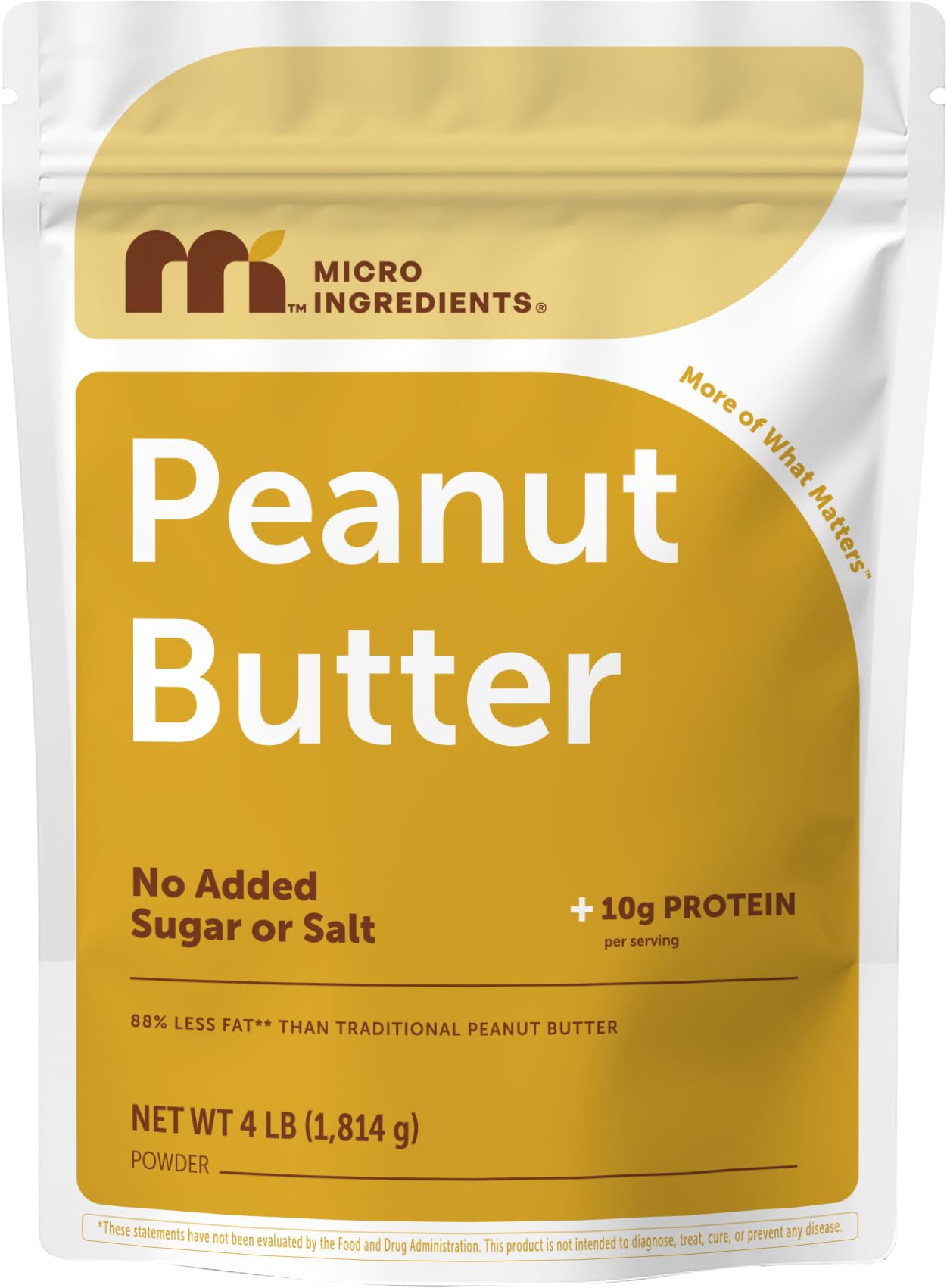
Micro Ingredients delivers a massive 4-pound bag of pure peanut butter powder made from freshly roasted peanuts, with 88% less fat than traditional peanut butter. Each serving packs 10g of plant-based protein and only the natural flavor of peanuts — no added sugar, no salt, and no weird fillers. This is the bulk option for anyone who goes through powdered peanut butter quickly, whether for smoothies, baking, or making high-protein oatmeal.
The powder mixes smoothly into liquids without clumping, which is a common complaint with cheaper brands. It’s also third-party lab tested for quality and consistency, and manufactured in a cGMP-compliant facility. The absence of soy, dairy, gluten, and tree nuts makes it a safe choice for multiple dietary restrictions.
At 107 servings per bag, the per-serving cost is remarkably low for a premium product. The only tradeoff is the bag size — it takes up pantry space, but the resealable packaging keeps it fresh. If you’re serious about cutting calories while keeping peanut flavor front and center, this is the workhorse you need.
Why it’s great
- Massive 4 lb bag means fewer reorders
- 10g protein per serving with no added sugar
- Third-party tested, allergen-friendly facility
Good to know
- Large bag requires dedicated pantry space
- No added salt — you may want to season
2. PB2 Organic Powdered Peanut Butter
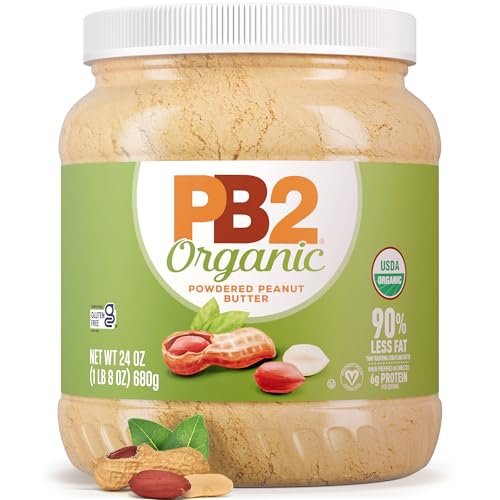
PB2 is the name most people recognize in the powdered peanut butter aisle, and their organic version justifies the reputation. It’s USDA Organic certified, Non-GMO Project Verified, and gluten-free — with 90% less fat and 70% fewer calories than conventional peanut butter. The ingredient list is refreshingly short: just organic peanuts, salt, and sugar.
Customer reviews consistently highlight the flavor as the standout feature — it tastes like real peanut butter without the artificial aftertaste that plagues some competitors. The 24-ounce resealable jar is handy for daily use, and users report excellent results mixing it into smoothies, yogurt, oatmeal, and even keto pudding. The 6g of protein per serving is solid for the calorie count.
The only mild drawback is the added sugar — though it’s a small amount, purists who want zero sweetness will prefer an unsweetened option. That said, the balance of taste and nutrition makes this the go-to for most people stepping into the low-calorie peanut butter world for the first time.
Why it’s great
- Trusted brand with consistent quality
- USDA Organic and Non-GMO certified
- Smooth texture, mixes easily in cold liquids
Good to know
- Contains a small amount of added sugar
- Jar size may not suit heavy bulk buyers
3. Crazy Richard’s 100% All-Natural Peanut Butter Powder

Crazy Richard’s strips the category down to its absolute essence: one ingredient — 100% US peanuts. No salt, no sugar, no preservatives, no palm or seed oils. The peanuts are roasted and then pressed to remove most of the oil, leaving behind a fine powder with less than half the calories and fat of traditional peanut butter. It’s also Glyphosate Residue Free certified and Non-GMO Project Verified.
The unsweetened, unsalted nature makes this the most flexible option in the lineup. You can use it in savory recipes like peanut sauces and dressings without clashing flavors, or sweeten it yourself for desserts. The 2-pound bag is shelf-stable and can be stored in the fridge or freezer for extended freshness.
Because there’s no added salt or sugar, the flavor is purely nutty and mild — some may find it less exciting straight out of the bag compared to sweetened competitors. But for clean eaters, pet owners (yes, it’s safe for dogs), and parents introducing peanut flavor to babies, this is the safest and most transparent choice available.
Why it’s great
- Single ingredient — no additives whatsoever
- Glyphosate Residue Free certified
- Versatile for sweet and savory recipes
Good to know
- No salt or sugar — flavor is very neutral
- Powder can be dusty; mix carefully
4. PB&Me Sugar Free Peanut Butter Powder
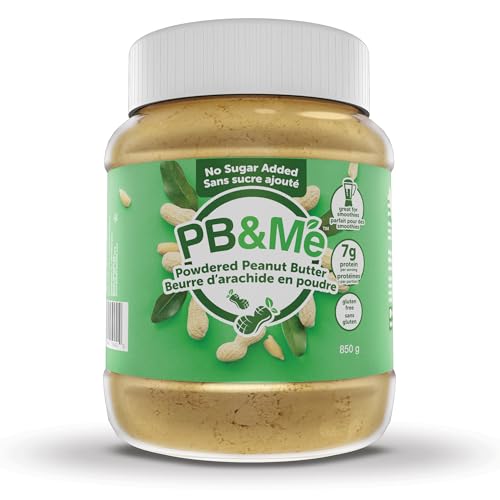
PB&Me targets the keto and low-carb crowd with a sugar-free powdered peanut butter that delivers 1/3 the calories and 87% less fat than traditional peanut butter. Each serving clocks in at just 60 calories while still providing plant-based protein from slow-roasted, all-natural peanuts. The oil is removed through a pressing process, leaving behind a concentrated powder that rehydrates into a spreadable consistency.
Users praise its versatility — it mixes cleanly into protein shakes, smoothies, Greek yogurt, and even baked goods like protein cookies and waffles. The 2-pound jar offers a solid number of servings for the price, and the lack of added sugar makes it a cleaner option compared to some sweetened powdered brands.
The one area where PB&Me falls slightly short is texture — some users report a slightly grainier mouthfeel compared to PB2 when mixed with water alone. Using milk or a milk alternative helps smooth it out. If you’re strictly managing carb intake and want a no-sugar peanut butter fix, this is a strong contender.
Why it’s great
- Only 60 calories per serving
- No added sugar — keto and diabetic friendly
- Works well in baking and cooking
Good to know
- Can be grainier than competitors when mixed with water
- Jar size is 2 lb — less than the bulk options
5. Crispy Dunes Peanut Butter Wafer Sticks
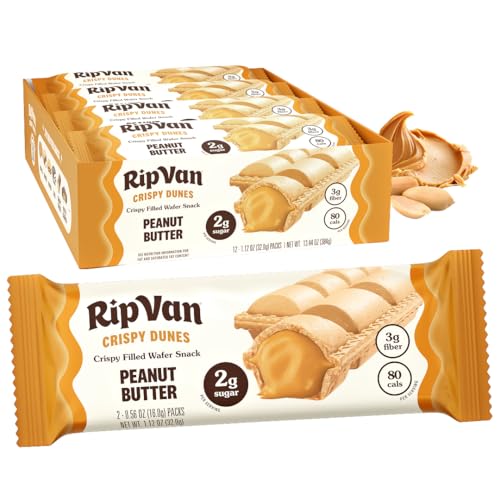
Crispy Dunes takes a different approach — instead of a powder you mix yourself, you get a ready-to-eat wafer stick filled with a rich peanut butter cream. Each stick contains only 80 calories and 4g of prebiotic fiber, with vegan and clean ingredients that include no artificial additives or sugar alcohols. It’s not a direct replacement for spreadable peanut butter, but it fills a specific niche: portion-controlled, grab-and-go snacking with real peanut flavor.
The wafer shell adds a satisfying crunch, and the peanut butter cream inside is genuinely indulgent without being heavy. The 12-pack box is ideal for lunchboxes, desk drawers, or post-workout fuel. The inclusion of prebiotic fiber is a nice bonus for digestive health, setting it apart from most other low-calorie peanut products.
The main limitation is that you can’t use it as a spread or mix it into recipes — it’s a standalone snack. Also, at 80 calories per stick, you’re getting less peanut protein than a serving of powdered peanut butter (about 2–3g protein per stick vs 6–10g in powder). If your priority is convenience and portion control over versatility, these wafers are a solid buy.
Why it’s great
- Ready-to-eat, no mixing required
- 80 calories with prebiotic fiber
- Vegan and clean ingredient list
Good to know
- Not a spread — snack only
- Lower protein content than powdered options
FAQ
Does powdered peanut butter taste exactly like regular peanut butter?
Can I use low-calorie peanut butter powder in baking?
How long does opened powdered peanut butter last?
Is powdered peanut butter safe for people with nut allergies?
What is the difference between “no added sugar” and “sugar-free” peanut butter powder?
Final Thoughts: The Verdict
For most users, the best low-calorie peanut butter winner is the Micro Ingredients Pure Peanut Butter Powder because it combines the largest serving count per purchase with high protein retention, zero additives, and third-party lab testing. If you want a trusted brand with USDA Organic certification and a slightly sweeter profile, grab the PB2 Organic Powdered Peanut Butter. And for pure ingredient transparency with no salt or sugar to interfere with recipes, nothing beats the Crazy Richard’s 100% All-Natural Peanut Butter Powder.