That familiar chest burn or uneasy stomach after your morning cup isn’t something you have to accept. Low-acid coffee is now a well-defined category with specific processing methods, bean origins, and roast profiles designed to deliver the rich flavor you crave without the digestive backlash. It’s a precision approach to your daily ritual, not a compromise in taste.
I’m Emma — the founder and writer behind Baby Bangs. I’ve spent years analyzing roasting curves, pH levels, and cold-brew chemistry to understand how low-acid coffee maintains flavor while sparing your gut.
This guide breaks down the best options on the market today, tested against the specific needs of sensitive stomachs. You’ll learn exactly which beans, roasts, and processing methods make up the absolute best low-acid coffee for your morning routine.
How To Choose The Best Low-Acid Coffee
Not all coffee labeled “low acid” is created equal. The term lacks a universal standard, so you need to look at the actual roasting method, bean origin, and processing certifications to know what you’re getting. Three factors separate the gentle cups from the ones that still cause trouble.
The Roast Level Connection
Dark roasts generally have lower acidity than light roasts because the roasting process breaks down chlorogenic acids. However, a poor dark roast can taste bitter or burnt. The best low-acid coffees use a medium-dark or French roast that preserves smoothness while minimizing the sharp, tangy notes that upset sensitive stomachs. If you see “high altitude” on the bag, that bean density also contributes to a slower, more even roast profile, further locking in a gentle cup.
Processing Method Is Everything
For decaf drinkers, the Swiss Water Process stands apart. It uses only water and osmosis to remove caffeine, leaving the bean’s cellular structure and flavor compounds intact. Many standard decaf methods use chemical solvents like methylene chloride or ethyl acetate, which can strip away some of the natural compounds that buffer acidity. A Swiss Water Process decaf is often smoother because it avoids that chemical interaction.
Third-Party Testing for Mycotoxins and Pesticides
Low-acid coffee is frequently marketed to people with reflux, GERD, or general digestive sensitivity. That same audience is more likely to react to hidden irritants like mold toxins (mycotoxins) or pesticide residues. The best products in this category are not just low-acid; they are also lab-tested for mold, heavy metals, and over 300 other chemicals. If a brand publishes third-party lab results, it is a strong signal that the product was designed with gut health as a priority, not just a marketing angle.
Quick Comparison
On smaller screens, swipe sideways to see the full table.
| Model | Category | Best For | Key Spec | Amazon |
|---|---|---|---|---|
| Fabula Low Acid Coffee | Medium Roast | Mold-free & lab-tested | Third-party tested for 350+ chemicals | Amazon |
| Puroast French Roast | Dark Roast | High volume drinkers | 35.2 oz bag / 70% less acid | Amazon |
| Lifeboost Decaf Ground | Swiss Water Decaf | Afternoon decaf drinkers | 12 oz / Swiss Water Process | Amazon |
| Peak Performance High Altitude | Single Origin | Value-conscious organic | 12 oz / Guatemalan highlands | Amazon |
| Lavazza Super Crema | Medium Roast | Espresso lovers | 32 oz / Arabica-Robusta blend | Amazon |
In‑Depth Reviews
1. Fabula Low Acid Coffee, USDA Organic

Fabula positions itself at the intersection of purity and flavor. Every batch of this medium roast ground coffee is third-party tested for over 350 chemicals including mycotoxins, mold, and pesticides. That matters because low-acid coffee drinkers are often the same people who cannot afford to add gut-irritating contaminants on top of already sensitive digestion. The beans are sourced from Peruvian highlands at altitudes reaching 7,000 feet, which naturally densifies the bean and pushes acid levels downward even before roasting begins.
Flavor-wise, Fabula delivers notes of caramelized sugars, nuttiness, and rich chocolate without any of the sharp acidic spike you get from conventional medium roasts. It is designed specifically for people with acid reflux or mold allergies, and the lab results back that claim. You are not guessing whether this bag is clean — the independent testing is front and center of the brand’s identity. The 12 oz bag is standard, but the quality per ounce is where the value lives.
The downside is that a 12 oz bag for a mid-range price will not last long if you are a heavy daily drinker. You will likely need to order multiple bags per month. Still, for those who need a clean, lab-verified cup that does not trigger reflux or bloating, Fabula is the most complete option on this list. It is the best overall low-acid coffee because it covers every base — origin, testing, flavor, and stomach comfort — in one bag.
Why it’s great
- Third-party tested for 350+ chemicals including mycotoxins
- USDA organic single origin from high altitude Peru
- Rich flavor profile without sharp acidic notes
Good to know
- 12 oz bag may require frequent reordering for heavy drinkers
- Mid-range price point per bag
2. Puroast Low Acid French Roast Ground
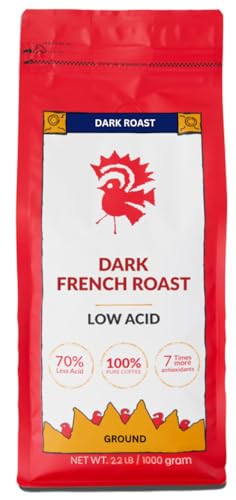
Puroast is the answer for anyone who needs low-acid coffee by the pound. The 2.2 lb bag (35.2 oz) is easily the largest on this list, and the French roast profile means it goes through a longer roasting cycle that naturally breaks down more chlorogenic acids. Puroast claims 70% less acid compared to leading brands, and the customer feedback consistently confirms that it reduces heartburn and GERD symptoms. The company also uses a proprietary clean-tech roasting process powered by 100% renewable fuels, which is rare in the coffee roasting world.
What sets Puroast apart beyond the size is the antioxidant content. The brand states it has 7x more antioxidants than green tea, which is relevant because low-acid coffee drinkers are often health-conscious and looking for functional benefits alongside comfort. The French roast delivers a full-bodied, smoky flavor without the bitter aftertaste that often plagues dark roast low-acid options. It works well in drip machines, French presses, and cold brew setups.
The main trade-off is consistency — some batches taste smoother than others, and you may need to dial in your water-to-coffee ratio to get the best results. The bag requires a chip clip or airtight container after opening because the packaging is not resealable. But for the price per ounce, Puroast is the most economical way to keep your stomach happy while drinking dark roast coffee daily.
Why it’s great
- Massive 35.2 oz bag for long-term use
- 70% less acid confirmed by customer feedback
- High antioxidant content and sustainable roasting process
Good to know
- Roast consistency varies slightly between batches
- Bag is not resealable — requires separate storage
3. Lifeboost Medium Roast Swiss Water Decaf
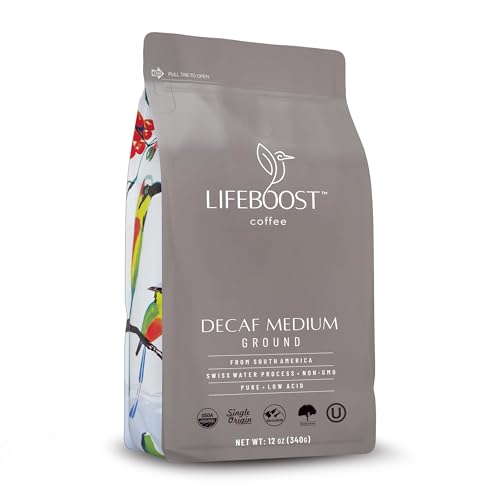
Lifeboost tackles two common barriers to coffee enjoyment in one bag: caffeine sensitivity and stomach irritation. This medium roast decaf uses the Swiss Water Process to remove 99.9% of caffeine without chemical solvents, leaving behind a clean cup that retains the bean’s natural oils and flavor. The beans are grown at high elevation in South America and are certified organic, plus they are third-party tested for mycotoxins, heavy metals, pesticides, and over 400 other toxins. That level of testing is reassuring for anyone whose digestive system reacts to even trace impurities.
The flavor leans toward a deep, velvety smoothness with no acidic bite. Multiple reviews note it is easy on the stomach even for those who cannot tolerate standard decaf. The fact that it is decaf also makes it a strong option for afternoon or evening drinking without disrupting sleep. Lifeboost offers a 30-day guarantee, which lowers the risk of trying a new brand for those who have been disappointed by bland decaf in the past.
The main drawbacks are the bag size (12 oz) and the premium price point. It is the most expensive per-ounce option in this lineup. Some users also report that the flavor, while smooth, can be slightly weak when brewed using a pour-over method — you may need a slightly higher coffee-to-water ratio to get the strength you want. But for a decaf drinker who values both low acid and clean processing, Lifeboost sets the standard.
Why it’s great
- Swiss Water Process decaf — no chemical solvents
- Third-party tested for 400+ toxins including mycotoxins
- Velvety smooth with no acidic aftertaste
Good to know
- Higher price per ounce compared to other options
- May require a stronger brew ratio for pour-over methods
4. Peak Performance High Altitude Organic Coffee
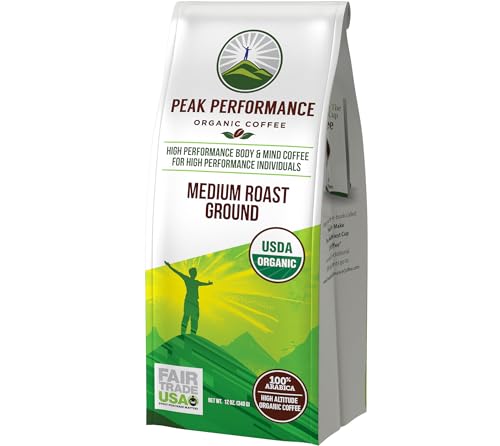
Peak Performance is the entry-level organic low-acid option that does not compromise on sourcing philosophy. The beans come from the Guatemalan highlands, a region known for producing Strictly Hard Bean (SHB) coffee — a grade that indicates dense beans grown above 4,500 feet. Higher density beans are naturally lower in acidity because the slower maturation allows complex sugars to develop while sharp acids break down. The medium roast preserves that smoothness without scorching the bean.
Beyond the coffee itself, Peak Performance operates a 1-for-1 donation program with Vitamin Angels, providing a year’s worth of vitamins to a child at risk of malnutrition for every purchase. That adds a tangible social impact to your daily cup. The flavor is smooth and mild, with none of the bitter or sour notes that sometimes slip into mass-market organic coffees. It is a straightforward, clean cup that works well for drip coffee makers and pour-over setups.
The bag is 12 oz, which is standard, and the price sits at the more accessible end of the low-acid spectrum. It is not certified as mycotoxin-free like Fabula or Lifeboost, so if mold sensitivity is a primary concern, you may want to look higher in the tier. But for the organic shopper looking for a solid daily driver with a charitable mission, Peak Performance delivers without straining the budget.
Why it’s great
- High altitude Guatemalan SHB beans for lower natural acidity
- USDA organic and Fair Trade certified
- 1-for-1 donation program with Vitamin Angels
Good to know
- No third-party mycotoxin testing published
- 12 oz bag is typical but not bulk-sized
5. Lavazza Super Crema Ground Coffee
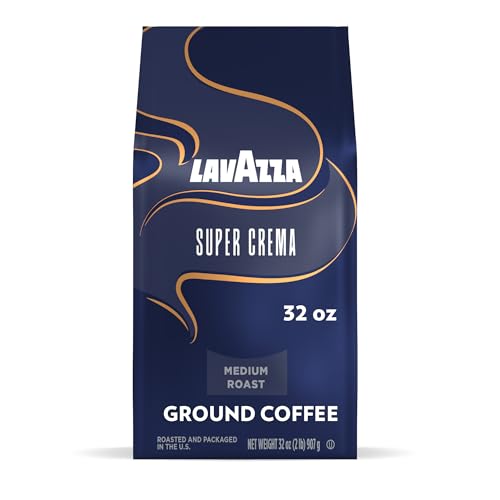
Lavazza Super Crema is not explicitly marketed as a low-acid coffee, but it earns a place here because of how it is blended and roasted. The mix of Arabica and Robusta beans creates a full-bodied, creamy texture that naturally masks the sharp acidic notes found in straight Arabica light roasts. The medium roast profile is designed specifically for espresso and drip machines, and the resulting cup is smooth with a velvety crema layer that coats the palate. Many drinkers with mild sensitivity find this blend gentler than standard supermarket brands because it lacks that bitter, burnt edge.
The 32 oz bag is a big selling point. At more than double the size of most other options on this list, it offers a lower cost per cup without sacrificing the rich flavor that coffee drinkers expect. Multiple customer reviews highlight how smooth and non-bitter the taste is, and a significant number mention switching to Lavazza after experiencing digestive irritation from other brands. It is also incredibly versatile — works in Chemex, moka pot, French press, and espresso machines.
The caveat is straightforward: Lavazza is not lab-tested for mycotoxins or chemicals, nor is it certified organic. The Robusta content adds a bit more caffeine and a slightly earthier flavor than 100% Arabica options. If you have high sensitivity to mold or need the cleanest possible coffee, this is not the right bag. But if you want a large, smooth, creamy everyday coffee that tends to sit easier on the stomach than typical grocery store roasts, Lavazza Super Crema is a reliable and affordable choice.
Why it’s great
- 32 oz bulk bag offers excellent value per cup
- Smooth, creamy texture with no bitter aftertaste
- Versatile for espresso, drip, French press, and moka pot
Good to know
- Not organic and not lab-tested for mycotoxins
- Contains Robusta beans, which add earthiness and slightly more caffeine
FAQ
What exactly makes coffee low acid?
Is dark roast always lower in acid than light roast?
Can low-acid coffee still taste good?
Should I look for mycotoxin-free labels?
Final Thoughts: The Verdict
For most users, the best low-acid coffee winner is the Fabula because it combines third-party lab testing for 350+ chemicals, single-origin high-altitude beans, and a rich medium roast that delivers flavor without reflux. If you want a massive bag that lasts all month, grab the Puroast French Roast. And for the decaf drinker who needs a gentle afternoon cup, nothing beats the Lifeboost Swiss Water Decaf.