Sliding into a pair of loafers should feel like relief, not a reminder of that stabbing heel pain the moment you stand. The wrong pair collapses your arch with every step, aggravating the plantar fascia and turning a simple walk into a painful chore.
I’m Emma — the founder and writer behind Baby Bangs. I’ve spent years analyzing footwear biomechanics and digging through user wear-test data to find shoes that genuinely reduce strain on the plantar fascia without sacrificing a clean silhouette.
That’s exactly what this guide delivers: a roundup of proven, podiatrist-conscious loafers for plantar fasciitis, built with rigid heel counters, deep heel cups, and supportive midsoles that let you move pain-free all day.
How To Choose The Best Loafers For Plantar Fasciitis
Not every loafer marketed as “comfort” delivers the structural support a sore plantar fascia needs. Focus on these three pillars to avoid wasting money on shoes that look right but fail your feet.
Heel Counter Rigidity & Heel Cup Depth
A flimsy heel counter allows your calcaneus to shift, which strains the plantar fascia attachment. Press the back of the shoe: it should resist your thumb without collapsing. A deep, molded heel cup cradles the fat pad and keeps the heel aligned, reducing the pull on the fascia with every step.
Midsole Stiffness & Arch Support
Soft memory foam feels great in the store but offers zero resistance against arch collapse. Look for a midsole with a torsionally rigid shank or a dense EVA/TPU blend that resists twisting. The arch area should feel firm, not squishy, providing a stable platform that prevents the foot from pronating inward.
Removable Insole & Depth
If you rely on custom orthotics or over-the-counter arch supports, the loafer must have a removable insole and enough vertical volume to accommodate the insert without jamming your toes. A shoe that is too shallow will defeat the purpose of your orthotic.
Quick Comparison
On smaller screens, swipe sideways to see the full table.
| Model | Category | Best For | Key Spec | Amazon |
|---|---|---|---|---|
| Clarks Westlynn Ayla | Premium | All-day wear & structured support | Ortholite footbed, 1.72 lbs | Amazon |
| OrthoComfoot Men’s | Premium | Men’s dress loafer with deep arch | Suede leather, non-slip outsole | Amazon |
| BORN Cove Modern | Premium | Classic comfort & premium leather | 3 lbs, full-grain leather | Amazon |
| Clarks Westlynn Glow | Mid-Range | Lightweight everyday commute | 1.7 lbs, Cushion Plus | Amazon |
| Easy Spirit Valina 2 | Mid-Range | Walkability & flexible feel | 1.3 lbs, EVA outsole | Amazon |
| LifeStride London 2 | Mid-Range | Stylish silhouette with soft step | Flexible sole technology | Amazon |
| BOBS Skechers Arch Comfort | Budget | Hands-free slip-on convenience | 1.7 lbs, Arch Comfort insole | Amazon |
In‑Depth Reviews
1. Clarks Women’s Westlynn Ayla Loafers
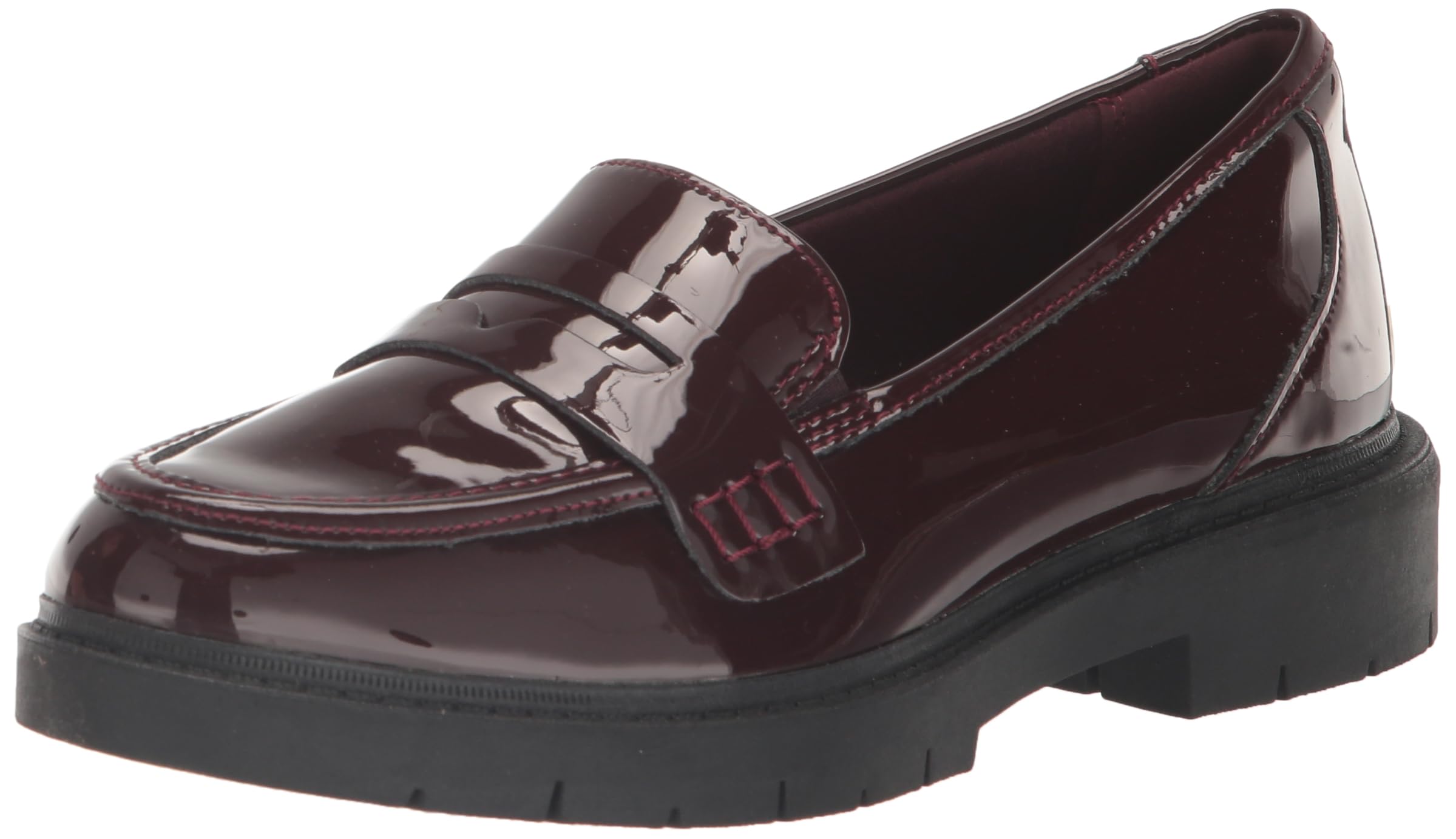
The Westlynn Ayla sits at the top because it delivers what plantar fasciitis sufferers need most: a rigid heel counter and a supportive Ortholite footbed that doesn’t compress into a pancake after a week. The full-grain leather upper molds to the foot without stretching out, while the EVA midsole provides enough shock absorption for tile floors and pavement alike.
The deeper heel cup is the standout feature here. It locks the calcaneus in place, reducing the micro-motion that tugs on the fascia. At roughly 1.72 pounds per pair, it’s solid without being clunky — you feel planted, not weighted down. The removable footbed also makes room for custom orthotics if your arch needs extra height.
Where it falls short is the break-in period. The leather and structured heel counter require about three full wears before the shoe conforms to your foot shape. Buyers with very wide feet may need to size up half a size. Otherwise, this is the most reliable all-day loafer for managing plantar fasciitis pain.
Why it’s great
- Rigid heel counter and deep heel cup control heel motion effectively.
- Ortholite footbed retains support longer than standard memory foam.
- Removable insole works well with custom orthotics.
Good to know
- Leather upper requires a few wears to break in.
- Fit runs slightly narrow; half-size up recommended for wider feet.
2. OrthoComfoot Men’s Orthopedic Slip On Loafers

OrthoComfoot targets the male demographic that struggles to find dress-appropriate slip-ons with genuine arch support. The suede leather upper is soft enough to avoid hot spots, but the real engineering is in the insole: a contoured orthotic-grade layer with a pronounced medial arch that cups the foot without feeling like a rock.
The non-slip rubber outsole is a practical win for men who walk on polished office floors or wet parking lots. The heel counter is stiff without being abrasive, and the shoe’s overall weight feels moderate — lighter than a traditional dress shoe but denser than a sneaker. The internal volume is generous enough to accept a thin custom orthotic if the built-in arch isn’t high enough for your specific needs.
The trade-off is aesthetic: the silhouette leans casual-smart rather than boardroom formal. The suede surface also requires care in wet weather. But for daily office commutes or long shifts on hard floors, this loafer provides the most targeted arch support in the men’s category.
Why it’s great
- Contoured orthotic insole supports the arch aggressively.
- Non-slip rubber outsole offers solid traction on slick surfaces.
- Enough depth for most aftermarket orthotics.
Good to know
- Suede is less durable in rain and mud.
- Style is more casual than traditional dress loafers.
3. BORN Women’s Cove Modern
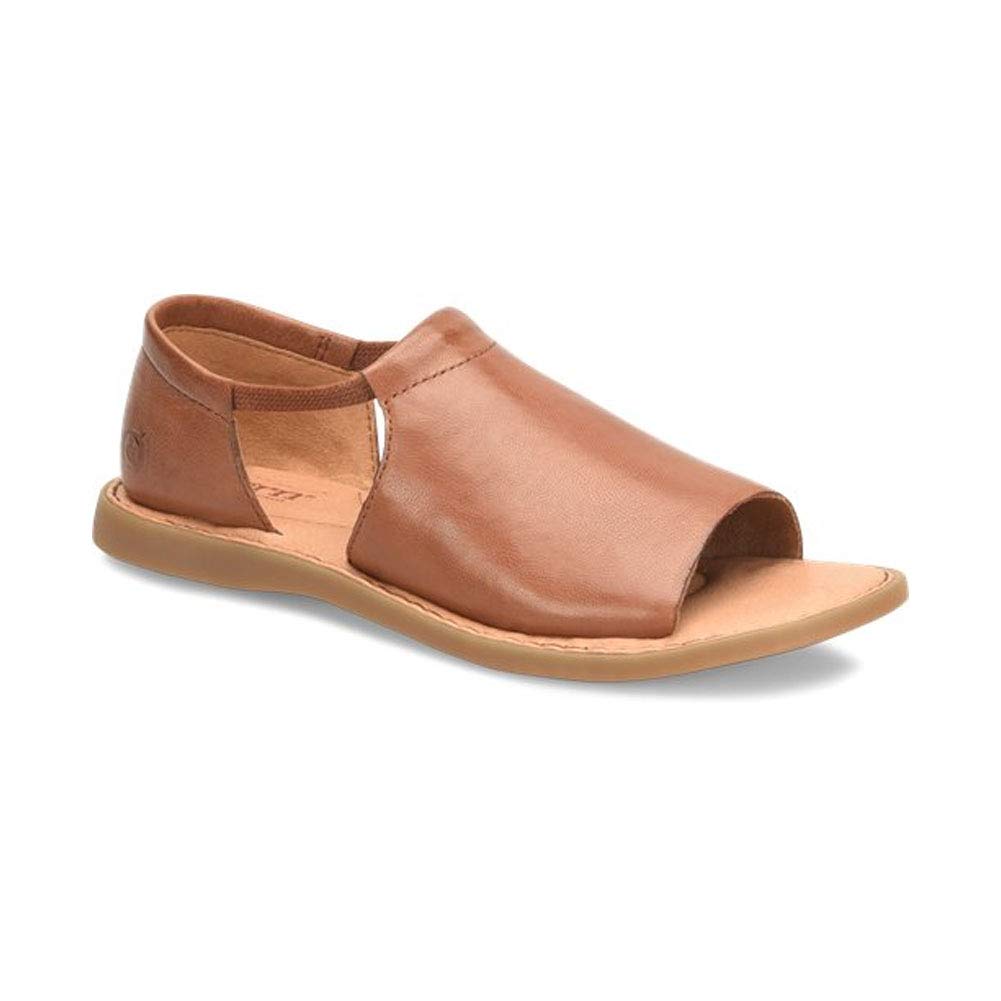
BORN is known for using thick, full-grain leather and building shoes that last years. The Cove Modern carries that reputation forward with a supportive footbed and a substantial feel that weighs in at about 3 pounds. That heft translates to quality materials, but also means you’ll feel the shoe’s presence with every stride.
The footbed is firm rather than plush, which is actually a positive for plantar fasciitis — excessive softness encourages the arch to collapse. The deep seat and broad toe box allow the toes to splay naturally while the heel remains locked. The leather upper stiffens the overall structure, acting as a secondary stabilizer for the midfoot.
On the downside, the weight can fatigue the legs on long walking days. The lack of a modern outsole tread also makes it less grippy on wet surfaces. If you prioritize durability and classic styling over lightweight convenience, this is a strong contender, but it’s best reserved for shorter wear periods or rotation with a lighter pair.
Why it’s great
- Full-grain leather upper provides durable structural stability.
- Firm footbed resists arch collapse better than soft insoles.
- Wide toe box allows natural toe splay.
Good to know
- Heavy build at 3 pounds can tire legs over long distances.
- Outsole lacks aggressive traction for wet conditions.
4. Clarks Women’s Westlynn Glow
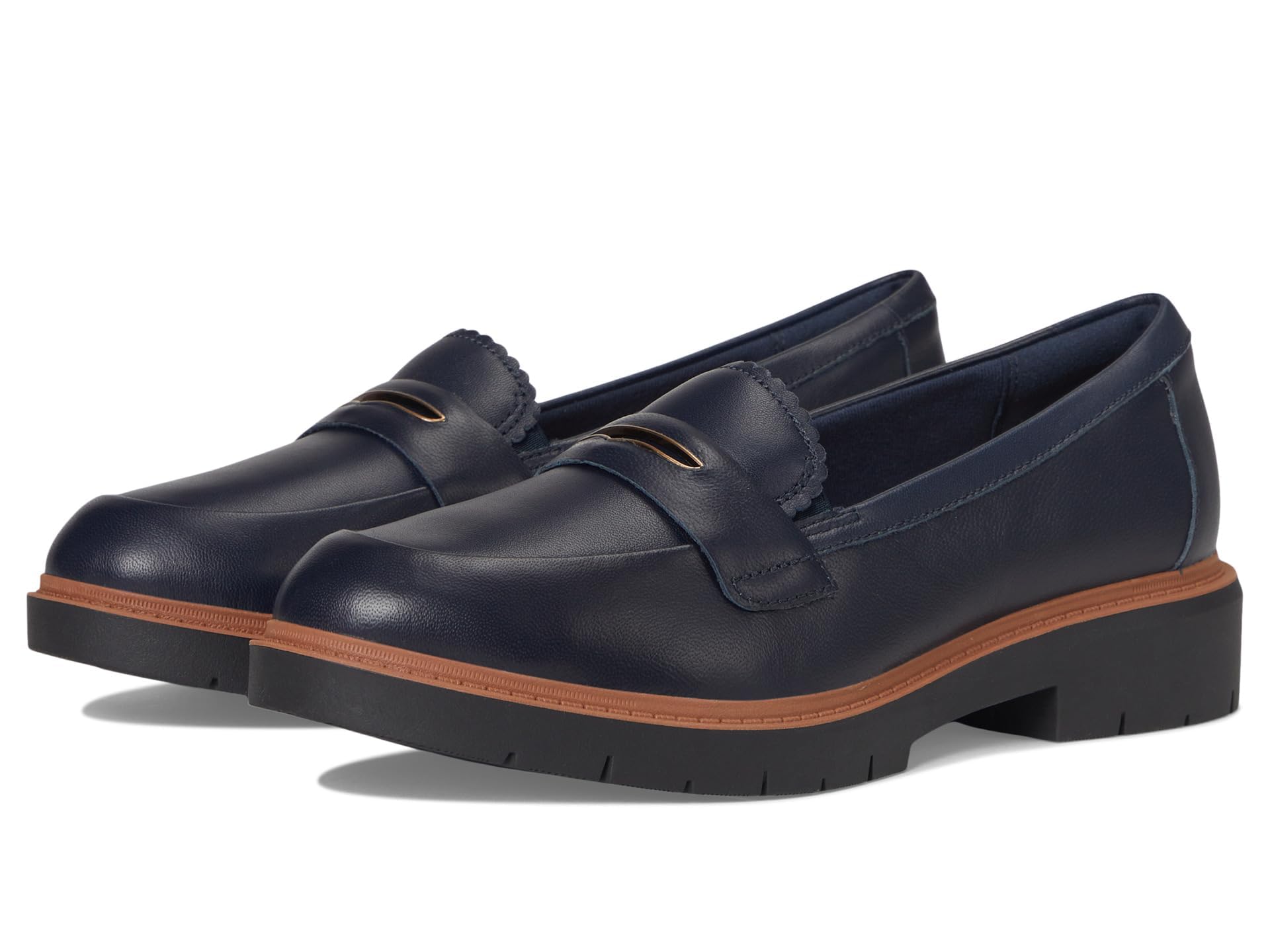
The Westlynn Glow is a lighter, slightly less structured sibling of the Ayla. It uses Clarks’ Cushion Plus technology in the midsole, which gives a softer initial step feel. For plantar fasciitis, that softness is a double-edged sword: it absorbs shock well, but the arch support is less pronounced than the Ayla’s Ortholite platform.
At 1.7 pounds, it’s easy to pack and wear for errand-heavy days. The heel counter is reasonably firm for a mid-range shoe, though it doesn’t lock the heel as aggressively as the premium Clarks model. The removable footbed is a plus, and the leather upper breaks in faster because it uses a lighter grade of material.
Buyers with severe plantar fasciitis or collapsed arches will find the support insufficient for full-day standing. But for the price, it’s a good transitional loafer for mild discomfort or for rotating with a more supportive pair on low-pain days.
Why it’s great
- Lightweight construction makes it ideal for casual errands.
- Cushion Plus midsole provides good shock absorption.
- Removable footbed allows orthotic use.
Good to know
- Arch support is milder than premium Clarks options.
- Heel counter offers moderate stability, not rigid control.
5. Easy Spirit Women’s Valina 2 Slip-On
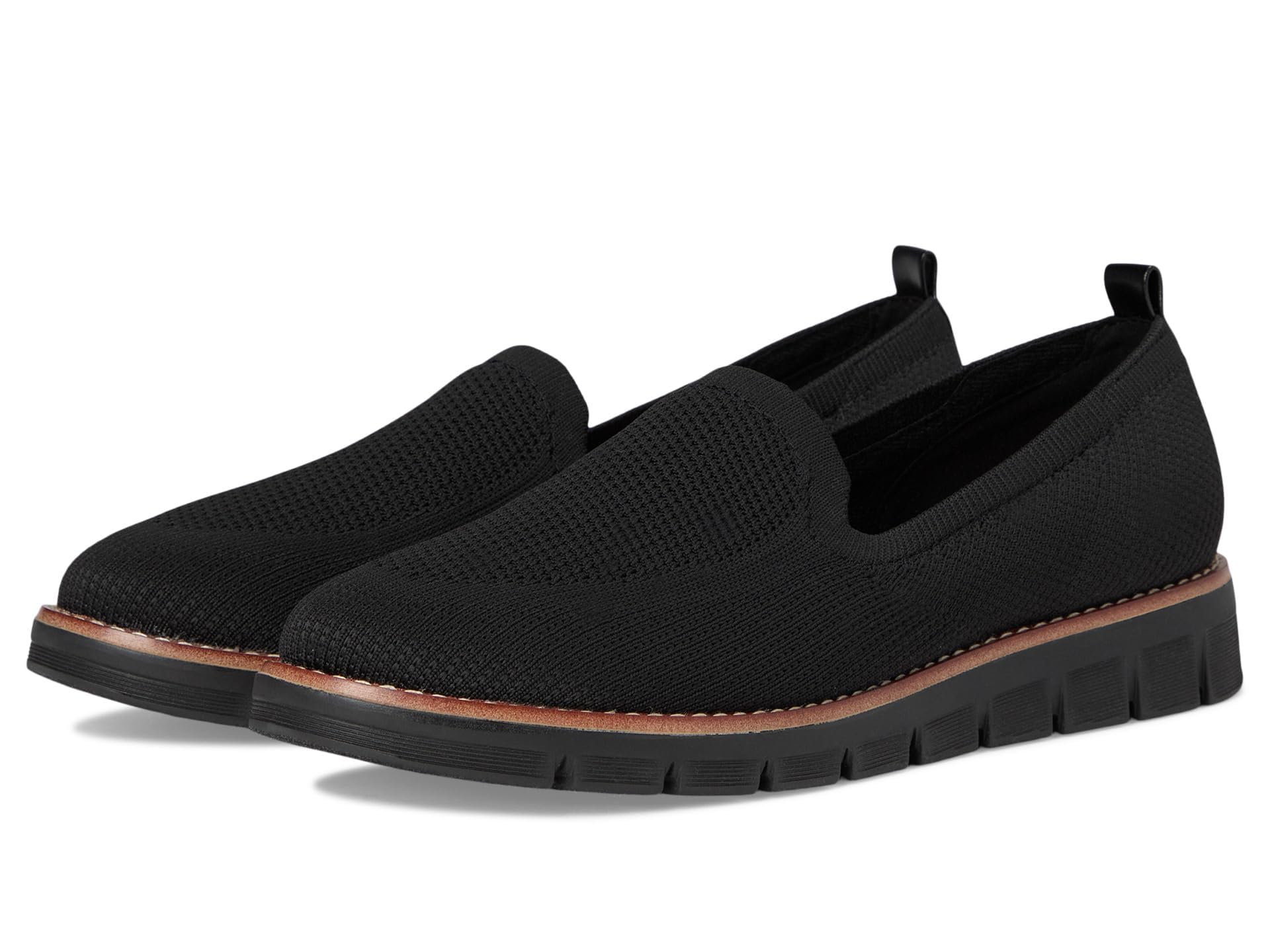
Easy Spirit built its reputation on walkability, and the Valina 2 continues that with a lightweight EVA outsole and a flexible upper that moves with the foot. The insole offers moderate arch contouring — enough for mild plantar fasciitis but not enough to correct severe pronation. The heel cup is shallow compared to the Clarks Ayla, so heel-strikers may feel some instability.
What this shoe does well is reduce fatigue. At just 1.3 pounds, it’s the lightest option on this list, making it a solid choice for travel or long shopping trips. The slip-on entry is easy, and the padded collar prevents rubbing on the Achilles. The outsole is flexible, which some users prefer for a more natural gait.
The main compromise is structural rigidity. The shoe twists more easily in your hands than the premium picks, which means it won’t control the windlass mechanism as effectively. If your plantar fasciitis is intermittent or you already use orthotics, the Valina 2 is a serviceable lightweight companion.
Why it’s great
- Ultra-light at 1.3 lbs, great for travel and long walks.
- Padded collar prevents heel rubbing.
- Flexible outsole encourages a natural stride.
Good to know
- Shallow heel cup may not lock the heel for severe cases.
- Arch support is moderate, not corrective.
6. LifeStride London 2 Loafers

LifeStride London 2 targets the buyer who wants a sleek, office-ready loafer without obvious orthopedic clunkiness. The silhouette is streamlined, with a clean toe and minimal branding. The insole includes LifeStride’s Soft System padding, which is cushioned but not deeply contoured — acceptable for mild arch fatigue but insufficient for diagnosed plantar fasciitis without an insert.
The flex sole technology allows the shoe to bend at the ball of the foot, which feels natural during walking. However, that same flexibility reduces the torsional rigidity that helps stabilize the midfoot. The heel counter is soft and flexible, so it won’t provide the rigid lockdown that many podiatrists recommend.
This loafer works best as a fashion-first option for light wear, such as short commutes or meetings where you’re mostly seated. If you swap in a firm orthotic, the shallow internal volume may push your foot against the vamp. Consider it only if your plantar fasciitis is well-managed and you prioritize aesthetics.
Why it’s great
- Sleek, professional silhouette that suits office wear.
- Flex sole promotes a natural walking motion.
- Soft insole feels comfortable for short durations.
Good to know
- Flexible heel counter lacks rigid support for the fascia.
- Internal depth may be too shallow for thick orthotics.
7. BOBS from SKECHERS Hands Free Slip-Ins Arch Comfort Sunfest
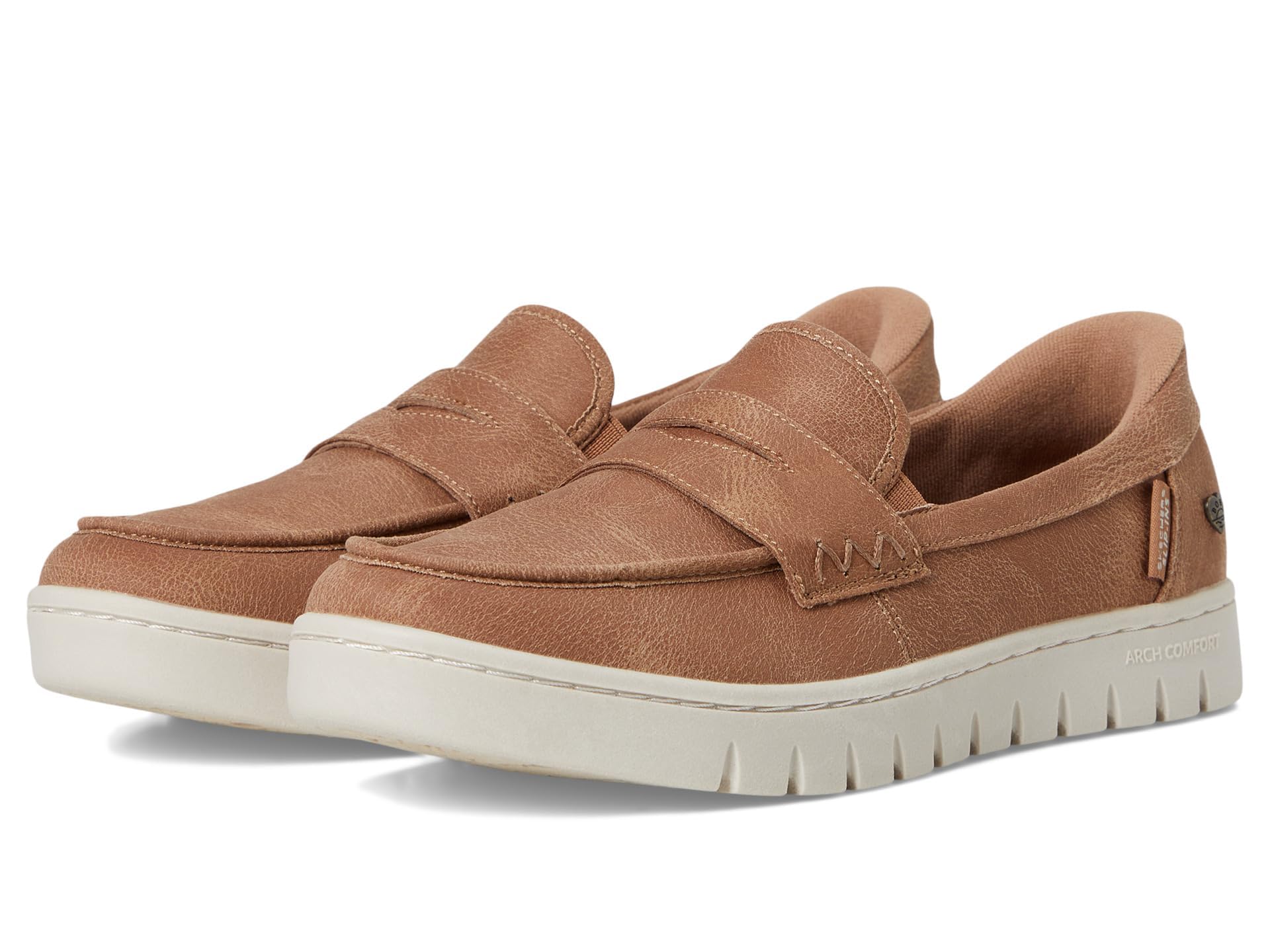
Skechers’ Arch Comfort line is their answer to plantar fasciitis support at a budget-friendly price. The Sunfest slip-on features the brand’s patented “Hands Free” design, which lets you step in without using your hands — a convenience that also means the heel counter is inherently flexible and collapsible. That’s the biggest red flag for plantar fasciitis: a collapsible heel counter cannot stabilize the calcaneus.
The Arch Comfort insole does provide noticeably more arch contour than standard Skechers memory foam models. It’s denser and holds its shape better under pressure. The outsole is a thick rubber with decent tread for wet sidewalks. At 1.7 pounds, the weight is average for this class.
The trade-off for the low entry price is a lack of midfoot rigidity. The shoe twists easily, which means it won’t control pronation or reduce tension on the plantar fascia as effectively as the stiffer models above. It’s a decent option for casual wear or as a backup pair if your main loafer is in rotation, but not a primary treatment shoe.
Why it’s great
- Arch Comfort insole is denser than standard Skechers memory foam.
- Hands-free entry is genuinely convenient for quick on/off.
- Affordable entry point for plantar fasciitis support.
Good to know
- Collapsible heel counter provides minimal heel stabilization.
- Lacks torsional rigidity needed for significant arch control.
FAQ
Can I wear loafers for plantar fasciitis if I need custom orthotics?
What is the difference between a flexible and rigid sole for plantar fasciitis?
How should loafers for plantar fasciitis fit compared to regular loafers?
Final Thoughts: The Verdict
For most users, the loafers for plantar fasciitis winner is the Clarks Westlynn Ayla because it combines a rigid heel counter, a deep Ortholite footbed, and enough depth for orthotics in a stylish leather package. If you need targeted arch support in a men’s silhouette, grab the OrthoComfoot. And for a classic, durable leather option with a firm footbed, nothing beats the BORN Cove Modern.