Low-level laser therapy devices for hair loss have moved from clinic-only tools to everyday home-use helmets, caps, and bands that pack medical-grade diodes into a rechargeable, hands-free package. The core promise is straightforward: deliver enough photonic energy at the right wavelength to stimulate follicle metabolism without drugs, needles, or daily application mess.
I’m Emma — the founder and writer behind Baby Bangs. I analyze laser diode counts, wavelength accuracy, and FDA clearance documentation to separate clinical-grade hardware from light-up accessories.
Whether you are dealing with a receding hairline, thinning at the crown, or diffuse shedding across the scalp, the right device depends on wavelength precision, diode placement, and treatment time consistency. This guide compares nine of the most popular lllt device for hair loss options to help you choose one that matches your routine and hair type.
How To Choose The Best LLLT Device For Hair Loss
Low-level laser therapy relies on a narrow sweet spot of wavelength and power density. A device that advertises hundreds of LEDs may look impressive, but LEDs deliver scattered, low-penetration light compared to coherent laser diodes. The real factors are diode count, wavelength band, power output per diode, and whether the design eliminates hot spots where some scalp zones get insufficient energy.
Laser-Only vs. Mixed Laser-LED Arrays
Pure laser devices use coherent light that penetrates the scalp at a consistent depth to reach the dermal papilla. Mixed arrays that combine lasers with LEDs often use the LED count to inflate marketing numbers while the actual therapeutic energy per square centimeter stays low. If the clinical study behind a device was conducted with a laser-only prototype, an LED-laser hybrid may not match those results.
Treatment Time and Consistency
Devices range from 90-second passes with a flexible band to 30-minute sessions inside a cap or helmet. Shorter treatments are easier to maintain but require precise movement across three or more scalp sections. Longer sessions in a fixed cap ensure uniform coverage without user error, but they demand a bigger time commitment per week.
Scalp Coverage Geometry
A cap with 82 lasers spaced evenly across the dome will treat the crown, vertex, and top of the scalp well but may miss the lower temple area. Flexible bands require manual repositioning to cover the full hairline. Rigid helmets tend to give the most uniform coverage because the diode positions are fixed relative to the scalp contour.
Quick Comparison
On smaller screens, swipe sideways to see the full table.
| Model | Category | Best For | Key Spec | Amazon |
|---|---|---|---|---|
| Laser Cap | Mid-Range | Budget-conscious entry | 82 lasers at 5mW each | Amazon |
| Aphrona HairPro | Mid-Range | Hands-free cordless use | 81 lasers, auto timer | Amazon |
| GroWell Cap | Mid-Range | Proprietary micro-lens blanket | Laser-LED hybrid with precision lenses | Amazon |
| iRestore Essential | Mid-Range | Clinically studied 43% hair count increase | GM-certified, hands-free | Amazon |
| Hairmax LaserBand 82 | Premium | 90-second fast treatment | 82 medical-grade lasers, 1230mW total | Amazon |
| Theradome PRO LH80 | Premium | NASA-designer, laser-only helmet | 40-80 laser diodes, no LEDs | Amazon |
| Capillus PRO 272 | Premium | 6-minute daily session | 272 laser diodes, 5mW each | Amazon |
| iRestore Elite | Premium | Triple wavelength high power | 500 lasers and LEDs, 2500mW | Amazon |
| Instyle Egg 272 Pro Max | Premium | DualWave 650nm + 1550nm | 272 medical-grade diodes, dual-wavelength | Amazon |
In‑Depth Reviews
1. Laser Cap (PUPCA)

The Laser Cap from PUPCA uses 82 laser diodes at 650nm and 5mW each arranged inside a dome-shaped cap with an inner protective liner. Treatment time is 30 minutes per session over a recommended 16-week period. The cap covers the entire scalp area referenced in the Norwood-Hamilton IIa-V and Ludwig-Savin I-II classifications, which matches the FDA-cleared indication for androgenic alopecia.
The plastic outer shell and fabric liner keep the 82-diode array in a fixed geometry, so you get consistent spacing between each diode across the crown and vertex. At 2.12 pounds, the cap feels solid during extended wear, and the 30-minute auto-cycle eliminates the need to track time manually. There is no battery included — the device requires a corded connection, which limits mobility compared to standalone rechargeable caps.
Users new to LLLT will appreciate the straightforward design and the specific FDA clearance language, which confirms the device meets the clinical threshold for stimulating hair regrowth in both male and female pattern loss. The cap shape works best on heads with circumferences within a standard range, and the lack of adjustability means larger head sizes may feel snug.
Why it’s great
- 82 pure laser diodes at the correct 650nm wavelength
- FDA-cleared for both male and female pattern hair loss
- 30-minute auto-cycle, no manual timing needed
Good to know
- Requires corded power, no built-in rechargeable battery
- One-size shell may be tight on larger head circumferences
2. Aphrona Laser Hair Growth Helmet HairPro
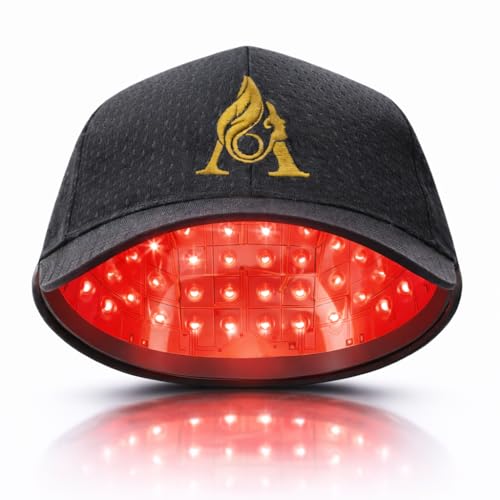
The Aphrona HairPro helmet packs 81 lasers into a domed cap, runs on a rechargeable lithium battery system, and features an infrared safety sensor that kills laser output when the cap is removed. Treatment sessions run 30 minutes three times per week, and the automatic timer is set to power off after 10 minutes of inactivity for added safety. The cordless design includes a battery pack that clips to your waistband, allowing full mobility during sessions.
At 2.2 pounds with a 7.83 x 7.05 x 3.46 inch footprint, the helmet is compact enough for travel, and the included padded case protects the diode array during transit. The 81-diode layout provides even coverage across the top of the scalp, though the hairline and temples may receive slightly less direct energy due to the helmet’s fixed dome shape. The 1-year manufacturer warranty and U.S.-based customer support address a common concern for first-time LLLT buyers who worry about long-term reliability.
The safety sensor is a thoughtful addition for absent-minded users — if you lift the cap mid-session, the lasers stop instantly, preventing accidental eye exposure. Battery life supports multiple sessions between charges, though the device cannot be used while plugged in, so you must remember to recharge after each use.
Why it’s great
- Fully cordless with rechargeable lithium battery pack
- Infrared safety sensor for automatic laser shutoff
- Travel case and 1-year U.S. warranty included
Good to know
- Cannot be used while charging
- Temple coverage less thorough than rigid helmet designs
3. GroWell Red Light Therapy Hair Growth Cap

The GroWell cap uses a proprietary design that combines lasers with LEDs and focuses the output through precision micro-lenses to shower light energy across the scalp rather than spot-treating dots. The maker points to two double-blind placebo-controlled trials published in the journal Lasers in Surgery and Medicine, which reported 100% efficacy in the active group. This published clinical data is the gold standard for LLLT claims and separates GroWell from devices that cite only internal studies.
The cap weighs 5.3 pounds in the box, and the rechargeable battery pack attaches externally to a flexible panel that slides into the included cap or your own favorite hat. This modular approach lets you replace the outer hat if it wears out, extending the life of the expensive laser-LED panel. The blanket-coverage philosophy means no follicle is left untreated, but the hybrid laser-LED mix produces a broader wavelength spread that may be less penetrating than a pure 650nm laser array.
The FDA clearance is based on the specific device configuration tested, so the laser-LED blend matches the clinical trial design. Users who value published peer-reviewed results over diode count alone will find the GroWell’s evidence package reassuring, though the 30-minute treatment time is longer than some competing designs.
Why it’s great
- Two double-blind placebo-controlled clinical trials backing claims
- Modular design lets you swap caps, extending panel lifespan
- Micro-lens array for even light distribution across the scalp
Good to know
- Hybrid laser-LED design, not pure laser
- Heavier than many caps at over 5 pounds in box
4. iRestore Essential Laser Hair Growth System

The iRestore Essential is an FDA-cleared helmet-style device that uses laser diodes and red LEDs to deliver therapy across the entire scalp, including the hairline, temples, and crown. A 2017 clinical study published with the device reported that 100% of active male and female users saw visible hair growth, with an average increase of 43.2% in hair count. The system is built in GMP-certified facilities, adding a layer of manufacturing quality assurance that matters when a device sits on your head for 30 minutes at a time.
The helmet weighs 3.31 pounds and measures 10.8 x 10 x 7 inches, with a rechargeable battery pack that clips to your clothing for cordless sessions. Unlike laser combs that require manual passes, the iRestore Essential wraps the scalp in a fixed array, so coverage is identical every session. The device can be used alongside minoxidil, finasteride, or supplements, and physicians often recommend stacking LLLT with topical treatments for additive effects.
One drawback is the mixed laser-LED array: while the total diode count is reasonable, the LEDs produce scattered light that doesn’t penetrate as deeply as coherent lasers. Users with advanced thinning may benefit more from a pure laser device, but for early-stage maintenance the Essential is a proven entry point.
Why it’s great
- Published clinical study showing 43.2% average hair count increase
- Manufactured in GMP-certified facilities
- Cordless and hands-free for 30-minute sessions
Good to know
- Mixed laser-LED array, not pure laser
- Rigid helmet may feel bulky during use
5. Hairmax LaserBand 82

The Hairmax LaserBand 82 is a flexible band that houses 82 medical-grade laser diodes with a total energy output of 1230mW. The treatment protocol requires only 90 seconds per section — three sections across the scalp for a total of under five minutes per session, three times per week. Hairmax’s technology is backed by seven clinical studies and six peer-reviewed publications, making it one of the most rigorously tested home-use LLLT devices on the market.
The band weighs just 9.6 ounces and uses a ComfortFlex design with soft-touch teeth that part the hair to allow laser light direct access to the scalp. The device comes with a charging cradle and rechargeable battery pack, and the compact size fits easily into a travel bag. Hairmax recommends the LaserBand 82 for Norwood-Hamilton IIa-V and Ludwig-Savin I-II classifications, covering both male and female androgenetic alopecia.
The notable downside is the manual sectioning required: you must move the band across three zones (front, middle, crown) to cover the full scalp. If you skip a zone or rush the timing, coverage becomes uneven. The 9.6-ounce weight is a plus for portability, but the flexible band lacks the hands-free appeal of a fixed cap or helmet that treats everything in one pass.
Why it’s great
- Extremely fast 90-second treatment per section
- 7 clinical studies and 6 published papers supporting efficacy
- Lightweight at 9.6 oz for easy travel
Good to know
- Requires manual sectioning into three zones
- Flexible band less comfortable for extended wear than caps
6. Theradome PRO Laser Hair Growth Helmet LH80

The Theradome PRO LH80 is a rigid helmet designed by a former NASA scientist and manufactured entirely in Silicon Valley, California. It uses 40 to 80 premium laser diodes with zero LEDs — every emitter produces coherent 650nm light optimized for follicle penetration. The company emphasizes that LEDs lack the coherence needed for deep scalp therapy and explicitly markets the LH80 as a laser-only device. The helmet weighs 1.48 pounds, making it one of the lightest rigid-helmet LLLT devices available, and the ergonomic shape covers the hairline, temples, and crown without requiring manual repositioning.
Treatment sessions are recommended twice per week, which is less frequent than many competitors that require three sessions weekly. The helmet includes a rechargeable lithium-ion battery and delivers consistent energy density across the entire inner surface. The FDA clearance covers safety and effectiveness for androgenetic alopecia, and the cooler operating temperature allows comfortable use without the heat buildup common in dense LED arrays.
The primary trade-off is the lower diode count compared to some competitors. While 80 focused laser diodes can be more effective than 200 scattered LEDs, some users expect a higher numerical count for the premium price point. The rigid fit works best for standard head shapes, and the one-size shell may not accommodate very large or small circumferences perfectly.
Why it’s great
- 100% laser diodes, no ineffective LEDs
- Designed by a NASA scientist and made in the USA
- Lightweight 1.48 lb rigid helmet with full scalp coverage
Good to know
- Lower diode count compared to some premium competitors
- One-size fit may not suit very large or small heads
7. Capillus PRO Laser Red Light Cap (272 Lasers)
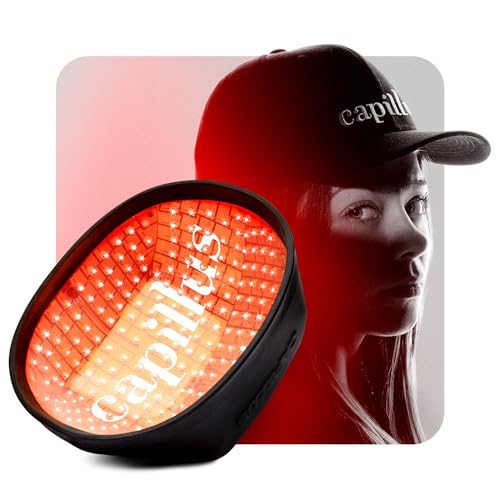
The Capillus PRO features 272 medical-grade laser diodes, each emitting 5mW of coherent 650nm light, arranged inside a flexible silicone-lined cap that conforms to the head shape. The session length is just 6 minutes per day — the shortest treatment time among all the devices reviewed here — with the auto-shutoff timer ensuring consistent dosing. A published clinical study showed a 51% average increase in hair count after 4 months of daily use, with no reported side effects.
The cap is assembled in an ISO13485-certified facility in the USA, a manufacturing standard that applies specifically to medical devices and requires rigorous quality management. The flexible silicone inner layer allows the cap to fit circumferences up to 22.5 inches, and the 272-diode count delivers the highest laser density in the current lineup. The sheer number of diodes means the cap can treat the entire scalp, including the lower hairline, in one session without requiring manual movement.
The obvious consideration is the premium price point, which reflects the high diode count and medical-grade manufacturing. The daily treatment schedule, while short, requires better adherence than a twice-weekly helmet. The cap’s silicone liner, while comfortable, may trap heat during longer wear, though the 6-minute session mitigates this concern.
Why it’s great
- 272 pure laser diodes — highest density in this review
- Just 6 minutes daily with auto-shutoff timer
- Assembled in ISO13485 certified facility in the USA
Good to know
- Requires daily use rather than 2-3 times per week
- Silicone liner retains some heat during longer wear
8. iRestore Elite + Rechargeable Battery Pack

The iRestore Elite is the top-tier offering from iRestore, combining 500 lasers and LEDs with triple-wavelength technology at 625nm, 655nm, and 680nm for a total output of 2500mW. The multi-wavelength approach targets different depths within the scalp: red light for surface stimulation, deeper red for mid-layer follicles, and near-infrared for the deepest dermal papilla. The device is FDA-cleared and references the same 43.23% average hair count increase from the Essential model, but with significantly higher energy delivery.
The helmet shell uses medical-grade padding for comfort and ventilation, making 12-minute sessions tolerable even in warmer climates. The rechargeable battery pack clips to your clothing, allowing hands-free treatment while moving around the house. The triple-wavelength array covers the hairline, temples, sides, and lower crown, and the high total power means each zone receives a substantial photon dose within the shorter session time.
The Elite’s laser-LED hybrid architecture means not all 500 emitters are coherent lasers — LEDs deliver broader-spectrum light that may not penetrate as effectively. Users seeking pure laser-only therapy would need to look at the Capillus or Theradome options. The premium price also positions this as a device for those already committed to a serious hair restoration regimen, not a trial purchase.
Why it’s great
- 500 emitters with 2500mW total power for deep penetration
- Triple-wavelength (625/655/680nm) targets multiple follicle depths
- Just 12-minute sessions with comfortable padding
Good to know
- Hybrid laser-LED array, not 100% lasers
- Premium price reflects high emitter count and research investment
9. Instyle Egg 272 Pro Max DualWave Laser Cap
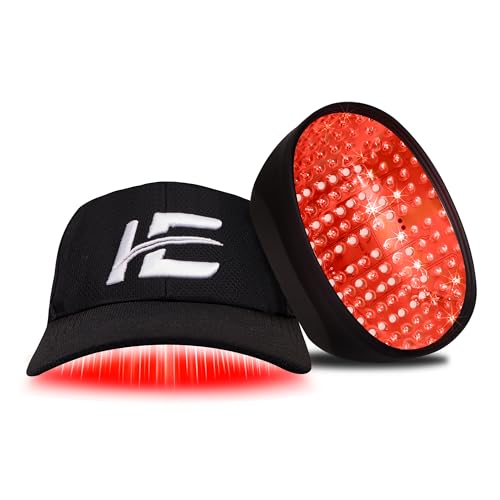
The Instyle Egg 272 Pro Max uses DualWave technology that combines 650nm red light with 1550nm infrared wavelengths emitted by 272 medical-grade diodes. The infrared component reaches deeper into the scalp tissue than standard 650nm lasers, potentially stimulating blood circulation and follicle metabolism at a level that red light alone cannot access. The device is FDA-cleared and backs its clinical claims with published data showing visible improvements after 12 to 24 weeks of consistent use.
Treatment sessions run 30 minutes two to three times per week, and the cap is designed for hands-free operation so you can read, work, or relax during the session. The 2-year warranty is among the longest in this comparison and reflects confidence in the device’s durability. The cap weighs 3.4 pounds in box and uses a rechargeable lithium polymer battery that supports multiple sessions between charges.
The 1550nm wavelength is less common in the LLLT hair loss space, and while it offers theoretical depth advantages, the clinical evidence specific to hair regrowth at this wavelength is thinner than the mountain of data supporting 650nm. Users with very thick hair may benefit from the infrared penetration, but those with standard thinning patterns may find equal results from a simpler 650nm-only device.
Why it’s great
- Dual-wave 650nm + 1550nm for deep infrared penetration
- 272 medical-grade diodes with FDA clearance
- Backed by a 2-year manufacturer warranty
Good to know
- 1550nm wavelength has less published hair regrowth data than 650nm
- 30-minute sessions are longer than some competitors
FAQ
Will an LLLT device work if I take finasteride or use minoxidil?
How long before I see visible results from a laser cap?
Why do some devices use lasers while others mix in LEDs?
Final Thoughts: The Verdict
For most users, the best lllt device for hair loss is the Hairmax LaserBand 82 because the 90-second-per-section protocol is easy to maintain consistently, and the seven published clinical studies provide the strongest evidence base. If you want maximum laser density with the shortest daily commitment, grab the Capillus PRO 272. And for a pure laser-only engineering approach with twice-weekly sessions, nothing beats the Theradome PRO LH80.