A winter jacket that stuffs into a daypack but still holds warmth when the wind cuts through a city block — that’s the brief. Most people think lightweight means cold, but the category has moved past that trade-off. The right shell balances insulation density, fabric weave, and draft sealing to disappear on your body while keeping your core temperature steady in the upper 30s and low 40s.
I’m Emma — the founder and writer behind Baby Bangs. I’ve spent the last four seasons analyzing insulation fill weights, shell denier ratings, and DWR durability across more than sixty jackets to isolate the models that actually deliver non-bulky warmth without leaving you shivering at a bus stop.
This guide cross-references seven current-season models from Columbia and The North Face — all under the lightweight winter jacket umbrella — using fill type, fabric face weight, and pocket configuration as the deciding specs rather than marketing claims.
How To Choose The Best Lightweight Winter Jacket
Lightweight winter jackets sit between a softshell and a parka — they need to be warm enough for daily commutes but thin enough to layer under a shell or pack into a bag. The wrong pick either traps too much heat for activity or fails entirely when the temperature drops below 40°F. Focus on three variables: insulation type, fabric construction, and weather defense.
Insulation Type: Synthetic vs. Down
Synthetic fills — like Columbia’s TurboDown and The North Face’s HEATSEEKER — retain loft when wet, cost less, and breathe better during active use. Down offers a higher warmth-to-weight ratio but collapses with moisture. For a lightweight winter jacket worn in mixed conditions (snow flurries, damp air, coffee runs), synthetic insulation is the practical winner. Look for fill weights around 80g to 100g if you run cold, or 60g if you wear the jacket primarily as a active midlayer.
Fabric Denier and DWR
The shell fabric’s denier (D) determines tear resistance and wind permeability. A 40D to 70D face fabric is the sweet spot for lightweight winter jackets — thin enough to pack small but dense enough to block a 15 mph breeze. A non‑PFC DWR finish adds water beading that handles light snow and drizzle; jackets without a DWR will wet out fast, saturate the insulation, and defeat the lightweight advantage.
Draft Protection: Zippers and Cuffs
Heat loss in a lightweight jacket happens at the zipper, hem, and cuffs. An internal draft flap behind the front zipper is non‑negotiable for sub-40°F use. Stretch binding at the cuffs seals the wrist gap without adding weight. Avoid jackets with exposed zippers lacking a flap or garage — cold air will find that seam every time.
Quick Comparison
On smaller screens, swipe sideways to see the full table.
| Model | Category | Best For | Key Spec | Amazon |
|---|---|---|---|---|
| The North Face Men’s Junction | Premium Synthetic | All‑day warmth + weather resistance | 100g HEATSEEKER insulation | Amazon |
| Columbia Mens Powder Lite II | Premium Down‑Blend | Packable warmth for travel | Thermarator synthetic insulation | Amazon |
| Columbia Womens Delta Ridge II Down | Premium Down | Light down warmth for daily wear | Down insulation + DWR shell | Amazon |
| Columbia Women’s Powder Lite II Hooded | Mid‑Range Synthetic | Errands and casual walks | Nylon shell with hood | Amazon |
| Columbia Women’s Powder Lite II Mid | Mid‑Range Synthetic | Low‑bulk layering piece | Mid‑length cut for coverage | Amazon |
| Columbia Mens Tipton Peak III | Value Synthetic | Budget‑conscious urban use | Columbia insulated shell | Amazon |
| Columbia Men’s Voodoo Falls 590 TurboDown II | Value Down‑Blend | Entry‑level down‑blend warmth | 590 TurboDown insulation | Amazon |
In‑Depth Reviews
1. THE NORTH FACE Men’s Junction Insulated Jacket
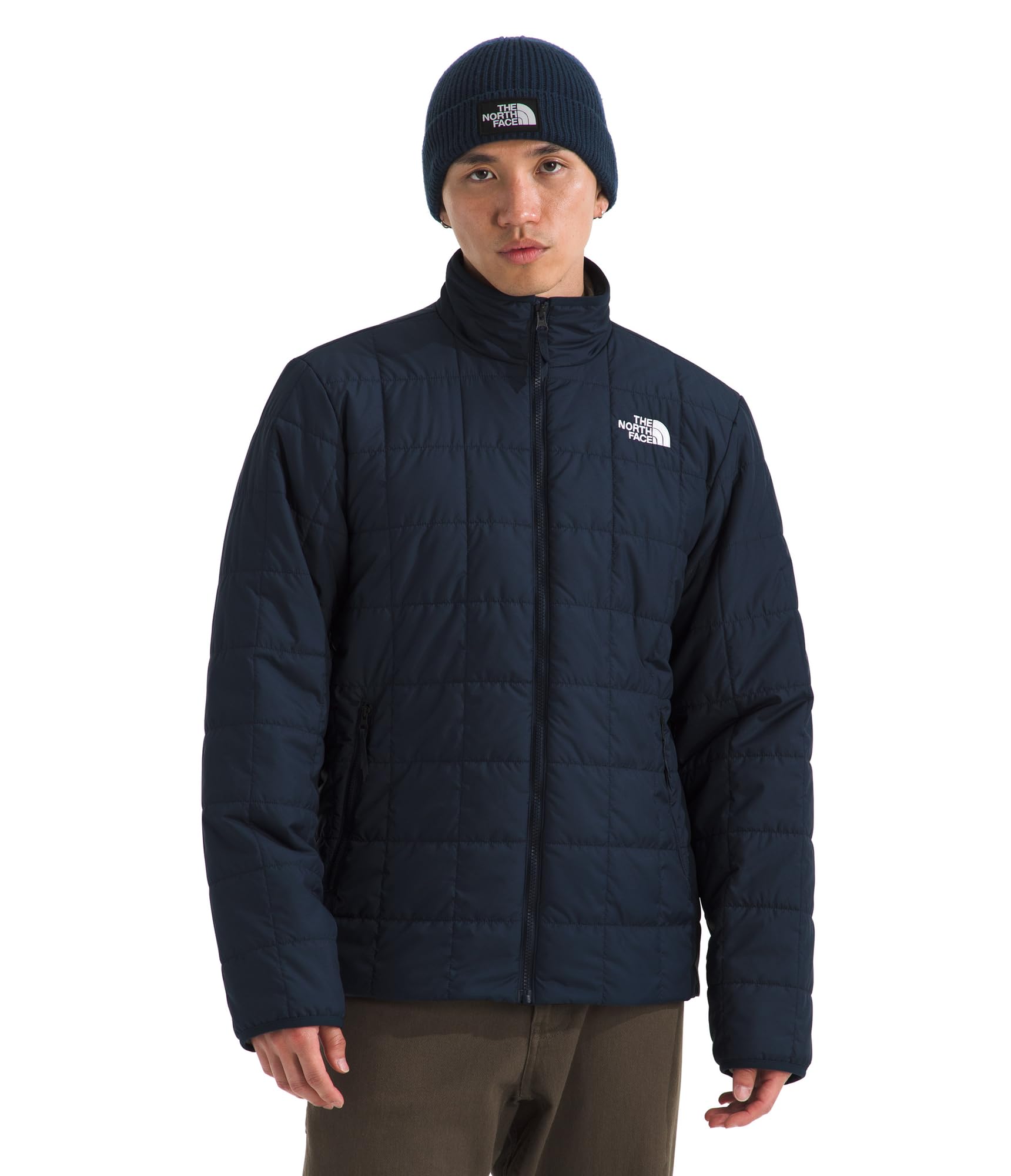
The Junction uses 100g of HEATSEEKER synthetic insulation — post-consumer recycled polyester hollow-core fibers that trap air without the loft profile of a puffy. Shell fabric is a 100% recycled polyester plain weave with a non‑PFC DWR finish that beads light snow on contact. The internal draft flap behind the zipper and stretch binding on the collar and cuffs close off the three biggest heat‑loss channels. That makes this jacket comfortable down to the upper 20s with a midlayer underneath, yet slim enough to wear under a rain shell for wetter days.
The fit is regular and true to size — no excess fabric pooling at the lower back. Secure-zip hand pockets sit at a useful height, clearing a backpack hip belt. The band collar feels clean under a beanie or hat. HEATSEEKER retains 80% of its loft when damp, which means a block of slush on the shoulder doesn’t create a cold spot. The hem doesn’t have a cinch cord, but the length covers the lower back well enough that wind doesn’t slide underneath during a walk.
This is the most balanced lightweight winter jacket in the group: high fill weight for active warmth, a solid weather barrier, and a 75% recycled material badge for buyers who factor sustainability into the purchase. It wins the top spot because it doesn’t make you choose between temperature range and packability.
Why it’s great
- 100g HEATSEEKER insulation delivers reliable warmth in 20s–40s°F
- Non‑PFC DWR finish sheds light snow and drizzle
- Internal draft flap and stretch cuffs block heat loss effectively
- Made from 75% recycled materials by weight
Good to know
- No hem cinch for extra sealing in high wind
- Synthetic insulation is slightly heavier per warmth unit than premium down
2. Columbia Mens Powder Lite II Jacket
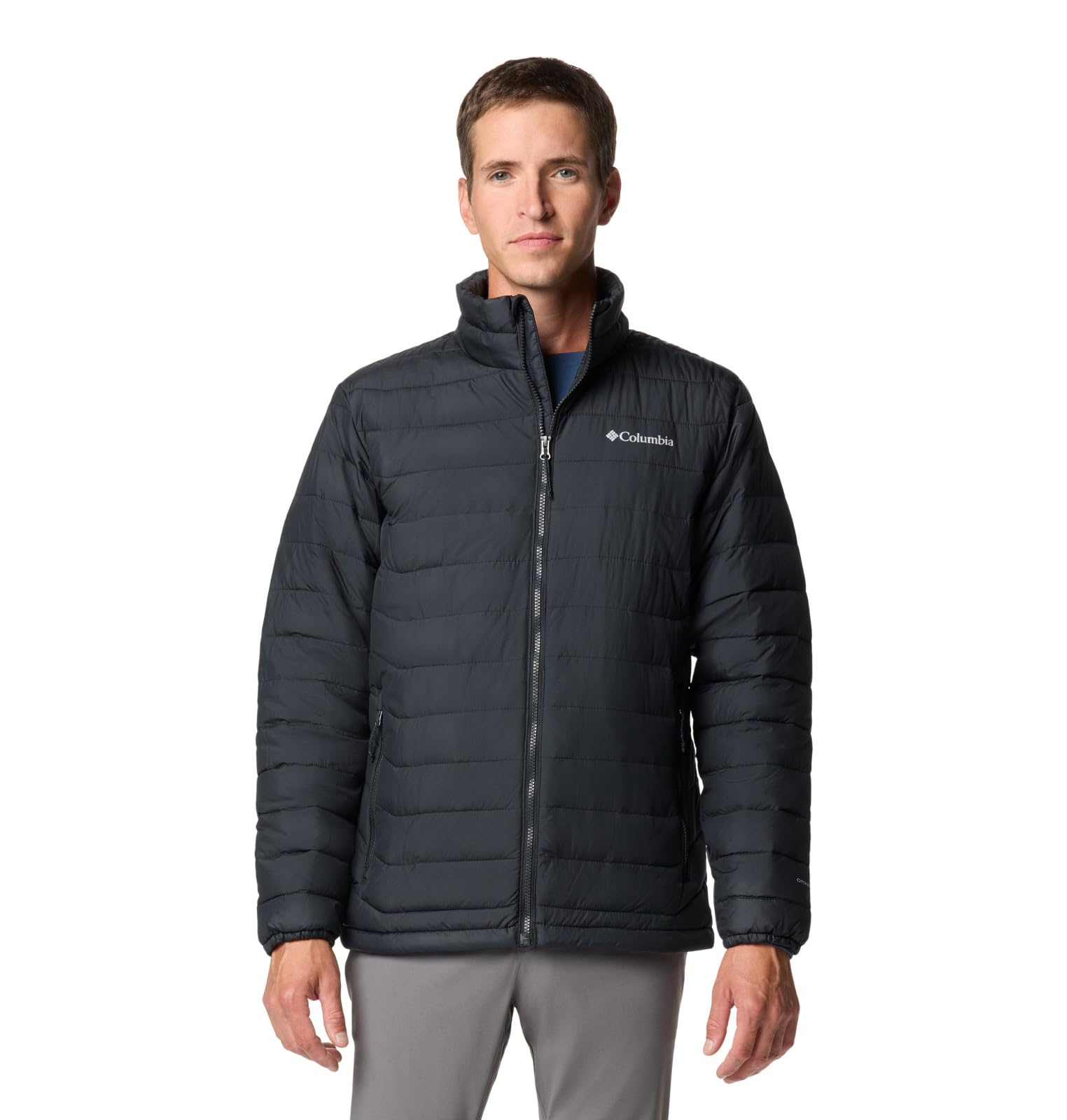
The Powder Lite II uses Columbia’s Thermarator synthetic insulation — a mid‑weight fill that balances warmth and compressibility for a jacket that stuffs into a packing cube or daypack pocket. The nylon shell is treated with Columbia’s water‑resistant finish, enough for light flurries and mist but not extended rain. The quilted pattern keeps the insulation from shifting during a hike or a long walk, so you don’t end up with cold spots after a few wears. It’s cut trim through the torso, working well as an outer piece with a baselayer or underneath a heavier parka for deep winter.
The zipper has a chin guard but no internal draft flap — a trade‑off for the low weight. Hand pockets are fleece‑lined and positioned high enough to clear a crossbody bag strap. The cuffs have elastic binding that seals without Velcro, which saves weight and snag risk. For a jacket that weighs around 14 oz, the warmth holds steady down to the mid 30s with a long‑sleeve shirt underneath. Below 30°F you’ll want a fleece midlayer or a thicker baselayer.
This is the best option for travelers who need a jacket that disappears in a suitcase but doesn’t fail on a cold morning walk. The Thermarator fill dries fast if you get caught in wet snow, and the price point makes it easy to own as a backpack‑specific jacket you don’t worry about abrading.
Why it’s great
- Highly packable — compresses small for travel
- Fleece‑lined hand pockets add warmth on cold days
- Lightweight shell with water‑resistant finish
Good to know
- No internal draft flap behind the zipper
- Warmth drops off below 30°F without a midlayer
3. Columbia Womens Delta Ridge II Down Jacket
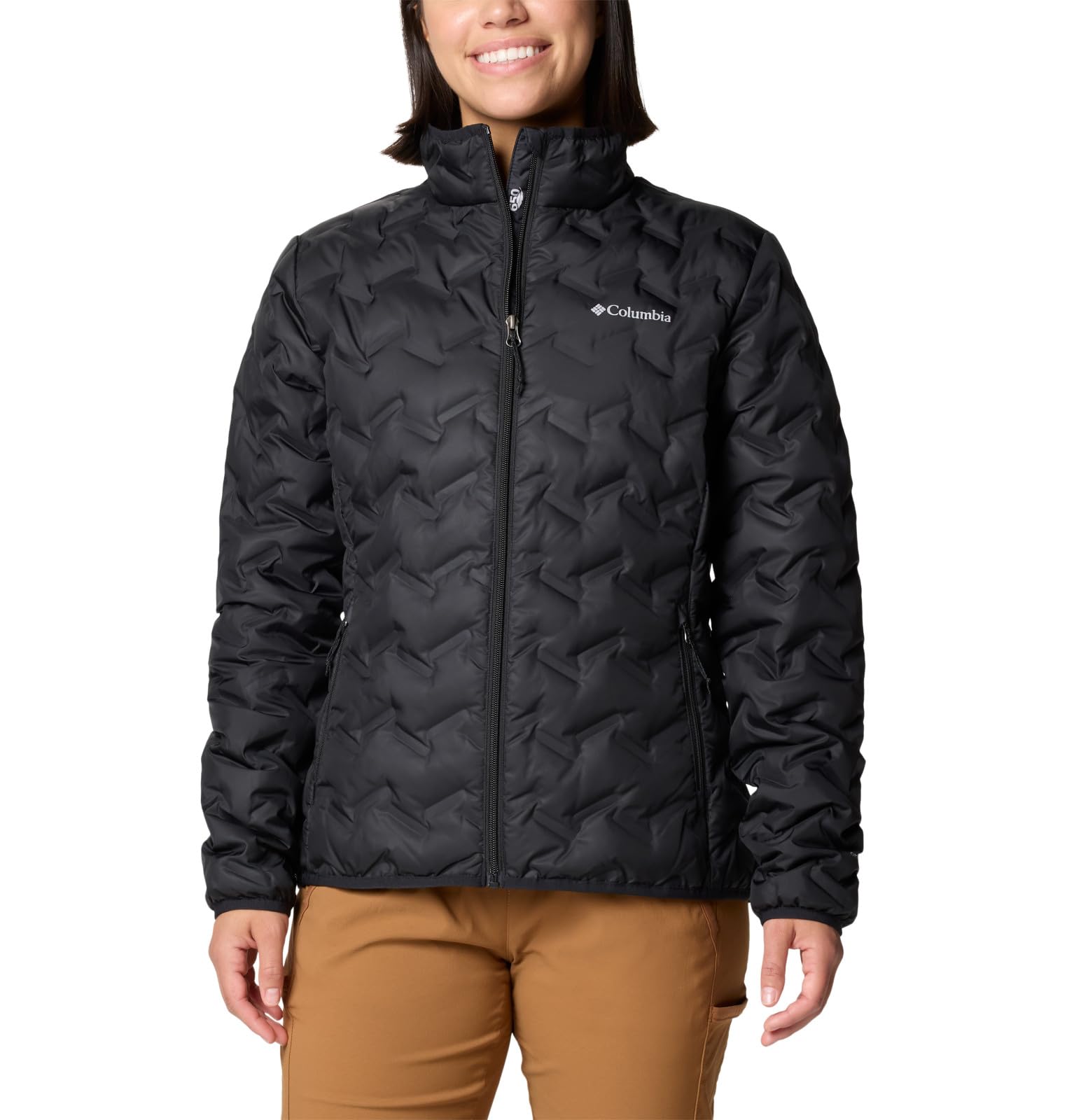
The Delta Ridge II uses genuine down insulation wrapped in a DWR‑treated nylon shell — a combination that gives a higher warmth‑to‑weight ratio than the synthetic models in this lineup. The down packs down smaller than equivalent synthetic for backpackers who count every liter of bag space. Columbia applies a water‑resistant treatment to the down itself, which slows moisture absorption compared to untreated down, though the jacket still belongs in dry‑weather duty or light snow rather than a rain shower. The quilted baffle construction is vertical, reducing down migration and keeping the fill evenly distributed across the torso.
The fit is slightly tailored through the waist without feeling restrictive. Zippered hand pockets sit at a comfortable height for walking, and the center‑front zipper has a draft flap behind it that seals against wind. The collar is uninsulated but sits low enough to layer under a scarf or buff. At roughly 12 oz, this is one of the lightest jackets here, yet the down fill keeps the temperature threshold around the mid 20s with a baselayer. You trade some weather tolerance for that weight savings — damp days require a shell overtop.
The Delta Ridge II is the pick for women who want a lightweight winter jacket that feels like a down coat without the bulk. It pairs naturally with a waterproof hardshell when conditions turn wet, making it a versatile layering piece for three‑season outdoor use.
Why it’s great
- Down fill provides excellent warmth for its low weight
- Vertical baffle construction prevents insulation migration
- Draft flap behind the zipper blocks wind effectively
Good to know
- Down loses loft quickly when wet despite DWR treatment
- Not suitable as a standalone in steady rain
4. Columbia Women’s Powder Lite II Hooded Jacket
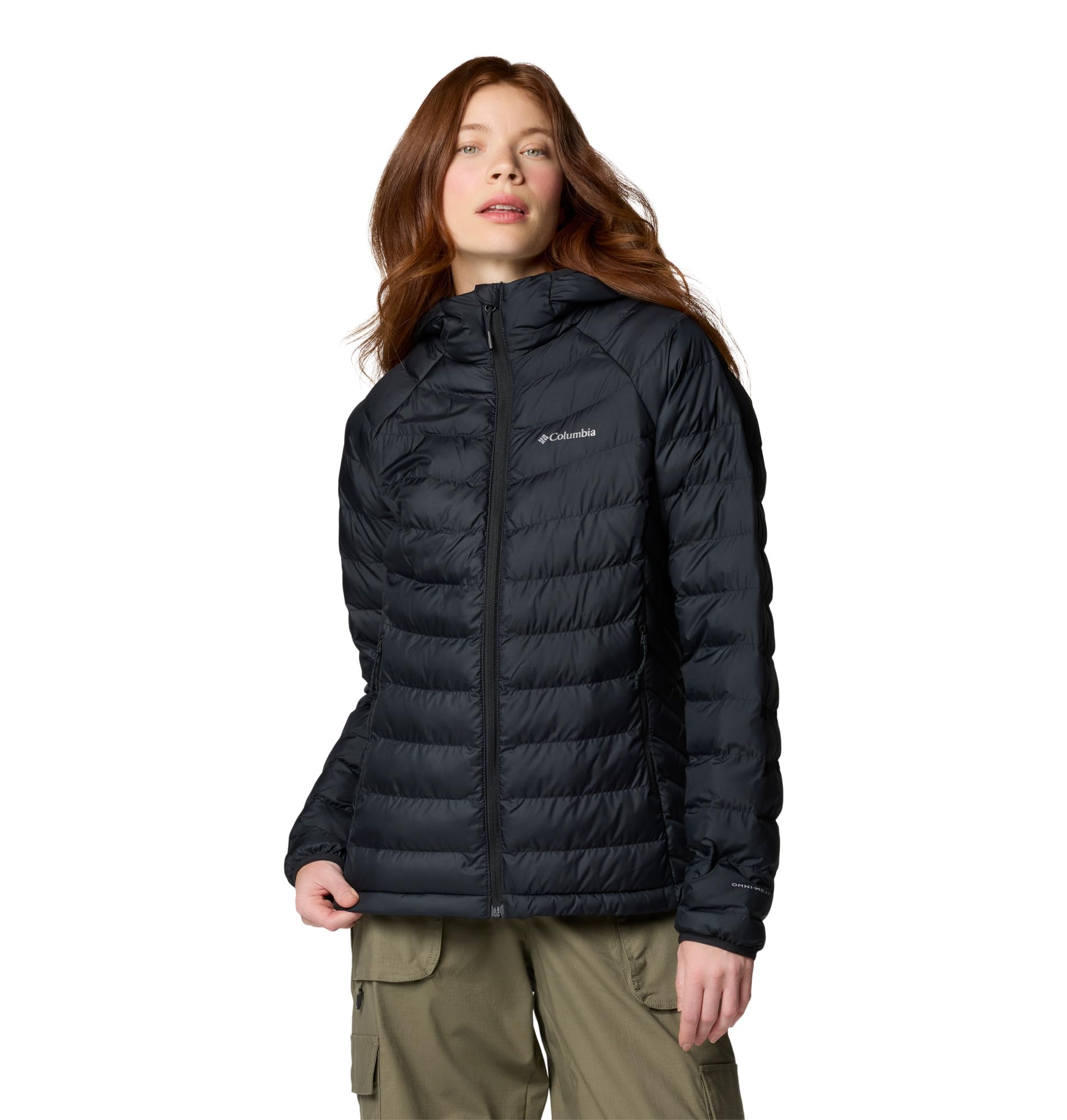
The hooded version of Columbia’s Powder Lite II adds a fixed hood to the Thermarator‑filled platform, saving you from carrying a separate hat when the wind picks up. The hood is uninsulated — it blocks wind but doesn’t add warmth on its own — and fits over a low‑profile ponytail without pulling the collar open. The rest of the jacket is identical to the men’s hoodless model: a water‑resistant nylon shell, quilting that stabilizes the synthetic fill, and zippered hand pockets that sit high enough to avoid conflict with a hip belt or crossbody bag.
The cut is slim through the arms and torso, designed to wear over a thin sweater or fleece without adding visual bulk. The elasticized cuffs seal the wrist gap, and the hem has no drawcord but lands at the hip for a clean silhouette. The insulation holds steady in the mid 30s to low 40s, making this a good errand‑running or dog‑walking jacket for dry, cold days. Below freezing you’ll want a thicker baselayer or a midlayer underneath.
The hooded Powder Lite II is the most convenient choice for women who want one‑piece simplicity — grab and go without searching for a beanie. It works as a standalone outer jacket for mild winter days or as a midlayer under a storm shell when the precipitation picks up.
Why it’s great
- Fixed hood offers quick wind protection without a separate hat
- Slim cut layers well under a rain shell
- Zippered hand pockets clear a backpack hip belt
Good to know
- Hood is uninsulated and does not add warmth
- Warmth range is limited to 30s–40s°F
5. Columbia Women’s Powder Lite II Mid Jacket
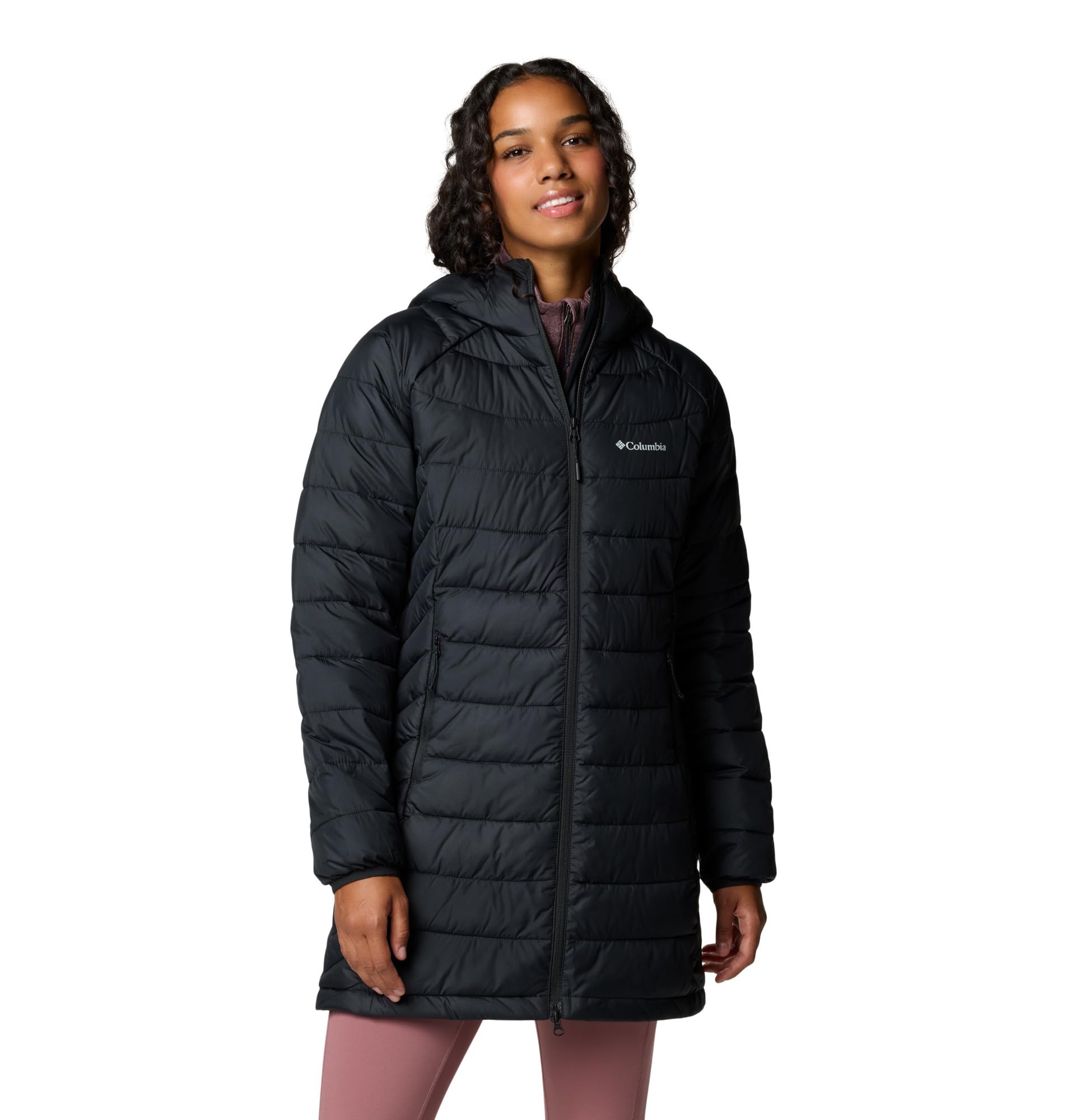
The Mid version of the Powder Lite II extends the hem a few inches lower than the standard hooded model, providing extra coverage for the lower back and hips without adding significant weight or insulation. The Thermarator fill is the same mid‑weight synthetic used across the Powder Lite line, so warmth is comparable — reliable in the mid 30s to low 40s, dropping off below freezing. The extended length helps seal out drafts when you’re standing at a bus stop or walking in exposed areas, making it a practical daily commuter jacket for dry cold conditions.
The shell is a water‑resistant nylon, and the quilted pattern keeps the fill evenly distributed. Zippered hand pockets are fleece‑lined and positioned to stay accessible even when the longer hem crosses the thigh. Elastic cuffs seal the wrists, and the center‑front zipper includes a chin guard. The fit is relaxed through the body compared to the standard Powder Lite II, giving room for a thicker sweater without feeling tight across the shoulders.
The Mid jacket is best for women who find standard‑length jackets leave their lower back exposed when reaching or bending. The extra inch or two of tail coverage makes a real difference in comfort without pushing the jacket into a full coat length.
Why it’s great
- Extended hem provides better lower‑back coverage
- Fleece‑lined hand pockets add comfort on cold mornings
- Relaxed fit accommodates midlayers without binding
Good to know
- Same Thermarator insulation — warmth limits are the same as the standard Powder Lite
- No hood option on this length
6. Columbia Mens Tipton Peak III Insulated Jacket
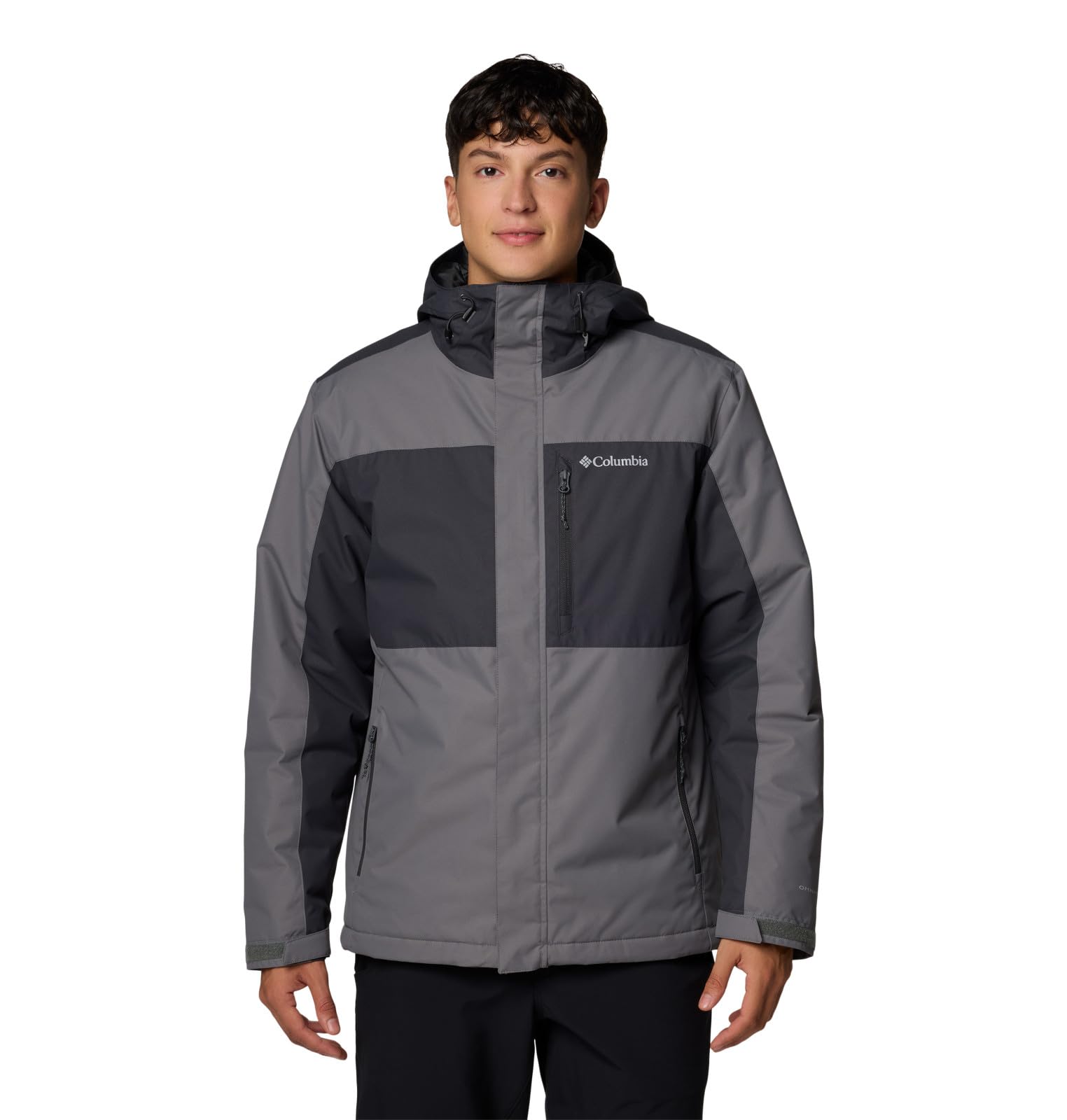
The Tipton Peak III is Columbia’s entry‑level insulated jacket, designed for buyers who need a winter shell with moderate warmth at a low commitment point. It uses a basic synthetic insulation layer — not the Thermarator or TurboDown found in the higher‑tier models — but the outer fabric is a sturdy nylon that handles light abrasion from daily use. The cut is relaxed through the torso and arms, fitting well over a hoodie or thin sweater without restriction. The center‑front zipper includes a chin guard but no internal draft flap, which is the main compromise for the budget price point.
Two zippered hand pockets are positioned at a standard hip height, and the elastic cuffs provide a basic seal. The collar is uninsulated and sits comfortably under a jacket hood or beanie. Warmth is adequate for dry days in the upper 30s to low 40s, but the jacket loses ground quickly in wind because the shell lacks a DWR treatment and the insulation density is lower than the Powder Lite line. Below freezing you’ll need multiple layers underneath.
The Tipton Peak III is a straightforward choice for urban wear where the temperature rarely dips below freezing and you want a jacket that handles a daily commute without fuss. It doesn’t bring any of the performance features of the higher‑tier models, but it delivers on the basic promise of a lightweight insulated jacket at an accessible price point.
Why it’s great
- Relaxed fit layers easily over hoodies and sweaters
- Durable nylon shell handles daily abrasion
- Zippered hand pockets secure phone and keys
Good to know
- No internal draft flap behind the zipper
- Insulation is less dense than the Powder Lite line
- Best suited for mild winter conditions above freezing
7. Columbia Men’s Voodoo Falls 590 TurboDown II Jacket
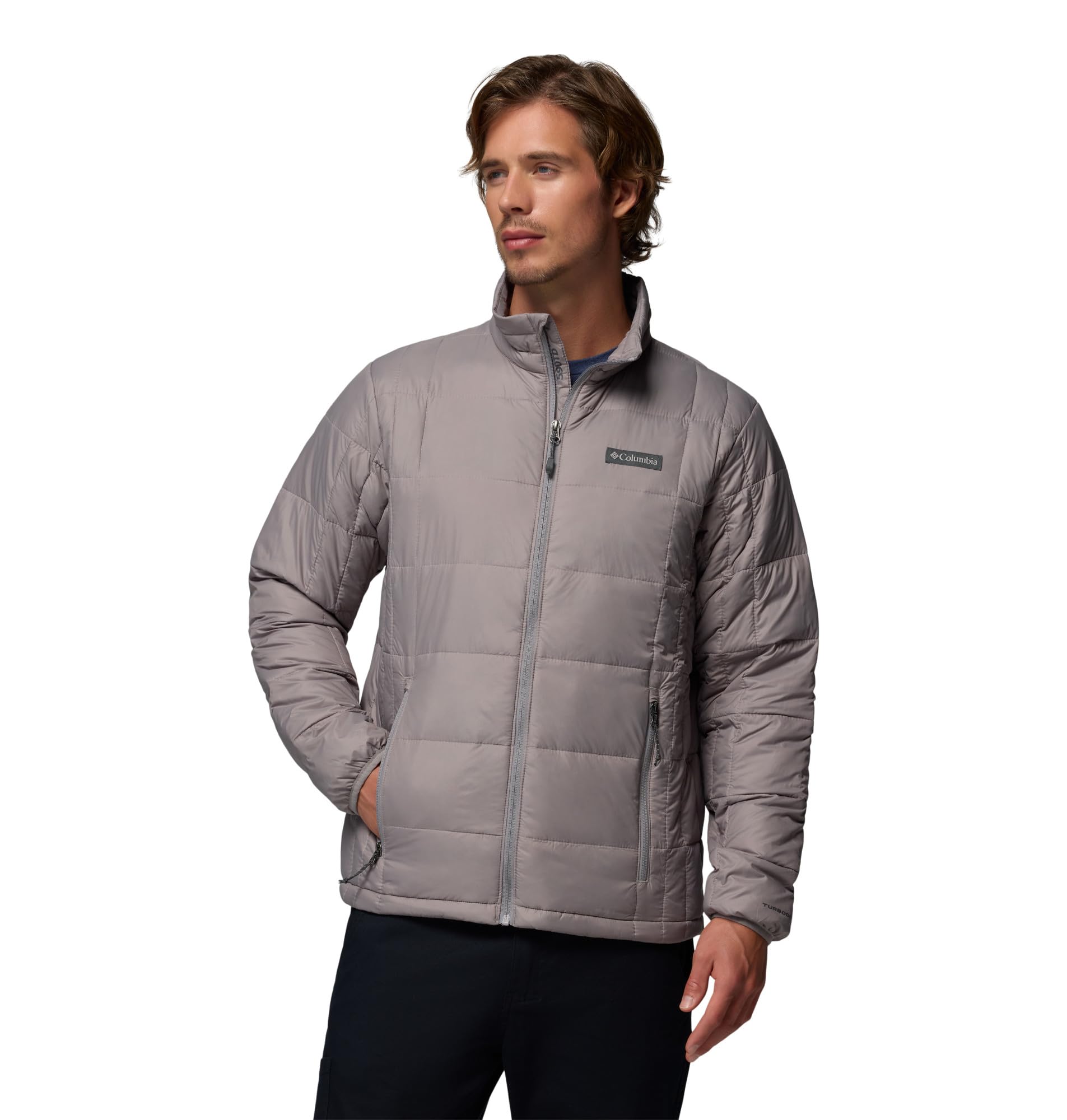
The Voodoo Falls 590 TurboDown II uses Columbia’s TurboDown technology — a blend of down and synthetic fibers designed to retain loft better than pure down when exposed to moisture. The 590 fill rating is moderate, offering decent warmth for the weight without the premium price tag of high‑fill‑power down. The shell is a lightweight nylon with a water‑resistant finish, and the jacket features a quilted pattern that holds the fill in place. It packs down small enough for a daypack but feels noticeably warmer than a pure synthetic jacket of the same thickness.
The fit is regular, not slim, with enough room for a thin fleece underneath. Two zippered hand pockets sit at the hips, and the center‑front zipper has a chin guard. The cuffs are elasticized for a basic seal against wind. The TurboDown blend handles damp conditions better than standard down, but the jacket is still best kept for dry cold days rather than wet snow or rain. Temperatures in the upper 20s to mid 30s are comfortable with a medium baselayer; below that the insulation runs thin for extended static exposure.
The Voodoo Falls is the most accessible way to get a down‑blend jacket without spending into the premium tier. It suits buyers who want the packability and warmth of down without the price jump, and who are willing to accept a shorter temperature range in exchange for that hybrid fill.
Why it’s great
- TurboDown blend offers better moisture resistance than standard down
- Packs down small for travel and storage
- Quilted pattern keeps fill evenly distributed
Good to know
- Not as warm as higher‑fill‑power down jackets
- Best for dry cold conditions despite the moisture‑resistant treatment
- No draft flap behind the zipper
FAQ
What temperature range can I expect from a lightweight winter jacket with 100g synthetic insulation?
Can I machine wash a lightweight synthetic winter jacket without damaging the insulation?
Final Thoughts: The Verdict
For most users, the lightweight winter jacket winner is the THE NORTH FACE Men’s Junction Insulated Jacket because it delivers 100g of HEATSEEKER insulation, a non‑PFC DWR shell, and a solid draft‑flap seal — coverage that stays comfortable from the low 20s into the 40s without adding bulk. If you want a packable jacket for travel that stuffs into a daypack, grab the Columbia Mens Powder Lite II Jacket. And for a sleek down option with a higher warmth‑to‑weight ratio and a DWR‑treated shell, nothing beats the Columbia Womens Delta Ridge II Down Jacket.