Wet feet turn a good hike into a miserable slog in minutes. The right pair keeps moisture out without turning your foot into a sweaty, blistered mess, which is why the balance between a waterproof membrane and breathable mesh matters more than any other spec in this category.
I’m Emma — the founder and writer behind Baby Bangs. I’ve spent years analyzing the construction details, outsole compounds, and membrane technologies that separate a shoe that fends off puddles from one that simply traps humidity inside.
After digging through hundreds of reviews and stacking the specs side by side, I’ve narrowed the field to nine models that genuinely earn their reputation as top-tier lightweight waterproof hiking shoes. Each pick balances weight, grip, and weather protection for real trail conditions.
How To Choose The Best Lightweight Waterproof Hiking Shoes
The market is packed with shoes that claim to be waterproof but fail the first wet-grass test. To avoid that trap, you need to look past the marketing and focus on three specific areas that determine real-world performance.
Membrane Technology Matters Most
The waterproof layer is the heart of the shoe. Gore-Tex remains the gold standard for breathability, meaning your feet sweat less inside. Columbia’s OutDry is bonded directly to the upper, which eliminates water ingress through stitch holes and speeds drying time. Salomon’s ClimaSalomon is a proprietary membrane that works well in cool, wet conditions but can run warmer. Skip shoes that rely on a simple waterproof coating—those fail after a few miles.
Outsole Grip for Wet Surfaces
A waterproof shoe is useless if you slide on wet rock. Look for lugs between 4mm and 5mm deep with a grippy rubber compound like Vibram Megagrip or Contagrip. Shoes with flat, shallow treads are for dry pavement, not trails. The shape of the lug pattern also matters—chevron patterns shed mud better than blocky designs.
Weight and Breathability Trade-Off
Adding a waterproof membrane always adds weight and reduces airflow. A true lightweight hiking shoe will sit between 10 and 13 ounces per shoe (men’s size 9). If a shoe claims to be both fully waterproof and under 9 ounces, the membrane is likely thin and won’t last a full season. Accept the slight weight penalty for proven protection.
Quick Comparison
On smaller screens, swipe sideways to see the full table.
| Model | Category | Best For | Key Spec | Amazon |
|---|---|---|---|---|
| Nike Pegasus Trail 5 GTX | Premium | All-day wet trails | Gore-Tex membrane, 1.94 lbs/pair | Amazon |
| Brooks Divide 5 | Premium | Long-distance comfort | DNA LOFT v2 midsole, 2 lbs/pair | Amazon |
| North Face Altamesa 300 | Premium | High-rebound cushion | Surface Control outsole, roomy toe box | Amazon |
| Salomon Speedcross Peak | Premium | Muddy, technical terrain | ClimaSalomon WP, aggressive chevron lugs | Amazon |
| ALTRA Lone Peak 9 | Mid-Range | Zero-drop natural stride | MaxTrac outsole, 25mm stack height | Amazon |
| Columbia Konos TRS OutDry | Mid-Range | Wet brush & puddles | OutDry membrane, Techlite+ midsole | Amazon |
| New Balance Dynasoft Tektrel V1 | Mid-Range | Combined trail & road | Dynasoft midsole, AT Tread outsole | Amazon |
| adidas Terrex Ax4 | Mid-Range | Versatile day hikes | Continental rubber outsole, 2.43 lbs/pair | Amazon |
| Columbia Strata Trail Low | Budget | Entry-level waterproof | Omni-Grip outsole, Techlite midsole | Amazon |
In‑Depth Reviews
1. Nike Men’s Pegasus Trail 5 GORE-TEX

The Pegasus Trail 5 GTX uses a full Gore-Tex membrane that blocks puddled water without locking heat inside like cheaper coated uppers. At roughly 1.94 pounds per pair, it shaves ounces without sacrificing the proven React foam midsole that delivers responsive cushioning mile after mile.
The outsole pattern borrows from Nike’s trail-running heritage, with multidirectional lugs that bite into wet leaves and loose gravel. The toe cap offers just enough reinforcement to protect against rock strikes without adding the stiffness that disturbs natural foot flexion on climbs.
Some testers note the fit runs slightly narrow through the midfoot, so those with wider feet may want to size up half a step. The GORE-TEX liner also means slower drying time if water does enter over the collar, but for sustained rain and stream crossings, this is the most balanced all-day performer on the list.
Why it’s great
- Trusted Gore-Tex waterproofing breathes well during active hiking
- React foam midsole maintains energy return on long descents
- Outsole lug pattern handles both mud and slick rock confidently
Good to know
- Narrow fit through the midfoot may require sizing up
- No protective rand around the heel, prone to scuffing
2. Brooks Men’s Divide 5

The Divide 5 pairs Brooks’ trusted DNA LOFT v2 cushioning with a weather-resistant upper that keeps light rain and morning dew at bay without the clammy feel of a fully sealed boot. At exactly 2 pounds per pair, it treads a smart line between protection and mobility for hikers who cover 10-plus miles in a day.
The TrailTrack outsole uses a lug pattern spaced wide enough to shed mud but tight enough to maintain contact on packed dirt. Brooks also added a gusseted tongue that blocks trail debris, a detail often overlooked on lighter shoes that otherwise let pebbles inside after a few steps.
It lacks a full waterproof membrane, so standing water or persistent rain will eventually soak through. For hikers in dry climates who face only occasional wet patches, the Divide 5 offers superior cushioning and breathability that make it worth the trade-off.
Why it’s great
- DNA LOFT v2 midsole absorbs impact without feeling mushy
- Gusseted tongue seals out grit and small stones effectively
- Outsole sheds mud cleanly on sticky terrain
Good to know
- Upper is water-resistant, not fully waterproof for deep puddles
- Collar padding is minimal, which may irritate some ankles
3. THE NORTH FACE Altamesa 300
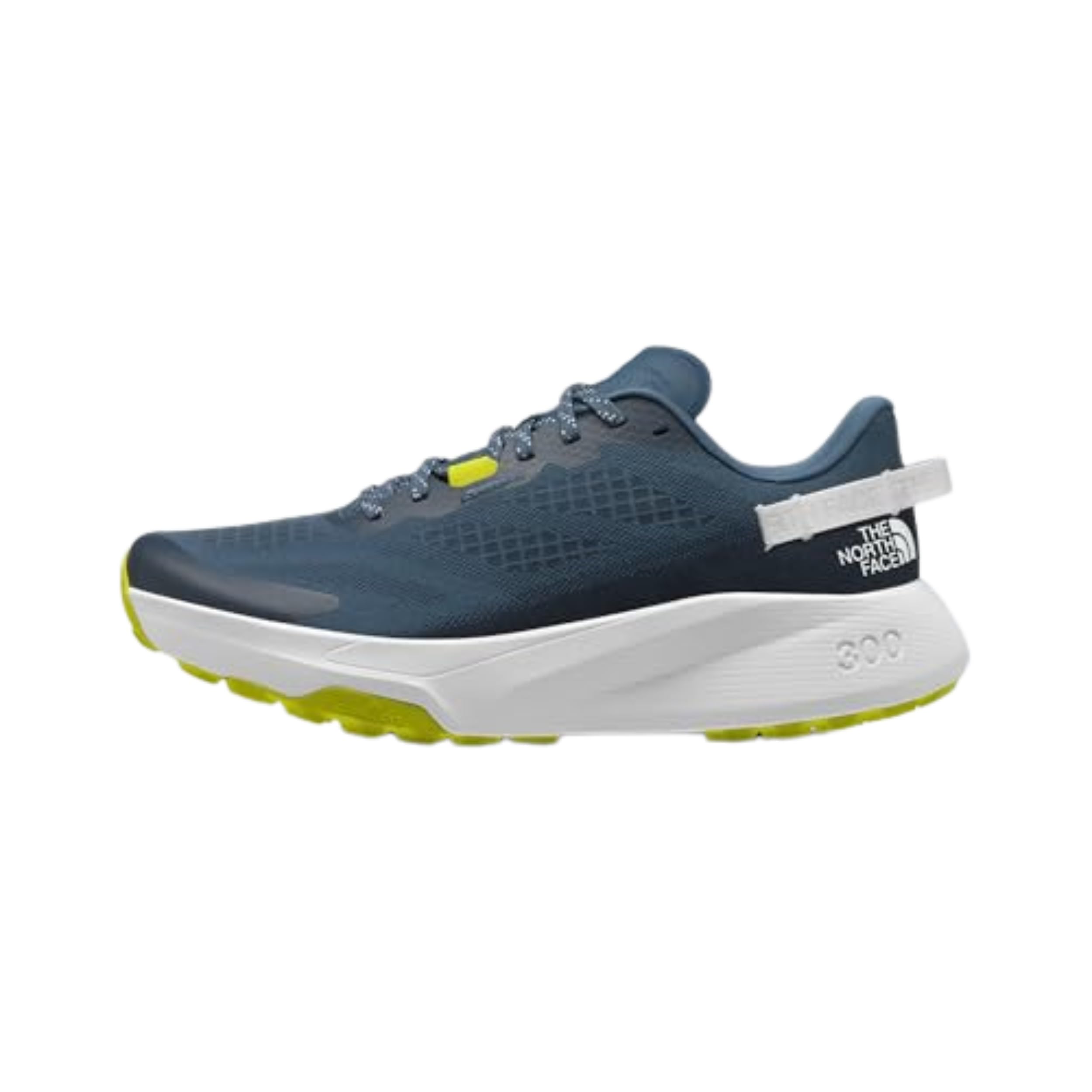
The Altamesa 300 stands out for its generous toe box, which allows natural splay during descents and reduces the black toenail risk that plagues narrow trail shoes. The high-rebound midsole returns noticeable energy on each stride, making it feel livelier than the weight suggests.
The Surface Control outsole uses a rubber compound that stays sticky on wet granite and sandstone, a rare trait in this price tier. The waterproof upper relies on a PFC-free DWR finish combined with a sealed internal layer, so it handles light rain and creek splashes with ease.
Under sustained downpour, the DWR coating wears off faster than a full membrane system, requiring periodic reapplication to maintain water beading. For dry-weather hikers who value toe room and bounce over absolute waterproofing, this shoe is a standout.
Why it’s great
- Roomy toe box prevents blisters on long downhill stretches
- High-rebound midsole reduces fatigue on rolling terrain
- Outsole grips wet rock better than most in its class
Good to know
- DWR finish needs re-spraying after heavy use to stay effective
- Upper runs warm in hot weather due to sealed layer
4. Salomon Speedcross Peak ClimaSalomon WP

The Speedcross Peak is built for the sloppiest conditions you’ll face. Its deep, chevron-shaped lugs are spaced widely to eject mud with each step, maintaining traction where blockier treads would pack solid and turn into slick platforms. The ClimaSalomon waterproof membrane seals out puddles effectively, though it prioritizes protection over ventilation.
The upper uses a ripstop fabric that resists snagging on branches and sharp rocks, a welcome durability upgrade over mesh-heavy competitors. Salomon’s Quicklace system allows one-pull tightening, which is handy when you need to adjust fit with cold or wet hands.
The aggressive outsole creates noticeable chatter on hard-packed trails, and the 8mm drop favors heel-strikers over those who prefer a flat, natural platform. This shoe excels in its element—soft, muddy, technical terrain—but feels out of place on smooth gravel paths.
Why it’s great
- Chevron lugs self-clean in deep mud for consistent grip
- Ripstop upper resists tears on rocky, brushy trails
- Quicklace system adjusts rapidly with cold fingers
Good to know
- Lugs vibrate on hard, dry trails and feel less stable
- 8mm drop is high for hikers who prefer a zero-drop stance
5. ALTRA Men’s Lone Peak 9

The Lone Peak 9 is the go-to for hikers committed to a zero-drop, natural foot position. The 25mm stack height provides enough cushion for rocky terrain while keeping the foot low to the ground for proprioceptive feedback. The MaxTrac outsole uses a rubber compound that maintains grip across wet roots and dusty switchbacks.
Altra’s signature FootShape toe box allows the toes to spread fully, reducing lateral pressure on long days. The upper integrates a water-resistant mesh that handles morning dew and light mist, but it is not sealed with a full membrane, so creek crossings will wet the foot.
The Lone Peak 9 shines for fastpackers and ultralight hikers who prioritize foot mechanics and weight savings over absolute waterproofing. Adding gaiters extends its wet-weather capability, but the mesh construction means it will never match a Gore-Tex shoe in a downpour.
Why it’s great
- Zero-drop platform encourages natural gait mechanics
- Wide toe box eliminates bunching and hot spots
- MaxTrac rubber holds well on both wet and dry surfaces
Good to know
- Upper is water-resistant, not fully waterproof for stream crossings
- Low stack height may feel hard for heel-strikers on pavement
6. Columbia Women’s Konos TRS Outdry
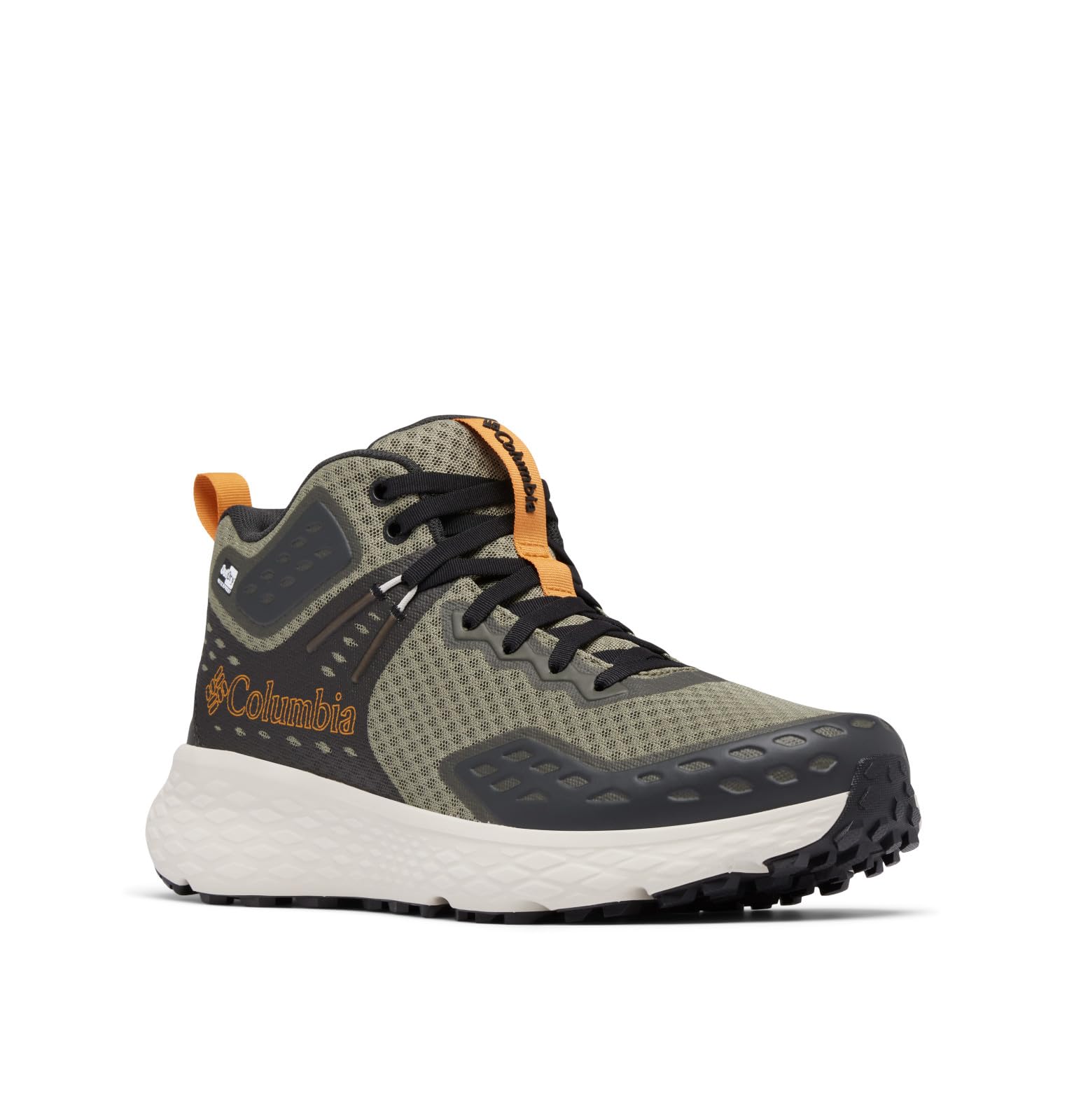
The Konos TRS uses Columbia’s OutDry membrane, which is bonded directly to the outer fabric rather than floating as a separate liner. This construction eliminates stitch holes that leak under pressure and also reduces water absorption in the upper, so the shoe dries noticeably faster after a wet hike.
The Techlite+ midsole offers a firm, supportive ride that resists packing out over a season of heavy use. The Omni-Grip outsole delivers reliable traction on damp rock and packed dirt, with lugs that are aggressive enough for moderate trails but not so deep that they feel unstable on boardwalks or gravel.
Sizing runs slightly small, especially for those with wider feet, so ordering half a size up is a common recommendation. The OutDry membrane also runs warmer than Gore-Tex in hot conditions, making this a better choice for cool-weather hiking where breathability is less of a priority.
Why it’s great
- Bonded OutDry membrane prevents stitch-hole leaks
- Upper dries quickly compared to liner-based waterproof shoes
- Techlite+ midsole retains cushioning longer than basic EVA
Good to know
- Runs small, size up half for a comfortable fit
- OutDry membrane traps more heat in warm weather
7. New Balance Dynasoft Tektrel V1
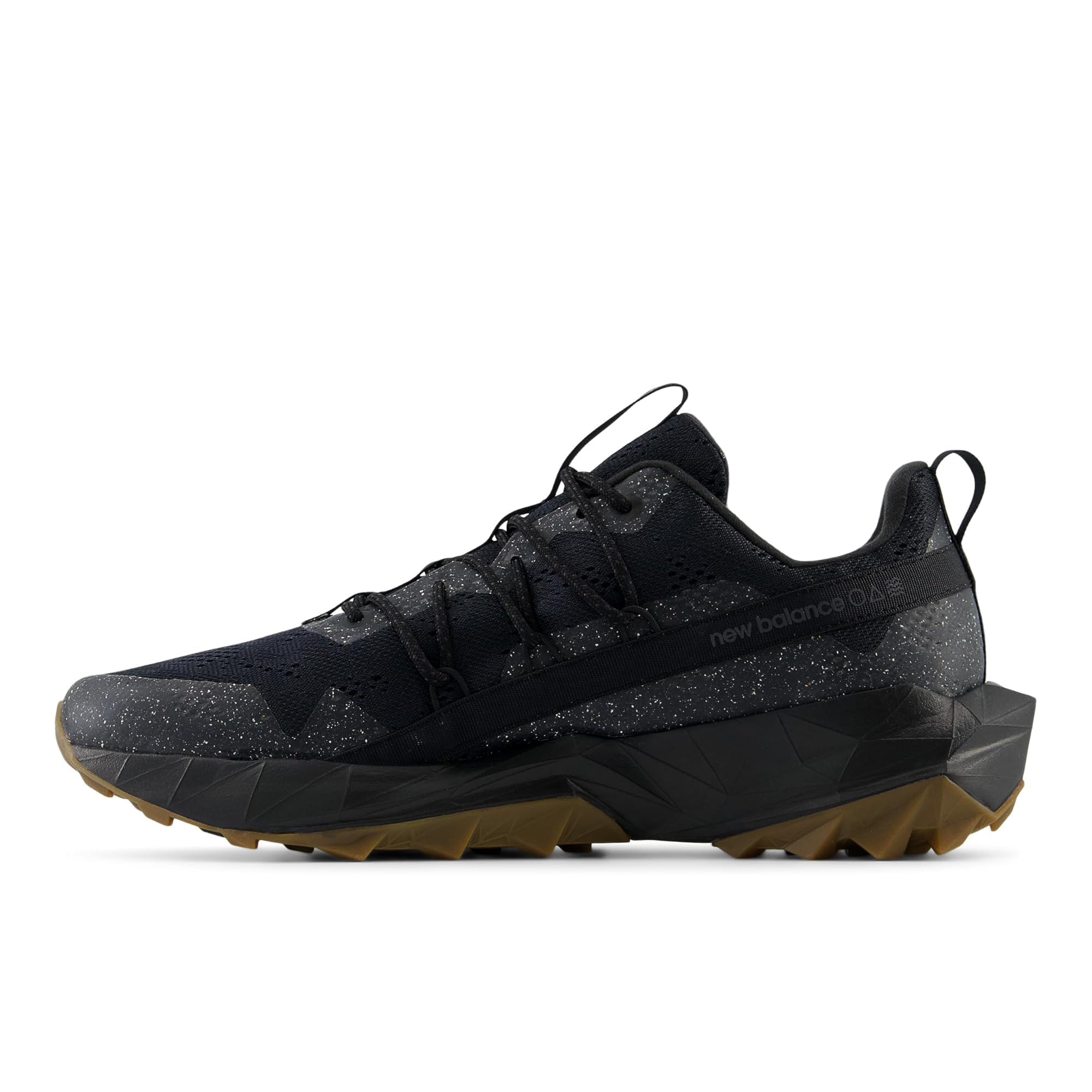
The Tektrel V1 is designed for hikers who split their time between gravel paths and singletrack. The AT Tread outsole uses a pattern that is mild enough for pavement without sacrificing bite on dirt, making it one of the more versatile options for mixed-surface day hikes.
The Dynasoft midsole provides a balance of softness and rebound that works well for moderate distances up to eight miles. The upper incorporates a water-resistant treatment that beads off light rain, though it is not a full membrane, so sustained wet conditions will penetrate eventually.
The shoe lacks the protective toe rand found on more trail-focused models, which means repeated rock contact will wear the mesh over time. For hikers on well-maintained trails who want an affordable crossover shoe, the Tektrel V1 delivers solid value without overbuilding for terrain it will rarely see.
Why it’s great
- AT Tread outsole transitions cleanly from trail to road
- Dynasoft midsole feels cushioned without losing responsiveness
- Upper resists light moisture beading on damp mornings
Good to know
- No protective toe rand, mesh wears through with rock contact
- Water resistance fades after several washes
8. adidas Women’s Terrex Ax4
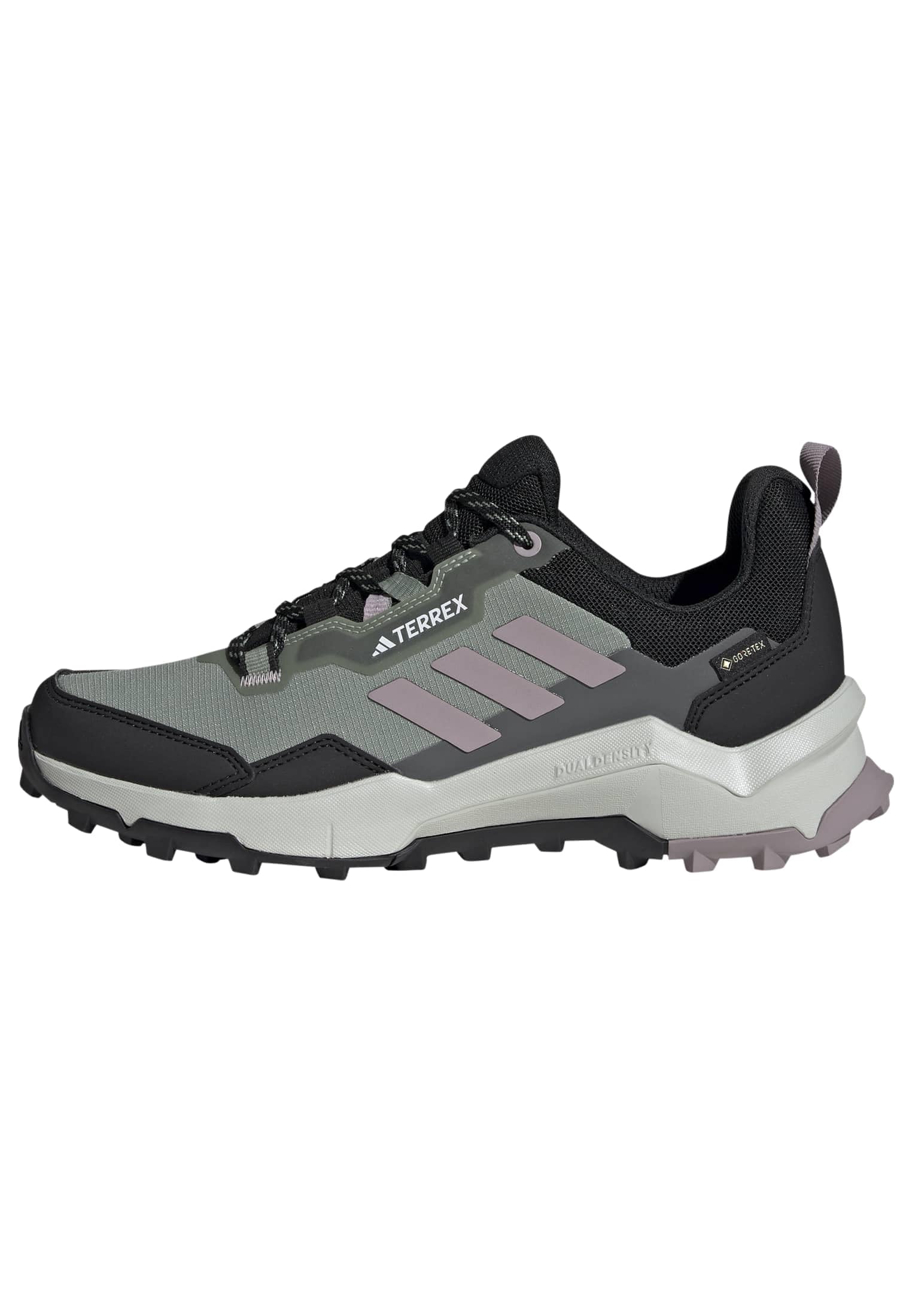
The Terrex Ax4 uses a Continental rubber outsole, the same compound found on high-end car tires, which delivers exceptional grip on wet tarmac and slick river rocks. The upper combines a ripstop mesh with a waterproof membrane that handles creek splashes and steady rain without soaking through.
The EVA midsole is firm rather than plush, providing good stability for carrying a loaded daypack on uneven ground. The lace closure extends further down the tongue than average, allowing a tight cinch around the midfoot that locks the heel in place on descents.
At 2.43 pounds per pair, it sits at the heavier end of the lightweight category, a trade-off for the durability of its construction. The toe cap is also relatively soft, so repeated kicks against rocks will show wear faster than burlier competitors like the Salomon Speedcross.
Why it’s great
- Continental rubber outsole grips wet surfaces confidently
- Extended lace closure locks the midfoot securely
- Ripstop upper resists snags on brushy trails
Good to know
- Firm midsole lacks plushness for long pavement approaches
- Toe cap is soft and scuffs quickly on rocky terrain
9. Columbia Men’s Strata Trail Low
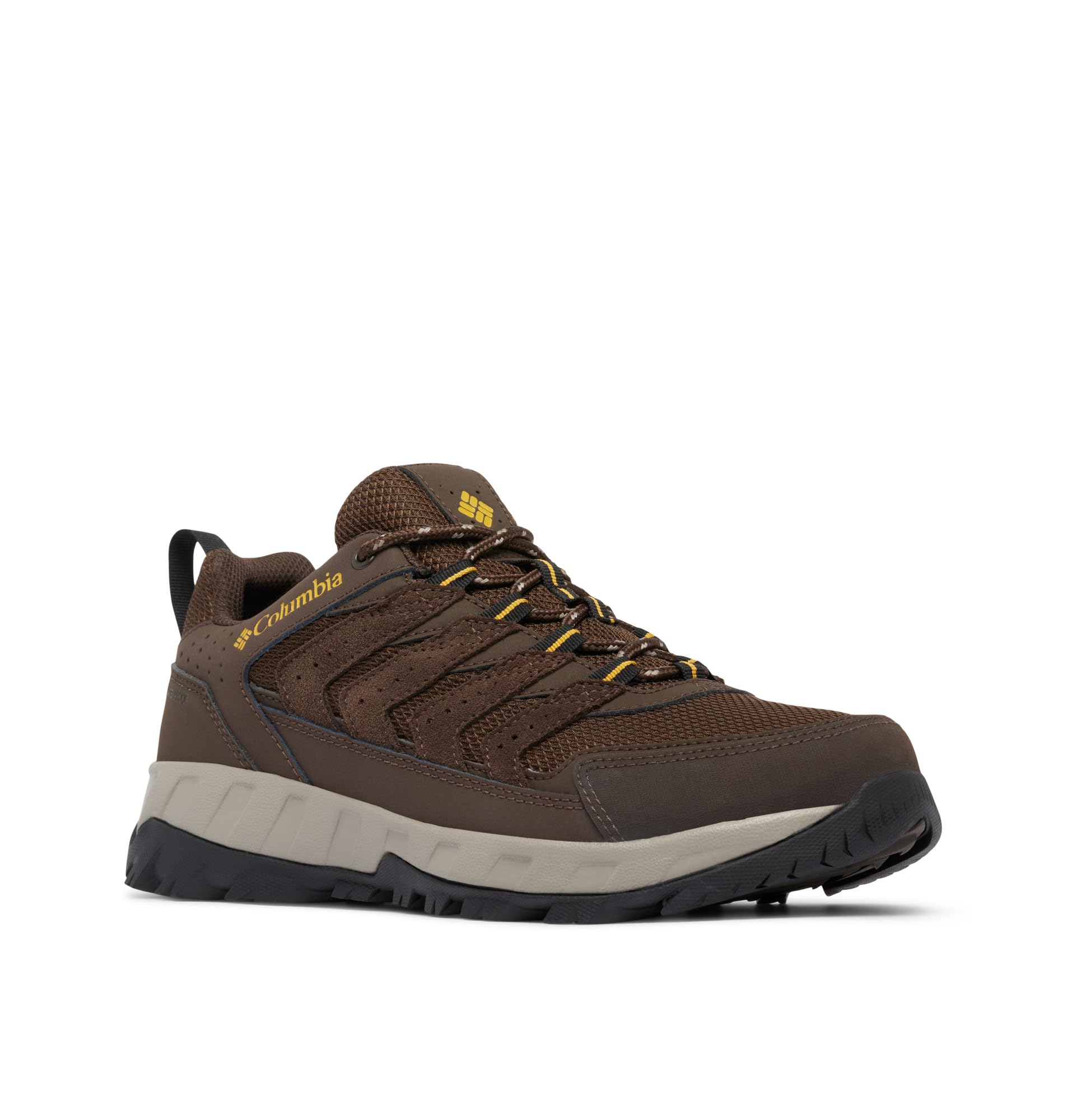
The Strata Trail Low is a no-frills entry point that still delivers genuine waterproof protection via a sealed membrane and taped seams. The Techlite midsole provides decent shock absorption for short to moderate hikes, though it lacks the rebound and longevity of pricier foams used in the Nike or Brooks models.
The Omni-Grip outsole is competent on dry dirt and light mud but struggles on steep, wet rock where the lug pattern is too shallow to bite securely. The upper uses a combination of mesh and synthetic leather that feels durable enough for weekend use but does not offer the breathability of modern engineered knits.
The Strata Trail Low works well for beginners or occasional hikers who need a waterproof shoe for damp park trails and light backpacking. Experienced hikers tackling technical terrain will quickly find its limitations in grip and midsole support, making it a stepping stone rather than a long-term investment.
Why it’s great
- Sealed seams and membrane keep feet dry in wet grass and puddles
- Techlite midsole handles moderate day hikes without bottoming out
- Price makes waterproof access realistic for casual hikers
Good to know
- Shallow lugs lack bite on steep, slick rock faces
- Midsole packs out faster than premium foam alternatives
FAQ
What is the difference between water-resistant and waterproof in hiking shoes?
How much weight difference is normal between a waterproof and non-waterproof shoe?
Can I use waterproof hiking shoes in hot summer weather?
Final Thoughts: The Verdict
For most users, the lightweight waterproof hiking shoes winner is the Nike Pegasus Trail 5 GORE-TEX because it nails the balance of weight, breathability, and proven waterproofing across varied terrain. If you want maximum cushioning for long miles on mixed surfaces, grab the Brooks Divide 5. And for muddy, technical trails where grip is everything, nothing beats the Salomon Speedcross Peak ClimaSalomon WP.