The difference between a great day on the trail and a heel-blister death march often comes down to what you lace onto your feet. Lightweight backpacking shoes trade ankle-shielding bulk for ground feel and agility — but the wrong pair leaves you sliding down scree or nursing hot spots before mile six.
I’m Emma — the founder and writer behind Baby Bangs. I’ve spent the last five seasons evaluating trail footwear across the Appalachian and Sierra foothills, tracking wear patterns on Vibram Megagrip versus sticky rubber, and measuring how different drop heights affect calf fatigue over consecutive 12-mile days.
This guide breaks down nine current models to help you find the best lightweight backpacking shoes for your foot shape, terrain, and pack weight without wasting cash on marketing hype.
How To Choose The Best Lightweight Backpacking Shoes
Modern lightweight backpacking shoes borrow heavily from trail-running DNA — they’re fast, low-profile, and nimble. But a shoe that works for a 5-mile jog may leave your arches screaming under a 30-pound pack over rough terrain. Focus on three priorities before you click buy.
Drop Height and Stability
Drop measures the height difference between heel and forefoot. Zero-drop shoes encourage a natural midfoot strike but require stronger calf and Achilles conditioning. A 4mm to 8mm drop shifts some load to the heel stack, which can feel more stable when you’re carrying weight. Know your body’s baseline before committing.
Outsole Grip and Rubber Compound
Vibram Megagrip is the gold standard for wet rock and loose over hardpack, but not every shoe uses it. Lug depth matters too — shallow 3mm lugs are fine for hardpack trails but fail on soft mud or loose scree. Look for 4mm-plus lugs if you regularly hit mixed terrain.
Toe Box Volume and Upper Material
Descending with a pack pushes your toes forward into the front of the shoe. A roomy toe box lets your foot spread naturally and reduces black-toenail risk. Mesh uppers breathe better but snag on brush; leather or TPU-reinforced fabric holds up longer against abrasion but traps heat.
Quick Comparison
On smaller screens, swipe sideways to see the full table.
| Model | Category | Best For | Key Spec | Amazon |
|---|---|---|---|---|
| Brooks Men’s Cascadia 19 | Premium | Technical terrain with pack | 4mm lug, TrailTack rubber | Amazon |
| New Balance Fresh Foam X Hierro V9 | Premium | Max cushion, long miles | Fresh Foam X midsole | Amazon |
| SCARPA Mojito Wrap | Premium | Durable leather, approach use | 1.5 lb, leather upper | Amazon |
| Salewa Wildfire 2 GTX | Premium | Wet conditions, Gore-Tex | Gore-Tex membrane | Amazon |
| Topo Athletic Traverse | Mid-Range | Zero-drop, wide toebox | 5mm drop, water resistant | Amazon |
| The North Face Altamesa 300 | Mid-Range | High-rebound, roomy toebox | High-rebound midsole | Amazon |
| ALTRA Lone Peak 8 (Men’s) | Mid-Range | Zero-drop, natural stride | FootShape toebox, 0mm drop | Amazon |
| ALTRA Lone Peak 8 (Women’s) | Mid-Range | Zero-drop, natural stride | FootShape toebox, 0mm drop | Amazon |
| Merrell Speed Strike 2 | Budget | Entry-level, low cost | 1.5 lb, lace-up closure | Amazon |
In‑Depth Reviews
1. Brooks Men’s Cascadia 19 Mountain Trail Running Shoe
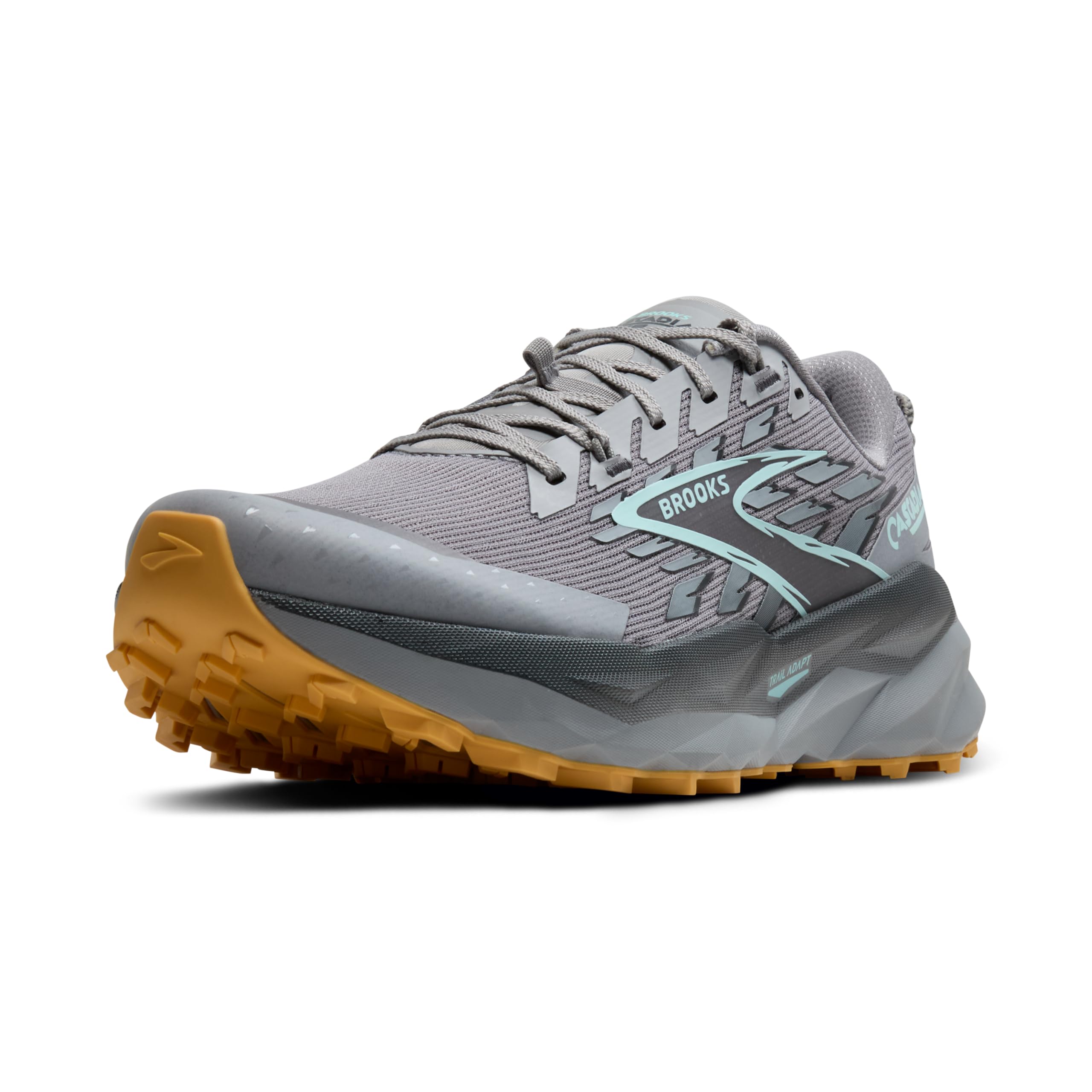
The Cascadia 19 is Brook’s long-running trail platform updated with a TrailTack outsole that grips wet rock better than many stickier rubbers. The midsole uses DNA Loft v3 cushioning — soft enough for all-day comfort under a 30-pound pack but stable enough to avoid rolling on uneven edges. Testers report the 4mm lug pattern clears mud effectively without sacrificing traction on slab.
Fit runs true to size for medium-width feet. The engineered mesh upper breathes well in warm weather but collects trail dust inside the weave over time. The lace-up closure includes a gaiter tab for those who run ankle gaiters in loose scree.
Brooks positions this as a mountain running shoe, but the stability and grip profile make it a strong lightweight backpacking option for anyone tackling technical terrain with a light-to-moderate pack.
Why it’s great
- Confident wet-rock grip from TrailTack rubber
- Generous toebox for descending comfort
- Gaiter-compatible heel tab
Good to know
- Upper mesh collects fine grit
- Not available in wide widths
2. New Balance Fresh Foam X Hierro V9
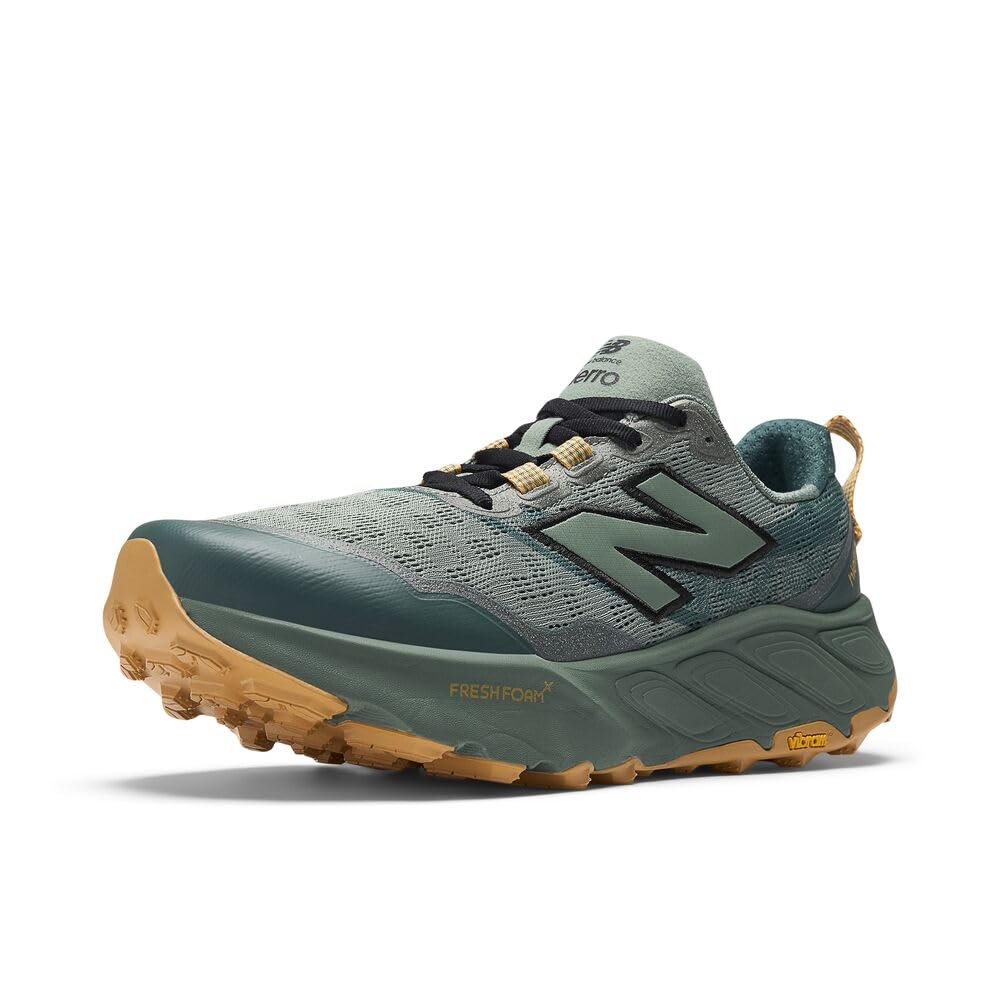
The Hierro V9 pairs New Balance’s plush Fresh Foam X midsole with a Vibram Megagrip outsole, giving you long-day cushion without sacrificing traction. The stack height is generous, which dampens sharp rocks and roots — ideal for high-mileage days on mixed singletrack where fatigue protection matters more than ground feel.
The upper uses a breathable mesh with TPU overlays for durability. The toebox is medium-volume — wider than average running shoes but not as roomy as ALTRA’s FootShape. Runners with wider forefeet may want to size up half a step.
If you prioritize plushness over weight savings, the Hierro V9 is a solid choice for fastpacking or long day hikes where the trail surface varies from hardpack to loose rock.
Why it’s great
- Excellent shock absorption for rocky terrain
- Vibram Megagrip outsole for wet traction
- Durable TPU overlays on the upper
Good to know
- Heavier than some zero-drop competitors
- Toebox may feel snug for wide feet
3. SCARPA Men’s Mojito Wrap
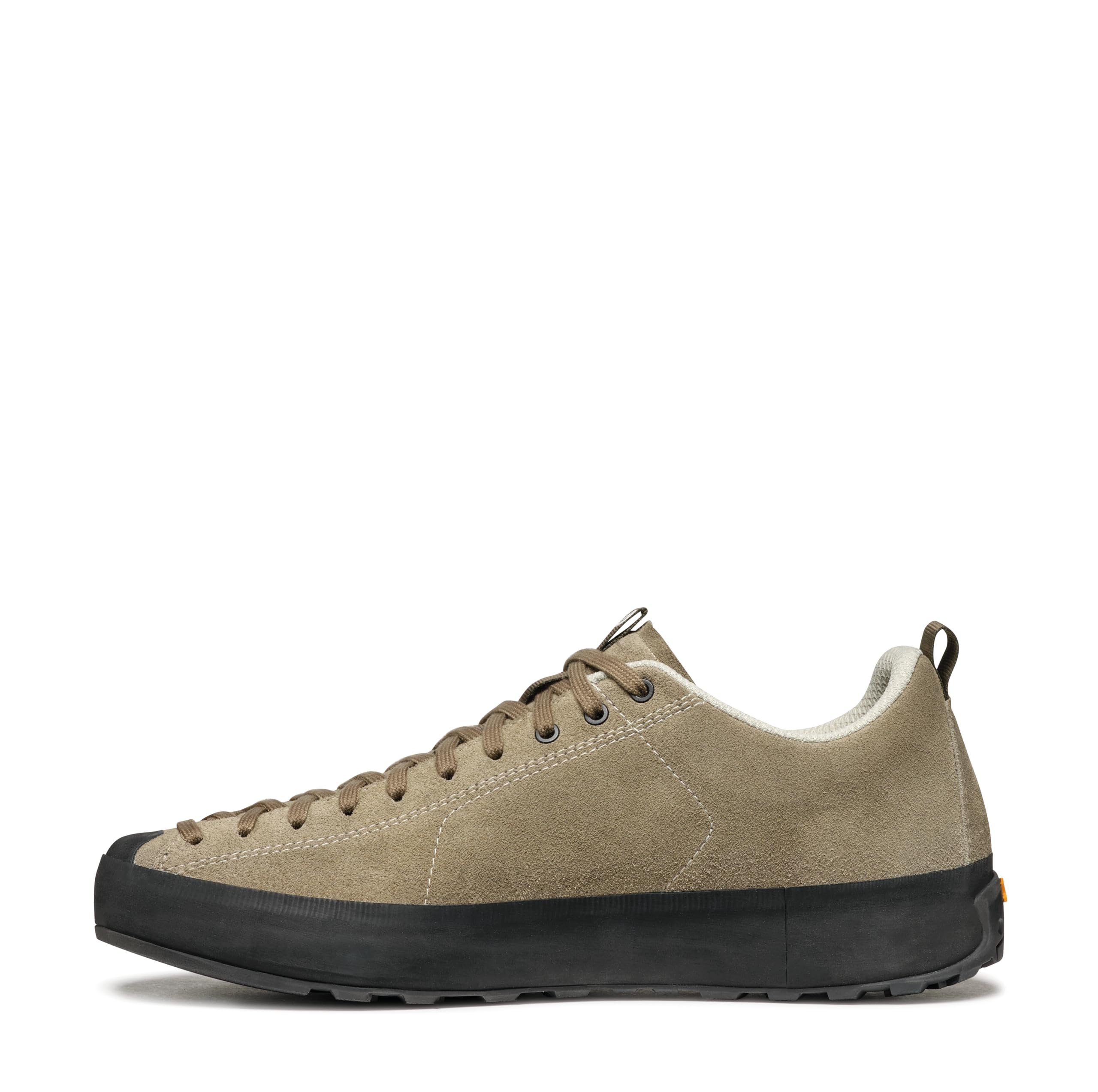
The Mojito Wrap bucks the mesh trend with a full-grain leather upper that shrugs off brush and resists abrasion far better than any knit. At about 1.5 pounds per shoe, it’s heavier than most trail runners but still qualifies as lightweight by traditional hiking boot standards. The Vibram outsole uses a low-profile lug pattern that rolls smoothly over rock slabs.
The leather is not waterproof — SCARPA rates it as not water resistant, so expect wet feet in creek crossings. The closure uses a traditional lace system that cinches evenly across the instep. The heel cup is snug and holds the foot securely during lateral moves.
Best suited for day hikes and approach sections where durability and close-to-rock feel outweigh the need for maximum cushioning or waterproofing.
Why it’s great
- Leather upper lasts multiple seasons
- Low-profile sole for accurate foot placement
- Secure heel hold for scrambling
Good to know
- No waterproof membrane
- Heavier than mesh competitors
4. Salewa Men’s Wildfire 2 GTX

The Wildfire 2 GTX brings a full Gore-Tex membrane to a lightweight trail-running last, making it a rare waterproof option that doesn’t feel like a boot. The upper combines mesh and suede overlays for structure, and the Pomoca outsole uses a multi-directional lug pattern that digs into loose surfaces well.
Fit is on the narrow side — users with wider feet should try a half-size up. The heel counter is stiff and supportive, which helps with pack loads but may cause rubbing for shorter hikes without a break-in period. Breathability is typical for Gore-Tex: fine in cool conditions, clammy above 70°F.
Ideal for wet-weather day trips or early-season backpacking where creek crossings and morning dew are constants.
Why it’s great
- Reliable Gore-Tex waterproofing
- Aggressive lug pattern for loose terrain
- Stiff heel counter under load
Good to know
- Narrow fit limits toe splay
- Runs warm in hot weather
5. Topo Athletic Men’s Traverse

The Traverse is Topo Athletic’s most hiker-focused model, pairing a 5mm drop with a wide anatomical toebox that lets toes spread naturally. The outsole uses Vibram Megagrip with chevron-style lugs that bite into soft dirt and hold on wet granite. The midsole is cushioned but firm — less plush than the Hierro but more responsive for fast hiking.
The upper is a single-layer mesh with a water-resistant treatment, not a full membrane. It sheds light rain but saturates in prolonged downpours. The lace system extends far down toward the toes, allowing a secure lockdown for descents.
If you prefer zero-drop or low-drop geometry and have wider feet, the Traverse is one of the best lightweight backpacking shoes for preserving natural foot mechanics over long distances.
Why it’s great
- Wide toebox prevents black toenails
- Vibram Megagrip for mixed terrain
- Low 5mm drop supports midfoot strike
Good to know
- Water resistant, not waterproof
- Midsole is firmer than average
6. The North Face Altamesa 300
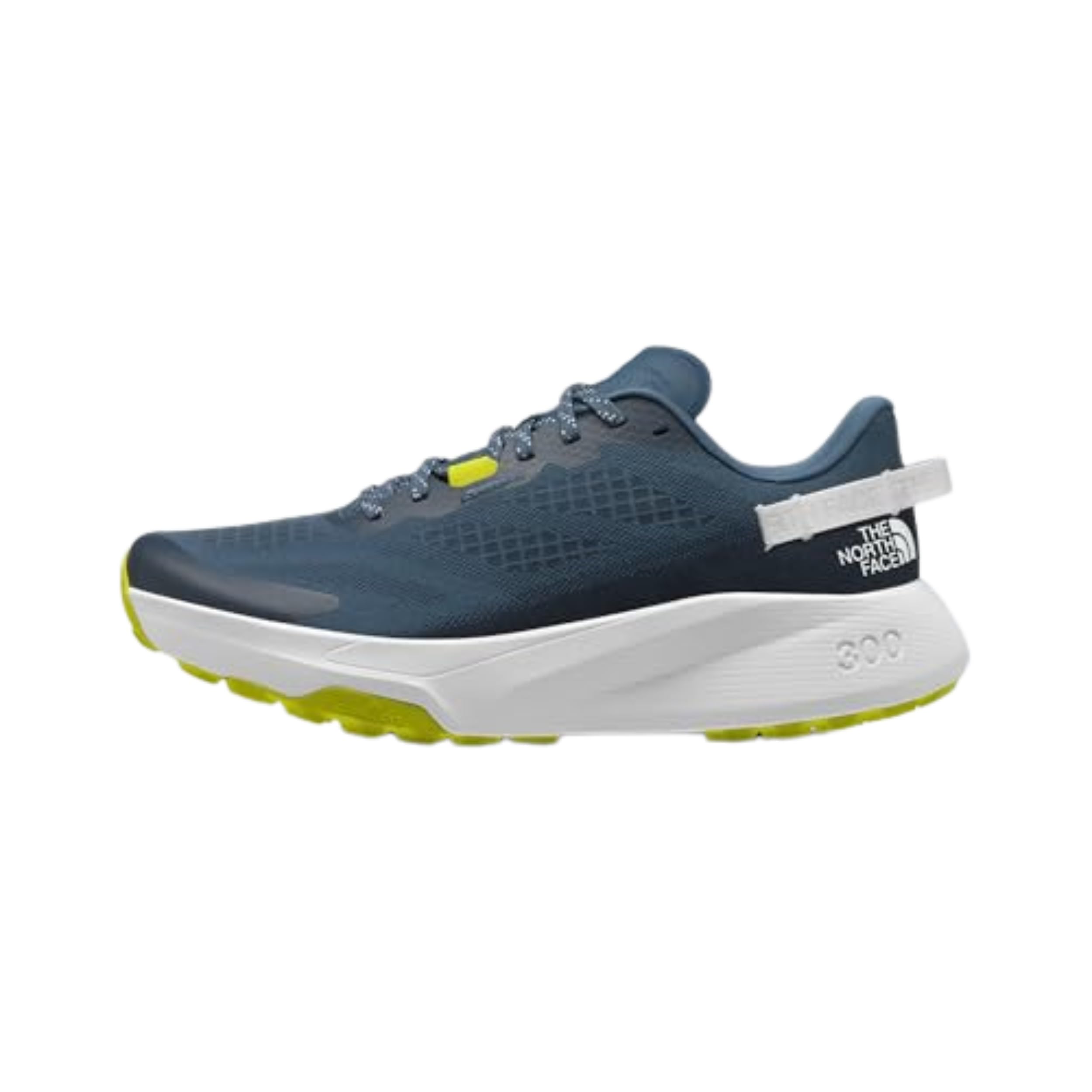
The Altamesa 300 uses a high-rebound midsole made from FlashDry foam that returns energy on each step — noticeable when maintaining pace on undulating terrain. The outsole uses Surface Control rubber with 4mm lugs for a balance of grip on rock and trail. The toebox is roomier than The North Face’s typical run fit, accommodating foot swell on long days.
The engineered mesh upper is lightweight and breathable, but the thin material offers less protection against sharp rocks and trail debris. Some testers noted the heel cup feels slightly loose without a runner’s knot in the laces. The shoe runs true to length for medium-width feet.
Best for fast day hikes or lightweight overnights where you want a springy feel underfoot without the weight penalty of a boot.
Why it’s great
- Snappy energy return from FlashDry foam
- Roomy toebox for all-day comfort
- Lightweight build for fast hiking
Good to know
- Thin upper lacks debris protection
- Heel may need a runner’s knot for fit
7. ALTRA Men’s Lone Peak 8
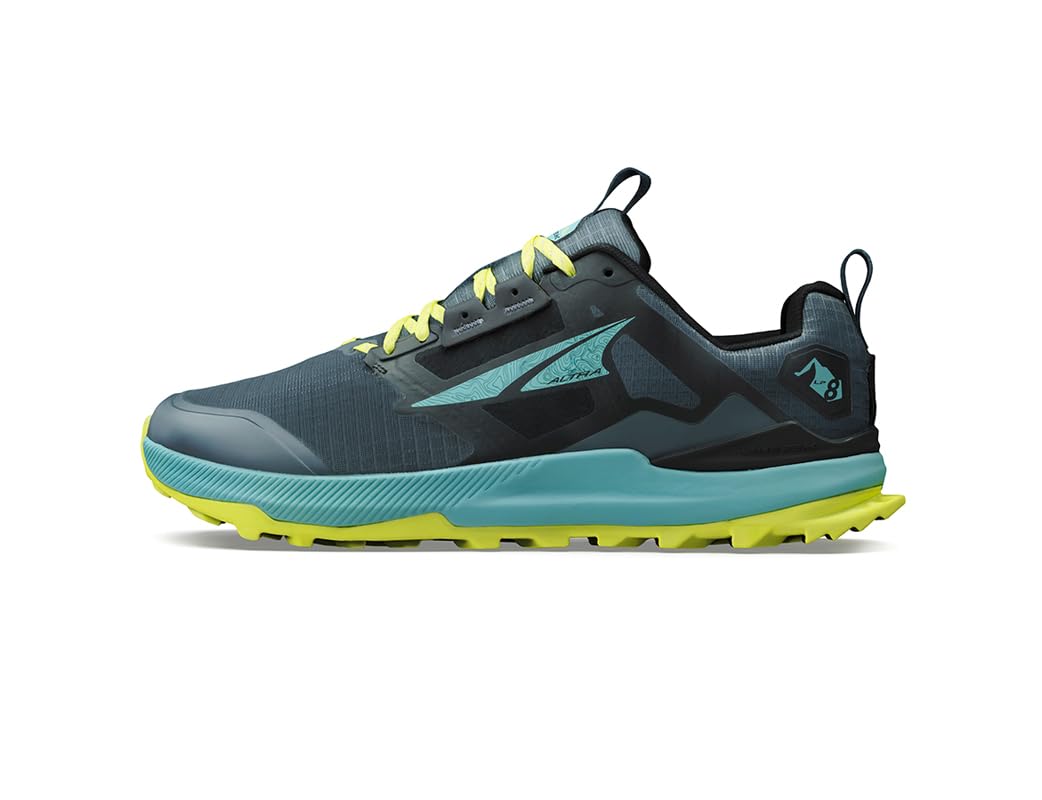
The Lone Peak is ALTRA’s flagship trail shoe and a thru-hiker favorite for good reason. Version 8 keeps the signature 0mm drop and FootShape toebox that allows toes to splay naturally while adding a MaxTrac outsole with 4mm lugs for dependable traction. The midsole is moderately cushioned — enough for rock absorption without losing ground feel.
The upper uses a quick-dry mesh with a gaiter trap built into the heel. The fit is generous across the forefoot but snug through the midfoot, suiting medium-to-wide feet best. The lace-up closure is traditional with an extra eyelet for heel lock.
If you already run in zero-drop shoes or want to transition to a more natural foot position under a pack, the Lone Peak 8 is a proven choice that has logged tens of thousands of trail miles across the country.
Why it’s great
- Natural foot splay reduces blister risk
- Proven durability on long thru-hikes
- Quick-drying upper for wet conditions
Good to know
- Zero-drop geometry requires calf adaptation
- Not ideal for narrow feet
8. ALTRA Women’s Lone Peak 8
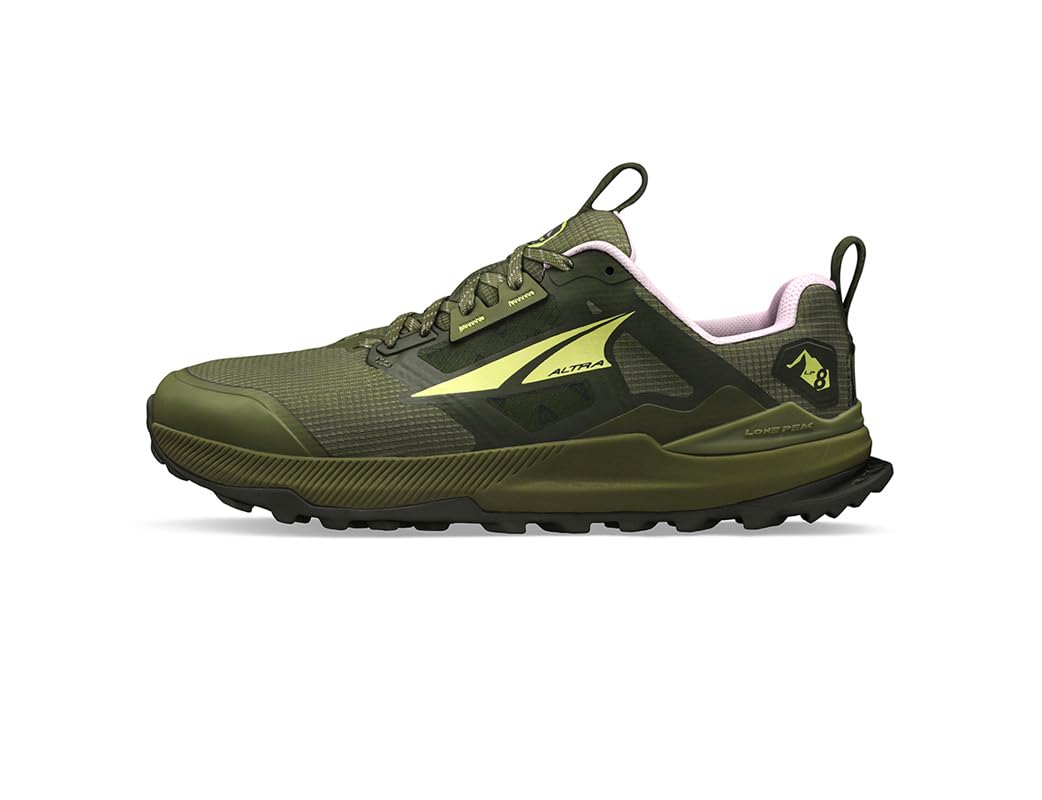
The women’s Lone Peak 8 shares the same zero-drop platform and FootShape toebox as the men’s version, with a women’s-specific last that adjusts the heel and arch volume for a narrower fit through the midfoot. The MaxTrac outsole and 4mm lugs perform identically on mixed terrain, making this a solid option for female hikers who prefer a natural stride.
The upper uses the same quick-dry mesh with gaiter trap. Feedback from women with narrower heels notes the shoe holds securely without requiring a heel lock. The toebox is still wide compared to mainstream trail shoes, which helps prevent toe jamming on descents.
For female backpackers looking to go lightweight, the Lone Peak 8 offers a dialed-in fit and the same proven trail cred as its men’s counterpart.
Why it’s great
- Women’s last fits narrower heels well
- Zero-drop promotes natural gait under pack
- Wide toebox prevents black toenails
Good to know
- Not suitable for narrow forefeet
- Zero-drop may feel unstable on steep downhills initially
9. Merrell Men’s Speed Strike 2
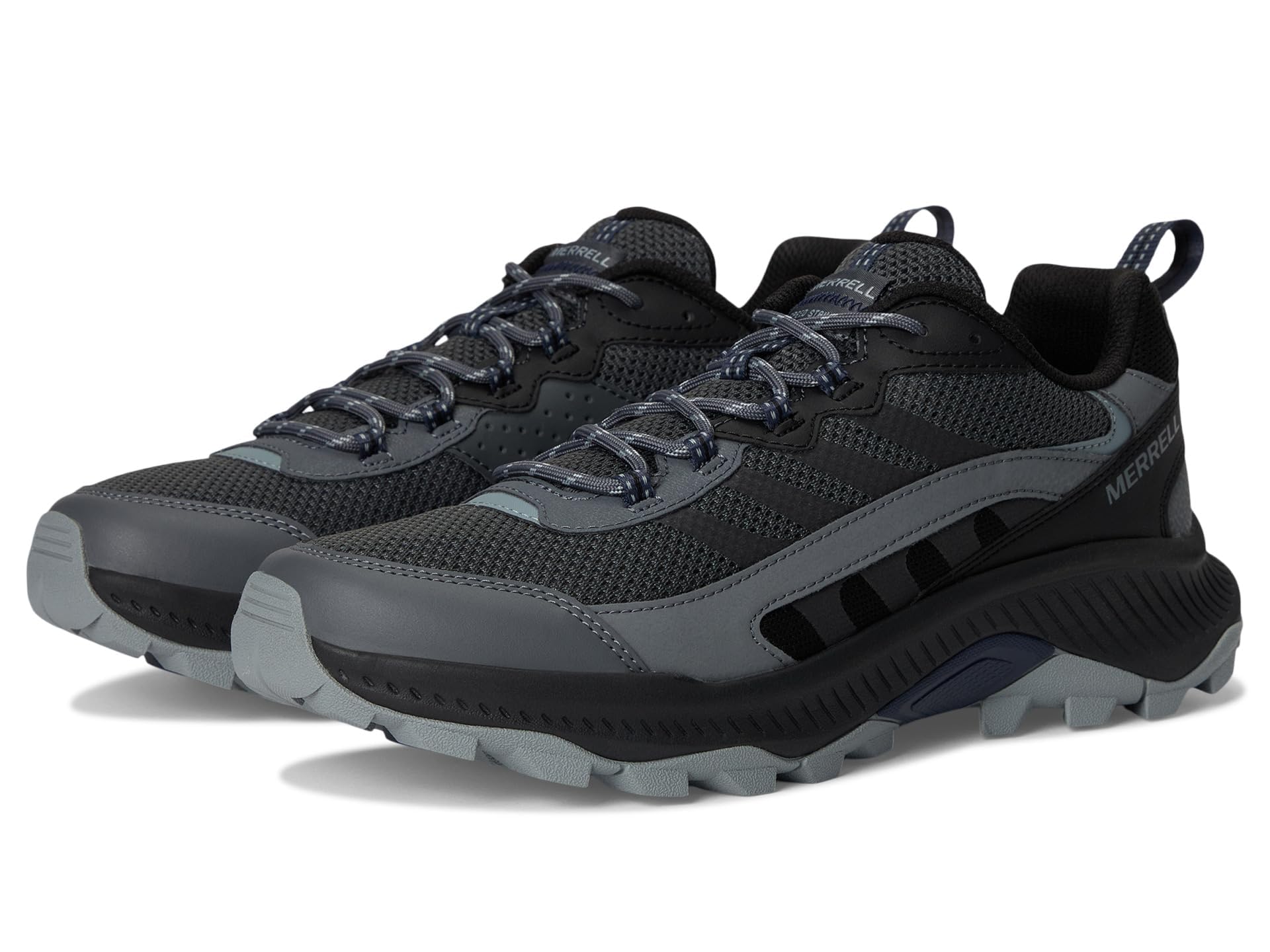
The Speed Strike 2 is Merrell’s entry-level lightweight trail shoe designed for casual hikers and budget-conscious shoppers. At about 1.5 pounds per pair, it’s heavier than premium options but still lighter than traditional boots. The outsole uses Merrell’s sticky rubber compound with moderate 3mm lugs that work well on dry hardpack but struggle on wet rock or loose scree.
The mesh upper is basic and breathable but lacks the reinforcement layers found on pricier models. The toebox fits medium-width feet comfortably but won’t accommodate wide splay. The lace-up closure is straightforward with no gaiter tab or heel lock eyelet.
This is a fine choice for short day hikes on maintained trails where budget is the primary concern. For heavier packs or technical terrain, the extra investment in a mid-range or premium model pays off quickly in comfort and durability.
Why it’s great
- Affordable entry into lightweight category
- Breathable mesh for warm weather
- Familiar Merrell fit runs true to size
Good to know
- Outsole grip is weak on wet or loose terrain
- Upper lacks abrasion reinforcement
- No gaiter trap or heel lock eyelet
FAQ
Should I buy lightweight backpacking shoes a half size larger than my running shoes?
Can I wear zero-drop shoes if I have a history of Achilles tendinopathy?
How do I clean Gore-Tex backpacking shoes without damaging the membrane?
What’s the maximum pack weight for lightweight backpacking shoes?
Final Thoughts: The Verdict
For most users, the best lightweight backpacking shoes winner is the Brooks Men’s Cascadia 19 because it delivers a rare combination of stable cushioning, wet-rock TrailTack grip, and a toebox that protects toes on descents. If you prioritize plush comfort under high mileage, grab the New Balance Fresh Foam X Hierro V9. And for a natural foot position with maximum toe splay, nothing beats the ALTRA Lone Peak 8.