The wrong formula can worsen discoloration or irritate melanin-rich skin, leaving you with uneven tone that refuses to budge. You need a targeted cream with proven active ingredients that works on the root cause: overactive melanin production.
I’m Emma — the founder and writer behind Baby Bangs. I’ve spent hundreds of hours analyzing skin-lightening formulations, cross-referencing ingredient concentrations, and tracking real-world results across different skin types to separate marketing hype from genuine efficacy.
This guide breaks down the top five contenders in the hyperpigmentation space to help you choose the lightening cream for hyperpigmentation that matches your skin’s needs and your patience for visible results.
How To Choose The Best Lightening Cream For Hyperpigmentation
Not all dark spots respond to the same ingredients. Melasma is fueled by hormonal triggers, sun spots are driven by UV damage, and post-inflammatory marks stem from healing skin. Your cream must match the specific root cause of your discoloration to work effectively.
Check the Active Ingredient Ratio
A cream listing 70,000ppm arbutin or 7% tranexamic acid delivers a clinical-level dose that can actually downregulate tyrosinase activity. Lower concentrations (under 2% for most actives) work gradually and take twice as long to show change. Look for clearly stated percentages on the label, not vague “complex” claims.
Match the Formula to Your Skin Type
Thick, emollient creams suit dry or mature skin but may clog oily or combination complexions. Light serums or gel-creams spread easily under sunscreen and layer well for acne-prone skin. A mismatch in texture can cause breakouts or reduce compliance, which directly kills results.
Check for Fragrance and Irritant Load
Hyperpigmented skin is often already inflamed. Fragrance, essential oils, and high concentrations of denatured alcohol can trigger rebound pigmentation, making the problem worse. A fragrance-free, dermatologist-tested formula gives you a safer runway for long-term use.
Quick Comparison
On smaller screens, swipe sideways to see the full table.
| Model | Category | Best For | Key Spec | Amazon |
|---|---|---|---|---|
| TOUCH Radiance Cream | Premium Brightening | Uneven skin tone & texture | Quad-active: Niacinamide, Kojic, Tranexamic, Azelaic | Amazon |
| TOSOWOONG Arbutin 7% Cream | Mid-Range K-Beauty | Freckles & blemishes | 70,000ppm Arbutin + 3% Tranexamic Acid | Amazon |
| LATORICE Dark Spot Serum | Entry-Level Serum | Daily maintenance & sun spots | 1.7 fl oz bottle, daily-use formula | Amazon |
| Melasma Treatment Cream | Mid-Range Melasma | Melasma & age spots | Targeted for discoloration & post-blemish marks | Amazon |
| Paula’s Choice 2% BHA Exfoliant | Premium Exfoliant | Post-acne marks & pore congestion | 2% Salicylic acid, leave-on liquid | Amazon |
In‑Depth Reviews
1. TOUCH Radiance Cream

The TOUCH Radiance Cream stacks four well-studied brighteners — niacinamide, kojic acid, tranexamic acid, and azelaic acid — in a single formula. This quadruple approach attacks melanin production at multiple enzymatic points rather than relying on a single pathway, which typically accelerates visible fading across melasma and sun-damaged zones.
The cream texture is moderately rich but absorbs without a greasy finish, making it workable under moisturizer and sunscreen during the day. It is unscented and free of common irritants, so sensitive and reactive skin types can use it consistently without flaring inflammation that would worsen hyperpigmentation.
Users report noticeable evening of tone within four to six weeks, though deeper dermal pigmentation may take longer. The 2-ounce jar provides roughly two months of twice-daily use, which aligns well with the realistic fade timeline for most brown and dark spots.
Why it’s great
- Four synergistic brightening agents in one cream
- Fragrance-free and non-irritating for sensitive skin
- Absorbs quickly without a white cast
Good to know
- Price per ounce is higher than single-active serums
- Results require at least four weeks of consistent application
2. TOSOWOONG Arbutin 7% Intensive Spot Cream

The TOSOWOONG cream stands out for its 70,000ppm arbutin concentration, which translates to roughly 7% active ingredient — among the highest accessible without a prescription. Arbutin is a naturally derived tyrosinase inhibitor that works well on UV-induced freckles and post-inflammatory blemishes when dosed high enough to actually interfere with melanin synthesis.
It also includes 3% tranexamic acid for melanocyte suppression, plus niacinamide and glutathione to support overall tone evening and antioxidant protection. The texture is a soft, creamy emulsion that hydrates dry and normal skin types deeply without feeling sticky, and it is formulated without fragrance or added color.
Because the jar is compact at 20ml, it is best used as a spot treatment on specific dark patches rather than a full-face brightening cream. Users treating localized melasma patches or isolated freckle clusters will get the best cost-to-result ratio from this format.
Why it’s great
- Exceptionally high 7% arbutin concentration
- Three additional brightening agents complement the main active
- Fragrance-free and safe for reactive skin
Good to know
- Small jar size (20ml) best for targeted use
- Can feel heavy on oily skin if layered too thickly
3. Melasma Treatment for Face Cream

This formulation is built specifically for melasma and stubborn age spots that do not respond to generic brightening serums. The cream targets deeper dermal discoloration caused by hormonal shifts and cumulative UV exposure, which typically require a richer vehicle to penetrate the epidermis effectively.
The product is labeled for both face and body use, making it practical for treating sun spots on the chest, hands, and shoulders alongside facial patches. It applies as a medium-thickness cream that takes a minute to fully absorb and leaves a hydrating base suitable for layering with moisturizer or sunscreen.
Consistency over eight to twelve weeks is critical for melasma-prone skin, and this cream’s texture encourages adherence because it does not pill under makeup or mineral SPF. Users looking for a daily-use cream that bridges the gap between a basic moisturizer and a prescription-strength lightener will find this a balanced middle ground.
Why it’s great
- Designed for hormonal melasma, not just surface sun spots
- Versatile for use on both face and body with one product
- Leaves a hydrated finish that layers well with sunscreen
Good to know
- Results require 8+ weeks due to deep melanin targeting
- May feel slightly heavy for very oily skin types
4. LATORICE Dark Spot Remover Tranexamic Acid Serum
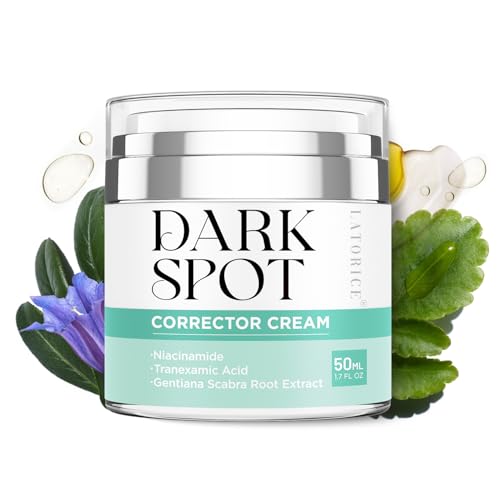
The LATORICE serum uses tranexamic acid as its primary lightening agent, an ingredient increasingly favored for its ability to block the interaction between melanocytes and inflammatory signals. This makes it especially effective for post-inflammatory hyperpigmentation left behind by acne or minor skin trauma.
It comes in a generous 1.7-ounce bottle with a lightweight, serum-like consistency that spreads easily and absorbs rapidly. The formula is gentle enough for twice-daily use on all skin tones, including deeper complexions where harsh lighteners risk causing paradoxical darkening.
Because it lacks higher concentrations of stronger actives like kojic acid or arbutin, the fade rate is slower — expect visible changes around the six-to-eight-week mark. This product works best as an entry-level option for beginners or as a maintenance serum after stronger treatments have done the heavy lifting.
Why it’s great
- Tranexamic acid targets acne marks without irritation
- Large bottle provides good value for daily application
- Lightweight and fast-absorbing, ideal under SPF
Good to know
- Slower results compared to high-concentration active creams
- Not potent enough for deep melasma on its own
5. Paula’s Choice SKIN PERFECTING 2% BHA Liquid Exfoliant
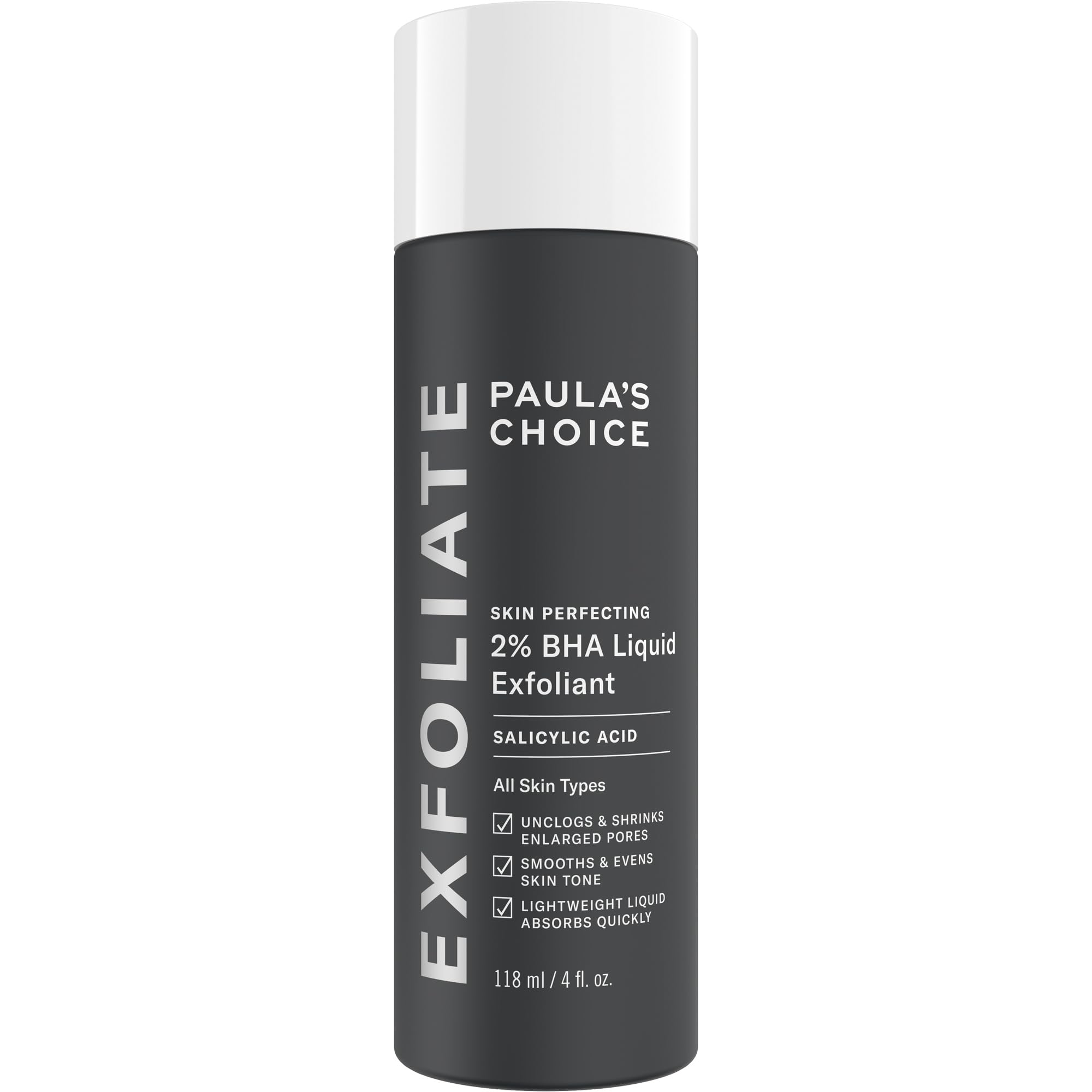
While not a traditional lightening cream, the Paula’s Choice BHA exfoliant plays a critical supporting role in hyperpigmentation treatment. Salicylic acid accelerates the shedding of pigmented surface cells, allowing active lightening ingredients to penetrate deeper and speeding up the visible fading of post-acne marks and sun-damaged upper layers.
The leave-on liquid format allows the 2% BHA to work continuously throughout the day inside the pore, which also helps clear congestion that can trap sebum and cause new breakouts. It is fragrance-free and formulated with soothing green tea extract to buffer against over-drying, making it viable for normal to oily skin types.
This product should be used as a prep step before applying your main lightening cream, not as a replacement for it. Users who combine this exfoliant with a potent brightener typically see marks fade two to three weeks faster than using the cream alone, provided they use adequate sunscreen.
Why it’s great
- Accelerates cell turnover to reveal fresher, less pigmented skin
- Clears pores and reduces future breakouts that cause marks
- Fragrance-free and widely recommended by dermatologists
Good to know
- Not a standalone lightening cream; requires pairing with active brighteners
- Can cause dryness if used more than once daily
FAQ
Can I use a lightening cream while pregnant or nursing?
How long does it take to see results from a lightening cream frage?
Should I use a lightening cream with or without sunscreen?
Can lightening creams cause permanent skin lightening?
Final Thoughts: The Verdict
For most users, the lightening cream for hyperpigmentation winner is the TOUCH Radiance Cream because its four-active stack covers the widest range of pigmentation types in one jar. If you need high-concentration arbutin for targeted freckle fading, grab the TOSOWOONG Arbutin 7% Cream. And for accelerating overall results by clearing dead surface cells, nothing beats pairing with the Paula’s Choice 2% BHA Exfoliant.