A dark spot isn’t a blemish—it’s a stubborn mark that refuses seasonal skin turnover. Wrong lightening creams bleach, irritate, or simply slide off. The right one deploys targeted pigment inhibitors like alpha arbutin or tranexamic acid at the correct pH to interrupt melanin production without stripping your barrier. This guide sorts the effective from the cosmetic.
I’m Emma — the founder and writer behind Baby Bangs. I’ve spent years analyzing clinical ingredient stacks, cross-referencing customer wear-test data, and identifying which lightening creams actually survive a full melanin cycle.
After digging through formulation sheets and real user feedback, I broke down the five contenders that earn a spot in your routine. Here is my curated selection of the lightening cream for face that balances efficacy with skin safety.
How To Choose The Best Lightening Cream For Face
Not all lightening creams are created equal. The most common mistake is grabbing a product based on “brightening” marketing rather than checking the actual active ingredient and its concentration. You need a formula that targets melanin at its source, not one that just exfoliates the top layer.
Know Your Active Ingredient
Alpha arbutin, tranexamic acid, kojic acid, and niacinamide are the gold standards for lightening. They work by inhibiting tyrosinase (the enzyme that triggers melanin production) or by blocking pigment transfer between skin cells. Avoid creams that rely solely on physical exfoliants—they won’t address hyperpigmentation below the surface.
Check the Concentration and pH
A lightening cream needs a sufficient percentage of its active ingredient to work. For example, alpha arbutin is most effective at 2%, niacinamide at 4-5%. Also, the product’s pH matters: ingredients like kojic acid work best in a slightly acidic environment (pH 4-5). If the cream is too alkaline or too diluted, you won’t see results.
Don’t Skip Skin Barrier Support
Strong lightening agents can be irritating. A quality cream includes barrier-repair ingredients like ceramides, hyaluronic acid, or squalane to keep your skin healthy during treatment. A damaged barrier leads to inflammation, which can actually worsen pigmentation.
Quick Comparison
On smaller screens, swipe sideways to see the full table.
| Model | Category | Best For | Key Spec | Amazon |
|---|---|---|---|---|
| AXIS-Y Glow Cream | Premium | Daily glow + barrier support | 2% Alpha Arbutin, 5% Niacinamide | Amazon |
| Pharmlitalia Melasma Cream | Premium | Stubborn melasma & age spots | Dermatologist-recommended formula | Amazon |
| LATORICE Tranexamic Serum | Mid-Range | Sun spot & post-acne fading | Tranexamic acid, 1.7 fl oz | Amazon |
| Naturium Niacinamide 12% | Value | Pore minimizing + evening tone | 12% Niacinamide, 2% Zinc PCA | Amazon |
| VALITIC Vitamin C Serum | Entry | Brightening starter cream | With Kojic Acid & Turmeric | Amazon |
In‑Depth Reviews
1. AXIS-Y Dark Spot Correcting Glow Cream
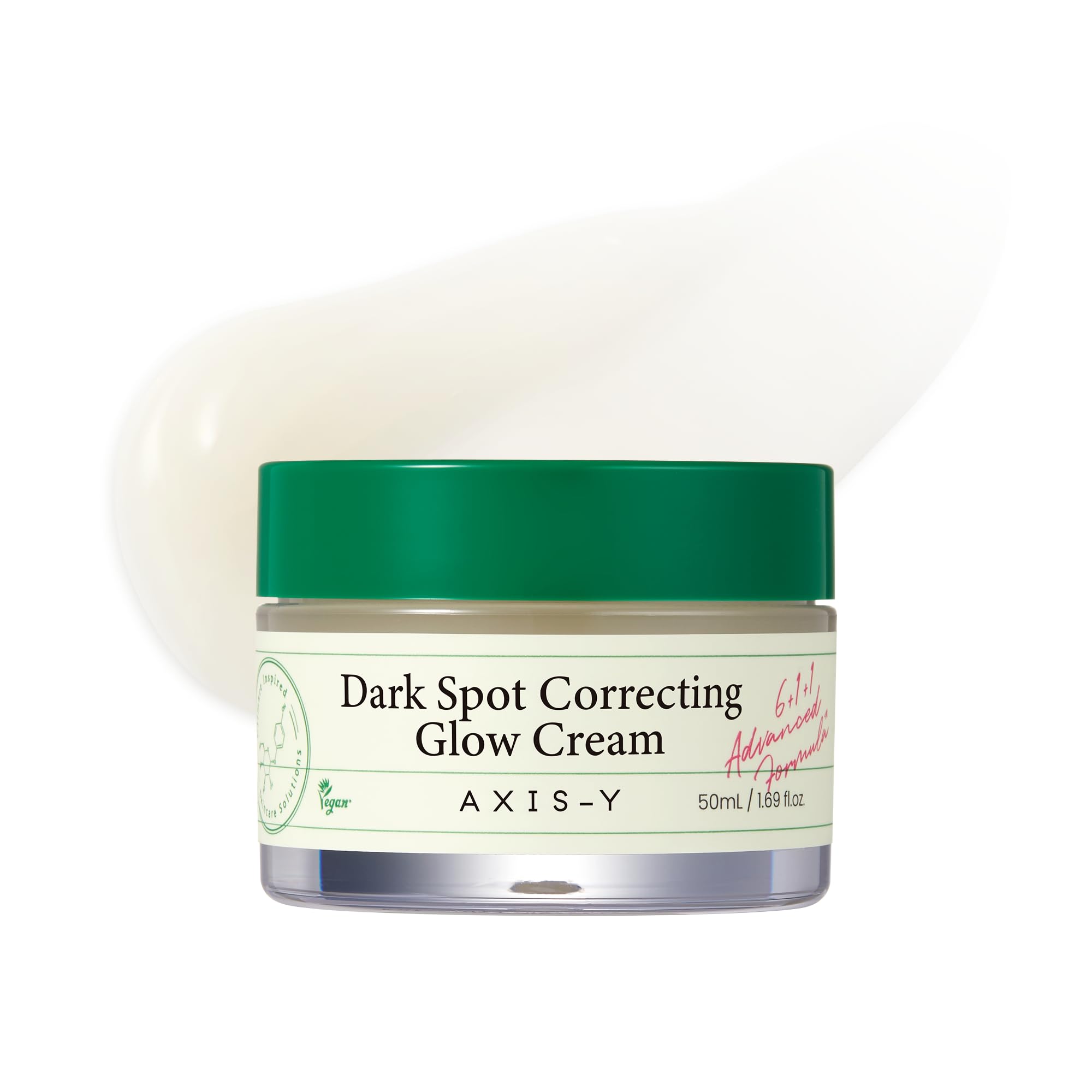
The AXIS-Y Glow Cream is a precision lightening cream that uses 2% alpha arbutin—a gold-standard melanin inhibitor—paired with 5% niacinamide to block pigment transfer and brighten simultaneously. This is a gel-cream that absorbs in under a minute, leaving no greasy residue, and includes ceramides to reinforce your barrier during treatment. It’s ideal for daily use underneath makeup or as a final step at night, targeting stubborn dark spots from old acne marks or sun exposure.
Unlike many lightening creams that can cause stinging or peeling, this Korean formula is gentle enough for all skin types, including sensitive. It does not contain hydroquinone, relying instead on a slower, safer path to an even tone. Users typically see a reduction in spot darkness after four to six weeks of consistent use, not overnight bleaching.
The texture is lightweight and hydrating, making it a solid choice for combination or oily skin that needs moisture without clogging pores. It also sits well under sunscreen, which is non-negotiable for any lightening routine.
Why it’s great
- Clinically proven alpha arbutin concentration at 2%
- Ceramide-enriched to protect moisture barrier while lightening
- Fast-absorbing gel texture works under makeup or solo
Good to know
- Slower results than prescription-strength options
- Slightly smaller container (1.69 fl oz) compared to some serums
2. Pharmlitalia Melasma Treatment Cream
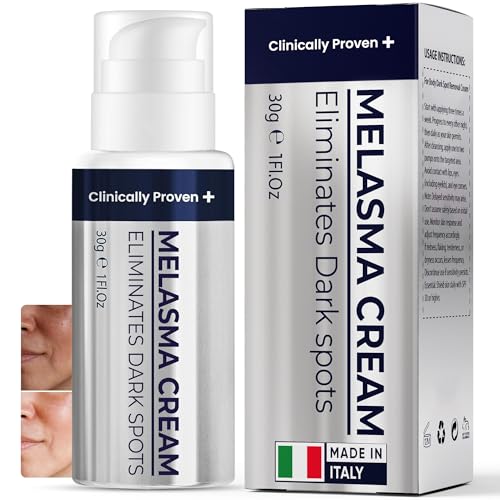
This cream from Pharmlitalia is formulated specifically for melasma—the hormonal, often mask-like pigmentation that resists most over-the-counter treatments. It combines multiple lightening agents in a single cream base to target stubborn dark patches, age spots, and post-blemish marks. It is marketed as a skin brightening cream that gradually lightens without using harsh bleaching chemicals.
Users with sensitive skin should introduce this cream slowly—applying every other night for the first week—because the active blend can cause mild tingling. It works progressively, with noticeable fading of larger patches around the two-month mark. For melasma triggered by pregnancy or birth control, this cream offers a gentler alternative to prescription hydroquinone.
The cream has a rich, moisturizing texture that suits normal to dry skin types. It does not pill under sunscreen or makeup, making it convenient for daytime use after cleansing. However, it is essential to pair it with a high-SPF mineral sunscreen to prevent the pigmentation from darkening again.
Why it’s great
- Formulated specifically for melasma and hormonal pigmentation
- Dermatologist recommended for safe, gradual lightening
- Rich moisturizing texture that doesn’t irritate dry skin
Good to know
- Needs gradual introduction for sensitive skin
- Requires consistent daily SPF use to maintain results
3. LATORICE Tranexamic Acid Serum
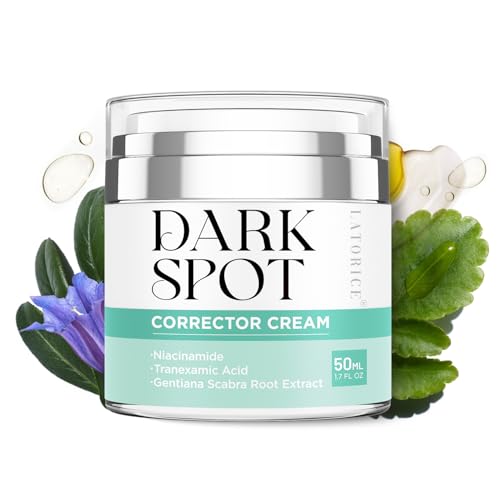
Tranexamic acid is one of the most researched ingredients for treating sun-induced hyperpigmentation, and this serum from LATORICE delivers it in a watery, fast-absorbing finish. It’s designed to gradually fade freckles, sun spots, and post-acne marks across both face and body. The 1.7-fluid-ounce bottle is generous for a serum, giving you good value for a daily application routine.
The formula is gentle enough for all skin tones, which is crucial because tranexamic acid rarely causes irritation. Users report visible improvement after four to eight weeks, but the brand is honest about the timeline: consistency is key. This is not a quick-fix cream—it works by calming the inflammation that drives melanin overproduction in sun-exposed areas.
Because it’s a serum rather than a cream, you’ll want to follow it with a moisturizer if your skin leans dry. It layers neatly under SPF and won’t interfere with makeup. For those who struggle with dark spots that reappear every summer, this serum targets the root cause without disrupting the skin barrier.
Why it’s great
- Concentrated tranexamic acid targets UV-induced spots specifically
- Large 1.7 oz bottle offers extended use
- Low irritation profile suitable for all Fitzpatrick skin types
Good to know
- Watery texture may need a separate moisturizer for dry skin
- Results are gradual—requires 6-8 weeks of daily use
4. Naturium Niacinamide Face Serum 12% + Zinc 2%

Naturium’s 12% niacinamide serum with 2% zinc PCA is a powerhouse for those dealing with both uneven tone and enlarged pores. Niacinamide works by blocking the transfer of melanin to skin cells, making it a highly effective ingredient for lightening while also calming inflammation and regulating oil. This formula is clinical-grade, stability-tested, and free of synthetic fragrance, making it a favorite for acne-prone or combination skin.
The zinc PCA component adds antibacterial and sebum-regulating benefits, which helps prevent new breakouts that could lead to further dark marks. Users notice a more even complexion and visibly smaller pores within three to four weeks. It’s a serum, not a cream, so it layers under your regular moisturizer or can stand alone for oily skin.
Be cautious with high-concentration niacinamide if you’ve never used it before—some people experience a mild flush or warmth on first application. Start with every other day. This serum is best for those who want lightening along with texture refinement, rather than a traditional moisturizing lightening cream.
Why it’s great
- High 12% niacinamide concentration for visible lightening and pore refinement
- Zinc PCA balances oil and supports blemish control
- Vegan, cruelty-free, and dermatologist tested
Good to know
- Can cause initial flushing in niacinamide-naive users
- Serum format may not be moisturizing enough for dry skin alone
5. VALITIC Vitamin C Serum

VALITIC’s serum combines vitamin C, kojic acid, niacinamide, and hyaluronic acid into a single lightweight formula designed for beginners who want a brightening boost without committing to a dedicated lightening cream. Vitamin C neutralizes free radicals and imparts a glow, while kojic acid directly inhibits tyrosinase to fade dark spots over time. This is a multitasking serum that targets dullness and uneven tone simultaneously.
The inclusion of hyaluronic acid ensures the skin stays hydrated without an oily after-feel, making it suitable for all skin types including oily. Users with stubborn, deep-set hyperpigmentation may find this formula gentler but slower than dedicated melanin inhibitors. It works best as a maintenance step between stronger treatments.
Because it contains retinol in the complex, users should apply it at night and always use sunscreen in the morning to prevent photosensitivity. It’s an entry-level option for those building their first brightening routine, offering a gentle introduction to active lightening ingredients.
Why it’s great
- Multitasking formula with vitamin C, kojic acid, and niacinamide
- Lightweight and non-greasy texture
- Great for first-time users of brightening actives
Good to know
- Contains retinol—requires strict AM sunscreen use
- Slower results for deep pigmentation compared to alpha arbutin
FAQ
How long does it take for a lightening cream to show results on dark spots?
Can I use a lightening cream if I have sensitive skin?
What is the difference between a lightening cream and a brightening serum?
Final Thoughts: The Verdict
For most users, the lightening cream for face winner is the AXIS-Y Glow Cream because it combines a proven 2% alpha arbutin dose with barrier-supporting ceramides, making it effective without irritation. If you want a dedicated melasma solution, grab the Pharmlitalia Melasma Cream. And for sun-spot fading with a generous bottle, nothing beats the LATORICE Tranexamic Serum on value.