Choosing a light trekking shoe isn’t about sacrificing support for weight — it’s about engineering a shoe that moves with you, not against you, on uneven terrain. The wrong pair makes every mile feel longer, while the right pair lets you forget you’re wearing them, focusing instead on the ridge ahead or the stream crossing underfoot.
I’m Emma — the founder and writer behind Baby Bangs. I’ve spent the last ten years dissecting trail footwear specs, comparing midsole compounds, lug patterns, and stack heights to separate shoes that walk the hype from shoes that walk the trail.
To help you cut through the noise, I’ve built this guide to the best light trekking shoes based on real weight figures, sole grip design, and long-haul comfort metrics that matter on the trail.
How To Choose The Best Light Trekking Shoes
Light trekking shoes sit in the sweet spot between a trail runner and a heavy-duty boot. They’re built for speed on maintained trails, but they need enough structure to handle rocky sections and light scree. The key is knowing which specs to prioritize for your typical terrain.
Weight vs Protection Balance
A genuine light trekking shoe typically weighs between 10 and 14 ounces per shoe (men’s size 9). Every ounce above that shifts the shoe toward boot territory, and every ounce below pushes it toward trail runner agility. Look for a shoe that wraps your foot in enough rubber and mesh to deflect sharp rocks without adding a second skin.
Outsole Grip and Lug Depth
The outsole is your contact patch with the trail. For mixed terrain — dirt, gravel, wet roots — a lug depth between 3.5mm and 5mm provides enough bite without feeling clunky on pavement approaches. Stickier rubber compounds like Vibram Megagrip or a proprietary tacky blend improve confidence on slick rock, but they wear faster on abrasive surfaces.
Stack Height and Cushion Approach
Stack height (the distance from your foot to the ground) in light trekking shoes usually ranges from 18mm to 28mm. Lower stacks offer better ground feel and stability, higher stacks absorb more impact on long descents. Zero-drop platforms encourage natural stride mechanics but require an adaptation period for those used to a heel lift.
Quick Comparison
On smaller screens, swipe sideways to see the full table.
| Model | Category | Best For | Key Spec | Amazon |
|---|---|---|---|---|
| ALTRA Lone Peak 9 | Premium | Zero-drop fastpacking | MaxTrac outsole / 25mm stack | Amazon |
| ALTRA Lone Peak 8 | Mid | Trail running & light trek | Vibram Megagrip / 25mm stack | Amazon |
| SCARPA Mojito | Premium | Lightweight leather durability | Water resistant / suede upper | Amazon |
| Merrell Accentor 3 | Mid | Day hikes & approach walks | Vibram sole / mesh & leather | Amazon |
| Merrell Speed Strike 2 Men’s | Budget | Casual trails & travel | EVA midsole / cap toe | Amazon |
| Merrell Speed Strike 2 Women’s | Budget | Light day hiking | 1.5 lbs / cushioned footbed | Amazon |
| KEENKS86 Lea | Budget | Entry-level walking | Lace-up closure / casual use | Amazon |
In‑Depth Reviews
1. ALTRA Men’s Lone Peak 9

The Lone Peak 9 refines ALTRA’s signature zero-drop platform with a 25mm stack that balances ground feel with enough cushion for all-day carries. The MaxTrac outsole uses a sticky rubber compound with 4mm lugs that bite into loose dirt and wet roots without catching on every pebble. At roughly 11.5 ounces per shoe, this is a true light trekking shoe built for fastpackers who want natural foot positioning and a wide toe box to splay toes on uneven ground.
The upper uses a breathable ripstop mesh with welded overlays that shed mud and dry quickly after stream crossings. The heel collar is padded enough to lock the foot without pressure points, and the lace system allows micro-adjustments across the instep. For terrain that mixes trail running with scrambling over rocks, the Lone Peak 9 delivers traction and stability without the bulk of a traditional boot.
One consideration: the zero-drop geometry requires a ramp-up period for those who have spent years in heel-lifted footwear. The wide fit also runs generous — narrow-footed hikers may need to cinch the laces tighter or size down. But for those who prioritize natural movement and low weight, this is the standard.
Why it’s great
- Zero-drop platform encourages natural gait mechanics
- Wide toe box allows toe splay on uneven terrain
- Sticky MaxTrac rubber grips wet surfaces reliably
Good to know
- Zero-drop needs an adaptation period for traditional shoe users
- Wide fit may feel loose for narrow-footed hikers
2. ALTRA Women’s Lone Peak 8
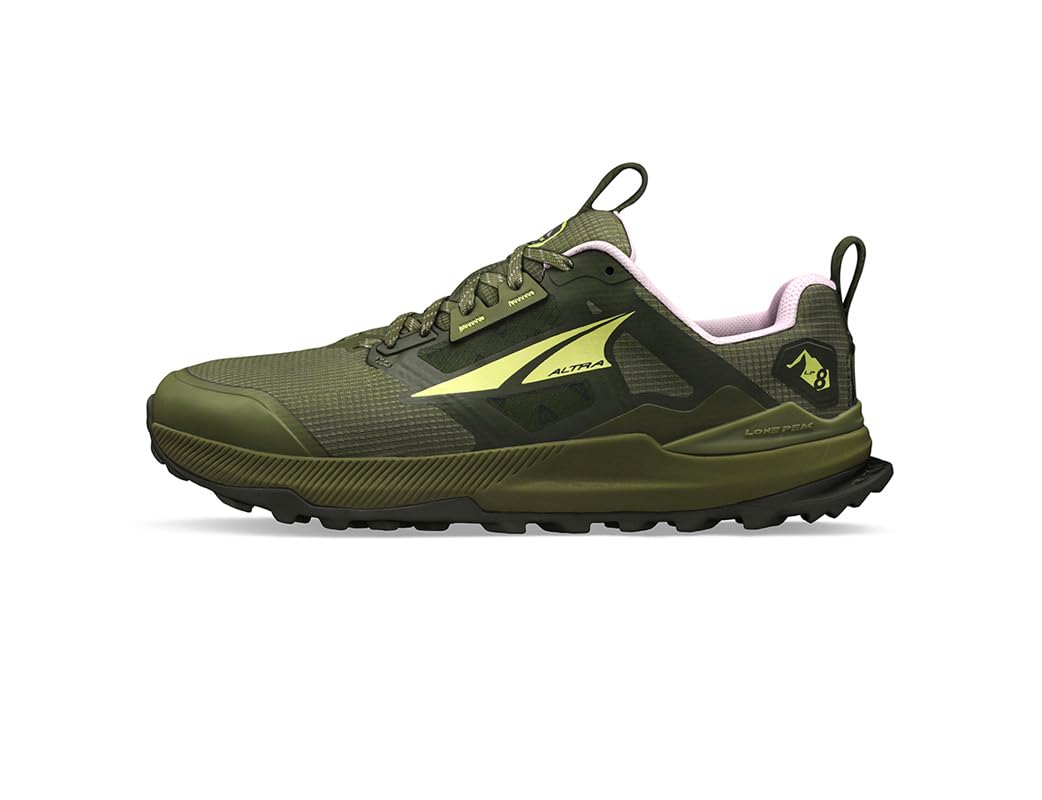
The Lone Peak 8 shares the same zero-drop DNA as the 9 but uses a Vibram Megagrip outsole instead of ALTRA’s proprietary MaxTrac. Vibram Megagrip is the gold standard for wet-rock traction — the rubber compound stays tacky even on slick granite crossings. The 25mm stack maintains the same ground connection while absorbing shock on descents, and the FootShape toe box gives toes room to spread naturally.
The upper is a mesh-and-welded overlay construction that breathes well for warm-weather treks but is not water resistant — expect wet feet after puddle splashes or morning dew. The lace-up closure includes an extra eyelet at the top for a heel-lock cinch, which is essential on steep downhills to prevent heel slip. At just over 10 ounces per shoe, this is among the lightest options for serious trail miles.
Most runners and fastpackers will appreciate the Lone Peak 8’s direct feel — you sense every root and rock underfoot, which helps with agility. However, the lack of rock plate means sharp stones can cause discomfort under a heavy pack load. Pair these with a lighter daypack and you’ll feel fast and connected.
Why it’s great
- Vibram Megagrip excels on wet, slick rock
- Heel-lock lacing prevents slip on descents
- Very low weight suits fast travel
Good to know
- Mesh upper offers no water resistance
- No rock plate; sharp stones can be felt under load
3. SCARPA Men’s Mojito Lightweight Outdoor Leather Shoes
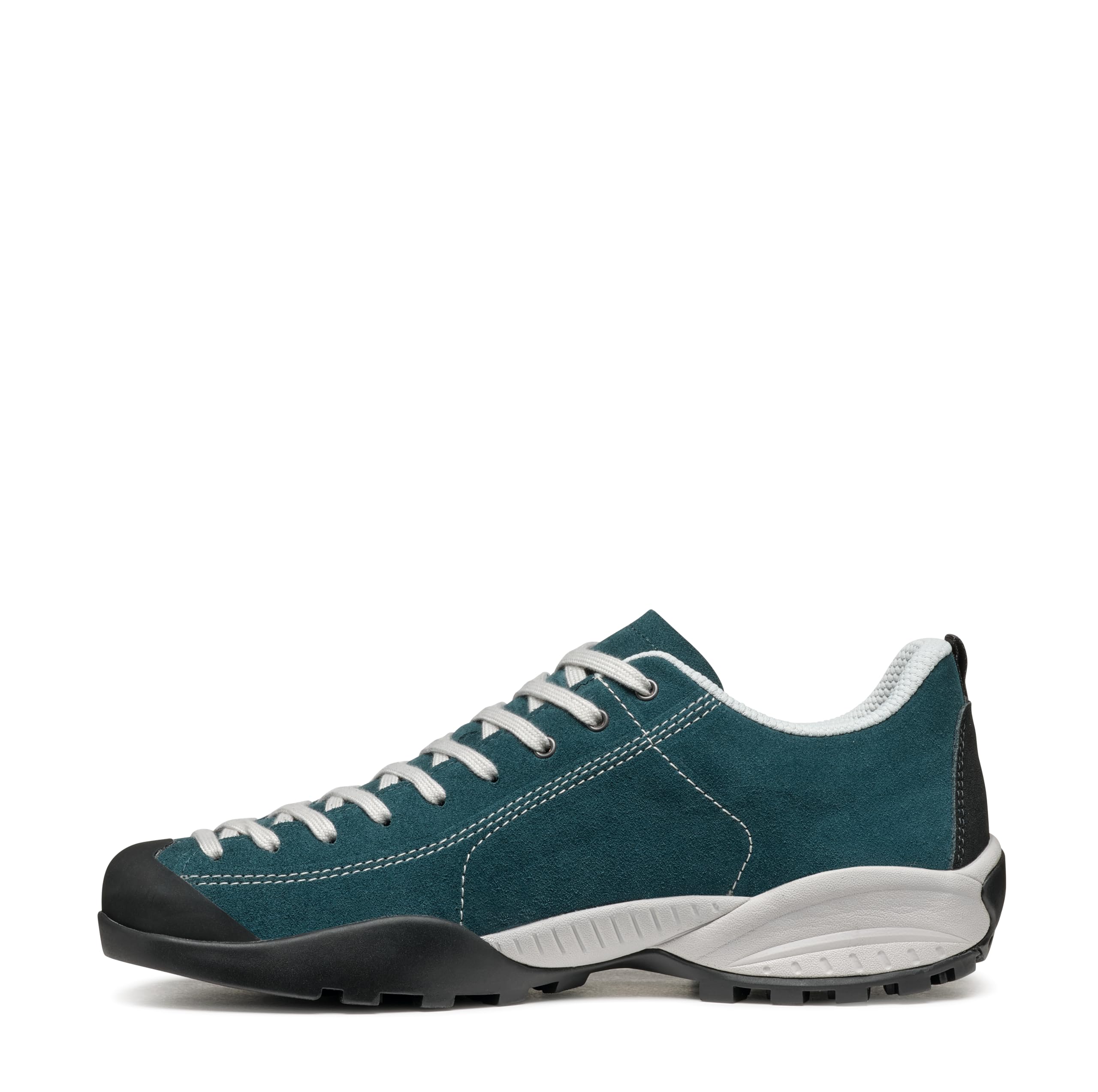
The SCARPA Mojito takes a different approach to lightweight trekking: a suede leather upper wrapped around a low-profile sole. The leather offers natural water resistance that holds up against morning dew and light rain better than any mesh. At just under 14 ounces per shoe, it’s on the heavier side of light, but the trade-off is a shoe that looks good post-trail at a café.
The sole uses a SCARPA-branded rubber compound with 4mm lugs that grip firmly on packed dirt and rocky climbs. The round-toe profile provides a snugger fit than the ALTRA alternatives, which some hikers prefer for precise foot placement on technical ground. The lace system extends almost to the toes, allowing fine tension adjustments across the forefoot.
One notable aspect is the break-in period: the suede upper is stiff out of the box and needs about 10-15 miles to mold to your foot. After that, it becomes one of the most comfortable light trekking shoes on the market, especially for those who appreciate a structured feel. It is not built for wet crossings — the leather will soak through if submerged — but for dry trails and light precipitation, it’s a rugged performer.
Why it’s great
- Suede upper provides natural water resistance
- Snug fit allows precise foot placement on rock
- Durable construction outlasts mesh competitors
Good to know
- Requires break-in period for leather upper
- Heavier than mesh alternatives
4. Merrell Men’s Accentor 3 Hiking Shoe
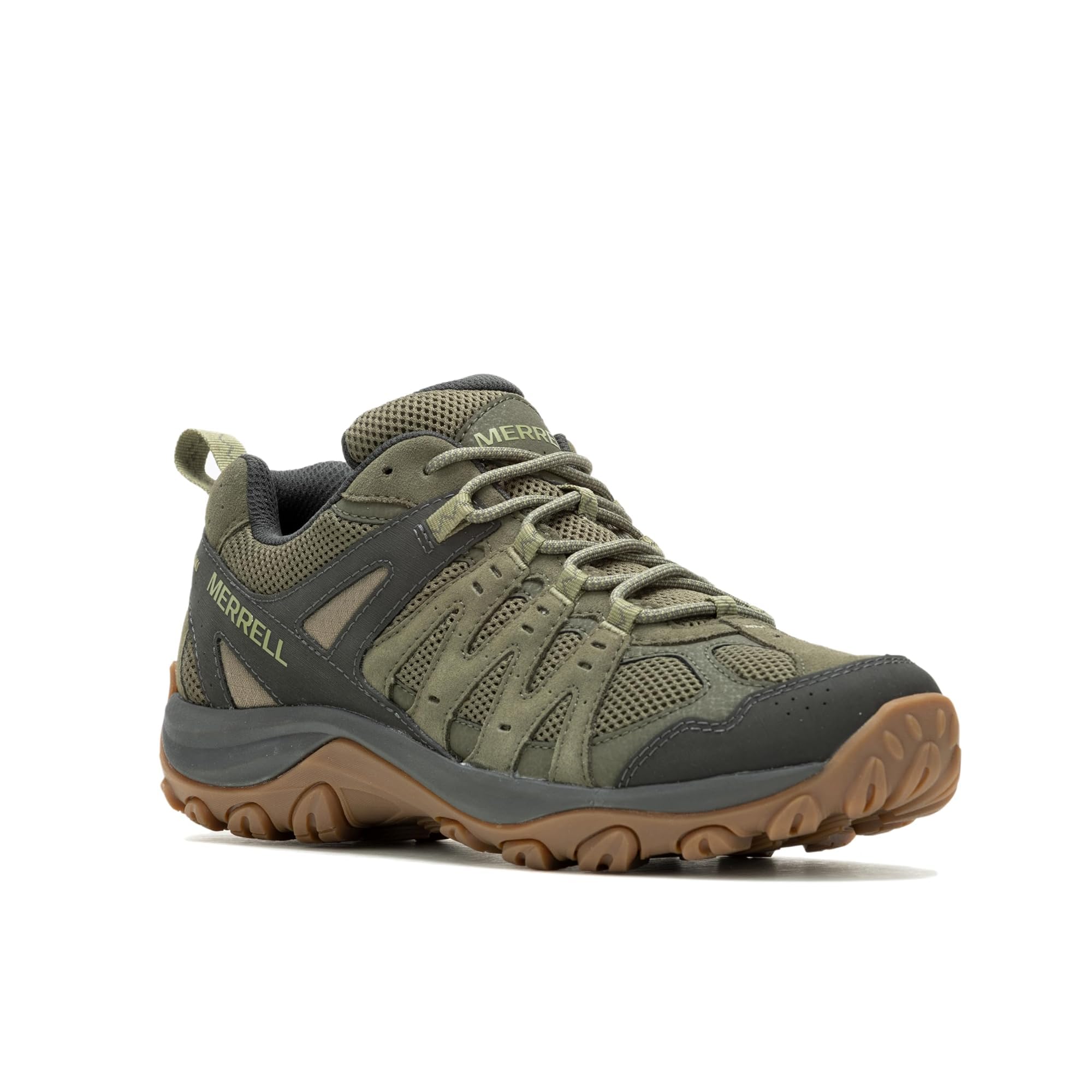
The Merrell Accentor 3 is a no-nonsense light trekking shoe that blends a Vibram outsole with a mesh-and-leather upper for durability and breathability. The 3.5mm lugs provide enough grip for gravel paths and dry dirt without the aggressive tread of a full-on trail shoe. At roughly 12 ounces per shoe, it fits squarely in the light trekking category with a traditional 8mm heel-to-toe drop that feels familiar for hikers transitioning from boots.
The midsole uses Merrell’s Air Cushion technology — a heel air pocket that absorbs shock on impact while keeping the shoe stable. The toe cap is rubber-wrapped for protection against stubs, and the lace system includes a hook at the top for a secure fit. The mesh sections let air flow freely, making this a good choice for warmer days when waterproofing isn’t a priority.
Where the Accentor 3 falls short is its all-terrain versatility: the lugs are too shallow for wet roots or loose scree, so it’s best on maintained trails and dirt paths. The cushioning also feels firmer than the ALTRA options, which may be a plus for those who want more ground feedback but a minus for long descents under load.
Why it’s great
- Vibram outsole with reliable general-purpose grip
- Air Cushion heel pocket absorbs landing impact
- Breathable mesh-and-leather upper for warm weather
Good to know
- Shallow lugs struggle on wet or loose terrain
- Cushioning feels firm compared to premium alternatives
5. Merrell Men’s Speed Strike 2
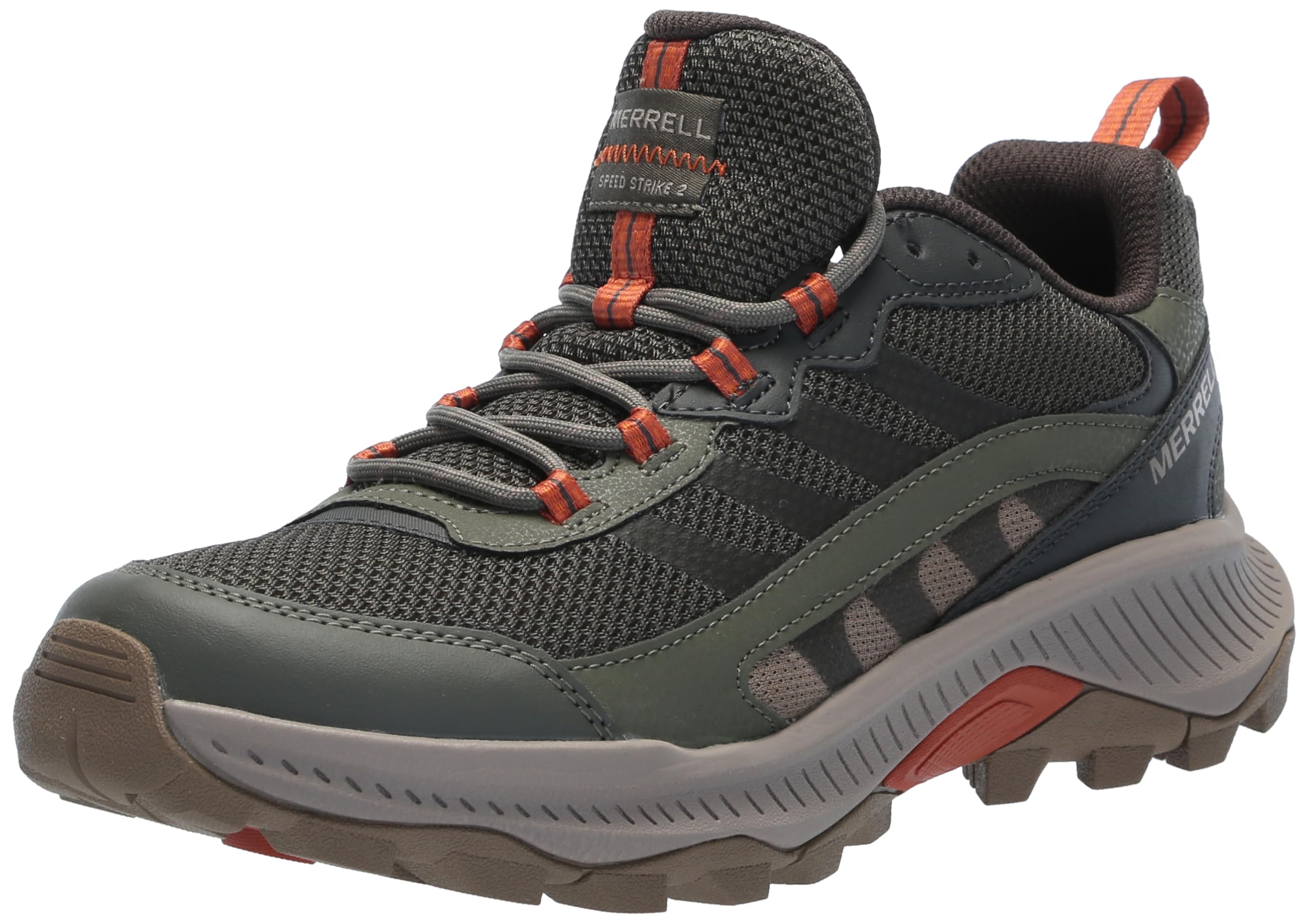
The Speed Strike 2 is a budget-friendly entry into the light trekking category, built around an EVA midsole that provides basic cushioning for short jaunts on well-groomed trails. The cap toe adds a layer of protection against accidental bumps, and the lace-up closure keeps the foot secure. At well under 12 ounces per shoe, it’s undeniably light — but the weight savings come from a simplified construction that lacks the structural support of premium options.
The outsole rubber is basic and the tread pattern is shallow, so grip on wet rock or loose gravel is compromised. This shoe is best suited for casual hikes on dry packed dirt, approach walks to a fishing spot, or as a travel shoe that can handle light trail use without packing heavy boots. The olive colorway blends into trail aesthetics nicely.
The biggest limitation is long-term durability: the EVA midsole compresses faster than higher-density foams, and the upper shows wear after repeated rocky outings. For the occasional hiker who wants a light shoe for easy day walks, the Speed Strike 2 offers solid value without overcomplicating things.
Why it’s great
- Very light weight for easy packing
- Cap toe adds basic bump protection
- Simple lace closure for secure fit
Good to know
- Basic outsole lacks grip on wet or loose terrain
- EVA midsole compresses faster over time
6. Merrell Women’s Speed Strike 2

The women’s version of the Speed Strike 2 mirrors the men’s construction: a lightweight EVA midsole, a protective cap toe, and a lace-up closure that keeps the foot in place. Weighing in at 1.5 pounds for the pair, it’s among the lightest options in this guide, ideal for day hikes where every ounce counts. The cushioned footbed adds a layer of comfort that makes the shoe feel softer underfoot than its low profile suggests.
The outsole tread follows the same shallow pattern as the men’s model, so it’s limited to dry, non-technical ground. On packed dirt and gravel paths, the grip is adequate for walking but not for scrambling. The mesh-and-synthetic upper breathes well, preventing hot spots on warm days, but offers no water resistance.
For the hiker who wants a shoe for casual trail walks, neighborhood paths, or as a lightweight travel companion, the Speed Strike 2 delivers a simple, no-fuss experience. The long-term durability and grip limitations make it a less compelling choice for those who regularly push into rocky or wet terrain.
Why it’s great
- Lightweight at 1.5 lbs per pair
- Cushioned footbed for all-day comfort
- Breathable upper for warm-weather use
Good to know
- Shallow tread limits off-trail use
- Not water resistant
7. KEENKS86 Lea
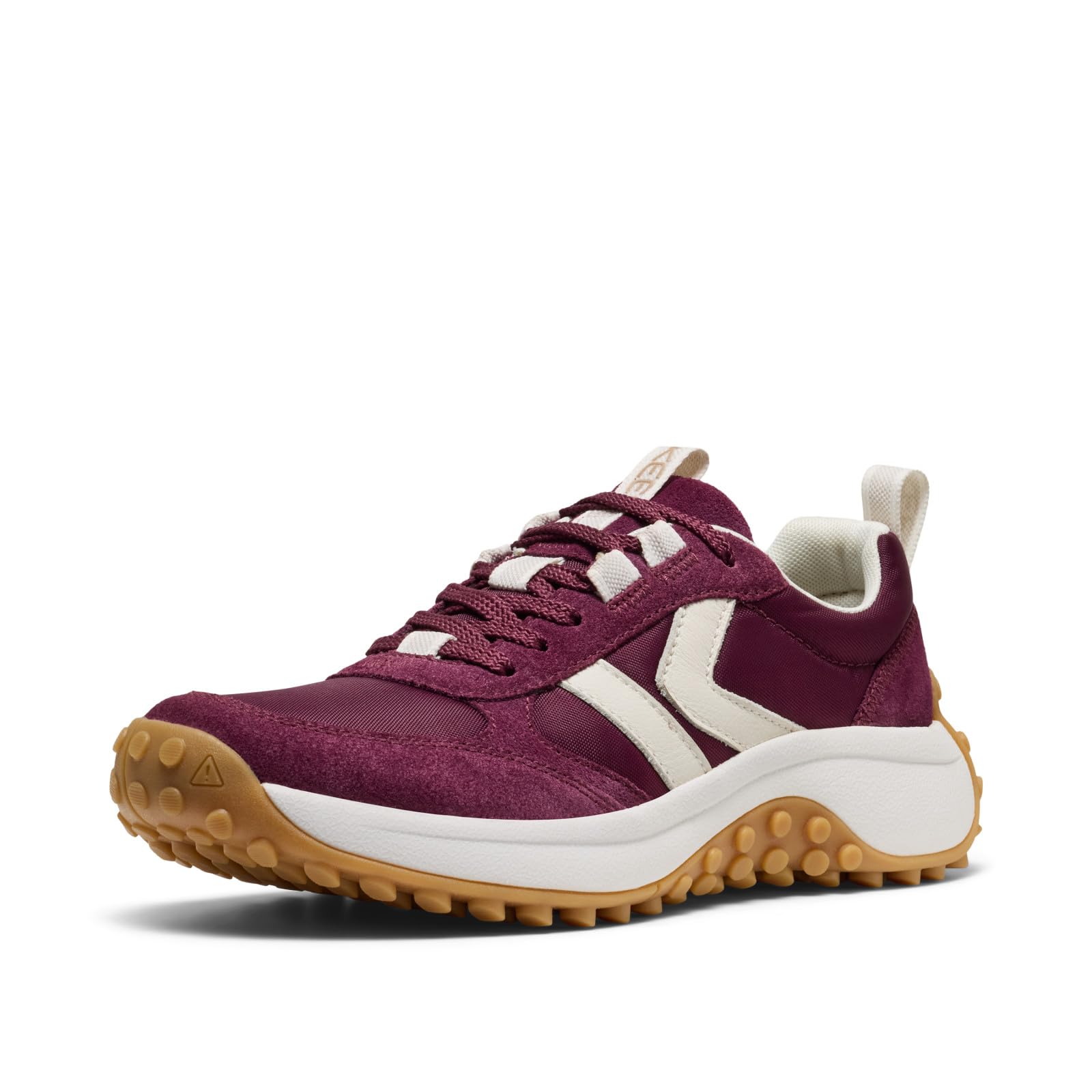
The KEENKS86 Lea is positioned as a budget-light walking option that can handle easy trails and urban paths. It uses a standard lace-up closure with a casual silhouette that blends into everyday wear. The outsole pattern is minimal, with small lugs that provide traction on pavement and packed dirt but start slipping on loose gravel or damp grass.
The upper consists of a synthetic mesh that breathes adequately for short walks but lacks the structural reinforcement of purpose-built trekking shoes. The insole is removable, allowing for custom orthotics if needed, and the overall fit is true to size with a medium volume. At this entry-level price point, the Lea is a functional shoe for someone testing the waters of light hiking without a major investment.
The main drawback is performance under load: the midsole offers minimal shock absorption on descents, and the lack of a rock guard means every sharp stone underfoot is transmitted directly to the foot. For a casual walk around town or a flat nature trail, it works fine. For anything with elevation gain or uneven terrain, the limitations become apparent quickly.
Why it’s great
- Removable insole supports custom orthotics
- True-to-size fit with medium volume
- Casual look transitions from trail to street
Good to know
- Minimal midsole cushioning on descents
- Poor traction on loose or damp surfaces
FAQ
How do I know if a light trekking shoe fits properly for long hikes?
Should I choose zero-drop or traditional drop for light trekking?
How often should I replace light trekking shoes?
Final Thoughts: The Verdict
For most users, the best light trekking shoes winner is the ALTRA Men’s Lone Peak 9 because it combines the lightest weight in its class with a zero-drop platform and sticky MaxTrac outsole that handles mixed terrain without compromise. If you want maximum grip on wet rock, grab the ALTRA Women’s Lone Peak 8 with its Vibram Megagrip sole. And for durable leather construction that transitions from trail to town, nothing beats the SCARPA Mojito.