Every ounce you strap to your foot has to be lifted thousands of times over a single run. That extra weight taxes your calves, slows your turnover, and dulls the responsive feel that makes a good stride great. The right pair disappears on your foot, letting you focus on cadence, breathing, and the road ahead rather than the shoe itself.
I’m Emma — the founder and writer behind Baby Bangs. I’ve spent years analyzing midsole compounds, outsole rubber placements, and stack heights across hundreds of women’s running silhouettes to separate the genuinely light builds from ones that just claim to be.
This guide compares seven top contenders that balance low weight with real cushioning and support, helping you find the best light running shoes for women without sacrificing the stability you need for daily miles.
How To Choose The Best Light Running Shoes For Women
Finding a genuinely light running shoe means looking past the marketing numbers and understanding how weight interacts with foam density, outsole coverage, and upper construction. A shoe that feels light in hand can still feel clunky on foot if the midsole is too soft or the heel counter is bulky. Start with the three factors below to narrow your options.
Midsole Foam Density and Responsiveness
The foam compound determines how much energy you get back per stride. EVA-based foams are the lightest but compress quickly, while expanded TPU or polyolefin blends (like Fresh Foam X or Floatzig) maintain rebound without adding significant weight. A low-density foam that lacks resilience will feel dead after a few miles, making every footstrike feel heavier than it should.
Upper Construction and Breathability
A heavy upper can sabotage an otherwise light shoe. Look for engineered mesh or knit constructions that wrap the foot without excess padding around the collar or tongue. The upper should have enough structure to lock the heel without relying on thick internal reinforcements that trap heat and add grams.
Outsole Rubber Placement
Full-coverage rubber outsoles add durability but also weight. The best light running shoes use strategic rubber placement — only covering high-wear zones under the forefoot and heel — leaving exposed foam in the midfoot to shave ounces. Check if the outsole uses a thin blown rubber or a thicker carbon rubber; the latter lasts longer but adds measurable heft.
Quick Comparison
On smaller screens, swipe sideways to see the full table.
| Model | Category | Best For | Key Spec | Amazon |
|---|---|---|---|---|
| Brooks Trace 4 | Neutral Daily | Light stability with soft landings | 9mm drop; BioMoGo DNA midsole | Amazon |
| New Balance Cruz Artisan V3 | Fresh Foam | Plush cushion without bulk | Fresh Foam X midsole | Amazon |
| Reebok Floatzig | Energy Return | Responsive turnover on easy miles | Zigzag foam geometry | Amazon |
| ASICS VERSABLAST 4 | Mid-Range | Budget-friendly everyday training | 1.44 lb per shoe; AMPLIFOAM midsole | Amazon |
| Nike Run Defy | Entry-Level | Solid starter for short jogs | Cushlon 3.0 foam core | Amazon |
| Skechers Go Run Consistent 2.0 | Ultra-Light | Minimal weight for speed sessions | 1.5 lb total pair weight | Amazon |
| adidas Ultrarun 5 | Budget | Affordable daily wear | 2.43 lb per shoe | Amazon |
In‑Depth Reviews
1. Brooks Women’s Trace 4 Neutral Running Shoe

The Trace 4 hits the sweet spot between weight and structure. Brooks uses BioMoGo DNA foam that adapts to your stride without packing down, giving you consistent cushioning mile after mile. The segmented crash pad under the heel smooths the transition from landing to toe-off, which reduces the energy lost in every step.
The engineered mesh upper breathes well during warm-weather runs and wraps the midfoot securely without pressure points. At roughly 9mm drop, this shoe encourages a natural rolling motion that works equally well for heel-strikers and midfoot runners. The outsole uses strategic rubber placement rather than full coverage, keeping the overall weight low without sacrificing traction on dry pavement.
Runners transitioning from a heavier stability shoe will appreciate the Trace 4’s balanced feel — it offers enough guidance for mild overpronation without the stiff medial post that adds grams. The only real trade-off is the cushioning, which favors responsiveness over plushness; if you prefer a pillow-soft landing, you may want a higher stack option.
Why it’s great
- Adaptive BioMoGo DNA foam keeps its bounce over 300+ miles
- Segmented crash pad creates a smooth heel-to-toe transition
- Engineered mesh upper offers ventilation without extra padding
Good to know
- Firm ride may not suit runners who prefer maximum cushion
- Limited color options in the women’s release
2. New Balance Women’s Fresh Foam X Cruz Artisan V3

The Fresh Foam X midsole is the star here. New Balance’s polyolefin-based foam is lighter than standard EVA and rebounds faster, giving the Cruz Artisan V3 a lively step that feels almost springy. The no-sew upper reduces internal friction points, which helps prevent hot spots on longer runs.
At 2.4 pounds per pair, these are not the absolute lightest on this list, but the foam density makes them feel lighter than the scale suggests. The heel collar has a moderate amount of internal padding that locks the ankle without squeezing, and the outsole uses a thin blown rubber that keeps weight down while still gripping well on asphalt.
Where the Cruz Artisan V3 truly shines is recovery runs and easy-paced days. The cushioning absorbs shock without feeling mushy, and the wide platform adds a touch of inherent stability for runners who want a neutral shoe with a little extra support. The only downside is the upper’s breathability — it works fine in mild weather but can feel warm during summer months.
Why it’s great
- Fresh Foam X provides a lively, responsive feel underfoot
- No-sew upper minimizes irritation and hot spots
- Wide base adds stability for neutral runners
Good to know
- Upper can trap heat on hot days
- Not ideal for speed work due to softer foam feel
3. Reebok Women’s Floatzig Running Shoes
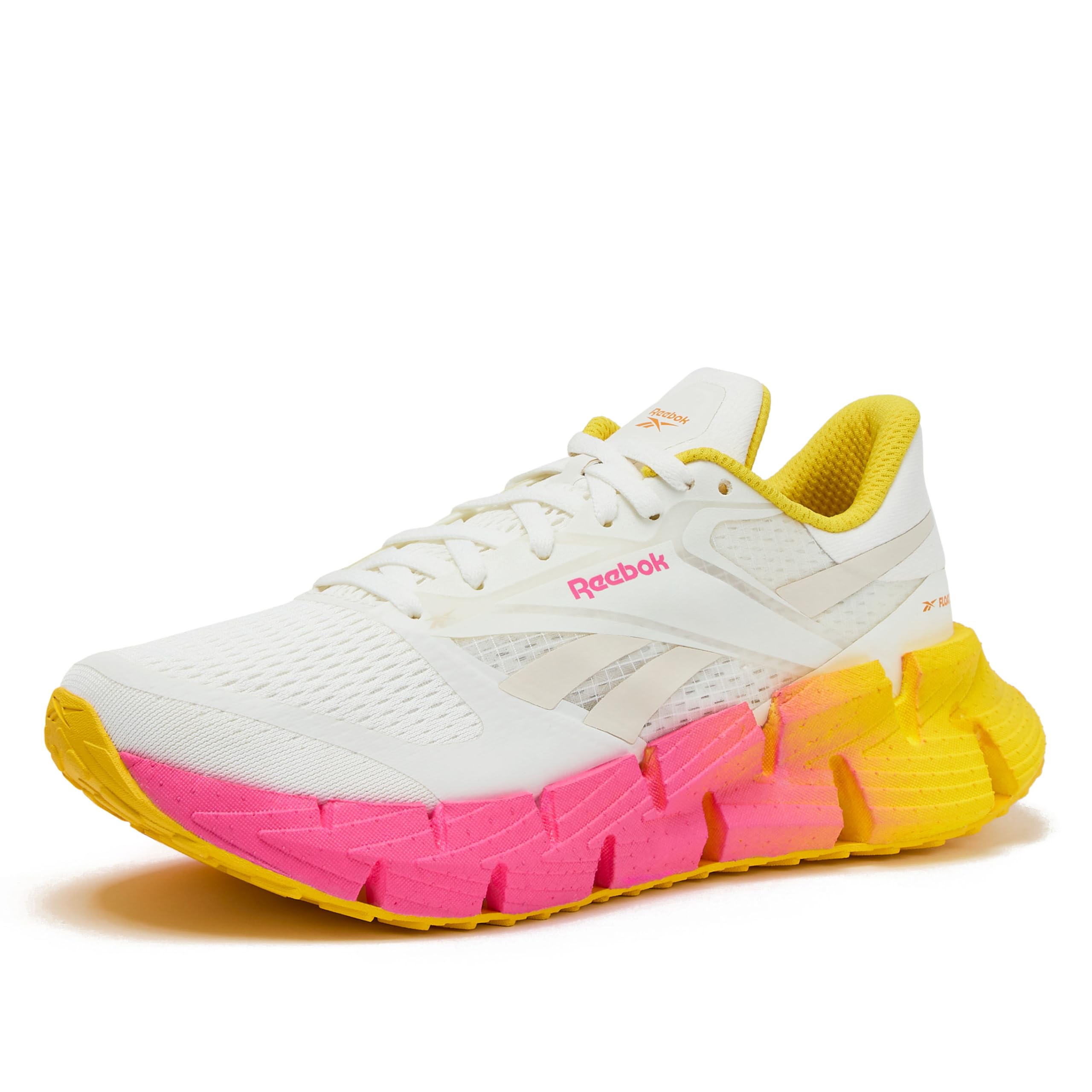
Reebok’s Floatzig stands out for its unusual midsole geometry — the zigzag-shaped foam columns compress and rebound independently, creating a sensation of continuous forward motion. This design reduces the weight of traditional foam blocks while maintaining a snappy toe-off that feels natural for runners who want a slight propulsion boost.
The knitted upper wraps the foot like a sock, eliminating the need for a separate tongue and reducing overall weight. The heel counter is minimal but effective, holding the rearfoot in place without digging in. On the road, the Floatzig feels stable despite its unconventional midsole, and the outsole rubber is concentrated in the forefoot and heel for durability where you actually need it.
These shoes work best for runners with a neutral gait who log 10 to 20 miles per week. The foam does not compress as much as traditional EVA, so the ride is firmer than the Brooks Trace 4 or the New Balance Cruz — a trade-off that some runners will love for the snappy response and others may find too stiff for longer distances.
Why it’s great
- Zigzag foam geometry delivers a unique forward-propulsion feel
- Knitted upper fits snugly without a separate tongue
- Low weight for a shoe with substantial midsole volume
Good to know
- Firm ride may not suit runners wanting plush cushioning
- Outsole grip is optimized for dry roads, not wet surfaces
4. ASICS Women’s VERSABLAST 4 Running Shoes
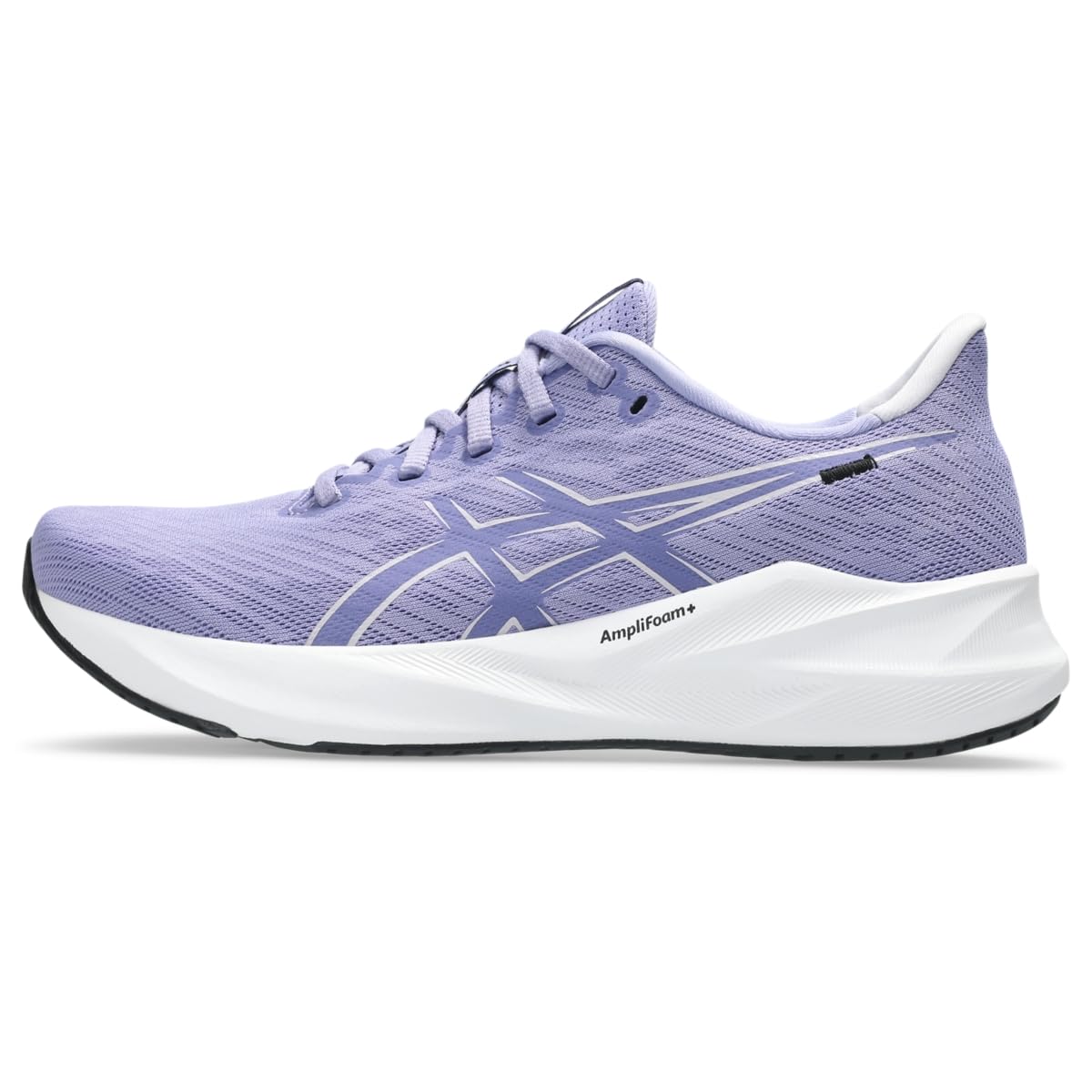
The VERSABLAST 4 is ASICS’ entry-level neutral trainer, and it punches above its weight class in terms of lightness. The AMPLIFOAM midsole is EVA-based but formulated for a softer initial step-in feel than older ASICS foams. At 1.44 pounds per shoe, these are among the lighter options here, making them a solid choice for runners who want a light daily trainer without spending premium dollars.
The engineered mesh upper has a generous toe box that accommodates wider feet or toe splay during runs. The outsole uses ASICS’ AHAR rubber in the high-wear zones but leaves the midfoot exposed to save weight. On the road, the ride is smooth but not especially lively — the AMPLIFOAM compresses readily but does not snap back as quickly as the Fresh Foam X or BioMoGo DNA foams found in higher-priced competitors.
Where the VERSABLAST 4 excels is as a budget-friendly option for newer runners building base mileage. The cushioning is forgiving enough for 3-to-5-mile runs, and the outsole durability should hold up through a season of regular use. The main compromise is in energy return: the foam works fine for easy pace work but lacks the pop you need for faster efforts.
Why it’s great
- Lightweight build at an accessible price point
- Spacious toe box accommodates wider feet
- AHAR rubber improves outsole durability in key zones
Good to know
- Foam lacks the rebound of pricier midsoles
- Not designed for speed work or tempo runs
5. Nike Women’s Run Defy Road Running Shoes

The Nike Run Defy brings Nike’s Cushlon 3.0 foam into an entry-level package that is built for reliability rather than flash. Cushlon 3.0 is a blended foam that balances softness with a reasonable amount of rebound — not as bouncy as ZoomX, but more forgiving than basic EVA. The shoe feels stable underfoot, with a traditional heel counter that gives newer runners a secure locked-in sensation.
The upper uses a combination of mesh and synthetic overlays that provide structure without excessive weight. Nike’s waffle outsole pattern, borrowed from its heritage running line, delivers dependable traction on both dry pavement and packed gravel. The shoe runs true to size, and the midfoot shank adds a slight stiffness that helps with push-off without making the shoe feel plank-like.
For runners just starting their fitness journey or logging occasional 5Ks, the Run Defy is a competent choice. The Cushlon 3.0 foam compresses noticeably after the first few hundred miles, so dedicated runners who train five or more days per week may find the midsole flattens out faster than they would like. If you are looking for a shoe that can handle daily 10-milers, consider stepping up to a model with a higher-grade foam like the Brooks Trace 4.
Why it’s great
- Stable platform with a traditional locked-in feel
- Waffle outsole provides reliable traction on varied surfaces
- Cushlon 3.0 offers a balanced ride for short to moderate distances
Good to know
- Midsole compresses faster than premium foam options
- Not built for high-mileage training weeks
6. Skechers Women’s Go Run Consistent 2.0 Mile Sneakers
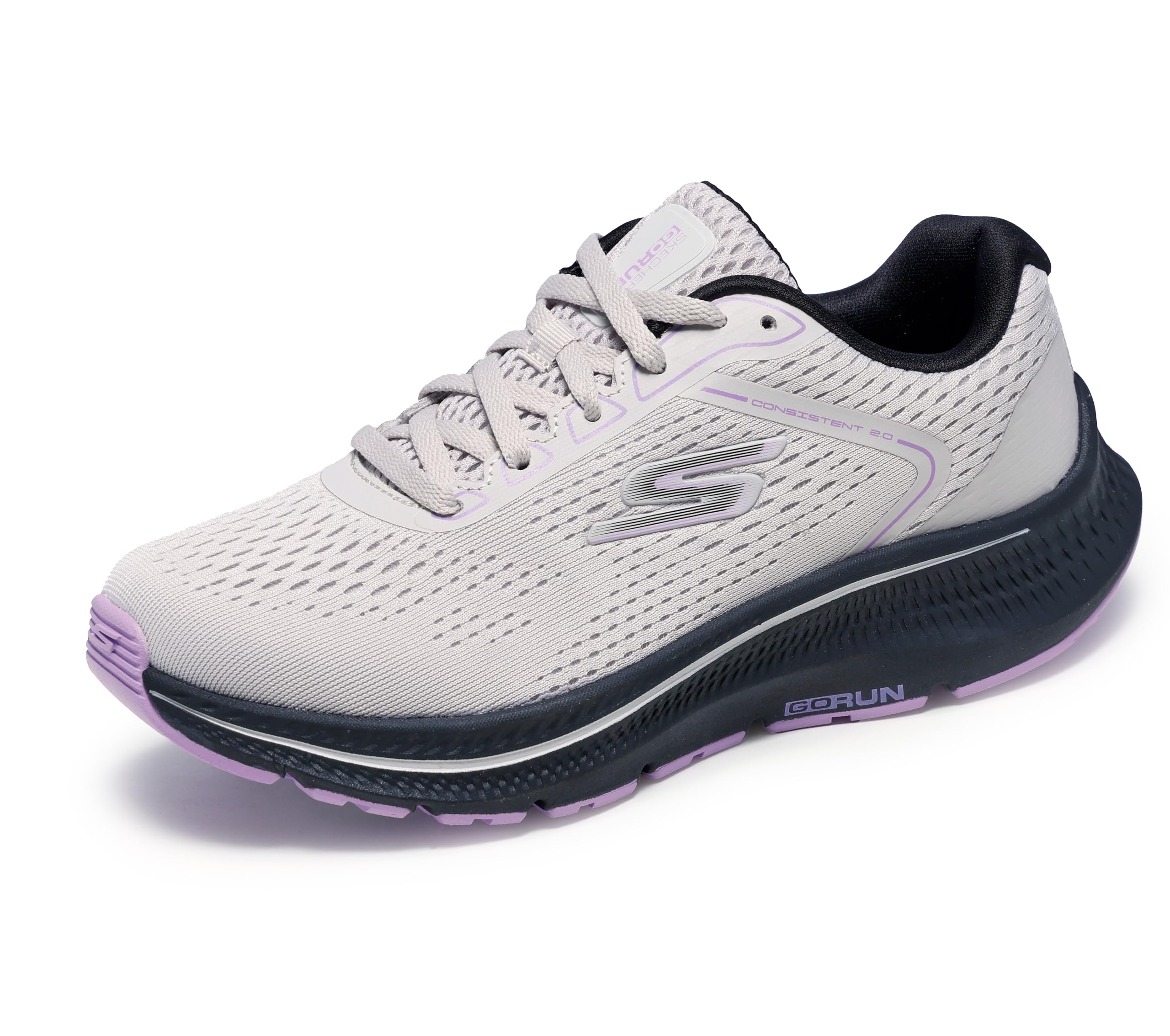
The Go Run Consistent 2.0 is designed around one priority: keeping weight as low as possible. At a combined 1.5 pounds per pair, these are the lightest shoes in this roundup by a significant margin. Skechers achieves this with an Ultra Go foam midsole that strips away any unnecessary density, giving you a barely-there feel that is perfect for speed sessions or fast 5Ks.
The upper is a lightweight knit with minimal overlays, which lets air flow freely through the shoe. The outsole has only small rubber pods in the heel and forefoot, leaving much of the midsole exposed. On the plus side, this construction keeps the shoe airy and fast. On the down side, the exposed foam wears faster on rough asphalt, and the minimal outsole coverage reduces traction on wet or loose surfaces.
Runners with narrow to medium-width feet will get the best lockdown from the Go Run Consistent 2.0; the knit upper stretches but does not offer much volume for wider feet. The cushioning is adequate for distances up to about 6 miles, but the low stack height means you feel more road texture compared to a shoe with a thicker midsole. Use these for race-day efforts or interval workouts where every gram counts.
Why it’s great
- Extremely low weight makes them feel barely there on fast runs
- Ultra Go foam is lightweight and responsive
- Knit upper breathes exceptionally well
Good to know
- Minimal outsole rubber reduces traction on wet roads
- Low stack height transmits more road vibration
7. adidas Women’s Ultrarun 5 Running Shoes
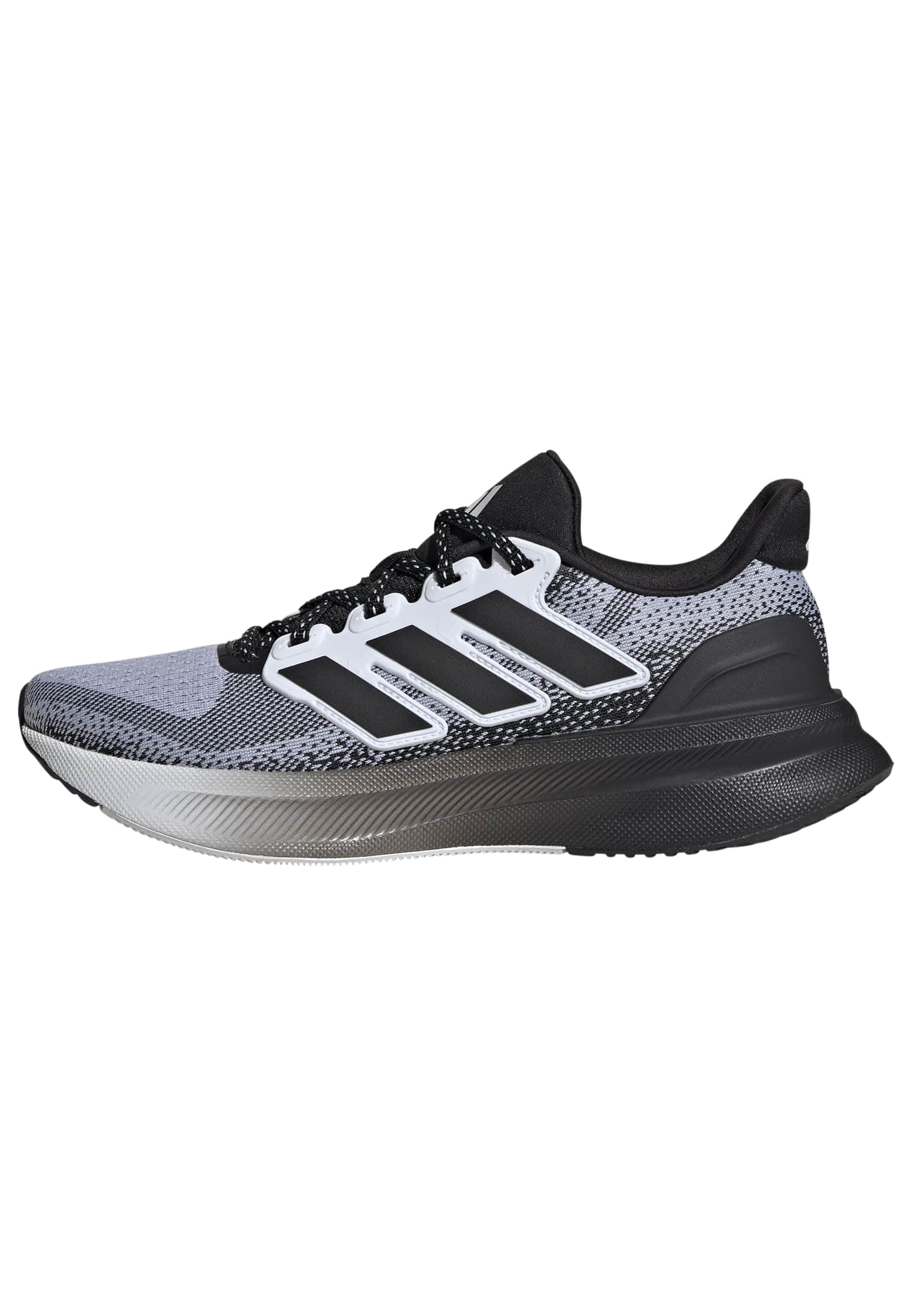
The adidas Ultrarun 5 is built for casual runners who want a recognizable brand at an entry-level price point. The Cloudfoam midsole is adidas’ basic compression-molded EVA — it softens impact well during the first few runs but lacks the durability and rebound of higher-end foams found in the adidas Ultraboost or adizero lines. At 2.43 pounds per shoe, these are the heaviest in this comparison, but the weight is distributed evenly, so the shoe does not feel clunky during short jogs.
The textile upper uses a traditional lacing system with a padded tongue and collar. It does not offer the same breathability as the knit uppers on the Skechers or Reebok models, but it provides a secure, plush feel around the ankle that newer runners often prefer. The outsole is a full rubber wrap with a tread pattern that grips well on dry surfaces but can feel slippery on wet pavement.
If your definition of light running is simply “not heavy,” the Ultrarun 5 fits that description for short distances. The shoe is best suited for walks, gym sessions, or occasional 2-to-3-mile jogs where price matters more than performance. For runners who plan to log regular weekly mileage, the extra weight and faster-compressing foam make it less appealing compared to the ASICS VERSABLAST 4 or Nike Run Defy at a similar budget level.
Why it’s great
- Entry-level price makes it accessible for casual runners
- Cloudfoam offers a soft step-in feel out of the box
- Traditional upper construction feels secure and padded
Good to know
- Heavier than most options in this range
- Foam loses its cushioning properties relatively quickly
FAQ
What is a good weight for light running shoes for women?
Can light running shoes provide enough cushioning for long distances?
How often should I replace light running shoes?
Final Thoughts: The Verdict
For most users, the light running shoes for women winner is the Brooks Trace 4 because it combines a responsive 9mm drop, adaptive BioMoGo DNA cushioning, and a breathable upper in a package that works for daily training. If you want a plush, springier feel underfoot without extra weight, grab the New Balance Cruz Artisan V3. And for speed-focused runners who want the lightest option on the shelf, nothing beats the Skechers Go Run Consistent 2.0 for race-day turnover.