A daypack that weighs more than your water bottle defeats the purpose of moving fast on the trail. Every ounce of frame material, strap padding, and fabric must earn its place when your goal is covering ground without feeling loaded down. The difference between a 1.5-pound pack and a 2.5-pound pack is the difference between finishing fresh and nursing sore shoulders.
I’m Emma — the founder and writer behind Baby Bangs. I’ve spent years analyzing outdoor gear specs, comparing suspension designs, and tracking how real hikers evaluate weight-to-comfort trade-offs in the sub-2-pound backpack category.
This guide strips away marketing noise and focuses on the measurable specs that separate a legitimately light daypack from a bag that only reads light on paper. Whether you are a fast day hiker, a summit chaser, or a traveler who needs a pack that disappears on your back, the right light hiking backpack keeps you moving without compromise.
How To Choose The Best Light Hiking Backpack
A light hiking backpack must balance three competing demands: low base weight, sufficient load support, and smart organization. Skipping any one of these turns a promising day hike into a frustrating carry. Focus on the factors below before making your decision.
Pack Weight and Volume Ratio
The ideal daypack weighs between 1.2 and 2.2 pounds for a 18-to-26-liter volume. Anything heavier typically indicates overbuilt suspension meant for multi-day loads, which is unnecessary for carrying a few layers, snacks, and a hydration bladder. The best light hiking backpacks achieve this ratio by using thin but tear-resistant fabrics like 100D or 210D nylon and eliminating unnecessary zippers and compression straps.
Backpanel Ventilation and Frame Support
A sweaty back slows you down and chills you on exposed ridges. Look for a tensioned mesh backpanel or a raised foam channel system that pulls the pack away from your spine. Premium models use a flexible spring steel frame or wire hoop to keep the mesh taut while keeping total weight under control. Budget packs rely on foam alone, which traps heat and collapses under heavier loads.
Hydration Compatibility and Pocket Layout
Every light hiking backpack should include an internal hydration sleeve sized for a 2-liter or 3-liter bladder, plus a hose port that routes the tube over either shoulder. Shoulder strap pockets for your phone, a side mesh pocket for a bottle, and a top zippered pocket for keys and a map keep you moving without stopping to dig. Avoid packs that force you to unbuckle and rummage through the main compartment for small items.
Quick Comparison
On smaller screens, swipe sideways to see the full table.
| Model | Category | Best For | Key Spec | Amazon |
|---|---|---|---|---|
| Deuter AC Lite 24L | Premium | Ventilated day hikes | 2.05 lb / 24 L / Aircomfort frame | Amazon |
| Osprey Hikelite 26L | Premium | All-day breathable carry | 1.89 lb / 26 L / AirSpeed mesh | Amazon |
| Osprey Daylite Expandable 26+6 | Mid-Range | Travel + day hiking | 1.85 lb / 26 L expandable | Amazon |
| Deuter Speed Lite 21L | Mid-Range | Fast and light trail runs | 1.04 lb / 21 L / minimal frame | Amazon |
| CamelBak Arete 18 | Mid-Range | Hydration-focused day hikes | 18 L / integrated bladder | Amazon |
| WATERFLY 20L | Budget | Entry-level casual hikes | 1.6 lb / 20 L / phone pocket | Amazon |
| Water Buffalo Sherpa 22L | Budget | Budget hydration system | 22 L / bladder included | Amazon |
In-Depth Reviews
1. Deuter AC Lite 24L Hiking & Daypack Backpack with Steel Frame & Superior Breathability
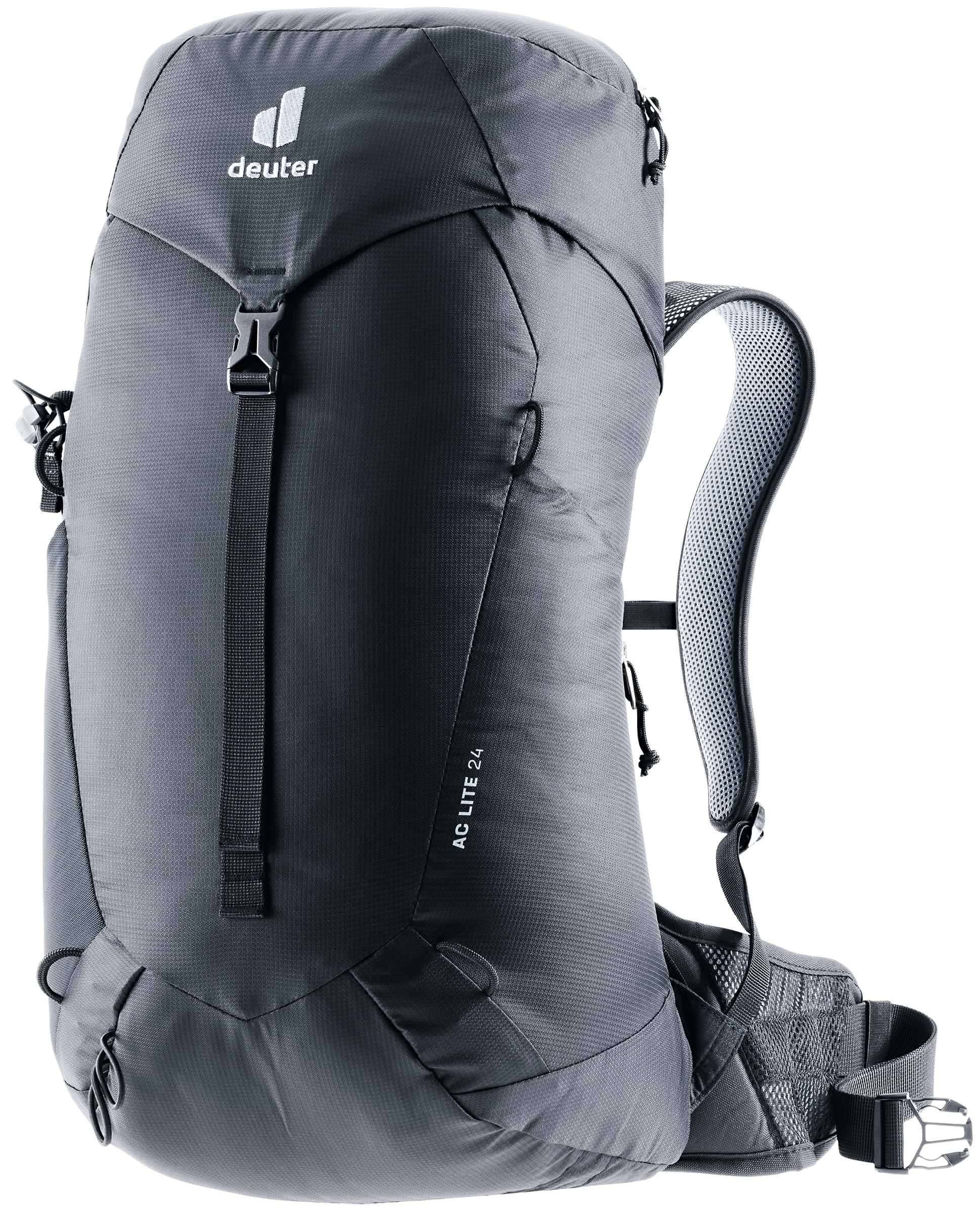
The Deuter AC Lite 24L sits at the sweet spot where weight, ventilation, and durability converge. Its Aircomfort back system uses a flexible spring steel frame to hold a tensioned mesh panel away from your spine, creating a ventilation channel that actually moves air rather than just feeling slightly less hot. At 2.05 pounds, it carries the load of a typical day hike setup without the back sweat that plagues foam-panel packs.
Deuter built this pack from recycled 600D polyester and 210D polyamide, materials that resist abrasion well enough for rocky trails while keeping weight low. The recommended load range of 6.6 to 13 pounds matches what you will carry on a full-day hike: 2 liters of water, a puffy layer, snacks, a first-aid kit, and a rain shell. The trekking pole attachment loops and dedicated phone pocket are placed where you actually need them, not as afterthoughts.
Two minor trade-offs: the hip fins, while padded and breathable, are not load-bearing enough for hauling climbing gear or heavy camera kits, and the 2-liter hydration sleeve maxes out at what most day hikers carry. If you want to carry more than 15 pounds regularly, a stiffer frame makes more sense. For the vast majority of day hikers who want a cool back and a light carry, this is the pack to beat.
Why it’s great
- Spring steel Aircomfort frame delivers exceptional back ventilation
- Recycled 600D/210D fabric resists trail abrasion without excess weight
- Padded hip fins with airflow channels reduce moisture buildup
Good to know
- Hip fins are comfort-focused, not load-bearing for heavy carries
- Hydration sleeve fits max 2-liter bladder only
2. Osprey Hikelite 26L Hiking Backpack for Men and Women

The Osprey Hikelite 26L leverages Osprey’s AirSpeed suspension, a tensioned mesh backpanel that keeps the pack frame away from your spine by about an inch. That gap allows warm, moist air to escape continuously, making it one of the best ventilated packs at this weight. At 1.89 pounds with a 26-liter capacity, it offers a larger volume-to-weight ratio than the Deuter AC Lite, making it ideal for longer day hikes or trips where you carry extra layers.
The integrated raincover stows in a zippered pocket at the base, which is a thoughtful touch for hikers in unpredictable weather. The main compartment is roomy, and the front shove-it pocket handles a wet shell or map without eating into internal space. The padded hipwings and adjustable sternum strap stabilize the load without feeling restrictive. Osprey used 100% recycled bluesign APPROVED nylon for the main body, and the DWR treatment is PFAS-free — a meaningful environmental step.
On the downside, the shove-it pocket lacks organization, so small items tumble to the bottom. The hydration sleeve fits a 3-liter bladder, but the hose routing can be slightly finicky to thread one-handed. The Hikelite shines when you need maximum airflow and a solid raincover ready to deploy, but it is marginally less refined in pocket layout than the Deuter AC Lite.
Why it’s great
- AirSpeed mesh backpanel provides industry-leading ventilation
- Integrated raincover stows neatly and deploys fast
- Bluesign APPROVED recycled nylon with PFAS-free DWR
Good to know
- Shove-it pocket lacks internal organization for small items
- Hose routing is fussy when threading one-handed
3. Osprey Daylite Expandable 26+6 Travel Pack

The Osprey Daylite Expandable 26+6 bridges the gap between a day hiking backpack and an airline personal item. Its expandable main compartment adds 6 liters (from 26 to 32) by opening a zippered gusset, giving you flexibility when you pick up souvenirs or need extra space for a puffy jacket after a cold summit. The AirScape backpanel provides ventilated padding rather than a tensioned mesh, making it slightly less breathable than the Hikelite but still far better than a solid foam panel.
At 1.85 pounds, it is competitive in weight, and the luggage pass-through strap lets you slide it over a roller bag handle for airport transitions. The two stretch water bottle pockets are deep enough to hold a 32-ounce Nalgene without popping out, and the tech sleeve fits a 15-inch laptop for travel days. The front zip pocket provides quick access to travel documents or a wallet without opening the main compartment.
The trade-off for the expandable design is a less structured carry when fully packed — the pack sags slightly at max capacity. It also lacks a hydration sleeve, which limits its appeal for dedicated hikers who prefer bladders over bottles. For the hybrid hiker-traveler who wants one pack for both airport gates and summit trails, this is a smart, lightweight solution.
Why it’s great
- Expandable gusset adds 6L of extra storage when needed
- Luggage pass-through works seamlessly with roller bags
- Deep stretch bottle pockets hold large water bottles securely
Good to know
- No hydration sleeve — bottle carry only
- Pack sags slightly when expanded to max capacity
4. Deuter Speed Lite 21L Hiking Lightweight Backpack
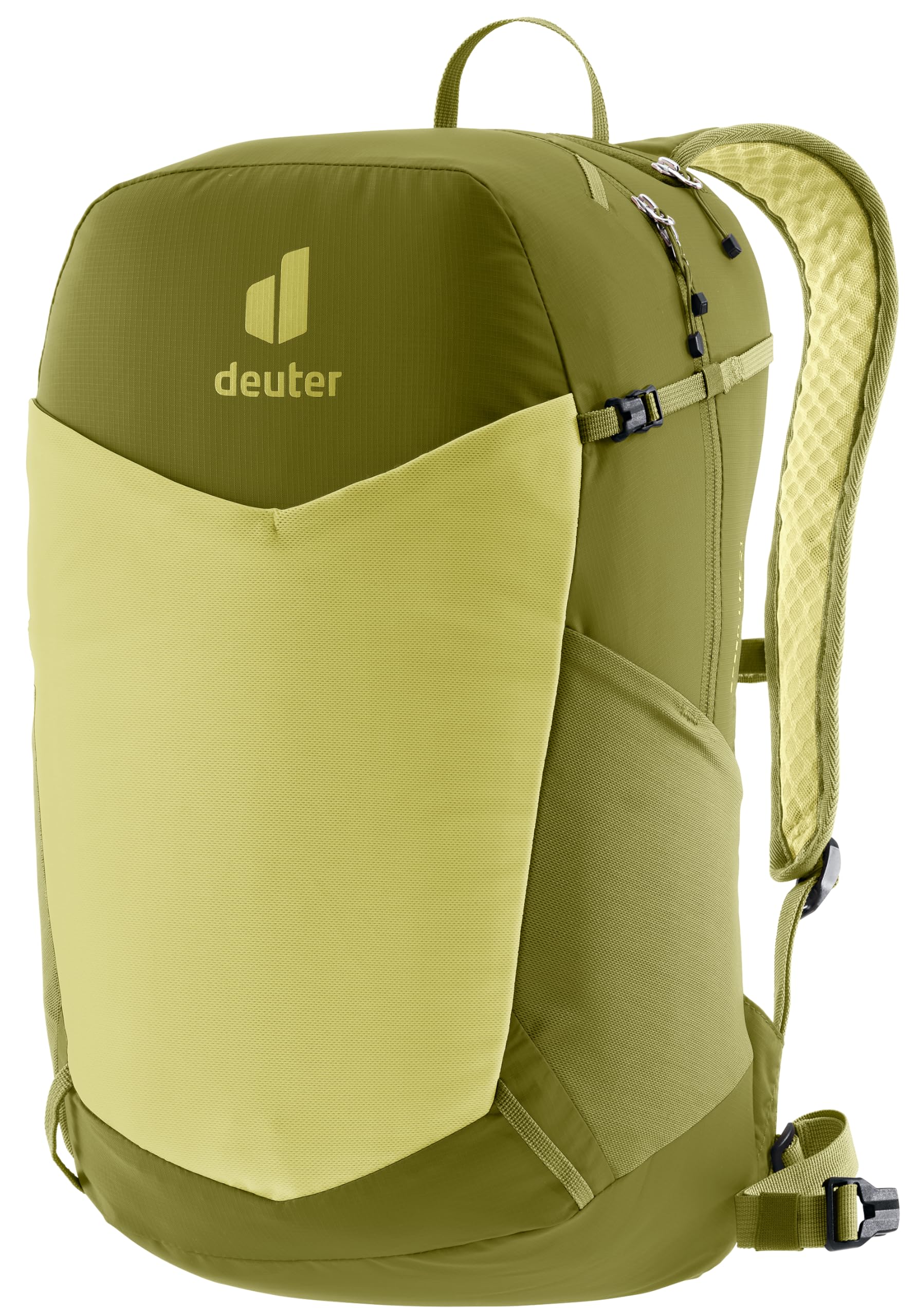
The Deuter Speed Lite 21L is for hikers who prioritize speed over structure. At just 1.04 pounds, it is the lightest pack in this lineup, achieved by using a V-shape design that eliminates unnecessary framing and heavy straps. The pack moves with your body rather than fighting it, making it ideal for trail runners, fast day hikers, or summit scramblers who only carry the bare essentials.
Deuter used 100% recycled body fabric certified by the bluesign standard, keeping the environmental impact low without sacrificing tear resistance. The glasses stow system on the shoulder strap is a clever touch for hikers who swap between sunglasses and prescription lenses. The stretch mesh front pocket holds a windbreaker or gloves, and the side stretch pockets fit standard water bottles securely.
The detachable waist belt is thin and not load-bearing — it is there to stop the pack from bouncing, not to transfer weight to your hips. The Speed Lite packs less well when you approach 10 pounds of gear because the minimal frame lets the load sag. This pack is purpose-built for minimalists who measure success in miles covered, not gear carried.
Why it’s great
- Ridiculously light 1.04-pound base weight for fast travel
- V-shape design allows full range of arm motion on trail runs
- Body fabric made from 100% recycled bluesign-certified materials
Good to know
- Minimal frame struggles to stabilize loads over 10 pounds
- Detachable waist belt is anti-bounce, not load-bearing
5. CamelBak Arete 18 Hiking Hydration Backpack
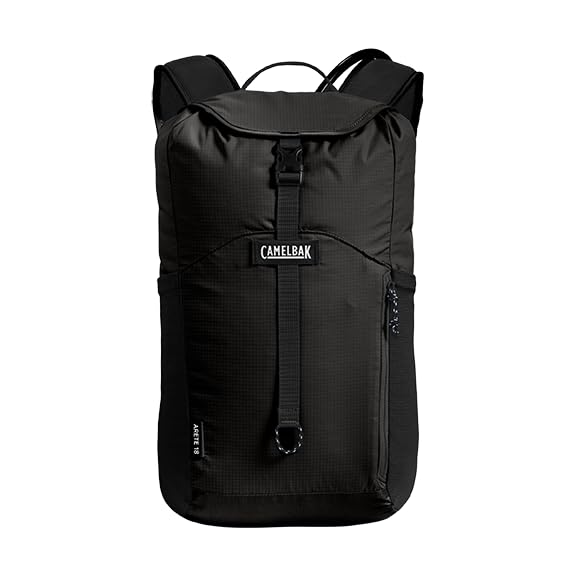
CamelBak is synonymous with hydration, and the Arete 18 brings that expertise into a compact daypack format. The 18-liter capacity is smaller than the other packs here, but that is intentional — this pack is built for short, fast hikes where water access is the priority. The integrated bladder (included) and the drink tube clip on the shoulder strap mean you never have to stop and dig for a bottle.
The pack features a ventilated backpanel that uses a foam channel design, which is less breathable than a full tensioned mesh system but adequate for moderate temperatures and shorter outings. The front pocket organization is smart, with dedicated slots for a phone, keys, and a multi-tool. The compression straps keep the load tight against your back, reducing bounce on trail runs.
The small volume is the main limitation — 18 liters fills up fast with a rain shell, a puffy layer, snacks, and a first-aid kit. The shoulder straps are also on the thinner side, which becomes noticeable if you carry more than 8 pounds. The Arete 18 is a specialized tool for hikers who want to drink without stopping and value compactness over all-out capacity.
Why it’s great
- Integrated hydration bladder with easy-access drink tube
- Compact 18L volume ideal for short, fast day hikes
- Compression straps reduce bounce during trail running
Good to know
- 18L capacity fills quickly with extra layers and gear
- Thin shoulder straps feel loaded above 8 pounds
6. WATERFLY Small Lightweight Hiking Backpack 20L
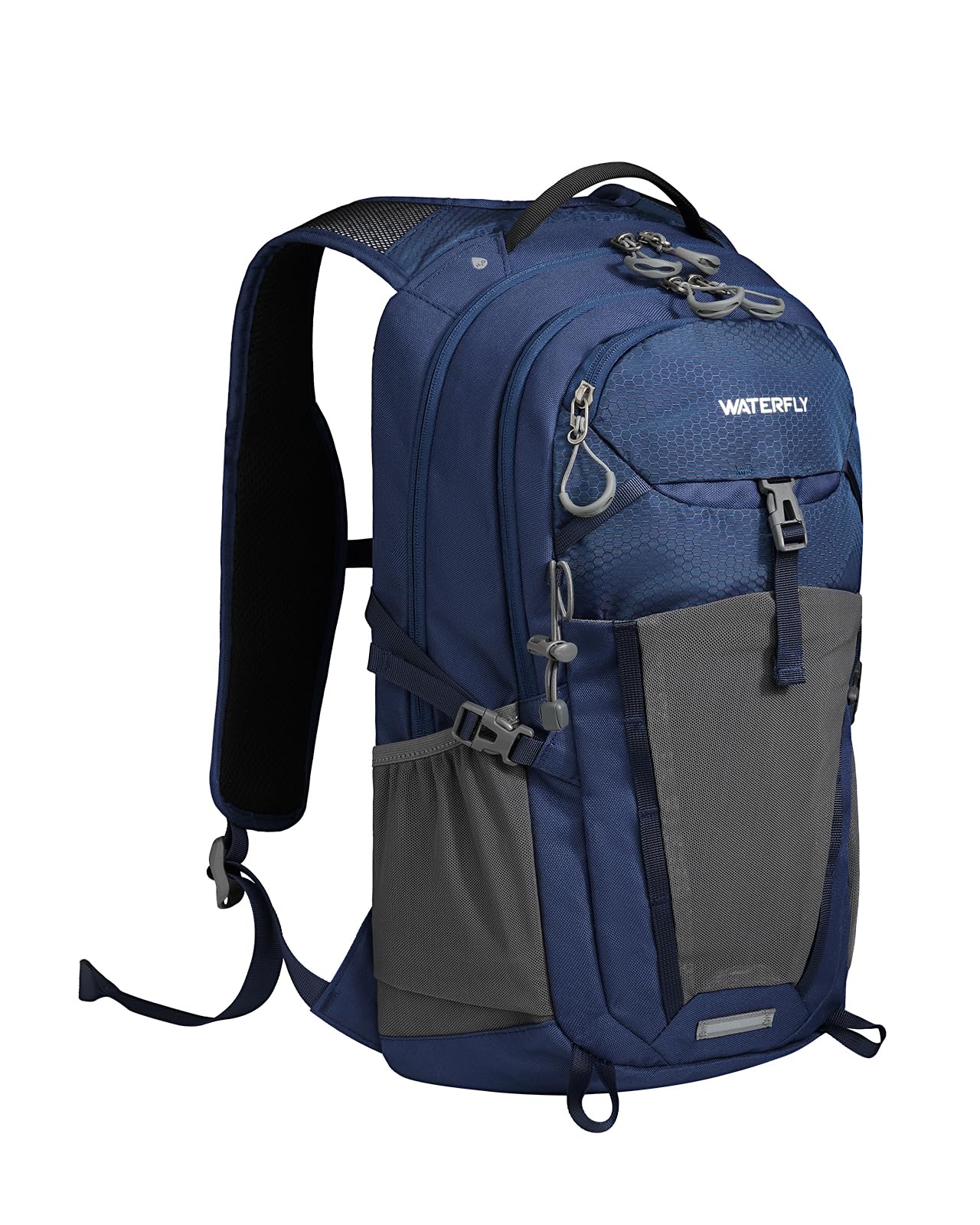
The WATERFLY 20L packs an impressive feature set for its entry-level price. The shoulder strap phone pocket fits large smartphones securely, solving the universal problem of where to keep your phone accessible on the trail. The internal hydration sleeve holds bladders up to 2 liters, making it compatible with a standard day hike hydration setup without forcing you to buy a proprietary system.
The ventilated padded backpanel and breathable shoulder straps reduce heat buildup, and while they lack the active airflow of a tensioned mesh frame, they are noticeably better than a flat foam slab. The multi-compartment layout includes a dedicated key clip, sunglasses loop, and trekking pole attachment cords. At 1.6 pounds for 20 liters, the weight-to-volume ratio is competitive with packs that cost significantly more.
The water-resistant fabric and tested zippers hold up well for casual use, but the pack lacks the structural support for carrying loads above 10 pounds consistently. The shoulder straps are narrower than premium competitors, which can dig in after a few hours of heavy use. For the hiker who wants a functional daypack without committing to premium pricing, it delivers solid value.
Why it’s great
- Shoulder strap phone pocket fits large smartphones securely
- Internal hydration sleeve compatible with 2L bladders
- Breathable backpanel with multiple organization compartments
Good to know
- Narrower shoulder straps can dig in during long carries
- Lacks frame support for loads exceeding 10 pounds
7. Water Buffalo Hydration Backpack Sherpa 22L
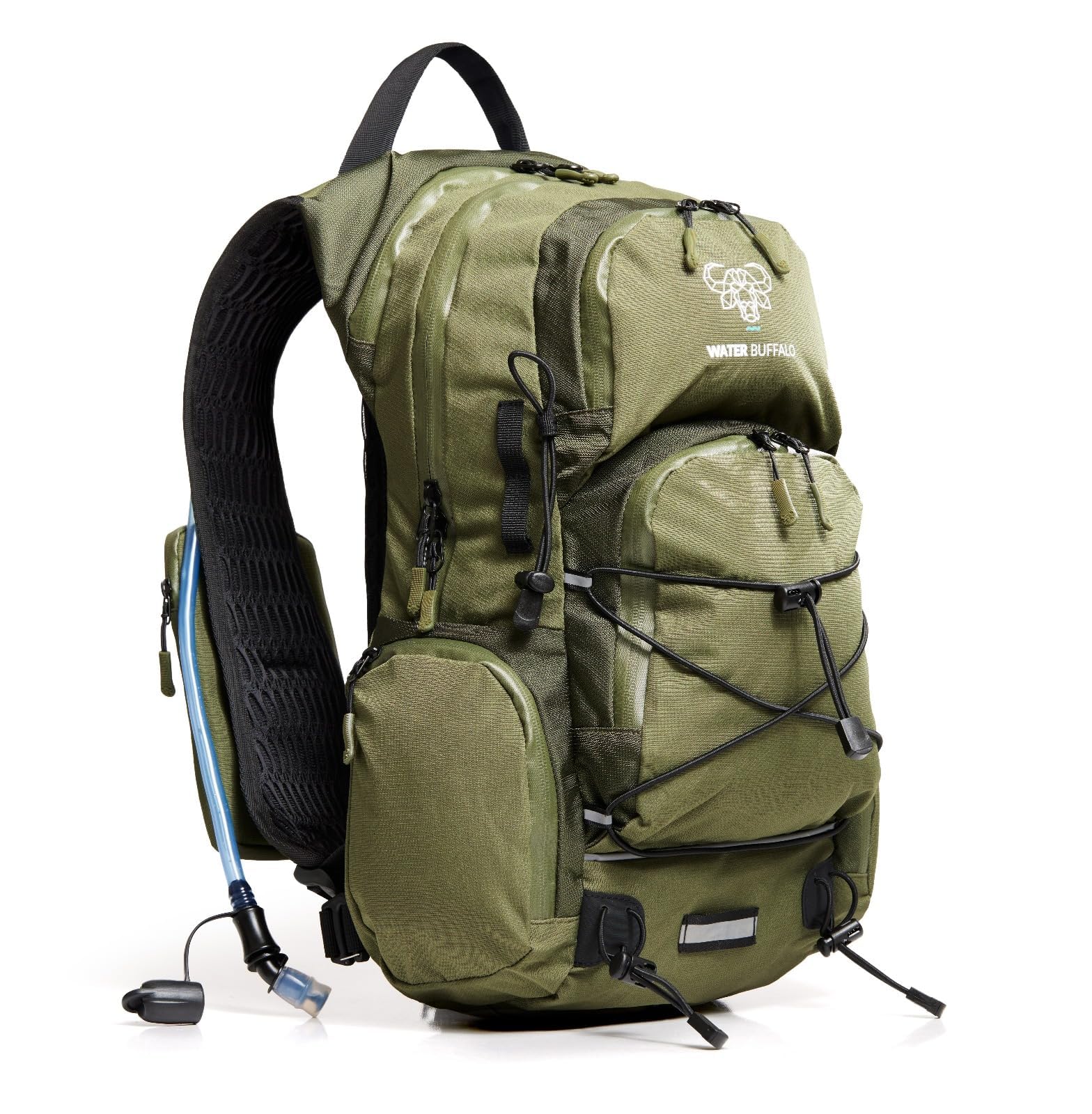
The Water Buffalo Sherpa 22L includes the water bladder right out of the box, which removes the friction of buying a separate hydration system. The 22-liter capacity is generous for a budget pack, and the waterproof zippers add a layer of protection for electronics and clothing in wet conditions. The phone holder and trekking pole holders are positioned for easy access on the move.
The pack uses a simple foam backpanel for structure, which keeps weight down but sacrifices ventilation compared to mesh-suspension packs. The shoulder straps are padded adequately for light loads, and the waist belt helps stabilize the pack without adding significant weight. For short day hikes where you want to just grab the pack and go, the all-in-one design is convenient.
The foam backpanel lacks a tensioned mesh design, so you will feel heat buildup on warm days. The included bladder is functional but lacks the bite-valve shutoff and hose insulation of premium brands like CamelBak or Osprey. The Water Buffalo Sherpa is a solid starter pack for occasional hikers who want a complete hydration system without assembling components separately.
Why it’s great
- Water bladder included — no separate purchase needed
- Waterproof zippers protect gear in wet conditions
- Phone holder and pole holders accessible on the trail
Good to know
- Foam backpanel lacks ventilation of tensioned mesh designs
- Included bladder has basic features without premium bite valve
FAQ
How many liters do I need in a light hiking backpack for a full day hike?
Is a framed pack worth the extra weight for day hikes?
Should I buy a pack with an included hydration bladder or buy separately?
How important is the hip belt on a light daypack?
Final Thoughts: The Verdict
For most users, the light hiking backpack winner is the Deuter AC Lite 24L because its Aircomfort spring steel frame delivers premium back ventilation without exceeding the 2-pound mark, making it the best balance of weight, support, and airflow for day hikers. If you want maximum ventilation and an integrated raincover for unpredictable weather, grab the Osprey Hikelite 26L. And for a pack that transitions from trailhead to airport gate with expandable volume and a luggage pass-through, nothing beats the Osprey Daylite Expandable 26+6.