A wobbly heel on a heavy squat doesn’t just feel wrong — it bleeds pounds off your bar. The right lifting shoe locks your foot into a stable platform so every joule of force drives straight through the floor, not sideways into your ankles. That rigid sole and raised heel are what separate a rock-solid PR from a missed rep.
I’m Emma — the founder and writer behind Baby Bangs. I’ve spent years analyzing footbed angles, heel heights, and outsole grip patterns to understand why one shoe converts leg drive better than another for specific squat mechanics.
This guide breaks down the top models that deliver the uncompromising stability you need. Use it to confidently select your next pair of lifting shoes for squats and finally stop second-guessing your foundation.
How To Choose The Best Lifting Shoes For Squats
A squat shoe is a tool, not a sneaker. The wrong one actively fights your mechanics. Here are the four specs that determine whether a shoe helps or hurts your squat.
Heel Height and Material
The raised heel is the defining feature of a squat shoe. Most models sit between 0.6 and 0.75 inches. A higher heel allows lifters with limited ankle dorsiflexion to reach depth without the torso collapsing forward. The material — wood-laminate or TPU — affects stiffness. Wood feels dead-solid under load; TPU offers a touch more compliance that some lifters prefer for Olympic lifts.
Midfoot Lockdown
A strap — either a single velcro band or a dual-ratchet system — cinches the midfoot against the heel cup. Without it, the foot can slide forward during the descent, shifting weight to the toes and reducing hip drive. Look for a strap that seats over the navicular bone, not the metatarsals.
Outsole Traction and Footing
The outsole should grip the platform without grabbing the floor too aggressively. Rubber formulations vary in durometer (hardness). A softer compound grips better on dusty gym floors but may wear faster if you walk on concrete between sets. A full-rubber outsole with a textured tread pattern is the industry standard.
Toe Box Volume
Wide-footed lifters need a toe box that doesn’t cramp the toes against the front of the shoe during the eccentric phase. A narrow toe box can cause the foot to slide forward or create hot spots over the metatarsal heads. Some brands offer a wider last; others run narrow by design for a race-fit feel.
Quick Comparison
On smaller screens, swipe sideways to see the full table.
| Model | Category | Best For | Key Spec | Amazon |
|---|---|---|---|---|
| adidas Adipower III | Mid-Range | Heavy back squats, strict press | 0.75″ TPU heel, dual velcro strap | Amazon |
| Nordic Lifting VENJA | Mid-Range | Budget-minded powerlifters | 0.75″ wood-laminate heel, single strap | Amazon |
| adidas Powerlift 5 | Mid-Range | Hybrid training (squat + light WOD) | 0.6″ TPU heel, textile upper | Amazon |
| adidas Dropset 4 | Mid-Range | Versatile gym sessions, moderate squats | 0.5″ EVA heel, mesh upper | Amazon |
| adidas Powerlift 5 (Men) | Mid-Range | Daily squatting, strict presses | 0.6″ TPU heel, single strap | Amazon |
| Reebok Nano X5 | Premium | CrossFit metcons with squat elements | 0.5″ drop, full rubber outsole | Amazon |
| Inov-8 Fastlift 360 | Premium | Olympic weightlifting, dynamic squats | 0.75″ TPU heel, power-strap band | Amazon |
| Otomix Carbonite | Premium | Bodybuilding, moderate-depth squats | Flat zero-drop, full rubber cupsole | Amazon |
| Reebok Legacy Lifter III | Premium | Raw powerlifting, max-effort squats | 0.75″ TPU heel, dual-ratchet strap | Amazon |
In‑Depth Reviews
1. adidas Men’s Adipower Weightlifting III Shoe
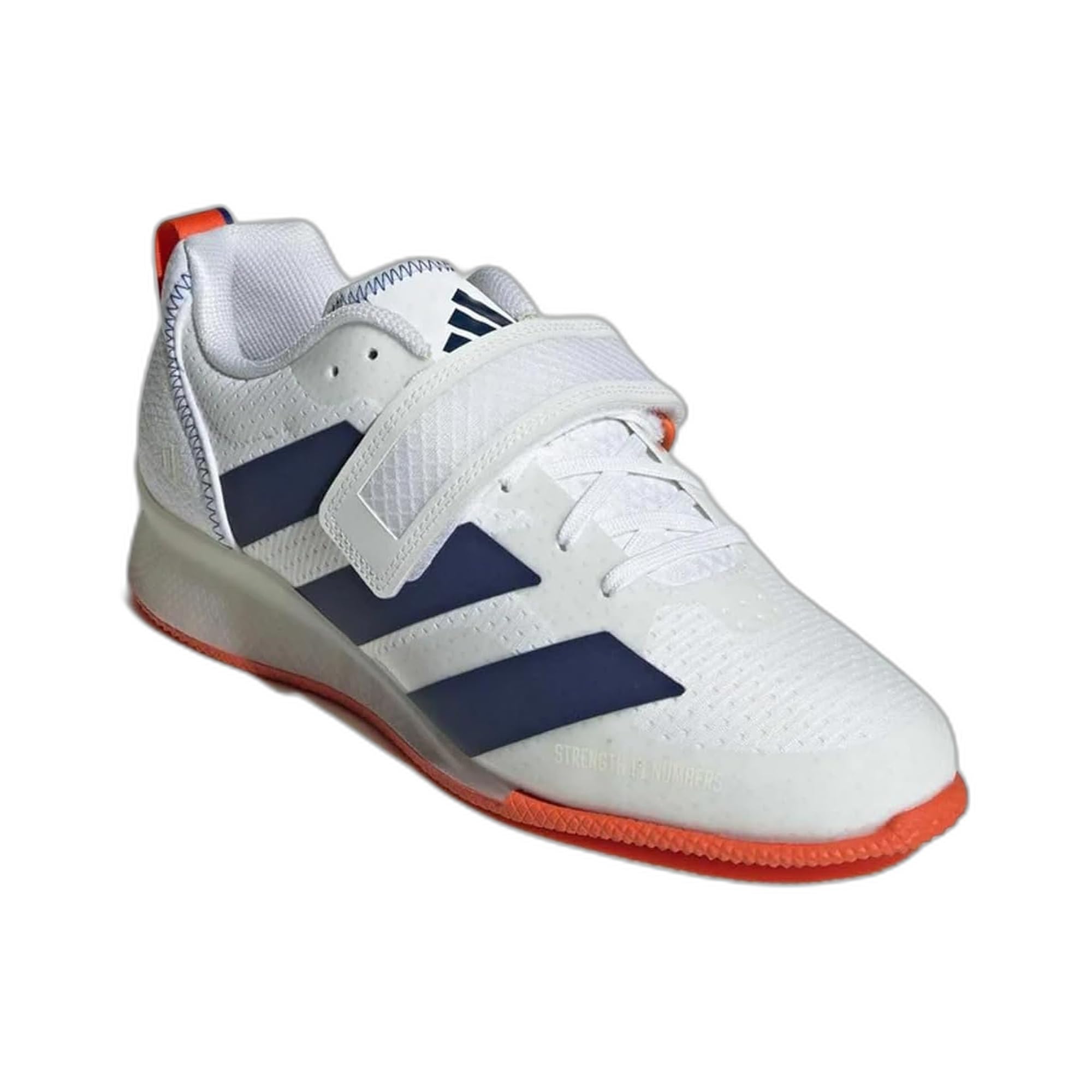
The Adipower III carries adidas’s flagship heel-stability platform into a refined upper. The TPU heel block measures a full 0.75 inches and feels noticeably stiffer under heavy axial load than the Powerlift series — you won’t feel the heel compress even during a 500-pound squat. The dual velcro strap wraps over the midfoot with a wider landing zone than previous generations, anchoring the navicular without digging into the instep.
The rubber outsole uses a directional tread pattern that grips standard gym platforms well but doesn’t catch on rubber stall mats. At 16 ounces per shoe, it’s not the lightest option, but the trade-off is a planted sensation during the descent. The lace closure reaches high enough to accommodate tall insteps without pressure points.
Lifters who train in a weightlifting-specific gym will appreciate the zero-compression heel that doesn’t soften over time. The toe box is moderate — not wide, not narrow — so those with very broad feet may want to size up half a size.
Why it’s great
- TPU heel resists compression even at max loads
- Dual strap secures the midfoot without slipping
- Durable rubber outsole with consistent grip
Good to know
- Toe box may feel snug for lifters with wide feet
- Heavier than some competitor models
2. Nordic Lifting VENJA Weightlifting Shoes

The VENJA uses a wood-laminate heel block that many lifters find provides a more traditional dead feel compared to synthetic materials. The 0.75-inch rise is identical to premium competitors, but the construction is simpler — a single velcro strap bridges the midfoot rather than a dual system. That’s enough for most squatters; the strap holds firm during the eccentric if you wrap it tightly over the metatarsal rise.
The upper is a synthetic leather that resists stretching over repeated heavy sessions. The toe box is wider than the adidas offerings, which is welcome for lifters who splay their toes for a wider base of support. The outsole uses a rubber compound with moderate give — enough to grip, not so sticky that you can’t pivot between sets.
At just over 3 pounds per pair, the VENJA sits on the heavier side, but that mass contributes to a planted sensation. The heel cup is moderately deep — not intrusive, but enough to prevent heel lift during the squat. This is a solid entry point for powerlifters who want a dedicated shoe without over-spending.
Why it’s great
- Wood-laminate heel offers compression-free support
- Wider toe box accommodates broader feet
- Budget-friendly for a dedicated squat shoe
Good to know
- Single strap may not lock the midfoot as securely as dual designs
- Heavier build may feel clunky for dynamic movements
3. Adidas Unisex-Adult Powerlift 5 Weightlifting Shoes
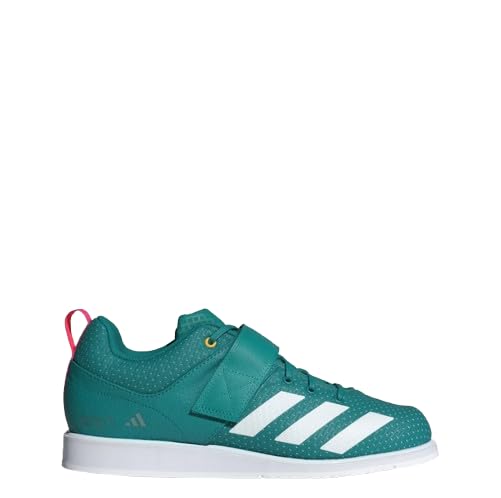
The Powerlift 5 is the more moderate sibling in adidas’s weightlifting line, trading the Adipower’s aggressive 0.75-inch rise for a 0.6-inch TPU heel. That slightly lower drop allows lifters who also do light CrossFit-style work to wear these for more than just squats — the heel is still stiff enough for a heavy front squat, but the shoe feels less clunky when you drop into a dip or a push press.
The textile upper breathes better than leather or synthetic options, which matters during longer training sessions. The single velcro strap sits over the midfoot, but the strap is slightly narrower than on the Adipower — the trade-off is a lighter overall shoe (just over 1 pound per pair). The outsole uses a standard rubber compound that grips well on painted concrete and wooden platforms.
Lifters with very deep squat patterns may wish for the extra heel height, but for most recreational and intermediate lifters, the 0.6-inch rise is enough to correct ankle mobility issues. The toe box is narrow — definitely size up if you have wide feet.
Why it’s great
- Light enough for hybrid training sessions
- Breathable textile upper reduces foot fatigue
- TPU heel maintains stiffness over time
Good to know
- Heel height may be insufficient for deep Olympic squats
- Narrow toe box can feel restrictive for wider feet
4. adidas Dropset 4 Power Trainer Training Shoes
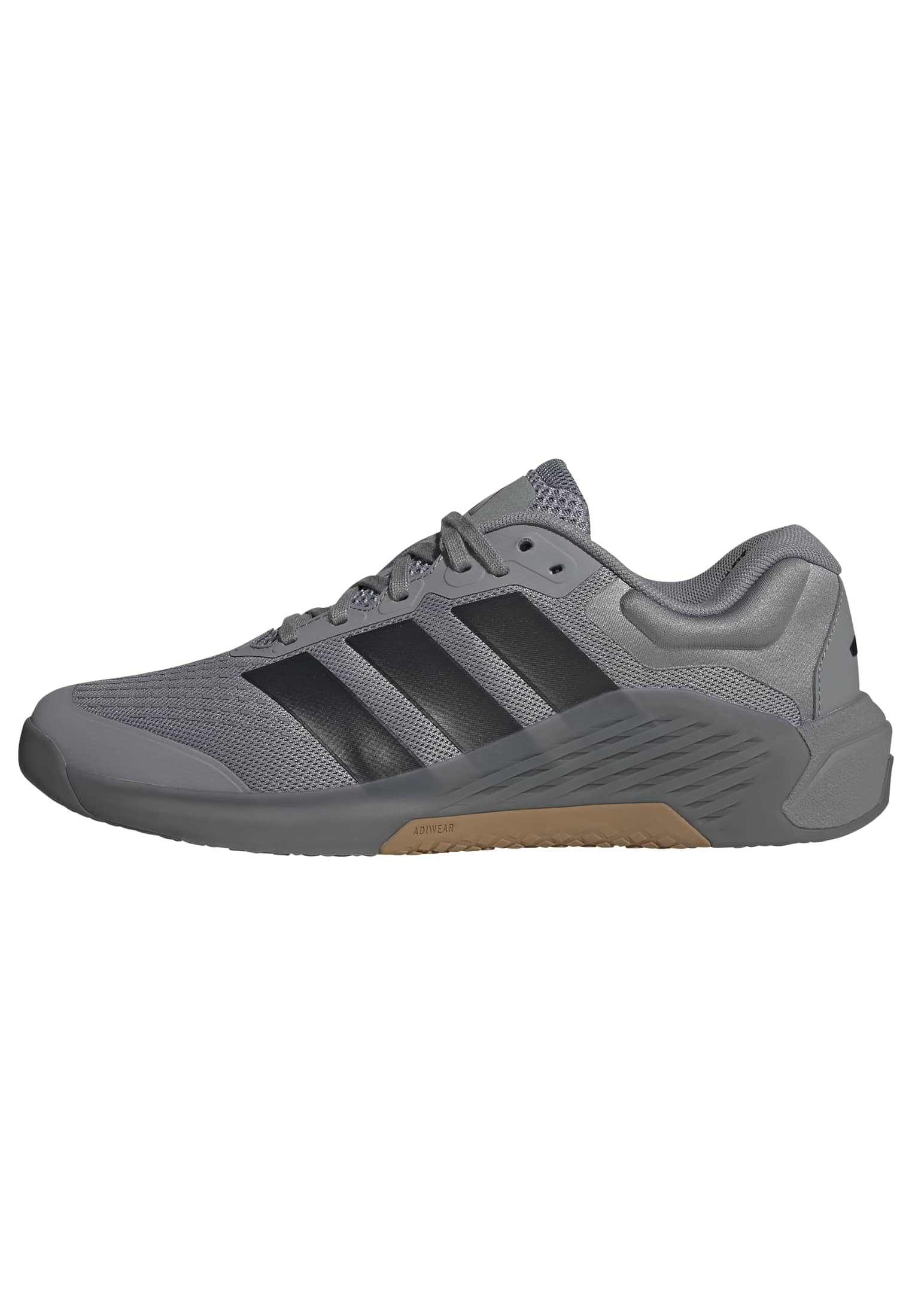
The Dropset 4 isn’t a pure weightlifting shoe — it’s a trainer designed for lifters who want one shoe for squats, lunges, deadlifts, and box jumps. The heel uses a 0.5-inch EVA insert rather than a solid TPU or wood block, so it does compress slightly under heavy loads. For moderate squatting (up to around 315 pounds), the EVA provides enough stability without feeling like you’re standing on a mattress.
The mesh upper gives the Dropset 4 a flexible, sock-like feel that many lifters prefer for lateral movements and agility drills. The outsole uses a full-rubber wrap that extends up the sides, protecting the mesh during dragging movements. There’s no dedicated strap — the lace closure alone provides midfoot lockdown, which may be insufficient for max-effort squats.
This shoe is best suited for lifters who prioritize versatility over specialization. If your squat day is followed by plyometrics or a metabolic circuit, the Dropset 4 bridges the gap without requiring a shoe change. It runs true to size with a medium-width toe box.
Why it’s great
- Versatile enough for full gym sessions
- Breathable mesh upper with good flex
- Rubber toe wrap protects against scuffs
Good to know
- EVA heel compresses under heavier loads
- No dedicated strap for midfoot lockdown
5. adidas Unisex Adult Powerlift 5 Weightlifting Shoes (Men’s)
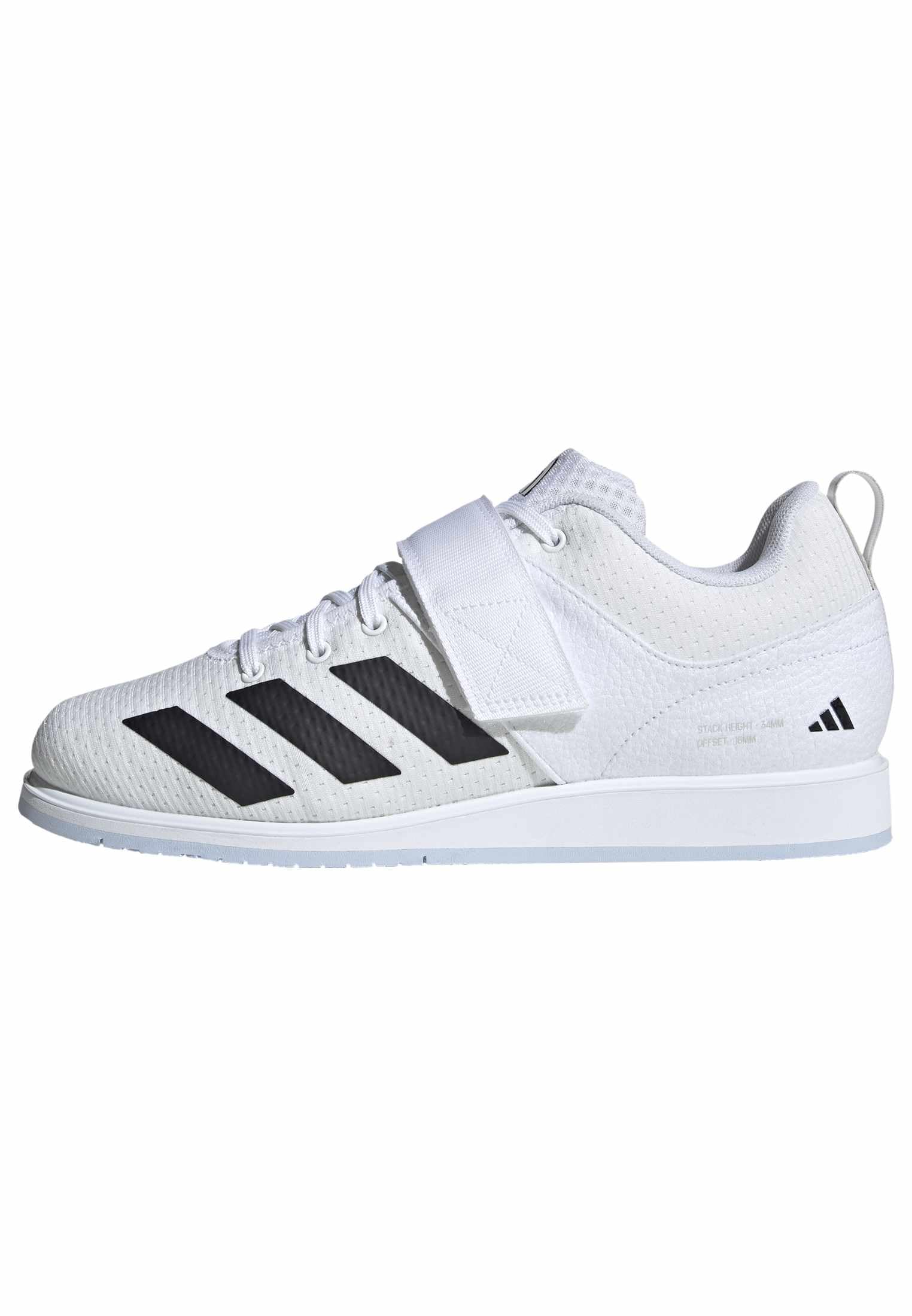
This men’s-specific iteration of the Powerlift 5 keeps the same 0.6-inch TPU heel and single-strap design as the unisex version but uses a mens-specific last that offers a slightly wider toe box and a higher-volume instep. For lifters who found the unisex Powerlift 5 too narrow through the forefoot, this version provides noticeable relief without sacrificing heel stability.
The TPU heel block refuses to soften even after months of daily squatting. The rubber outsole uses a textured pattern that grips standard gym flooring well, though it can feel slightly slippery on polished concrete. The single strap sits securely over the metatarsal region, and the lace closure extends high enough to lock the heel in place.
The weight savings compared to the Adipower line are significant — the Powerlift 5 feels more nimble during warm-up drills and accessory squat variations like the goblet squat or the split squat. If you squat three to four times per week and want a shoe that disappears on your foot, this is a strong contender.
Why it’s great
- Slightly wider last than unisex version fits broader feet
- Lightweight feel for daily squatting
- TPU heel maintains stiffness over time
Good to know
- 0.6″ heel may not be enough for deep Olympic squats
- Single strap can loosen under heavy dynamic loads
6. Reebok Nano X5

The Nano X5 continues Reebok’s legacy of CrossFit-focused training footwear that prioritizes multi-directional stability over pure squat performance. The 0.5-inch drop is lower than dedicated lifting shoes, which means you won’t get the same calf stretch at the bottom of a squat. However, the full rubber outsole extends up the sides and wraps the heel, offering a stable base during heavy cleans and push presses.
The upper uses a flexible knit material that allows the foot to move naturally during box jumps and burpees. The midfoot is reinforced with a welded plastic cage that provides lateral support without a traditional strap. The toe box is moderately wide — accommodating splay for squatting, but not so wide that the shoe feels baggy during rope climbs.
For lifters whose training includes squatting as one component among many, the Nano X5 is an excellent choice. It won’t match the absolute stability of a dedicated lifting shoe under a 500-pound squat, but for metcon-dominant athletes, it’s the better tool.
Why it’s great
- Versatile for CrossFit-style training
- Flexible upper allows natural foot movement
- Durable rubber wrap protects the shoe
Good to know
- Lower drop reduces squat stability
- No strap for aggressive midfoot lock
7. Inov-8 Mens Fastlift 360 – Weightlifting Shoes
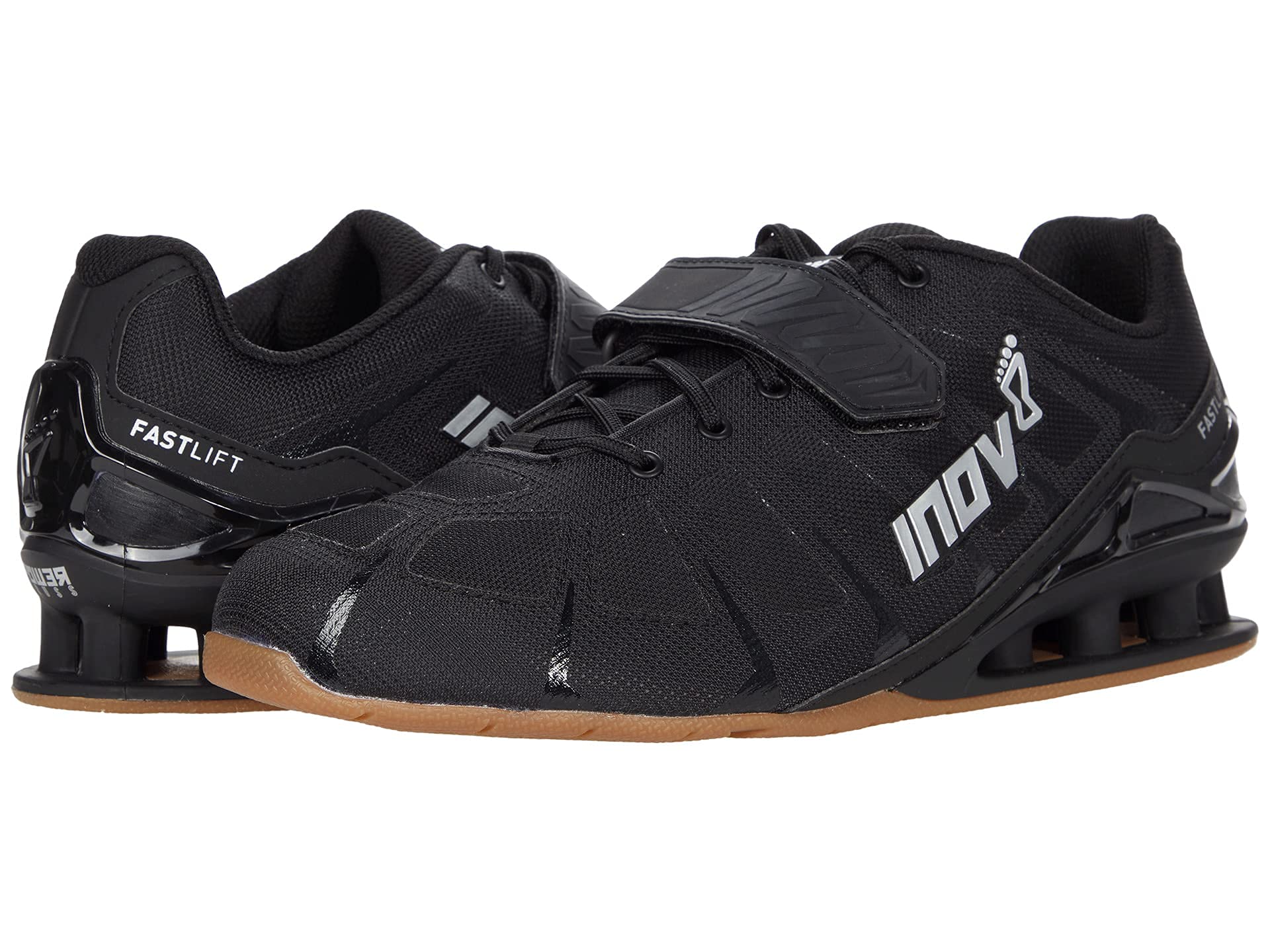
The Fastlift 360 is built for Olympic weightlifting, and it shows in every detail. The 0.75-inch TPU heel is paired with a patented power-strap band that wraps the entire midfoot rather than just a single velcro strip. This creates a 360-degree compression feel that locks the foot into the heel cup more completely than any shoe on this list.
The outsole uses Inov-8’s sticky rubber compound, which grips aggressively on any surface — even dusty platforms. The upper is a combination of synthetic leather and mesh that provides structure without adding weight. The toe box is wider than typical weightlifting shoes, accommodating natural toe splay during the catch phase of a clean.
The heel block is integrated into the midsole rather than glued on, which means it won’t separate over time. The tongue is gusseted, preventing debris from entering and keeping the lace pressure even across the dorsum. This is a premium tool for lifters who need uncompromising stability during dynamic squat movements.
Why it’s great
- 360-degree strap provides unmatched midfoot compression
- Sticky outsole grips any platform surface
- Integrated TPU heel won’t delaminate
Good to know
- Premium price point
- May feel too stiff for general gym use
8. Otomix Men’s Carbonite Ultimate Trainer Bodybuilding Weightlifting Shoes

The Otomix Carbonite takes a different approach to the squat. Instead of the raised heel that dominates the weightlifting shoe market, the Carbonite uses a flat zero-drop platform with a full rubber cupsole. This design keeps the foot in a more natural position, which some bodybuilders prefer for maintaining a flat back angle during the squat.
The upper is constructed from a durable synthetic material that resists tearing and stretching. The toe box is notably wide, allowing for full toe splay. The midfoot doesn’t have a strap, but the lace closure extends very low on the foot, providing a snug fit that prevents the foot from sliding forward. The outsole uses a thick rubber compound that can handle outdoor use as well.
This shoe works best for bodybuilders who squat with moderate weight (sub-400 pounds) and prioritize a flat, stable platform. Lifters who need a heel rise for depth will find the zero-drop restrictive. The lack of a strap means midfoot security is entirely dependent on the laces.
Why it’s great
- Zero-drop keeps the foot in a natural position
- Wide toe box allows full splay
- Durable construction withstands heavy use
Good to know
- No heel rise may limit squat depth for some lifters
- No strap for midfoot lockdown
9. Reebok Mens Legacy Lifter III

The Legacy Lifter III is Reebok’s answer to the adidas Adipower. It uses a full 0.75-inch TPU heel block, but it adds a dual-ratchet strap system that provides adjustable midfoot compression at a level of precision that velcro can’t match. The ratchet clicks into place with tactile feedback, allowing you to dial in exactly the right amount of tension.
The upper combines a leather-like synthetic with a padded heel collar that prevents the Achilles from rubbing during deep squats. The outsole uses a rubber compound with a multi-directional tread pattern that provides solid grip on both wooden platforms and rubber gym flooring. The toe box is moderate — comfortable for most foot shapes, but not excessively wide.
The heel block is reinforced with a metal shank plate, which eliminates any torsional flex during heavy squats. The shoe runs about half a size large, so sizing down is recommended. The dual-ratchet strap makes this the most secure option available for powerlifters who need absolute midfoot immobility.
Why it’s great
- Dual-ratchet strap provides adjustable, non-slip midfoot lock
- 0.75″ TPU heel with metal shank for zero flex
- Heel collar prevents Achilles irritation
Good to know
- Runs slightly large — size down
- Premium price point
FAQ
What heel height should I use for squatting?
Can I squat in flat shoes like Converse or Vans?
Do I need a midfoot strap for squats under 315 pounds?
How do I know if my lifting shoes fit correctly?
Are premium lifting shoes worth the extra cost?
Final Thoughts: The Verdict
For most users, the lifting shoes for squats winner is the adidas Adipower III because it offers the ideal balance of a stiff 0.75-inch TPU heel, dual-strap midfoot security, and a durable outsole — all at a price that doesn’t require a second mortgage. If you want a more affordable entry with a classic wood heel, grab the Nordic Lifting VENJA. And for absolute midfoot lockdown during max-effort squats, nothing beats the Reebok Legacy Lifter III with its dual-ratchet system.