Swapping traditional semolina for a legume-based noodle changes the entire math of a meal — more complete protein, more fiber, and a much slower glucose curve. But the first batch of lentil pasta you grab can turn into mush in the pot if the formula relies too heavily on starch binders or lacks the right protein structure to hold an al dente bite.
I’m Emma — the founder and writer behind Baby Bangs. I spend months tracking nutritional science, digging into ingredient sourcing, and stress-testing dry pasta formulas against the claims on the box so you don’t have to guess which bag actually cooks like real pasta.
This guide breaks down five of the strongest contenders on the shelf, isolating the protein count, fiber density, ingredient simplicity, and cooking behavior that define a truly great lentil pasta. You want a noodle that holds its shape, delivers meaningful macros, and doesn’t require a chemistry degree to decipher the label — those are the exact filters I applied here.
How To Choose The Best Lentil Pasta
Lentil pasta is sold in a range of blends — some use a single legume flour, others mix in rice, quinoa, or tapioca starch to improve texture or reduce cost. The right choice depends on your dietary needs and what you expect from the bite. Here are the three most important factors to evaluate before you add a box to your cart.
Ingredient Purity: Single Flour vs. Multi-Ingredient Blends
The cleanest lentil pastas list one ingredient: red lentil flour. Blends that add rice flour, potato starch, or xanthan gum are not inherently bad, but they dilute the protein and fiber density and can shift the glycemic load toward a standard pasta pattern. If your primary goal is a high-protein, low-impact carbohydrate, stick to single-flour formulas.
Protein and Fiber Per Serving — The Real Satiety Drivers
A serving of traditional white pasta delivers around 7 grams of protein. A good lentil pasta should more than double that number — ideally 20 grams or higher per 3.5-ounce serving. Fiber content is equally important: 8 grams per serving is a reasonable floor; 12 grams or more signals a product that will keep you full and blunt glucose spikes. Always check the serving size on the label — some brands list nutrition for two ounces while others use 3.5 ounces.
Cooking Behavior: Al Dente Test
Not all lentil pastas survive a boil equally. Some turn to paste after eight minutes while others hold a firm bite. The legume itself matters: red lentil flour tends to soften faster than chickpea or edamame flour. Adding a minute of under-cooking and rinsing with cold water helps, but the formula itself should be resilient. Read customer comments about texture before buying a bulk pack.
Quick Comparison
On smaller screens, swipe sideways to see the full table.
| Model | Category | Best For | Key Spec | Amazon |
|---|---|---|---|---|
| Barilla Red Lentil Rotini | Mid-Range | Single-ingredient purity | 25g protein / 3.5 oz | Amazon |
| Kaizen Ziti Protein Pasta | Mid-Range | Low carb / keto diet | 6g net carbs / 2 oz | Amazon |
| Explore Cuisine Edamame Spaghetti | Premium | Highest fiber density | 13g fiber / 3.5 oz | Amazon |
| The Only Bean Edamame Fettuccine | Premium | High volume protein per serving | 40g protein / 3.5 oz | Amazon |
| Chickapea Chickpea Spirals | Mid-Range | Family-friendly blend | 23g protein / serving | Amazon |
In‑Depth Reviews
1. Barilla Red Lentil Rotini Pasta

Barilla’s red lentil formula keeps zero ingredients beyond red lentil flour — no rice, no tapioca, no binders at all. That single-flour approach delivers 25 grams of protein and 11 grams of fiber per 3.5-ounce serving, putting it above most competitors in the mid-range tier for pure protein density. The rotini shape also does a better job trapping sauce than spaghetti-style noodles, which matters for lentil-based pasta that can feel drier than semolina.
The cooking window is narrow: the package calls for eight minutes, but pulling it at seven minutes yields a firmer bite. Going beyond nine minutes softens the ridges noticeably. The flavor is mild and slightly earthy, pairing well with tomato-based sauces or pesto. This is a reliable daily driver for anyone who wants a clean label without sacrificing protein volume.
One potential drawback is that the texture is not identical to traditional pasta — the surface is slightly grainy when cold, and leftovers can break apart during reheating. For fresh meals eaten right after boiling, it performs well within its category. Buyers on strict keto may also find the carb count moderate compared to lupin-based alternatives.
Why it’s great
- Single ingredient red lentil flour, no gums or fillers
- 25g protein per 3.5 oz serving — category-leading density
- Non-GMO and Kosher certified
Good to know
- Narrow cooking window; goes mushy past nine minutes
- Not suitable for strict keto due to carb content
- Residual graininess when eaten cold or reheated
2. Kaizen Ziti Protein Pasta
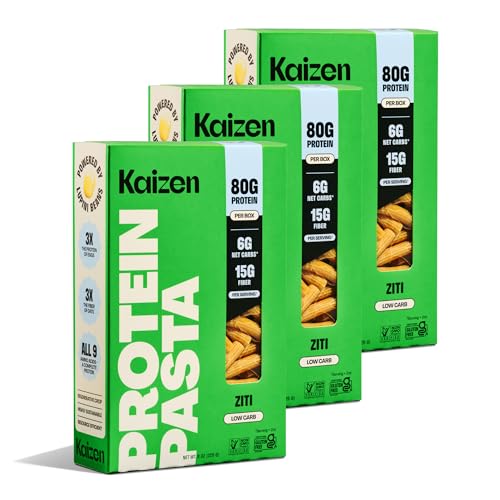
Kaizen uses lupin bean flour rather than red lentils or chickpeas, which drops the net carb count to 6 grams per 2-ounce serving while still delivering 20 grams of protein. That makes it one of the strongest options for keto or low-carb eating plans. The ziti shape is versatile for baked dishes or mac-and-cheese style preparation, and the latest formula is certified gluten-free and grain-free.
The texture is closer to traditional pasta than many lentil-based competitors — less grainy and with a more neutral flavor profile that does not fight with sauces. It holds up well to boiling and stays intact during stirring. The 8-ounce carton yields four servings, and the three-pack provides enough volume for a couple of weekly meals.
The main trade-off is price per ounce compared to single-lentil brands. Lupin bean flour is more expensive to source, and the total package weight is smaller. Some users also note a mild bean aftertaste if the pasta is undercooked, though proper boiling time eliminates most of that.
Why it’s great
- 6g net carbs per serving — excellent for keto or low-carb
- Sturdy texture holds up to boiling and baking
- Grain-free, gluten-free, and soy-free formula
Good to know
- Smaller serving size per box than standard pasta
- Higher price per ounce than red lentil alternatives
- Mild bean aftertaste if not fully cooked
3. Explore Cuisine Organic Edamame Spaghetti

Explore Cuisine’s edamame spaghetti delivers the highest fiber count of any product on this list — 13 grams per 3.5-ounce serving — alongside 24 grams of protein. The ingredient list includes only organic edamame flour, with no binders, gums, or additional flours diluting the nutritional profile. The organic certification adds an extra layer of sourcing confidence for buyers who prioritize pesticide-free crops.
The spaghetti format cooks faster than traditional pasta — roughly four to five minutes — and the thin strands maintain a surprisingly resilient bite. The flavor is more vegetal than red lentil pasta, with a green-bean undertone that works well with olive oil, garlic, and lemon-based sauces. The pack of six boxes provides enough volume for extended meal prep.
The primary consideration is price: edamame flour sits at the higher end of the legume pasta market, and the organic premium pushes it above most mid-range options. Some users find the texture slightly chewier than red lentil noodles, though this is largely a matter of personal preference.
Why it’s great
- 13g fiber per serving — highest on this list
- USDA Organic and non-GMO certified
- Quick 4-5 minute cook time
Good to know
- Higher price point than red lentil or chickpea blends
- Stronger vegetal flavor may not suit all sauces
- Thin strands require careful timing to avoid overcooking
4. The Only Bean Organic Edamame Fettuccine

The single-ingredient formula uses only organic edamame, and the fettuccine cut offers a thicker strand that holds up better during reheating than thinner spaghetti shapes.
Cooking time is fast at three to five minutes, and the wide noodle surface works well with cream-based or heavier sauces that might overwhelm thinner legume pasta. The texture is hearty and slightly springy, with less graininess than some red lentil options. The six-pack format provides a solid base for high-protein meal prep.
The protein density is high enough that a single serving covers a substantial portion of daily needs, but the flavor is distinctly edamame-forward — nutty and grassy — which does not always pair harmoniously with delicate sauces. Buyers looking for a neutral canvas should consider red lentil alternatives instead.
Why it’s great
- 40g protein and 19g fiber per serving — elite macros
- Single-ingredient organic edamame, no fillers
- Thicker fettuccine shape handles reheating well
Good to know
- Strong nutty flavor may not suit all palates
- Higher price point in the premium tier
- Smaller serving size than standard pasta boxes
5. Chickapea Chickpea and Lentil Spirals
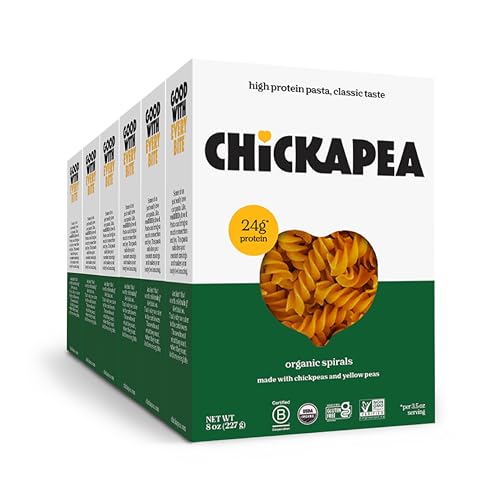
Chickapea blends chickpea and red lentil flour to create a spiral pasta that strikes a balance between protein density, fiber, and mainstream flavor. At 23 grams of protein and 11 grams of fiber per serving, the nutritional output is strong but not maximalist — the strength here is accessibility. The blend softens the stronger bean flavor of pure chickpea pasta, making it more appealing to children or picky eaters.
The spiral shape provides good sauce coverage, and the cooking behavior is forgiving compared to single-flour lentil pasta. It holds shape through eight to nine minutes of boiling and retains texture better in leftovers. The packaging is also notable: the brand donates a portion of proceeds to food access programs, which adds a charitable dimension to the purchase.
The primary limitation is that the three-ingredient mix — chickpeas, red lentils, yellow lentils — dilutes the protein per gram compared to single-flour red lentil options. For families that need a legume pasta that mimics standard pasta texture closely, this is the strongest choice. For macro-optimizers who want raw numbers, the Barilla or edamame options rank higher.
Why it’s great
- Balanced blend reduces strong bean flavor, great for families
- Forgiving cooking window with consistent texture
- Charitable giving component with each purchase
Good to know
- Lower protein density than single-flour red lentil pastas
- Not suitable for strict keto diets
- Multiple flours add minor processing vs. single ingredient
FAQ
Does lentil pasta taste different from regular pasta?
Can I meal prep lentil pasta without it turning into glue?
What is the difference between red lentil and chickpea pasta?
Is lentil pasta suitable for a keto diet?
Final Thoughts: The Verdict
For most users, the lentil pasta winner is the Barilla Red Lentil Rotini because it combines a single-ingredient label, 25 grams of protein per serving, and a trusted brand at a accessible value point. If you want the lowest carb option for keto, grab the Kaizen Ziti Protein Pasta. And for the highest fiber density with organic certification, nothing beats the Explore Cuisine Organic Edamame Spaghetti.