That wobbly feeling in the bottom of a squat isn’t your form — it’s your shoe. Running shoes have tall, compressible heels that destroy your base of support under a barbell. A proper training shoe needs a firm, flat platform, lateral support for side-to-side moves, and enough cushion to handle a burpee without turning your ankle into a guessing game.
I’m Emma — the founder and writer behind Baby Bangs. I’ve spent years researching athletic footwear construction and analyzing midsole compounds, outsole rubber patterns, and heel-to-toe drops across hundreds of models built for gym work.
This guide breaks down foam density, width options, and tread patterns so you can confidently pick the best pair of ladies training shoes that match how you actually move in the gym.
How To Choose The Best Ladies Training Shoes
A training shoe must balance three competing demands: a stable base for lifting, lateral lockdown for agility drills, and enough cushion to survive high-rep dynamic work. Misstep on any one, and you end up with a shoe that either rocks under load or beats up your joints during box jumps.
Heel-to-Toe Drop and Stack Height
The drop is the difference in millimeters between the heel and forefoot cushioning. A high drop (10-12 mm) tilts your body forward, which feels natural for running but unstable for squats and deadlifts. A low drop (0-6 mm) keeps your foot flat and your center of gravity centered over midfoot, which translates directly to better bar path and fewer missed reps. Most serious training shoes sit at 4-6 mm — enough shock absorption for jumping, but low enough to keep your hips and knees stacked.
Outsole Grip and Tread Pattern
Rubber outsole compound and tread depth matter more than most women realize. A smooth-bottomed shoe slides on dusty gym floors during lateral shuffles and broad jumps. Look for multi-directional herringbone or chevron patterns — the same rubber traction that basketball shoes use for quick cuts. A split outsole with a separate heel and forefoot rubber patch also allows natural foot flexion during lunges and step-ups without the shoe fighting your movement.
Toe-Box Width and Material Flex
Women’s training shoes often suffer from a tapered toe box that crushes the toes during lateral stops. A rounded toe box with about 2-3 mm of extra room past your longest toe lets your toes splay naturally for balance. Mesh uppers with minimal overlays breathe better and flex with the foot, while fused or stitched reinforcements around the lacing eyelets give lockdown without pressure points. Look for a midfoot cage or strap system if you have narrow heels — it prevents heel slip during explosive movements like burpees and squat jumps.
Quick Comparison
On smaller screens, swipe sideways to see the full table.
| Model | Category | Best For | Key Spec | Amazon |
|---|---|---|---|---|
| Reebok Nano X5 | Premium | CrossFit and heavy lifting | 4 mm drop, rope-climb rubber | Amazon |
| adidas Dropset 4 Power Trainer | Premium | Powerlifting and stability work | Wide base, internal heel clip | Amazon |
| Under Armour Project Rock 5 | Mid-Range | High-intensity interval training | Tribase outsole, 5 mm drop | Amazon |
| Reebok Nano Gym | Mid-Range | General gym and daily training | Cushlon midsole, 6 mm drop | Amazon |
| Puma Softride Sera Cross | Mid-Range | Cardio-focused circuit classes | Softride foam, mesh upper | Amazon |
| Nike Bella 7 | Budget | Light gym sessions and walking | Rubber outsole, lace closure | Amazon |
| Adidas Everyset Training | Budget | Entry-level gym and studio | Adiwear outsole, 8 mm drop | Amazon |
In‑Depth Reviews
1. Reebok Nano X5
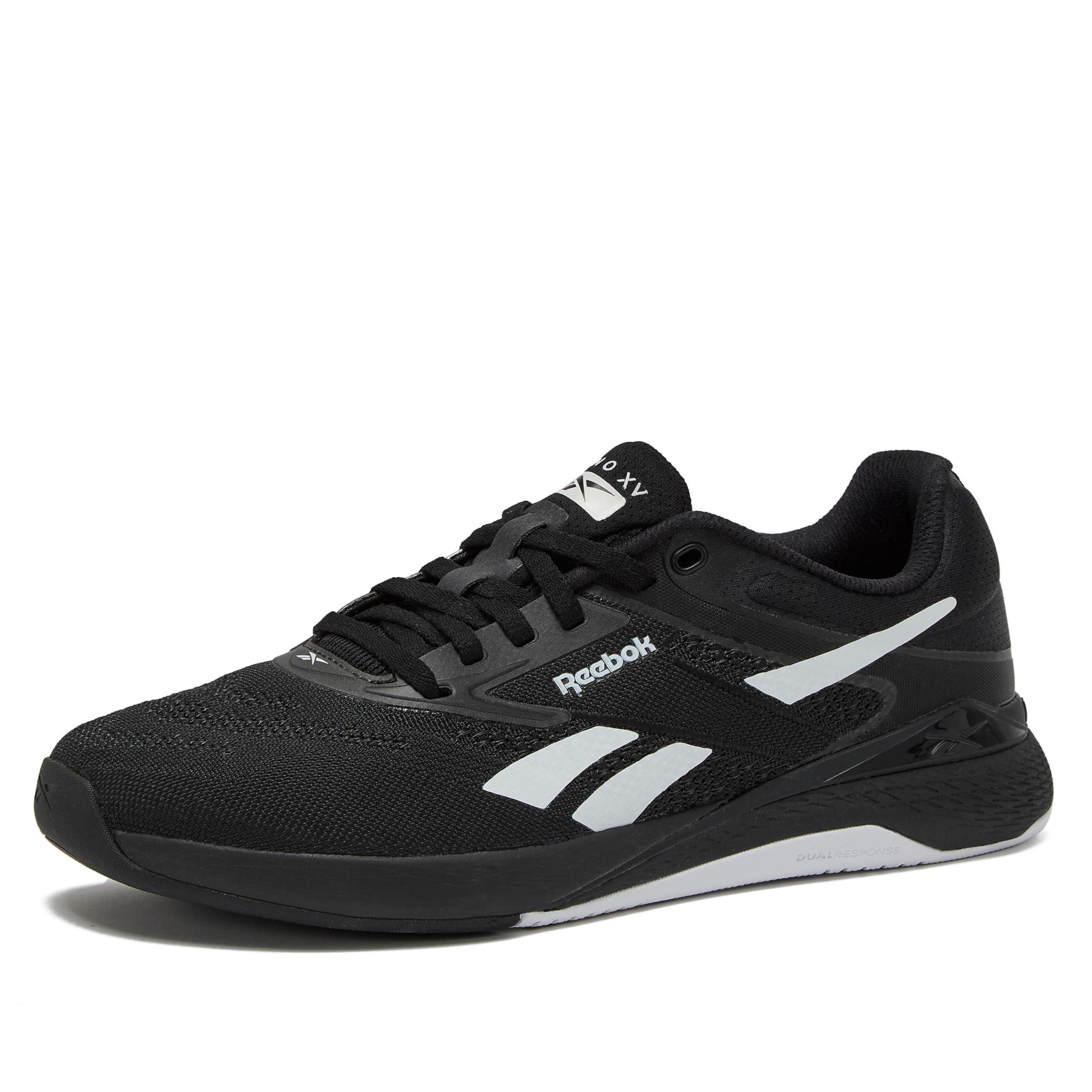
The Nano X5 is the gold standard for CrossFit-style training because it nails every variable that matters. Reebok uses a full-coverage rubber outsole with a multi-directional tread that grips aggressively on both rubber gym floors and smooth concrete. The 4 mm drop keeps your foot flat under the bar while the FLEXWEAVE upper wraps the midfoot without creating hot spots during rope climbs.
Breathability is above average — the mesh panels along the lateral side dump heat during long metcons. The heel counter is stiff enough to lock the rearfoot during heavy squats but softens slightly at the top to avoid Achilles irritation. The internal toe-box is slightly wider than previous Nano generations, which helps women with broader forefeet maintain toe splay during lateral lunges.
At just over 11 ounces in a women’s 8, the Nano X5 feels planted without being clunky. The only trade-off is the outsole rubber is dense enough that it feels firm on box jumps — you won’t mistake it for a foam-based running shoe, which is exactly the point.
Why it’s great
- Rope-climb rubber protects the midsole from fraying
- 4 mm drop creates a stable lifting platform
- Wider toe box accommodates natural foot splay
Good to know
- Firm cushioning feels stiff on high-rep box jumps
- Runs slightly long — consider half-size down for narrow feet
2. adidas Dropset 4 Power Trainer
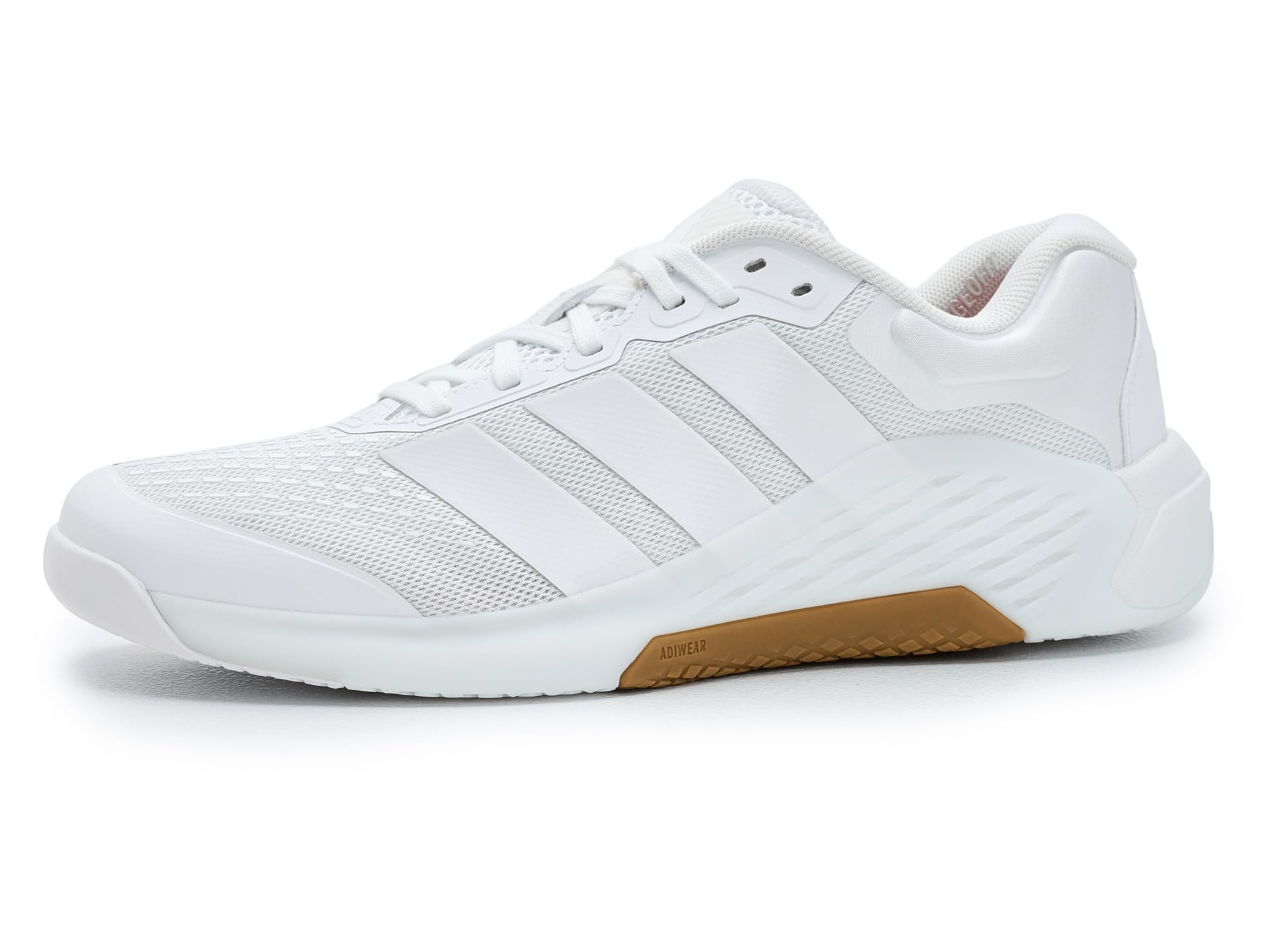
adidas built the Dropset 4 specifically for lifters who want a wide footprint under the barbell. The outsole flares laterally at the midfoot, creating a platform that resists roll during single-leg work and heavy split squats. The internal heel clip — a rigid TPU insert molded into the heel — locks the calcaneus so your foot doesn’t slide forward under load.
The upper uses a knit-mesh hybrid with fused overlays along the eyestay, giving a secure wrap without the bulk of traditional leather trainers. The heel-to-toe drop sits around 6 mm, which is slightly taller than the Nano but still low enough for deadlifts. Tongue padding is generous without puffing out — laces stay tied without digging into the top of the foot.
The trade-off is that the Dropset 4 is heavier than most training shoes in its class, pushing past 12 ounces per shoe. That extra weight contributes to the planted feel under a squat, but it becomes noticeable during box jump conditioning or burpee-heavy workouts. This is a shoe for iron, not for metcons.
Why it’s great
- Wide base eliminates wobble during heavy squats
- Internal heel clip prevents heel lift under load
- Fused overlays create a secure, non-stretch fit
Good to know
- Heavier construction slows down dynamic cardio
- Minimal cushioning feels stiff on hard landings
3. Under Armour Project Rock 5
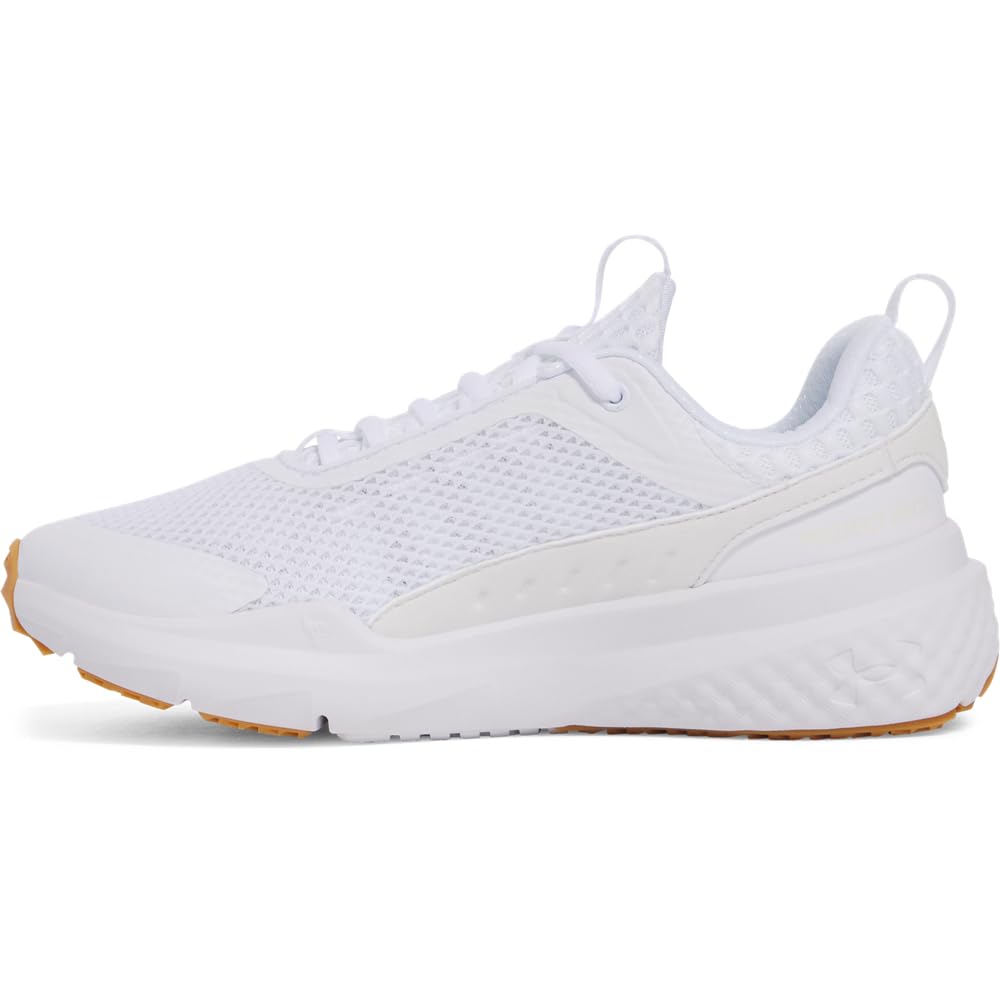
The Project Rock 5 uses Under Armour’s Tribase outsole, a three-zone rubber pattern with triangular lugs that grip hard during lateral cuts and explosive starts. The 5 mm drop hits the sweet spot — low enough for deadlifts, tall enough to absorb impact during jump-rope intervals and box step-ups. The midsole uses UA’s TriBase foam, which is firmer than running foam but softer than the Nano X5.
The upper is a woven mesh with a molded heel counter that wraps the Achilles without rubbing. The lace system runs through flat webbing loops rather than traditional eyelets, which distributes tension evenly across the midfoot. Women with narrow heels will appreciate the internal heel grip — there’s no slip during burpee tuck jumps or broad jumps.
The downside is the Tribase outsole collects small pebbles and floor debris during outdoor use, and the tread pattern is not aggressive enough for rope climbs — you’ll feel the rope slide if you don’t have a dedicated climbing shoe. For indoor HIIT classes and general strength work, it’s a very capable performer that splits the difference between stability and cushion.
Why it’s great
- Tribase outsole grips well on most gym surfaces
- 5 mm drop balances lift stability and jump cushion
- Internal heel grip eliminates slip during explosive moves
Good to know
- Outsole collects debris during outdoor use
- Tread too mild for rope climbing
4. Reebok Nano Gym
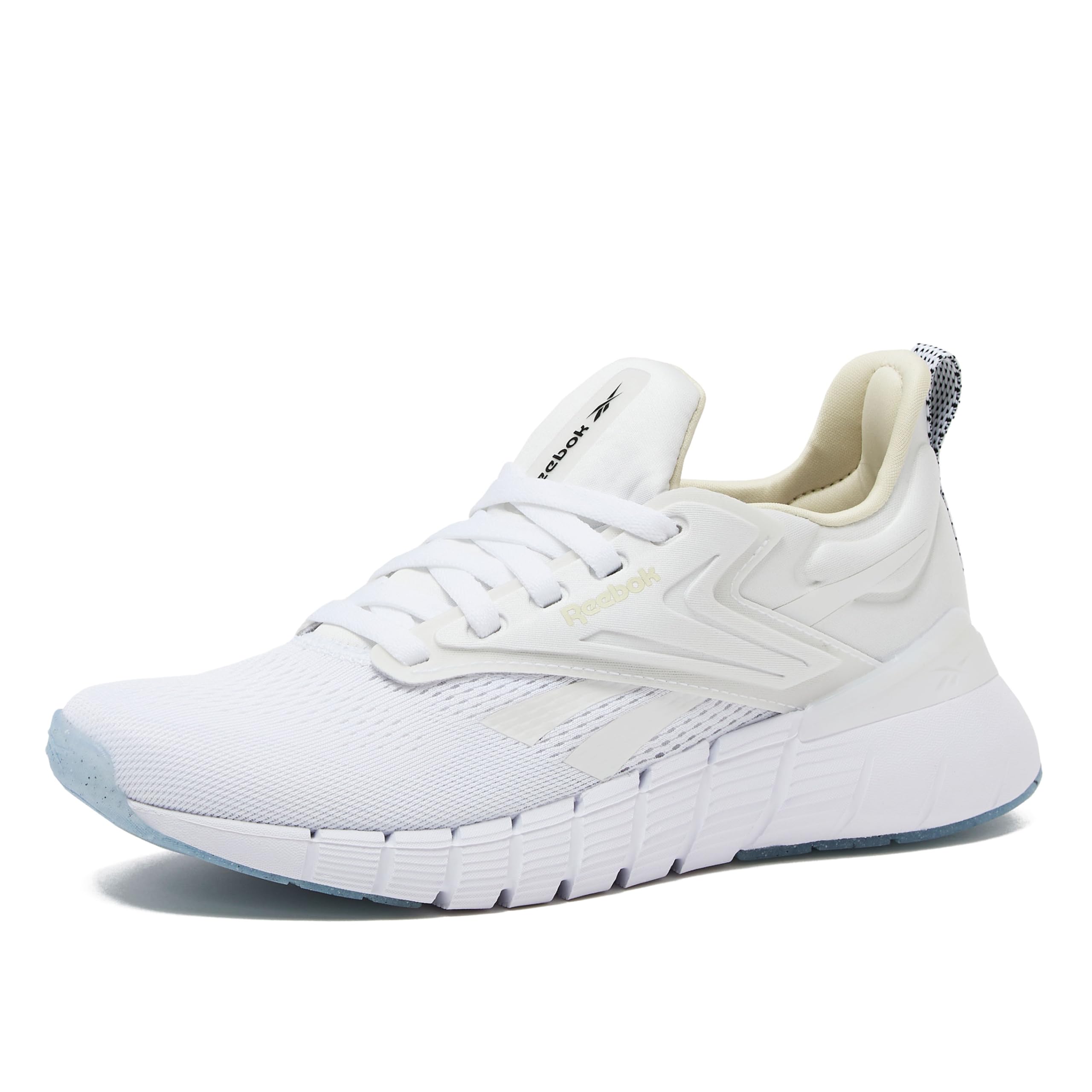
The Nano Gym borrows the core chassis of the Nano franchise but trades the rope-climb rubber for a Cushlon midsole that prioritizes comfort during everyday gym sessions. The 6 mm drop is slightly taller than the Nano X5, but the flat last still keeps your foot stable for moderate lifts up to 80 percent of your max. The outsole rubber is smooth with a low-profile tread, which works fine on clean gym floors but lacks bite on dusty surfaces.
Reebok uses a knit upper with fused toe cap reinforcement that protects against abrasion during toe-drag exercises like burpee push-ups. The tongue is semi-gusseted, meaning it stays centered without sliding during lateral shuffles. The overall fit is true to size with a standard-width toe box that accommodates most foot shapes without excessive slop.
The main limitation is the lack of a dedicated heel clip or external TPU cage — the upper relies on stitch reinforcement for structure. Heavy squatters above 200 pounds may feel the upper compress under load. For the majority of gym-goers doing a mix of dumbbell work, machine circuits, and conditioning, the Nano Gym delivers a comfortable ride at a friendly price point.
Why it’s great
- Cushlon midsole absorbs impact during jump-heavy workouts
- True-to-size fit with moderate toe box room
- Gusseted tongue stays put during lateral movement
Good to know
- Smooth outsole lacks grip on dusty floors
- Upper lacks external support for heavy barbell work
5. Puma Softride Sera Cross
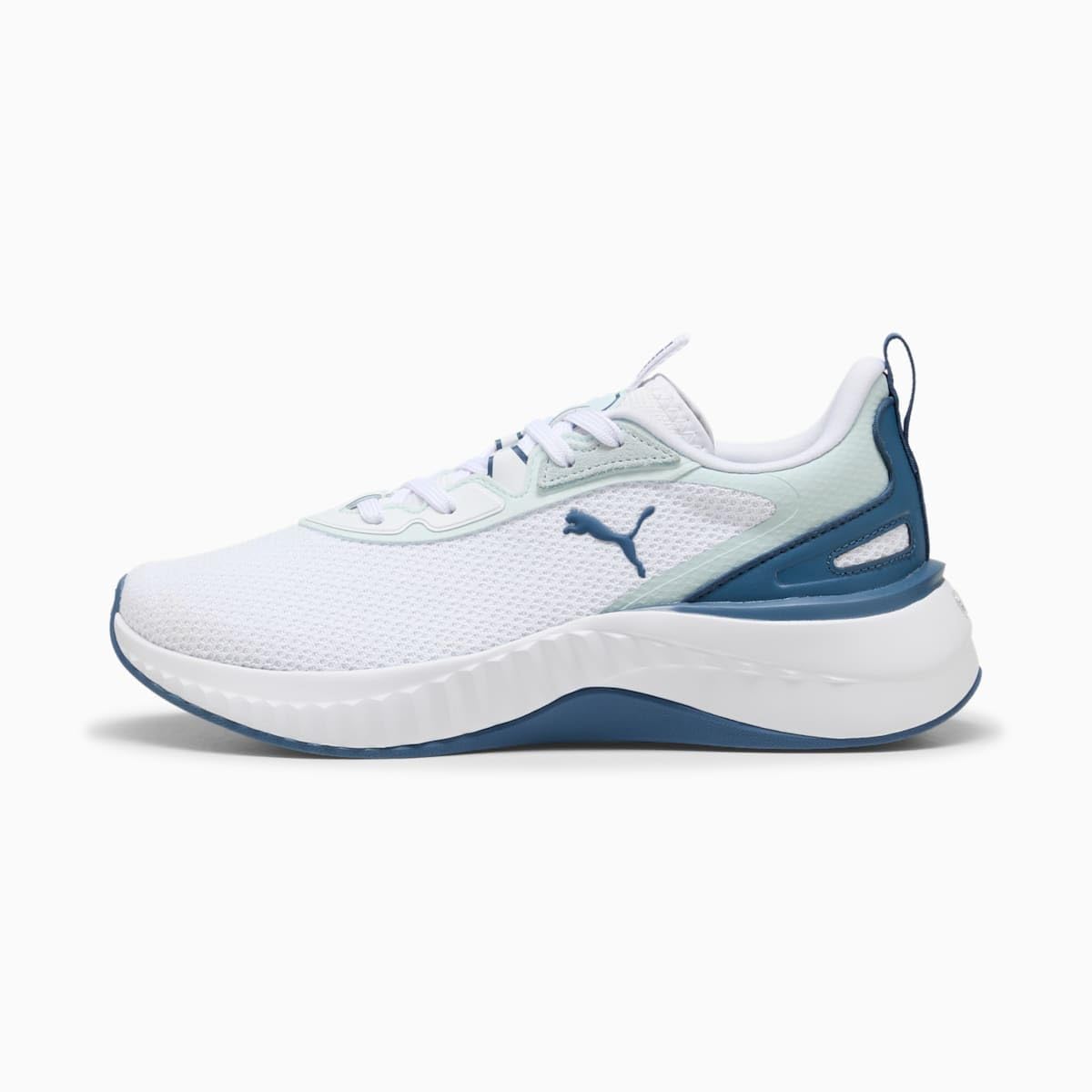
Puma takes a cardio-first approach with the Softride Sera Cross, using a full-length Softride foam midsole that compresses easily under body weight. The cushioning is noticeably softer than any other shoe on this list, making it a strong option for spin-to-lift transitions and high-rep bodyweight circuits where you spend more time on your feet than under a barbell. The drop sits around 8 mm, which biases toward an upright running posture.
The upper is a thin engineered mesh with minimal overlays, keeping the shoe light and breathable during long cardio blocks. The heel counter is flexible, which improves ankle mobility for exercises like walking lunges but reduces rearfoot stability during heavy back squats. The outsole uses a segmented rubber pattern with flex grooves that let the shoe bend naturally during step-ups and burpee jumps.
The biggest drawback is the soft foam — it compresses noticeably under heavy loads, making the shoe feel unstable during deadlifts and overhead presses. Lifting above 135 pounds in the Softride Sera Cross feels like standing on memory foam. This is a cardio shoe first and a training shoe second, best suited for women whose gym routine is heavy on the metabolic side.
Why it’s great
- Softride foam provides plush cushion for cardio sessions
- Breathable upper keeps feet cool during long circuits
- Flex grooves improve natural foot movement
Good to know
- Soft foam compresses under heavy barbell loads
- 8 mm drop tilts body forward for lifts
6. Nike Bella 7
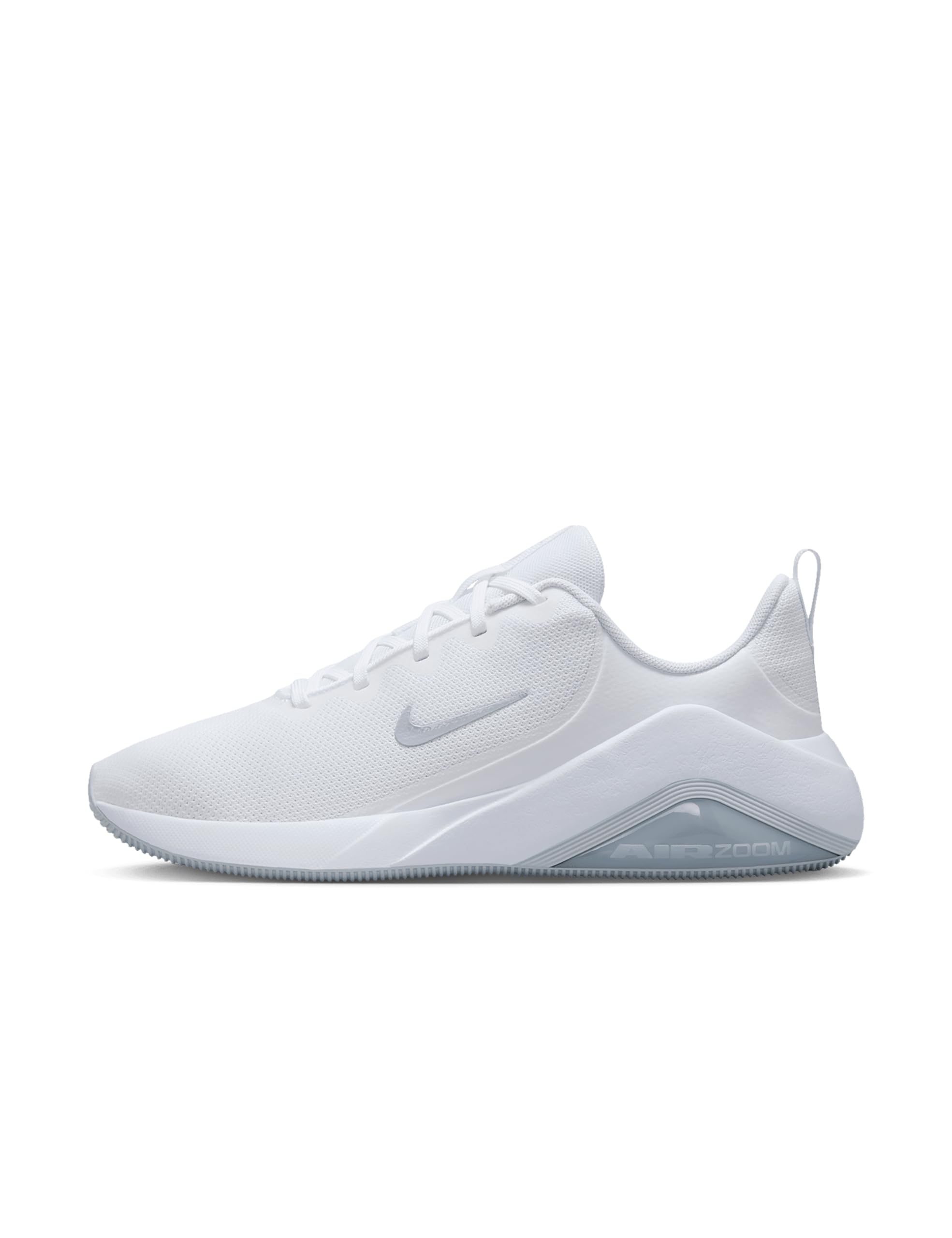
Nike’s Bella 7 is a straightforward training shoe that prioritizes simplicity over advanced features. The rubber outsole uses a standard traction pattern that holds up on dry gym floors but lacks the aggressive lugs found on purpose-built training models. The midsole uses a basic EVA foam compound — it provides adequate shock absorption for walking, light jogging, and machine-based workouts, but compresses quickly under heavy loads or repeated box jumps.
The upper is a synthetic leather and mesh combination with stitched overlays that give the shoe structure without adding weight. The toe box is moderately roomy with a rounded shape that accommodates natural toe splay during lateral lunges. The lace system uses standard eyelets that allow for a secure midfoot lockdown, though the tongue is not gusseted and may shift during side-to-side movement.
The trade-off is clear: the Bella 7 lacks the stability tech and robust outsole of premium models, but it costs significantly less. Women who are just starting their training journey or who need a casual gym shoe for light sessions will find the Bella 7 perfectly functional. It is not built for heavy lifting or high-intensity CrossFit-style workouts.
Why it’s great
- Simple EVA midsole offers decent shock absorption
- Rounded toe box allows natural toe splay
- Lightweight construction for casual gym sessions
Good to know
- Basic traction pattern lacks grip on dusty floors
- Ungusseted tongue shifts during lateral drills
- Midsole compresses under heavy loads
7. Adidas Everyset Training
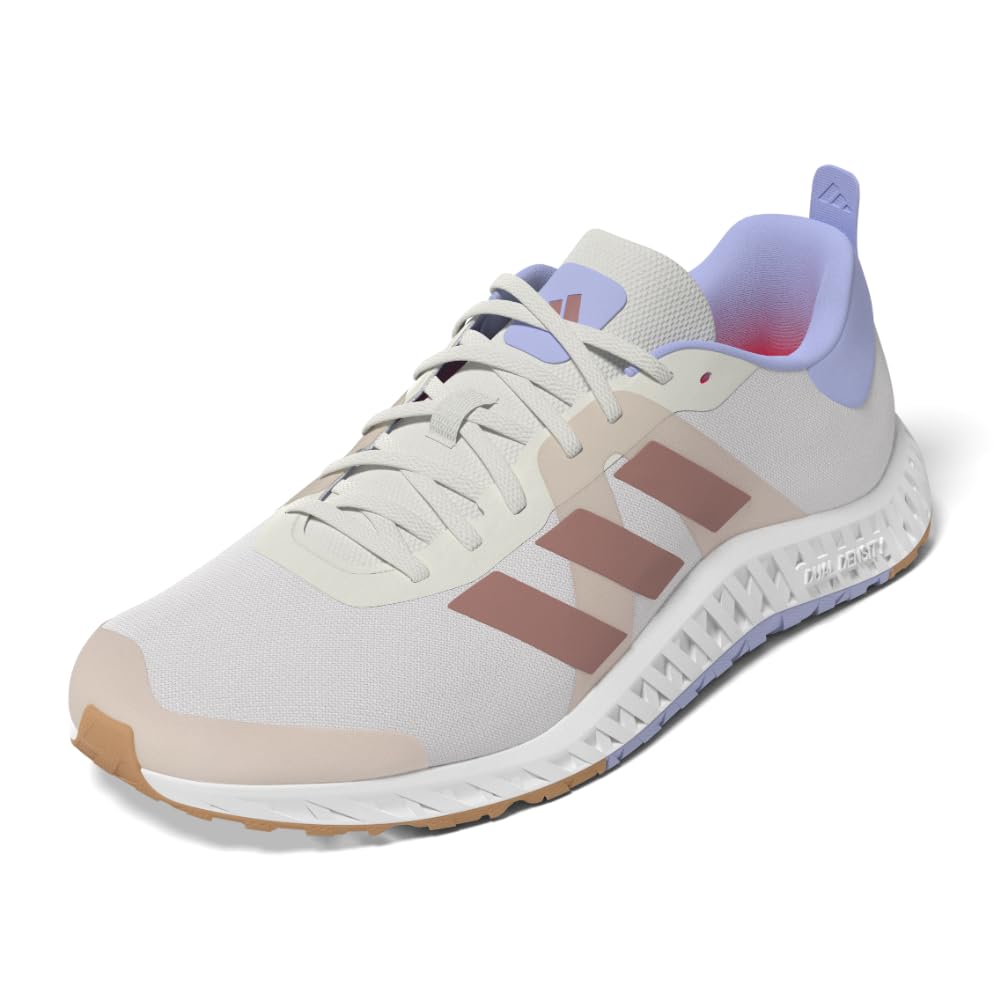
The adidas Everyset is built as an accessible training shoe for women who want a single pair for gym and studio use. The Adiwear outsole uses a dense rubber compound that resists abrasion on concrete and rubber floors, though the tread pattern is simple with only light directional grooves. The 8 mm drop leans toward a running-style footstrike, making it comfortable for treadmill warm-ups and incline walks but suboptimal for flat-footed deadlifting.
The upper is a knit mesh with synthetic suede overlays around the heel and toe for added durability. The fit is slightly narrow through the midfoot, which benefits women with narrower feet but may feel restrictive for those with wider forefeet. The heel counter is padded but not rigid, allowing some heel movement during lateral stops and direction changes.
The Everyset’s main weakness is the lack of any lateral support structure — there is no TPU cage, external heel clip, or reinforced upper panel to resist stretch during side-to-side movement. Heavy multidirectional training will cause the upper to compress and the foot to slide on the footbed over time. For light gym work, studio cycling, and walking, the Everyset offers a comfortable ride at a budget-friendly price.
Why it’s great
- Adiwear outsole resists abrasion on gym floors
- Knit mesh upper is breathable for studio sessions
- 8 mm drop comfortable for treadmill warm-ups
Good to know
- Narrow midfoot may squeeze wider forefeet
- No lateral support structure
- Heel counter allows movement during lateral drills
FAQ
Can I wear running shoes for weight training?
How should ladies training shoes fit at the toe box?
What is the difference between the Reebok Nano Gym and the Reebok Nano X5?
How often should I replace my training shoes?
Final Thoughts: The Verdict
For most users, the ladies training shoes winner is the Reebok Nano X5 because it combines a stable 4 mm drop, rope-climb rubber, and a wider toe box into a single shoe that handles everything from heavy deadlifts to high-rep metcons. If you want a wide base for powerlifting and squat stability, grab the adidas Dropset 4 Power Trainer. And for HIIT-focused women who need cushion for high-impact cardio with moderate lifting, the Under Armour Project Rock 5 delivers the best balance of grip, stability, and impact absorption.