The promise of smoother, brighter skin often comes with a catch — irritation, redness, and a stinging sensation that makes you question if the glow is worth the pain. A lactic acid serum offers a gentler path to cell turnover, effectively exfoliating without the harsh burn associated with stronger alpha-hydroxy acids.
I’m Emma — the founder and writer behind Baby Bangs. I’ve spent years poring over cosmetic chemistry research, ingredient sourcing data, and user experience reports to understand what separates a well-formulated serum from a marketing gimmick.
This guide breaks down five of the most compelling options on the market, focusing on concentration, pH balance, and complementary ingredients. Consider this your shortcut to finding the best lactic acid serum for your specific skin goals and tolerance level.
How To Choose The Best Lactic Acid Serum
Lactic acid is a larger-molecule AHA, which means it works on the skin’s surface to dissolve dead cells without penetrating as deeply as glycolic acid. This makes it a standout choice for those new to chemical exfoliation or those with reactive skin. However, the real difference between a product that transforms your texture and one that just sits on the surface comes down to three factors: concentration, pH, and the supporting hydration system.
Concentration and pH — The Acid Dance
For effective exfoliation, a serum needs a pH between 3.5 and 4.0. If the pH is too high, the acid is neutralized and won’t dissolve the bonds between dead skin cells. If it’s too low (below 3.0), the formula becomes a burn risk. Concentration matters too — a 5% to 10% lactic acid is suitable for regular use, while a 20% formula like the one in this list is reserved for short-contact peels, not daily application. Always check the pH spec if it’s provided; if it isn’t, assume the formula is optimized for general retail, which often means a safer, slightly higher pH.
Hydration Partners — Hyaluronic Acid and Ceramides
Lactic acid is naturally hydrating as a humectant, but the best serums don’t rely on that alone. A strong formula pairs the AHA with ingredients like sodium hyaluronate, polyglutamic acid, or glycerin to maintain the skin barrier during exfoliation. If a serum only lists lactic acid without a supporting moisturizing agent, you will likely experience dryness or peeling after a few days of use. Look for formulas that explicitly mention “hydration” or “replenishment” in their benefits stack.
Skin Type and Sensitivity
Because lactic acid is gentler than glycolic acid, it is the go-to for sensitive or dry skin types. However, that gentleness depends entirely on the absence of irritants. Avoid formulas with added fragrance, essential oils, or denatured alcohol — these counteract the calming effect of the acid and can cause redness. A hypoallergenic label or dermatologist testing (like the Mixa or Dermalogica options) signals a formulation designed for reactive skin. For oily or acne-prone skin, a combination AHA/BHA formula like the Medicube wash-off may offer more targeted pore-clearing power.
Quick Comparison
On smaller screens, swipe sideways to see the full table.
| Model | Category | Best For | Key Spec | Amazon |
|---|---|---|---|---|
| Dermalogica Circular Hydration Serum | Premium | Deep, long-lasting hydration with gentle brightening | Lactic Acid + Polyglutamic Acid + Algae Extract | Amazon |
| Mixa Rehydrating Serum | Premium | Sensitive, dehydrated skin that reacts easily | Hyaluronic Acid + Lactic Acid | Amazon |
| Nooni Facial Toner Pads | Mid-Range | Two-step brightening and pore care | Glycolic Acid + Lactic Acid + Panthenol | Amazon |
| Medicube 21% Acid Wash-off | Mid-Range | Breakout-prone, bumpy texture | 21% AHA + BHA + Succinic Acid | Amazon |
| Lactic Acid Peel 20% | Budget | Strong, targeted weekend peel treatment | 20% Lactic Acid, pH 1.5 | Amazon |
In‑Depth Reviews
1. Dermalogica Circular Hydration Serum

This premium serum uses enhanced hyaluronic acid and polyglutamic acid to deliver over ten hours of hydration, while a small amount of lactic acid works to gently smooth surface texture. The algae extract locks moisture in, making this a true all-in-one for dry or dehydrated skin that also wants a brighter, more even tone. It is designed for all skin types, including reactive skin, with no artificial scents added.
The formulation relies on a postbiotic blend to support the skin’s microbiome, which is a forward-thinking approach that goes beyond basic exfoliation. The drop-form dispenser allows precise application, and the texture is lightweight enough to layer under sunscreen or makeup. This is the serum for someone who wants hydration and exfoliation in one seamless step.
The main trade-off is the price point, which sits at the premium end of the spectrum. Additionally, while the lactic acid concentration is low enough for daily use, it still requires consistent SPF use during the day. If your budget allows, this is the most balanced, research-backed option on this list.
Why it’s great
- Delivers hydration that lasts over ten hours
- Postbiotic blend supports skin barrier health
- Free of artificial scents and fragrance, safe for sensitive skin
Good to know
- Higher price point reflects premium ingredient sourcing
- Lactic acid is low concentration — not for intense peel effects
2. Mixa Concentrated Rehydrating Serum
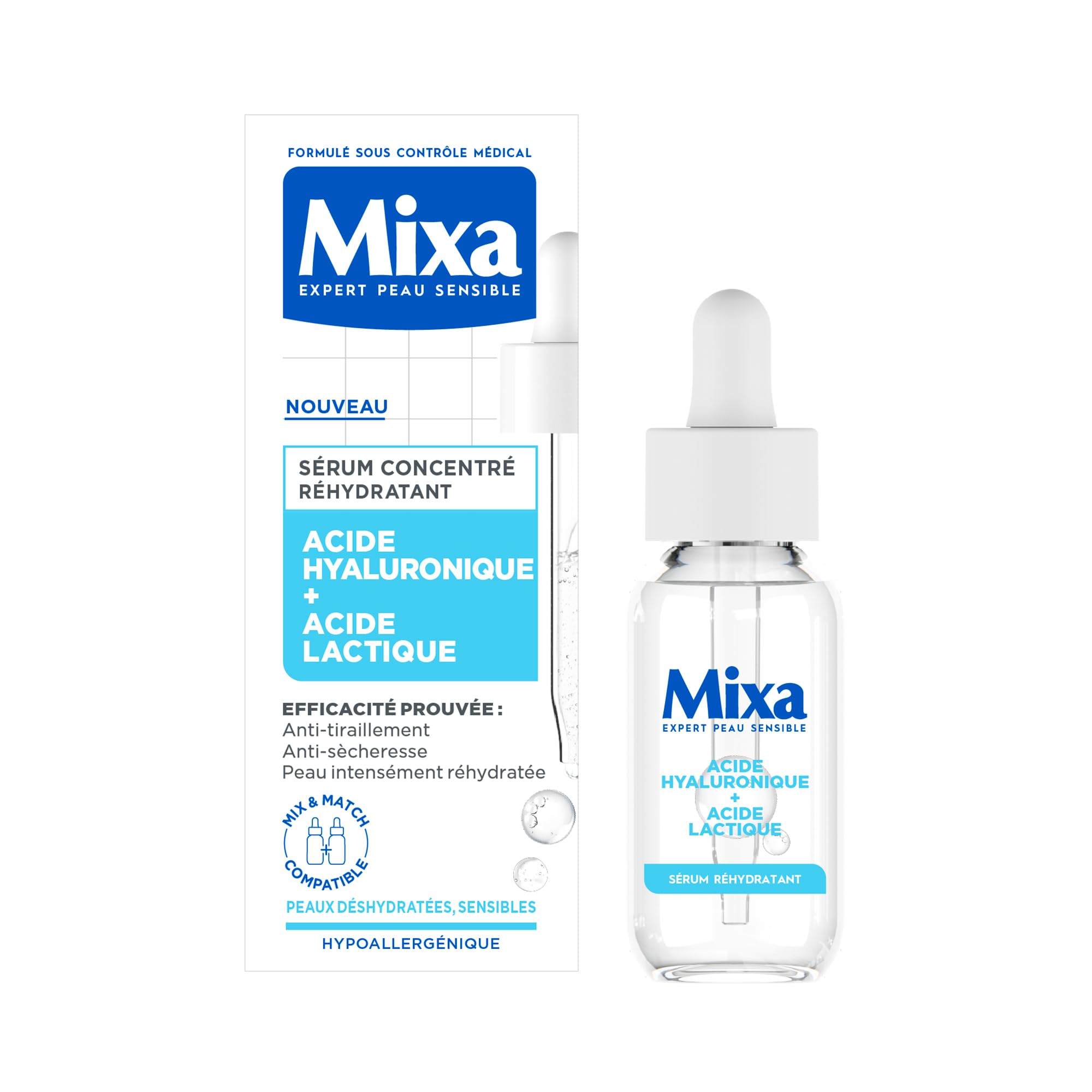
Mixa targets the specific pain point of sensitive, dehydrated skin that cannot tolerate typical exfoliants. By pairing lactic acid with sodium hyaluronate, this serum provides exfoliation that is buffered by intense moisture, reducing the risk of irritation. The formula is developed under medical supervision and is hypoallergenic, making it one of the safest choices for those with eczema, rosacea, or general reactivity.
The serum is unscented and lightweight, absorbing quickly without a tacky finish. It is suitable for both morning and evening use, applied to clean skin before moisturizer. Users report immediate relief from tightness and a visible improvement in hydration after the first few applications, with gradual brightening over several weeks.
The main limitation is that the lactic acid concentration is relatively low, so it is better suited for maintenance than for treating severe hyperpigmentation or deep texture issues. It also comes in a 30 ml bottle, which may require frequent repurchasing for daily users.
Why it’s great
- Formulated for sensitive and reactive skin types
- Provides immediate relief from tightness and dryness
- Hypoallergenic and unscented formula
Good to know
- Lower lactic acid concentration, best for gentle maintenance
- Smaller bottle size for the price point
3. Nooni Facial Toner Pads
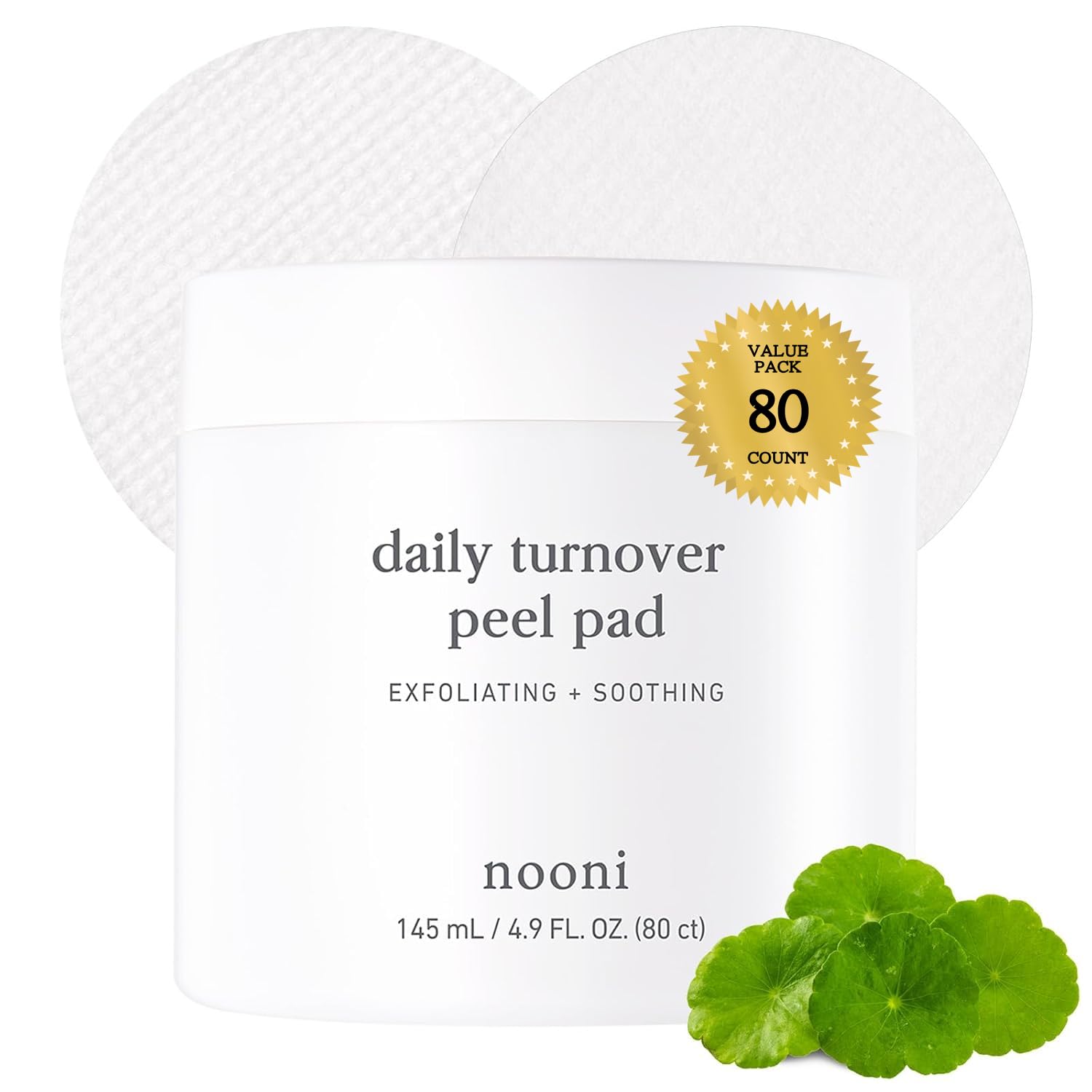
These toner pads take a two-step approach — they combine glycolic acid and lactic acid to exfoliate while also delivering panthenol (pro-vitamin B5) for soothing and hydration. The textured pad provides gentle physical exfoliation alongside the chemical AHA action, which helps sweep away dead cells without harsh scrubbing. This makes them a strong option for achieving that “glass skin” smoothness associated with K-beauty routines.
Each jar contains 80 pads, offering a two-to-three month supply with daily use. The formula is designed to reduce fine lines and refine pores, making it a multi-functional product that can replace both your toner and serum step. The inclusion of panthenol is a smart choice — it helps calm the skin during the exfoliation process, reducing the rebound redness that can occur with high-AHA products.
The downside is that glycolic acid is smaller and more penetrating than lactic acid alone, so those with very sensitive skin may still experience tingling or irritation. Also, the pad format means the entire surface is exposed to air; proper lid sealing is essential to prevent the solution from drying out or becoming less potent over time.
Why it’s great
- Convenient two-in-one exfoliation and hydration in a pad format
- Panthenol helps soothe and calm during acid contact
- Generous 80-pad supply for long-term use
Good to know
- Contains glycolic acid, which may irritate very sensitive skin
- Pad format requires careful storage to maintain potency
4. Medicube 21% Acid Wash-off Exfoliant

This wash-off serum contains a potent 21% acid blend that includes AHA (lactic and glycolic), BHA (salicylic acid), and succinic acid for antibacterial action. Unlike a leave-on serum, this is a short-contact rinse-off product, meaning the acids work for a few minutes before being washed away. This design allows for a high concentration of active ingredients while reducing the risk of over-exfoliation — a smart engineering choice for targeting bumpy, breakout-prone skin.
The Korean skincare formulation focuses on resurfacing texture and clearing pores. The succinic acid adds an anti-inflammatory component that helps calm active breakouts while the exfoliants work on congestion. Users with keratosis pilaris or clogged pores on the cheeks and chin will find this especially effective. The gel texture spreads easily and rinses cleanly without residue.
Because of the high acid percentage and the inclusion of multiple acids, this product is not recommended for sensitive or dry skin, even in wash-off form. It is also not a daily product — use it two to three times per week at most. If you have oily or combination skin with texture concerns, this is one of the most effective mid-range options available.
Why it’s great
- High 21% total acid blend for serious texture issues
- Wash-off format reduces long-term irritation risk
- Succinic acid targets bacteria for breakout-prone skin
Good to know
- Not suitable for sensitive or dry skin types
- Must be rinsed off — not a leave-on treatment
5. Lactic Acid Peel 20%

This is a true professional-level peel, not a daily serum. At 20% lactic acid with a pH of 1.5, it is strong enough to cause chemical burns if left on too long or applied incorrectly. However, for experienced users who know their skin’s tolerance, this is an intensely effective treatment for deep exfoliation, stubborn hyperpigmentation, and advanced texture smoothing. The formula is simple — just the active acid with minimal buffer — so results are directly dependent on your application skill.
The 1 oz bottle is small by volume but can last for many sessions since this product is used sparingly. Users typically apply it for one to three minutes, then neutralize or rinse thoroughly. The low pH ensures maximum bioavailability of the acid, meaning it will dissolve the intercellular glue holding dead cells together very efficiently. This is the right product for someone who performs chemical peels at home and knows how to manage skin reactions.
The obvious risk here is user error. Without experience, the likelihood of redness, peeling, or scarring is significant. There is no built-in hydration or soothing component — you must supply your own post-peel recovery regimen. For beginners or those wanting convenience, this is not the right pick.
Why it’s great
- High 20% concentration for serious exfoliation results
- Low pH ensures maximum chemical activity
- Very cost-effective for experienced peel users
Good to know
- Requires precise timing and proper neutralization to avoid burns
- No hydrating or soothing ingredients included
FAQ
Can I use a lactic acid serum every day or is it too harsh for that?
What is the difference between lactic acid and glycolic acid in a serum?
Why does a lactic acid serum need to be used with sunscreen?
Final Thoughts: The Verdict
For most users, the best lactic acid serum winner is the Dermalogica Circular Hydration Serum because it delivers a clinically effective balance of exfoliation and deep hydration without irritation. If you want a formula designed specifically for sensitive, dehydrated skin, grab the Mixa Concentrated Rehydrating Serum. And for tackling rough, break-out prone texture with a wash-off treatment, nothing beats the Medicube 21% Acid Wash-off Exfoliant.