Finding a lactic acid face cream that actually exfoliates without leaving your skin feeling tight or irritated can feel like a hunt for a unicorn. The wrong formula either does nothing or strips your moisture barrier, leaving you worse off than when you started.
I’m Emma — the founder and writer behind Baby Bangs. I’ve spent years analyzing ingredient lists, cross-referencing clinical studies, and comparing formulation delivery systems to separate the effective creams from the overpriced fluff.
After combing through hundreds of reviews and lab data, I narrowed the field to five standout options that define the current best lactic acid face cream market for anyone serious about gentle, results-driven exfoliation.
How To Choose The Best Lactic Acid Face Cream
Lactic acid is a gentle alpha hydroxy acid (AHA) that exfoliates by dissolving the bonds between dead skin cells while also acting as a humectant. But not every cream delivers the same results — formulation, pH, and supporting ingredients determine whether you get smooth skin or an angry reaction.
Concentration and pH: The Real Power Combo
An effective lactic acid cream needs a pH between 3.5 and 4.5 for the acid to actually exfoliate. Concentrations between 5% and 10% work well for regular use, while anything above 12% should be reserved for short-contact or professional use. Check the label — many creams advertise lactic acid but buffer it so heavily that the pH is too high for meaningful exfoliation.
Supporting Ingredients That Prevent Irritation
A great lactic acid formula includes humectants like hyaluronic acid, glycerin, or squalane to counteract the drying effect of exfoliation. Ceramides and niacinamide help reinforce the moisture barrier. Avoid creams that pair lactic acid with denatured alcohol or strong fragrance — those ingredients undo the gentle benefits lactic acid is supposed to provide.
Cream Base vs. Serum: Which Delivery System Wins?
A face cream delivers lactic acid in an emulsion that spreads evenly and stays on the skin longer than a watery serum. This makes creams better for dry, normal, or combination skin types. If you have very oily skin, a serum might feel lighter, but for most people, a cream offers better hydration alongside exfoliation — a true two-in-one.
Quick Comparison
On smaller screens, swipe sideways to see the full table.
| Model | Category | Best For | Key Spec | Amazon |
|---|---|---|---|---|
| CeraVe SA Cream | Mid-Range Body | Rough, bumpy body skin | Salicylic + Lactic Acid | Amazon |
| Paula’s Choice BHA Liquid | Mid-Range Face | Blackhead-prone, oily skin | 2% Salicylic Acid | Amazon |
| Mad Hippie AHA Peel | Mid-Range Face | Discoloration and fine lines | Lactic + Glycolic Acid | Amazon |
| Biossance Lactic Serum | Premium Face | Texture and pore refinement | 10% Lactic Acid + Squalane | Amazon |
| Kate Somerville Glow Cream | Premium Face | Daily gentle exfoliation | Clinically formulated cream | Amazon |
In‑Depth Reviews
1. Biossance Squalane + Lactic Acid Resurfacing Night Serum

Biossance pairs 10% lactic acid with their signature squalane, creating a night serum that exfoliates while deeply hydrating. The squalane base prevents the typical tightness that accompanies higher-concentration AHAs, making this suitable for normal, dry, and even slightly sensitive skin types when used a few times per week.
This formula is vegan, fragrance-free, and clinically validated to improve skin texture and reduce the appearance of fine lines. The 10% concentration hits the sweet spot — strong enough to resurface but gentle enough for regular overnight use without peeling.
Its main limitation is the price point and the fact that it’s a serum, not a traditional cream. If you prefer a thicker moisturizer texture, you may need to layer this with a separate cream, which adds to the routine complexity.
Why it’s great
- 10% lactic acid for visible resurfacing
- Squalane prevents dehydration and irritation
- Fragrance-free and vegan formulation
Good to know
- Serum texture requires a separate moisturizer for some skin types
- Premium pricing limits accessibility
2. Kate Somerville ExfoliKate Glow Moisturizer
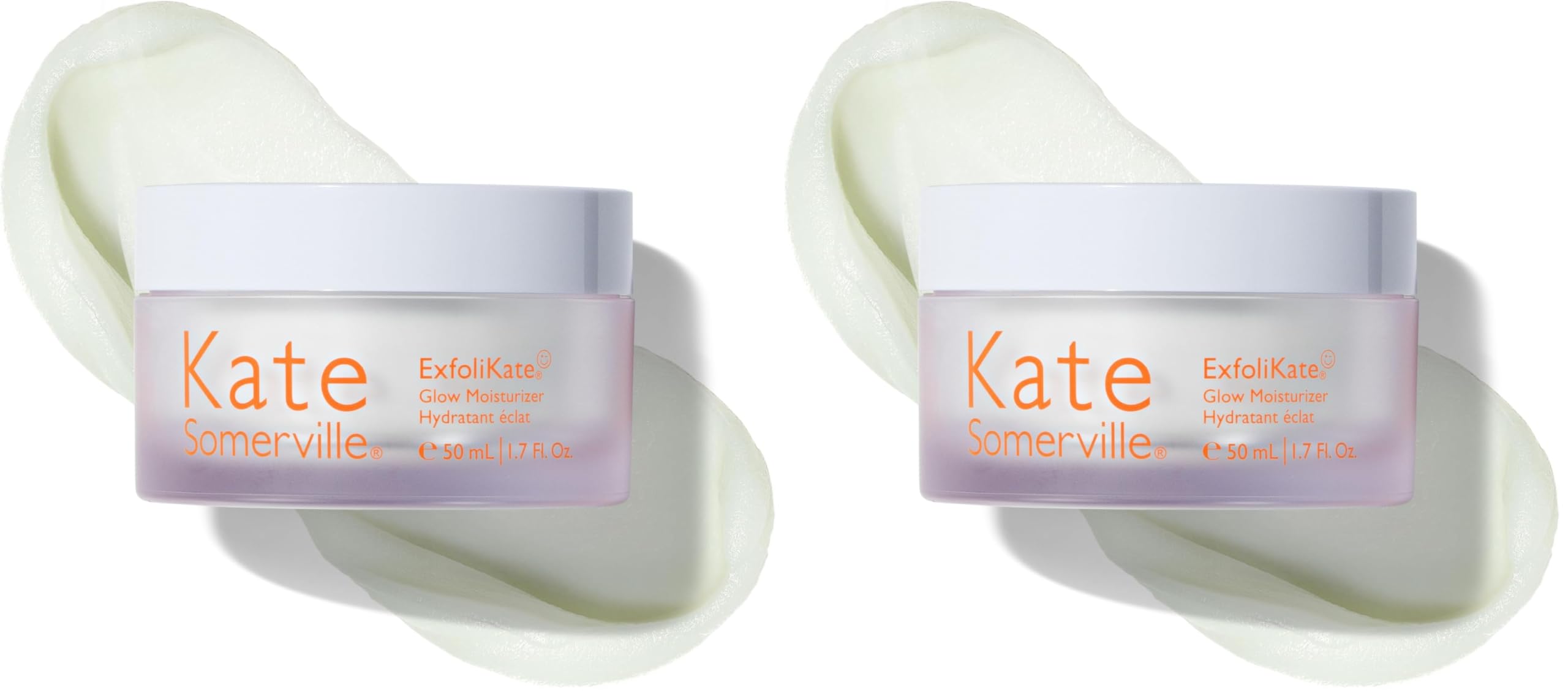
The ExfoliKate Glow Moisturizer is a true cream that combines gentle exfoliation with hydration in a single step. Kate Somerville’s formulation uses lactic acid alongside enzymes to polish the skin surface without the strong pH drop that can sting sensitive complexions.
This cream doubles as both exfoliator and daily moisturizer, simplifying your routine considerably. The texture is rich but absorbs quickly, making it ideal for morning or evening use depending on your preference. Users report a noticeable glow within the first week of consistent use.
The main downside is the cost per ounce — this is a high-end product. Also, those with extremely sensitive skin may find the enzyme plus acid combination too stimulating for daily use, so starting every other day is wise.
Why it’s great
- True cream texture exfoliates and hydrates in one step
- Enzymes plus lactic acid for dual-action exfoliation
- Fast-absorbing formula works under makeup
Good to know
- High price per ounce compared to drugstore options
- May be too stimulating for very sensitive skin daily
3. Mad Hippie AHA Exfoliating Peel

Mad Hippie combines both lactic and glycolic acids in one formula along with goji berry, peptides, and hyaluronic acid. This creates a multi-acid approach that tackles discoloration, fine lines, and uneven texture simultaneously — rare in a mid-range product.
The addition of peptides and niacinamide supports collagen production and calms redness, offsetting the potential irritation from the dual AHA blend. Users with hyperpigmentation or sun damage tend to see noticeable brightening after a few weeks of consistent use.
Because it contains glycolic acid in addition to lactic acid, this peel is stronger than a standalone lactic cream. Beginners or those with sensitive skin should start with once-weekly application and gradually increase frequency.
Why it’s great
- Dual AHA blend targets discoloration and texture
- Peptides and niacinamide support skin barrier
- Mid-range price offers strong value per ingredient
Good to know
- Stronger than a standard lactic cream
- Requires careful frequency management
4. Paula’s Choice SKIN PERFECTING 2% BHA Liquid Exfoliant
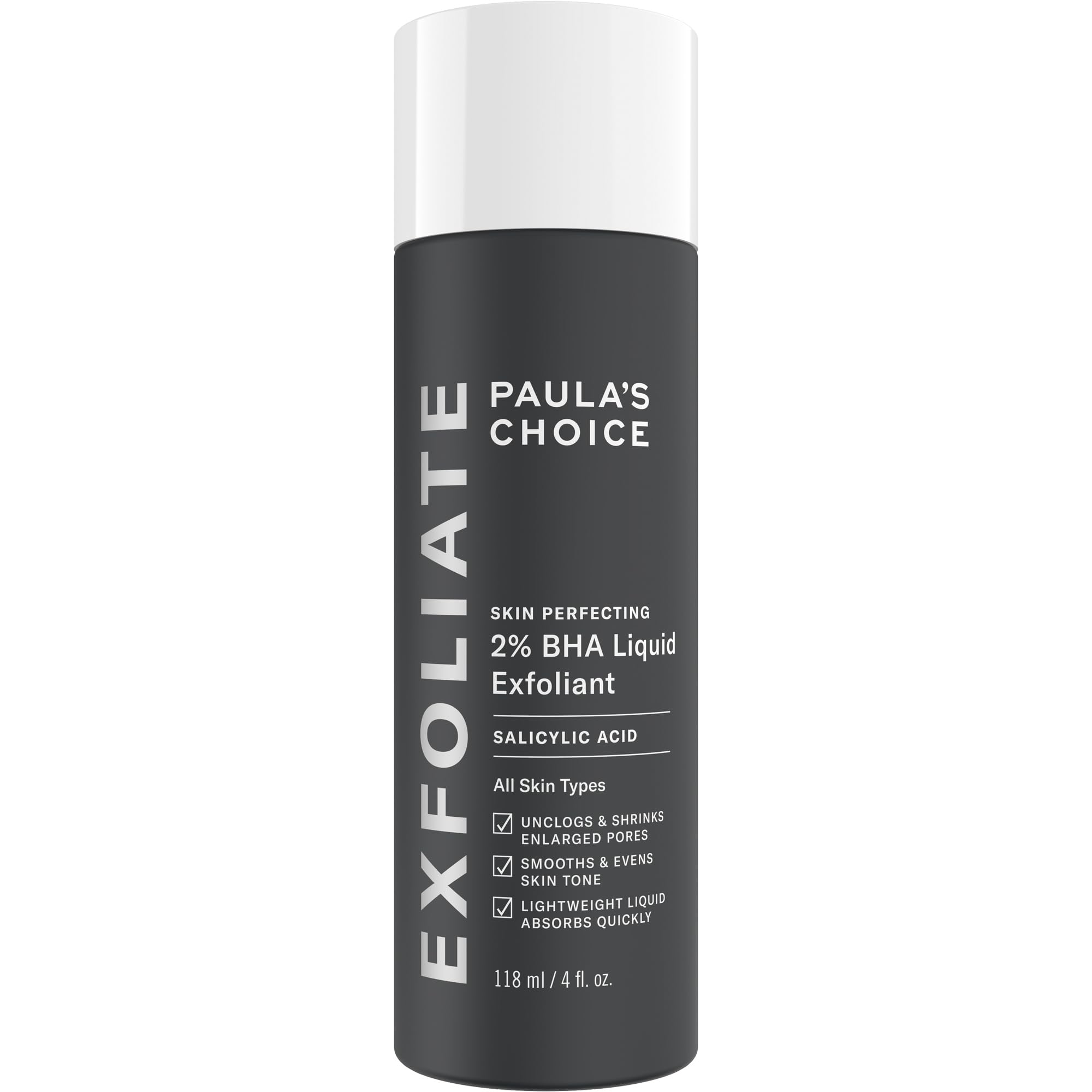
While technically a BHA exfoliant rather than a lactic acid cream, the Paula’s Choice 2% BHA Liquid deserves mention for those with oily or blackhead-prone skin who find AHAs too mild. Salicylic acid penetrates oil-filled pores to clear blockages, complementing any lactic cream in your rotation.
The liquid texture is lightweight and absorbs instantly, making it ideal for layering under moisturizers. It’s fragrance-free and contains green tea extract for antioxidant protection, keeping the formula stable and non-irritating for most skin types.
This is not a lactic acid face cream, so it won’t provide the same surface exfoliation or humectant benefits. Use it as a pore-clearing step before your lactic cream, not as a replacement, especially if your main concern is rough texture and dehydration.
Why it’s great
- Gold-standard BHA for pore clearance
- Fragrance-free with soothing green tea
- Lightweight and layers well under cream
Good to know
- Not a lactic acid product — complements rather than replaces
- Can be drying if overused without moisturizer
5. CeraVe Moisturizing Cream with Salicylic Acid
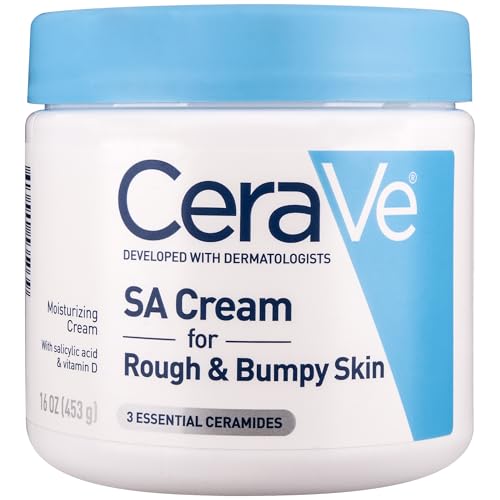
CeraVe’s SA Cream is formulated for the body, not the face, combining salicylic acid with lactic and hyaluronic acids. It’s designed to soften rough, bumpy skin on legs and upper arms — conditions like keratosis pilaris — using BHA and AHA in a rich, velvety base.
The inclusion of three essential ceramides (1, 3, 6-II) helps restore the skin barrier while the acids exfoliate, which is a smart formulation choice for body use where the skin is thicker but still needs barrier support. It absorbs quickly and leaves no greasy residue.
This is not formulated for facial use. The texture is too heavy for most facial skin, and the combined acid blend may be too strong for the more delicate face. If you need a lactic acid face cream specifically, look elsewhere — but this is a fantastic body companion.
Why it’s great
- Excellent value for full-body smoothing
- Ceramides repair barrier during exfoliation
- Fast-absorbing, non-greasy body formula
Good to know
- Not for facial use — too heavy and concentrated
- Contains both BHA and AHA, not a pure lactic cream
FAQ
Can I use a lactic acid face cream every day?
What is the difference between lactic acid and glycolic acid in a face cream?
Should I apply lactic acid cream before or after moisturizer?
Final Thoughts: The Verdict
For most users, the best lactic acid face cream winner is the Biossance Squalane + Lactic Acid Resurfacing Night Serum because it delivers proven 10% exfoliation in a squalane base that prevents the irritation common with high-concentration AHAs. If you want a true cream that combines exfoliation and daily hydration in one step, grab the Kate Somerville ExfoliKate Glow Moisturizer. And for a budget-friendly option that targets discoloration with a dual-acid blend, nothing beats the Mad Hippie AHA Exfoliating Peel.