That first week of breastfeeding hits like a freight train. You’re running on two hours of broken sleep, your nipples are raw, and every well-meaning relative is handing you a cup of something that smells like hay and promises a full milk supply. Most lactation teas taste dreadful because they rely on heavy-handed doses of fenugreek or anise — herbs that turn your sweat and your baby’s diaper into a maple-syrup odor and leave a bitter licorice aftertaste in every sip. You need something that actually helps your supply without making you dread tea time.
I’m Emma — the founder and writer behind Baby Bangs. I’ve spent hundreds of hours cross-referencing ingredient sourcing, organic certifications, and real-world customer feedback on herbal galactagogues to separate the effective blends from the overpriced hay water.
The right brew uses a smart combination of fennel, nettle, blessed thistle, or oat straw in ratios that support prolactin response, and it avoids synthetic flavors or unnecessary fillers. This guide breaks down the five products that earn a spot in a nursing mom’s rotation so you can find the best lactation tea for your palate and your pumping schedule.
How To Choose The Best Lactation Tea
Not every box of herbs marked “lactation” will do the job. The difference between a tea that boosts your pump output and one that just colors your water comes down to three specific criteria. Skip these and you’re basically paying for flavored hot water.
Galactagogue Profile — Fenugreek vs. Fenugreek-Free
Fenugreek is the most common active herb in lactation blends, but up to 45 percent of moms report gassiness or a maple-like body odor that transfers to breast milk. Fenugreek-free options lean on fennel seed, blessed thistle, nettle leaf, and oat straw — herbs with a gentler digestive profile and zero odor side effects. If you have a thyroid condition or gestational diabetes history, fenugreek can interfere with medication absorption, so a fenugreek-free blend like Mrs. Patel’s Chai Spice is a safer starting point.
Organic Certification and Herb Sourcing
Herbs are among the most pesticide-sprayed crops in agriculture, and when you’re consuming three to four cups daily, non-organic residue accumulates fast. Look for a USDA Organic seal on the box — this guarantees the herbs were grown without synthetic pesticides or irradiation. Traditional Medicinals and Secrets Of Tea both carry third-party organic certification on their lactation lines, while Oat Mama uses organic ingredients with a focus on biodegradable sachet packaging.
Steep Count and Cost Per Serving
A 14-bag box that you drink three cups a day will last under five days. Larger counts like the 48-bag box from Traditional Medicinals give you over two weeks of daily use. Some teas like Oat Mama are designed for a double steep — each sachet yields two servings, effectively doubling the box count to 28 cups. Factor in whether you drink iced or hot, because double-steep teas lose flavor intensity on the second brew and work better when served cold.
Quick Comparison
On smaller screens, swipe sideways to see the full table.
| Model | Category | Best For | Key Spec | Amazon |
|---|---|---|---|---|
| Traditional Medicinals Mother’s Milk | Premium | Long-term daily use, largest box | 48 tea bags, USDA Organic | Amazon |
| Oat Mama Blueberry Pomegranate | Premium | Flavor-first moms who want double steep | 14 sachets, double steep = 28 cups | Amazon |
| Secrets Of Tea Healthy Lactation | Mid-Range | Fruit flavor, USDA Organic, baby comfort | 20 tea bags, organic fruit blend | Amazon |
| Secrets Of Tea Relaxing Mama | Mid-Range | Evening wind-down with lavender | 20 tea bags, organic, caffeine-free | Amazon |
| Mrs. Patel’s Chai Spice | Budget-Friendly | Fenugreek-free, iced or hot, spice lovers | 14 tea bags, fenugreek-free | Amazon |
In‑Depth Reviews
1. Traditional Medicinals Organic Mother’s Milk Tea

This is the gold standard for a reason — Traditional Medicinals has been formulating this fennel-anise-coriander-fenugreek-blessed thistle blend for over 40 years. The 48-count box gives you more than two weeks of three-cups-a-day use, which matters when you’re trying to establish a freezer stash. The herbs are USP-grade and the entire box is Non-GMO Verified, Kosher, and compostable bag-to-box.
The flavor leans heavily on licorice from the anise and fennel. If you’re not a black licorice fan, this will taste medicinal at first — but most moms report it grows on them by day three. The fenugreek content is moderate, so you may still notice a subtle maple scent in your sweat, but the fennel and coriander balance it better than fenugreek-only blends.
Lactation consultants recommend it because the galactagogue variety (five different herbs targeting prolactin pathways) is broader than any single-herb tea on the market. It steeps in 10 minutes and holds up well as an iced tea base if you brew a full pitcher overnight.
Why it’s great
- 48 bags — longest-lasting box on this list
- Five different galactagogues for broad prolactin support
- USDA Organic, Kosher, compostable packaging
Good to know
- Licorice-forward taste — divisive for some palates
- Fenugreek may cause mild body odor in sensitive users
- Steep time of 10 minutes is longer than standard teas
2. Oat Mama Flavored Lactation Tea — Blueberry Pomegranate
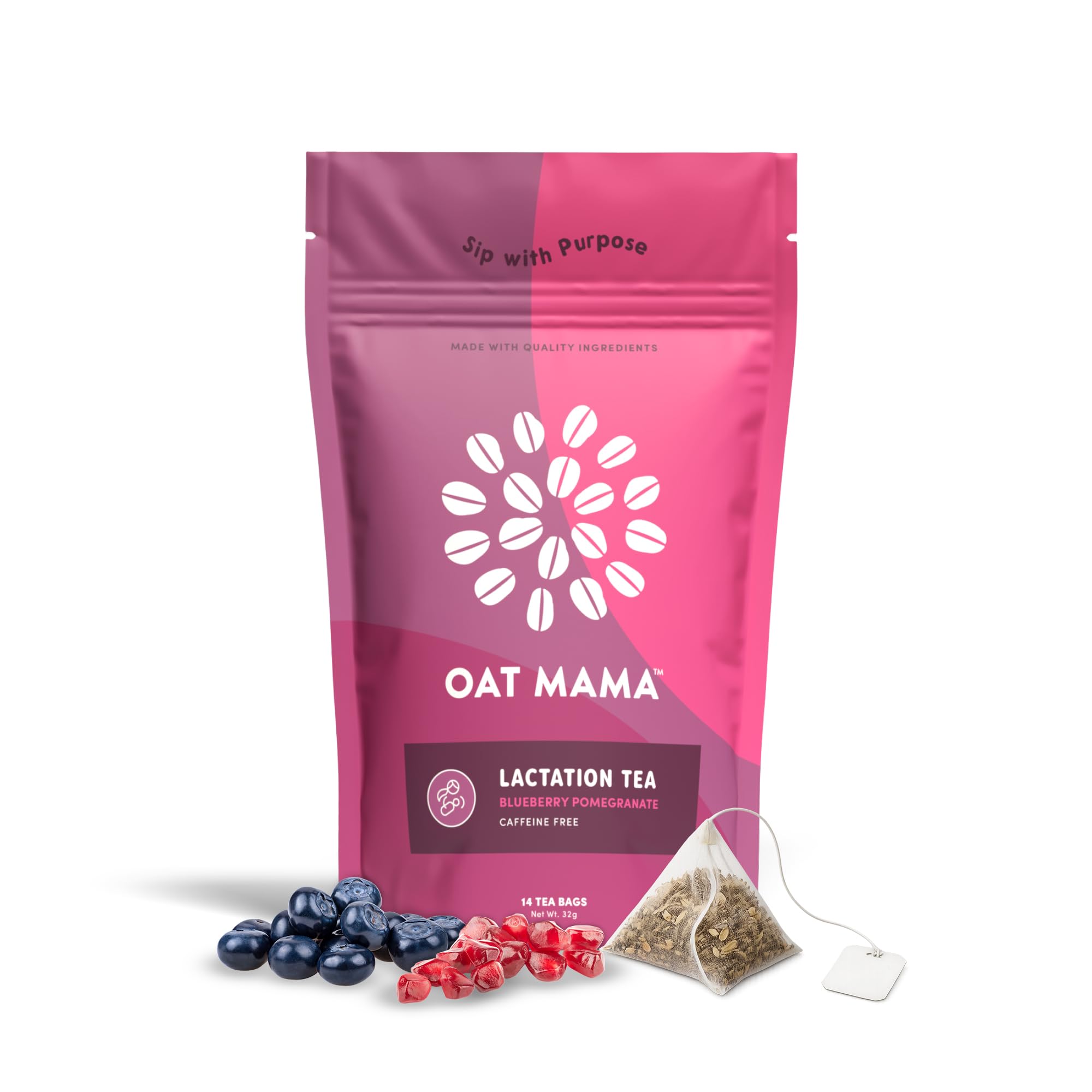
Oat Mama solved the problem of bad-tasting lactation tea with a sweet blueberry-pomegranate infusion that actually tastes like fruit, not medicine. The ingredient list includes organic fenugreek, fennel, ginger, and nettle — a solid galactagogue profile that supports both milk production and postpartum digestion. Each sachet is designed for a double steep, giving you 28 servings from the 14-count box.
The second steep is noticeably lighter in flavor but still carries enough herb potency to be effective. If you drink it iced, the double-steep method works especially well because cold temperatures mute bitterness. The sachets are biodegradable and free of plastic, which aligns with the brand’s clean postpartum ethos.
One trade-off: the fruit flavor relies on natural extracts rather than whole dried fruit, so the taste is more juice-like than earthy. Moms who prefer a straight herbal profile may find it too sweet. But for moms who struggled through bitter lactation teas during their first baby’s nursing journey, this is a game-changer for palatability.
Why it’s great
- Double steep yields 28 cups from 14 sachets
- Fruity blueberry-pomegranate taste — actually drinkable
- Biodegradable sachets, organic ingredients
Good to know
- Second steep is noticeably weaker
- Natural fruit extracts may be too sweet for herbal purists
- Only 14 sachets — restock more often than 48-count boxes
3. Secrets Of Tea Healthy Lactation Tea — Fruit Flavor
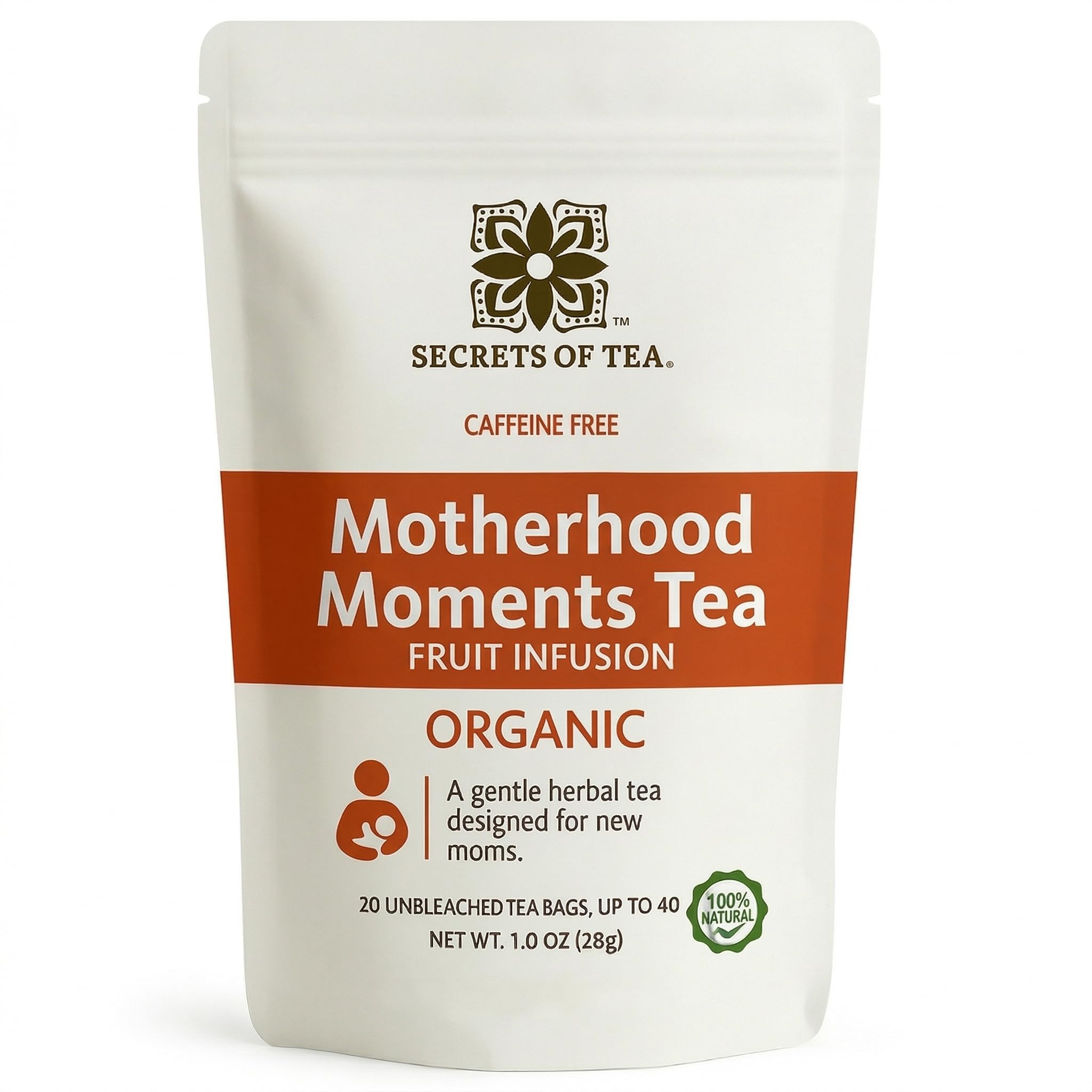
Secrets Of Tea positions this as both a lactation support and a baby comfort tea — the herbs are selected to pass into breast milk and help soothe colicky or gassy infants. The fruit flavor base is a departure from the licorice-heavy blends, making it a strong choice for moms who dislike fennel or anise. Every ingredient is USDA Organic and caffeine-free, safe for all-day sipping.
The 20-bag count hits a sweet spot between the sample-size 14-bag boxes and the bulk 48-bag option. It’s portable enough to toss in a diaper bag without taking up much space. The fruit flavor is mild and slightly tart, relying on natural fruit extracts rather than added sugars, so it doesn’t interfere with your baby’s taste preferences.
The galactagogue blend here is less aggressive than Traditional Medicinals — fewer total herbs but still effective for mild supply dips. Moms with oversupply or strong let-down reflexes may find this gentler profile sufficient, while moms struggling with low production may need the broader herb mix from the premium option.
Why it’s great
- Fruit flavor — no licorice or maple aftertaste
- Formulated to help soothe colicky babies through breast milk
- USDA Organic, 20 bags per box
Good to know
- Milder herb profile — may not be enough for serious supply issues
- Fruit taste is subtle, not sweet like juice-based teas
- 20 bags lasts about a week at three cups daily
4. Secrets Of Tea Relaxing Mama Tea — Lavender Chamomile
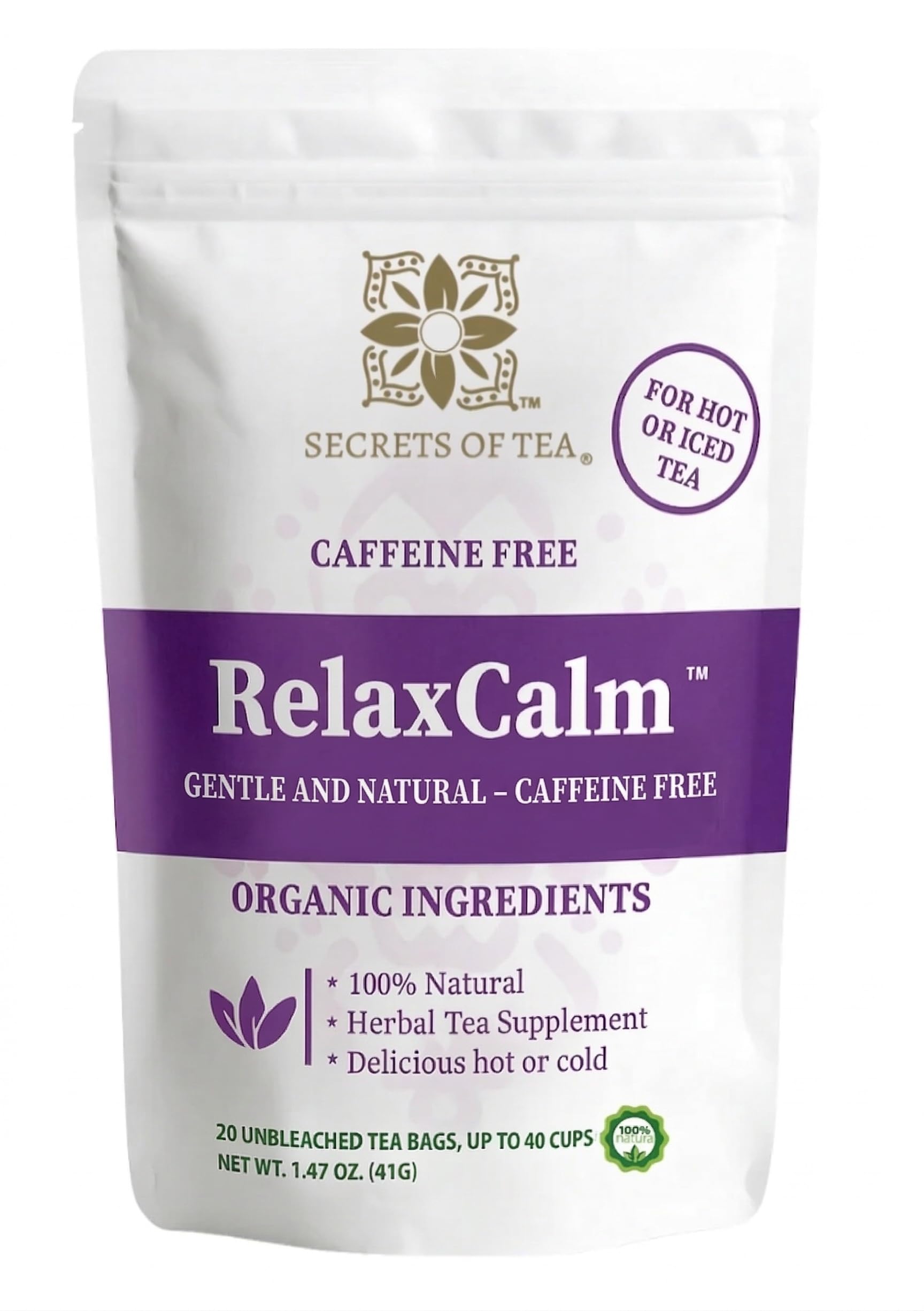
This blend swaps the galactagogue-heavy approach for a relaxation-focused formula — lavender, chamomile, rose hips, ginger, lemon peel, lemon balm, and rooibos. It’s not a primary lactation tea in the same way the others are, but it serves a critical postpartum role: helping you calm down enough for your milk to let down. Stress is a known milk-flow inhibitor, and a warm cup of lavender-chamomile before a middle-of-the-night pump session can make a tangible difference.
All ingredients are organic and naturally caffeine-free. The floral aroma is strong but not cloying — the rooibos base adds a mild sweetness that balances the lavender. Each box yields 20 bags, and the brand recommends steeping for 5–7 minutes to fully extract the calming compounds.
Use this as a companion tea alongside a stronger galactagogue blend. Drink it 30 minutes before your last pump of the evening or during the 3 AM feed when your brain is racing. It’s not a standalone supply solution, but it’s the best sleep-adjacent option on this list.
Why it’s great
- Lavender and chamomile promote relaxation and let-down reflex
- Organic ingredients, caffeine-free, safe for late-night use
- Mild rooibos sweetness — no added sugar needed
Good to know
- Low galactagogue content — not a primary supply booster
- Floral lavender taste is strong; some find it soapy
- Best used as a secondary tea, not your daily staple
5. Mrs. Patel’s Lactation Tea — Chai Spice Blend

Mrs. Patel’s is the only fenugreek-free option in this lineup, making it the safest choice for moms with thyroid conditions, gestational diabetes, or fenugreek sensitivity. The chai spice flavor — cinnamon, cardamom, ginger, clove — is warm and aromatic without the licorice or maple notes that dominate other blends. It tastes like a dessert tea, which is a welcome break from the medicinal profiles.
The 14-bag count is the smallest on the list, so you’ll need to reorder frequently if this becomes your daily driver. However, since it contains no fenugreek, you won’t experience the body odor or gassiness that some moms report with other teas. It’s also gluten-free and dairy-free, which matters if you’re already managing food sensitivities.
The herb profile leans on ginger and cardamom for digestive comfort rather than heavy galactagogues. Moms with established milk supply who just want a warm, flavorful beverage without extra herbs will appreciate this. But if you’re trying to boost a low supply from scratch, you may need to pair it with a stronger galactagogue blend.
Why it’s great
- Completely fenugreek-free — no body odor or gas side effects
- Chai spice flavor is genuinely delicious hot or iced
- Gluten-free, dairy-free, caffeine-free
Good to know
- Low galactagogue concentration — best for supply maintenance, not boosting
- Only 14 bags — requires frequent restocking
- Not USDA Organic certified
FAQ
How many cups of lactation tea should I drink per day to see a supply increase?
Can lactation tea cause gas or discomfort in my baby?
What is the difference between a lactation tea and a regular herbal tea?
Final Thoughts: The Verdict
For most users, the best lactation tea winner is the Traditional Medicinals Mother’s Milk Tea because its five-herb galactagogue profile and 48-bag count offer the best balance of potency and longevity for daily nursing moms. If you want a fruit-forward flavor without licorice, grab the Oat Mama Blueberry Pomegranate. And for fenugreek-free sipping that actually tastes like chai, nothing beats the Mrs. Patel’s Chai Spice Blend.