Facial redness isn’t just a color issue—it’s a distress signal from your skin barrier. Whether it’s triggered by heat, environmental stress, or a compromised moisture layer, the search for targeted relief narrows fast. Korean skincare has refined this fight with cooling peptides, azelaic acid, and centella-based formulas that don’t just mask the flush—they actively calm the underlying irritation.
I’m Emma — the founder and writer behind Baby Bangs. I’ve spent years filtering through ingredient lists and consumer testing data to separate the soothing formulas from the superficial marketing claims in the redness-relief category.
This guide breaks down five rigorously selected options from trusted Korean brands, each chosen for its specific mechanism against visible irritation. Finding the korean skincare for redness that matches your skin’s unique triggers means matching the right active to the right delivery system, and that’s exactly what we’re about to do.
How To Choose The Best Korean Skincare For Redness
Not all redness is the same. Heat-induced flush, barrier-compromised irritation, and inflammatory post-acne marks each demand a different ingredient strategy. The most effective Korean formulas target the root cause rather than just offering temporary cooling.
Match the Active to the Trigger
If your redness flares with heat or environmental stress, a serum with cooling peptides (like the beplain Mung Bean formula) delivers immediate sensory relief while peptides work to reinforce the barrier over time. For persistent diffuse redness or Rosacea-adjacent sensitivity, azelaic acid at 10% (found in the SKIN1004 ampoule) directly inhibits the inflammatory cascade. When post-inflammatory hyperpigmentation is your main concern—those lingering red or brown marks after a breakout—tranexamic acid paired with niacinamide (the Anua TXA serum) fades discoloration while calming the surrounding skin.
Texture Matters for Sensitive Skin
Redness-prone skin often rejects heavy creams that trap heat. Look for lightweight, watery serums or gel-creams that absorb without residue. The Dr.Althea 345 Relief Cream uses PDRN (polydeoxyribonucleotide) in a vegan base that delivers recovery without suffocating the skin. A fragrance-free label is non-negotiable—essential oils and artificial fragrances are common hidden irritants that worsen the very condition you’re trying to treat.
Check for Barrier-Supporting Ingredients
Centella Asiatica (Cica) is the cornerstone ingredient in Korean redness care. The Dr.Jart+ Cicapair line exists entirely around this compound because it accelerates barrier repair while calming inflammation. Peptides, ceramides, and hyaluronic acid support the structure so that the redness doesn’t return the moment you stop applying the product. If your skin calms then re-flares within hours, you’re missing a barrier-support element in your routine.
Quick Comparison
On smaller screens, swipe sideways to see the full table.
| Model | Category | Best For | Key Spec | Amazon |
|---|---|---|---|---|
| Dr.Althea 345 Relief Cream | Premium Recovery | Barrier repair after irritation | PDRN + Niacinamide | Amazon |
| SKIN1004 Azelaic Acid 10% Ampoule | High-Performance | Blemish-prone redness | 10% Azelaic Acid | Amazon |
| Dr.Jart+ Cicapair Moisturizer | Mid-Range Repair | Daily barrier defense | Centella Asiatica | Amazon |
| beplain Mung Bean Peptide Serum | Cooling Serum | Heat-related flush | Cooling Peptide Complex | Amazon |
| Anua Niacinamide 10 + TXA 4 Serum | Dark Spot Focus | Post-acne red marks | 10% Niacinamide + 4% TXA | Amazon |
In‑Depth Reviews
1. Dr.Althea 345 Relief Cream
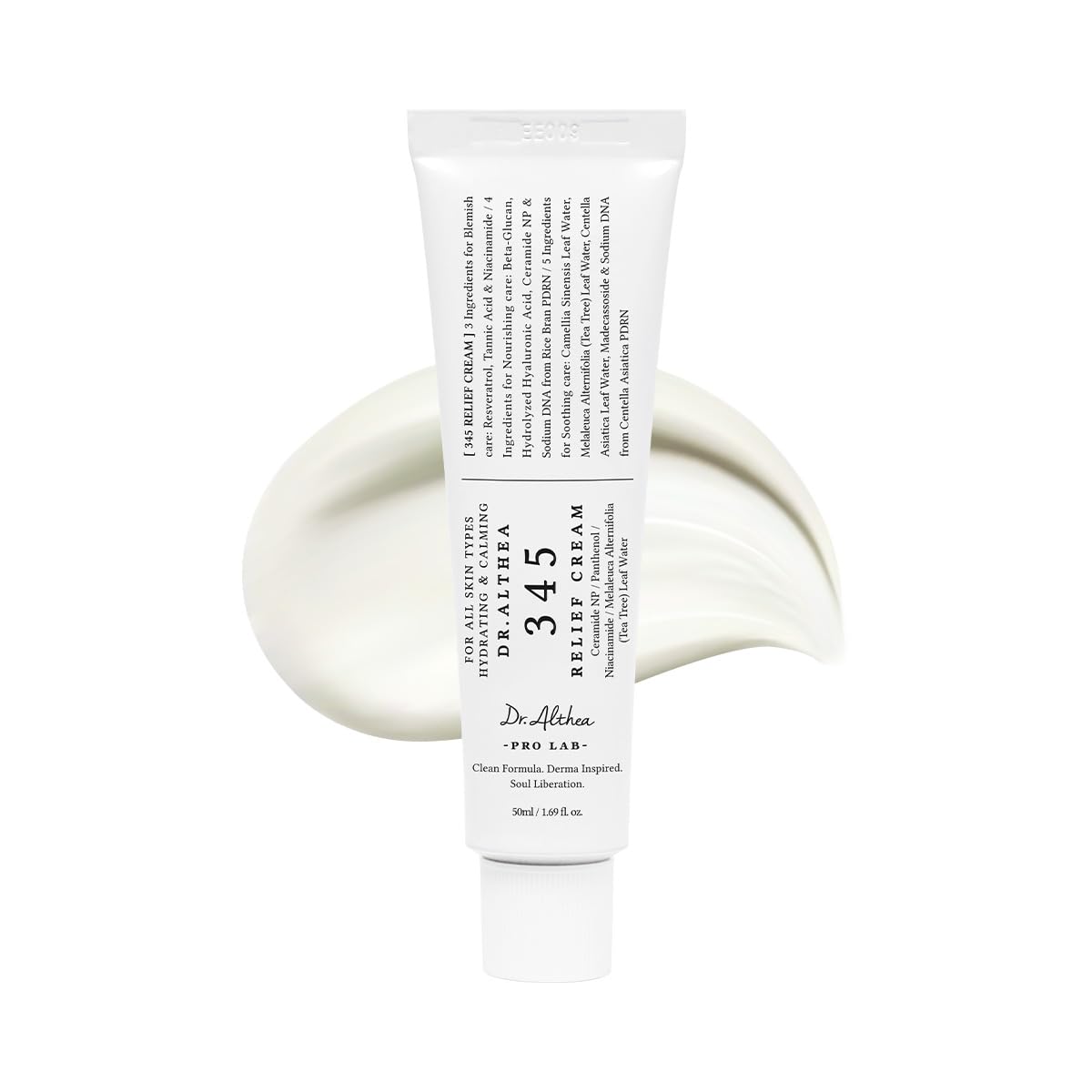
The Dr.Althea 345 Relief Cream takes a clinical approach to redness by incorporating PDRN—a polynucleotide that accelerates cellular repair—alongside niacinamide for barrier reinforcement. This isn’t a quick-cooling serum; it’s a daily moisturizer designed for recovery, making it ideal for skin that’s been compromised by over-exfoliation, environmental stress, or chronic sensitivity. The texture is a lightweight cream that melts into skin without leaving a sticky or greasy finish, which is critical when your skin is already inflamed and rejecting heavy occlusives.
The vegan formulation skips animal-derived ingredients entirely, which matters for anyone whose redness flares alongside ethical or allergy concerns. The 1.69 fl oz bottle lasts roughly two months with daily morning-and-night use, and the formula layers well under sunscreen—a non-negotiable step when treating redness-prone skin. The absence of fragrance, essential oils, and artificial colorants means zero sensory triggers during application.
Where this cream earns its top spot is the consistency of results over three to four weeks of regular use. Users report a visible reduction in diffuse redness across the cheeks and nose, with fewer reactive flare-ups after washing or temperature changes. The PDRN component is the differentiator here—most redness creams only soothe, but this one actively supports the structural repair that prevents the flush from returning.
Why it’s great
- PDRN actively repairs barrier function rather than just masking redness
- Vegan, fragrance-free, and cruelty-free formulation ideal for reactive skin
- Lightweight texture that layers well under makeup and sunscreen
Good to know
- Slightly higher price point reflects the clinical-grade PDRN ingredient
- Results require consistent use over 2–3 weeks before full effect is visible
2. SKIN1004 Azelaic Acid 10% Ampoule
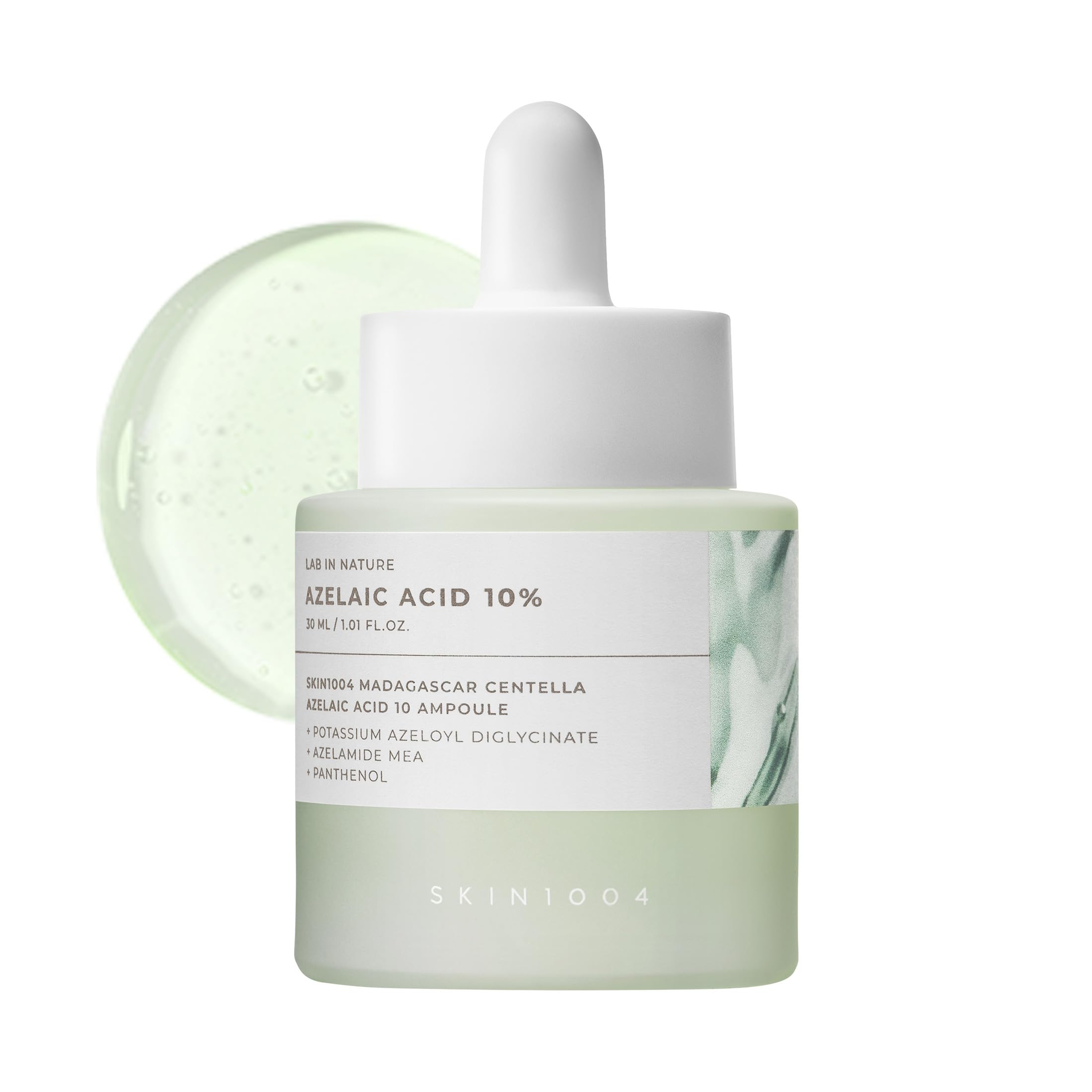
The SKIN1004 Azelaic Acid 10% Ampoule targets a very specific type of redness: the kind that travels alongside blemishes and breakout-prone skin. Azelaic acid at this concentration disrupts the bacterial environment that fuels inflammatory acne while simultaneously calming the visible redness around active pimples. The centella Asiatica base ensures that the anti-bacterial action doesn’t dry out or further irritate the skin—a common failure point with blemish treatments that strip the barrier.
The 1.01 fl oz ampoule uses a water-light consistency that absorbs in under thirty seconds, making it a strong candidate for layering under a moisturizer or sunscreen. Because azelaic acid can cause a mild tingling sensation on first application, the formula is optimized with soothing botanicals to keep that sensation brief and tolerable. The packaging uses a dropper system that dispenses small doses, preventing waste and keeping the active ingredients stable.
Users with combination to oily skin types report the most dramatic improvement, particularly when redness is concentrated around the chin, jawline, and forehead. The 10% concentration is potent enough for visible results within two weeks but gentle enough for daily use—provided you introduce it slowly every other day during the first week. This is the ampoule to reach for when your redness co-occurs with breakouts and you need a dual-action solution.
Why it’s great
- 10% azelaic acid tackles both redness and blemish-causing bacteria simultaneously
- Centella Asiatica base prevents the irritation that many blemish treatments cause
- Ultra-light, fast-absorbing texture suits oily and combination skin types
Good to know
- May cause mild initial tingling in very sensitive skin
- Smaller 1.01 fl oz bottle requires more frequent repurchasing for daily users
3. Dr.Jart+ Cicapair Sensitive Skin Moisturizer
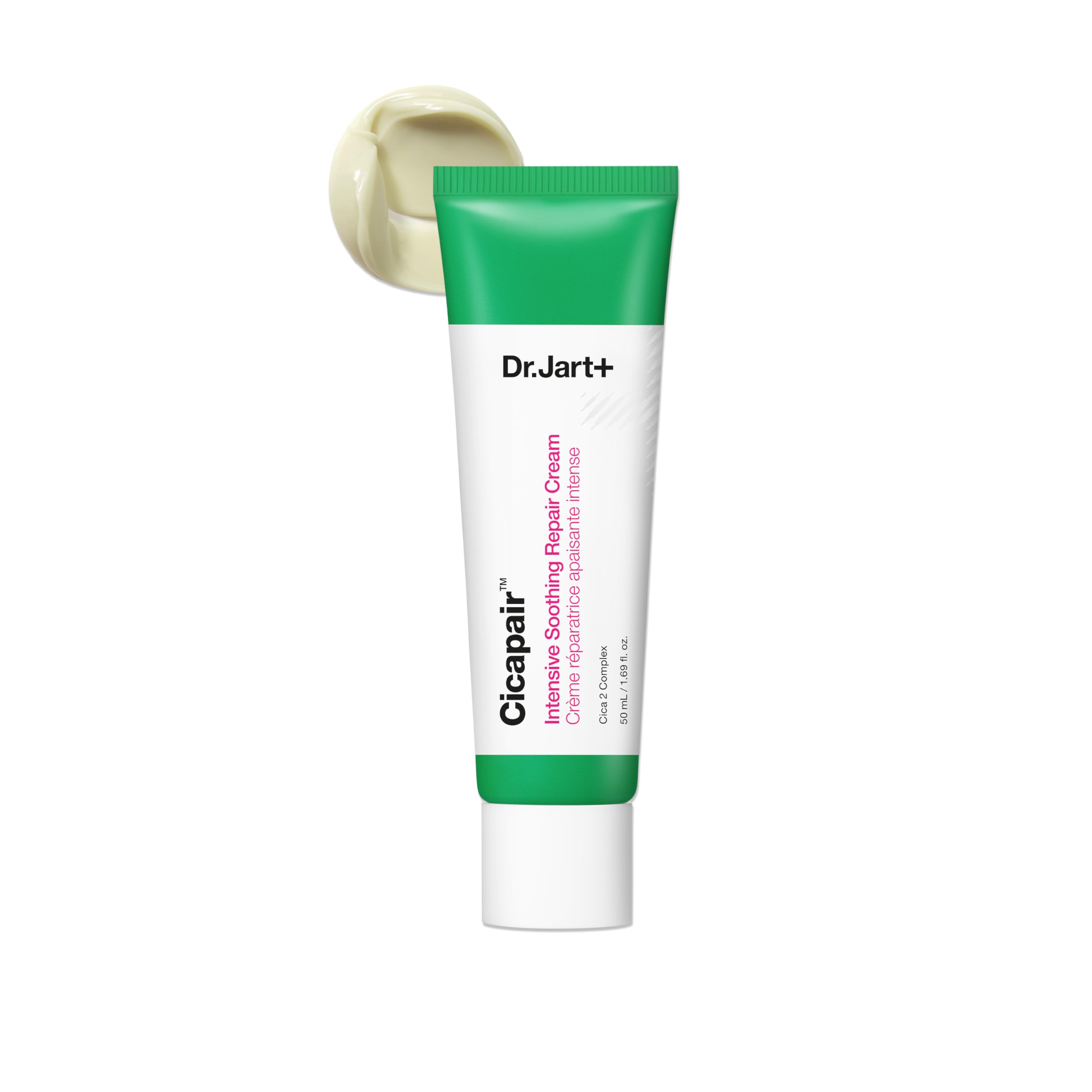
Dr.Jart+ built the Cicapair line around a single premise: that Centella Asiatica, when properly extracted and stabilized, can reduce redness at the barrier level rather than just on the epidermal surface. This moisturizer delivers a high concentration of cica extract in a medium-weight cream that’s rich enough for normal-to-dry sensitive skin but not so heavy that it clogs pores. The texture sits between a cream and a gel-balm, providing immediate comfort on contact.
What sets this apart from generic centella creams is the brand’s proprietary formulation technology that keeps the active compounds stable inside the jar. Many cica products degrade rapidly once opened, losing their calming potency within weeks. Dr.Jart+ packaging and preservation method ensures the centella remains effective throughout the entire three-month usage window. The moisturizer also contains a low concentration of niacinamide to support tone evening alongside the redness reduction.
This is the moisturizer you reach for when your redness is chronic but low-grade—the kind of general facial flush that never quite goes away. It won’t deliver the rapid cooling of a peptide serum or the aggressive anti-inflammatory action of azelaic acid, but it provides consistently reliable barrier support that prevents the redness from worsening during seasonal changes, air travel, or stress periods. It’s the steady foundation that everything else builds on.
Why it’s great
- Stabilized centella Asiatica maintains potency throughout the product’s lifespan
- Medium-weight texture suits both normal and dry sensitive skin types
- Reliable barrier defense that prevents redness from worsening under stress
Good to know
- May feel slightly heavy for oily or very humid climates
- Results are gradual—better as a maintenance product than a rescue solution
4. beplain Mung Bean Peptide Soothing Serum
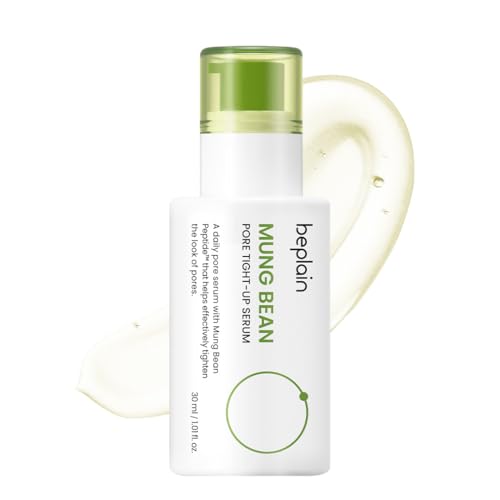
The beplain Mung Bean Peptide Soothing Serum solves a very specific problem: the type of redness that flares within minutes of heat exposure, exercise, or environmental triggers like wind and air conditioning. The mung bean extract provides an immediate cooling sensation that registers on contact—this is not a marketing claim but a physical temperature drop on the skin. The peptide complex works slower, reinforcing the barrier so that over time the skin becomes less reactive to those same triggers.
The 1.69 fl oz bottle uses a water-light serum texture that spreads easily across the face and neck. Because it contains no fragrance, essential oils, or artificial colorants, it’s safe to apply around the eye area and on the neck—both zones where redness often appears but where many serums cannot be used safely. The cooling effect lasts roughly five to eight minutes after application, providing a window of comfort that helps break the itch-scratch-redness cycle common in sensitive skin.
This serum excels as a morning step before moisturizer and sunscreen, particularly during summer months or for anyone who lives in a hot climate. It doesn’t treat post-acne marks or barrier damage caused by over-exfoliation—that’s not its job. Its job is to stop the immediate flush before it turns into hours of persistent redness, and it performs that function better than any other serum in this list.
Why it’s great
- Physical cooling sensation provides immediate relief for heat-triggered flush
- Fragrance-free and safe for eye area and neck application
- Peptide complex supports long-term barrier resilience
Good to know
- Cooling effect is temporary and requires reapplication after heavy sweating
- Not formulated to address post-inflammatory hyperpigmentation or acne marks
5. Anua Niacinamide 10 + TXA 4 Serum

The Anua Niacinamide 10 + TXA 4 Serum is built for the person whose redness is actually post-inflammatory hyperpigmentation—the lingering red, brown, or purple marks left behind after a pimple heals. With 10% niacinamide and 4% tranexamic acid, it delivers the highest concentration of pigment-correcting actives in this list. The hyaluronic acid base ensures the serum doesn’t dry out the skin while those actives work, which is critical because dehydrated skin looks redder regardless of how much pigment correction you apply.
The 1.01 fl oz bottle uses a watery texture that absorbs completely within seconds, leaving zero residue—an important feature for anyone layering multiple serums or living in humid conditions. The formula is fragrance-free and dye-free, with ceramides included to support barrier integrity during the brightening process. The brand recommends using it both morning and night, and it layers well under moisturizers and sunscreens without pilling.
Where this serum shines is the visibility of results within four weeks for stubborn post-acne marks. The 10% niacinamide concentration is high enough to be effective without causing the flushing reaction that some sensitive skin types experience with niacinamide above 5%. The tranexamic acid component accelerates the fade of red-toned marks specifically, making it a targeted solution for the redness that lingers after breakouts rather than the general facial flush that some other products address.
Why it’s great
- Highest niacinamide and tranexamic acid concentration in this guide for rapid pigment correction
- Ultra-light, watery texture absorbs instantly without residue or pilling
- Ceramides and hyaluronic acid prevent dehydration during treatment
Good to know
- Not designed for barrier repair or immediate cooling relief
- 10% niacinamide may cause initial purging in skin not accustomed to high-concentration actives
FAQ
Can I use azelaic acid and a peptide serum together for redness?
How long does it take for Korean redness serums to work?
Should I avoid sunscreen when using redness-targeting actives?
Final Thoughts: The Verdict
For most users, the korean skincare for redness winner is the Dr.Althea 345 Relief Cream because it combines barrier repair with PDRN and niacinamide in a formula that addresses both immediate flare-ups and long-term skin resilience. If you need immediate cooling relief from heat-triggered flush, grab the beplain Mung Bean Peptide Soothing Serum. And for targeting post-acne red marks specifically, nothing beats the Anua Niacinamide 10 + TXA 4 Serum.