Finding the right shoe for a child with flat feet means looking past fun colors and cartoon characters. The arch support, heel stability, and toe box width determine whether those little feet develop properly or spend the day aching. A shoe built for flat feet does more than fill a closet—it provides the foundation for active play without discomfort.
I’m Emma — the founder and writer behind Baby Bangs. I have spent years researching how children’s foot anatomy interacts with shoe construction, focusing on arch height, Pronation control, and the materials that offer genuine support without sacrificing flexibility.
After filtering through dozens of options based on podiatrist-recommended features and real parent feedback, I have compiled the definitive guide to the best kids shoes for flat feet that actually deliver the stability your child needs.
How To Choose The Best Kids Shoes For Flat Feet
Flat feet in children cause the arch to collapse inward during weight-bearing activity, leading to excess stress on the ankles and knees. The right shoe counteracts this with specific structural features. Here are the key considerations.
Arch Support and Heel Counter Rigidity
A firm heel counter keeps the rear foot aligned, preventing excessive rolling inward. Look for a shoe where you cannot easily pinch the heel material together—that indicates enough rigidity to control Pronation. The arch support should feel noticeable but not aggressive; a removable insole offers flexibility to add custom orthotics if needed.
Toe Box Width and Zero Drop Sole
Flat feet tend to be wider than average. A cramped toe box forces the toes to curl, which destabilizes the entire foot. A wide toe box allows the toes to spread naturally, providing a stable base. Zero-drop soles keep the heel and forefoot at the same level, encouraging a more natural gait that strengthens the foot’s intrinsic muscles over time.
Closure System and Adjustability
Hook-and-loop straps offer the most precise fit for small feet, allowing you to tighten the midfoot independently from the ankle. Bungee laces work well for kids who struggle with traditional laces, but they must be paired with a secure heel lock to prevent slipping. Avoid slip-on styles for active children with flat feet—they lack the adjustability needed for proper Pronation control.
Quick Comparison
On smaller screens, swipe sideways to see the full table.
| Model | Category | Best For | Key Spec | Amazon |
|---|---|---|---|---|
| ASICS GT-1000 13 | Premium | Active sport & Pronation control | Dual-density midsole arch support | Amazon |
| New Balance Fresh Foam Arishi V4 | Premium | All-day cushioning & comfort | Fresh Foam midsole with arch | Amazon |
| Kids Orthopedic Tennis Shoes | Premium | Orthotic support & pain relief | Built-in arch support & heel cup | Amazon |
| Ten Little First Walker | Mid-Range | Early walkers & wide feet | Breathable cotton, wide toe box | Amazon |
| New Balance 574 New-b | Mid-Range | Casual daily wear & style | Hook-and-loop closure | Amazon |
| WHITIN Minimalist Barefoot | Budget | Natural foot movement | Zero drop, wide toe box | Amazon |
| WHITIN Wide Toe Box Runner | Budget | Running & active play | Zero drop, flexible sole | Amazon |
In‑Depth Reviews
1. ASICS GT-1000 13 Pre School Running Shoes
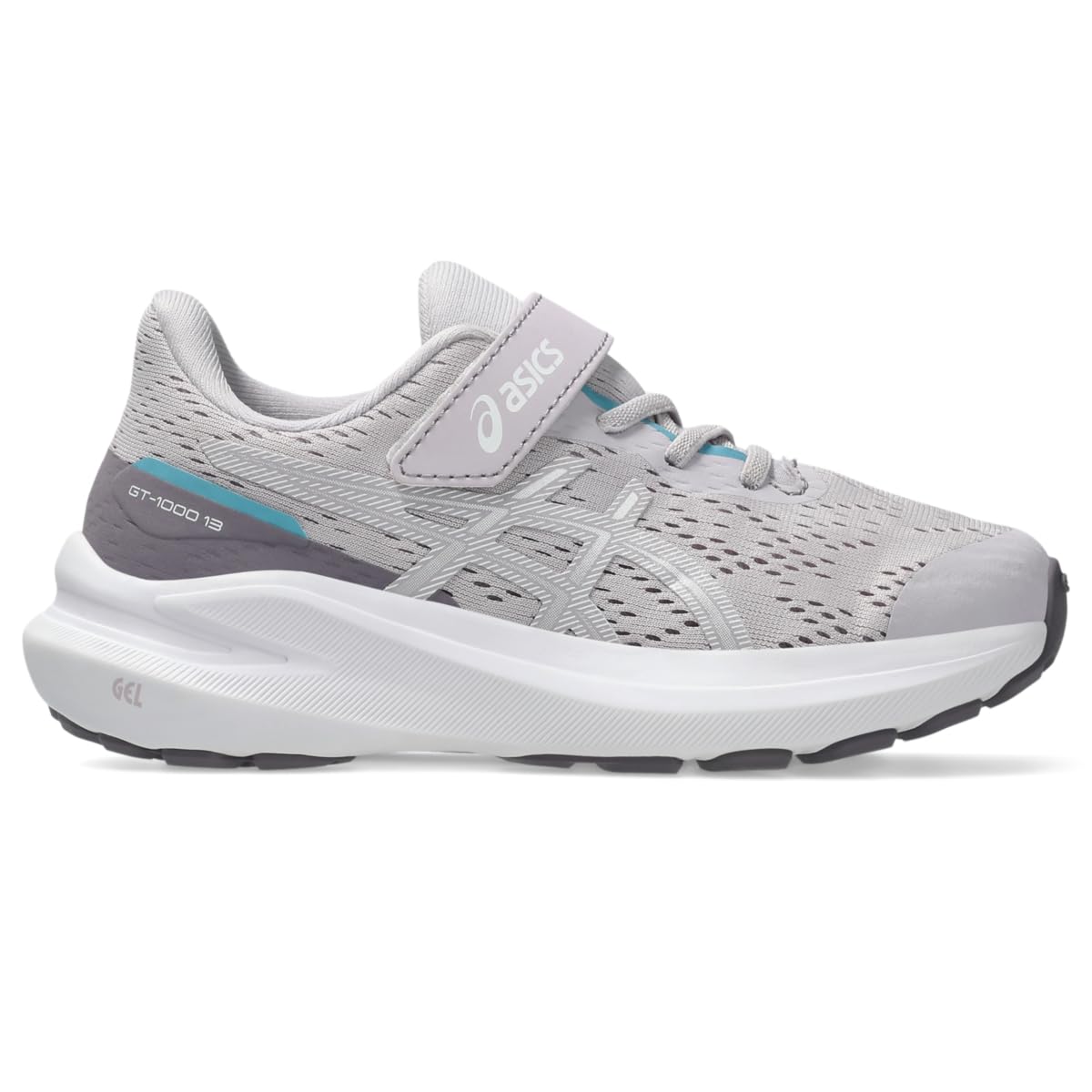
The GT-1000 13 from ASICS is purpose-built for children who Pronate during running. Its dual-density midsole places firmer material along the medial side, actively guiding the foot into a neutral alignment without feeling stiff under the arch. The heel counter wraps securely—you can feel the structure the moment your child puts them on.
The full-length rubber outsole provides traction on pavement and playground surfaces while the removable sockliner allows for custom orthotics if your child needs more aggressive correction. Parents report that kids stay comfortable through recess and after-school sports without complaining of heel or ankle pain.
Sizing runs true to standard children’s shoe sizes, and the traditional lace closure lets you dial in the fit across the midfoot. The pre-school sizing works best for ages 4 through 7. For active children who need motion control, this is the most complete package available.
Why it’s great
- Dual-density medial post corrects Pronation effectively.
- Removable sockliner accommodates prescription orthotics.
- Durable outsole holds up to heavy playground wear.
Good to know
- Traditional laces require adult help for younger children.
- Limited color options compared to mainstream sneakers.
2. New Balance Fresh Foam Arishi V4 Bungee
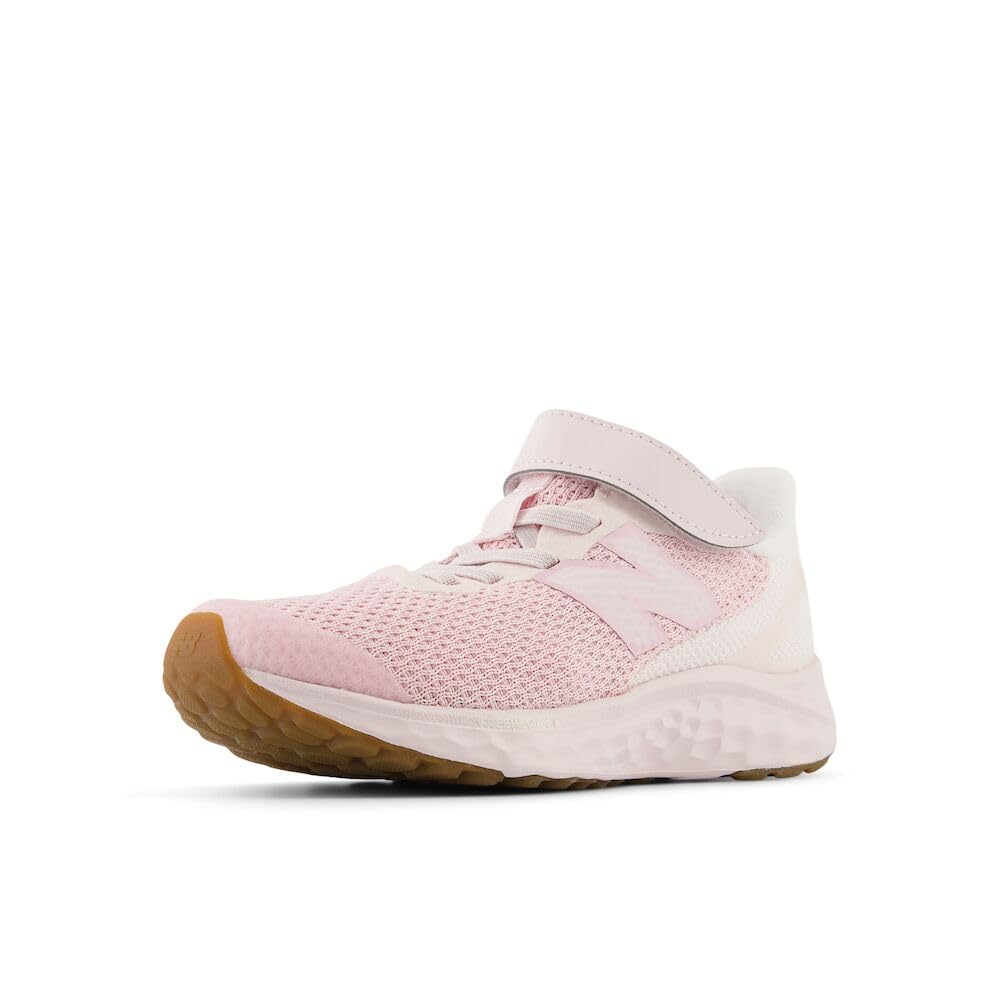
New Balance’s Fresh Foam midsole is plush without being mushy—a critical distinction for flat feet. The Arishi V4 uses a softer compound in the heel and forefoot with a denser section under the arch to resist collapse. The bungee lace system with a toggle lock makes on-and-off fast for reluctant toddlers.
The engineered mesh upper breathes well during warm weather and stretches slightly to accommodate a wide midfoot. The outsole features flex grooves that let the shoe bend at the natural ball of the foot rather than in the middle, reducing strain on the plantar fascia during running.
Parents note that the heel collar is well-padded, reducing the risk of blisters for kids who are prone to friction. The Fresh Foam Arishi V4 leans more toward comfort than Pronation correction, making it ideal for children with mild flat feet who need a forgiving daily shoe.
Why it’s great
- Plush Fresh Foam midsole with density variation for arch support.
- Bungee lace system is easy for kids to operate independently.
- Flex grooves promote natural foot mechanics.
Good to know
- Less Pronation control than dedicated stability shoes.
- Bungee tension cannot be custom-adjusted for different foot volumes.
3. Kids Orthopedic Tennis Shoes for Boys and Girls
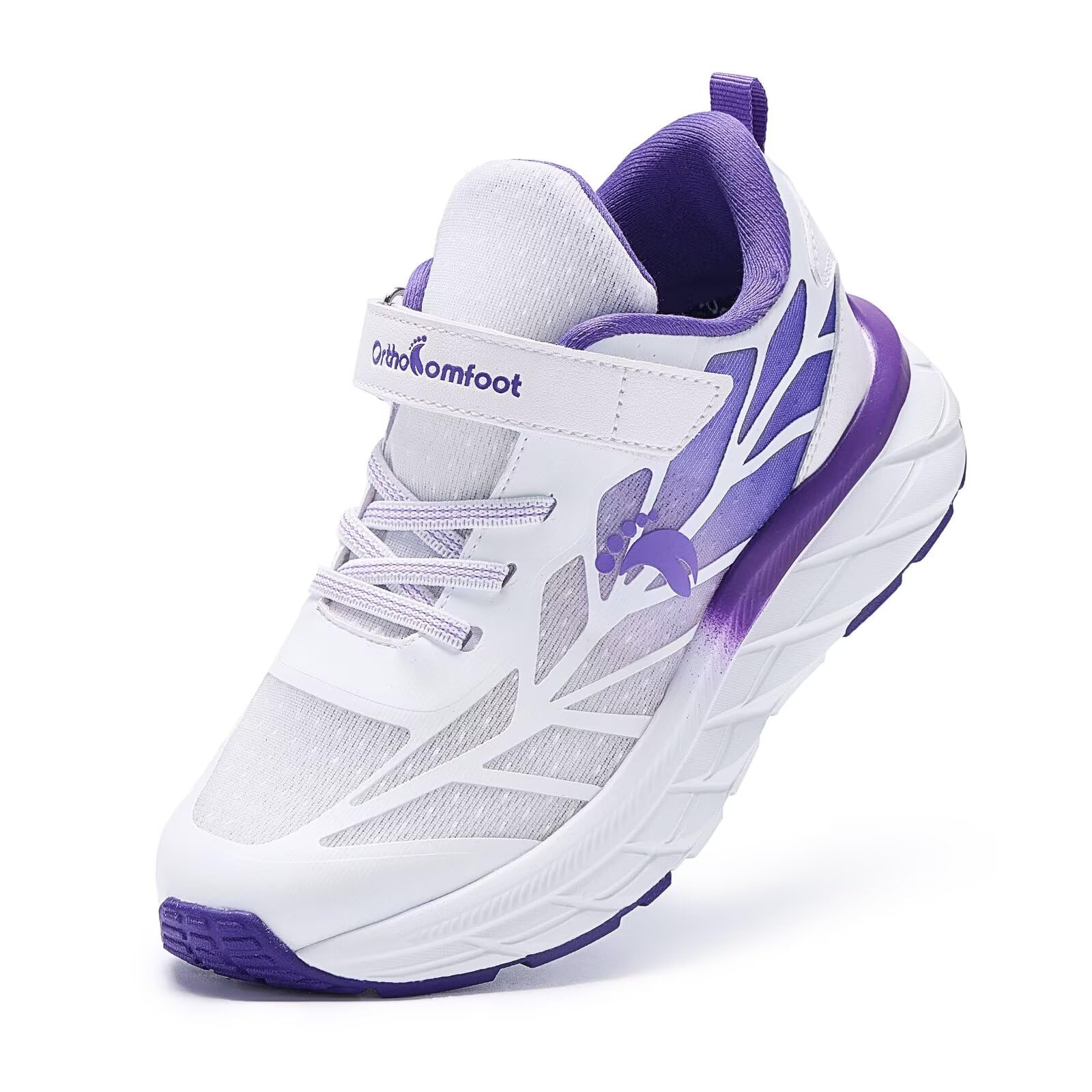
This model from the orthopedic-focused brand delivers targeted arch support through a molded heel cup and a contoured footbed that rises under the medial arch. The hook-and-loop closure system provides two independent adjustment zones—one over the midfoot and one at the ankle—allowing a custom fit for unusually wide or narrow feet.
The outsole is flat with a slight rocker motion at the toe to ease the walking cycle for children who over-Pronate. The upper is made from breathable mesh with synthetic overlays that add structure without adding weight. The manufacturer lists flat feet and plantar fasciitis as primary target conditions.
Several reviews from parents of children with diagnosed flat feet report reduced complaints of foot fatigue after switching to these shoes. The toe box is noticeably wider than standard children’s athletic shoes, accommodating orthotics without pressure on the toes. Sizing runs small—order a half size up.
Why it’s great
- Contoured footbed with medial arch support for Pronation control.
- Two-zone hook-and-loop closure for precise fit.
- Rocker toe eases walking for over-Pronating gait.
Good to know
- Runs small; plan to size up.
- Heel cup may feel firm for children not used to structured shoes.
4. Ten Little First Walker Baby Shoes
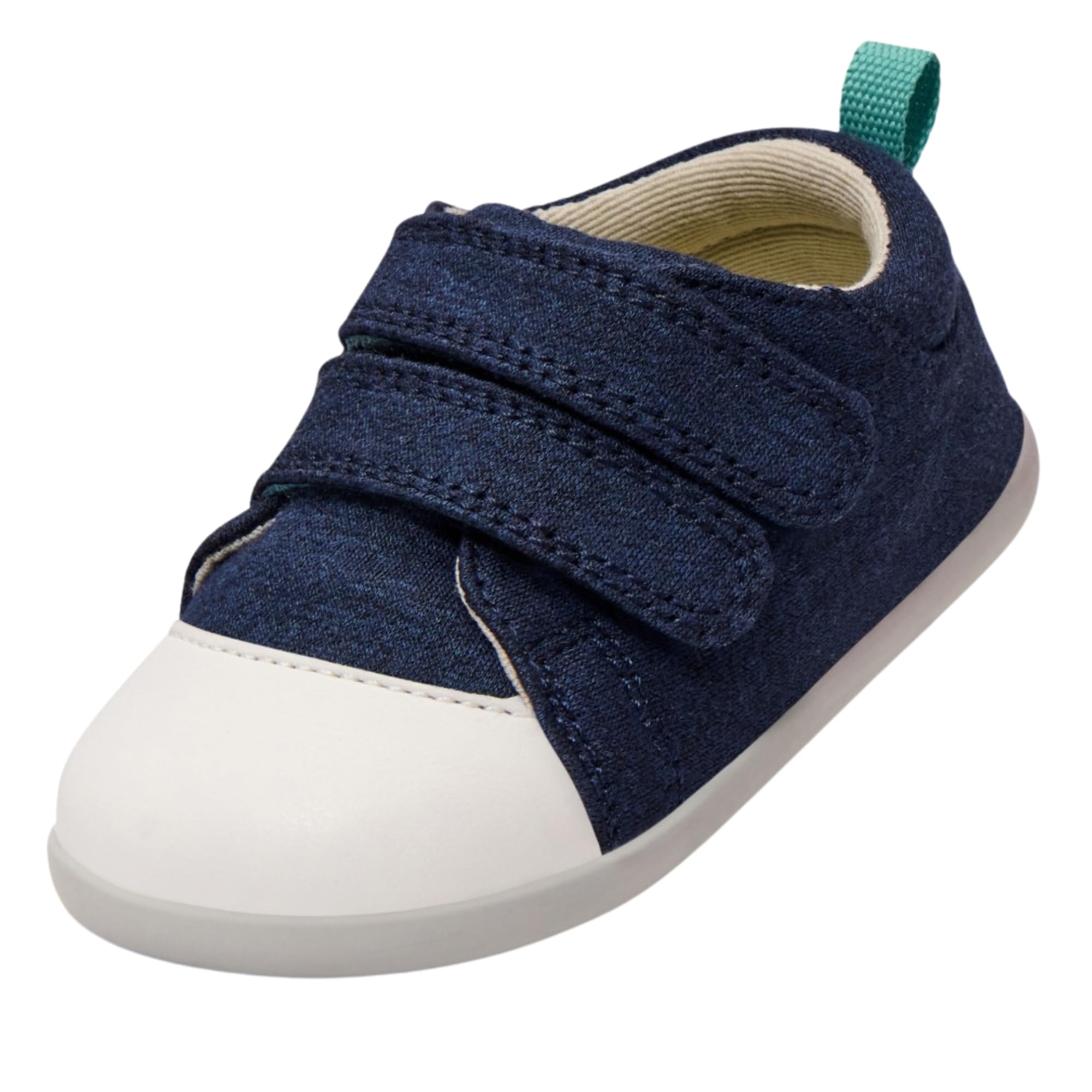
Ten Little focuses on the specific needs of early walkers. The First Walker features a wide toe box that lets the toes spread naturally, a thin and flexible sole that allows the foot to feel the ground, and a zero-drop platform that keeps the ankle in a neutral position. The cotton upper is machine-washable and extremely breathable.
The heel counter is soft enough for tiny feet but structured enough to prevent the shoe from twisting sideways during crawl-to-walk transitions. The outsole uses a natural rubber with small grip nubs that provide traction without gripping too aggressively, allowing the foot to slide slightly and learn balance.
This shoe is not designed for Pronation correction—it is for foot strengthening. The wide fit and minimal construction encourage the arch muscles to develop naturally. Best for children who are newly walking and do not yet need active stability support.
Why it’s great
- Wide toe box supports natural toe splay for developing arches.
- Machine-washable cotton upper is easy to clean.
- Flexible zero-drop sole strengthens foot muscles.
Good to know
- No built-in arch support for Pronation control.
- Best suited for indoor or shallow outdoor use only.
5. New Balance 574 New-b Hook-and-Loop
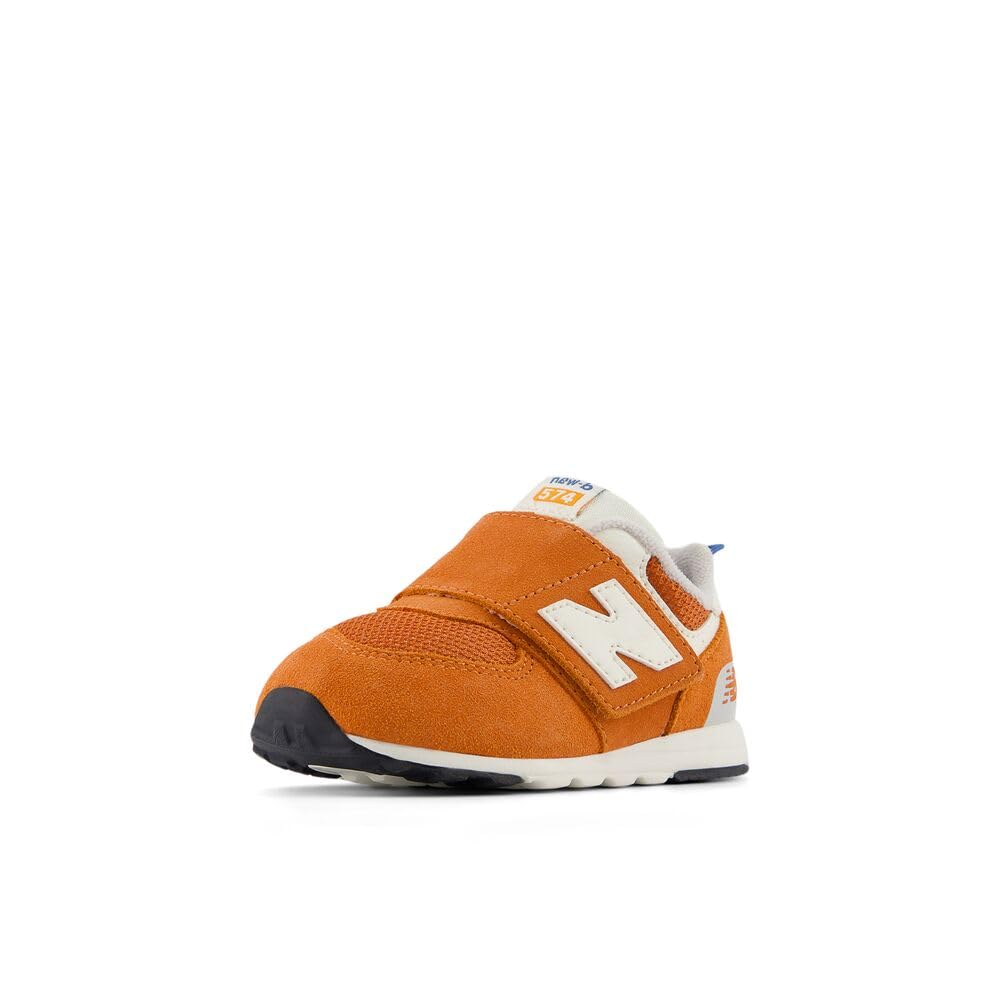
The New Balance 574 is an icon, and the New-b version adapts the classic silhouette for small feet with a hook-and-loop closure system. The ENCAP midsole combines a softer foam core with a harder polyurethane rim, offering mild Pronation resistance that works for children with slight arch collapse during daily walking.
The toe box is moderate width—not as generous as barefoot-focused shoes but wider than typical fashion sneakers. The heel counter is reinforced, making it difficult to crush laterally, which helps stabilize the rear foot during heel strike. The rubber outsole uses a waffle pattern for grip on varied surfaces.
Parents appreciate the durable construction that survives multiple children. The 574 New-b runs narrow through the midfoot, so it works best for children with average-to-slender feet. For kids with wide flat feet, you may need to size up half a width if available. Ideal for school and casual wear rather than heavy sports.
Why it’s great
- ENCAP midsole provides mild stability for slight Pronation.
- Hook-and-loop closure simplifies fitting for parents.
- Reinforced heel counter keeps rear foot aligned.
Good to know
- Narrow midfoot may not fit children with wide flat feet.
- Less cushioning than modern athletic sneakers.
6. WHITIN Minimalist Barefoot Shoes
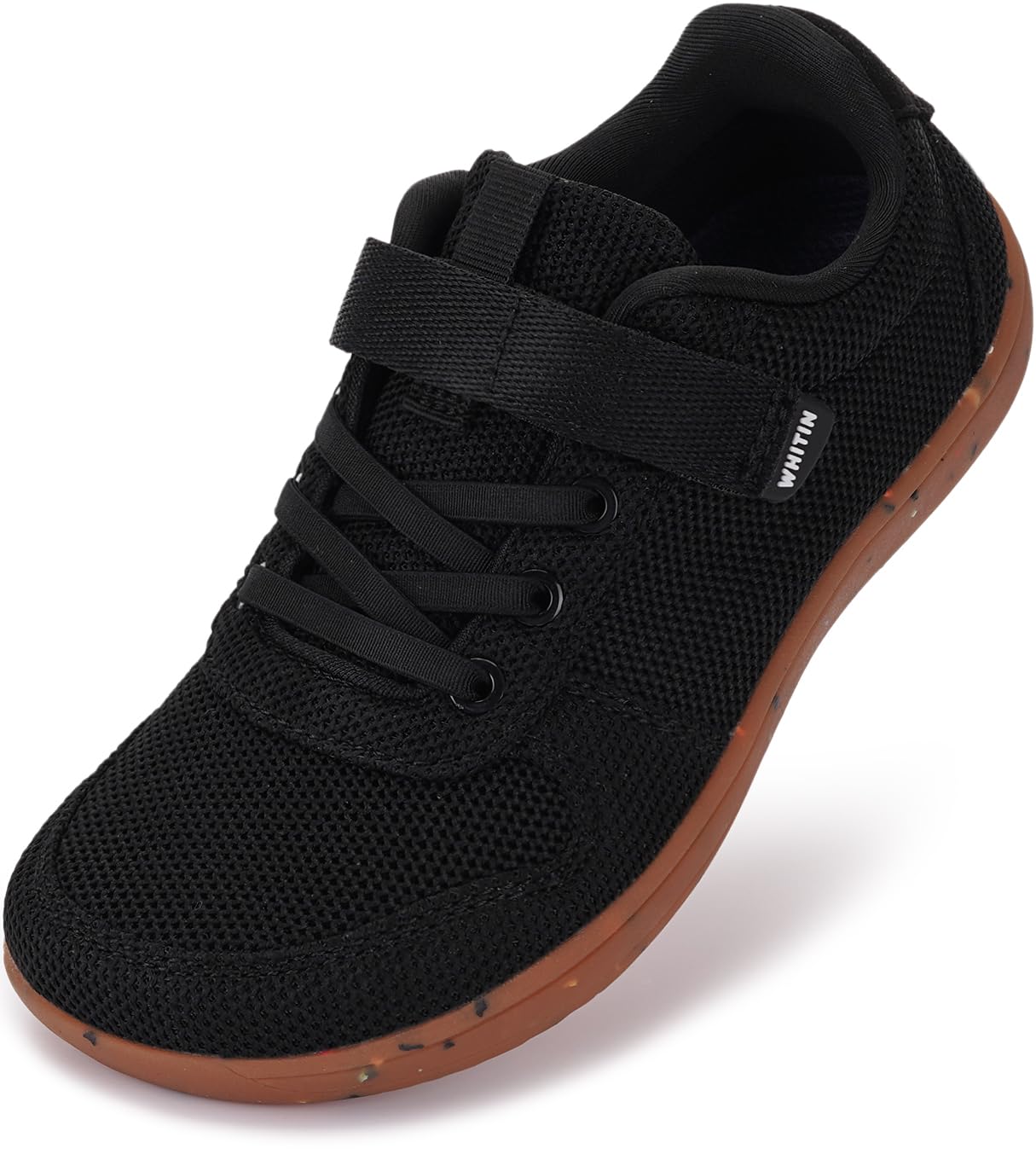
WHITIN’s minimalist barefoot shoe offers a zero-drop platform and a wide toe box that mimics the shape of a foot. The sole is thin and flexible, allowing the ground to be felt through the shoe—this proprioceptive feedback encourages the foot’s arch muscles to engage actively during walking and running.
The upper is made from a stretchy knit material that conforms to different foot volumes without pressure points. The outsole uses small rubber lugs for traction but remains flat enough to avoid interfering with natural foot mechanics. The closure is a simple elastic lace system with a cord lock.
These shoes serve as a budget-friendly entry into the barefoot movement. They are best for children who already have reasonable arch development and just need room to strengthen further—not for kids who require active Pronation control. The sizing runs large, and the wide fit means they may look bulky on very small feet.
Why it’s great
- Zero-drop sole and wide toe box promote natural foot function.
- Thin, flexible sole provides ground feel for muscle activation.
- Stretchy knit upper fits various foot shapes.
Good to know
- No arch support or Pronation correction built in.
- Sizing runs large; measure carefully before ordering.
7. WHITIN Wide Toe Box Running Tennis Shoes
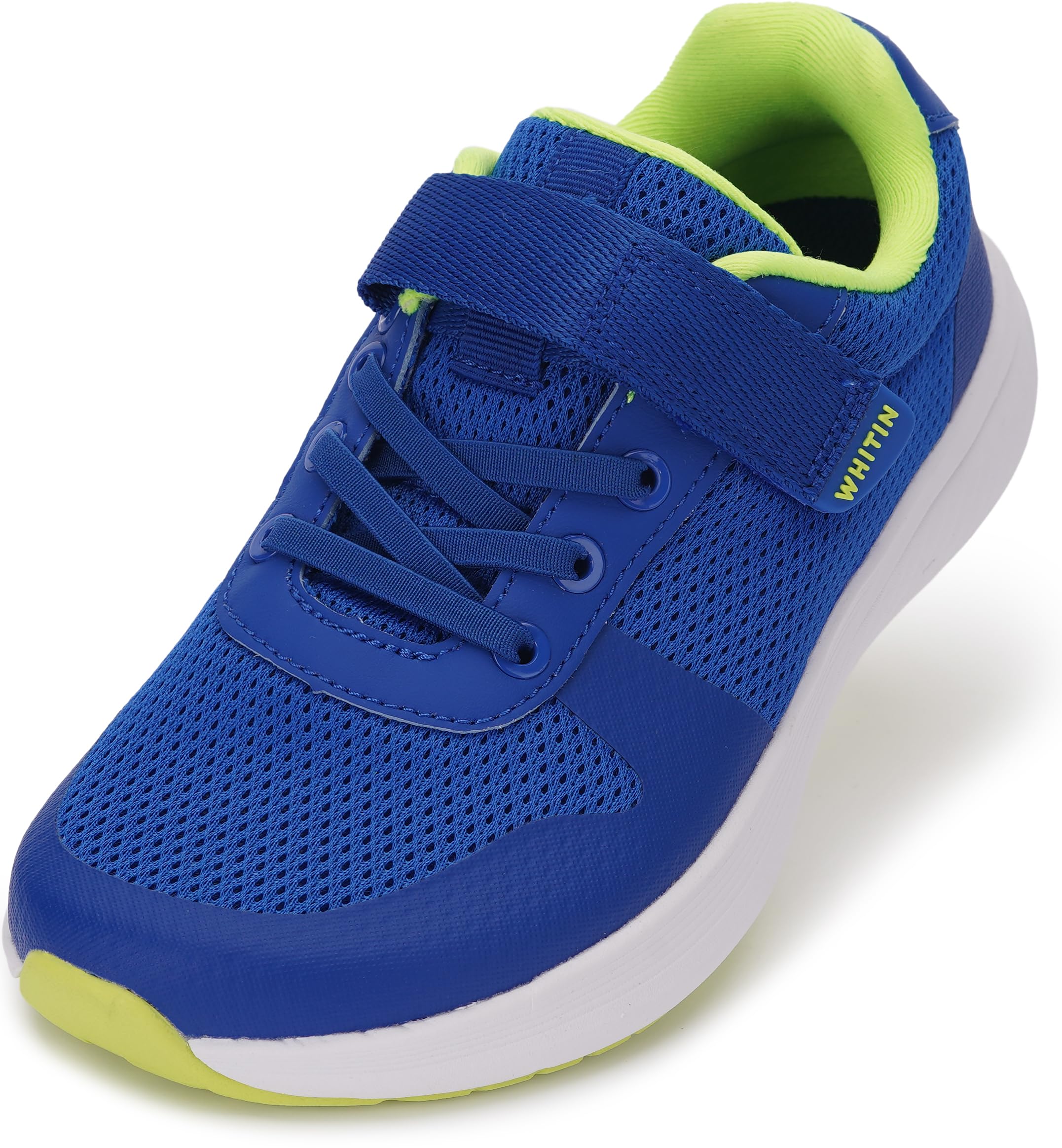
This WHITIN model takes the barefoot concept into a more sport-oriented design. The wide toe box and zero-drop sole remain, but the upper uses a denser mesh with TPU overlays for lateral support during cutting and running motions. The sole is slightly thicker than the minimalist version, offering a touch more protection on asphalt.
The outsole rubber extends up around the toe cap to protect against scuffs, and the insole is removable for easy cleaning or orthotic insertion. The lace closure provides a secure fit for the midfoot and heel, preventing the foot from sliding forward during stops and starts.
These shoes work well for children who have graduated from the minimalist stage but still need a wide toe box and zero-drop geometry. They are not designed for Pronation correction, but the flexible sole and spacious forefoot give developing arches the room they need to strengthen naturally during active play.
Why it’s great
- TPU overlays provide lateral stability for running and sports.
- Removable insole allows orthotic customization.
- Reinforced toe cap protects against scuffs and wear.
Good to know
- No medial post or arch support for Pronation control.
- Thicker sole than barefoot models reduces ground feel slightly.
FAQ
Is it better to buy flat feet shoes with arch support or go minimalist?
How do I know if my child needs Pronation control shoes?
Can I use custom orthotics in any of these shoes?
What is the right time to transition from baby shoes to toddler running shoes?
Final Thoughts: The Verdict
For most users, the best kids shoes for flat feet winner is the ASICS GT-1000 13 because its dual-density medial post provides the most effective Pronation control for active children, combined with durability that holds up through recess and sports. If you want all-day cushioning and easy on-and-off convenience, grab the New Balance Fresh Foam Arishi V4. And for young children just starting to walk and who need a wide toe box for natural arch development, nothing beats the Ten Little First Walker.