Handing a child a smartphone with full internet access is a decision that introduces anxiety, screen battles, and constant vigilance. The right kids phone flips that script, giving you control and giving your child only what they need for communication and safety.
I’m Emma — the founder and writer behind Baby Bangs. I’ve spent years dissecting the hardware and parental control software in this category to find which devices actually protect a child’s attention.
After reviewing seven leading models on specs, safety architecture, and real-world usability for ages 5 to 14, I’ve built a guide to the best kids phone options that balance independence with robust digital guardrails.
How To Choose The Best Kids Phone
Not all kids phones are built the same. Some run a restricted version of Android that a determined 10-year-old can bypass. Others are locked down at the carrier level. Here are the three filters that matter most.
Parental Control Architecture
Look for phones where the parental controls are tamper-proof — meaning your child cannot delete the monitoring app or change settings without your pin. Bark and Pinwheel lead here with apps that survive factory resets. Gabb and Troomi offer carrier-level blocking that stops social media at the network level, not just through an app.
GPS Tracking Precision
The best kids phones share location data that updates every few minutes, not every hour. Troomi and Gabb both use real-time GPS that works even when the phone is in power-saving mode. If you need geofencing alerts (text when your child leaves school), confirm the model supports zone-based triggers.
Age-Appropriate Content Limits
For ages 5-8, a device like KOKODI or PROGRACE that offers pre-loaded educational games and zero web browsing is ideal. For ages 9 and up, a phone that allows whitelisted apps (like Pinwheel) gives more flexibility without opening the full app store. Avoid any phone that defaults to an open browser.
Quick Comparison
On smaller screens, swipe sideways to see the full table.
| Model | Category | Best For | Key Spec | Amazon |
|---|---|---|---|---|
| Pinwheel Plus 5 | Premium | Full app safety ratings (1,200+) | Unlocked, 1,200+ safety ratings | Amazon |
| Bark Phone | Premium | Social media & text monitoring | Tamper-proof controls, GPS | Amazon |
| Gabb Phone 4 | Mid-Range | Ages 9-13, no browser at all | Carrier-level web blocking | Amazon |
| Troomi Safe Phone | Mid-Range | GPS & text monitoring | Samsung Galaxy A16 base | Amazon |
| Teracube Thrive | Mid-Range | Android flexibility with controls | Parental control app pre-installed | Amazon |
| KOKODI 4 Inch | Budget | Young kids (3-10) learning games | 200+ pre-loaded games | Amazon |
| PROGRACE Kids Smart Phone | Budget | Entry-level talk & text (ages 5-14) | 4.2″ touchscreen, dual camera | Amazon |
In‑Depth Reviews
1. Pinwheel Plus 5 Kids Smartphone
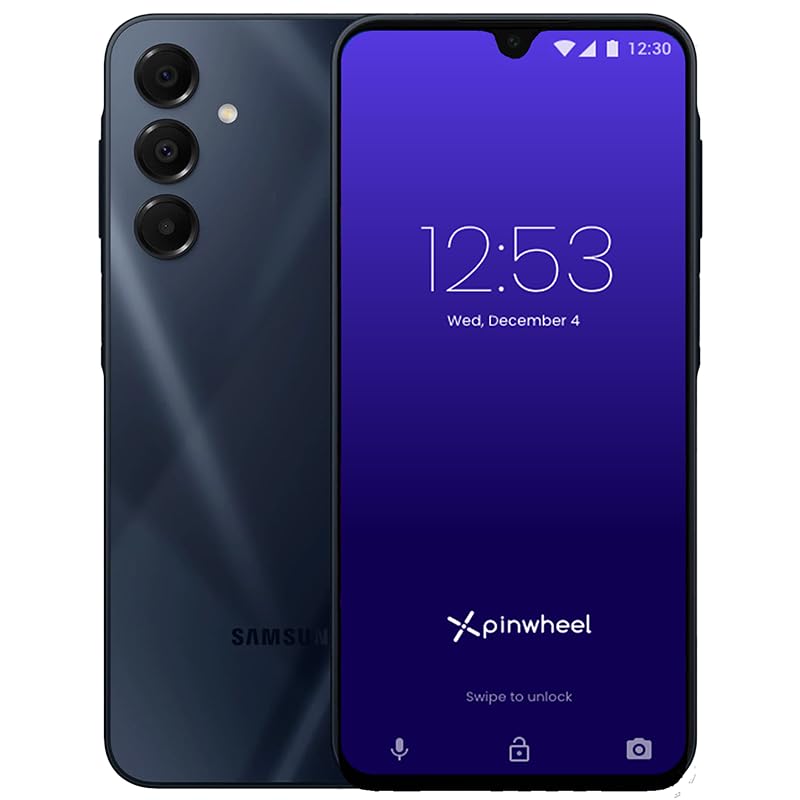
Pinwheel built its entire ecosystem around the idea that every app gets a safety rating before your child can download it. With over 1,200 app ratings, you get granular control over what’s allowed — from Roblox to Duolingo. The phone itself is a modern Android device, unlocked for GSM carriers, and supports customizable screen time schedules that lock the phone automatically at bedtime.
The parental dashboard is accessible from your own phone or computer. You can whitelist contacts, block unknown numbers, and view GPS location history. Pinwheel also offers a “First Month Free” trial of its service plan with no activation fees. For parents who want full app safety without blocking everything, this is the most balanced system on the market.
One trade-off: because the phone is a full Android device under the hood, it ships with a slightly higher starting cost. The upside is that it grows with your child — you can gradually open more apps as they demonstrate responsibility, making it ideal for ages 8 through 18.
Why it’s great
- App rating system means no guesswork on what to block
- Unlocked and works with multiple carriers
- No activation fees and first month of service free
Good to know
- Premium hardware cost; requires a monthly service plan after the trial
- Limited to GSM networks; will not work on CDMA carriers like Verizon
2. Bark Phone
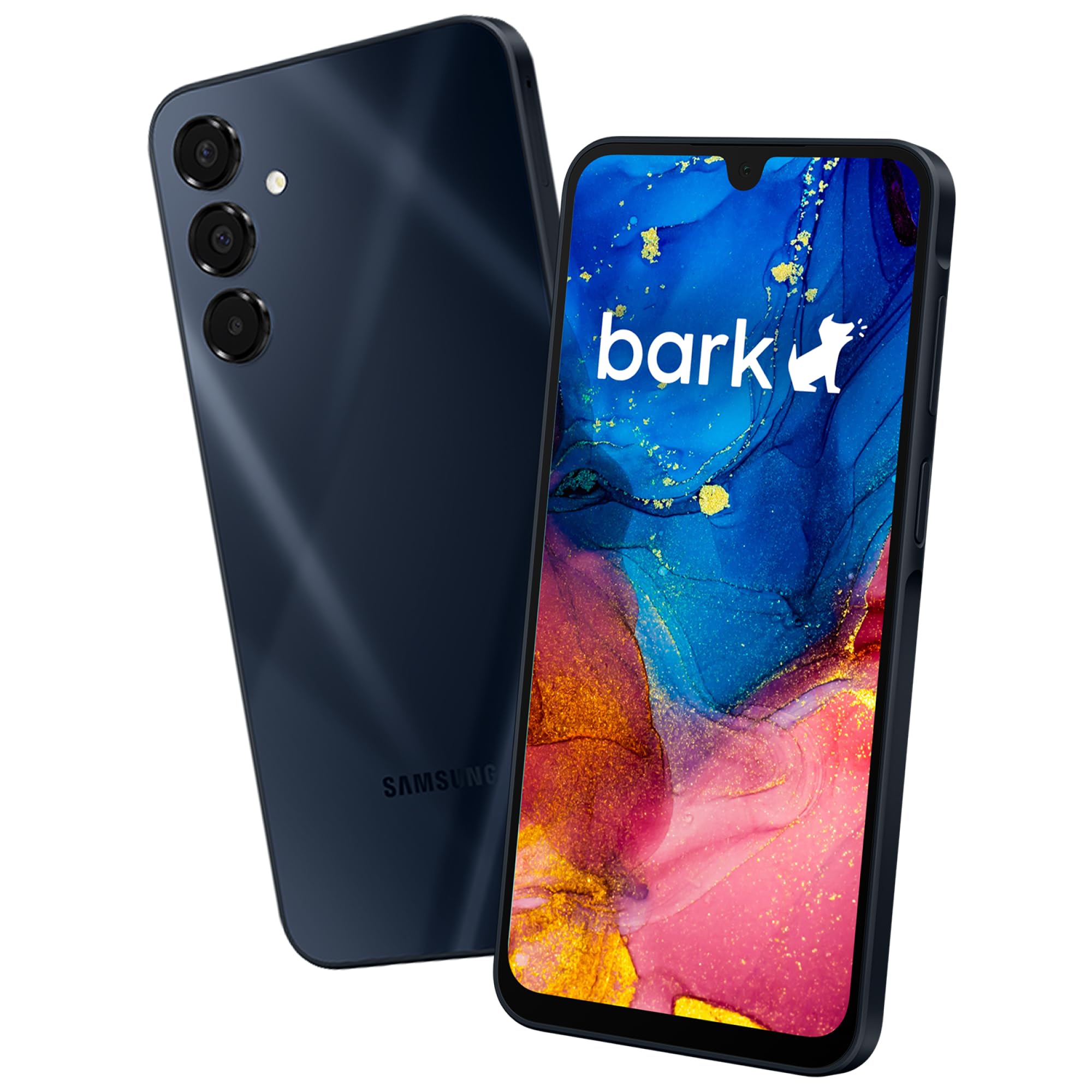
Bark is known for its award-winning monitoring service, and the Bark Phone brings that same detection engine to a dedicated device. It monitors texts, social media, emails, and photos for signs of bullying, depression, or online predators. The parental controls are tamper-proof — meaning your child cannot delete the Bark app or bypass the restrictions.
The device itself is a Samsung Galaxy A16, a reliable mid-range Android phone. Bark locks down the Play Store, blocks adult content at the DNS level, and provides GPS tracking with location history. If your child attempts to access a blocked site, you receive an alert. The phone also supports app time limits per app category.
Bark requires a monthly subscription for the monitoring service. For parents who want a phone that actively scans for dangerous interactions rather than just blocking sites, this is the most proactive option. The unlimited talk and text plan is included with the Bark service.
Why it’s great
- Actively monitors for cyberbullying and safety threats
- Tamper-proof controls survive factory reset attempts
- Includes unlimited talk and text
Good to know
- Requires a monthly Bark subscription; not a one-time purchase
- Phone is locked to Bark’s service; cannot be used independently
3. Gabb Phone 4
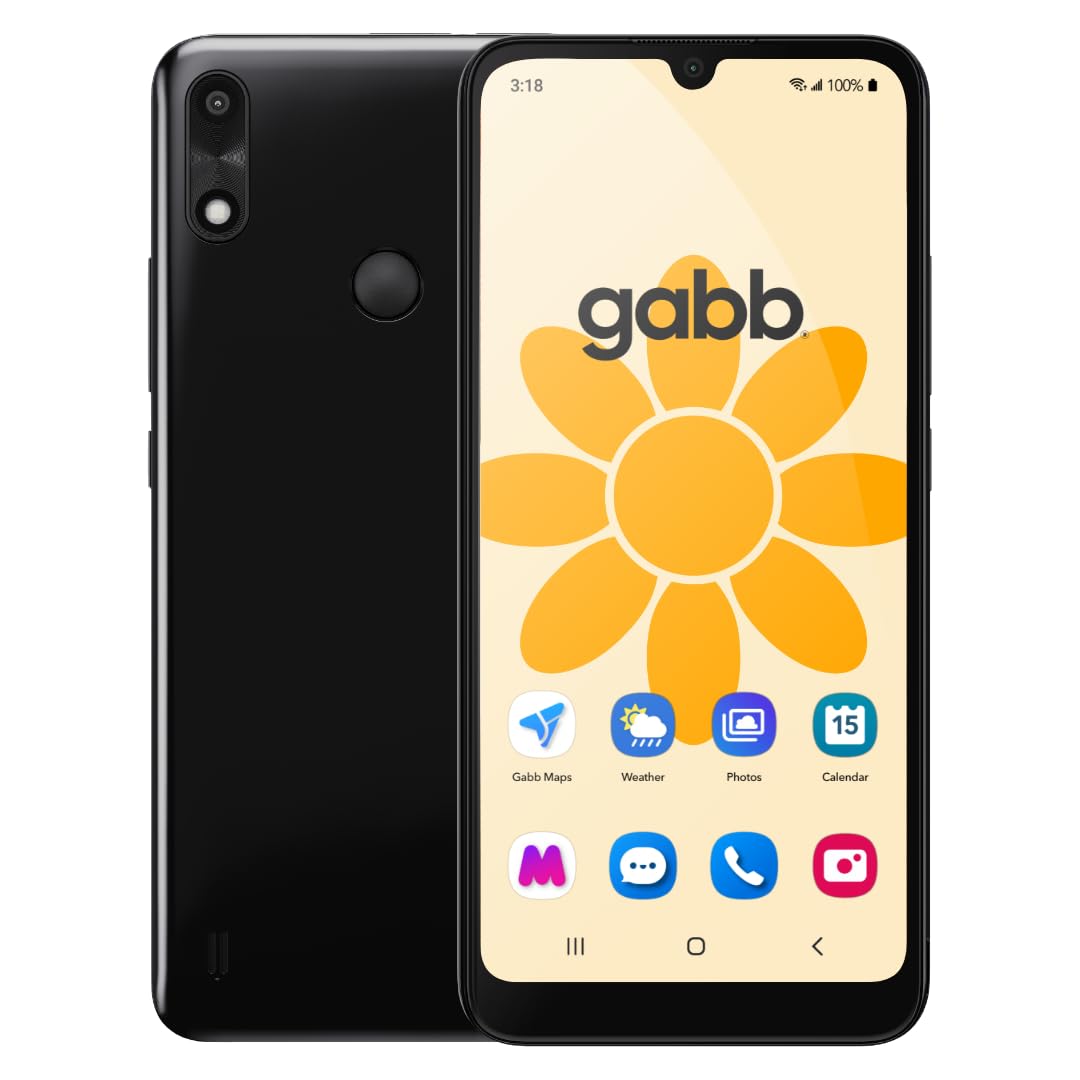
The Gabb Phone 4 is engineered for one purpose: a phone that cannot access the internet. There is no web browser, no social media, and no app store. Instead, Gabb includes a handful of pre-installed apps like a calculator, camera, alarm clock, and music player. The parental control dashboard lets you manage contacts, screen time, and location from your own device.
This phone uses Gabb’s own carrier network to block web traffic at the network level — not just through software. That means even if a tech-savvy kid finds a backdoor, the network itself rejects the data. GPS tracking updates every few minutes and provides geofencing alerts when your child enters or leaves a designated zone.
Gabb requires a monthly service plan with an activation fee. The hardware is a custom Android device with a 5.5-inch screen, making it small enough for younger hands. It is specifically recommended for ages 9 to 13, the sweet spot before most teens need app-based learning tools.
Why it’s great
- Network-level web blocking, not just app-based
- No social media or browser — period
- GPS geofencing with real-time location updates
Good to know
- Requires Gabb’s own service plan with activation fee
- Limited to Gabb’s curated app list; no flexibility for app whitelisting
4. Troomi Safe Phone (Samsung Galaxy A16)

Troomi packages a Samsung Galaxy A16 with its own safety operating system on top of Android. The result is a phone that can run thousands of popular apps but only the ones you approve through the Troomi parent dashboard. You can let your child use Spotify, Duolingo, or Khan Academy while blocking YouTube, TikTok, and any web browser.
The GPS tracking in Troomi is among the best in class — it updates every few minutes, even when the phone is in low-battery or power-saving mode. You can set geofences around school, home, and friends’ houses and receive alerts when your child crosses those boundaries. The dashboard also shows battery level and cellular signal strength.
Troomi requires a service plan (no activation fee mentioned on the product page). The phone purchase is separate from the plan. For parents who want modern Samsung hardware with full app control and premium GPS, this is a strong mid-range contender. One note: the A16 is a plastic-bodied device, so consider a case for younger users.
Why it’s great
- Best-in-class GPS with frequent updates and power-saving mode
- Uses a reliable Samsung Galaxy A16 base
- App whitelisting with thousands of safe app options
Good to know
- Requires a Troomi service plan
- Plastic build may not survive drops without a case
5. Teracube Thrive Kids Smart Phone

Teracube Thrive takes a different approach: it gives you full Android with a pre-installed parental control app that you manage from your own phone. The app allows you to block specific apps, set screen time limits, and view location history. Because it runs standard Android, you have access to the full Google Play Store, but you can restrict it to approved apps only.
The phone is unlocked and compatible with most GSM carriers, so you can use your existing plan or pick a budget MVNO. Teracube also focuses on sustainability with a 4-year warranty and a replaceable battery — a rare feature in modern phones. The screen is a 6.1-inch HD+ display, good for watching educational content.
One consideration: the parental control app can be uninstalled by a tech-savvy child if they have the phone’s admin password. For younger kids (under 10), this is less of a risk. For older teens who might try to bypass controls, you may want a phone with carrier-level blocking like Gabb or Bark.
Why it’s great
- Full Android flexibility with parental control app
- Unlocked for any GSM carrier
- 4-year warranty and replaceable battery
Good to know
- Parental control app can be bypassed by determined older kids
- Requires a monthly service plan (choose your own carrier)
6. KOKODI 4 Inch Kids Smart Phone
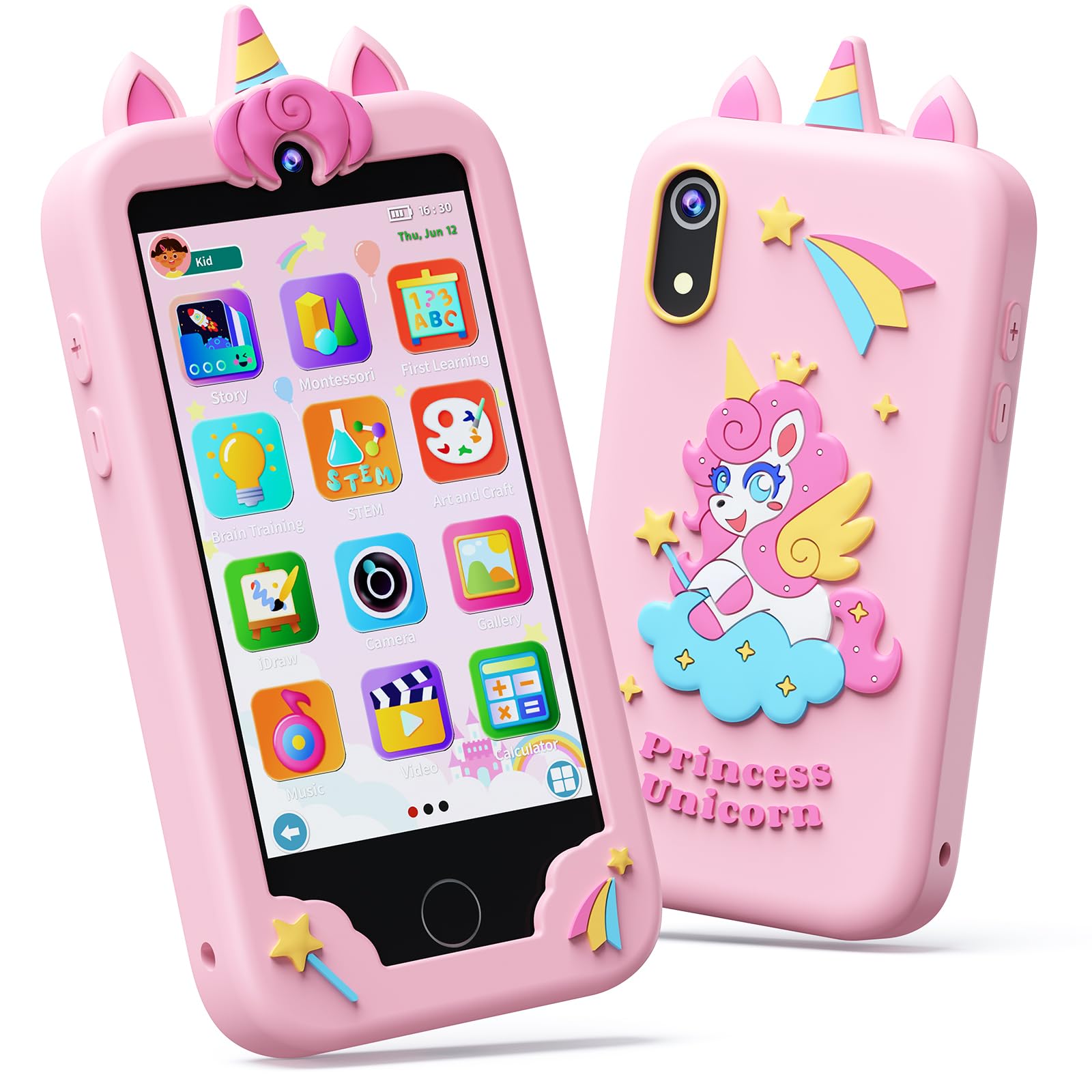
The KOKODI is not a cellular phone — it is a learning toy shaped like a phone. It comes loaded with over 200 educational games covering math, spelling, logic, and creative activities. The 4-inch touchscreen is paired with a dual camera that lets kids take pictures and apply fun filters. There is no SIM slot, no web browser, and no way to make calls or send texts.
This device is ideal for ages 3 to 10 as a first “phone” that teaches responsibility without the risks of connectivity. The games are designed to be educational rather than addictive, and there is no in-app purchasing or advertising. The battery lasts for about 4-5 hours of continuous play, which is reasonable for a toy of this class.
Because this is not a real phone, it does not require a service plan. It charges via USB-C. For parents who want a screen-based learning tool that looks like a phone but has zero online exposure, the KOKODI is a great entry-level choice. Just note that it will not replace a communication device when your child starts going to playdates alone.
Why it’s great
- Zero internet access — completely safe for young kids
- 200+ educational games teach real skills
- No monthly plan, no SIM required
Good to know
- Cannot make calls or send texts — not a communication device
- Battery life around 4-5 hours of active use
7. PROGRACE Kids Smart Phone
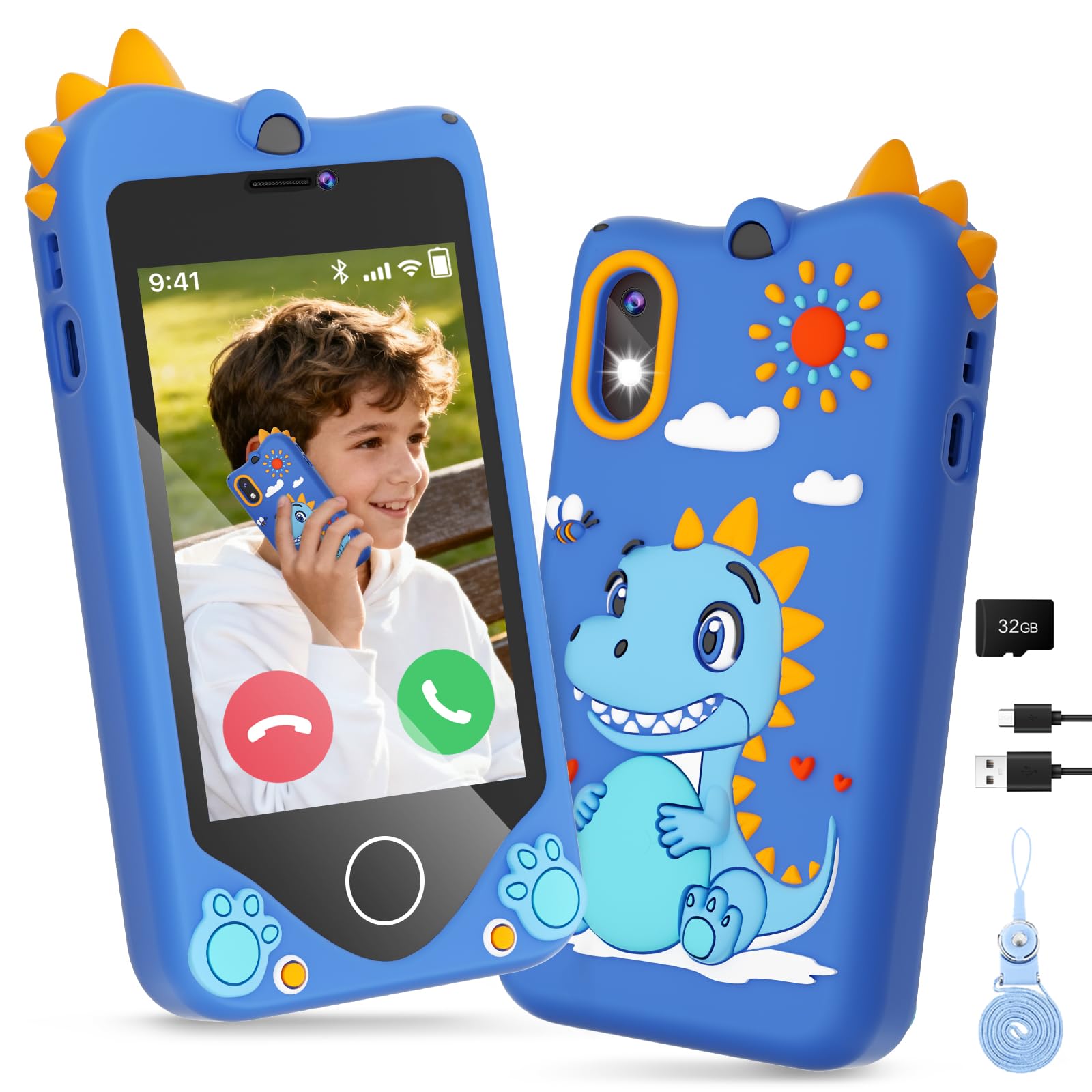
The PROGRACE Kids Smart Phone is a dedicated talk-and-text device with a 4.2-inch touchscreen and a dual camera. It includes parental controls that let you manage contacts, set time limits, and block unwanted calls. The phone runs a simplified Android system that blocks app store access, meaning your child cannot download new apps without your approval.
This device targets ages 5 to 14 with a focus on basic communication. The interface is colorful and intuitive for young users. The dual camera is fun for photos and video calls with approved contacts. GPS location sharing is supported through the parent app, though the update frequency is not as fast as dedicated safety phones like Troomi or Gabb.
The PROGRACE requires a SIM card and a carrier plan (GSM only). The phone is budget-friendly, making it a good starter device if you are not ready to commit to a higher-end kids phone. The trade-off is that the camera quality is average, and the processor is slow for anything beyond talking and texting.
Why it’s great
- Simple talk-and-text interface; no app store access
- Dual camera for photos and video calls
- Budget-friendly entry point for kids phones
Good to know
- GPS updates less frequent than premium competitors
- Processor is slow for anything beyond basic tasks
FAQ
Can my child bypass the parental controls on a kids phone?
Do all kids phones require a monthly service plan?
What is the right age for a kids phone with GPS tracking?
Final Thoughts: The Verdict
For most users, the best kids phone winner is the Pinwheel Plus 5 because pairs a 1,200+ app safety rating system with an unlocked Android device, giving parents granular control without locking the phone to a single carrier. If you want active monitoring that scans for cyberbullying and predator threats around the clock, grab the Bark Phone. And for absolute zero-browser safety with network-level blocking for a younger child, nothing beats the Gabb Phone 4.