Keto flours are a minefield of gummy textures, bitter aftertastes, and recipes that fall apart the minute you try to pick up a slice of bread. The wrong choice turns your Saturday morning pancakes into a sad, crumbly mess. A great keto flour, on the other hand, mimics wheat’s structure closely enough that the people around the table won’t even ask.
I’m Emma — the founder and writer behind Baby Bangs. I routinely pressure-test low-carb baking blends against real-world abuse: high-moisture doughs, high-fat batters, and the kind of protein-heavy mixes that usually turn into hockey pucks.
This guide breaks down the five products most likely to survive a real kitchen. Read through to find the best keto flour for flavor, texture, and whatever you’re baking.
How To Choose The Best Keto Flour
The keto baking aisle can feel like a chemistry experiment gone wrong. Three variables separate a winner from a wasted bag: the base nut or legume, the grind consistency, and the protein density. Understanding these will let you buy with confidence rather than hope.
Base Ingredient & Flavor Profile
Almond flour produces a neutral, slightly sweet base that works in cookies and cakes but can make savory items taste dessert-like. Lupin flour delivers a beanier, more savory backbone that stands up to pizza crusts and flatbreads. Peanut flour adds a distinct roasted note ideal for brownies, sauces, or low-carb blondies. The correct base determines whether your final dish tastes correct or slightly off.
Grind Size & Moisture Absorption
Extra-fine grinds, like culinary-grade blanched almond flour, absorb liquid more evenly and produce a smoother batter without grittiness. Coarser grinds require more egg or fat to compensate and can leave a sandy mouthfeel. If your dough feels too wet after following a recipe exactly, the flour’s grind is likely too coarse for the intended hydration ratio.
Net Carbs and Fiber Content
Low net carbs are non-negotiable, but the fiber profile matters just as much. Flours high in insoluble fiber (like lupin) create structure and chew; flours high in soluble fiber (like some nut blends) improve moisture retention. A good keto flour should keep net carbs under 4 grams per serving while providing enough bulk to replace wheat’s gluten network.
Quick Comparison
On smaller screens, swipe sideways to see the full table.
| Model | Category | Best For | Key Spec | Amazon |
|---|---|---|---|---|
| Anthony’s Blanched Almond Flour | Premium | Fine pastries & macarons | Extra-finely ground, 5 lb box | Amazon |
| Bob’s Red Mill Paleo Keto Flour | Mid-Range | All-purpose replacement | Pre-blended for 1:1 sub | Amazon |
| Kaizen Lupin Flour | Mid-Range | Savory crusts & high-fiber needs | 40g protein, 33g fiber per 100g | Amazon |
| Tru-Nut Peanut Flour | Mid-Range | Low-carb peanut sauces & brownies | Defatted, 10g protein per serving | Amazon |
| Carbalose Low-Carb Flour | Entry-Level | Bulk baking & budget batches | Wheat-based modified flour, 2.2 lb | Amazon |
In‑Depth Reviews
1. Anthony’s Blanched Almond Flour

Anthony’s culinary-grade blanched almond flour is the benchmark for low-carb pastry work. The almonds are steam-pasteurized and ground with the skins removed, which yields a flour fine enough to produce macarons with smooth feet and a delicate crumb. At 5 pounds, this box delivers serious bulk for weekly baking without sacrificing grind quality.
The protein content sits around 21 grams per 100 grams while net carbs stay low enough for strict keto macros. Because it is 100% almonds with no fillers, the flour behaves predictably in recipes calling for almond flour — no surprise clumps or uneven browning. It works best in high-moisture batters like mug cakes, muffins, and quick breads where the extra fat from the nuts improves tenderness.
One note: the box packaging is sturdy but not resealable, so transfer to an airtight container after opening to prevent the fine grind from absorbing humidity. For bakers who want a single, reliable workhorse for both sweet and savory recipes, this is the bag to keep on the counter.
Why it’s great
- Extra-finely ground for smooth batters and even rise
- Steam-pasteurized for safety without chemical processing
- Large 5 lb format saves per-ounce cost over smaller bags
Good to know
- Box does not reseal; needs a separate container
- Higher fat content can make savory doughs feel greasy if overworked
2. Bob’s Red Mill Paleo Keto All-Purpose Baking Flour
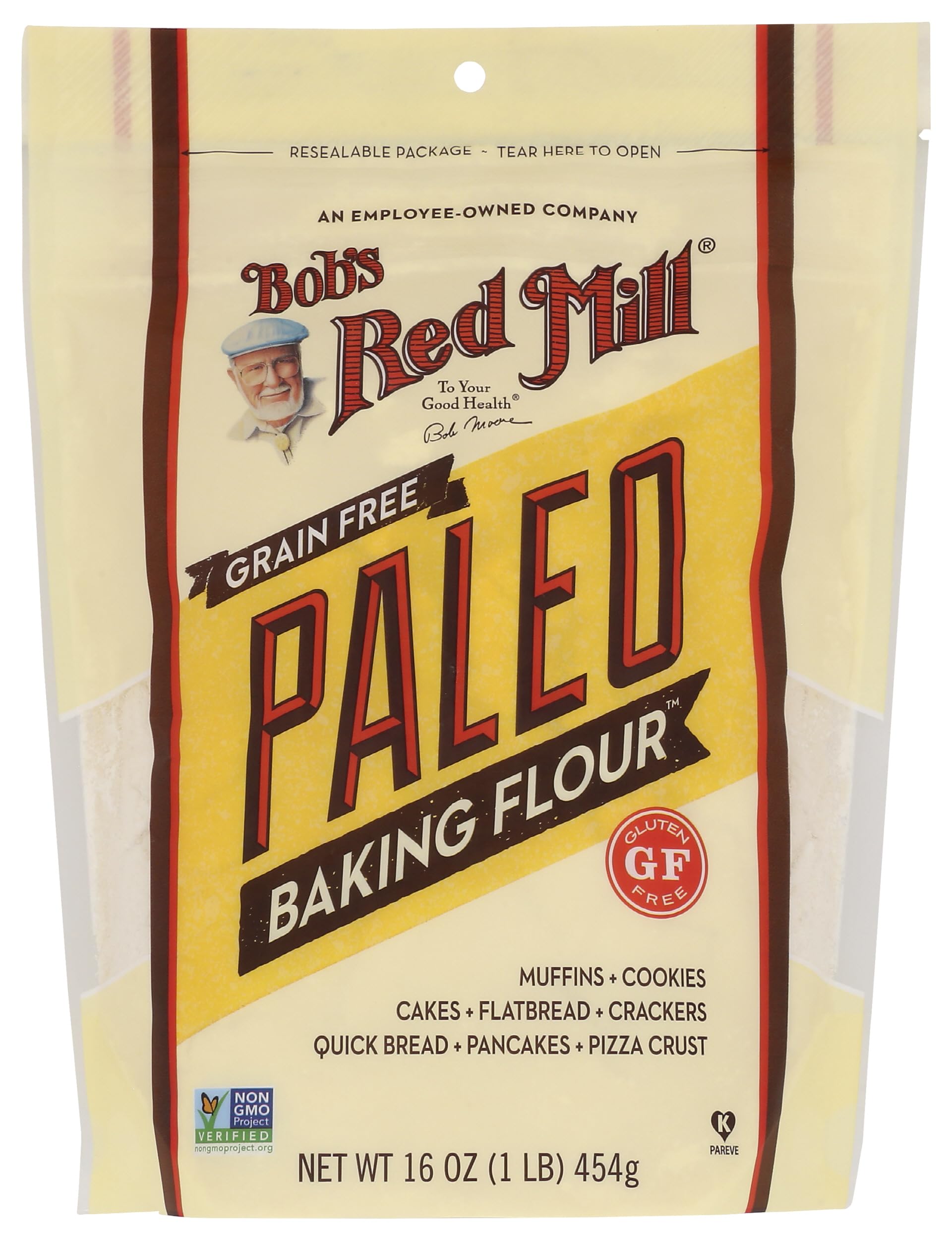
Bob’s Red Mill has solved the biggest headache of keto baking: the 1:1 ratio swap. This pre-blended flour lets you replace wheat flour cup-for-cup without recalculating every other wet ingredient. The blend combines almond flour, coconut flour, and tapioca fiber to mimic the structure and chewing resistance of all-purpose wheat flour.
Because the blend is engineered for balance, it handles well in cookies, muffins, pizza dough, and flatbreads. The coconut flour component absorbs extra moisture, so batters that would turn gummy with pure almond flour hold their shape. The net carbs remain low enough for daily use, and the absence of grain flours keeps the blend suitable for gluten-sensitive diets.
The only trade-off is the slightly higher price per pound compared to single-ingredient flours. But for home bakers who want one bag that works across a dozen recipes without guesswork, this convenience premium pays for itself quickly. Keep it in the pantry and follow the package hydration guidance for best results.
Why it’s great
- True 1:1 substitution ratio — no recipe math required
- Balanced blend avoids the gummy pitfalls of pure almond flour
- Works well across sweet and savory applications
Good to know
- Higher cost per pound compared to single-nut flours
- Coconut flour component can dry out batters if over-measured
3. Kaizen Lupin Flour

Kaizen Lupin Flour takes a different approach from the nut-based flours. It is made from ground lupini beans, a legume naturally low in carbs and exceptionally high in protein and fiber. At 40 grams of protein and 33 grams of fiber per 100 grams, this flour provides the structural backbone that nut flours lack, especially in savory applications like pizza crust and flatbread.
The flavor is mild and slightly beany, which blends well into savory doughs without overpowering other ingredients. Because lupin flour has a lower fat content than almond flour, it does not turn greasy when heated, making it ideal for recipes that require longer baking times. It also browns more like wheat flour, giving keto breads a more convincing crust color.
The main drawback is the learning curve: lupin flour absorbs more liquid than almond flour, so you will need to adjust hydration in recipes originally written for nut-based flours. Start with recipes specifically designed for lupin flour to avoid dense or dry bakes. Once dialed in, this is the best option for anyone missing rustic breads or crisp-crust pizza.
Why it’s great
- Extremely high protein and fiber content for texture and satiety
- Low fat content prevents greasy crusts during long bakes
- Browns convincingly like traditional wheat dough
Good to know
- Requires recipe adjustments for proper hydration
- Mild beany taste may not suit sweet desserts
4. Tru-Nut Peanut Flour
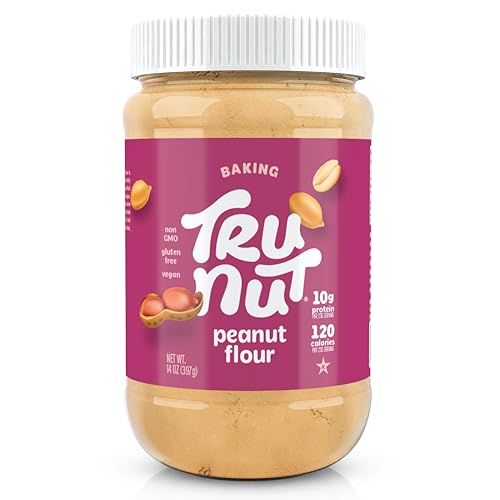
Tru-Nut Peanut Flour is defatted, which means the oil has been pressed out of the peanuts before grinding. The result is a flour that delivers concentrated peanut flavor and 10 grams of protein per serving with only 1 gram of net carbs. Because the fat is removed, this flour integrates seamlessly into low-carb sauces, keto brownies, and protein pancakes without making the final dish greasy.
The jar format keeps the flour fresh without needing a transfer, and the single-ingredient label (just roasted high-oleic US peanuts) eliminates any concern about hidden starches or sugars. The brand recommends replacing 25 to 50 percent of traditional flour in recipes, which means it works best as a partial substitute rather than a full replacer unless you are specifically baking peanut-forward items.
Flavor is the star here: the roasted peanut aroma carries through into finished bakes, making it excellent for low-carb peanut butter cookies, savory satay doughs, or keto mug cakes. If you want a flour that adds distinct character rather than a neutral base, this jar belongs in your pantry.
Why it’s great
- Defatted formula prevents greasy textures in bakes
- Rich roasted peanut flavor carries through to finished goods
- Single-ingredient, no fillers or added sugars
Good to know
- Best used as a partial replacement (25-50%) rather than full substitute
- Peanut flavor may be too strong for neutral recipes like white bread
5. Carbalose All-Purpose Low-Carb Flour

Carbalose is the entry-level bridge for bakers who want to lower carbs without abandoning the familiar behavior of wheat flour. The base is a modified wheat flour that has been enzymatically processed to reduce net carbohydrates while retaining the gluten network. That gluten is the key difference here: it provides the stretch and elasticity that nut and legume flours simply cannot replicate.
The 2.2-pound resealable pouch makes this a practical choice for large batch baking — pizza dough, sandwich bread, and even pasta dough hold together like the real thing. Because the net carb count is lower than standard wheat flour but higher than pure almond or lupin flour, Carbalose suits moderate keto lifestyles more than strict carnivore or under-20-gram protocols.
One caveat: the processed wheat base can cause mild bloating in some people who are sensitive to modified starches. It also contains gluten, so it is not suitable for celiac or gluten-free diets. But for families transitioning to low-carb eating and looking for a flour their kids will not reject, Carbalose hits a practical middle ground.
Why it’s great
- Gluten retention gives real dough elasticity and stretch
- Resealable pouch is convenient for frequent use
- Familiar wheat flavor and browning behavior
Good to know
- Contains modified wheat — not suitable for gluten-free diets
- Net carbs are higher than nut-based or legume-based flours
FAQ
Can I substitute keto flour 1:1 for regular wheat flour in any recipe?
What is the best keto flour for making pizza crust?
Why does my almond flour bake turn out dense and wet?
Final Thoughts: The Verdict
For most users, the best keto flour winner is the Anthony’s Blanched Almond Flour because it delivers reliable, fine-grind performance across the widest range of sweet and savory recipes. If you want a 1:1 blend that removes recipe math, grab the Bob’s Red Mill Paleo Keto Flour. And for savory crusts and breads with a genuine wheat-like structure, nothing beats the Kaizen Lupin Flour.