Real Japanese matcha isn’t supposed to taste like grass clippings stirred into hot water. The ritual demands a fine stone-ground powder that blooms into a creamy, savory-sweet liquor with zero clumps and zero bitterness. When you buy the wrong tin, that electric green fades to muddy brown within weeks, and the prized umami turns into a dull astringency that leaves you reaching for sweetener instead of a second sip.
I’m Emma — the founder and writer behind Baby Bangs. I’ve spent years pulling apart harvest dates, cultivar blends, and third-party lab reports to separate ceremonial-grade truth from marketing-friendly labels in the matcha aisle.
This guide walks you through five contenders that actually deliver the terroir, the vibrant color, and the steady caffeine-plus-L-theanine lift you’re after. The best japanese matcha balances a bright green hue with a naturally sweet, nutty finish that makes every morning bowl worth the whisk.
How To Choose The Best Japanese Matcha
The matcha shelf can feel overwhelming with “ceremonial grade” slapped on tins that taste flat six weeks after opening. You need to look past the label and check the harvest date, the origin prefecture, and the actual grind method. Three factors decide whether your bowl delivers that coveted umami or leaves you disappointed.
First Harvest vs. Second Harvest
The very first plucking of the season — called ichiban-cha — yields the tenderest leaves with the highest concentration of L-theanine and the lowest astringency. Second or third harvest leaves are older, coarser, and bring a more bitter edge. Always look for the harvest period on the tin; if it only says “ceremonial grade” without a harvest reference, odds are you’re getting a blend that cuts corners.
Cultivar Composition and Terroir
A single-cultivar matcha like Yabukita gives a clean, grassy profile while blends using Okumidori or Samidori add creamy, nutty depth. Prefecture matters too — Uji (Kyoto) is legendary for its mineral-rich soil, Yame (Fukuoka) produces a famously sweet leaf thanks to the region’s wide diurnal temperature swings, and Kagoshima offers a more rounded, approachable flavor. The best tins name the cultivars and the farm origin on the label.
Freshness and Stone Grinding
Matcha begins to degrade the second it’s ground. A proper stone mill generates no heat, preserving the delicate chlorophyll and amino acids. Tin packaging with an airtight seal and a small batch size (30g to 40g) ensures you finish the can before the powder loses its electric green color and floral aroma. If the tin says “product of Japan” but doesn’t list a mill date or harvest month, assume it’s been sitting on a warehouse shelf.
Quick Comparison
On smaller screens, swipe sideways to see the full table.
| Model | Category | Best For | Key Spec | Amazon |
|---|---|---|---|---|
| Midori Spring Gold No.2 | Mid-Range | Roasted, nutty daily bowl | 5-cultivar blend, roasted tencha | Amazon |
| YUZUKI Matcha Powder 40g | Mid-Range | Everyday ceremonial with certification | USDA & JAS certified, Uji Kyoto origin | Amazon |
| FKRO Tea Master’s Organic | Premium | Rich umami with tea master selection | Asanoka & Okumidori cultivars, 1st harvest | Amazon |
| Naoki Matcha Fragrant Yame Blend | Premium | Sweet, buttery ceremonial experience | Silver award winner, Yame Fukuoka origin | Amazon |
| Maeda-En Matcha Ceremonial Quality | Entry-Level | Classic tea ceremony with emerald color | 1-ounce tin, all natural flavor | Amazon |
In‑Depth Reviews
1. Midori Spring Gold No.2 – Conventional Ceremonial Grade Matcha
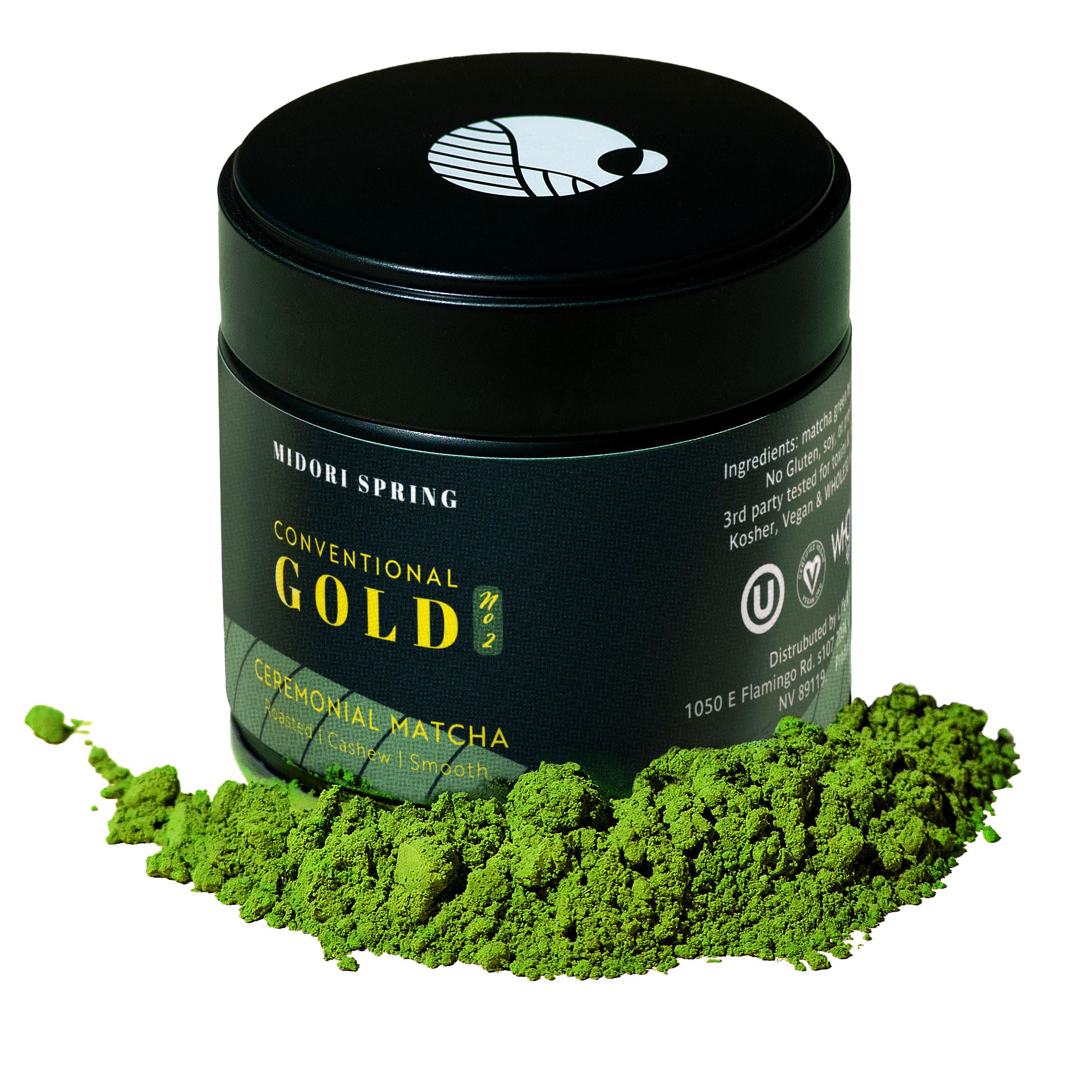
Midori Spring’s Gold No.2 uses a deliberate longer-roasting process on the tencha leaves, which gives it a pronounced nutty, toasty profile that feels warmer and more approachable than the vegetal-forward matchas that can scare off new drinkers. The 5-cultivar blend — Okumidori, Samidori, Kanayamidori, Yabukita, and Sayamakaori — creates a layered flavor that shifts from rich umami to a hint of chestnut as it cools.
It’s small-batch stone-ground from first-harvest young leaves sourced from Kyoto prefecture farms, and the third-party lab testing for heavy metals and toxins adds a layer of accountability that budget tins rarely match. The powder is a vibrant green with a fine, silky texture that dissolves cleanly with a bamboo whisk and leaves almost no sediment at the bottom of the bowl.
The canister is standard but reseals tightly, and the 1.0-ounce size is a practical start for daily use. A few traditionalists may wish for a more pronounced grassy note, but for drinkers who prefer their matcha smooth, creamy, and roasted rather than sharp, this one delivers the most forgiving entry point into ceremonial-grade quality without the steep price premium.
Why it’s great
- Deep roasted nuttiness that pairs well with both hot water and cold brewing
- Third-party lab tested for purity, with vegan and kosher certification
- Five-cultivar blend offers a flavor complexity beyond single-origin tins
Good to know
- Roasted profile masks the classic grassy umami that purists expect
- Container is a standard tin rather than a nitrogen-flushed pouch
2. YUZUKI Matcha Powder 40g – Japanese Ceremonial Grade Matcha Green Tea Powder

YUZUKI comes with the rare double certification of both USDA Organic and JAS (Japanese Agricultural Standard), which means every step from cultivation to stone-grinding was audited by two separate regulatory bodies. That traceability is important for drinkers who want to avoid any pesticide residue in their daily bowl and value transparency over flavor gimmicks.
Harvested from Uji, Kyoto — the prefecture widely considered the birthplace of matcha — this 40-gram tin delivers a classic vibrant green powder with a clean, balanced taste that leans slightly grassy without veering into bitterness. The grind is consistently fine, producing a frothy emulsion with about thirty seconds of whisking and no visible clumps.
The canister is a standard metal tin that does the job, though the 40-gram size is generous enough to last through a few weeks of daily use. The flavor profile isn’t as layered as the FKRO or Naoki blends, but the reliability of the certification and the solid first-harvest quality make it a strong candidate for anyone who drinks matcha every single morning and doesn’t want surprises.
Why it’s great
- Dual USDA and JAS certification guarantees organic integrity
- Zero sugar and no additives for a pure ceremonial experience
- 40-gram tin offers more servings per dollar than 30-gram competitors
Good to know
- Flavor is straightforward and lacks the complexity of blended cultivars
- Limited information on the specific cultivar composition
3. FKRO Tea Master’s Organic Ceremonial Grade Japanese Matcha Green Tea Powder
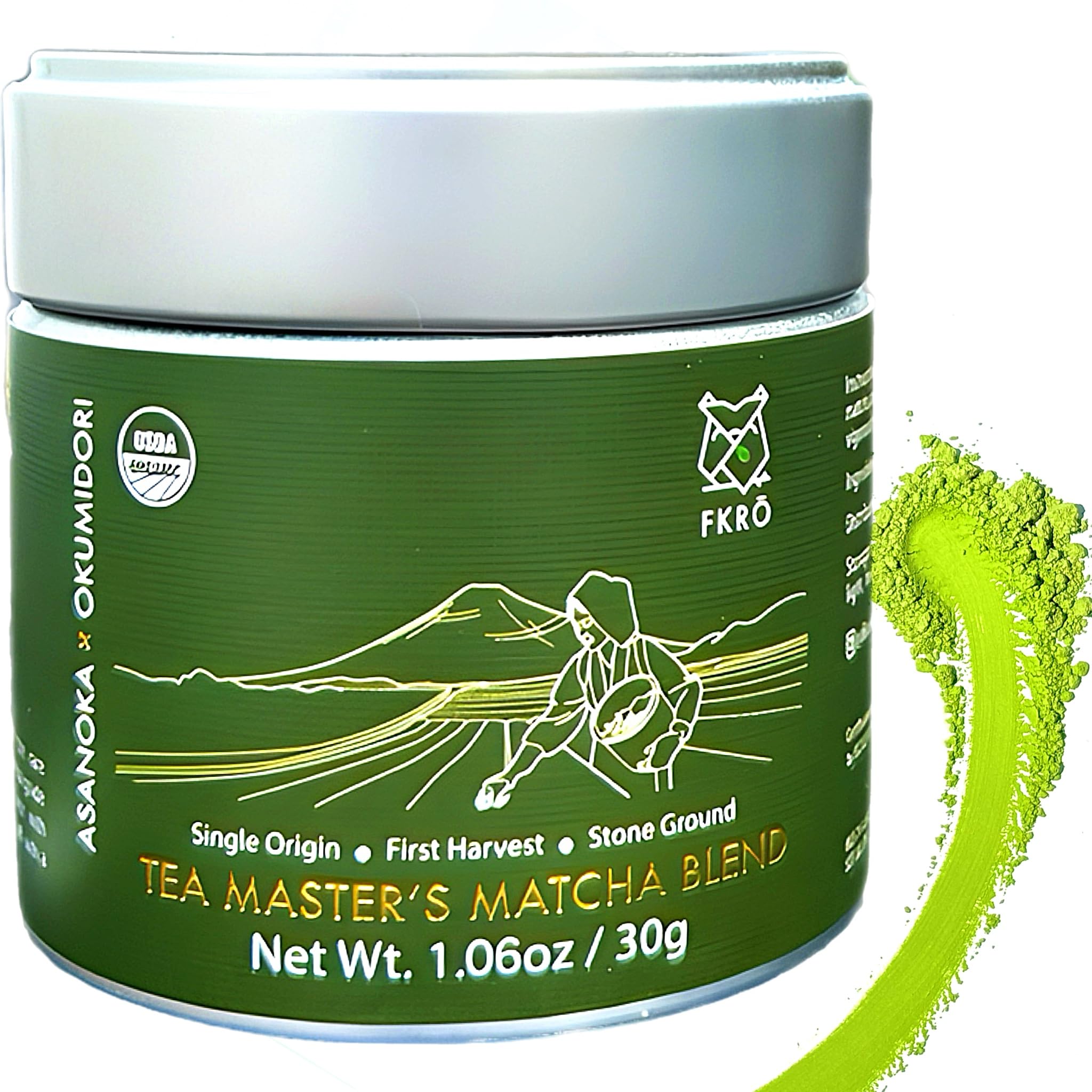
FKRO sources from the Nishi family farm in Kagoshima and blends the rare Asanoka and Okumidori cultivars — two varieties that producers typically reserve for premium single-estate batches. The resulting flavor is distinctly nutty and rounded with strong notes of nori, sweet potato, and chestnut that linger well after the final sip.
The matcha is stone-ground in small batches and arrives in a 30-gram tin with a freshness indicator that helps you track the monthly import cycle. At 80 milligrams of caffeine per gram plus 19 milligrams of L-theanine, this powder delivers a stable energy lift without the jittery spike you get from coffee or lower-grade blends. The USDA organic certification and gluten-free, plant-based diet tags cover the practical requirements for most specialty diets.
The fine grind creates an exceptionally thick, creamy foam that coats the whisk and the bowl walls — a texture that traditionalists will appreciate. The only catch is the smaller 30-gram tin, which disappears quickly if you drink multiple bowls a day. But for the depth of flavor and the direct farm relationship, this is the closest you can get to a tea master’s personal stash without visiting Kagoshima.
Why it’s great
- Rare Asanoka and Okumidori cultivars deliver a luxurious umami depth
- Monthly fresh imports from a 4th-generation tea master
- High L-theanine content supports calm focus without crash
Good to know
- 30-gram tin runs out fast for daily heavy users
- Nori and chestnut notes may not appeal to those wanting a pure grassy taste
4. Naoki Matcha Fragrant Yame Blend – Authentic Japanese First Harvest Ceremonial Grade Matcha

Naoki’s Fragrant Yame Blend carries a Silver award from a national tea competition in Japan, and the sweetness of the Yame terroir is immediately noticeable from the first sip. The liquor is lighter on the umami side than typical Uji matchas, replaced by a buttery, creamy mouthfeel and a natural sweetness that makes it drinkable straight without any sweetener or milk.
Grown in the city of Yame, Fukuoka, the wide-open plains and the intense temperature swings between day and night concentrate the sugars in the leaf, producing a milder, more floral cup. Naoki recommends it for intermediate drinkers who want to refine their palate — the finish is incredibly smooth, with zero bitterness even if you accidentally brew it a few degrees too hot.
The 40-gram tin is well-sealed, and the powder is a bright, uniform green with a texture that froths easily. The only limitation is the flavor profile: if you prefer the deep, savory umami of a classic Kyoto matcha, this one will taste unusually sweet and almost dessert-like. It’s a perfect daily driver for those who prioritize smoothness and sweetness over the more aggressive vegetal notes.
Why it’s great
- Award-winning blend with a distinct natural sweetness from Yame climate
- Buttery, creamy finish with zero bitterness even at higher temperatures
- Generous 40-gram tin for extended daily use
Good to know
- Less pronounced umami may disappoint fans of heavy savory matcha
- Labeled for intermediate drinkers; beginners may miss the classic grassy edge
5. Maeda-En Matcha Ceremonial Quality Green Tea Powder

Maeda-En has been a recognizable name in the US matcha market for years, and this ceremonial-quality tin sticks to the basics: all natural ingredients, no artificial colors or flavors, and a consistently bright emerald green powder that performs well in both traditional tea ceremonies and matcha espresso shots for an extra energy lift.
The grind is fine enough to whisk into a smooth, frothy bowl without clumping, and the flavor hits a middle ground between grassy and sweet — it won’t challenge your palate with complex cultivar notes, but it won’t offend anyone either. The 1-ounce tin is a standard, practical size that fits neatly in a pantry shelf or a travel bag.
The product is made in the United States, which means the matcha powder is imported from Japan but processed domestically — a detail worth noting for purists who prefer the entire supply chain to remain in Japan. The caffeine content is high, making it a solid candidate for morning use or an afternoon matcha latte. It lacks the harvest specificity and cultivar detail of the other entries, but for a reliable, no-surprises ceremonial matcha that won’t break the routine, this tin gets the job done.
Why it’s great
- Consistent emerald green color and reliable ceremonial-grade quality
- Versatile for both traditional bowl and matcha espresso preparation
- No artificial additives, all-natural ingredient list
Good to know
- Processed in the US rather than entirely in Japan
- Lacks specific harvest date and cultivar information on the label
FAQ
How long does an opened tin of matcha stay fresh?
What is the correct water temperature for whisking matcha?
Do I need a bamboo whisk and a special bowl to prepare matcha?
Final Thoughts: The Verdict
For most users, the best japanese matcha winner is the Midori Spring Gold No.2 because its roasted 5-cultivar blend is approachable yet complex, backed by third-party lab testing and a Kyoto terroir that guarantees freshness. If you want a tea-master-selected flavor with nutty umami depth, grab the FKRO Tea Master’s Organic. And for a sweet, buttery ceremonial experience that won an actual award in Japan, nothing beats the Naoki Matcha Fragrant Yame Blend.