Finding a women’s jacket that keeps rain out and body heat in without making you feel like you’re wearing a sleeping bag is the real outerwear challenge. Most shells are too thin for cold drizzle, and most insulated coats turn into saunas the moment you move. The sweet spot lies in a properly engineered barrier that blocks wind and water while trapping just enough warmth.
I’m Emma — the founder and writer behind Baby Bangs. I’ve analyzed hundreds of hours of field reports and spec sheets to separate the true all-weather performers from the fashion-first jackets that wet out after twenty minutes.
After reviewing waterproof ratings, insulation densities, seam construction, and real-user durability logs, this guide breaks down the top contenders for the insulated rain jacket women’s category to help you stay bone-dry and properly warm through the season.
How To Choose The Best Insulated Rain Jacket Women’s
An insulated rain jacket must solve two opposing problems: keep precipitation out while releasing internal moisture. The best designs layer a waterproof membrane over an insulation layer with a mechanical venting system — zipper pit vents, mesh-lined pockets, or a two-way front zip that lets you dump heat from the bottom without fully opening the shell.
Insulation Density and Type
Synthetic insulation like HEATSEEKER or polyester fleece-linings provide warmth even when damp, unlike down which clumps and loses loft. The gram weight of the insulation (60g to 150g) tells you the temperature range. For most three-season use, 60-100g synthetic insulation is ideal. Fleece linings work well for mild winters but won’t handle freezing rain below 30°F without a heavy layer underneath.
Waterproofing vs. Water Resistance
A jacket labeled as waterproof should have sealed seams, a membrane (like a polyurethane laminate or ePTFE film), and a DWR coating on the outer fabric. Water-resistant jackets lack seam sealing and rely only on the DWR — fine for light mist but will wet out after 15-20 minutes in steady rain. Look for phrases like “fully taped seams” or “critical seam sealing” in the specs.
Hood and Hem Design
A hood that stays put in wind needs a wire brim, a rear shock cord, and at least one adjustment point on the crown. Avoid fixed hoods with no cinch — they’ll blow back or block peripheral vision. For the hem, a drop-tail back panel prevents cold drafts when you bend over, and internal drawcords let you seal the waist against wind.
Quick Comparison
On smaller screens, swipe sideways to see the full table.
| Model | Category | Best For | Key Spec | Amazon |
|---|---|---|---|---|
| Columbia Suttle Mountain Long | Insulated Parka | Midwest winter daily wear | 100g synthetic insulation | Amazon |
| The North Face Junction Parka | Insulated Parka | Cold-weather commutes | HEATSEEKER 100g insulation | Amazon |
| Carhartt Rain Defender Hooded Coat | Insulated Work Coat | Outdoor chores and farm work | Fleece lining with Rain Defender finish | Amazon |
| Helly Hansen Welsey Trench Insulator | Waterproof Trench | City commuting in style | Waterproof membrane + quilted insulation | Amazon |
| Columbia Lillian Ridge II | Waterproof Shell | Light rain and mild temps | Omni-Tech membrane seam sealed | Amazon |
| The North Face Antora Rain Coat | Waterproof Shell | Packable hiking shell | DryVent membrane, taped seams | Amazon |
| MAGCOMSEN Fleece Lined Ski Jacket | Budget Insulated | Basic winter recreation | Fleece lining + waterproof shell | Amazon |
In‑Depth Reviews
1. Columbia Women’s Suttle Mountain Long Insulated Jacket
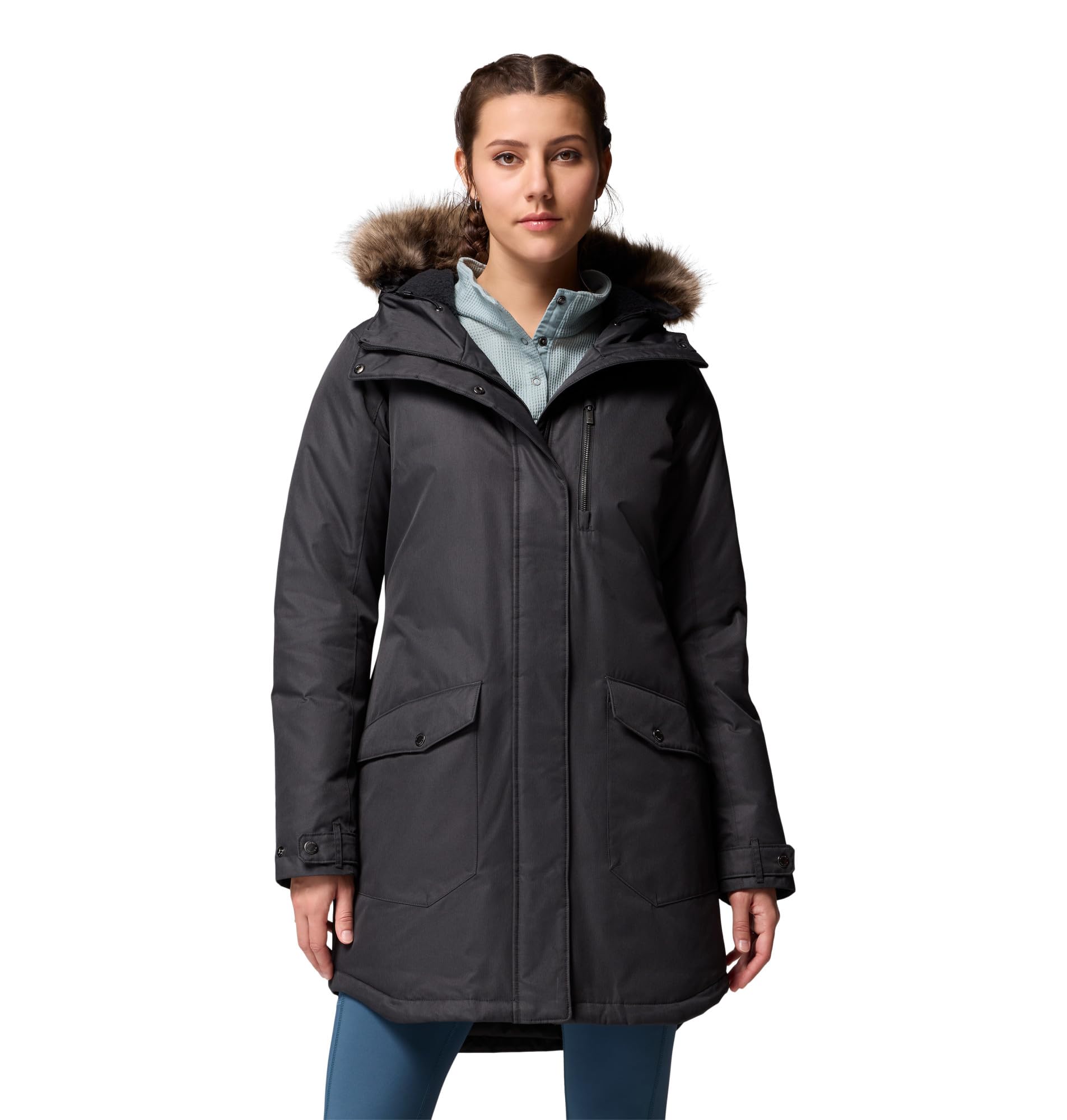
This mid-length parka packs 100g of synthetic insulation into a shell that users consistently report as noticeably more waterproof than their previous winter coats. The YKK zipper slides smoothly, and the bottom can be unzipped or buttoned for temperature regulation — a detail that matters when you walk a dog at 20°F and then get into a warm car. The drop-tail hem covers the lower back and blocks drafts during icy wind.
At 5’5″ and 160 lbs, users in size L report room for a mid-layer fleece underneath without feeling cinched. The single breast pocket runs slightly shallow, but the two side pockets handle phones and gloves well. One reviewer noted the coat is heavier than expected for Columbia’s typical lightweight reputation, which speaks to the real insulation density inside.
Multiple Midwest users confirm it holds up through lake-effect snow and freezing rain after repeated wear. The lack of interior chest pockets is a minor miss for those used to stashing wallets, but the overall warmth-to-weight ratio is arguably the best in its price tier for cold, wet climates.
Why it’s great
- Drop-tail hem and adjustable bottom temperature control
- True-to-size fit with room for a layer underneath
- Higher waterproofing than typical winter parkas
Good to know
- Runs slightly heavier than advertised
- Only one chest pocket, no interior storage
2. The North Face Women’s Junction Insulated Parka
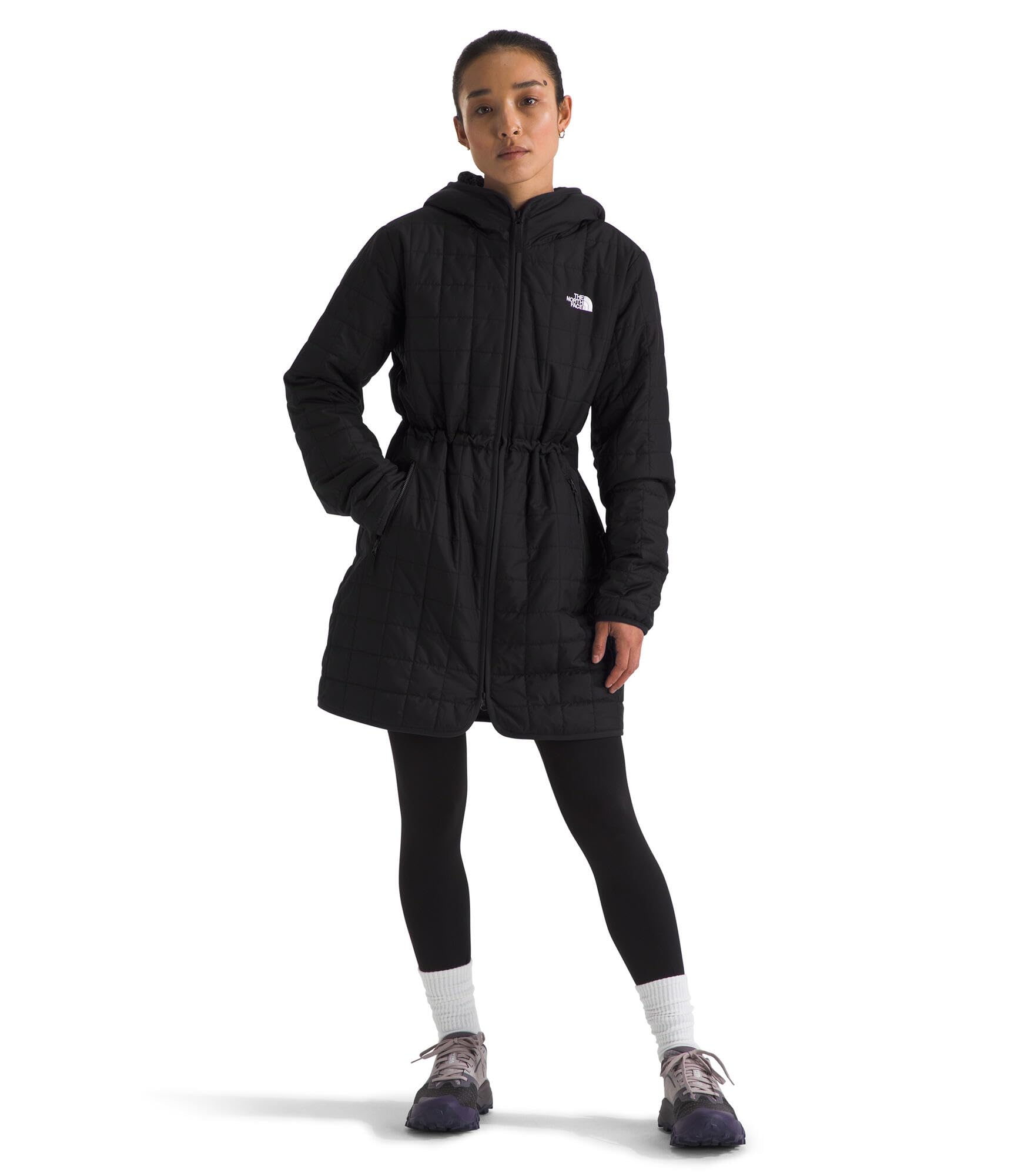
The Junction uses 100g of HEATSEEKER synthetic insulation — hollow-core recycled polyester fibers that trap heat without the bulk of traditional fleece. The outer shell carries a non-PFC DWR finish that beads water on contact, and the straight-fit cut is generous enough for a thick sweater underneath without feeling tight through the shoulders. The cinch waist lets you pull the silhouette in when you want shape over straight volume.
At 5’5″ and 130 lbs, a size small fits with a clean line and allows for a thin fleece base layer. The fur-lined hood and collar add noticeable comfort on freezing mornings. The two zippered hand pockets sit deep enough for a phone and gloves, and the double zipper on the front lets you access a seatbelt buckle without fully opening the coat at the top.
Users report the jacket remains warm during dog walks in the low-30s and even down to 11°F with proper base layers. The recycled materials meet The North Face’s sustainability badge standard. The main trade-off is the non-adjustable hood — it fits well without wind but lacks a rear cinch for blustery days.
Why it’s great
- Lightweight feel despite 100g insulation — easy to pack
- Double zipper and adjustable waist for fit control
- Soft fur collar lining is comfortable against bare skin
Good to know
- Hood lacks adjustment toggles
- Premium pricing relative to similar spec from other brands
3. Carhartt Womens Rain Defender Loose Fit Lightweight Insulated Hooded Coat
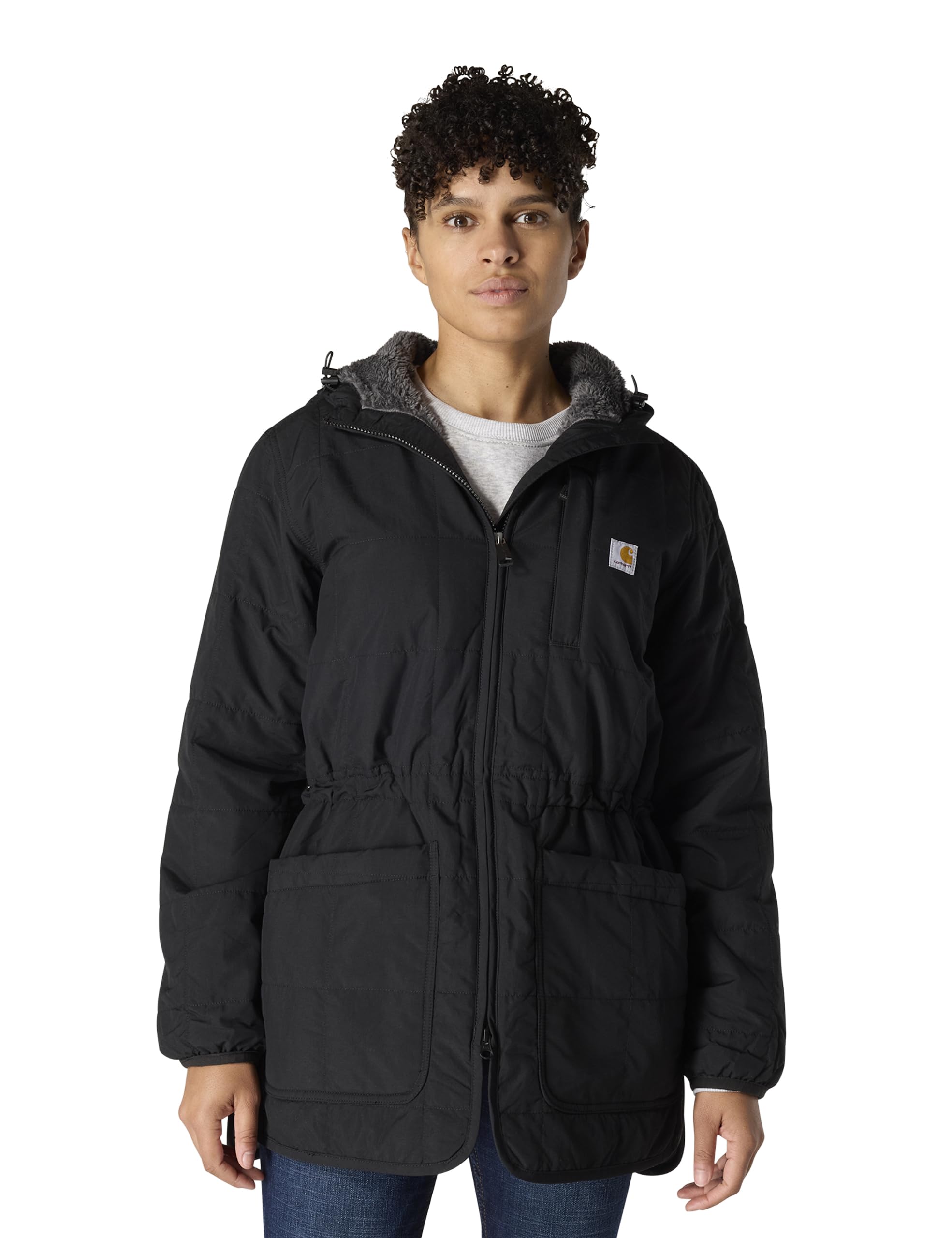
Carhartt’s Rain Defender coating is a water-repellent treatment applied to the shell fabric — it’s not a fully sealed waterproof membrane, but the dense weave and roomy cut make this a go-to for outdoor work and farm chores. The loose fit allows free arm movement and layering over a thick hoodie. The fleece lining runs from the collar down to mid-waist and provides noticeable warmth without feeling stuffy.
At a size XL fitting a 16/18 with extra room, this coat accommodates bulkier base layers easily. The drawstring waist lets you cinch the loose shape into something more fitted when you don’t want a boxy silhouette. The zippered breast pocket is large enough for a phone, but shorter users may find the pocket placement sits high against their chin when zipped.
Users who work outside through two harsh winters report the Rain Defender finish starts to fade after repeated washing, though the fleece lining remains intact. The coat holds up well in 30-40°F range but needs serious layering below 20°F. The fabric is quiet compared to typical Carhartt duck canvas, making it more comfortable for everyday errands alongside heavy-duty use.
Why it’s great
- Loose fit supports full range of motion for physical work
- Fleece lining adds warmth without bulk
- Drawstring waist allows shape adjustment from boxy to fitted
Good to know
- Rain Defender is water repellent, not fully waterproof
- Requires re-treatment for sustained rain performance
4. Helly Hansen Welsey Trench Insulator Jacket

Helly Hansen bridges the gap between outdoor performance and city-ready style with this trench-length insulator. The waterproof membrane handles steady rain and freezing drizzle, while the quilted interior provides insulation without the puffiness of a traditional ski jacket. The center front snaps over the zipper add an extra barrier against wind-driven rain at the seam.
The cut runs slightly large — users with broad shoulders appreciate the give across their back, but the belt has a tendency to slip out of its loops, which some reviewers note as a potential design flaw over time. At 1.9 lbs, this is the heaviest jacket in the lineup, but the trench silhouette means it drapes over work clothes without looking like outdoor gear.
One reviewer wore it in New England freezing rain at 35°F and stayed dry and warm; another noted the lack of quilted lining in the arms leaves those areas feeling colder. The hood design is well-thought-out with a wire brim that holds shape in wind. The subtle black-on-black Helly Hansen logo keeps it understated for professional settings or evening outings.
Why it’s great
- Trench cut bridges waterproof function with dressy style
- Snap-over-zip front blocks rain at the main seal
- Subtle branding works for commute-to-office wear
Good to know
- Belt slips out of loops easily
- Arms lack insulation lining — cooler than the torso
5. Columbia Womens Lillian Ridge II Jacket

The Lillian Ridge II is genuinely waterproof — its Omni-Tech membrane is paired with fully sealed seams, which means it can handle sustained rain without wetting out. The cinched waist gives it a more tailored look than many rain shells, and the extended back panel provides coverage for the rear when you’re standing in wet bleachers or walking through a parking lot in a storm.
At 5’9″, one reviewer was pleasantly surprised that the sleeves reached their wrists without pulling — a common frustration for taller women in entry-level rain jackets. The fabric is quiet and doesn’t have that plasticky crinkle typical of budget shells. The hood is adjustable but lacks a stiff brim, so water can drip onto your face in heavy downpours without the hood cinched tight.
Users praise its performance during one-hour steady rain and at windy football games in the Midwest. It’s light enough to pack down into a weekend bag, but it’s a shell — you’ll need a fleece or mid-layer beneath for anything below 50°F. The lack of interior pockets is a minor drawback for those who like to stash a phone inside.
Why it’s great
- Omni-Tech membrane with sealed seams is genuinely waterproof
- Tailored cut with cinched waist flatters the silhouette
- Extended sleeves work for taller women
Good to know
- Hood lacks a stiff wire brim — may drip in heavy rain
- No interior storage pockets
6. THE NORTH FACE Womens Antora Waterproof Breathable Rain Coat
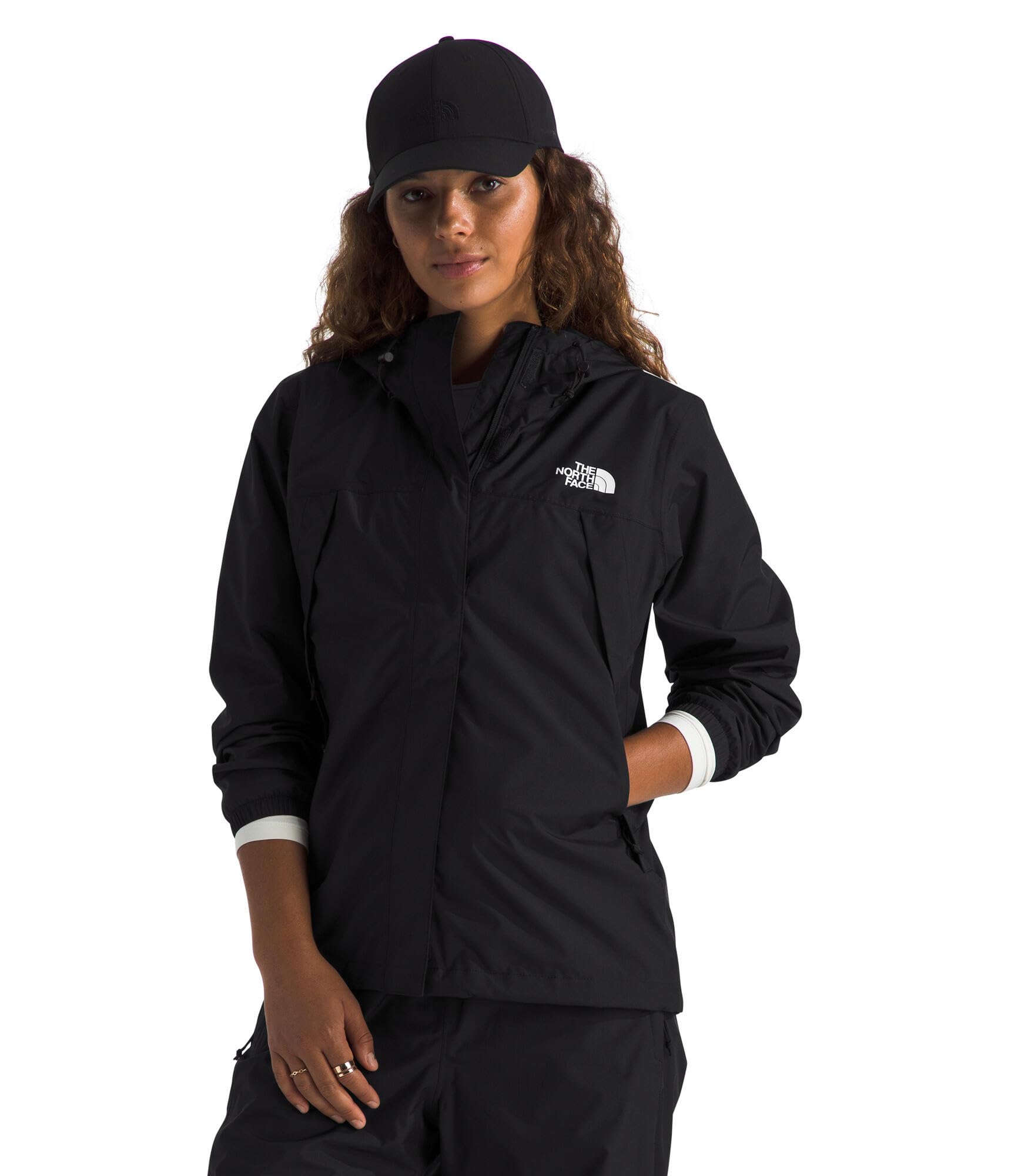
The Antora is a minimalist, fully waterproof shell designed for people who need rain protection without any warmth built in. The DryVent membrane is paired with fully taped seams, making this jacket capable of holding up under a waterfall mist in Iceland or on a snowy summit push. The three-piece hood fits snugly with a peripheral visor that tracks head movement without restricting vision.
Users who took this up Mt. St. Helens in windy, snowy conditions confirm the side cinches let them dial the fit over thick base layers. The fabric is thin and quiet — no crinkle — and packs down small enough to stuff into a backpack’s water bottle pocket. The Antora is not insulated at all, so it’s strictly a shell for layering with a fleece or puffer underneath depending on the temperature.
One reviewer noted the hood stays secure even in strong coastal winds, which is rare for lightweight shells. The main limitation is warmth: this is a spring/summer/fall rain jacket, not a winter coat. If you need insulation built in, look elsewhere; if you want a bombproof shell that layers perfectly, this is a top-tier pick.
Why it’s great
- Fully taped seams and DryVent membrane provide serious waterproofing
- Packs down small for easy travel or day-hike storage
- Three-piece hood stays put in windy conditions
Good to know
- Zero built-in insulation — requires layering for cold weather
- Not designed for use as a standalone winter coat
7. MAGCOMSEN Women’s Winter Coats Waterproof Insulated Snow Ski Jacket
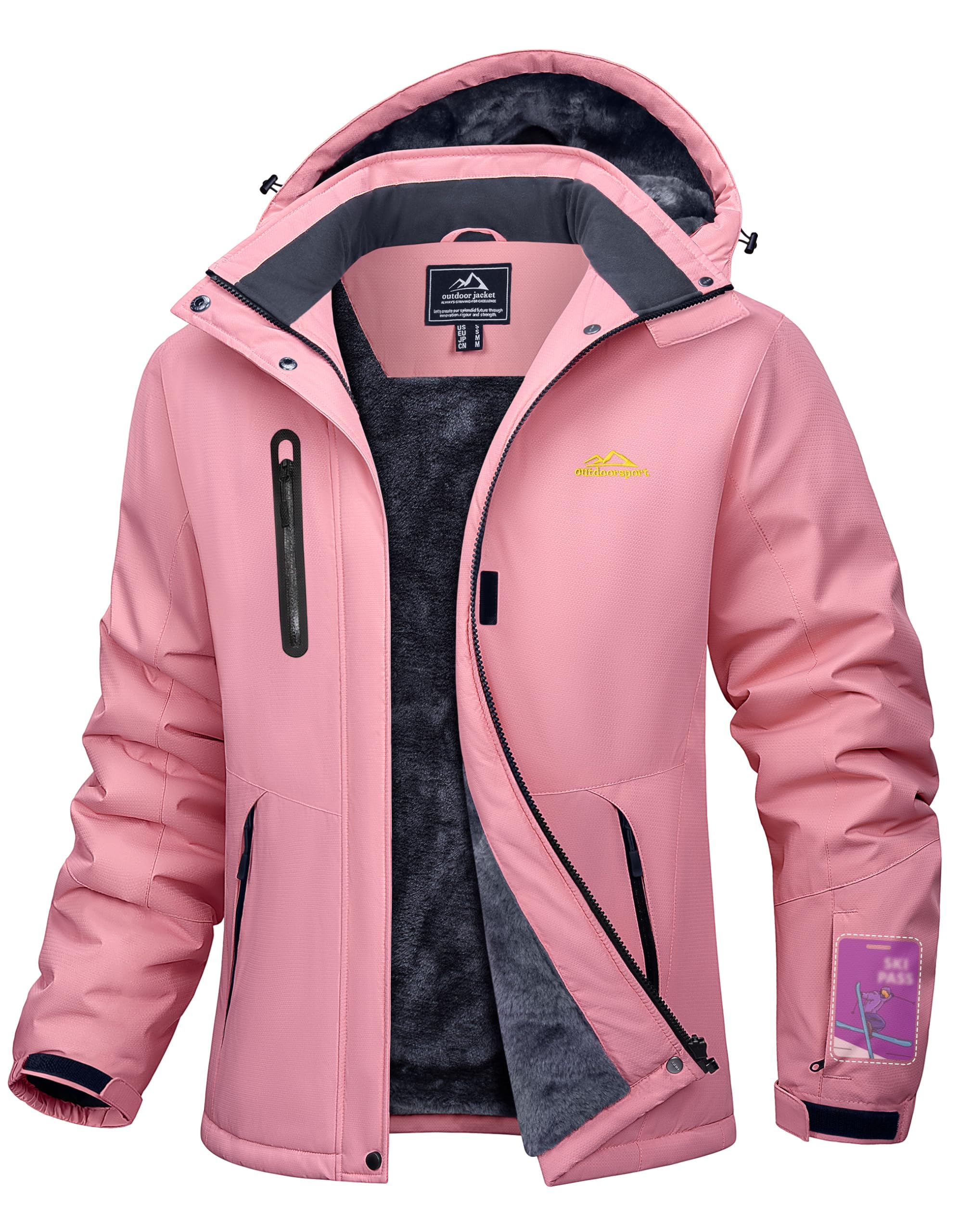
This entry-level ski-style jacket packs a fleece lining and a waterproof outer shell at a price point that undercuts most competitors by a wide margin. The lining is soft against the skin and provides genuine warmth for sledding, light skiing, or cold-day errands. The shell uses a coated fabric that blocks rain and light snow without the need for a separate membrane layer.
At 5’3″ and 120 lbs, a size small fits comfortably with room for a thin sweater underneath. The ski lift card sleeve pocket on the arm is a nice touch for beginners hitting the slopes. One reviewer who took this to Iceland in late November used it daily in wet areas with a Scotchgard treatment and stayed dry and very warm — impressive for a jacket at this price.
The hood does not zip fully around the collar, which some users found leaves a gap at the chin in wind. The jacket arrived heavily wrinkled for several buyers, though the wrinkles relaxed after a wear or two. For someone on a tight budget who needs a warm, dry jacket for occasional winter recreation, this is a solid choice that outperforms its price.
Why it’s great
- Combine fleece lining with waterproof shell delivers real warmth
- Priced well below the main competition
- Includes ski lift card sleeve pocket for mountain use
Good to know
- Hood lacks full-collar closure — gap at the chin
- Arrives heavily wrinkled out of packaging
FAQ
Can I wear an insulated rain jacket in heavy snow or will it overheat?
How do I restore the DWR finish when water stops beading on the shell?
Is a trench-style insulated rain jacket as functional as a sporty shorter one?
Final Thoughts: The Verdict
For most users, the insulated rain jacket women’s winner is the Columbia Women’s Suttle Mountain Long Insulated Jacket because it balances genuine 100g synthetic insulation with a waterproof shell and smart temperature-control features at a reasonable price. If you want a lighter, more packable option with better eco-credentials, grab the The North Face Women’s Junction Insulated Parka. And for heavy-duty outdoor work that demands freedom of movement and durable fabric, nothing beats the Carhartt Womens Rain Defender Hooded Coat.