The difference between a great day on the trail and a miserable one often comes down to what’s on your feet. A boot that doesn’t fit your arch, locks out moisture poorly, or lacks the ankle stability for a rocky descent turns a summit push into a survival march. Women’s hiking boots have unique demands — narrower heels, room for the forefoot to spread, and a last built for a lower average foot volume. Finding the right pair means balancing waterproofing, outsole lug depth, midsole density, and that just-right heel lock.
I’m Emma — the founder and writer behind Baby Bangs. I’ve spent years tracking material innovations, analyzing wear-test data across waterproof membranes, rubber compounds, and footbed geometry to separate gear that performs from gear that just markets well.
Whether you’re tackling a wet Pacific Northwest ridgeline or a dry desert canyon, this breakdown of the best hiking boots for women uses real customer wear data to match you with the right support, traction, and durability for your specific terrain and foot shape.
How To Choose The Best Hiking Boots For Women
Women’s hiking boots differ from men’s in more than just color. They’re built on a women’s last — typically narrower at the heel with more volume in the toe box to accommodate the natural shape of a woman’s foot. But within that category, the variables of waterproofing, sole stiffness, weight, and ankle height make the difference between a boot that feels like part of your body and one that fights you every step.
Waterproof membrane vs. water-resistant treatment
A fully waterproof boot uses a membrane liner — Gore-Tex, KEEN.DRY, or Oboz B-DRY — bonded between the outer fabric and the inner lining. This keeps water out while allowing vapor to escape. A hydrophobic spray treatment on the exterior fabric is cheaper and lighter but fails under sustained wet conditions. If you hike through creek crossings, rain, or snow, a membrane-lined boot is non-negotiable. If you hike exclusively in dry, arid climates, a non-waterproof boot breathes better and dries faster when you inevitably step in a puddle.
Midsole density and support for load
The midsole — usually EVA foam — determines shock absorption and energy return. Softer foam feels plush immediately but compresses quickly under a heavier pack (over 15 lbs). Denser midsoles (often found on boots in the premium tier) offer better torsional rigidity and edge control on uneven terrain. For day hikes with a light daypack, a cushioned midsole is fine. For multi-day trips carrying camping gear, a stiffer platform with a nylon or TPU shank reduces foot fatigue.
Outsole lug pattern and rubber compound
Deep, chevron-shaped lugs (4-5 mm) bite into loose dirt and mud when climbing. Wide-spaced lugs shed mud more effectively. The rubber compound — often from Vibram, Contagrip, or KEEN’s own All-Terrain rubber — affects grip on wet rock. Softer compounds grip better but wear faster on pavement approaches. Harder compounds last longer but can slip on smooth, wet surfaces. Match the compound to your dominant surface — slick rock requires a stickier (softer) rubber.
Quick Comparison
On smaller screens, swipe sideways to see the full table.
| Model | Category | Best For | Key Spec | Amazon |
|---|---|---|---|---|
| KEEN Targhee 4 Mid | Premium | Ankle stability on technical terrain | KEEN.DRY membrane, 4mm multi-directional lugs | Amazon |
| KEEN Nxis Evo Mid | Mid-Range | Lightweight waterproof performance | KEEN.DRY, roomy toe box, 1 lb 2 oz | Amazon |
| Merrell Wrapt Mid | Premium | Post-injury ankle support | Waterproof membrane, Contagrip outsole | Amazon |
| Columbia Konos TRS Outdry | Premium | Ultra-long mileage comfort | Outdry waterproof, Techlite+ midsole | Amazon |
| Merrell Speed Strike 2 Mid | Mid-Range | Quick-break-in moderate hikes | Gore-Tex, Vibram EcoStep outsole | Amazon |
| Orthofeet Dakota Lug Sole | Premium | Orthopedic support & back pain relief | Anatomical arch support, dual-density midsole | Amazon |
| Oboz Bridger Mid B-DRY | Mid-Range | Foot pain relief & wide-foot options | B-DRY membrane, O FIT+ insole | Amazon |
| KEEN Zionic Mid | Mid-Range | Comfort-first all-day wear | Waterproof, KEEN.ZERO insole | Amazon |
| Columbia Newton Ridge BC Nubuck | Budget | Entry-level value & cold weather | Omni-Grip outsole, 1 lb 5 oz | Amazon |
In-Depth Reviews
1. KEEN Women’s Targhee 4 Mid Height Waterproof Hiking Boots
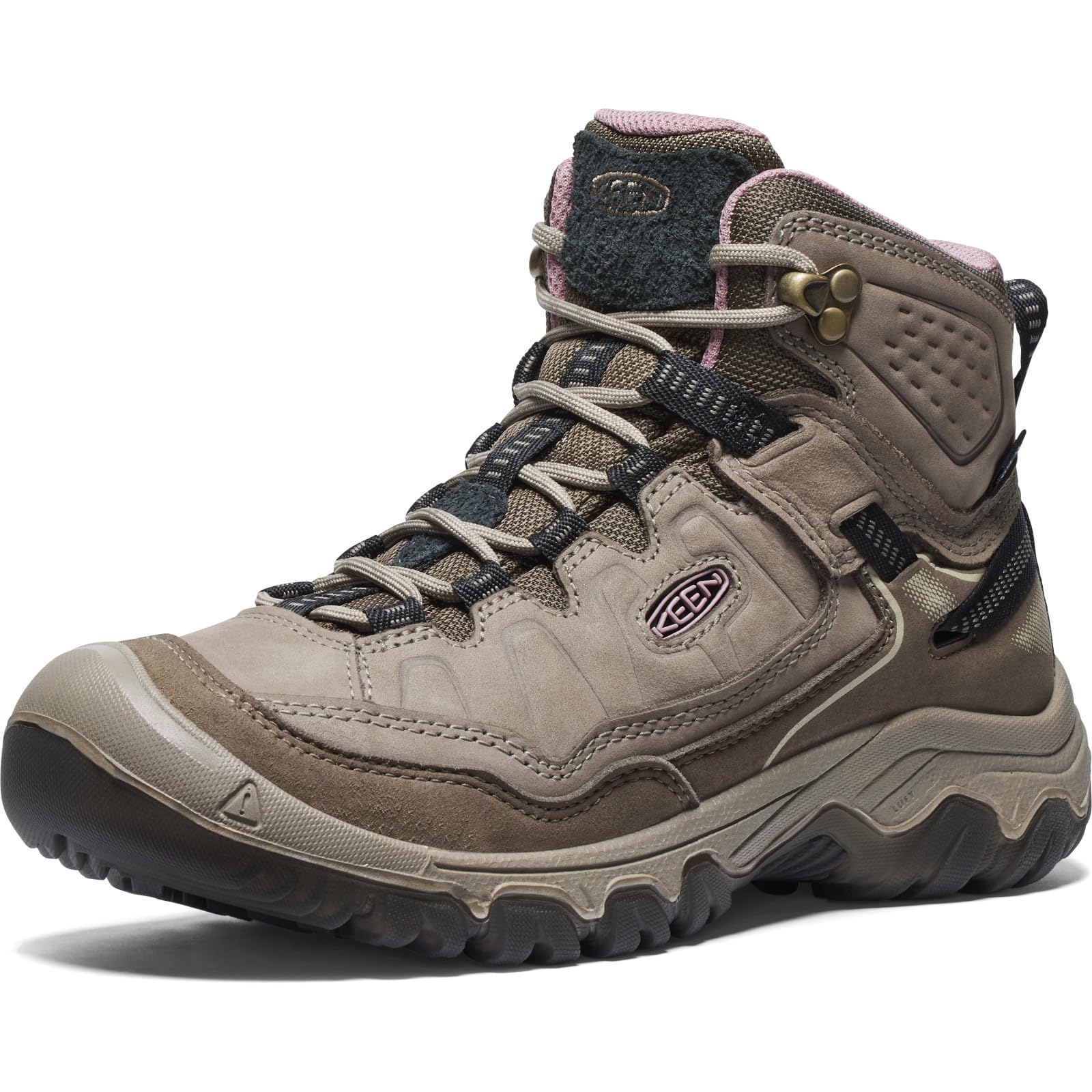
The Targhee 4 is the benchmark for women who need genuine ankle stability on uneven, wet terrain. The mid-height collar wraps firmly around the ankle without restricting dorsiflexion, and the KEEN.DRY membrane has proven reliable through sustained PNW rain and creek crossings. The outsole uses 4mm multi-directional lugs that bite into wet granite and loose dirt with equal confidence.
Multiple wear-testers on multi-day trips praised the immediate comfort — no break-in required — and the roomy toe box that accommodates bunions and forefoot swelling without looking bulky. The boot runs slightly large and wide, so women with narrow feet may need an aftermarket orthotic insole or a half-size down from their street shoe.
The arch support is moderate; hikers with high arches should plan to swap the insole for a higher-volume orthotic. One reviewer noted the tread felt insufficient on a dry moderate decline, which suggests this boot excels on mixed technical terrain rather than steep, loose scree where a deeper Vibram lug pattern would grip better.
Why it’s great
- Exceptional ankle stability in a lightweight mid-height package
- Proven waterproof performance in prolonged wet conditions
- Roomy toe box with zero break-in required for most feet
Good to know
- Runs slightly large and wide; may need orthotic for narrow feet
- Moderate arch support — not ideal for high arches without insole swap
- Tread less aggressive on steep, dry loose surfaces
2. Merrell Women’s Wrapt Mid Waterproof Hiking Boots
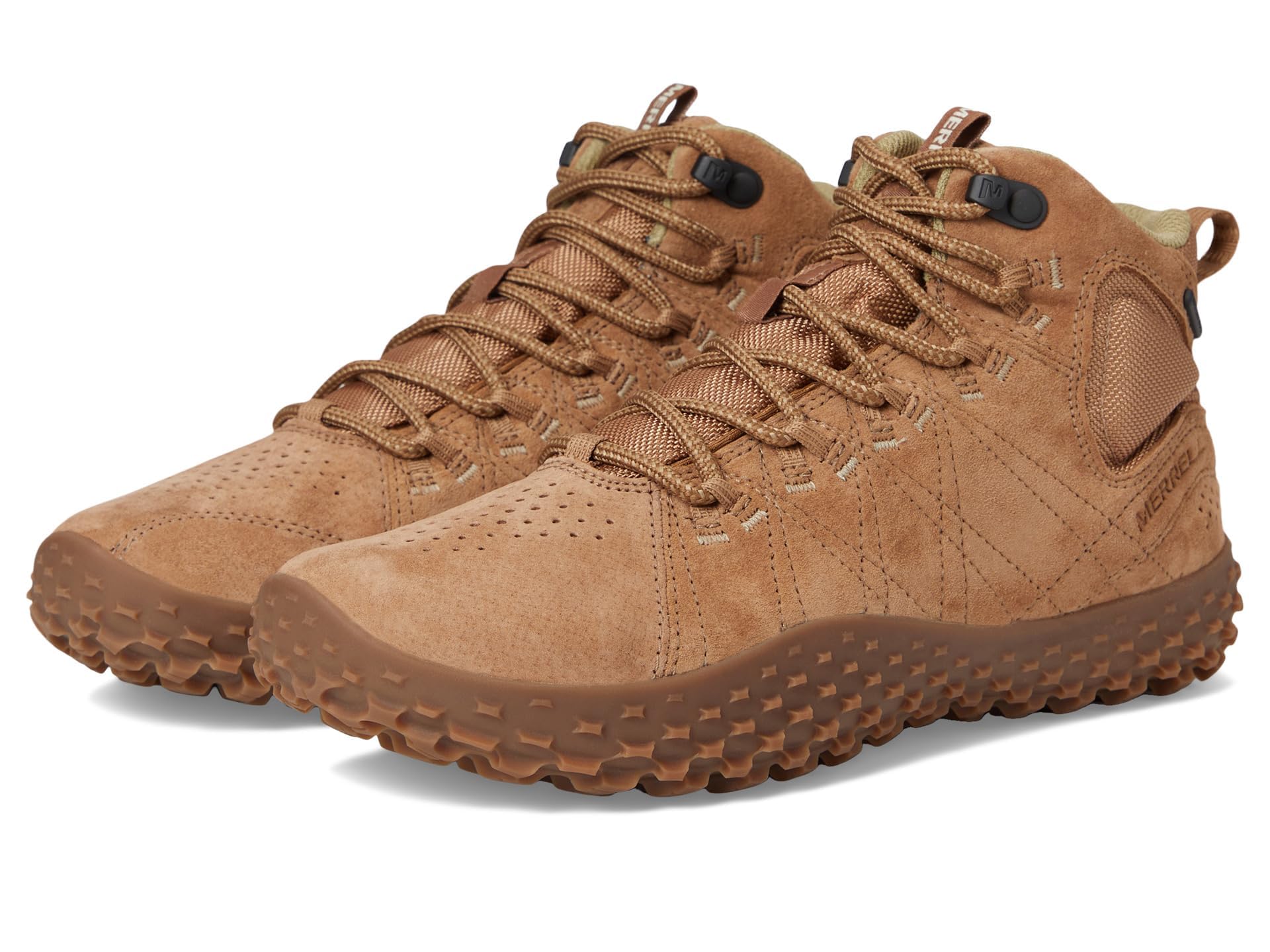
The Wrapt Mid is engineered for hikers who prioritize immediate support around the ankle without the stiffness of a traditional leather mountaineering boot. The collar and heel cup lock the foot securely, and the Contagrip outsole provides reliable traction on snow-covered sidewalks and muddy trail sections. At roughly 1 lb 5 oz, the boot feels light for its support level.
Reviewers recovering from ankle surgery or dealing with chronic instability consistently praised the natural gait cycle it promotes — the boot supports without forcing an unnatural walk. The wide toe box has a barefoot-shoe feel that allows the toes to splay naturally on descents, reducing hot spots.
The initial opening can feel tight due to packaging compression, but the boot opens up after a few wears. Color options are limited, and the aesthetic leans utilitarian. Some hikers with very narrow feet will need to lace carefully to avoid heel slip.
Why it’s great
- Ideal for post-injury recovery with supportive ankle collar
- Lightweight and comfortable for 8+ hour wear days
- Wide toe box accommodates natural splay
Good to know
- Initial fit can feel tight; needs a brief break-in period
- Limited color options — more utilitarian than stylish
- Narrow-footed users may experience heel slip without careful lacing
3. Columbia Women’s Konos TRS Outdry

The Konos TRS is built for high-mileage days where foot fatigue becomes the limiting factor. The Techlite+ midsole provides plush cushioning that doesn’t pack out after 20 miles, and the Outdry waterproof membrane is bonded directly to the upper — no separate liner — which reduces weight and drying time. The toe box is generous enough for bunions, and the fit improves noticeably after the first few wears.
One reviewer logged 20+ miles in a single day at 300 lbs with no blisters, which speaks to the forefoot volume and midsole support. The outsole traction holds well on steep, muddy ascents, and the boot remains lightweight enough for fast-paced day hikes.
The main complaint is audible squeaking on hard surfaces — the Outdry membrane and upper can produce a rubbery sound on tile or pavement. The boot also runs warm, which is typical for fully waterproof models. Wicking socks mitigate this in warmer conditions.
Why it’s great
- Exceptional midsole cushion for long-distance comfort
- Outdry membrane is lightweight, bonded, and dries fast
- Roomy toe box fits bunions and high-volume forefeet
Good to know
- Squeaks loudly on hard surfaces
- Runs warm — not ideal for hot, arid hikes
- Tongue needs to sit flat to avoid discomfort
4. KEEN Women’s Nxis Evo Mid Waterproof Boots

The Nxis Evo Mid hits a sweet spot for hikers who want the waterproof reliability of a KEEN.DRY boot without the higher price tag of the Targhee line. At roughly 1 lb 2 oz, it’s noticeably light for a mid-height boot, and the outsole grip holds well on mixed trails. The toe box continues KEEN’s signature roomy shape — ideal for women who need forefoot splay or deal with plantar fasciitis.
Reviewers confirmed complete waterproofing through creek crossings and sustained mud, with no break-in period needed. The boot worked well for a 5-mile hike in Yellowstone and for all-day wear on cold mornings. The arch support is moderate but effective enough for some reviewers to note relief from plantar fasciitis.
A significant caveat: the rigid ankle collar is uncomfortable for farm chores or activities requiring deep squatting or kneeling. The upper eyelet hooks can snag laces, which one reviewer fixed by clamping the hooks down. This boot is purpose-built for trail hiking, not multi-purpose work.
Why it’s great
- Very lightweight for a fully waterproof mid boot
- Proven KEEN.DRY membrane keeps feet dry through crossings
- Roomy toe box supports forefoot splay and bunion relief
Good to know
- Rigid ankle collar not ideal for farm or work-use
- Lace eyelet hooks can snag; may need clamping
- Not suitable for deep squatting or kneeling flexibility
5. Merrell Women’s Speed Strike 2 Mid Waterproof
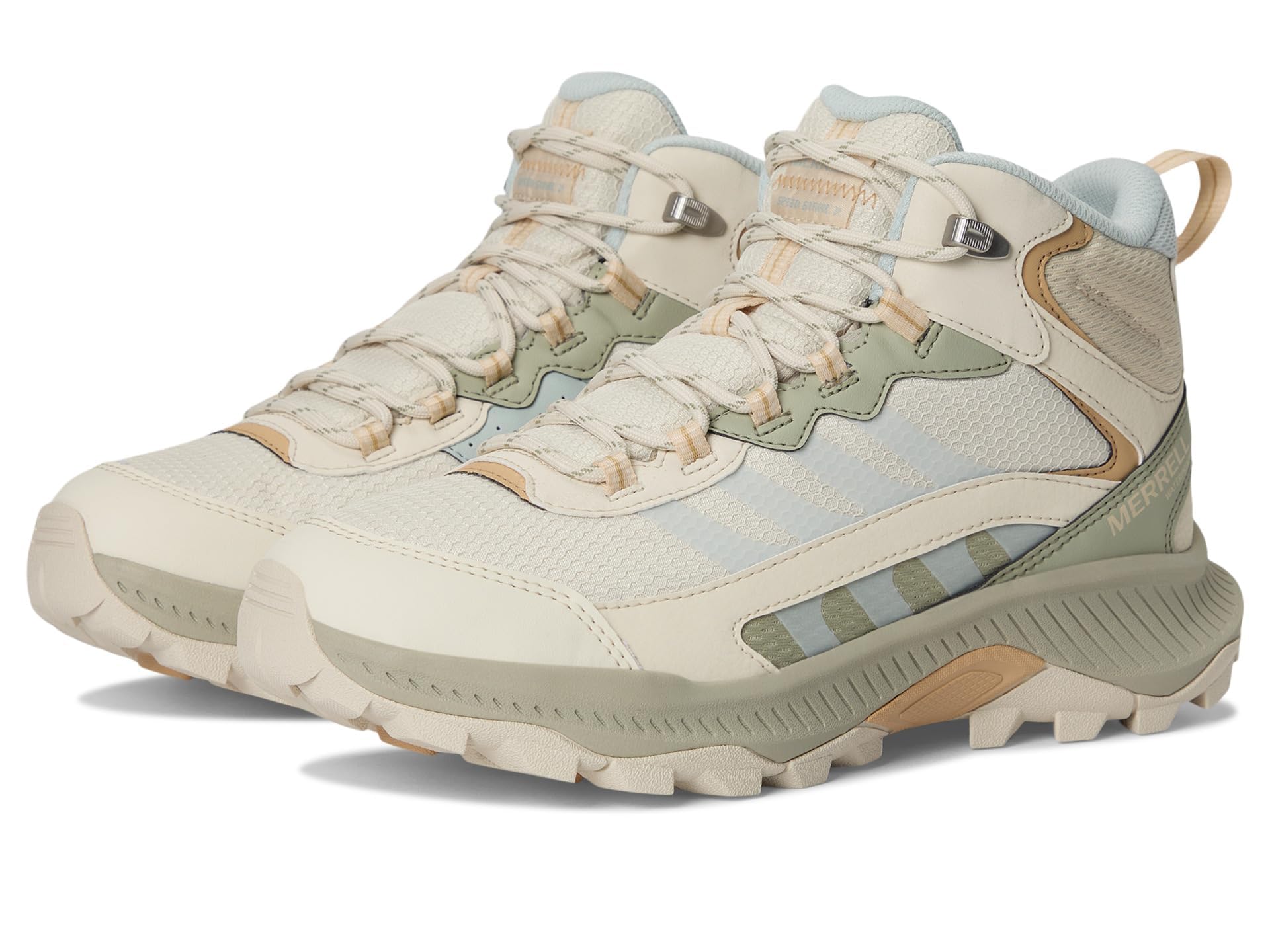
The Speed Strike 2 bridges the gap between a trail shoe and a hiking boot. It’s low enough to feel like a sneaker on moderate terrain but offers the mid-height collar for ankle protection on rockier sections. The Gore-Tex membrane kept feet dry during a 4-day intensive Iceland hike, and the Vibram EcoStep outsole provided reliable traction on wet basalt and smooth rock.
Break-in is minimal — reviewers reported comfort straight out of the box. The boot breathes well for a waterproof model, and the thick sole absorbs shock on rocky descents. Half-size up is recommended for thick hiking socks, as the fit runs true to standard shoe size.
Two recurring issues: the laces come untied easily without a double knot, and women with wide feet reported blisters on their pinky toes after extended wear, despite the wide toe box. The tongue must sit perfectly flat to avoid a pressure point across the instep.
Why it’s great
- Minimal break-in — comfortable immediately for moderate hikes
- Breathable Gore-Tex with excellent waterproofing
- Thick Vibram sole provides good shock absorption
Good to know
- Laces untie easily; double knot required
- Wide-foot users may get pinky blisters over long distances
- Tongue must sit perfectly flat to avoid instep pressure
6. Oboz Women’s Bridger Mid B-DRY Hiking Boot

The Bridger Mid is a dedicated solution for hikers who experience foot pain — particularly in the arch and heel — with other boots. The O FIT+ insole provides substantial arch support out of the box, and the B-DRY membrane keeps feet dry through sustained wet conditions. Reviewers reported immediate relief from sore feet, with one switching from a half-size up with thick socks to achieve a pain-free fit.
The boot runs narrow, primarily due to the thick insole. Women who typically wear a wide width may need to size up a full width or swap the insole for a thinner aftermarket option. The tread is sturdy and prevents slipping on steep, loose hills; reviewers wore it for work around horses and for 6-mile day hikes with no foot fatigue.
The main trade-off is weight and stiffness. The Bridger is not a lightweight, flexible boot — it’s a supportive platform built for stability. It runs warm, making it less suitable for hot desert hiking. Round laces may come undone; users replaced them with flat laces for a more secure hold.
Why it’s great
- Immediate foot pain relief with substantial arch support
- Sturdy tread prevents slipping on steep, loose terrain
- Available in wide widths for high-volume feet
Good to know
- Runs narrow due to thick insole; may need size up or insole swap
- Heavier and stiffer than most boots in its category
- Too warm for desert conditions
7. KEEN Zionic Mid Height Waterproof All Terrain
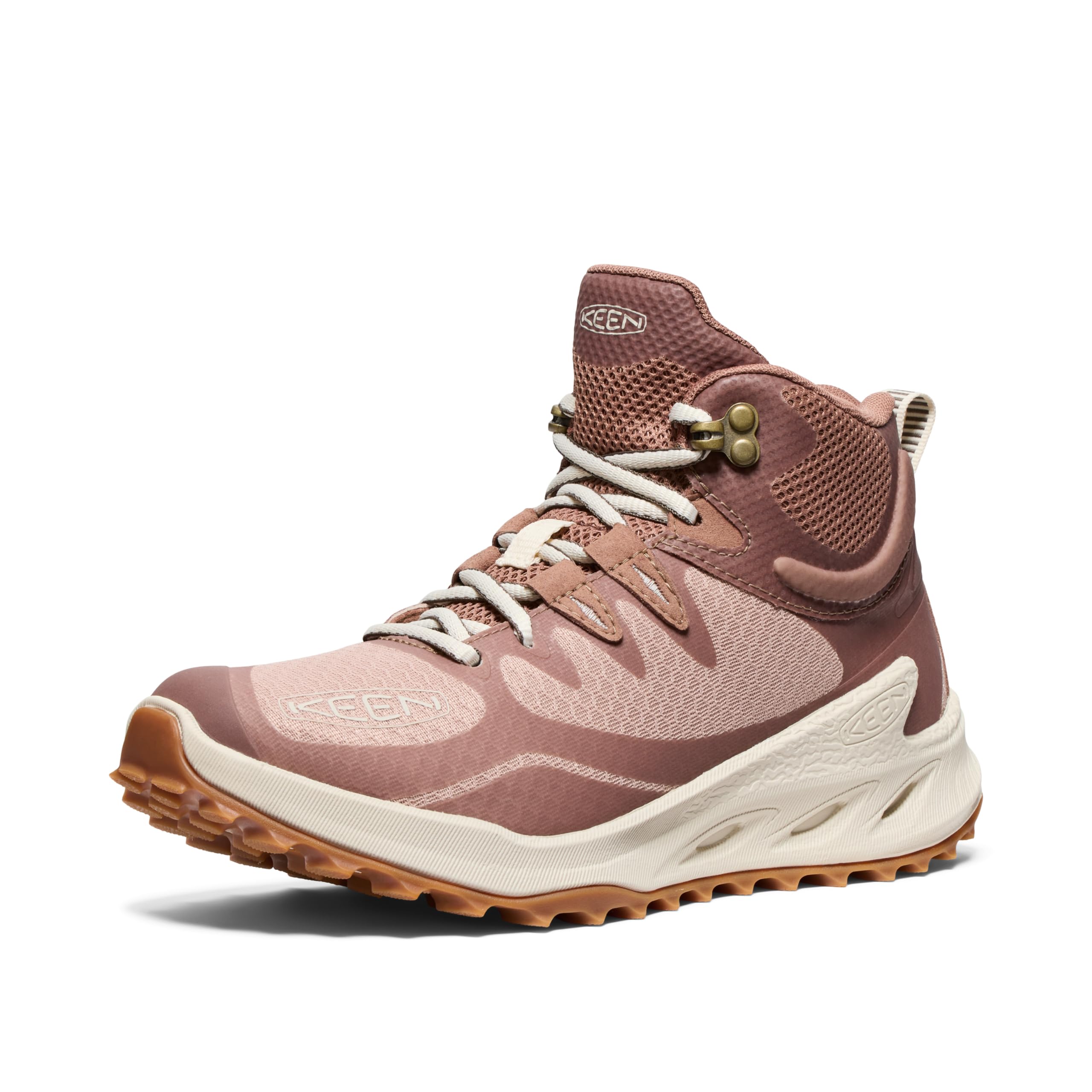
The Zionic Mid is KEEN’s answer to hikers who want a boot that feels like a sneaker but performs like a traditional hiker. The KEEN.ZERO insole provides near-instant comfort with good arch support, and the mid-height collar adds ankle stability without restricting natural movement. Reviewers consistently described it as “lightweight” and “comfortable right out of the box.”
The wide toe box is a hallmark — women with bunions or wide forefeet will find immediate relief. The outsole grip is reliable on dry and moderately wet terrain. The boot runs true to size but fits snug with thick hiking socks; most reviewers recommend going half a size up.
The main drawbacks revolve around sizing variability. Amazon’s recommendation to half-size down was too short for one reviewer, requiring an exchange. The boot is warm — typical for a fully waterproof model — and the cushioning is moderate rather than plush, so it may not satisfy hikers who prefer a very soft underfoot feel.
Why it’s great
- Sneaker-like comfort and weight with boot-level ankle support
- Excellent wide toe box for bunions and forefoot spread
- Good arch support; no break-in needed
Good to know
- Half-size up recommended for thick hiking socks
- Runs warm due to waterproof construction
- Moderate cushioning — not plush for ultra-long days
8. Orthofeet Women’s Orthopedic Dakota Waterproof Lug Sole Hiking Boot

The Dakota is specifically built for hikers who need orthopedic support — whether due to plantar fasciitis, knee pain, or back issues. It comes with two insoles and an arch support insert, allowing customization of the footbed volume. The waterproof construction kept feet dry during a 12-day Alaska trip with rain and snow, and the outsole provides reliable grip on mixed surfaces.
Reviewers with back problems and foot conditions reported significantly reduced pain during and after hikes. The boot is lightweight and flexible enough for easy walking, but the sole could be thicker for rocky, uneven terrain. A 17-mile hike in the Tetons confirmed the boot’s durability and moisture management.
Two design issues: the top lace hooks are solid studs rather than open hooks, which allows the tongue to shift and makes it hard to achieve a truly locked-in lacing pattern. The boot runs wide — even the standard width accommodates a narrow foot with room at the ball. Dust and dirt stick to the upper but wipe clean easily.
Why it’s great
- Excellent for orthopedic needs — back, knee, and foot pain relief
- Includes two insoles and arch support for custom fit
- Lightweight and flexible for mixed-use days
Good to know
- Top lace hooks are fixed studs — limits lacing lockdown
- Sole lacks thickness for very rocky terrain
- Runs wide; may feel loose for very narrow feet
9. Columbia Women’s Newton Ridge BC Nubuck
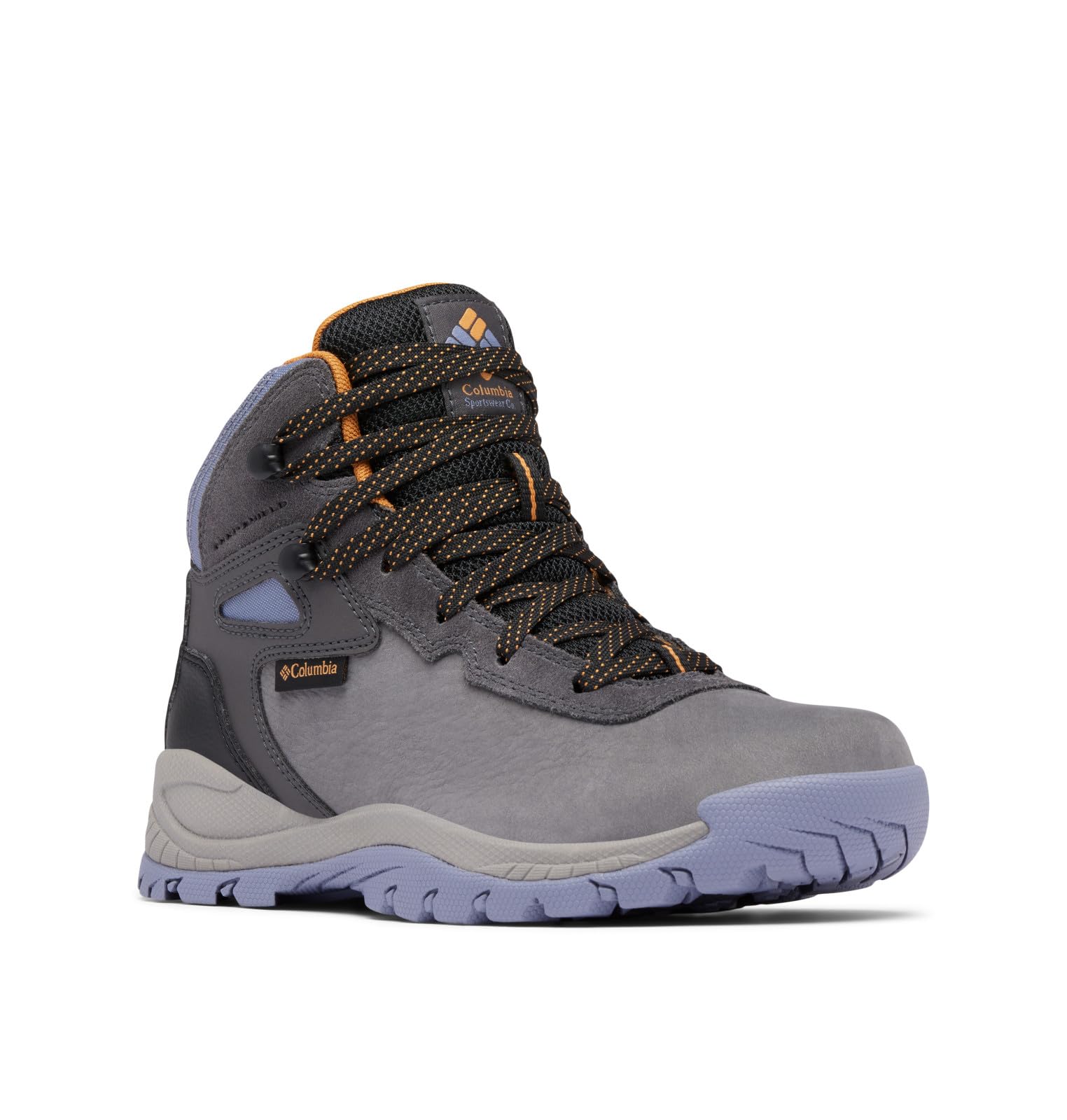
The Newton Ridge is the entry-level standard for women who want a legitimate hiking boot without the premium price. The nubuck upper with a padded collar provides warmth and weather resistance, and the Omni-Grip outsole delivers reliable traction on snow, mud, and moderate trail conditions. Several reviewers wore these as daily winter boots for warmth and dryness.
Fit is true to size, and comfort is high enough that one reviewer wore them for a 3-day hike with zero break-in and no shoe complaints. The color patterns are stylish enough to satisfy hikers who prioritize aesthetic appeal alongside function.
The biggest compromise is in long-term support. The midsole is softer and less dense than premium options, which means it compresses faster under a heavy pack. It’s not ideal for multi-day treks with significant gear weight. The boot also runs somewhat heavy for its price point, and the waterproofing is membrane-based but not as breathable as Gore-Tex alternatives.
Why it’s great
- Exceptional value for an entry-level waterproof hiking boot
- Comfortable out of box with no break-in period
- Stylish color options that perform well in cold weather
Good to know
- Soft midsole compresses under heavy pack loads
- Heavier than many premium options in the same category
- Waterproof membrane less breathable than Gore-Tex
FAQ
Should I size up for thick hiking socks?
How do I know if I need a wide width in a women’s hiking boot?
What is the difference between a waterproof boot and a water-resistant boot?
Can I replace the insole in my hiking boots for better arch support?
Final Thoughts: The Verdict
For most hikers, the best hiking boots for women overall is the KEEN Targhee 4 Mid because it delivers proven ankle stability, reliable KEEN.DRY waterproofing, and a roomy toe box with zero break-in. If your priority is lightweight, quick-drying performance for moderate trails, grab the KEEN Nxis Evo Mid. And if you deal with chronic foot pain or need orthopedic support, the Orthofeet Dakota Lug Sole is the only boot that includes arch support inserts and dual insoles straight out of the box.