Oily skin is a constant negotiation between a dewy glow and a greasy sheen. The right clay or mud mask steps in as the mediator — pulling sebum from deep within pores without stripping the barrier that keeps skin resilient. But the difference between a mask that refines and one that reddens comes down to clay type, particle size, and how the formula handles the clock.
I’m Emma — the founder and writer behind Baby Bangs. I spend my weeks cross-referencing ingredient decks with real user outcomes, weighing bentonite percentages against pore-refinement claims to separate effective formulas from gimmicky sludge.
This guide evaluates five contenders based on how they balance oil absorption, skin comfort, and practical wash-off use. If you are hunting for the best face mask for oily skin, these picks cut through the grease without cutting corners on your moisture barrier.
How To Choose The Best Face Mask For Oily Skin
Oily skin is not a single condition — it ranges from mild T-zone shine to full-face congestion with acne breakouts. The mask that works for one subtype might overdry or underperform on another. Here is what to check before you spread anything on your face.
Clay Type and Absorption Power
Bentonite clay has the highest negative charge, meaning it binds most aggressively to positively charged toxins and sebum. It is ideal for deep oil extraction but can feel tight if left on too long. Kaolin is gentler — it absorbs oil at a slower rate and is better for sensitive or combination zones. Illite sits between the two. Multi-clay blends try to hit the sweet spot of deep cleansing without the desert-dry aftermath.
Secondary Ingredients — The Calming Counterbalance
A strong clay base needs a soothing partner. Tea tree leaf water, allantoin, and panthenol reduce inflammation and prevent the skin from retaliating with more oil after wash-off. Hyaluronic acid looks out of place in a clay mask but is exactly what keeps the barrier intact. Without it, the skin can tighten to the point of micro-cracking, which triggers rebound sebum within hours.
Texture and Rinse-Off Experience
Powder masks let you control the consistency by adjusting the liquid ratio — thick for spot treatment, thin for full-face. Pre-mixed cream masks are convenient but sometimes include fillers that dilute the clay. Wash-off residue matters too: chalky masks that require three rinses are less likely to become weekly habits than creamy formulas that slide off cleanly in warm water.
Frequency and Skin Reaction Window
Most oily skin types tolerate clay masks twice a week, but reactive or acne-prone skin may need only once every five days. A forearm patch test before first use is non-negotiable with high-bentonite formulas. Redness that fades in thirty minutes is normal — redness that lingers for hours means the mask was left on too long or the clay grade is too aggressive for your skin.
Quick Comparison
On smaller screens, swipe sideways to see the full table.
| Model | Category | Best For | Key Spec | Amazon |
|---|---|---|---|---|
| LEROSETT Facial Clay Mask | Premium Mud | Deep oil absorption without irritation | 100% natural spa-grade clay | Amazon |
| Papa Recipe Tea Tree Mud Mask | Cream Clay | Gentle exfoliation + oil control | Bentonite + Kaolin + Illite blend | Amazon |
| Borghese Advanced Fango Mud Mask | Premium Mud | Blackhead removal + pore minimization | Bentonite clay + Hyaluronic Acid | Amazon |
| Aztec Secret Indian Healing Clay | Powder Clay | Customizable strength and full-body use | 100% calcium bentonite powder | Amazon |
| 48 Packs Collagen Essence Sheet Mask | Essence Sheet | Hydration + maintenance between clay sessions | Sodium hyaluronate + collagen essence | Amazon |
In‑Depth Reviews
1. LEROSETT Facial Clay Mask for Balanced, Clear-Looking Skin

Swedish clay from a 1987-origin brand — LEROSETT uses a proprietary blend of natural minerals that pull sebum without the skin-tightening panic that cheaper clays trigger. The particle size is milled fine enough to spread like cold cream but dense enough to form a proper drying seal over pores. This is the mask you reach for when your T-zone is greasy by noon but your cheeks still need hydration.
Unlike masks that rely on a single clay type, this formula layers multiple mineral sources to modulate absorption. The result is a gradual draw rather than a sudden suck — less redness, fewer rebound oil spikes. Users with combination skin report that the nasolabial fold area does not crack or flake after rinse-off, which is rare in the premium mud category.
The dry-down takes about twelve minutes, and the mask rinses clean with warm water in one pass — no chalky white film left around hairlines. It is the most expensive pick here, but the per-use cost evens out because a little goes far. For anyone who wants professional-grade oil management without a trip to the spa, this is the anchor product.
Why it’s great
- Refines pores with no tightness or cracking during dry-down
- Rinses clean in one pass — no chalky residue
- Made in Sweden with consistent mineral composition every batch
Good to know
- Premium-tier price per jar compared to drugstore clay masks
- Slightly thicker consistency requires even spreading
2. Papa Recipe Tea Tree Control Mud Cream Mask
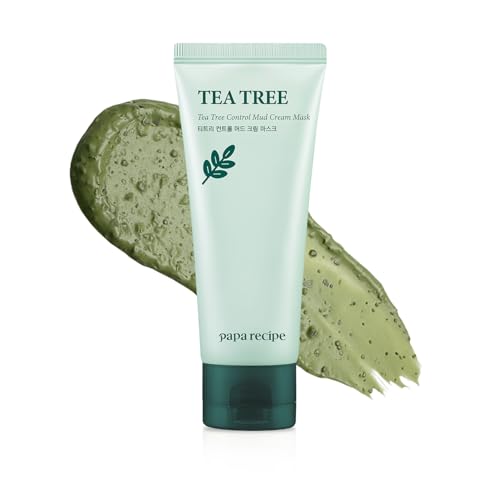
The triple-clay approach — bentonite, kaolin, and illite — gives this Korean mud mask a graduated absorption curve. Bentonite pulls the heavy oil, kaolin works the mid-range, and illite finishes the job without leaving skin feeling like parchment. The tea tree leaf water and allantoin do real calming work here, not just label decoration.
What sets this apart from standard clay masks is the ultra-fine red bean powder acting as a physical exfoliant. As you rinse, the grit lifts dead cells and surface debris that clay alone cannot dislodge. Users with oily-but-sensitive skin report that the mask does not trigger breakouts, which is a strong signal that the formula respects the barrier while still controlling sebum.
The texture is creamier than a traditional clay mask — it spreads like a rich moisturizer and dries to a matte finish without cracking. Rinse-off takes about forty seconds with a wet cloth. One jar lasts roughly twelve uses, making it a mid-range investment that outperforms many premium competitors in the soothing-aftermath category.
Why it’s great
- Triple-clay system balances deep cleaning with skin comfort
- Ultra-fine red bean powder provides gentle physical exfoliation during rinse
- Tea tree and allantoin prevent post-mask redness
Good to know
- Natural tea tree scent may smell vegetal to some users
- Not ideal for those who prefer unscented clay formulas
3. Borghese Advanced Fango Active Mud Mask
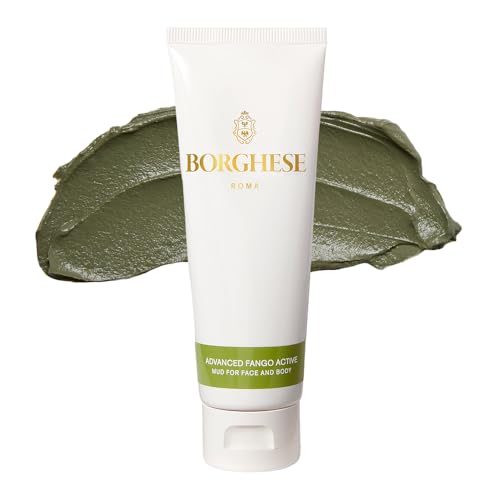
Borghese brings an Italian spa heritage to the oily-skin table with a bentonite base that specifically targets blackheads and congested pores. The unusual addition of hyaluronic acid is the strategic move here — it counterbalances the clay’s absorbent pull so the skin does not go into defensive overdrive and pump out more oil an hour after rinsing. That cooling sensation on application is not gimmick; it signals a pH-balanced formula that respects the acid mantle.
Where this mask excels versus straight clay options is the post-rinse skin feel. Instead of the typical tight, squeaky-clean finish that signals over-cleansing, the Borghese leaves skin soft to the touch with visibly smaller pore openings. Users with nose-area blackheads report the mask loosens debris enough that gentle extraction post-mask is significantly easier.
The consistency is smooth and spreadable — somewhere between a thick gel and a traditional mud. It dries in about fifteen minutes without forming deep cracks. Rinse requires a bit of water work around the nose and chin, but the hydrating payout justifies the extra few seconds. For oily skin that also battles congestion, this is a targeted weapon.
Why it’s great
- Hyaluronic acid prevents the tight, stripped feeling common after clay masks
- Cooling gel-mud texture soothes irritated or congested zones
- Loosens blackhead debris for easier post-mask extraction
Good to know
- Higher price per ounce than drugstore mud masks
- Cooling sensation may feel intense on very sensitive skin
4. Aztec Secret Indian Healing Clay

This is the rawest option on the list — 100% calcium bentonite clay in powder form with zero added ingredients, no preservatives, no fragrance, no buffer. The control it gives you over absorption intensity is unmatched. Mix it with apple cider vinegar for a deep pore pull or with water for a gentler session. Users can dial the paste thickness from a thin slurry to a thick plaster depending on the oil level of the day.
The critical learning curve here is timing. This clay activates quickly and can over-dry if left past the five-minute mark on sensitive areas. The brand’s own instructions flag that sensitive skin should keep it under ten minutes maximum. When used correctly, it pulls deep-seated sebum that cream masks cannot reach, making it the most effective single-ingredient option for oily skin that does not react to strong clay.
This is a budget-friendly item that stretches across dozens of uses, plus it doubles as a body wrap, foot soak, or hair mask. The trade-off is the preparation step — you cannot just squeeze and apply. For users who value ingredient purity and are willing to measure and mix, this powder delivers a level of customization that pre-mixed jars cannot match.
Why it’s great
- Single-ingredient purity with no additives or preservatives
- Customizable consistency — thin for sensitive zones, thick for stubborn spots
- Extremely cost-effective per use with dozens of applications per bag
Good to know
- Requires mixing before each use — not a grab-and-go product
- Can cause significant redness if left on longer than five to ten minutes
5. 48 Packs Collagen Essence Sheet Facial Masks

This is not a clay mask — it is the recovery partner for the days between deep-pore sessions. Oily skin that is over-cleansed with clay alone can become dehydrated, which triggers a compensatory oil surge. This sheet mask floods the skin with sodium hyaluronate and plant extracts to reset hydration levels without adding pore-clogging emollients.
The 48-pack format means you can use one mask every other day for over three months. Each sheet is pre-soaked in a light, watery essence that absorbs quickly without leaving a tacky residue — important for oily skin that rejects heavy creams. The collagen component supports elasticity, which matters when clay masks have been pulling at the skin’s surface over time.
Users report a visible plumping effect within twenty minutes of application. While this mask alone will not control oil production, it provides the hydration baseline that allows stronger masks to work without damaging the barrier. For a complete oily-skin routine, these sheets serve as the moisture anchor that prevents the rebound grease effect.
Why it’s great
- High quantity — 48 masks ideal for consistent hydration maintenance
- Lightweight essence absorbs fast without heavy residue on oily skin
- Sodium hyaluronate provides visible plumping in under twenty minutes
Good to know
- Not a substitute for clay masks — designed as a hydrating supplement
- Sheet fit varies by face shape; some users report loose edges around the jaw
FAQ
How often should I use a clay mask if my skin is very oily?
Should I mix bentonite clay with water or apple cider vinegar?
Can I use a sheet mask and a clay mask in the same routine?
Final Thoughts: The Verdict
For most users, the face mask for oily skin winner is the LEROSETT Facial Clay Mask because it delivers spa-grade mineral absorption with zero post-mask tightness, making it the most balanced option for daily oily skin. If you want gentle exfoliation alongside oil control, grab the Papa Recipe Tea Tree Mud Cream Mask. And for customizable strength and ingredient purity, nothing beats the Aztec Secret Indian Healing Clay.