Hyperpigmentation isn’t a single enemy — it’s sun spots, post-acne marks, melasma patches, and age-related discoloration, each requiring a different targeted strike. A mask built for one type often fails another, and choosing blindly buys you weeks of zero results and a bathroom shelf full of jars you’ll never finish.
I’m Emma — the founder and writer behind Baby Bangs. I’ve spent years analyzing ingredient synergies, clinical study results, and real-user feedback across dozens of brightening formulas to understand which actives actually penetrate and which just sit on the skin.
This guide breaks down the specific mechanisms — clay-based exfoliation, sheet-based serum delivery, and cream-based enzyme action — so you can pick the face mask for hyperpigmentation that matches your spot type, skin tolerance, and daily commitment level without wasting a cent.
How To Choose The Best Face Mask For Hyperpigmentation
Not all hyperpigmentation responds to the same active. Sun-induced lentigines sit deep in the dermis, post-inflammatory marks live in the epidermis, and melasma involves hormonal pathways. The mask’s delivery system — clay, sheet, or cream — determines how far the active penetrates. Your first filter: the mechanism of your pigmentation.
Pick your pigment pathway: Tyrosinase inhibitors vs exfoliation
Tyrosinase inhibitors like kojic acid, tranexamic acid, and vitamin C block the enzyme that produces melanin. These work best for surface-level spots and require consistent twice-weekly application over 4–8 weeks. Exfoliating masks — clay-based with AHAs or retinol — slough off pigmented cells faster but risk irritation on deeper tones. Fair Fitzpatrick types I–II tolerate exfoliating masks better; types IV–VI need gentler inhibition-driven formulas.
Format matters: Clay, sheet, or cream
Clay masks pull impurities and absorb excess oil while delivering actives, but they dry quickly, limiting active penetration time to 10–15 minutes. Sheet masks keep the skin occluded for 20–30 minutes, boosting hydration and enabling slower absorption of serums like niacinamide or glutathione. Cream masks — typically wash-off or leave-on — provide longer contact time for potent inhibitors like kojic acid without the drying stress of clay. Match the format to your skin’s moisture baseline: oily combination skin handles clay well; dry or sensitive types lean toward sheet or cream.
Check the supporting buffer ingredients
A mask with strong brighteners but no humectants will dehydrate the skin, paradoxically darkening spots as dead cells build up. Look for hyaluronic acid, glycerin, or beeswax in the first half of the ingredient list. Vitamin E and grapeseed oil act as antioxidant stabilizers for retinol and vitamin C. Avoid denatured alcohol high in the INCI — it strips the barrier and worsens pigmentation over time.
Quick Comparison
On smaller screens, swipe sideways to see the full table.
| Model | Category | Best For | Key Spec | Amazon |
|---|---|---|---|---|
| Mario Badescu Kojic Acid Whitening Mask | Cream | Melasma & age spots | 2% Kojic acid + mulberry extract | Amazon |
| Anua PDRN Hyaluronic Acid Capsule 100 Serum Mask | Sheet | Post-acne marks & dryness | PDRN salmon DNA + 8 types HA | Amazon |
| VALITIC Vitamin C & Turmeric Clay Mask | Clay | Oily skin with dark spots | Vitamin C + kojic acid + retinol | Amazon |
| VT COSMETICS TX Toning Daily Mask | Sheet | Daily maintenance for scars | Tranexamic acid + niacinamide | Amazon |
| Eight Saints No Plans Clay Mask | Clay | Blemish control + brighten | MSM + rose flower antioxidants | Amazon |
In‑Depth Reviews
1. Mario Badescu Kojic Acid Whitening Mask
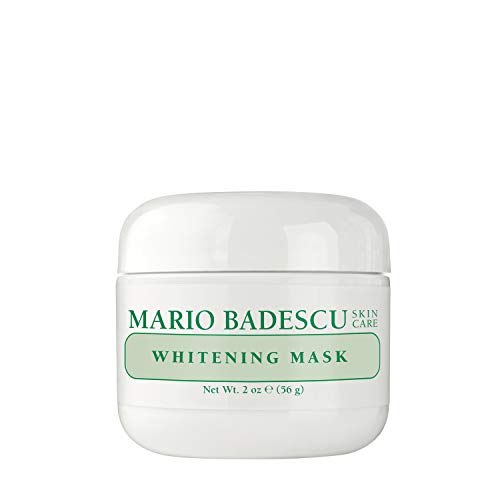
The Mario Badescu Kojic Acid Whitening Mask uses a triple-inhibitor approach — kojic acid, licorice root, and mulberry extract — to block tyrosinase at multiple points in the melanin synthesis chain. The cream base (beeswax and grapeseed oil) keeps the skin hydrated during the 20-minute wear, preventing the rebound dryness that can make spots appear darker. Multiple users with melasma and post-acne scarring report visible lightening after 4–5 bi-weekly applications.
This is a true wash-off cream mask, not a peel or clay. The texture is thick but spreads smoothly, and the vitamin E content stabilizes the kojic acid — important because kojic acid oxidizes quickly in water-based formulas. The 2-ounce tube lasts about 12–15 applications if used on the full face, longer if used as a spot treatment. Be aware: the fragrance-free formula has a faint botanical scent from the olive leaf, which dissipates quickly.
One consideration: the formula is technically classified as a “whitening” mask in traditional skincare parlance, meaning it operates on brightening the overall complexion in addition to spot fading. If your hyperpigmentation is strictly post-acne marks on oily skin, a niacinamide-based sheet mask may be more convenient — but for melasma and age spots, this cream mask delivers targeted inhibition without irritation.
Why it’s great
- Triple tyrosinase inhibition pathway covers melasma and age spots
- Beeswax and vitamin E prevent barrier dehydration during wear
- Reliable results on stubborn hyperpigmentation after 4–6 weeks
Good to know
- 2 oz jar runs low quickly if used on entire face twice weekly
- Can slightly lighten overall complexion, not just spots
2. Anua PDRN Hyaluronic Acid Capsule 100 Serum Mask

The Anua PDRN sheet mask is a Korean hydrogel formula built on salmon DNA-derived PDRN (polydeoxyribonucleotide), which stimulates fibroblast activity and collagen synthesis. While it’s primarily marketed as a hydration and plumping mask, the deep moisture delivery helps thin the stratum corneum over time — making existing pigmentation less pronounced. The 8-type hyaluronic acid complex penetrates at different skin depths, creating an environment where repair mechanisms can fade post-acne redness faster.
This mask does not contain traditional tyrosinase inhibitors like kojic acid or tranexamic acid. Instead, its hyperpigmentation benefit comes from the “glass skin” effect: the skin becomes so plump and hydrated that dark spots appear less textured and less visible. The ultra-thin water-gel sheet adheres tightly without dripping, and the formula is vegan and fragrance-free, making it safe for sensitive and reactive skin types that can’t tolerate active brighteners.
The mask comes in a 10-sheet package. Each sheet is single-use, and the serum amount is generous enough to also apply to the neck. If your hyperpigmentation is mild post-acne scarring accompanied by dehydration or barrier damage, this mask addresses the underlying dryness that makes spots look worse. For stubborn melasma, pair it with a multi-targeted inhibitor cream on alternating days.
Why it’s great
- PDRN + collagen boost supports skin repair and even tone
- Ultra-thin hydrogel delivers deep hydration without sticky residue
- Fragrance-free and vegan — suitable for sensitive or reactive skin
Good to know
- No direct tyrosinase inhibitor — darker spots need separate treatment
- 10-pack format requires refill sooner than tube-based masks
3. VALITIC Vitamin C & Turmeric Clay Mask
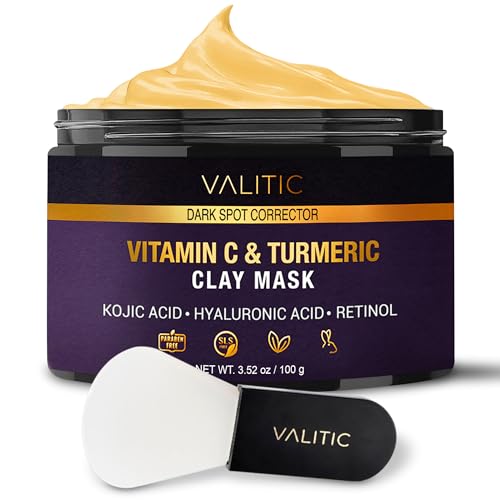
VALITIC packs three potent brighteners — vitamin C, kojic acid, and retinol — into a kaolin clay base, making this one of the few masks that combine physical oil absorption with chemical pigmentation inhibition. The retinol accelerates cellular turnover, shedding pigmented surface cells, while vitamin C neutralizes free radicals before melanin production starts. The turmeric adds anti-inflammatory protection against the irritation retinol can cause.
Users with oily and combination skin report visible fading of dark spots and acne scars within 3–4 weeks when used once weekly. The 100-gram jar includes an applicator brush for hygienic application, and the mask dries to a medium consistency — it’s not as tight as pure bentonite but has enough absorption to control breakouts. Some users note a mild tingling or burning on first application, typical of retinol-containing products on unaccustomed skin.
One trade-off: the retinol and vitamin C combination makes this mask pH-dependent. If your skin is very sensitive, start with a 5-minute wear time and gradually increase to the recommended 10–15 minutes. The mask is free from SLS and parabens, but the essential oil in the turmeric scent can be off-putting for those preferring fragrance-free formulas.
Why it’s great
- Retinol + kojic acid + vitamin C in one mask saves routine steps
- Kaolin clay controls oil while treating spots simultaneously
- Includes applicator brush for even, hygienic layer
Good to know
- Retinol phase-in required — tingling common for first uses
- Clay dries quickly, limiting active absorption window
4. VT COSMETICS TX Toning Daily Mask

The VT COSMETICS TX Toning Daily Mask uses tranexamic acid — a synthetic derivative of the amino acid lysine that inhibits plasmin and blocks UV-induced melanocyte activation. Combined with niacinamide and glutathione, this mask targets the pigmentation pathway from three angles: anti-inflammatory (tranexamic acid), melanin-transfer (niacinamide), and antioxidant (glutathione). The formulation is fragrance-free, which is critical because fragrance compounds can irritate darker skin tones and worsen post-inflammatory hyperpigmentation.
This is a “daily” sheet mask, meaning it’s designed for frequent use — the serum is lightweight enough to not cause congestion, and the sheet is thin enough to use for 15 minutes without over-hydrating. The 30-sheet pack works well for morning or evening routines when consistency is the primary goal. Tranexamic acid has strong clinical data for melasma reduction, especially in combination with niacinamide, making this a solid choice for hormonal pigmentation.
Because sheet masks rely on occlusive hydration to drive actives in, the duration needs to be at least 15 minutes — the serum can’t fully absorb in 5–10 minutes. The mask also contains a small amount of alcohol denat. for preservation, which may dry out very dehydrated skin types if used daily without a sealed moisturizer afterward.
Why it’s great
- Tranexamic acid + niacinamide + glutathione — strong melasma protocol
- 30-sheet supply supports consistent daily application
- Fragrance-free and lightweight formula for oily to normal skin
Good to know
- Contains alcohol denat. — sensitive dry types may need buffer
- Results require 6–8 weeks of consistent use
5. Eight Saints No Plans Clay Face Mask
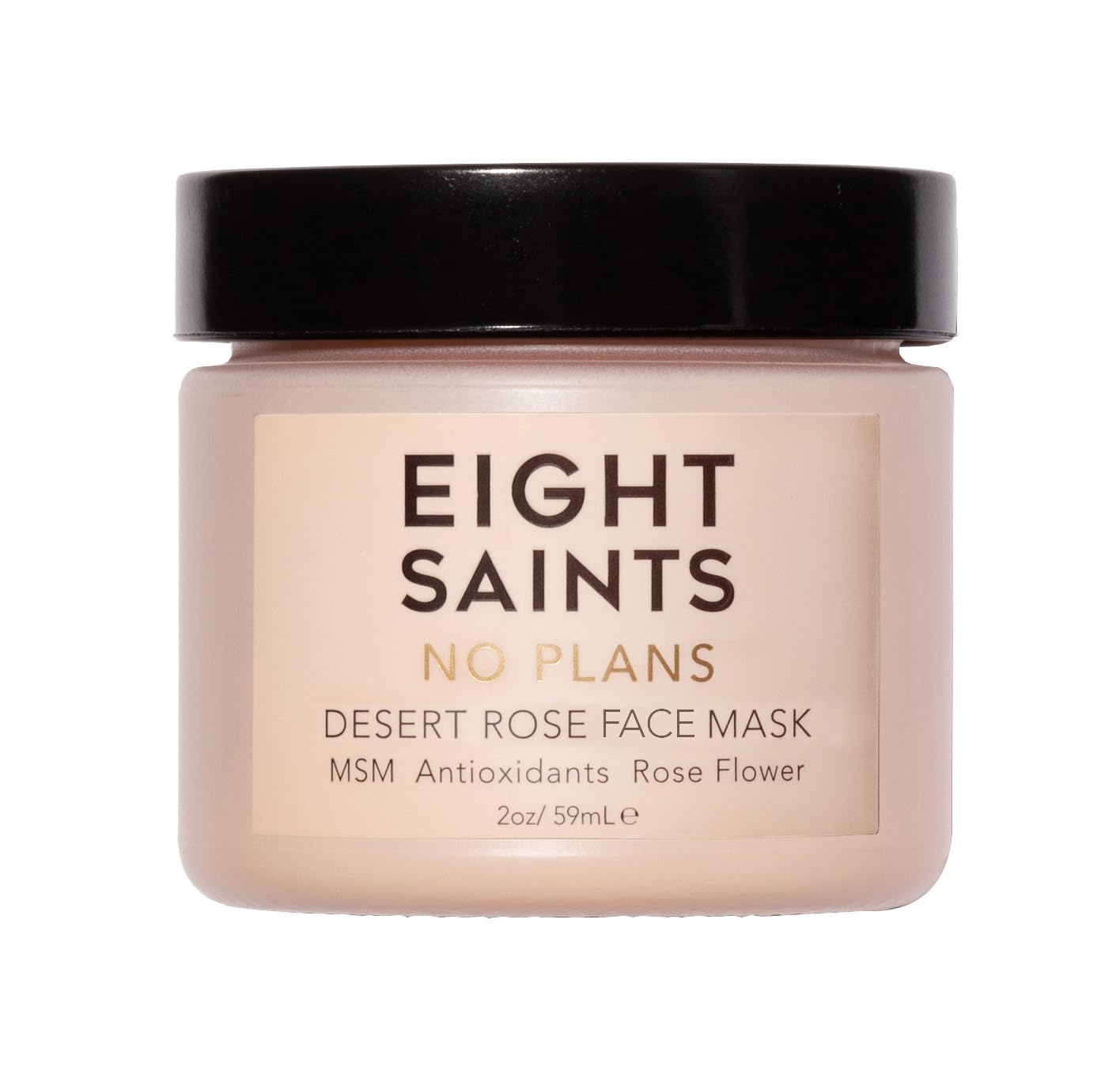
Eight Saints No Plans Clay Mask is a gentler entry into clay-based brightening. The active here is MSM (methylsulfonylmethane), a sulfur compound that reduces inflammation and helps the skin repair pigmented damage at the cellular level. The rose flower extract delivers antioxidants that prevent future UV-induced pigmentation, making this mask more of a preventative brightener than a direct spot eraser. The 2-ounce jar is compact but dense — a little goes a long way.
The clay base is kaolin and bentonite, which offer the pore-clearing benefits without the intense drying of pure bentonite masks. Users with normal to combination skin report a noticeable improvement in overall radiance after twice-weekly use over a month. The mask does not contain tyrosinase inhibitors, so it won’t dramatically fade existing dark spots — but it smooths the skin texture, making pigmentation less obvious through light reflection.
One limitation for hyperpigmentation-specific buyers: without direct brighteners like kojic acid or vitamin C, the mask relies entirely on MSM’s anti-inflammatory pathway. This works well for post-inflammatory erythema (redness from acne) but won’t address melasma or age spots. If your primary concern is textural unevenness with mild redness, this is a clean, gentle option — but stubborn pigmentation requires a companion inhibitor product.
Why it’s great
- MSM supports cellular repair without irritation or drying
- Rose antioxidants prevent further UV-triggered damage
- Gentle enough for twice-weekly use on normal/combination skin
Good to know
- No direct tyrosinase inhibitor — not effective for existing spots alone
- Primarily a radiance boost, not a targeted dark-spot treatment
FAQ
Can I use a clay mask for hyperpigmentation on dry skin?
How many times per week should I use a brightening face mask for spots?
Does the Anua PDRN mask actually fade dark spots?
Final Thoughts: The Verdict
For most users, the face mask for hyperpigmentation winner is the Mario Badescu Kojic Acid Whitening Mask because it combines triple tyrosinase inhibition with a hydrating cream base that prevents barrier damage. If you want a convenient sheet mask for daily spot maintenance, grab the VT COSMETICS TX Toning Daily Mask. And for oily skin with active breakouts and post-acne scars, nothing beats the VALITIC Vitamin C & Turmeric Clay Mask.