Visible facial scars can make you feel like your skin history is on display. Whether it’s leftover acne marks, a surgical incision, or a bump from a childhood fall, the right topical treatment can flatten discoloration, soften texture, and restore confidence without a trip to the dermatologist’s laser suite.
I’m Emma — the founder and writer behind Baby Bangs. I dig past the ingredient hype to focus on the topical science that actually remodels scar tissue, whether that means encapsulated retinol turnover, silicone occlusion, or vitamin C brightening cascades.
Below, I break down exactly which formulas earn a spot in your medicine cabinet and which specs matter most when you’re hunting for the best cream for scars on face.
How To Choose The Best Cream For Scars On Face
Facial skin is thinner, more sebaceous, and more exposed to UV than the rest of your body. A cream that works on a knee scar can clog pores or cause irritation on your cheek. Focus on these three parameters first.
Active Mechanism: Silicone vs. Retinol vs. Brighteners
Silicone-based gels (like dimethicone or cyclomethicone) create a protective film over the scar. This occlusion hydrates the stratum corneum, reduces collagen overproduction, and flattens raised or keloid scars. Retinol speeds epidermal turnover, pushing pigment out of post-inflammatory hyperpigmentation (PIH) faster. Vitamin C and licorice root target melanin production directly — they lighten dark spots without exfoliation. Pick the mechanism that matches your scar type: raised needs silicone, flat and dark needs retinol or vitamin C.
Non-Comedogenic Label Is Non-Negotiable
Heavy ointments or oils can trigger breakouts on the face. Every formula on this list passes the non-comedogenic test — it won’t block pores. Even the Bio-Oil, which is an oil-based serum, is formulated with a specific fatty-acid profile that absorbs without leaving a greasy film. If a scar cream doesn’t explicitly state “non-comedogenic,” do not put it on your face.
Consistency and Layering Compatibility
Facial scar treatment is a long game — three to six months of daily application. The cream must layer cleanly under moisturizer and sunscreen. A thick paste that balls up defeats compliance. Lightweight gels and fast-absorbing serums increase the odds you’ll actually stick with the routine long enough to see fading.
Quick Comparison
On smaller screens, swipe sideways to see the full table.
| Model | Category | Best For | Key Spec | Amazon |
|---|---|---|---|---|
| Rejuvaskin RejuvaSil | Silicone Gel | Raised & surgical scars | Silicone occlusion film | Amazon |
| CeraVe Retinol Serum | Retinol Serum | Acne marks & hyperpigmentation | Encapsulated Retinol + 3 Ceramides | Amazon |
| TruSkin Vitamin C Serum | Brightening Serum | Dark spots & uneven tone | Sodium Ascorbyl Phosphate (SAP) | Amazon |
| Bio-Oil Skincare Oil | Oil Serum | Old scars & stretch marks | Vitamin E + Chamomile/Lavender | Amazon |
| CICATRICURE Face & Body Gel | Scar Gel | General scar softening | Onion Extract + Silicone | Amazon |
In‑Depth Reviews
1. Rejuvaskin RejuvaSil Silicone Scar Gel
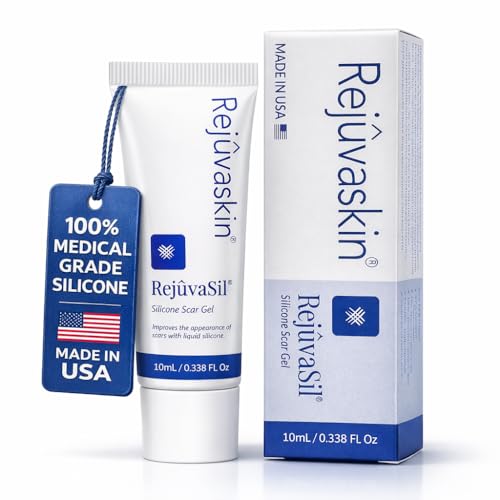
This gel is the dermatologist-class tool for raised or hypertrophic scars on the face. The liquid silicone dries into a breathable shield that hydrates the outer scar layer, signaling fibroblasts to stop piling on extra collagen. Customers report softening of open-heart surgery scars to the point where they can shave over them — that’s the kind of flattening that occurs with true silicone occlusion.
It layers well under makeup and sunscreen because the gel dries clear without balling. The formula also includes emu oil and squalene to soothe itchiness, which is a common complaint during scar remodeling. At 0.33 ounces, the tube looks small, but a pea-sized dot covers an inch-long scar — it lasts about two months with once-daily use.
The non-comedogenic label makes it safe for acne-prone cheeks and foreheads. If your primary concern is a raised scar from surgery or an old burn, this is the single most targeted tool in the list.
Why it’s great
- Clinically proven silicone occlusion for raised scars
- Dries clear and layers under cosmetics
- Hypoallergenic — works for sensitive skin
Good to know
- Small tube volume (0.33 oz) for the price
- Requires twice-daily application for best results
2. CeraVe Resurfacing Retinol Serum

Designed specifically for post-acne marks, this serum uses encapsulated retinol to gently accelerate skin cell turnover without the irritation typical of over-the-counter retinoids. The encapsulation means the retinol releases slowly into the skin, making this one of the few retinols you can use nightly without peeling. Customer reviews highlight visible improvements in pore size and overall smoothness within 10 to 14 days.
Licorice root extract targets the melanin in post-inflammatory hyperpigmentation, while niacinamide calms any residual redness from healing breakouts. The three-ceramide complex reinforces the moisture barrier, which is critical because retinol-exposed skin is more vulnerable to transepidermal water loss. This is a serum, not a thick cream — it sinks in fast and layers beautifully under moisturizer.
It is fragrance-free, paraben-free, and formulated with dermatologists. The 1-ounce bottle lasts two to three months with nightly use. For anyone whose main scar concern is the flat, red, or brown spots left after acne clears, this is the most cost-effective entry point.
Why it’s great
- Encapsulated retinol minimizes irritation while maximizing turnover
- Licorice root and niacinamide fade pigment and calm redness
- Non-comedogenic and fragrance-free for sensitive, acne-prone skin
Good to know
- Not ideal for raised or keloid scars
- Requires consistent nightly use for 6+ weeks to see full results
3. TruSkin Vitamin C Serum

This serum uses Sodium Ascorbyl Phosphate (SAP), a vitamin C derivative that is more stable and less acidic than L-ascorbic acid. SAP converts to active vitamin C on the skin, meaning it delivers brightening power without the stinging that many vitamin C serums cause on compromised or sensitive skin. Customer feedback from diverse skin tones — including deeper Fitzpatrick types — confirms fade spots around the mouth and cheeks without purging.
Hyaluronic acid and vitamin E reinforce hydration, while aloe vera and jojoba oil provide a non-greasy slip. The formula is free from parabens, dyes, and synthetic fragrances. This is not a scar-specific product in the silicone sense, but for flat, dark post-inflammatory marks, vitamin C interrupts melanin transfer from melanocytes to keratinocytes, which is the exact biological step that creates visible dark spots.
The 1-ounce bottle includes a glass dropper, and reviewers recommend buying the smaller size to ensure the vitamin C stays fresh before oxidation sets in. Use this in the morning under sunscreen for maximum brightening effect.
Why it’s great
- Stable vitamin C (SAP) brightens without irritation
- Hyaluronic acid keeps skin hydrated and plump
- Works on a wide range of skin tones and types
Good to know
- Not effective for raised or textured scars
- Vitamin C oxidizes over time — use within 3 months
4. Bio-Oil Skincare Oil

Bio-Oil is the most recognized name in mass-market scar care, and the science behind it focuses on hydration and antioxidant delivery rather than occlusion or turnover. The base is a blend of mineral oil and botanical oils (chamomile, lavender, calendula), plus vitamin E and retinyl palmitate. It works best on older, settled scars and general uneven skin tone, where consistent moisture and slow collagen stimulation can produce a gradual fade.
The oil is surprisingly lightweight for an oil-based product — customers note it absorbs within minutes and doesn’t leave the greasy residue you’d expect. Use it post-shower on damp skin to lock in water, or massage it directly into the scarred area twice daily. The 4.2-ounce bottle is generous, and a little goes a long way, making this the most volume-efficient option on the list.
It is dermatologist-recommended, non-comedogenic, and safe for all skin types. For old scars that have already flattened but remain discolored, Bio-Oil provides a slow, gentle path toward evening out the pigment.
Why it’s great
- Lightweight oil absorbs fast without clogging pores
- Large 4.2-oz bottle offers the best volume per application
- Gentle enough for old, sensitive, or mature scars
Good to know
- Results require 3+ months of consistent use
- Not sufficient alone for raised or keloid scars
5. CICATRICURE Face & Body Scar Gel

This gel combines Allium cepa (onion extract) with a dimethicone silicone base. Onion extract has a long evidence history in scar therapy — it acts as an anti-inflammatory and can help reduce fibroblast proliferation, which is the cellular mechanism behind hypertrophic scarring. The silicone component provides the occlusion needed to flatten the scar, while the botanical extract addresses redness and textural roughness.
Customer reports note fast healing and visible improvement in a single week, particularly for newer scars. The gel dries to a clear, non-greasy finish that is compatible with facial makeup. The pack of two 1-ounce tubes delivers a generous total volume, which makes it a practical choice for larger or multiple facial scars.
The fragrance is mild and dissipates quickly. This formula works best for recent scars (less than six months old), though several reviewers report positive changes on older scars as well. For the budget-conscious shopper who wants both silicone occlusion and active botanical ingredients, this represents the best cost-to-performance ratio in the lineup.
Why it’s great
- Onion extract plus silicone occlusion for dual-action scar remodeling
- Two-pack provides excellent volume for the price point
- Fast-absorbing, non-greasy, and makeup-friendly
Good to know
- Stronger effect on newer scars (<6 months)
- Some customers report slow results on very old keloids
FAQ
How long does a facial scar cream take to show results?
Can I use a retinol serum and a silicone scar gel together on the same scar?
Do facial scar creams expire, and how can I tell?
What type of scar is hardest to treat with topical cream alone?
Final Thoughts: The Verdict
For most users, the cream for scars on face winner is the Rejuvaskin RejuvaSil Silicone Scar Gel because it targets the root mechanism of raised scarring and it works on both old and new scars without irritating facial skin. If your main concern is flat, dark acne marks, grab the CeraVe Resurfacing Retinol Serum for its gentle encapsulated retinol plus brightening licorice root. And for general uneven tone or old stretch marks on a budget, nothing beats the volume and hydration value of Bio-Oil Skincare Oil.