Eczema on the eyelid presents a uniquely frustrating dilemma: the skin in this area is the thinnest on the body, highly absorbent, and in constant motion. Standard body lotions sting or migrate into the eye, while harsh steroid creams can cause irreversible thinning and discoloration. The right treatment must be potent enough to calm inflammation yet gentle enough for the most reactive skin zones.
I’m Emma — the founder and writer behind Baby Bangs. I’ve spent years analyzing formulations, deciphering ingredient labels, and cross-referencing clinical data to identify the creams that deliver real relief without the hidden dangers.
This guide cuts through the marketing noise to deliver a curated selection of the safest and most effective options. After extensive analysis of formulation strategies and verified user outcomes, these are the top choices for the best cream for eczema on eyelids available today.
How To Choose The Best Cream For Eczema On Eyelids
Choosing a cream for this specific area requires a shift in thinking. You aren’t just looking for a barrier cream; you need a formula that respects the eyelid’s high permeability and proximity to the eye. The wrong base or preservative can cause more irritation than the eczema itself.
The Formulation Base: Ointment vs. Cream
Ointments (higher oil content) provide a superior barrier and typically contain fewer preservatives, making them a top-tier choice for overnight repair. However, they can be visually greasy during the day. Light creams or lotions are better for daytime wear under makeup but require a more complex emulsifier system that can be a hidden source of stinging for some users. The ideal pick often lands on a rich cream with a balanced, non-greasy finish that absorbs fully.
Ingredient Verification: The Eyelid-Safe Checklist
Scan the ingredient list for proven moisturizers and barrier-repair agents like colloidal oatmeal, ceramides, shea butter, and glycerin. These have decades of safe use. You must avoid common irritants at all costs: fragrance (including essential oils), dyes, alcohols (denatured alcohol and SD alcohol 40), and harsh preservatives like methylisothiazolinone. The shorter and more transparent the ingredient list, the better for a sensitive eyelid.
The Steroid Risk: Why “Steroid-Free” Matters
This cannot be overstated: topical steroids thin the skin over time. The eyelid is already dangerously thin. Using even a low-potency hydrocortisone cream on the eyelid for more than a few days can lead to perioral dermatitis, telangiectasia (spider veins), and skin atrophy. Selecting a high-quality, steroid-free cream is not a preference; it is a safety requirement for any ongoing periorbital eczema management routine.
Quick Comparison
On smaller screens, swipe sideways to see the full table.
| Model | Category | Best For | Key Spec | Amazon |
|---|---|---|---|---|
| LEMYKA Natural Eczema Cream | Premium Cream | Severe or chronic flare-ups | Ceramide & Organic Aloe Base | Amazon |
| Grahams Natural Face & Eyelid Cream | Mid-Range Cream | Daily targeted eyelid relief | Colloidal Oatmeal & Jojoba Oil | Amazon |
| Olay Sensitive Eczema Therapy | Mid-Range Cream | General face & eyelid hydration | Vitamin B3 & Colloidal Oatmeal | Amazon |
| ECZEMA HONEY Nut-Free Cream | Mid-Range Lotion | Fast itch relief with honey | Manuka Honey & Grapeseed Oil | Amazon |
| LEMYKA Baby Eczema Cream | Premium Ointment | Infants & ultra-sensitive skin | Organic Aloe & Calendula Base | Amazon |
In‑Depth Reviews
1. LEMYKA Natural Eczema Cream with Ceramides
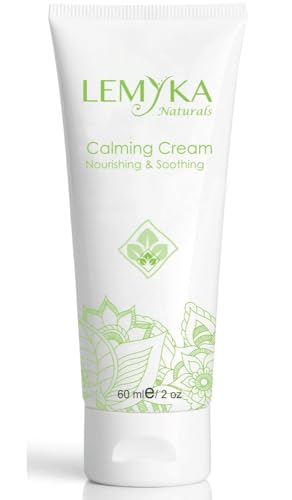
This formula is engineered for the most stubborn, reactive skin, leveraging ceramides to rebuild the lipid barrier that is inherently defective in eczema-prone skin. Users report that a tiny dab stops the intense itching associated with pregnancy-related and chronic flare-ups, and it heals lichenified (thickened) patches without the use of steroids. The texture is smooth and absorbs fully, avoiding the sticky or gummy residue that can disturb sleep when applied near the eyes.
The ingredient list is stripped of the usual offenders — no fragrance, no parabens, and no petrolatum, relying instead on organic aloe and green tea for their calming, antioxidant effects. The manufacturer, Micha Advanced Health, has a strong track record with the dermatological community, and long-term users consistently report that their skin remains clear for weeks without recurrence once the flare is controlled.
While the price per ounce places this firmly in the premium category, the concentration of active ingredients means a single tube lasts substantially longer than standard drugstore creams. Users who have tried dozens of over-the-counter options frequently call this the “only” non-steroidal cream that has ever worked for their eyelid dermatitis.
Why it’s great
- Repairs the moisture barrier with clinical-grade ceramides.
- Fast-absorbing, non-greasy formula safe for daytime wear.
- Concentrated — a very small amount goes a long way.
Good to know
- Premium price may feel steep before verifying tolerance.
- Small tube format versus larger tubs from competitors.
2. Grahams Natural Face & Eyelid Eczema Cream
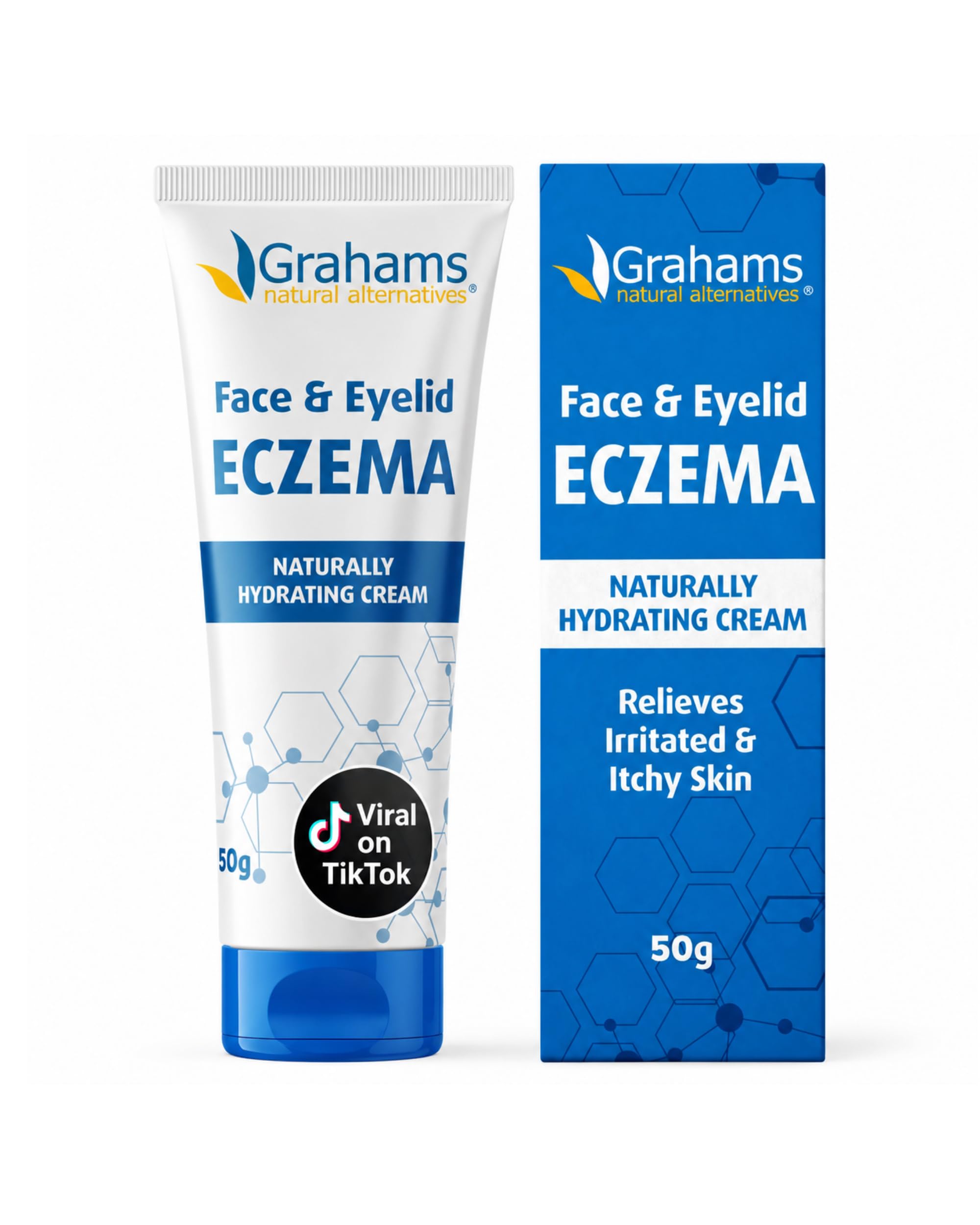
This is one of the few creams on the market explicitly labeled for use on the eyelids, which signals a formulation approach that accounts for the unique anatomy of the periorbital region. The base is a gentle emulsion of colloidal oatmeal, jojoba oil, shea butter, and cocoa butter — ingredients that provide deep moisturization without the sting. Users specifically note that it reduces redness and swelling on the eyelid margin after just one application.
Grahams Natural distinguishes itself by being entirely steroid-free and avoiding the harsh preservatives that commonly trigger contact dermatitis on thin eyelid skin. It is designed to be worn under makeup, absorbing fully so it does not pill or migrate into the eye during the day. This makes it practical for adults who need to maintain a professional appearance while treating a persistent flare.
Multiple verified reviews highlight its effectiveness on children and adults alike, with one parent noting a dramatic reduction in their son’s eyelid redness and irritation. However, a small subset of users reported no improvement or a drying effect, which suggests that the oat-based formulation may not suit everyone. Testing on a small area first is recommended.
Why it’s great
- Explicitly formulated and labeled for eyelid application.
- Absorbs cleanly and works well under makeup.
- Natural, gentle ingredient profile with no steroids.
Good to know
- Oat-based formula may not agree with all skin chemistries.
- Some users found it insufficient for severe, oozing flares.
3. Olay Sensitive Eczema Therapy Face Moisturizer

Olay brings its skincare science to the eczema category with a face-specific moisturizer that includes colloidal oatmeal for immediate soothing and vitamin B3 (niacinamide) for long-term barrier repair. This cream is dermatologist-approved by the Skin Health Alliance and is free from the full list of suspects — no fragrance, parabens, phthalates, dyes, or mineral oil. Users consistently report that it keeps skin hydrated all day without the greasy feel that can interfere with vision or comfort near the eyes.
The 1.7-fluid-ounce tube is generous for a face-specific product, and the formulation is designed to treat general eczema as well as reactions from poison ivy, insect bites, and rashes. This versatility makes it a solid option for users who need a single product for both their eyelids and the rest of their face. The inclusion of shea butter adds an emollient layer that drugstore brands often skip in their “sensitive” lines.
While the price is higher than standard Olay moisturizers, it aligns with the mid-range of dedicated eczema therapies. A few users felt the cost was still steep relative to generic alternatives, but the majority of verified buyers, including those with children, called it a “must-buy” for facial eczema. The lack of a sunscreen component means it works seamlessly with a separate daytime SPF.
Why it’s great
- Trusted brand with dermatological certification.
- Non-greasy formula ideal for all-day facial wear.
- Multi-purpose — treats eczema, rashes, and general irritation.
Good to know
- Not specifically labeled for eyelid use; user discretion needed.
- Price may feel elevated compared to standard face creams.
4. ECZEMA HONEY Nut-Free Original Skin-Soothing Cream
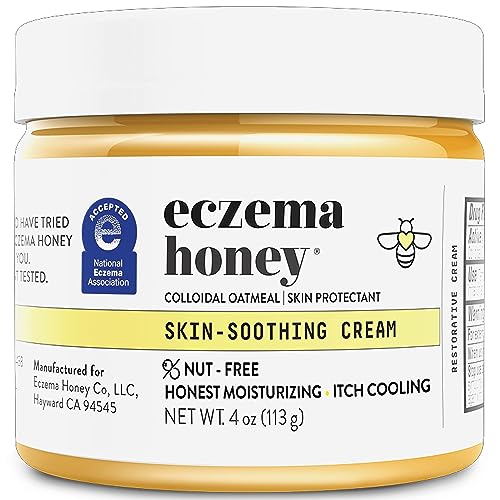
Manuka honey is the hero ingredient here, chosen for its well-documented antimicrobial and anti-inflammatory properties. The cream contains 1% colloidal oatmeal and grapeseed oil, providing a balanced moisturizing base that cools and calms the skin on contact.
This product carries the National Eczema Association (NEA) Seal of Acceptance, a rigorous third-party certification that confirms the formula is safe and effective for eczema-prone skin. The texture is notably not thick or sticky, which is a common complaint with honey-based products. It absorbs well into the thin skin of the face and does not leave a tacky film that would disturb sleep or makeup application.
Some users note that the cream has a slight oily feel on initial application, which is inherent to its oil-rich formulation. While manuka honey is safe for most, individuals with bee product allergies should proceed with caution. Users also recommend pairing it with an aloe vera cream for maximum soothing, which suggests it may not be a complete standalone solution for severe flares.
Why it’s great
- NEA Seal of Acceptance for safety and effectiveness.
- Manuka honey provides rapid itch relief and antimicrobial action.
- Light texture that absorbs without stickiness.
Good to know
- Not safe for those with bee or honey allergies.
- May feel oily initially before full absorption.
5. LEMYKA Baby Cream for Eczema (Organic Soothing Ointment)

Developed by Stanford researchers, this cream functions as a fast-relief ointment, a natural barrier cream, and a long-lasting moisturizer in one tube. The organic base features high levels of aloe vera, calendula, panthenol (vitamin B5), and green tea extract — ingredients specifically chosen to avoid any stinging or burning sensation on contact. This makes it the safest option for applying directly to the sensitive eyelid skin of infants and toddlers.
The texture is rich but absorbs “like water,” as one user described it, healing the skin rather than just creating a greasy barrier. Users report that it rapidly reduced redness and improved texture for their 18-month-old child, with no recurrence of flares after months of consistent daily use. The absence of parabens, fragrances, petrolatum, and steroids means it can be applied from the eyelids down to the toes without concern.
The 2-ounce tube is the smallest form factor in this guide, and the premium price per ounce is notable. Additionally, the packaging has drawn criticism for its labeling — the print can wear off and transfer onto fingers, potentially contaminating the cream. Some users recommend dispensing it onto a clean spatula rather than using fingers directly to maintain hygiene.
Why it’s great
- Designed by Stanford researchers with organic, non-stinging ingredients.
- Absorbs completely without a greasy residue.
- Safe for use on infants and the most sensitive skin types.
Good to know
- Small tube size and premium price per ounce.
- Packaging print may wear off and contaminate the cream.
FAQ
Can I use a regular body eczema cream on my eyelids?
How long does it take for an eyelid eczema cream to work?
Is it safe to wear makeup over eyelid eczema cream?
What ingredient should I avoid for eyelid eczema?
Final Thoughts: The Verdict
For most users, the cream for eczema on eyelids winner is the Grahams Natural Face & Eyelid Eczema Cream because it is specifically formulated and labeled for eyelid use, offering a balanced blend of colloidal oatmeal and jojoba oil in a steroid-free base that absorbs under makeup. If you have severe or chronic flares that require deep barrier repair, grab the LEMYKA Natural Eczema Cream with Ceramides. And for an infant or the most sensitive skin, nothing beats the organic, non-stinging formula of the LEMYKA Baby Cream.