Melanin-rich skin carries a unique advantage: natural protection against premature aging. Yet that same strength makes it highly vulnerable to inflammation, hyperpigmentation, and uneven tone when exposed to the wrong chemical peel. A harsh formula can trigger post-inflammatory hyperpigmentation (PIH) that lasts months, turning a quest for smooth skin into a frustrating repair cycle.
I’m Emma — the founder and writer behind Baby Bangs. I’ve spent years digging through dermatological studies and peer-reviewed data on melanin-rich skin to understand which active acids minimize the risk of reactive hyperpigmentation while still delivering visible, even-toned results.
This buying guide is built around formulations that respect the unique biology of darker skin. I’ve curated a shortlist of the best chemical peel for black skin based on safety, ingredient profiles, and real-world performance from users with Fitzpatrick IV to VI skin tones.
How To Choose The Best Chemical Peel For Black Skin
Selecting a chemical peel for melanin-rich skin requires a different evaluation framework than lighter skin types. The primary risk is not surface irritation but post-inflammatory hyperpigmentation (PIH), which can darken treated areas for weeks or months. The following parameters are your safety guardrails.
Acid Type Matters More Than Concentration
Mandelic acid is widely regarded as the safest AHA for darker skin because its larger molecular structure penetrates more slowly, reducing inflammation. Lactic acid is a close second. Glycolic acid, while effective, carries a higher PIH risk at concentrations above 20% for Fitzpatrick IV-VI skin unless buffered with soothing agents like aloe vera or green tea.
pH Level Determines Aggression
A peel’s pH dictates how strongly the acid exfoliates. Lower pH equals higher acidity and deeper penetration. For darker skin, a peel with a pH above 3.5 is safer for home use. Products with a pH below 3.0 border on professional-grade and should be patch-tested rigorously before any full-face application.
Soothing and Anti-Inflammatory Additives
The presence of ingredients like niacinamide, hyaluronic acid, green tea, aloe vera, and ceramides can reduce the inflammatory cascade that leads to PIH. A peel that exfoliates without simultaneously soothing the skin barrier is a riskier choice for melanin-rich skin.
Quick Comparison
On smaller screens, swipe sideways to see the full table.
| Model | Category | Best For | Key Spec | Amazon |
|---|---|---|---|---|
| Paula’s Choice 6% Mandelic + 2% Lactic | Liquid AHA | Sensitive, hyperpigmentation-prone skin | 6% Mandelic + 2% Lactic acid | Amazon |
| EXUVIANCE Performance Peel AP25 | Peel Pads | Gentle weekly resurfacing | Glycolic + Mandelic + PHA | Amazon |
| Mad Hippie AHA Exfoliating Peel | Leave-on Serum | Daily brightening with niacinamide | Lactic + Glycolic + Peptides | Amazon |
| Almond Clear Face & Body Clearing Serum | Mandelic Serum | Body acne and folliculitis | 10% Mandelic Acid (estimated) | Amazon |
| YEOUTH Glycolic Acid Face Peel 30% | High-Strength Peel | Experienced users targeting texture | 30% Glycolic + Retinol | Amazon |
| Jack Black Power Peel Multi-Acid Pads | Multi-Acid Pads | Men’s multi-acid resurfacing | Glycolic + Lactic + Salicylic | Amazon |
| Paula’s Choice 2% BHA Liquid Exfoliant | BHA Liquid | Oily, blackhead-prone skin | 2% Salicylic Acid (BHA) | Amazon |
In‑Depth Reviews
1. Paula’s Choice 6% Mandelic + 2% Lactic Acid Exfoliant
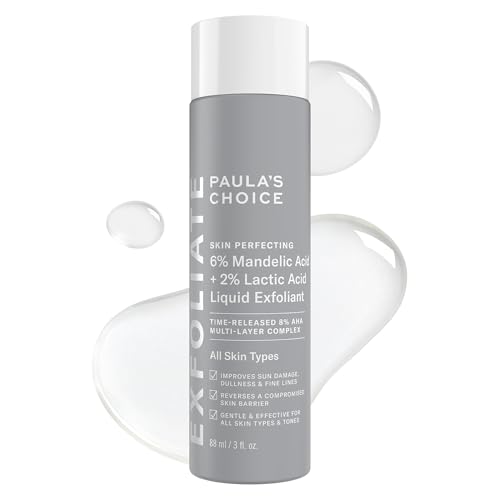
This liquid exfoliant is the safest entry point for melanin-rich skin interested in AHA resurfacing. The 6% mandelic acid combined with 2% time-released lactic acid creates a gentle exfoliating action above the skin surface, reducing the risk of reactive pigmentation that higher-strength glycolic peels often cause. The larger mandelic molecule penetrates slowly, making it ideal for Fitzpatrick IV-VI skin that needs brightening without the burn.
Fermented antioxidants including cherry blossom and yumberry support the skin microbiome while calming potential irritation. Real-world feedback from users with sensitive skin and rosacea confirms this formula causes no stinging or redness, which is exceptional for an active AHA product. Users report visible fading of dark spots and a smooth, even surface tone within three to four weeks of consistent use.
The texture is thin and watery, requiring careful application with a cotton pad to prevent dripping. It is designed as a leave-on treatment, not a rinse-off peel, which means it integrates into a daily or every-other-day routine rather than a weekly event. Sunscreen is non-negotiable the morning after use.
Why it’s great
- Extremely gentle AHA blend safe for daily use on sensitive melanin-rich skin.
- Fragrance-free and microbiome-friendly formula reduces irritation risk.
- Visible improvement in hyperpigmentation without triggering PIH.
Good to know
- Watery consistency can drip; careful application required.
- Higher price per ounce compared to single-acid alternatives.
2. EXUVIANCE Performance Peel AP25
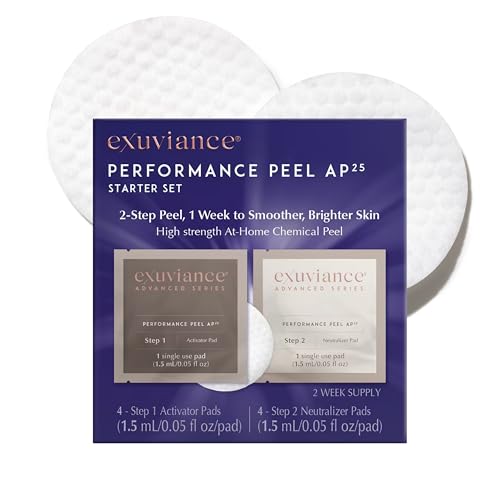
EXUVIANCE designed this at-home peel pad system around a triple-acid approach — glycolic acid for resurfacing, mandelic acid for gentle brightening, and polyhydroxy acids (PHAs) for hydration without irritation. For black skin, the inclusion of mandelic acid buffers the stronger glycolic component, reducing the inflammatory trigger that often leads to PIH. The AP25 formulation has been a staple in dermatology offices for years, now available for home use with a safety profile that is well documented.
Each pre-soaked pad delivers a controlled dose, so there is no guesswork around application thickness or timing. Users with sunspots and uneven texture report noticeable improvements after two to three weeks of twice-weekly use. The peel does not cause visible peeling in the traditional sense — it works more like a gentle resurfacant that gradually refines pore size and evens tone without the downtime.
Some users note the adhesive on the pad container lid could be stronger to preserve freshness. Given the combination of acids, starting with once-a-week application is wise for first-time users with darker skin tones. Pair with a barrier-supporting moisturizer on non-peel nights.
Why it’s great
- Controlled pad delivery eliminates application errors common with liquid peels.
- Mandelic acid inclusion lowers PIH risk compared to glycolic-only peels.
- Improves skin tone and texture without aggressive peeling or downtime.
Good to know
- Container lid adhesive can weaken over time, risking pad drying.
- Higher price per treatment compared to liquid exfoliants.
3. Mad Hippie AHA Exfoliating Peel

Mad Hippie combines glycolic acid and lactic acid into a serum-like peel that also features a heavy dose of niacinamide — a crucial ingredient for melanin-rich skin because it directly inhibits melanosome transfer, reducing the appearance of dark spots. The presence of ceramides and hyaluronic acid helps maintain barrier integrity during exfoliation, which is a common weakness in other acid blends. This is not a rinse-off peel; it is a leave-on serum that works overnight.
Real-world reviews from users with acne-prone and hyperpigmentation-prone skin report that their skin texture smoothed significantly by the next morning without the sting associated with higher glycolic concentrations. The inclusion of Matrixyl Synthe’6 peptides adds anti-aging support, which is unusual for an AHA product at this price tier. Users with oily skin note that the formula slightly reduces shine without stripping.
The serum leaves a mild tackiness until moisturizer is layered on top, which some users find annoying. It is a good bridge product for those moving from a basic AHA toner to a more active resurfacing treatment while keeping niacinamide in the equation.
Why it’s great
- Niacinamide content directly targets hyperpigmentation at the cellular level.
- Ceramides and hyaluronic acid protect the skin barrier during exfoliation.
- Gentle enough for daily use on acne-prone Fitzpatrick IV-VI skin.
Good to know
- Leaves a temporary sticky residue until moisturizer is applied.
- Small bottle size requires consistent repurchasing for full-face use.
4. Almond Clear Face & Body Clearing Serum Level 1
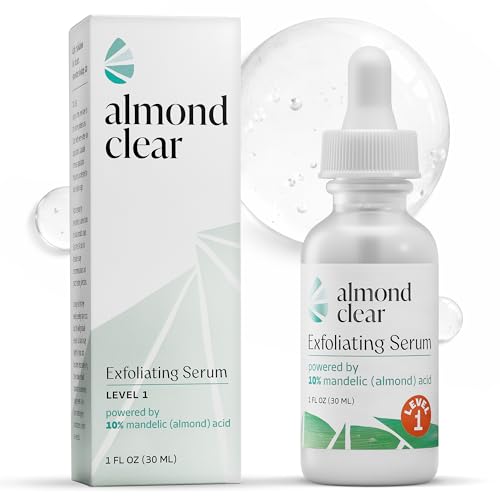
This mandelic acid serum is formulated specifically for body acne, folliculitis, and ingrown hairs, making it a unique entry in the chemical peel category. For black men dealing with razor bumps or women managing bikini-line irritation, this serum offers a mandelic acid concentration (estimated around 10%) that penetrates gently enough for daily use on larger body surfaces without triggering the angry rebound pigmentation that harsher salicylic acid body treatments can cause.
Mandelic acid is antibacterial and antifungal, which directly addresses the underlying microbial component of folliculitis. Users with stubborn folliculitis on the back, thighs, and chest report significant clearing within a few weeks when combined with consistent use. The serum also visibly reduces the appearance of old dark spots and surgical scars according to multiple verified reviews.
The product has a thin, watery texture that smells mildly acidic — not a pleasant fragrance, but the formula contains no artificial scents or alcohol. Some users find it less effective for severe acne than clinical mandelic peels from esthetician brands, but the price point and availability make it an accessible first step.
Why it’s great
- Specifically formulated for body folliculitis and ingrown hairs common in black skin.
- Mandelic acid base keeps PIH risk low during treatment of larger body areas.
- Visible fading of dark spots and surgical scars with consistent use.
Good to know
- Watery texture and mild acidic smell are not cosmetically elegant.
- Results for severe acne may be slower compared to professional peels.
5. YEOUTH Glycolic Acid Face Peel 30%
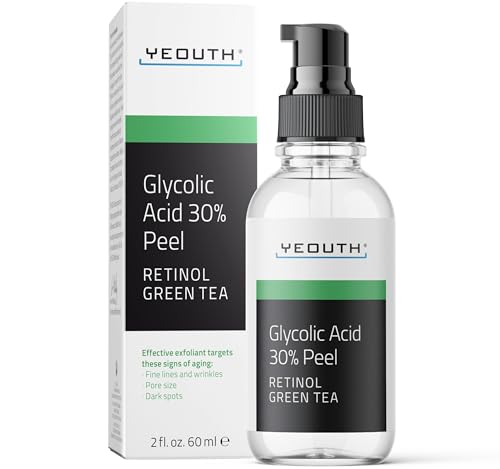
At 30% glycolic acid, this is a high-strength at-home peel that is not suitable for beginners or reactive melanin-rich skin. However, for experienced users who have successfully built tolerance to lower-strength AHAs, this concentration can deliver accelerated textural improvements and deeper brightening. The formula includes retinol, which enhances cellular turnover — potentially beneficial for stubborn sun damage but also a higher irritation risk combination when layered on darker skin.
YEOUTH buffers the peel with aloe vera and hyaluronic acid, providing some surface soothing, but the science is clear: glycolic acid at this pH (estimated 3.0-3.5) penetrates deeply and carries a measurable PIH risk for Fitzpatrick V-VI skin. Several users with clear skin before use reported burn marks and reactive bumps, indicating that this product demands perfect pre-peel skin health and strict timing compliance — no longer than 2-5 minutes per application.
The pump mechanism is unpredictable, making it hard to dispense consistent amounts. Best reserved for users who have already completed a course of lower-strength glycolic peels and know exactly how their skin responds to high-concentration acids.
Why it’s great
- High strength delivers dramatic texture and tone improvements for tolerant skin.
- Retinol inclusion boosts anti-aging and cell turnover benefits.
- Aloe vera and hyaluronic acid provide some soothing buffer.
Good to know
- High PIH risk for darker skin tones; patch test is non-negotiable.
- Unreliable pump mechanism makes dosing inconsistent.
- Reported reactions on previously clear skin highlight the need for caution.
6. Jack Black Power Peel Multi-Acid Resurfacing Pads
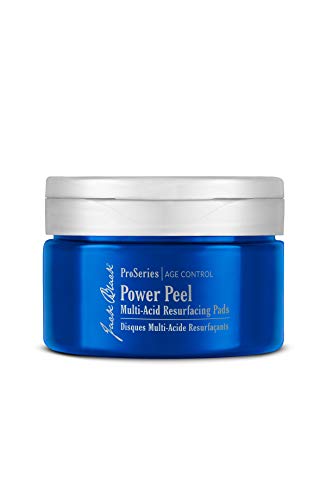
This pre-soaked pad system from Jack Black delivers three acids — glycolic, lactic, and salicylic — along with natural fruit acid extracts from bilberry and sugar cane. The multi-acid approach targets multiple layers of surface exfoliation, but the inclusion of salicylic acid (BHA) adds oil-clearing capacity inside pores, which is useful for black skin prone to both hyperpigmentation and congestion. The UGL Complex (glucosamine, algae, yeast extract, urea) claims 45% smoothness improvement in clinical testing.
Users with sensitive darker skin tones report that the pads cause a mild tingling sensation but no burning, and frequent users note that skin tone becomes more consistent and dark spots visibly fade over three to four weeks of every-other-day use. The pads are large enough to cover face and neck in one swipe, making the routine efficient. The brand markets to men, but the formula is unisex and effective for anyone looking for a multi-acid resurfacing pad with a gentler touch.
The pads are not individually sealed, so the jar needs to be kept tightly closed to prevent drying. Some users find the price per jar higher than liquid exfoliants with similar acid profiles.
Why it’s great
- Triple-acid blend (glycolic, lactic, salicylic) addresses texture, tone, and pores simultaneously.
- UGL Complex shows measurable improvement in smoothness and firmness.
- Pre-soaked pads provide consistent dose with no mess.
Good to know
- Pads not individually sealed; air exposure can degrade actives over time.
- Higher cost per treatment compared to liquid exfoliants.
7. Paula’s Choice 2% BHA Liquid Exfoliant
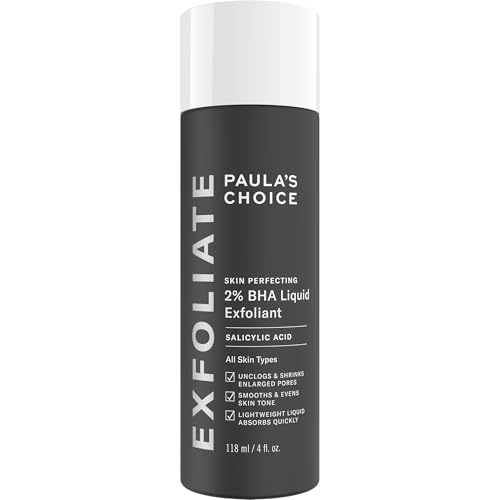
This is a leave-on BHA exfoliant, not a traditional rinse-off peel, but it performs the same exfoliating function for black skin by clearing clogged pores and reducing blackheads without the inflammation risk of high-percentage glycolic peels. The 2% salicylic acid concentration is the maximum effective dose for at-home use, and this formula is oil-free, fragrance-free, and non-comedogenic — three non-negotiables for melanin-rich skin prone to reactive pigmentation.
The BHA molecule penetrates oil-filled pores directly, dissolving the debris that leads to enlarged pores and blackheads. Users with Fitzpatrick V skin report that the clear and textured skin around the nose and chin improves within a week of daily use. The formula is hydrating enough to avoid the tight, dry feeling that many BHA products cause, and the lack of fragrance eliminates the potential for contact dermatitis that could trigger PIH.
The packaging is the weakest link — the narrow bottle opening makes it easy to over-dispense or splash product. Users often decant it into a pump bottle for better control. Overuse (more than once daily) can lead to a tight sensation; starting at 2-3 times per week is recommended for first-time BHA users with darker skin.
Why it’s great
- Fragrance-free, oil-free formula minimizes irritation and PIH trigger risk.
- 2% BHA effectively clears pores and blackheads without high-acid peeling.
- Hydrating enough for daily use without stripping the skin barrier.
Good to know
- Awkward packaging leads to product waste and messy dispensing.
- BHA is not a brightening peel; best pair with an AHA for hyperpigmentation.
FAQ
Can I use a 30% glycolic acid peel on black skin?
Which acid is safest for fading dark spots on melanin-rich skin?
How often should I exfoliate with a chemical peel if I have black skin?
Final Thoughts: The Verdict
For most users, the best chemical peel for black skin winner is the Paula’s Choice 6% Mandelic + 2% Lactic Acid Exfoliant because it delivers visible brightening and texture improvement with the lowest PIH risk among AHA formulations. If you want a controlled weekly resurfacing pad, grab the EXUVIANCE Performance Peel AP25. And for body acne, folliculitis, or ingrown hair issues, nothing beats the Almond Clear Face & Body Clearing Serum.